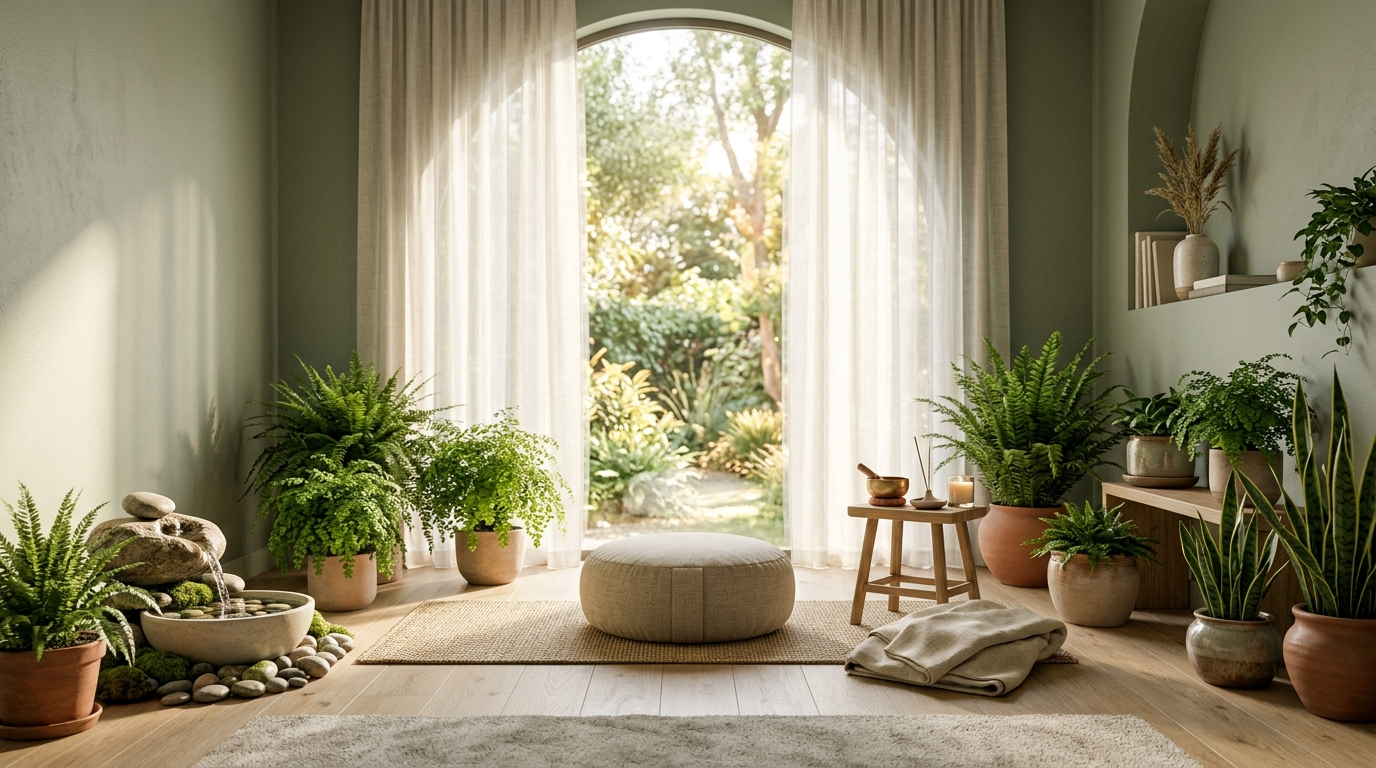
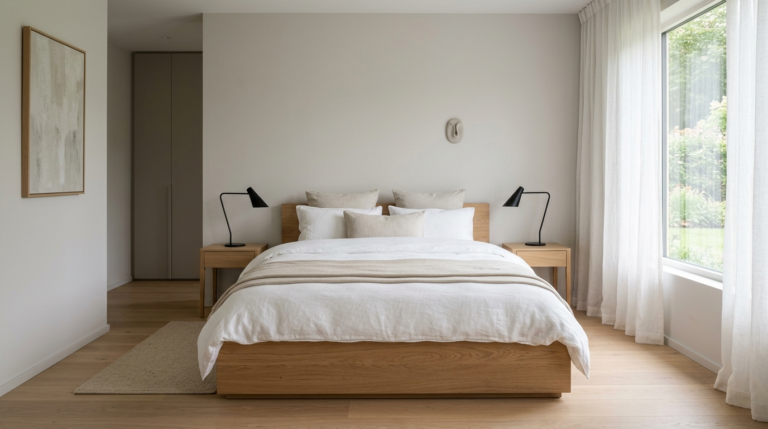
In today’s relentless, hyper-connected world, the concept of home has evolved significantly. It is no longer just a place to sleep and eat; it must also serve as a profound retreat, a barrier against the overwhelming noise and stress of external life. Cultivating a dedicated wellness space within your home is not merely a luxury; it is becoming an essential component of holistic health and mental well-being. A thoughtfully designed home sanctuary offers a physical threshold you can cross to leave daily anxieties behind, providing a safe harbor for meditation, yoga, reading, or simple, restorative silence. Designing this space requires a conscious departure from standard interior decorating. It is an exercise in intentionality, focusing on sensory experiences, natural harmonies, and the psychological impact of your environment. In this comprehensive masterclass, we will delve deeply into the art and science of creating an extraordinary wellness sanctuary, exploring every facet from spatial psychology and color theory to biophilic design and acoustic management. Prepare to transform an ordinary room into an oasis of profound peace and rejuvenation.1. Selecting the Perfect Location for Your SanctuaryThe foundation of a successful wellness space begins with choosing the right location within your home. You do not necessarily need a sprawling, cavernous room; in fact, intimate, cozy spaces often feel more secure and nurturing. However, the environmental factors of the chosen space are paramount. Ideally, seek an area that naturally benefits from abundant natural light, particularly the soft, golden light of early morning or the warm hues of late afternoon. Light dictates our circadian rhythms, and a sunlit space inherently lifts the spirit. Equally important is the acoustic environment. Choose a room situated as far away as possible from the high-traffic, noisy zones of your house, such as the kitchen, the main entryway, or the family television room. If you live in a bustling urban environment, select a room facing a quieter courtyard or backyard rather than a busy street. A spare guest bedroom, an underutilized sunroom, a finished attic, or even a generous walk-in closet can be brilliantly repurposed. The goal is isolation from daily distractions, creating a distinct boundary between ‘doing’ and ‘being.’
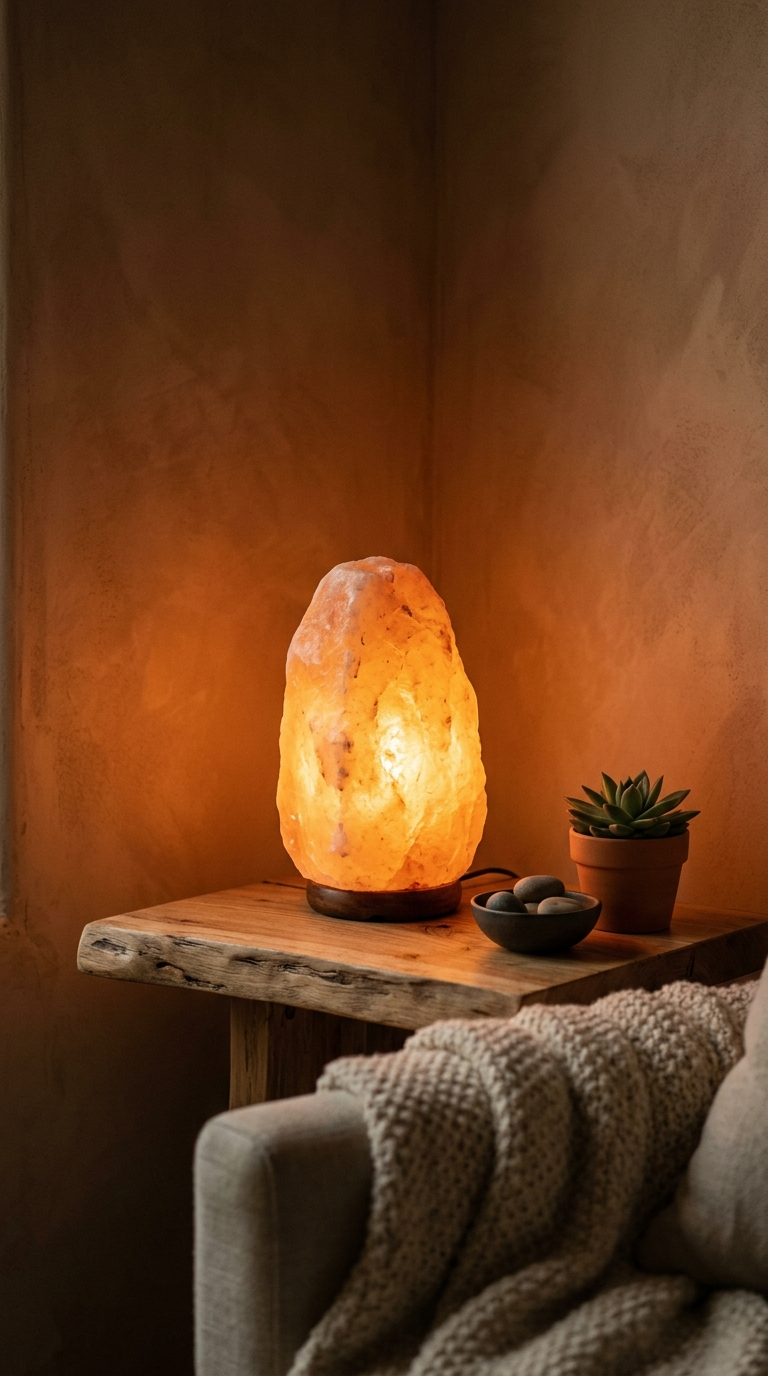
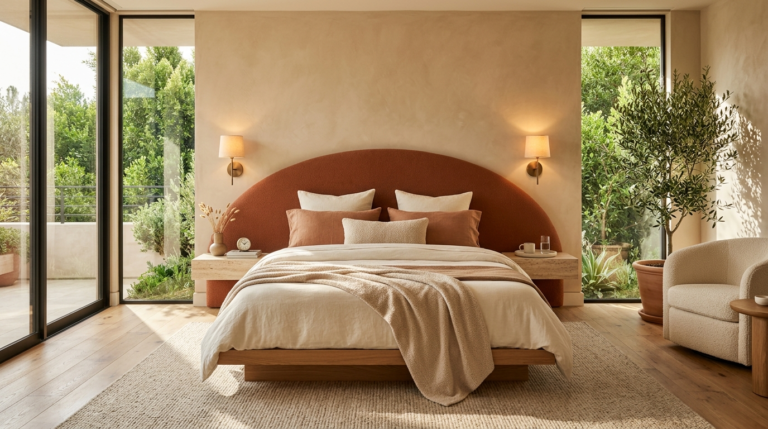
2. The Psychology of Color in Restorative SpacesColor is arguably the most powerful tool in your design arsenal when attempting to manipulate the mood and energy of a room. For a wellness sanctuary, the objective is to lower the heart rate, soothe the nervous system, and encourage a state of deep, introspective calm. Vibrant, highly saturated colors like fire-engine red, electric orange, or intense yellow are stimulating and have no place in a restful retreat. Instead, turn to the serene palettes found in nature. Soft, muted greens, reminiscent of a misty forest, promote feelings of growth, renewal, and balance. Gentle, dusty blues evoke the expansiveness of the sky and the tranquility of calm waters, known to reduce blood pressure and ease anxiety. Warm, earthy neutrals—think soft terracotta, warm beige, oatmeal, and pale taupe—ground the space, making it feel warm, secure, and deeply comforting. When applying color, consider a monochromatic approach, layering varying shades of a single soft hue to create a seamless, enveloping environment that visually quietens the mind and reduces cognitive load.3. Mastering the Nuances of Restful LightingLighting in a wellness space must be entirely adaptable, capable of shifting from the bright clarity needed for morning yoga to the dim, mysterious glow conducive to evening meditation. Harsh, cool-toned overhead lighting is the enemy of relaxation. Your lighting scheme must heavily prioritize warm, diffused, and low-level sources. Maximize natural daylight during daylight hours by using sheer, gauzy window treatments that soften direct sunlight while maintaining privacy. As evening approaches, rely on multiple soft light sources positioned around the room at varying heights. Himalayan salt lamps cast a uniquely beautiful, amber glow that is incredibly soothing. Floor lamps with paper or fabric shades naturally diffuse light, eliminating harsh glare. Consider incorporating smart LED bulbs that allow you to adjust both the brightness and the color temperature; choose a warm white (around 2700K) for general use and a very warm, candle-like glow (2000K or lower) for deep relaxation. Always install dimmer switches to ensure you have absolute control over the room’s luminous atmosphere.
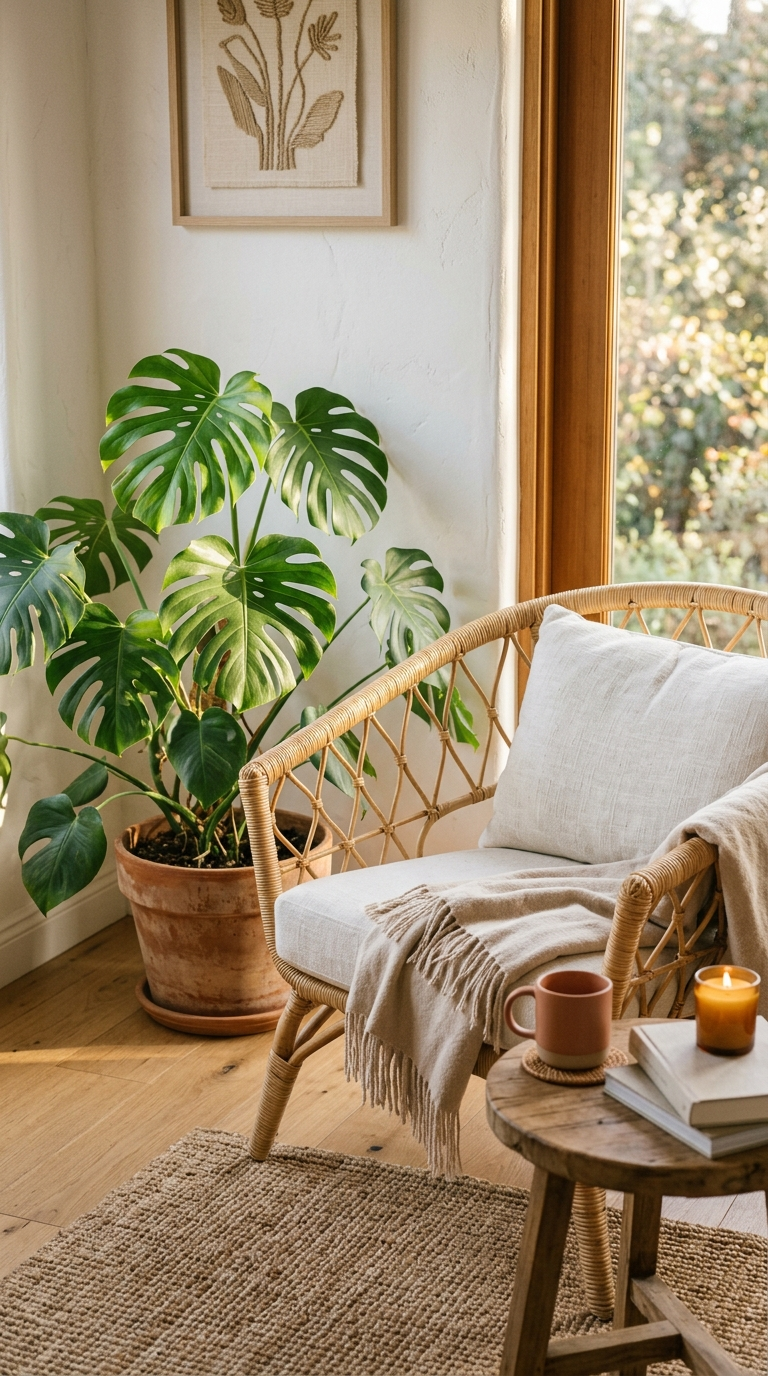
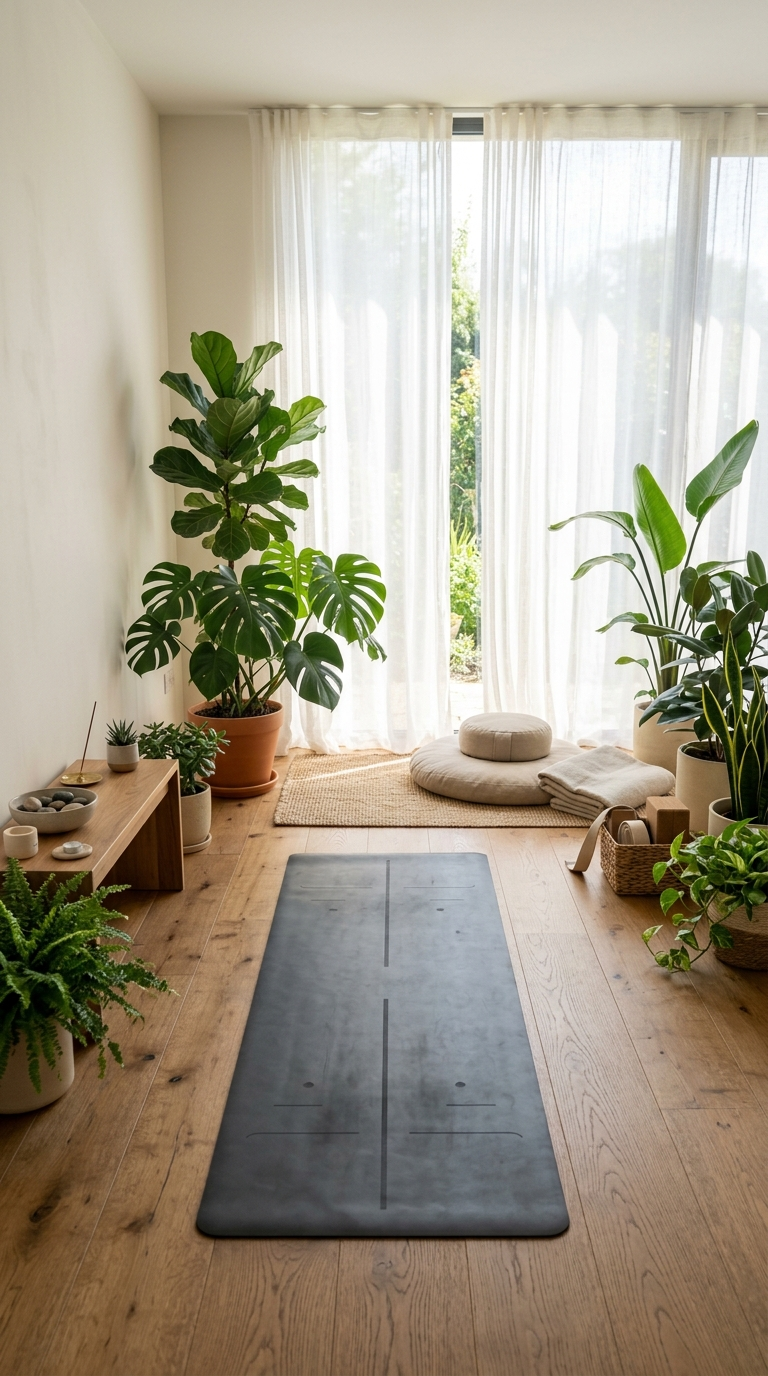
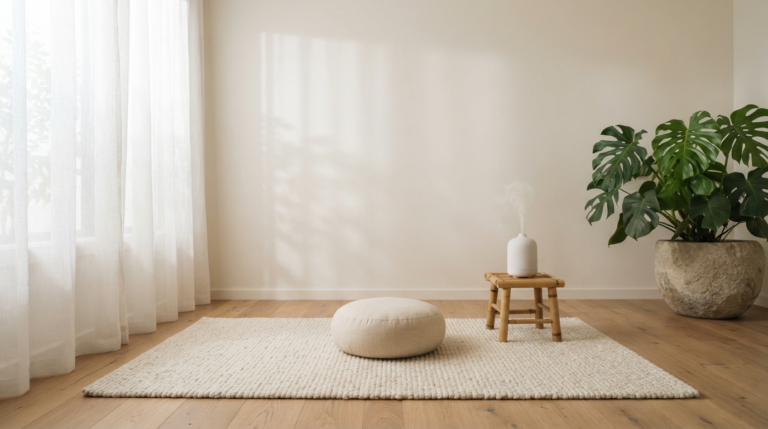
4. Embracing Biophilic Design ElementsBiophilia is the innate human instinct to connect with nature and other living systems. Integrating biophilic design principles into your sanctuary is one of the most effective ways to foster a sense of profound well-being. Humans are genetically predisposed to feel safe and relaxed in natural environments. Bring the outdoors inside by introducing a diverse array of living houseplants. Snake plants, pothos, peace lilies, and ferns not only add vibrant visual life and rich textures but also actively purify the indoor air. Beyond plants, incorporate raw, natural materials throughout the space. Choose furniture crafted from solid, unfinished, or lightly oiled wood, which brings warmth and a tactile, grounded energy. Integrate elements of stone, whether it is a small pebble tray, a sculptural piece of marble, or raw crystals. Water features, such as a small, quiet tabletop fountain, introduce the incredibly soothing, rhythmic sound of flowing water, masking background noise and instantly transporting the mind to a serene, natural setting.5. Curating Tactile Comfort and Soft FurnishingsA wellness space should be a deeply tactile experience that appeals to the sense of touch as much as the sense of sight. Hard, cold surfaces should be minimized in favor of plush, inviting textures that practically beg you to sink into them and let go of physical tension. Start from the ground up: if your room has hard floors, layer a thick, high-pile wool or natural jute rug to provide a soft landing for bare feet and yoga practice. Seating should be low, grounded, and immensely comfortable. Floor cushions, plush meditation poufs, or a low-profile, deep-seated lounge chair are excellent choices. Draping organic, breathable textiles over your seating is essential. Opt for luxurious, natural fabrics like washed linen, soft organic cotton, chunky knit wool, or brushed cashmere throws. Keep a basket filled with extra blankets and soft pillows readily available. The physical sensation of being wrapped in soft, heavy fabrics mimics the feeling of a warm embrace, triggering the release of oxytocin and profoundly enhancing physical relaxation.
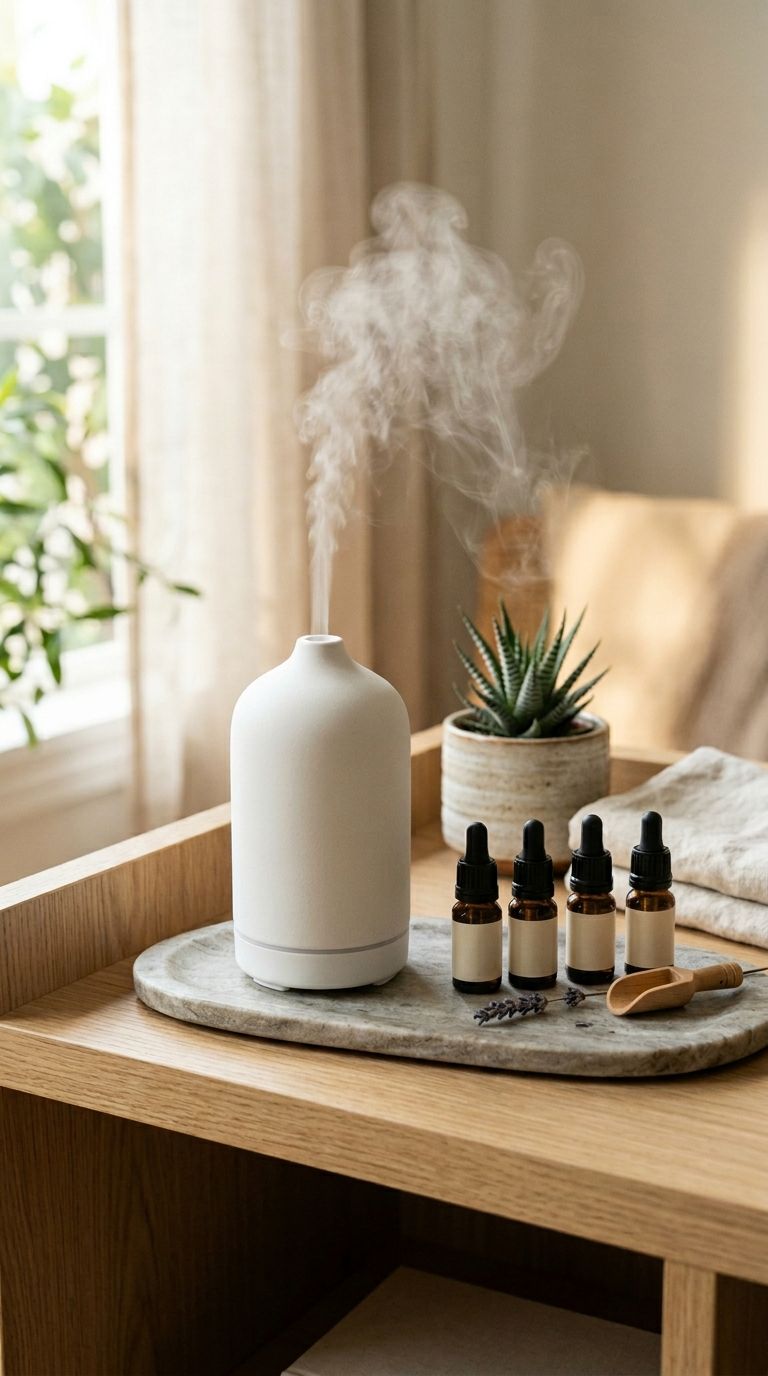
6. Acoustic Management and the Art of SoundAbsolute silence can sometimes be just as distracting as loud noise, making the subtle ringing in our ears prominent. The goal in a sanctuary is acoustic harmony—managing unwanted disruptive noise while gently introducing soothing, intentional soundscapes. First, address soundproofing. Heavy, velvet blackout curtains not only control light but also significantly muffle street noise. Adding soft materials like rugs, wall tapestries, and plush furniture absorbs sound waves, preventing echoing and creating a hushed, intimate acoustic environment. Once you have managed external noise, curate your soundscape. A high-quality, unobtrusive bluetooth speaker is essential for playing ambient tracks, guided meditations, binaural beats, or the pure sounds of nature like rain or ocean waves. Alternatively, acoustic instruments like a set of brass Tibetan singing bowls, a gentle wind chime hung near an open window, or a rhythmic rainstick can be used actively to clear the energy of the room and focus the mind before a meditation session.7. Aromatherapy and Air QualityThe olfactory system is directly wired to the limbic system, the brain’s emotional center, making scent one of the fastest and most potent ways to alter your state of mind. Scenting your sanctuary should be an intentional ritual. Invest in an ultrasonic essential oil diffuser to disburse pure, therapeutic-grade oils into the air without the use of heat, preserving their beneficial properties. Lavender, chamomile, and bergamot are scientifically proven to reduce anxiety and promote sleepiness. Frankincense and sandalwood offer a deep, grounding, and spiritually elevating aroma ideal for meditation. Eucalyptus and peppermint are excellent for clearing the respiratory system and refreshing the mind during morning yoga. In addition to scent, prioritize pure, clean air. Ensure the room is well-ventilated, opening windows daily if weather permits to allow stagnant air to escape. Consider adding a high-efficiency HEPA air purifier to continuously filter out dust, allergens, and pollutants, ensuring every breath you take in your sanctuary is deeply nourishing and revitalizing.
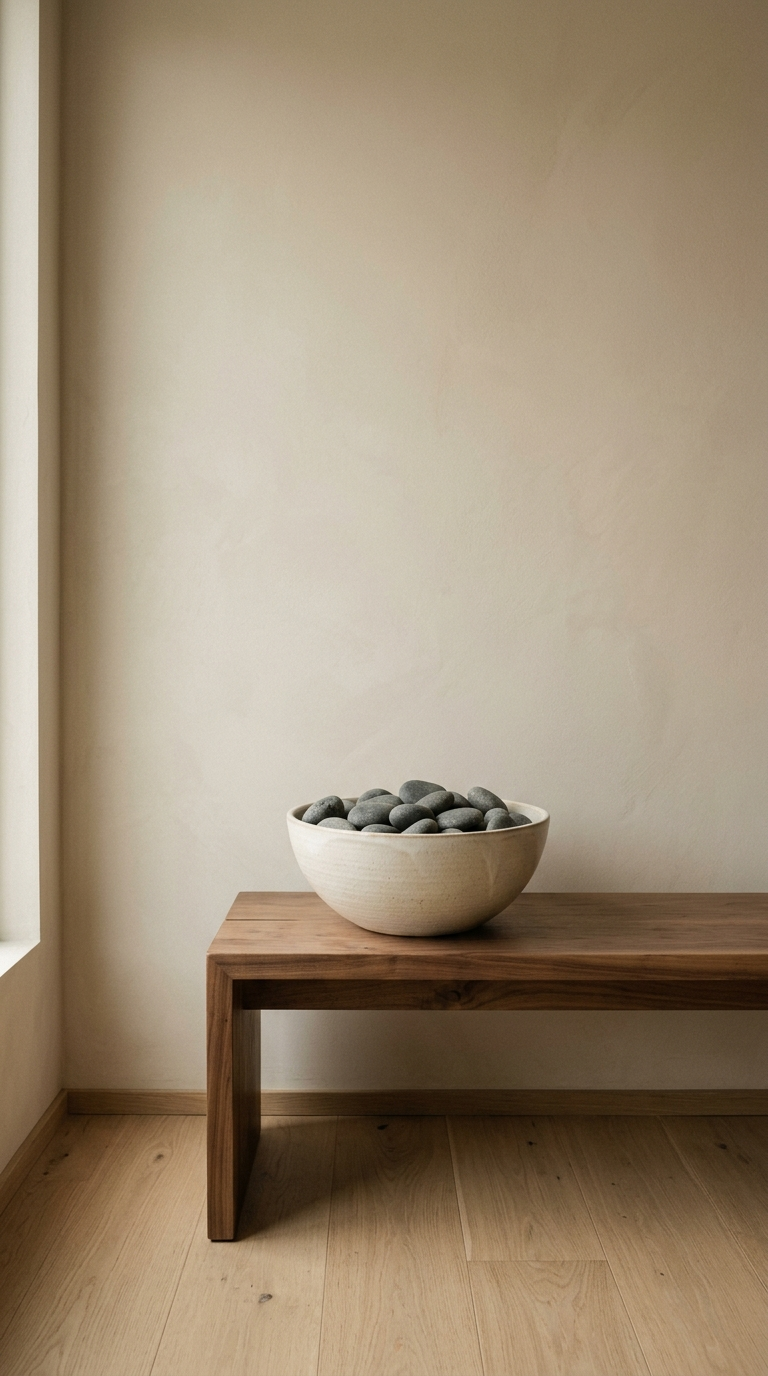
8. Establishing a Strict Digital Detox ZoneIn our modern era, screens and digital devices are the primary sources of psychological stress, information overload, and interrupted attention spans. To truly create a space for mental recovery, your wellness sanctuary must be a designated, uncompromising digital-free zone. The glowing screens of smartphones, tablets, and televisions emit blue light that disrupts melatonin production and keeps the brain in a state of hyper-alertness. Notifications, emails, and social media feeds tether you to the demands of the outside world, making deep relaxation impossible. Leave all electronics outside the door. If you use a device strictly to play guided meditations or music, turn it to “Do Not Disturb” or “Airplane Mode” before entering, and place it out of sight. Replace the compulsion to scroll with analog activities: keep a beautifully bound journal and a smooth-writing pen nearby for reflection, stock a small shelf with inspiring poetry or philosophical books, or simply allow yourself the rare and beautiful luxury of sitting quietly and doing absolutely nothing.9. Mindful Curation and Avoiding ClutterVisual clutter inevitably translates to mental clutter. A space crammed with furniture, excessive decorations, and disorganized belongings is inherently stressful and chaotic. A wellness sanctuary must champion the principles of mindful minimalism. Every single object within the space should serve a specific purpose, whether functional or deeply, personally inspirational. Be ruthless in your editing. Remove anything that does not actively contribute to a sense of peace. When selecting decor, choose a few meaningful pieces over a multitude of trinkets. A single, beautiful piece of original art depicting a tranquil landscape, a smooth, sculptural stone collected from a meaningful trip, or a beautifully crafted ceramic bowl can serve as meditative focal points. Keep the floor space as open as possible to allow energy to flow freely and to provide ample room for movement and stretching. By maintaining a clean, sparse, and highly intentional environment, you give your mind the literal and metaphorical space it needs to unspool, expand, and find its center.
Conclusion: A Commitment to YourselfCreating a home wellness sanctuary is far more than an interior design project; it is a profound declaration of self-worth and a tangible commitment to your long-term mental and physical health. By meticulously applying these principles—selecting a tranquil location, utilizing soothing colors and biophilic elements, managing light and sound, and fiercely protecting the space from digital intrusion—you forge an environment engineered for deep restoration. This space will evolve with you, adapting to your changing needs and practices over time. Whether you spend five minutes or five hours there, stepping into your sanctuary should feel like exhaling a breath you didn’t realize you were holding. It is a sacred investment in your well-being, providing a reliable, beautiful haven where you can continually return to replenish your energy, find absolute stillness, and reconnect with your most grounded, peaceful self.
Discover imaginative and whimsical DIY projects to transform your child’s nursery into a magical wonderland. Easy steps for creating personalized kids spaces.
Create the ultimate relaxing sanctuary with these fifteen cozy, rustic bedroom ideas. Learn how to layer textures, optimize lighting, and build a peaceful haven.
Discover how to transform any corner of your home into a tranquil wellness sanctuary. Follow this comprehensive step-by-step guide to minimalist relaxation.
Discover the hottest bedroom design trends of the year. From calming color palettes to smart layout solutions, learn how to elevate your sleeping space.
Are you making these common bedroom design mistakes? Learn how to fix your sleeping space, optimize flow, and create a truly minimalist, serene retreat.
Transform your child’s room into a realm of wonder. Discover enchanting, step-by-step DIY nursery projects that blend imagination with whimsical design.