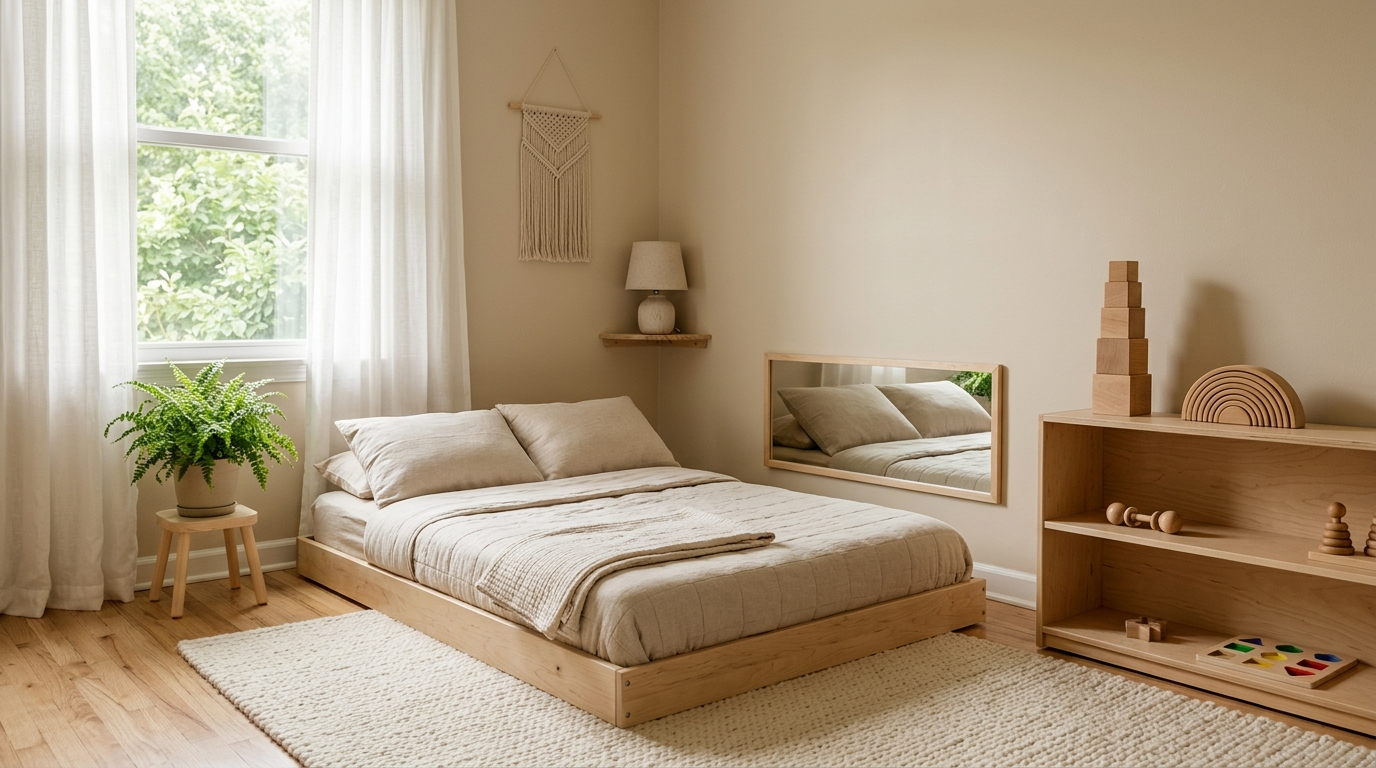
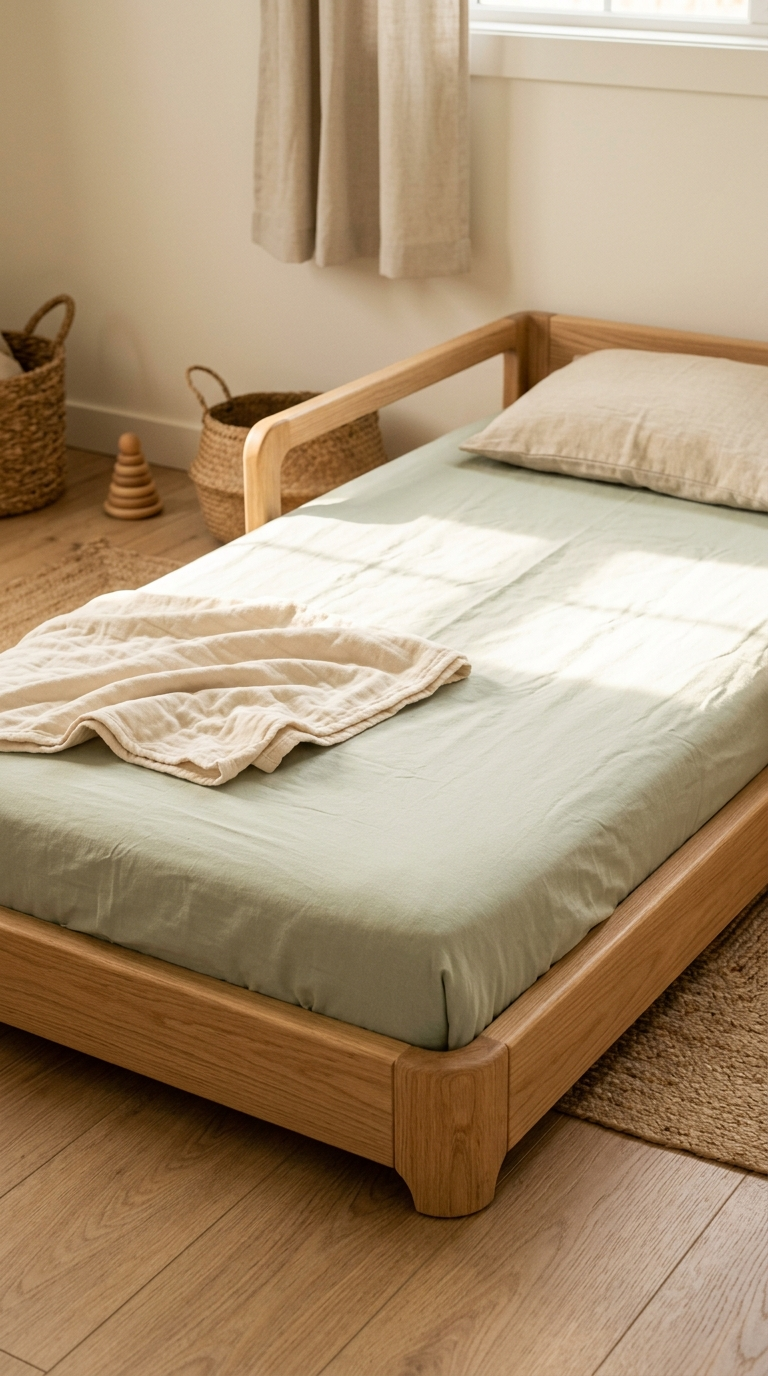
Designing a nursery is one of the most exciting milestones in preparing for a new baby. However, the traditional approach often prioritizes aesthetics that appeal to adults rather than environments engineered for a child’s developmental needs. Enter the Montessori nursery—a philosophy-driven design approach that focuses on independence, accessibility, and serenity. Creating a Montessori-inspired space means stripping away the clutter, the loud plastic toys, and the restrictive furniture, replacing them with a carefully curated environment that respects the child’s perspective. In this comprehensive, step-by-step guide, we will walk you through exactly how to build a calming, functional, and deeply creative Montessori nursery from the ground up, ensuring your little one has a safe haven to explore, learn, and rest.Step 1: Implementing the Floor Bed ConceptPerhaps the most defining, and sometimes intimidating, feature of a Montessori bedroom is the floor bed. Unlike traditional cribs that restrict a child’s movement and require an adult to lift them in and out, a floor bed empowers the child with autonomy. From the moment they begin to crawl, they can choose when to safely get into bed to sleep and when to get out to explore their room. This freedom of movement is central to the Montessori philosophy, fostering confidence and a healthy relationship with sleep.When setting up a floor bed, safety is the absolute priority. The entire room must be thoroughly baby-proofed, acting essentially as a large crib. Secure all furniture to the walls, cover every electrical outlet, and ensure there are no choking hazards or dangling cords within reach. The bed itself can be as simple as a firm, high-quality mattress placed directly on the floor, or you can use a low-profile wooden frame. Keep the bedding minimal and breathable to adhere to safe sleep guidelines. By removing the physical barrier of crib rails, you are giving your child the profound gift of spatial awareness and early independence, allowing them to wake up and interact with their environment on their own terms.
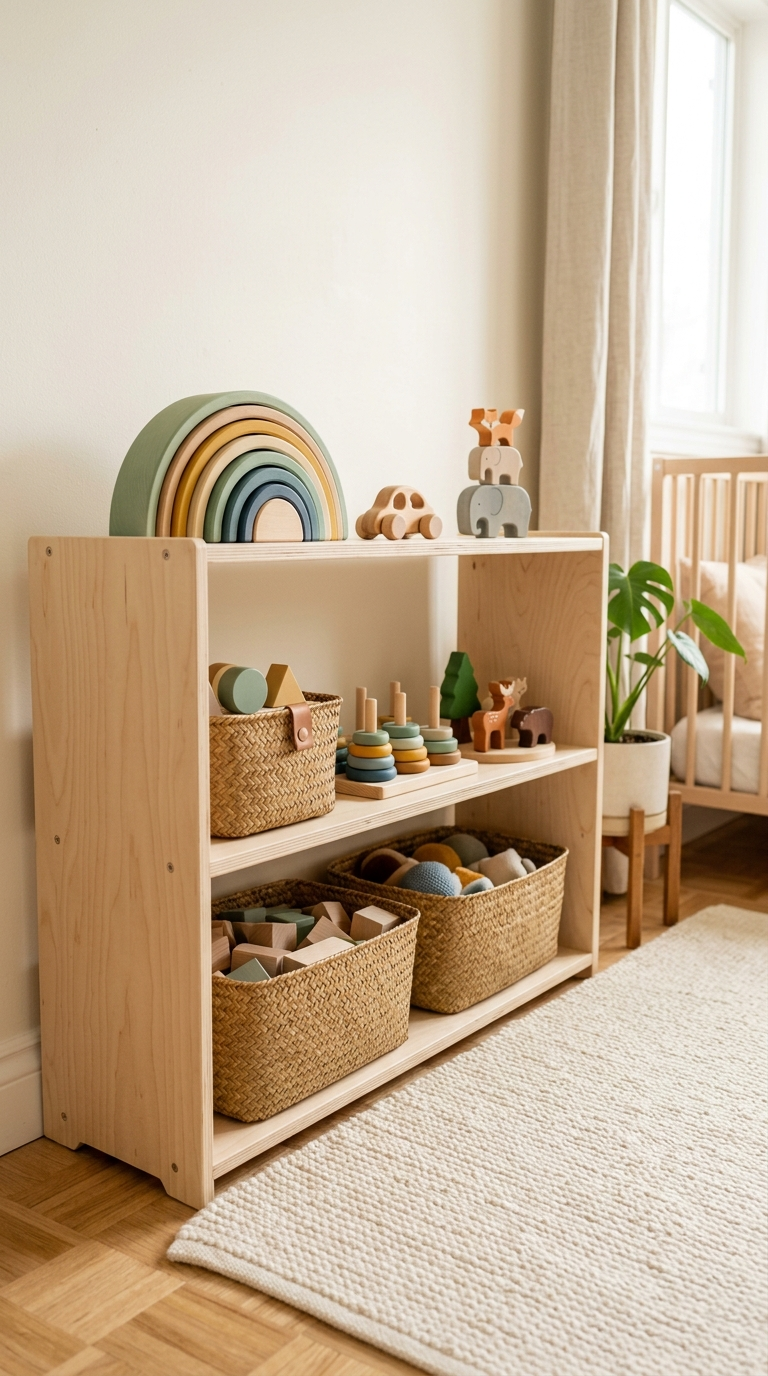
Step 2: Designing Accessible, Low-Level StorageA core tenet of the Montessori method is that everything the child needs should be accessible to them. Traditional nurseries often feature tall dressers and deep toy chests that require parental intervention. To foster independence, you must view the room from a height of about two feet. Storage must be low, open, and incredibly organized.Invest in low, sturdy wooden shelving units. Instead of dumping toys into a massive bin where pieces get lost and broken, display a curated selection of toys and activities in small, natural woven baskets or wooden trays along the shelves. This practice, known as ‘toy rotation,’ prevents the child from becoming overwhelmed and encourages deep, focused play. When a child can see their options clearly and reach them easily, they are much more likely to engage with them. Furthermore, apply this accessibility to their clothing. Use a low wardrobe or a small clothing rack where you hang just two or three weather-appropriate outfits for the day. Allowing a toddler to choose their own clothes and dress themselves is a massive confidence booster and a wonderful exercise in daily life skills.
Step 3: Mastering Color Psychology for a Calming AtmosphereWhile brightly colored, highly contrasted nurseries are common, they can often be overstimulating for a baby’s developing nervous system. A Montessori nursery leans heavily into neutral, muted, and nature-inspired color palettes to create a tranquil sanctuary that promotes rest and focused learning.Start with a foundation of soft whites, warm creams, gentle grays, or subtle earthy tones like pale sage green or soft beige on the walls. These soothing backdrops allow the toys, books, and artwork to become the focal points of the room. When introducing color, do so purposefully through the materials and educational objects placed on the shelves. A set of brightly painted wooden blocks or a colorful silk scarf will stand out beautifully against a neutral background, naturally drawing the child’s eye and encouraging interaction without overwhelming their senses. The goal is to mimic the peacefulness of nature, creating a visually quiet space that serves as a retreat from the busy, noisy world outside.
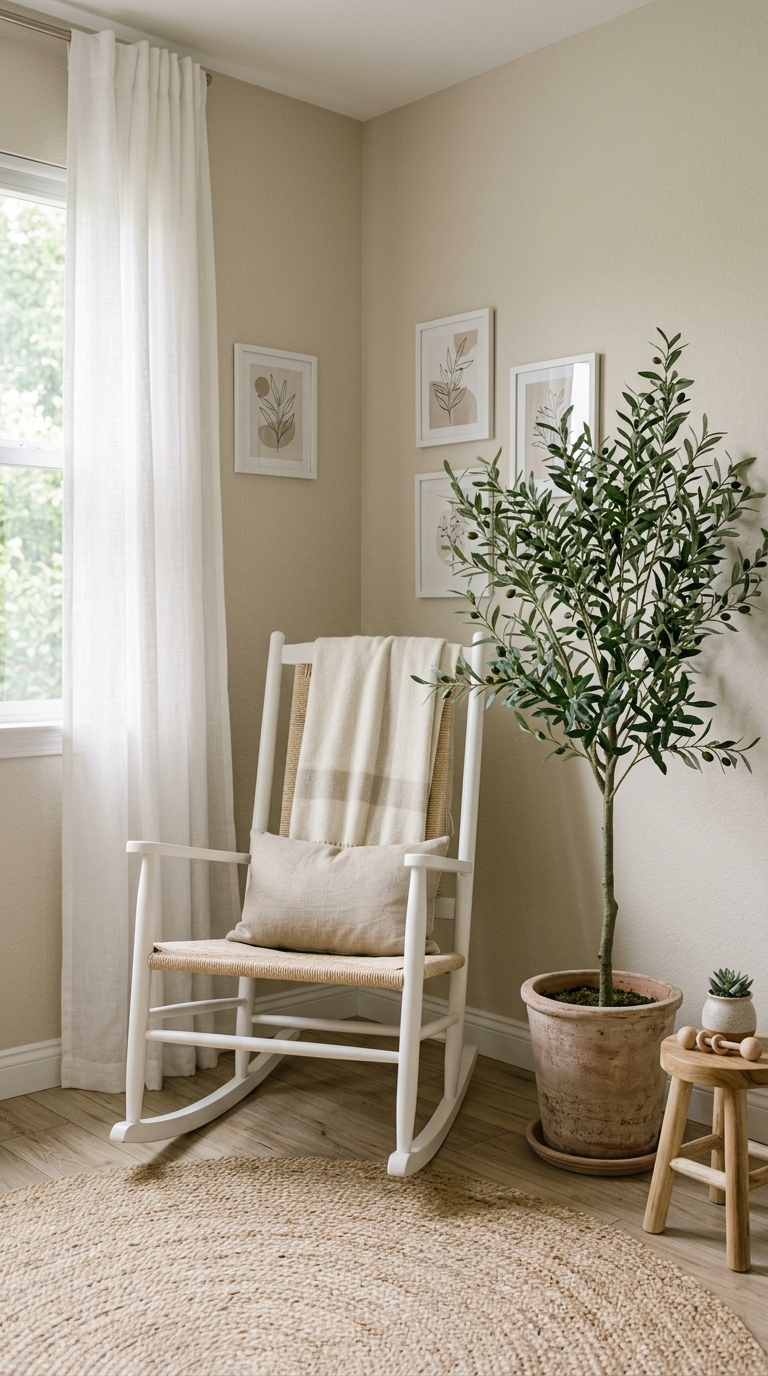
Step 4: Incorporating Rich, Natural Sensory TexturesChildren learn about the world primarily through touch in their early years. Therefore, a Montessori space should be rich in diverse, natural textures that provide a safe and engaging sensory experience. Move away from synthetic, plastic materials and embrace the tactile warmth of nature.Start with the flooring. A large, plush rug made of natural fibers like wool or cotton provides a soft, warm surface for crawling and playing. For the furniture, opt for unpainted, solid wood pieces that allow the child to feel the grain. Incorporate different textures through the items you place in the room: smooth wooden teething rings, soft knitted cotton blankets, cool metal musical instruments, and woven grass baskets. Even the decor can be tactile; consider hanging a soft macrame wall piece or providing a small, baby-safe indoor plant (like a Spider Plant) that they can help water and touch gently. By surrounding your child with varied, natural materials, you are constantly feeding their sensory curiosity and helping them build complex neural pathways.
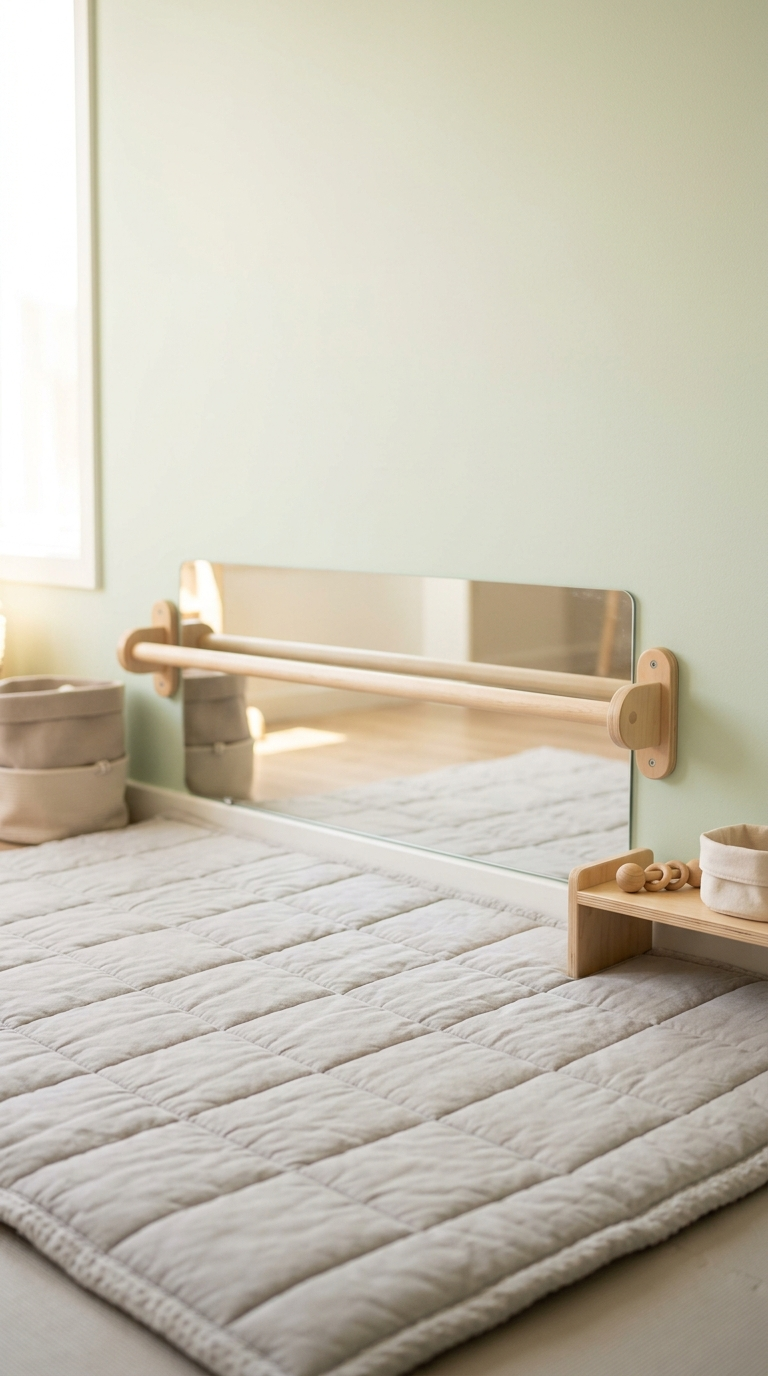
Step 5: Fostering Self-Discovery with Art and MirrorsArt and visual stimulation play a crucial role in a nursery, but in a Montessori room, the placement is just as important as the subject matter. Artwork should be hung at the child’s eye level, not the adult’s. This respects the child’s perspective and allows them to actually see and appreciate the imagery.Choose realistic artwork over cartoonish depictions. Beautiful illustrations of animals, botanical prints, or photographs of landscapes and people help ground the child in reality. Another indispensable element is a low, securely mounted wall mirror. Placed horizontally next to the floor bed or a soft play mat, the mirror allows infants to observe their own movements, developing their visual tracking, focus, and eventually, self-recognition. A sturdy wooden pull-up bar can be attached across the mirror for older infants, providing them with the support they need as they transition from sitting to standing and walking. The mirror becomes a tool for immense physical and cognitive development.
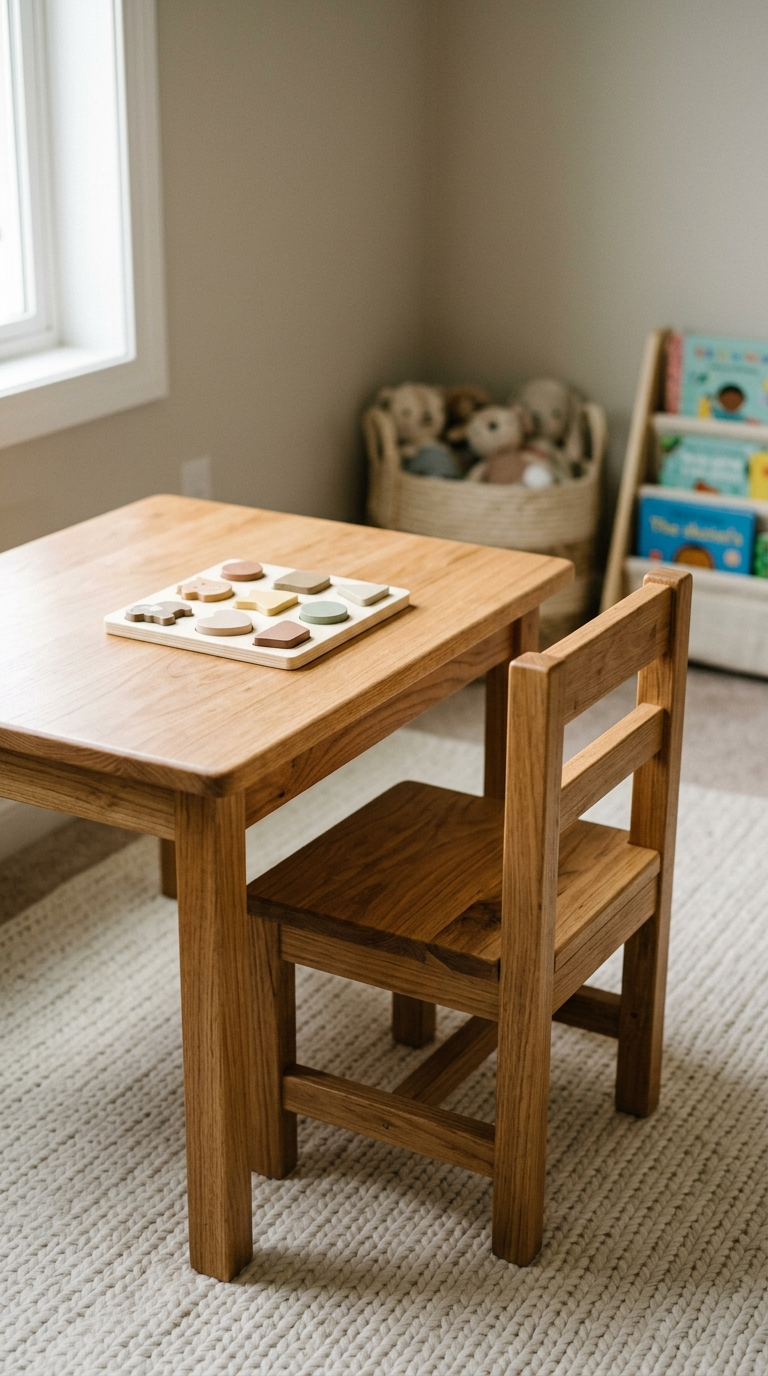
Step 6: Creating a Dedicated, Child-Sized WorkspaceAs your baby transitions into toddlerhood, providing a space specifically tailored to their size for focused activities becomes essential. A child-sized table and chair set is a cornerstone of a Montessori bedroom, offering a dedicated spot for everything from arts and crafts to having a snack or working on a puzzle.The furniture must be ergonomically correct; when sitting, the child’s feet should rest flat on the floor, and the table should be at a comfortable height for their elbows. This physical comfort allows for longer periods of concentration. Keep this area clean and uncluttered, presenting only one activity at a time. You can also place a small, accessible cleaning station nearby—perhaps a child-sized dustpan and brush or a small cloth. Montessori strongly emphasizes ‘practical life’ skills, and teaching a child how to clean up their own workspace instills a deep sense of responsibility, capability, and pride in their environment.
Conclusion: A Foundation for Lifelong IndependenceDesigning a Montessori nursery is an ongoing journey of observing your child and adapting the environment to meet their evolving needs. It requires a shift in perspective, moving away from conventional decorative norms and prioritizing the developmental benefits of the space. By implementing a floor bed, utilizing low shelving, adhering to a calming color palette, and incorporating natural materials, you are doing much more than simply decorating a room. You are building a foundational environment that respects your child’s innate desire to learn, grow, and become independent. This thoughtful, intentional approach yields a beautiful, serene space that both you and your child will cherish throughout their crucial early years.
Discover the ultimate cozy bedroom ideas to elevate your personal space. Create a tranquil, relaxing retreat with these essential styling and decor tips.
Struggling to achieve that perfect minimalist bedroom? Learn the 7 most common decor mistakes to avoid for a clean, serene, and perfectly balanced space.
Struggling to focus? You might be making these critical home office design mistakes. Learn how to optimize lighting, layout, and decor for a productive space.
Transform your home into a restorative haven. Discover expert design tips for creating beautiful wellness spaces that promote peace, focus, and relaxation.
Learn how to master the art of layering textures and fabrics to build a deeply comforting, visually stunning bedroom sanctuary that invites perfect sleep.
Discover how to transform your home office into a cozy productivity oasis. Explore layout tips, ergonomic solutions, and decor ideas to inspire your best work.