Creating a home office is more than just plonking a laptop on a spare table and calling it a day. As remote work becomes the norm rather than the exception, we are collectively realizing the vital importance of having a dedicated, thought-out workspace. However, in the rush to set up, many homeowners and renters make crucial errors that significantly impact their comfort, focus, and long-term health. If you are struggling with productivity, experiencing strange aches and pains, or simply cannot stand being in your designated work area, you might be falling victim to some common home office design blunders. In this comprehensive guide, we will dive deep into the specific mistakes to avoid and provide actionable, stylish solutions to transform your workspace into a powerhouse of efficiency and tranquility.
1. Ignoring Ergonomics: The Silent Productivity Killer
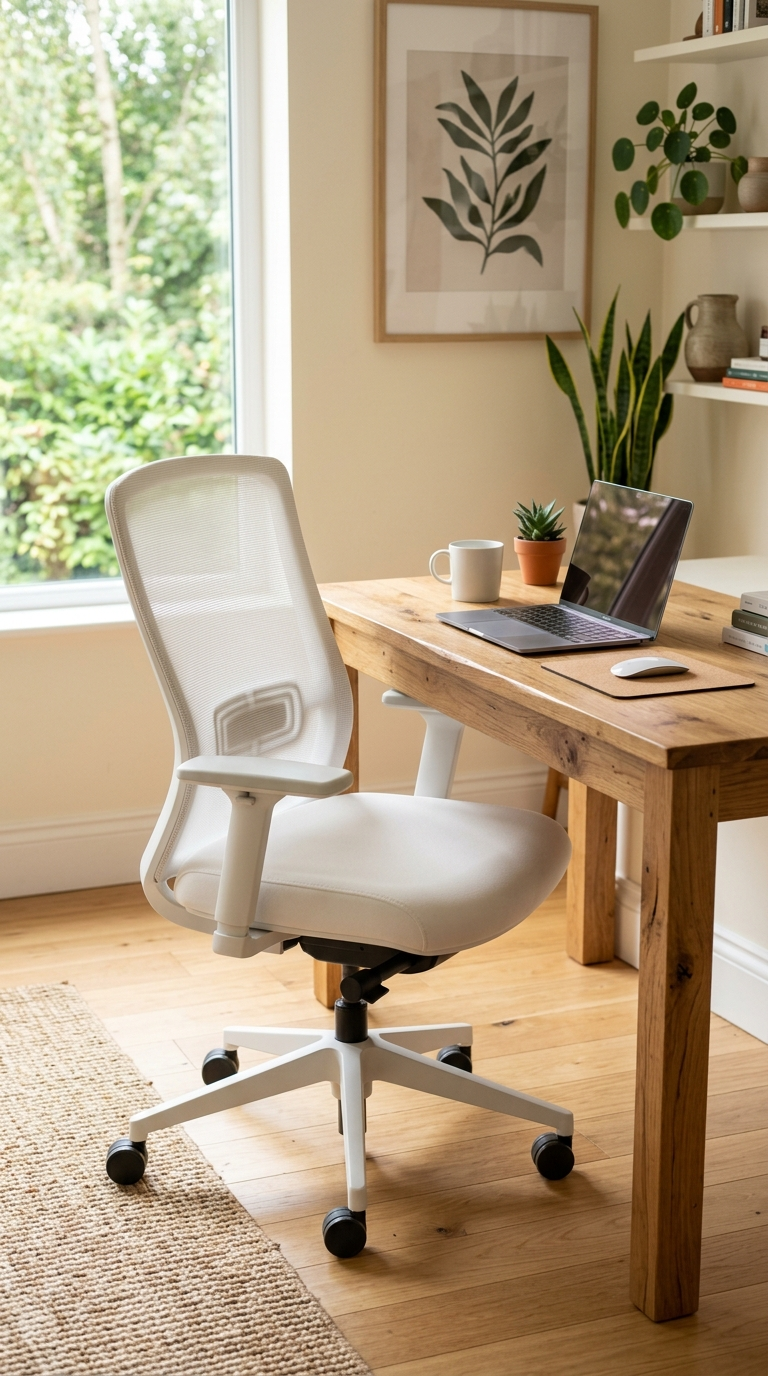
Perhaps the single most dangerous and frequent mistake is neglecting ergonomics. When we design for the home, we often prioritize aesthetics or budget over the physiological needs of the body. You might think that antique wooden chair looks charming, but if it doesn’t support your spine, you will pay for it later. An improper ergonomic setup leads to neck strain, back pain, carpal tunnel syndrome, and generalized fatigue. When your body is uncomfortable, your brain cannot focus on the task at hand. You spend valuable mental energy managing discomfort rather than tackling your to-do list.
The Fix: Invest in a high-quality, adjustable office chair. It is an investment in your health and your work output. Look for chairs with lumbar support, adjustable height, adjustable armrests, and a tilt function. Your feet should rest flat on the floor, and your knees should be at a ninety-degree angle. Similarly, your monitor should be at eye level so you aren’t constantly looking down, straining your neck. Use a monitor stand or a stack of sturdy books if necessary. If your budget allows, a standing desk or a standing desk converter is an excellent addition, allowing you to alternate between sitting and standing throughout the day, which boosts circulation and energy levels.
2. Inadequate or Harsh Lighting Setup
Lighting plays a monumental role in mood, energy levels, and eye health. Yet, many home offices suffer from either being too dim—forcing eyes to strain—or too bright with harsh overhead fluorescence that causes headaches and glare. A frequent mistake is relying solely on the central ceiling light or placing the desk directly in front of a bright window, causing intense silhouette glare on the screen.
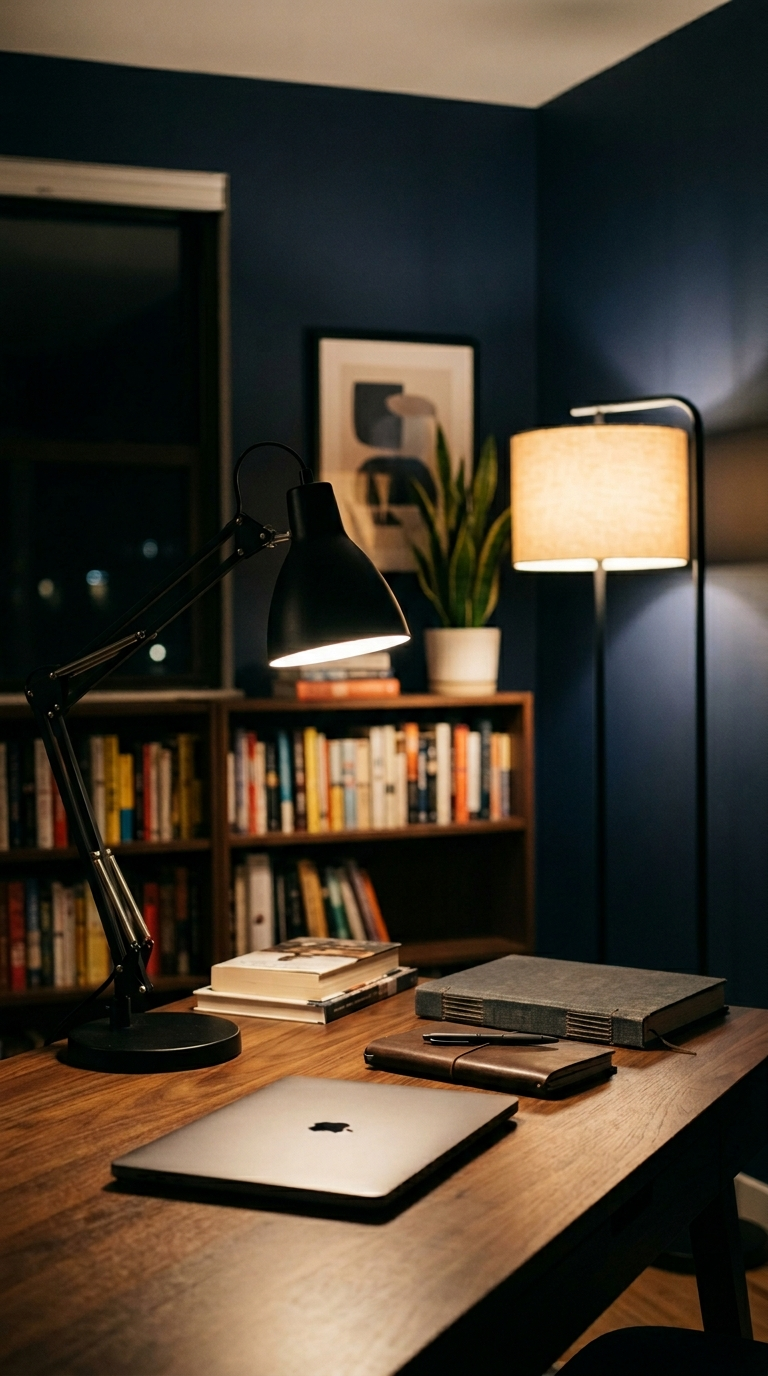
The Fix: Implement a layered lighting scheme. Layered lighting involves three components: ambient, task, and accent lighting. For ambient light, aim for soft, warm light that fills the room without glare; dimmable fixtures or floor lamps that bounce light off the ceiling work well. Task lighting is crucial; a good desk lamp with an adjustable arm allows you to direct light precisely where you need it without creating shadows on your work surface. Finally, accent lighting can create depth and mood, like LED strips behind your monitor to reduce eye strain (bias lighting) or spotlights on shelves. Position your monitor perpendicular to windows, rather than directly in front or behind, to minimize glare and manage natural light effectively with blinds or sheer curtains.
3. Clutter: The Visual Noise That Paralyzes Progress
A cluttered desk reflects and reinforces a cluttered mind. It is exceptionally easy for a home office to become a dumping ground for physical and mental detritus—unopened mail, random cables, children’s toys, and yesterday’s coffee cups. Visual disorganization is a constant distraction, visually ‘shouting’ at you when you are trying to concentrate. Furthermore, when everything is a mess, you waste precious time searching for essential documents or supplies, adding unnecessary friction to your workday.
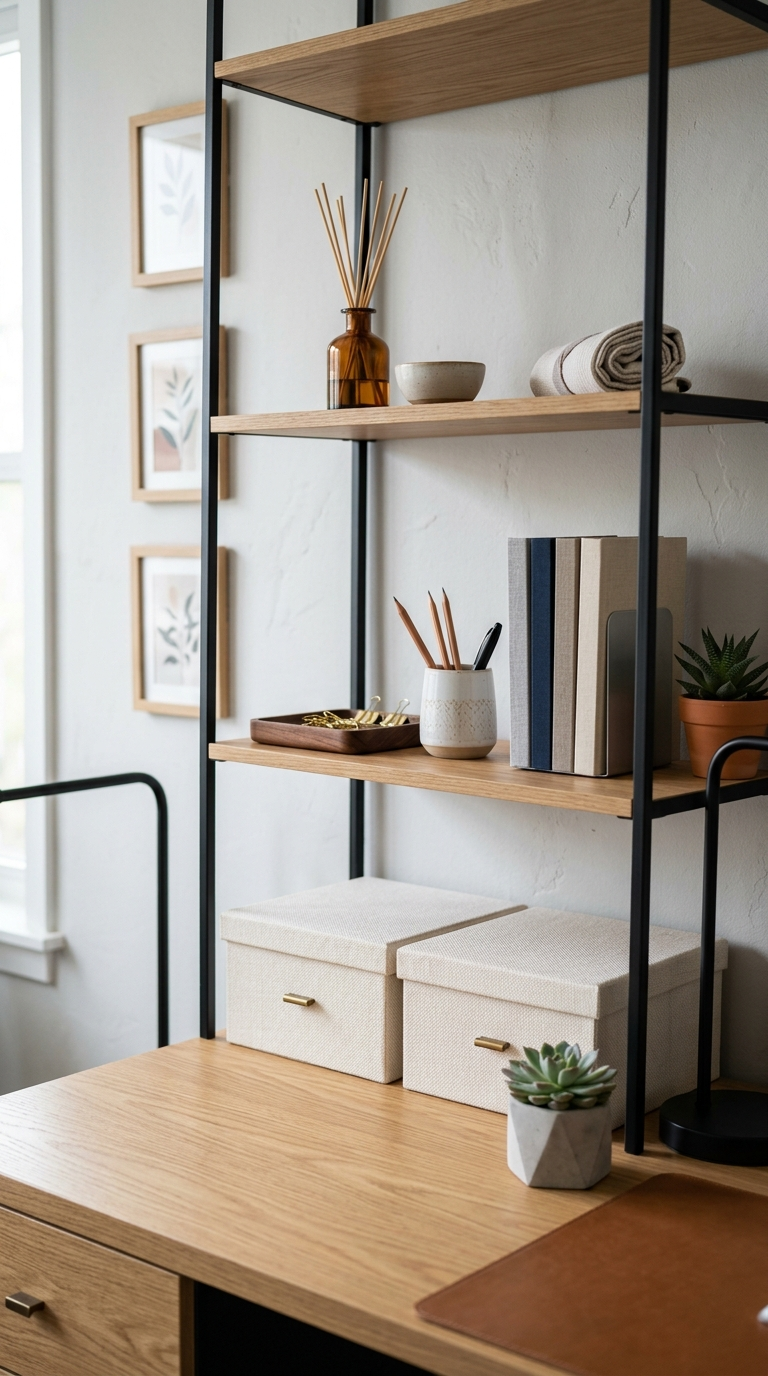
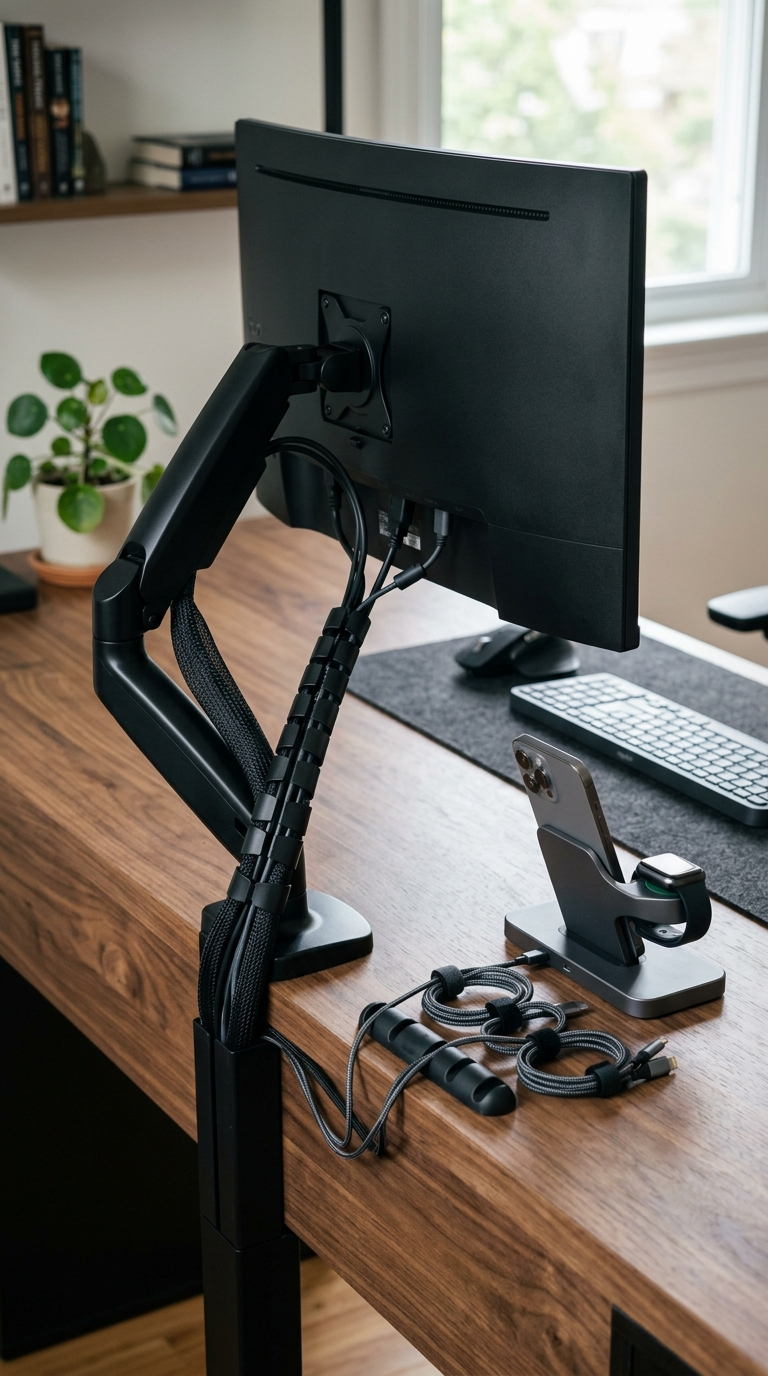
The Fix: Adopt the philosophy of ‘a place for everything and everything in its place.’ This requires a blend of ruthlessness and smart storage solutions. Start by purging anything you do not actively use. Implement effective cable management solutions—velcro ties, cable sleeves, and under-desk cable trays can work wonders to hide the spaghetti of wires. Use vertical space: install shelves above your desk for items you use frequently but don’t need on your actual desktop. Utilize drawer dividers, filing cabinets (even small, decorative ones), and stylish desktop organizers. Clear off your desk at the end of every single workday as a ritual to reset for the next morning. A clean, streamlined surface signals to your brain that it is time to focus.
4. Disregarding Acoustics and Sound Management
When designing a home office, we often only think about what the space looks like, not what it sounds like. This is a critical mistake, especially in open-plan homes or households with partners, children, or pets. Background noise, echo, and poor sound insulation are major sources of stress and interruption during video calls and focused deep work. If your environment is constantly loud, your brain is always on high alert, hindering your ability to enter a flow state.
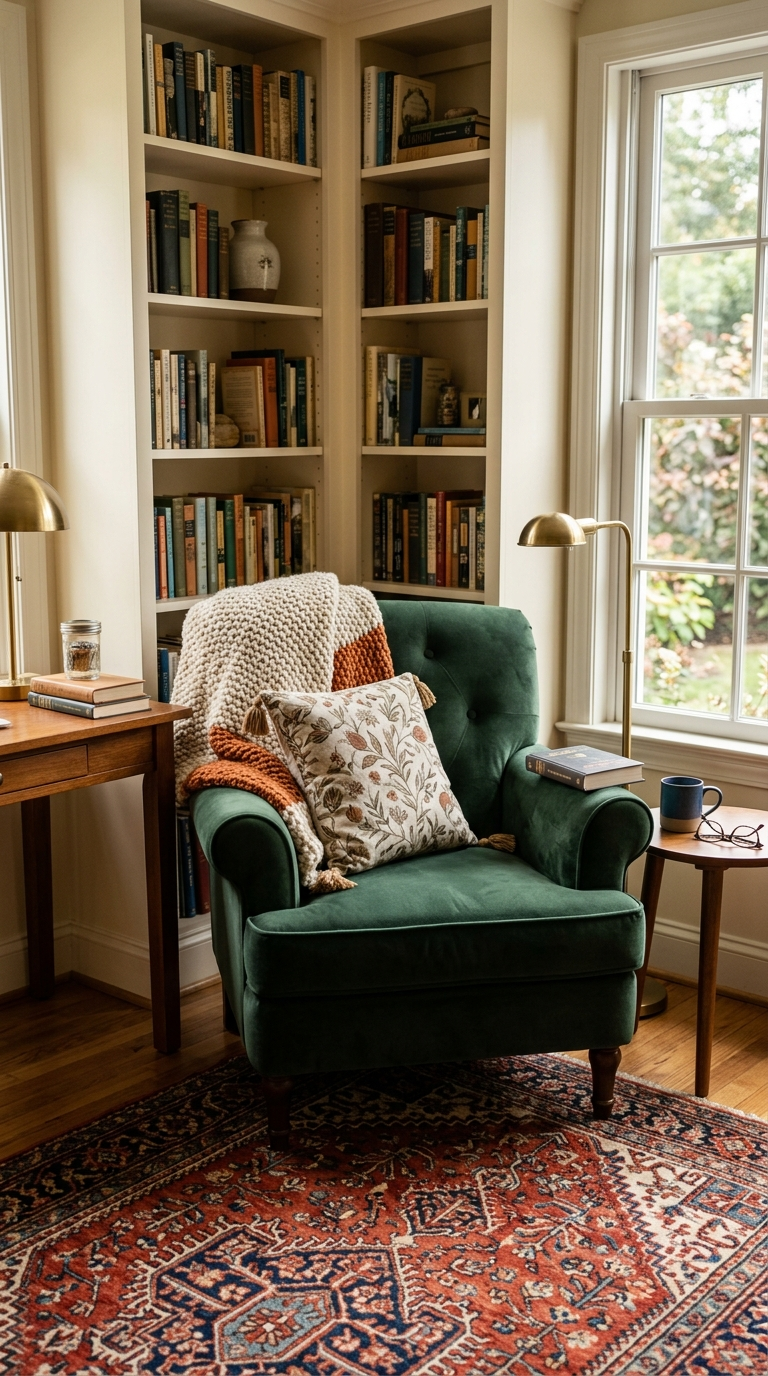
The Fix: Soundproofing doesn’t necessarily mean tearing down walls. You can manage acoustics with soft furnishings. If your home office has hard floors, add a substantial area rug to absorb sound. Consider heavy, lined curtains to dampen external noise and minimize echo within the room. Introduce upholstered furniture, such as a cozy armchair, or decorative acoustic panels on the walls—which now come in highly stylish designs that double as art. For video calls and deep focus, invest in high-quality noise-canceling headphones. If you are sharing a space, utilize room dividers (either bookshelves or screen panels) and established quiet hours.
5. Boring, Uninspiring, and Sterile Decor
There is a dangerous misconception that to be productive, a space must be completely plain, resembling a cubicle from a 1990s movie. A sterile environment is not motivating; it’s depressing. If your office brings you no joy or does not reflect your personality, you will avoid it, or at least feel uninspired while in it. Creativity and high-level problem-solving flourish when surrounded by beauty and thoughtful stimulation.
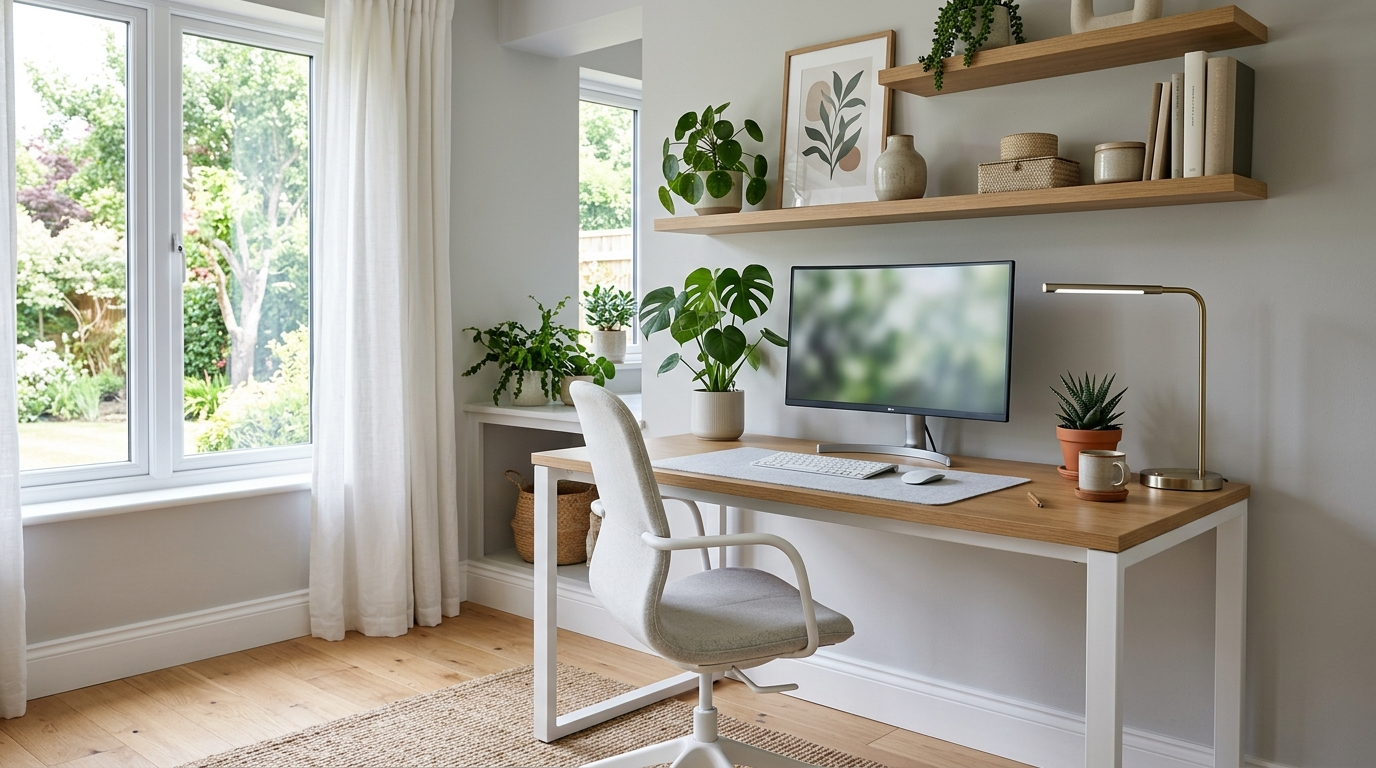
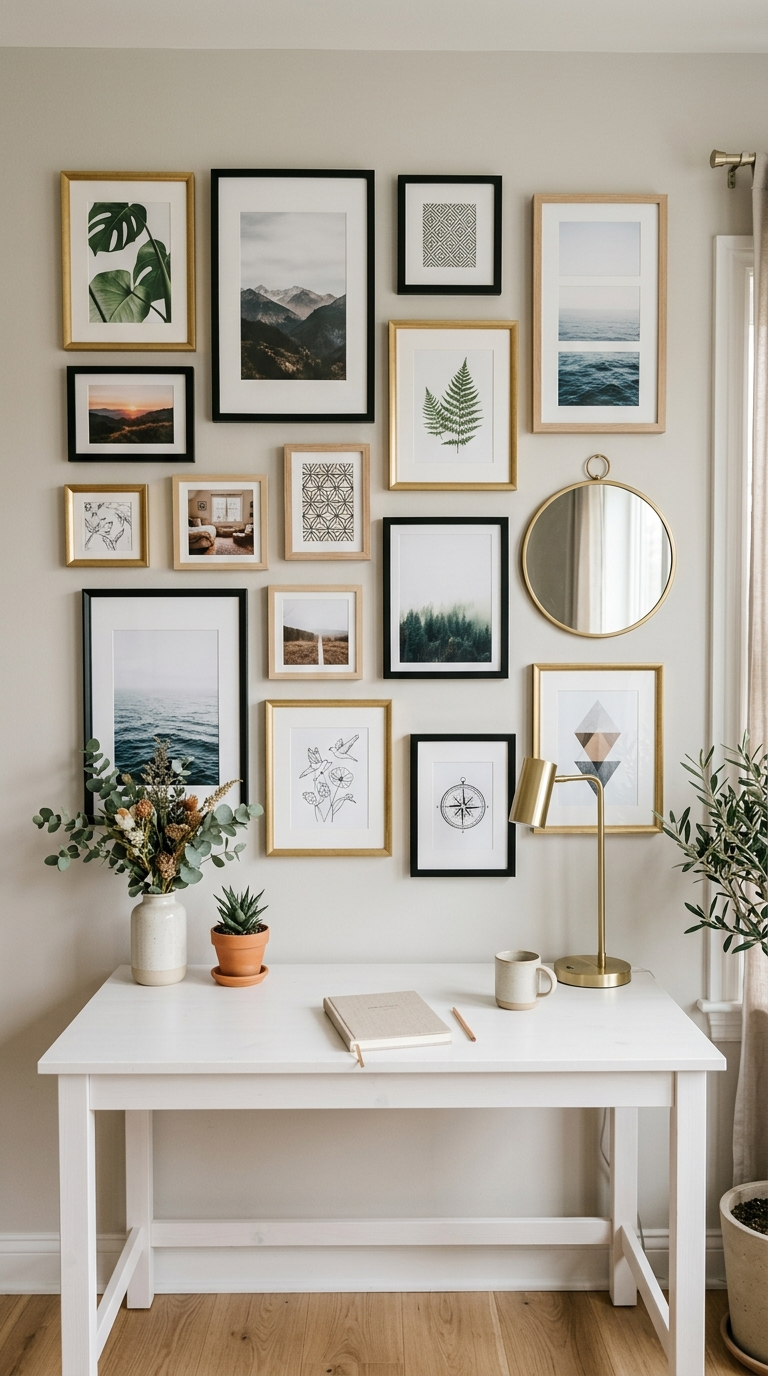
The Fix: Give your office a heart. Treat it with the same decorative respect you give your living room. Color psychology can play a role: soft blues and greens are calming and enhance focus, while yellows can boost energy and creativity. Personalize your space with art that inspires you, framed photographs, or travel mementos. Introduce houseplants; they clean the air and offer crucial visual rest for your eyes, which need to take a break from screens (the 20-20-20 rule). Curate items that motivate you, perhaps a vision board or shelves styled with your favorite books and unique decor. Make the space uniquely yours so it becomes a sanctuary, not a cage.
6. Lack of Defined Physical (and Mental) Boundaries
One of the hardest parts of working from home is the blurring of lines between personal life and professional life. A common mistake, particularly for those without a separate room, is having no physical boundary for the office. Working from the couch, the dining table, or worse, your bed, prevents your brain from ever fully switching off. It leads to working excessive hours and the inability to relax, contributing significantly to burnout.
The Fix: If you have a separate room, wonderful—that door is your ultimate boundary. If you do not, create a distinct ‘zone’. Use a room divider, place your desk behind a sofa, or use a rug to visually separate the area. Make a rule that you only do work within this zone. This mental boundary is crucial. At the end of the day, pack away work materials (even if you have to hide your laptop in a drawer) and visually close the office. Develop ‘commute’ rituals to transition into and out of work mode, like taking a short walk or making a specific cup of tea. Setting these boundaries protects your mental well-being.
7. Underestimating Your Technology and Power Needs
You have the perfect desk and chair, stunning decor, and flawless lighting. But you can’t reach an outlet, your internet connection is weak, or you have a critical equipment failure and no backup. Underestimating tech needs is a technical mistake that leads to extreme frustration and immediate halts in productivity. Relying on slow Wi-Fi in a ‘dead zone’ of your house or having an insufficient number of power outlets can cause daily disruption.
The Fix: Plan your tech setup before you finalize furniture placement. Map out where your computer, monitor, printer, and charging stations will go, ensuring easy access to power. Invest in a high-quality surge protector and an elegant power strip to keep things organized. If your Wi-Fi is spotty in your office zone, consider a mesh Wi-Fi system or use an ethernet cable for the fastest, most reliable connection. Organize digital clutter too: set up cloud storage solutions and have a clear digital file organization system. Ensure all software is updated, and have a clear, realistic backup plan for essential files and equipment. Smooth technology is the silent foundation of a truly productive modern office.
Conclusion: Creating Your Ideal Productivity Haven
Designing an effective home office requires a careful balance of physical comfort, mental motivation, and logistical foresight. By avoiding these critical mistakes—prioritizing ergonomic health, mastering your lighting, ruthlessly managing clutter, respecting acoustics, embracing inspirational decor, establishing clear boundaries, and securing your technological foundation—you create a space where you can do your best work. Your home office should be more than just functional; it should be a place that supports your well-being and enhances your professional flow. Take a critical look at your current setup, identify which mistakes you might be making, and start making improvements today. Your productivity, health, and happiness depend on it.
Transform your sleeping quarters into a luxurious sanctuary with these elegant bedroom design ideas. Discover premium textures, soothing tones, and lavish decor.
Discover the ultimate cozy bedroom ideas to elevate your personal space. Create a tranquil, relaxing retreat with these essential styling and decor tips.
Discover 15 whimsical and creative kids room ideas to create a space for play, sleep, and imagination. From sensory corners to theme decor, get inspired now!
Discover the hidden layout errors and lighting blunders ruining your bedroom oasis. Learn how to optimize your personal space for deep, restorative sleep.
Discover the hottest bedroom design trends of the year. From calming color palettes to smart layout solutions, learn how to elevate your sleeping space.
Learn exactly how to design a beautiful, functional, and calming Montessori nursery. Discover step-by-step tips to foster creativity and independence in your child’s space.