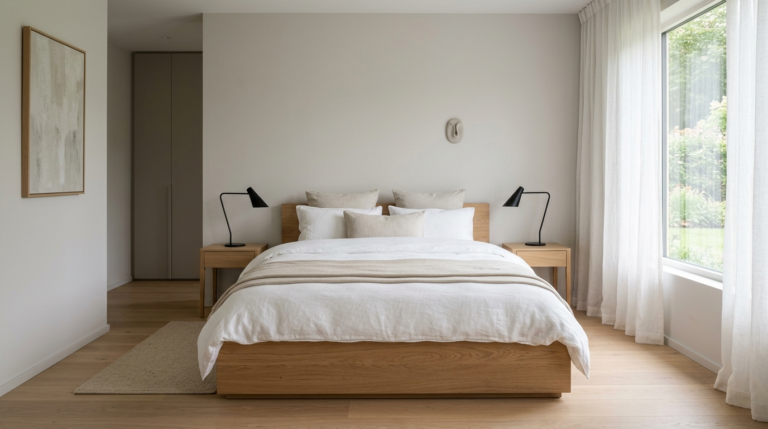
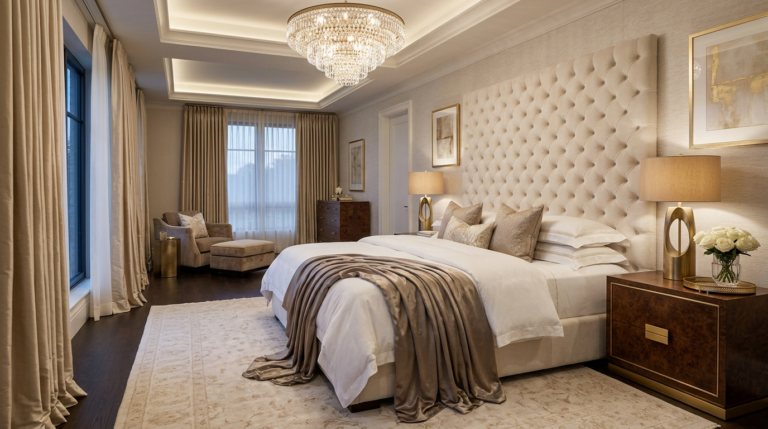
Your bedroom is arguably the most important room in your house. It is the final space you see before you close your eyes at night and the very first environment you experience upon waking. Despite its critical role in our daily lives, mental health, and physical well-being, the primary bedroom is often neglected, becoming a dumping ground for laundry, miscellaneous clutter, and unfinished projects. Transforming this vital room into a serene, restful retreat is not just about aesthetics; it is about creating a sanctuary that actively promotes deep sleep, relaxation, and rejuvenation. When your bedroom feels like a luxurious escape, your stress levels decrease, and your overall quality of life improves.Designing a tranquil bedroom requires a thoughtful approach to color psychology, tactile experiences, spatial planning, and sensory elements. It is a delicate balance of form and function. You need adequate storage to hide the clutter that causes visual stress, yet you also want to display curated items that bring you joy. You need lighting that is practical for reading, but also capable of dimming down to signal to your brain that it is time for rest. In this comprehensive guide, we will explore seventeen meticulously detailed decor ideas that will help you overhaul your sleep space. From selecting the perfect mattress foundation to the final touches of natural greenery, these strategies will guide you in crafting the ultimate restful retreat.
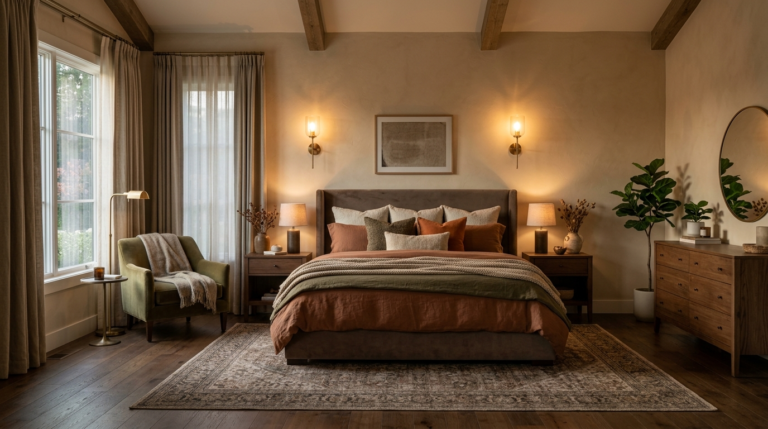
1. Master the Art of the Calming Color PaletteThe foundation of any serene bedroom begins with its color scheme. The colors you surround yourself with have a profound psychological impact on your mood and energy levels. For a restful retreat, it is best to lean heavily into soft, muted tones inspired by nature. Think of the colors you see in a quiet forest or on a misty morning at the beach. Soft sage greens, dusty blues, warm terracottas, and gentle lavenders can instantly lower your heart rate. If you prefer neutrals, step away from stark, hospital whites and instead opt for warm creams, oatmeals, and soft taupes. These warmer neutrals reflect light softly without being visually jarring. When applying these colors, consider the “color drenching” trend, where you paint the walls, trim, and even the ceiling in the same soothing hue. This technique erases the harsh contrast of white trim, creating an enveloping, cocoon-like atmosphere that feels incredibly safe and cozy.2. Invest in Layered, High-Quality BeddingYour bed is the focal point of the room, and the bedding you choose dictates both the visual softness of the space and the physical comfort of your sleep. Achieving that plush, cloud-like aesthetic requires layering. Start with high-quality sheets made from natural, breathable fibers like 100% long-staple Egyptian cotton, organic bamboo, or European flax linen. Linen, in particular, adds a beautiful, lived-in texture that feels effortlessly chic and regulates temperature beautifully. Over your sheets, add a lightweight quilt or coverlet for foundational warmth. Then, fold a fluffy duvet filled with down or a high-quality down alternative at the foot of the bed. This creates visual weight and volume. Finally, incorporate a textured throw blanket—perhaps a chunky knit wool or a soft cashmere blend—draped casually across the corner. This layered approach not only looks like a five-star hotel bed but also allows you to adjust your temperature perfectly throughout the night.3. Implement a Tri-Level Lighting StrategyLighting is the single most effective tool for shifting the mood of a room from functional to relaxing. A common bedroom mistake is relying solely on a bright, overhead fixture. Instead, you must implement a tri-level lighting strategy consisting of ambient, task, and accent lighting. Ambient lighting provides overall illumination—think of a soft, diffused ceiling pendant rather than harsh recessed cans. Task lighting is essential for activities like reading in bed; wall-mounted sconces with adjustable swing arms are perfect for this, as they free up valuable nightstand space. Finally, accent lighting adds warmth and depth; this could be a small salt lamp, LED strip lighting hidden behind a headboard, or a low-wattage table lamp on a dresser. Crucially, every single light source in your bedroom should be on a dimmer switch, and you should strictly use bulbs with a warm color temperature (around 2700K) to avoid suppressing your body’s natural melatonin production.
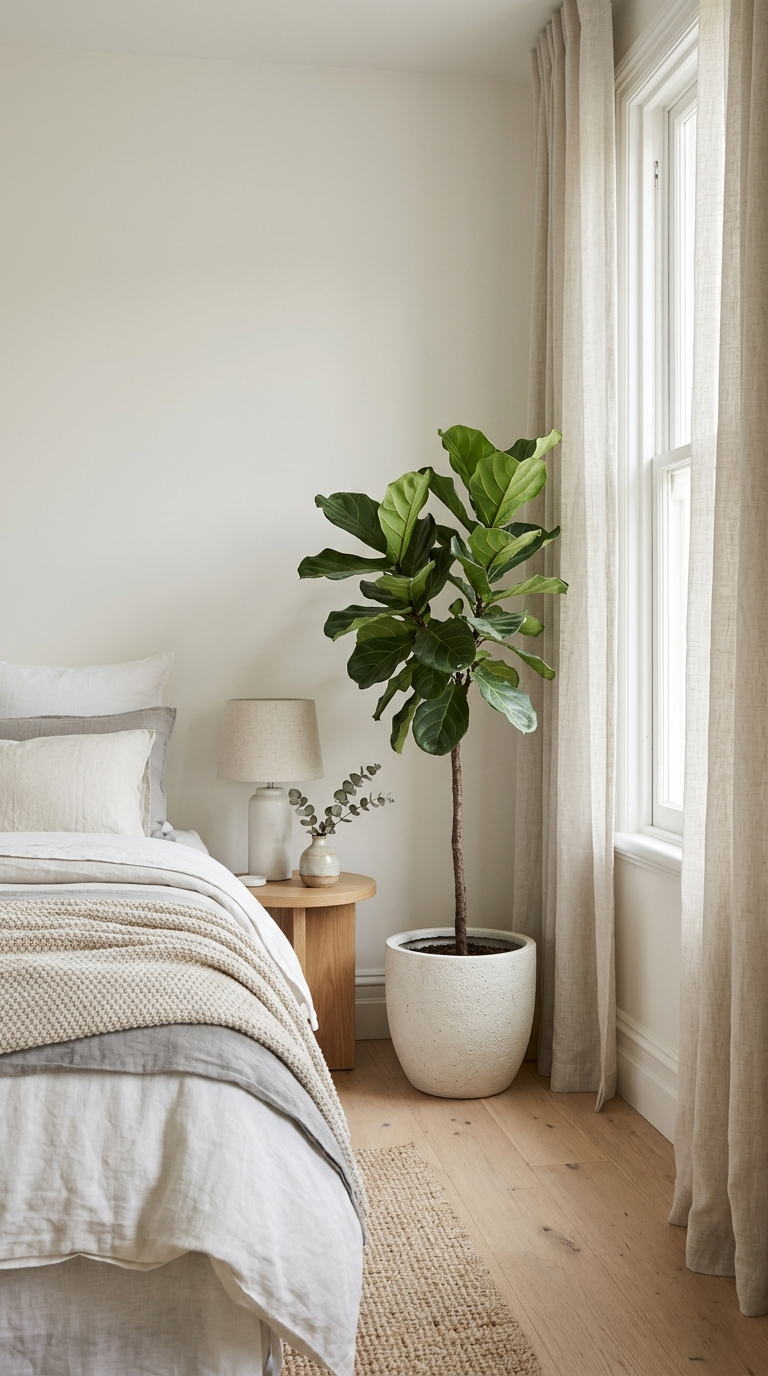
4. Introduce Grounding Textures with RugsStepping out of a warm bed onto a cold, hard floor is an abrupt and unpleasant way to start your day. Introducing a large, plush area rug is essential for grounding the space and adding a crucial layer of tactile comfort. Even if you have wall-to-wall carpeting, layering a carefully chosen area rug over it can define the sleeping zone and elevate the room’s design. When sizing a rug for a bedroom, bigger is almost always better. For a queen or king-size bed, an 8×10 or 9×12 rug is ideal. It should sit under the bottom two-thirds of the bed and extend generously on the sides and foot, ensuring your feet always land on a soft surface. Material matters immensely here. Natural fibers like wool are durable, soft, and naturally resist dust mites, making them perfect for the bedroom. For an ultra-luxurious feel, consider a genuine sheepskin rug placed directly beside your side of the bed.5. Prioritize Purposeful and Hidden StorageVisual clutter translates directly to mental clutter, making it impossible to truly relax. A serene bedroom demands a rigorous approach to storage. The goal is to hide everything that is not inherently beautiful or currently in use. Start by maximizing your closet space with a custom organization system so that clothing, shoes, and accessories are neatly tucked away behind closed doors. For the main bedroom area, invest in furniture that pulls double duty. A beautiful bench at the foot of the bed that opens to reveal storage for extra blankets and seasonal pillows is a smart addition. Nightstands should ideally have at least one or two drawers to conceal reading glasses, hand creams, and charging cables, rather than just open shelving. If you have the floor space, a tall, handsome armoire can act as a statement piece while hiding away a television or extra linens, keeping the modern world safely out of sight when it is time to sleep.6. Bring the Outdoors In with HouseplantsIntegrating elements of the natural world into your interior design, known as biophilic design, has been scientifically proven to reduce stress and increase feelings of well-being. Adding houseplants to your bedroom is a simple, cost-effective way to achieve this. Plants not only add a vibrant pop of living green to your decor but also improve indoor air quality by absorbing toxins and releasing fresh oxygen. For the bedroom, select plants that thrive in indoor environments and require minimal maintenance. The Snake Plant (Sansevieria) is an excellent choice as it continues to release oxygen even at night. Pothos and Heartleaf Philodendrons look beautiful trailing off high shelves or dressers. If your room receives ample bright, indirect light, a Ficus Audrey or a large Olive Tree in a beautiful ceramic, textured pot can serve as a stunning organic focal point in an empty corner.
7. Master the Art of Window TreatmentsWindow treatments in a bedroom have two critical jobs: controlling natural light and adding a layer of softness to the room’s architecture. To achieve both, a layered approach is usually the best solution. Start with a functional layer designed for light blocking and privacy. High-quality blackout roller shades or custom roman blinds fit snugly inside the window frame and plunge the room into total darkness, which is vital for deep, restorative sleep. Over this functional layer, hang decorative drapery panels. Mount the curtain rod as high and wide as possible—almost touching the ceiling and extending past the window frame—to make the windows appear larger and the ceilings taller. Choose fabrics that drape beautifully, such as heavy linen or lush velvet. During the day, the blackout shades disappear, and the flowing drapery frames the natural light, adding an immense amount of elegance and texture to the room.8. Curate Meaningful and Calming ArtworkThe artwork you display in your bedroom sets the tone for the entire space. This is not the room for high-energy, chaotic, or overly stimulating pieces. Instead, curate an art collection that evokes feelings of peace, stillness, and joy. Abstract pieces featuring soft, flowing shapes and muted colors are excellent choices. Landscape photography—particularly scenes of calm water, misty mountains, or quiet forests—can act as visual windows to tranquil destinations. When framing your art, opt for natural wood tones, brushed brass, or simple white frames to keep the look cohesive and understated. Consider the placement carefully. A single, oversized canvas above the headboard creates a striking focal point, while a small, thoughtfully curated gallery wall on a side wall can invite closer inspection. Keep the subject matter positive and calming; the goal is to give your eyes a gentle place to rest before sleep.9. Establish a Tech-Free SanctuaryIn our hyper-connected modern world, drawing a hard boundary between our digital lives and our rest is incredibly difficult but absolutely essential. The blue light emitted by screens disrupts your circadian rhythm, and the constant influx of notifications keeps your nervous system in a state of high alert. To create a truly serene bedroom, you must make it a strictly tech-free zone. Banish the television from the bedroom entirely. If you must use your phone as an alarm clock, place it across the room so you physically have to get out of bed to turn it off, preventing mindless scrolling in the morning. Better yet, invest in an analog alarm clock or a light-therapy wake-up clock. Create a dedicated charging station in the kitchen or hallway, and let your bedroom be a sanctuary reserved exclusively for sleep, reading, and relaxation. The absence of glowing screens will instantly lower the room’s anxiety levels.
10. Create a Dedicated Seating AreaIf your floor plan allows for it, adding a small seating area transforms your bedroom from just a place to sleep into a private, multi-functional suite. This does not require a massive amount of space. A comfortable armchair tucked into a corner, paired with a small side table and a dedicated floor lamp, creates a perfect reading nook. If you have a bay window, consider installing a custom window seat with a plush cushion and throw pillows. Having a piece of furniture other than the bed gives you a place to sit and put on your shoes, read a chapter of a book before pulling back the covers, or simply sit and decompress after a long day without getting your sheets messy. Choose upholstery fabrics that complement your bedding—like a soft boucle, a rich velvet, or a sturdy linen—to tie the seating area seamlessly into the overall design.11. Engage the Senses with AromatherapyDesign is not just about what a space looks like; it is about how a space feels and smells. Scent is deeply tied to the emotional center of our brains and can trigger powerful relaxation responses. Incorporating subtle, natural aromatherapy is a finishing touch that elevates a bedroom from good to spectacular. Avoid harsh, synthetic air fresheners, which can cause headaches. Instead, invest in a high-quality ultrasonic essential oil diffuser. Oils like lavender, chamomile, cedarwood, and ylang-ylang are renowned for their sleep-inducing properties. Alternatively, keep a beautifully packaged linen spray on your nightstand and lightly mist your pillows right before getting into bed. If you prefer candles, choose those made from natural soy or beeswax with cotton wicks, and light them an hour before bed to create a warm, flickering ambiance and a subtle, calming fragrance that permeates the room.12. Choose the Right HeadboardThe headboard is the anchor of your bedroom’s design. It dictates the style, scale, and comfort level of the room’s most important piece of furniture. For a serene, restful retreat, an upholstered headboard is often the superior choice. It provides a soft, cushioned surface to lean against while reading or enjoying breakfast in bed, drastically increasing the comfort of the space. Consider a channel-tufted or lightly button-tufted design in a high-performance velvet or a slubby linen. If you prefer a more minimalist or organic look, a headboard made of natural rattan, cane, or warm, unpainted wood can add beautiful texture without feeling heavy. Ensure the scale of the headboard fits the room; an extra-tall headboard can add a sense of grandeur and make low ceilings feel higher, while a low, horizontal headboard promotes a grounded, modern, and expansive feel.
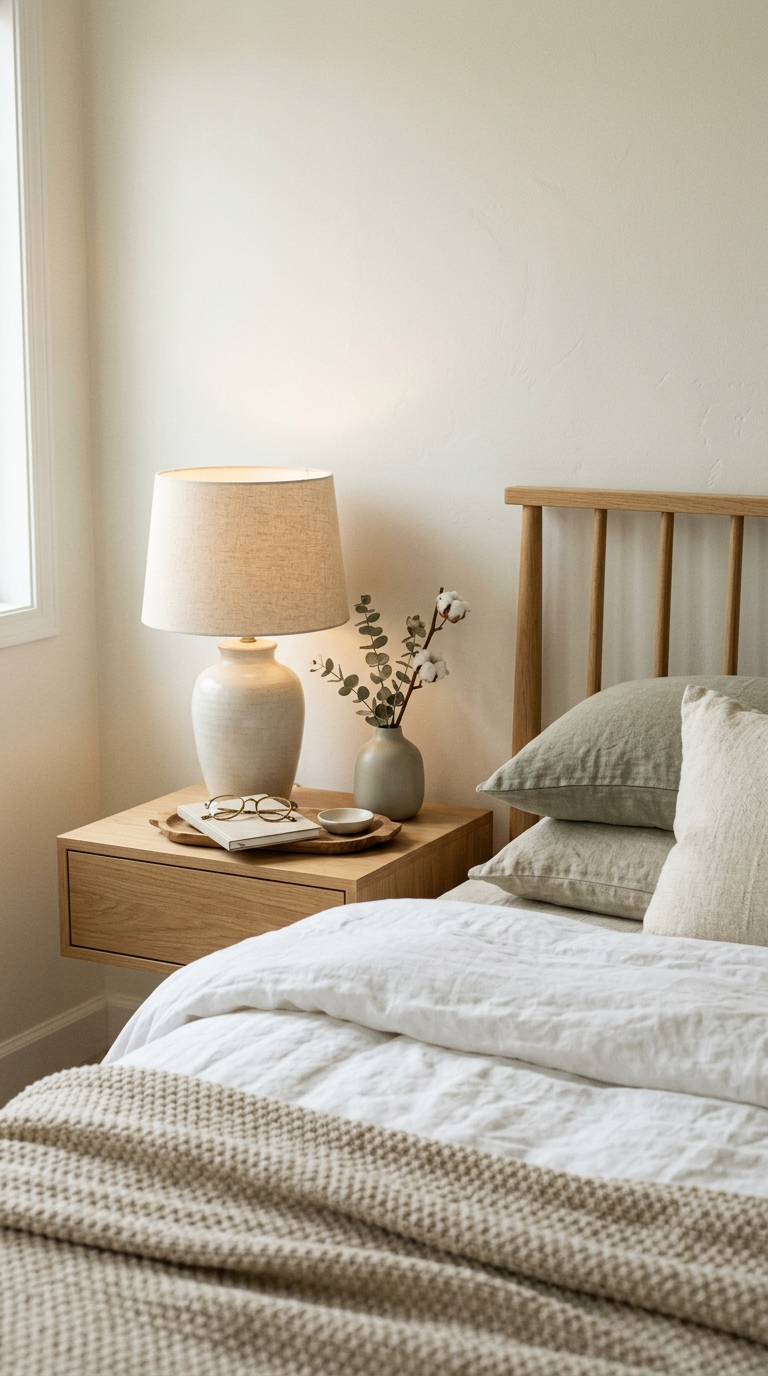
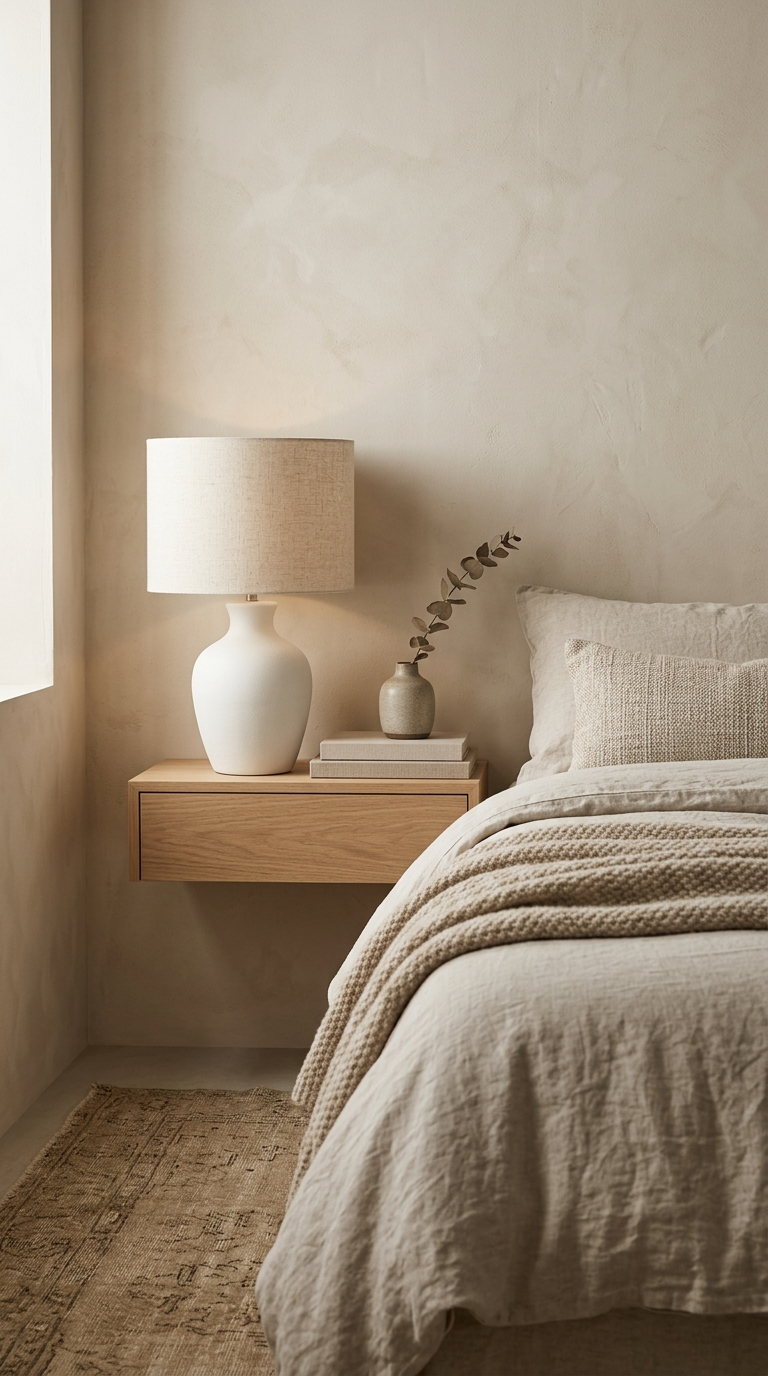
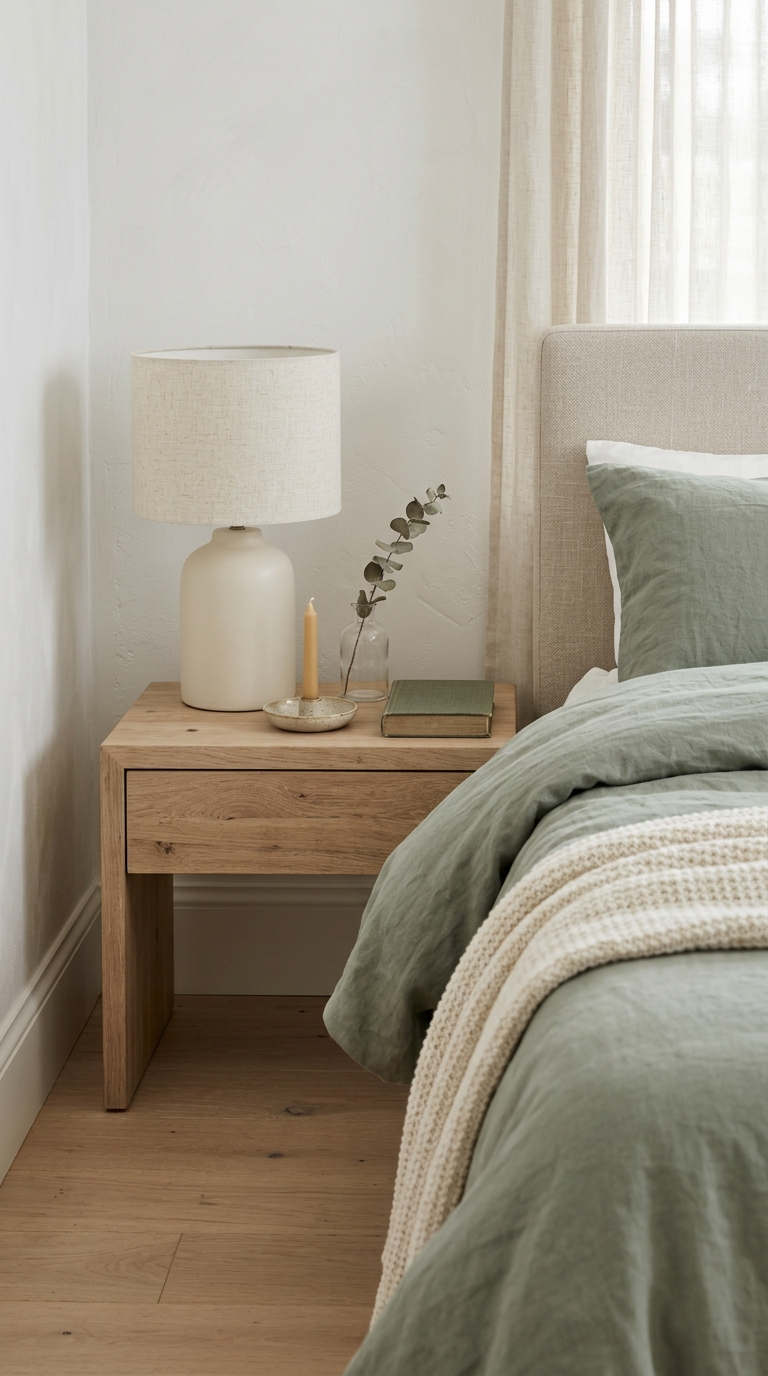
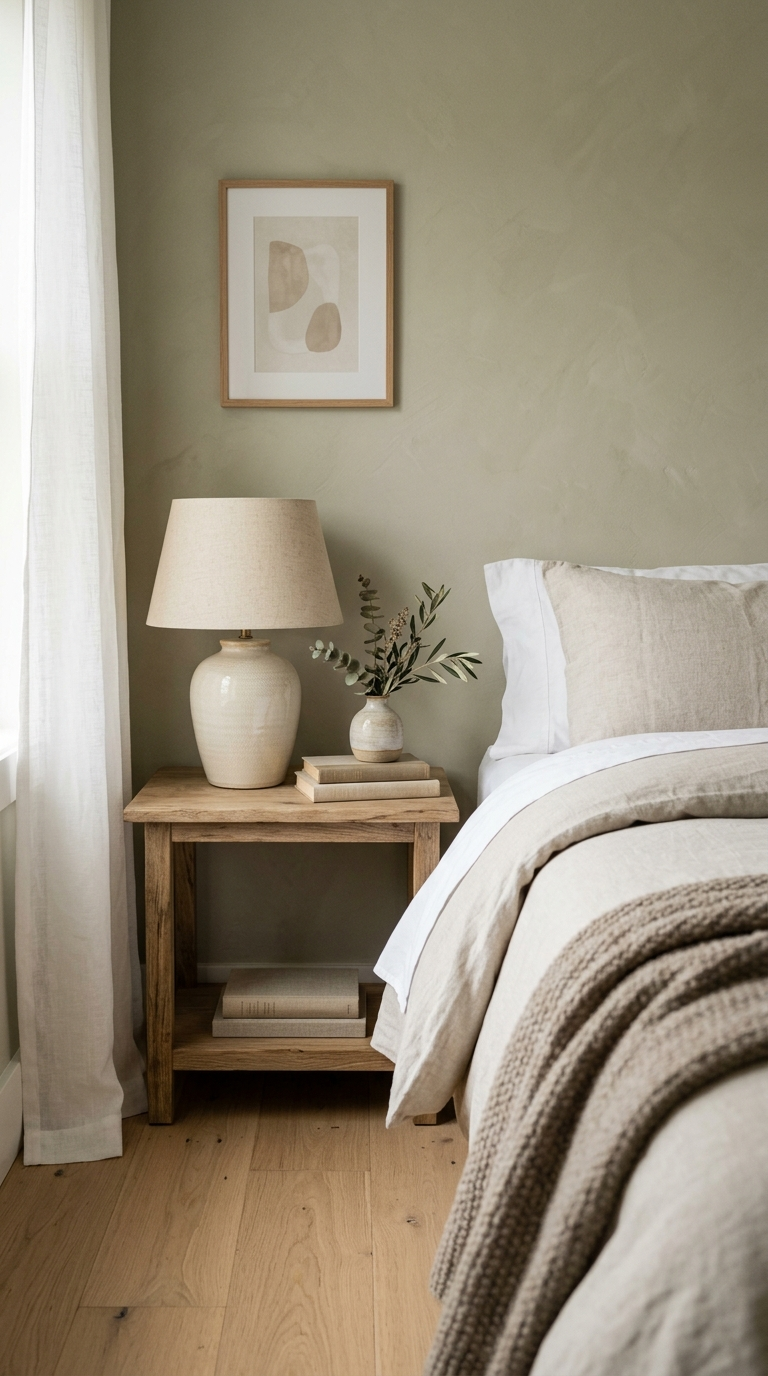
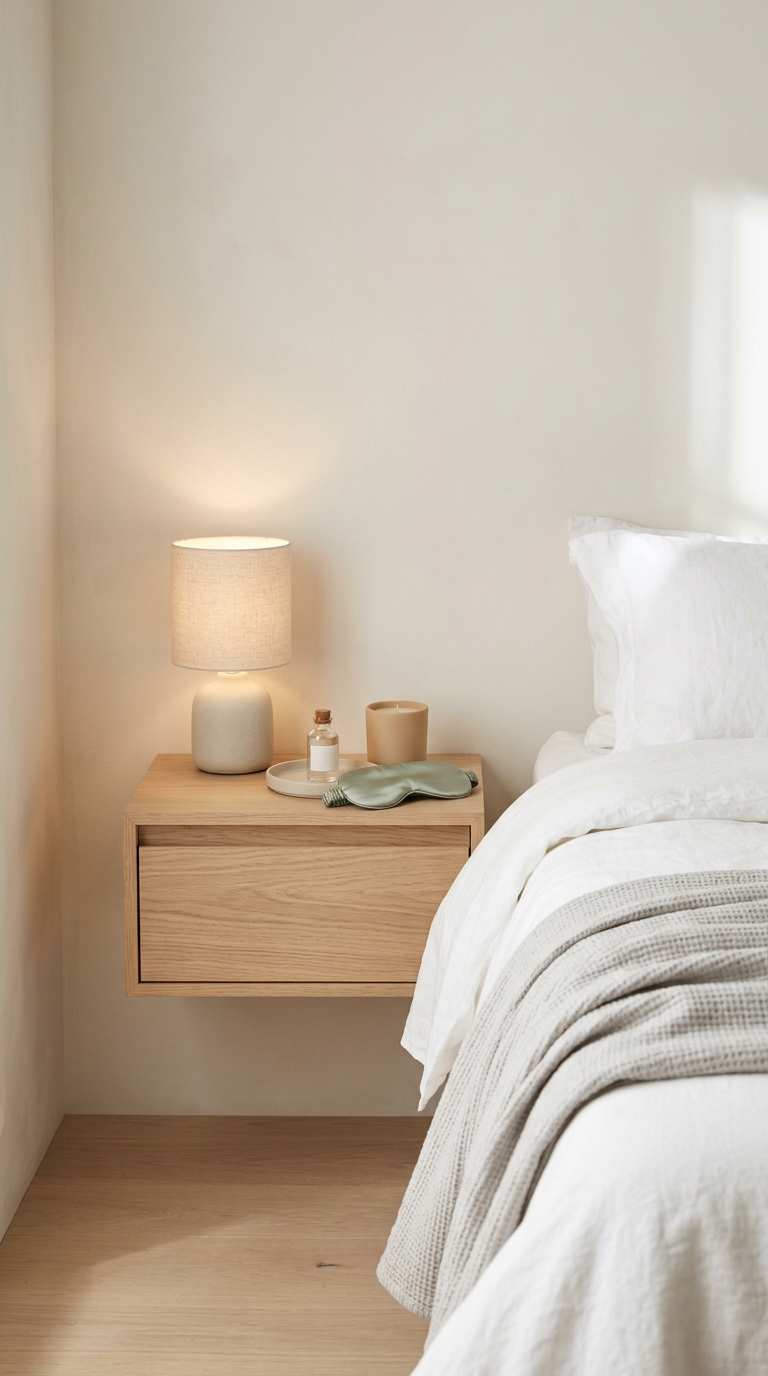
13. Declutter Your NightstandsYour nightstand is the piece of furniture you interact with immediately before sleeping and right upon waking. A cluttered nightstand covered in old water glasses, stacks of unread mail, random receipts, and tangled cords is a surefire way to induce anxiety. Take a minimalist approach to this surface. The top of your nightstand should hold only the essentials: a beautiful reading lamp, perhaps a small dish for jewelry or a watch, a curated book you are currently reading, and maybe a small vase with a single stem or a small framed photo. Everything else—hand creams, medications, journals, and chargers—should be tucked away in the drawers. If you struggle with cord management, look for nightstands with built-in charging ports or attach a discrete cord clip to the back edge of the table so your charging cables are always accessible but hidden from view.14. Upgrade Your Hardware and FinishesSometimes, achieving a high-end, serene look is about the smallest details. If your bedroom furniture feels a bit dated or generic, you do not necessarily need to replace it entirely. Swapping out the standard, factory-issue hardware on your dressers and nightstands for something more refined can make a massive difference. Consider replacing cheap nickel knobs with solid unlacquered brass pulls, matte black minimalist handles, or even organic leather loops. This small DIY project takes only minutes but instantly elevates the perceived value and bespoke feel of the room. Apply this same attention to detail to other finishes in the room: upgrade the standard plastic switch plates to metal or wood covers that match your decor, and ensure your door handles and hinges have a cohesive, intentional finish. These micro-adjustments contribute heavily to a polished, thoughtfully designed atmosphere.15. Incorporate Mirrors StrategicallyMirrors are a powerful design tool in the bedroom, but they must be used carefully to maintain a peaceful environment. While they are excellent at bouncing natural light around a dark room and creating the illusion of more space, placing a large mirror directly facing the bed can sometimes feel startling or disrupt the calm energy of the room. Instead, place a beautiful full-length mirror leaning against a wall in a corner, angled slightly away from the bed. Alternatively, position a mirror above a dresser so that it reflects a window or a piece of calming artwork rather than the bed itself. Choose mirrors with frames that add character—an antique, ornate gold frame for a touch of romance, or a sleek, arched wood frame for a softer, more modern aesthetic. When placed thoughtfully, mirrors amplify the light and beauty of your serene retreat without causing distraction.
16. Perfect the Room’s Temperature and AirflowTrue serenity is a physical sensation as much as it is a visual one. The ideal temperature for sleep is surprisingly cool, generally recommended between 60 to 67 degrees Fahrenheit (15 to 19 degrees Celsius). Ensure your bedroom’s HVAC system is optimized for this, or utilize a programmable thermostat to automatically lower the temperature an hour before your bedtime. In addition to temperature, airflow is crucial. Stagnant air feels stuffy and uncomfortable. If you have a ceiling fan, ensure it is set to rotate counter-clockwise in the summer to create a cooling downdraft, and clockwise in the winter to gently circulate warm air without creating a breeze. Keeping a window cracked open an inch or two during the cooler months, or utilizing an ultra-quiet HEPA air purifier, ensures a constant circulation of fresh, clean air, contributing massively to a refreshing night’s sleep.17. Add Deeply Personal, Joyful TouchesFinally, while striving for a minimalist, magazine-worthy aesthetic is great, a bedroom must ultimately feel like yours. A room devoid of personal touches will feel sterile and hotel-like, rather than like a true home. To finalize your serene retreat, carefully weave in items that hold deep personal meaning and spark genuine joy. This could be a small framed photograph from a favorite vacation on your dresser, a piece of pottery passed down from a grandparent, or a beautiful box holding treasured keepsakes. Keep these items intentional and few in number so they stand out as special rather than blending into clutter. By surrounding yourself with a carefully edited selection of objects that represent happy memories and personal peace, you infuse your sanctuary with a positive, comforting energy that welcomes you every single night.
Transform your personal space into a serene sanctuary. Discover the most common bedroom decor mistakes to avoid and how to fix them for ultimate relaxation.
Are you making these common bedroom design mistakes? Learn how to fix your sleeping space, optimize flow, and create a truly minimalist, serene retreat.
Transform your baby’s room into a fairytale wonderland with these whimsical DIY nursery ideas. Create a magical, imaginative space without breaking the bank.
Step into a world of sophisticated bedroom design. Uncover the secrets to layering textures, selecting premium palettes, and designing a luxury retreat.
Boost productivity and style with these clever home office design ideas, featuring smart desk storage, ergonomic chairs, and aesthetic decor inspiration. (158 chars)