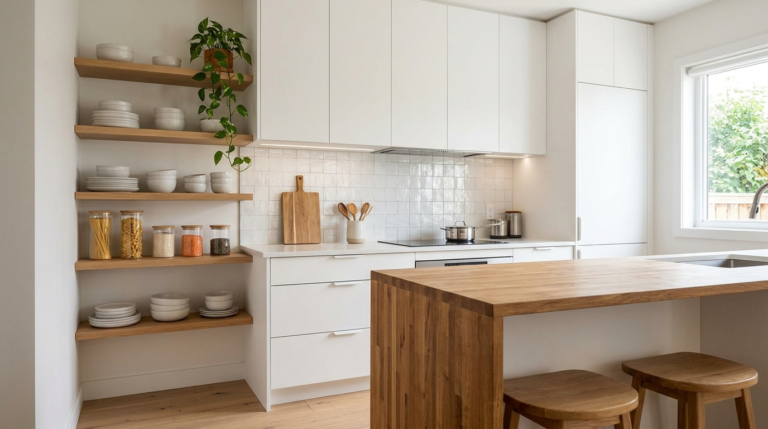
In the ever-evolving world of interior design, where sleek, hyper-modern trends come and go with dizzying speed, the rustic and traditional kitchen remains an enduring symbol of warmth, comfort, and authentic home life. There is a profound, almost magnetic pull toward spaces that feel grounded in history and craftsmanship. A kitchen is more than just a utilitarian space for preparing meals; it is the undisputed heart of the home, the gathering place for family, the center of holiday baking, and the backdrop for late-night conversations. When a kitchen is designed with rustic and traditional elements, it inherently communicates a sense of permanence and welcoming hospitality that stark, minimalist kitchens often struggle to achieve.Embracing a rustic and traditional design aesthetic does not mean sacrificing modern convenience or living in a space that feels like a museum. Instead, it is about masterfully blending state-of-the-art culinary technology with timeless materials, rich textures, and architectural details that tell a story. It is about choosing finishes that age gracefully, materials that develop a beautiful patina over time, and layouts that prioritize human connection. In this extensive exploration, we will dissect the core components that define the rustic and traditional kitchen. We will guide you through the intricacies of selecting cabinetry, hardware, surfaces, and lighting to help you curate a space that feels deeply personal, historically rooted, and breathtakingly beautiful for generations to come.
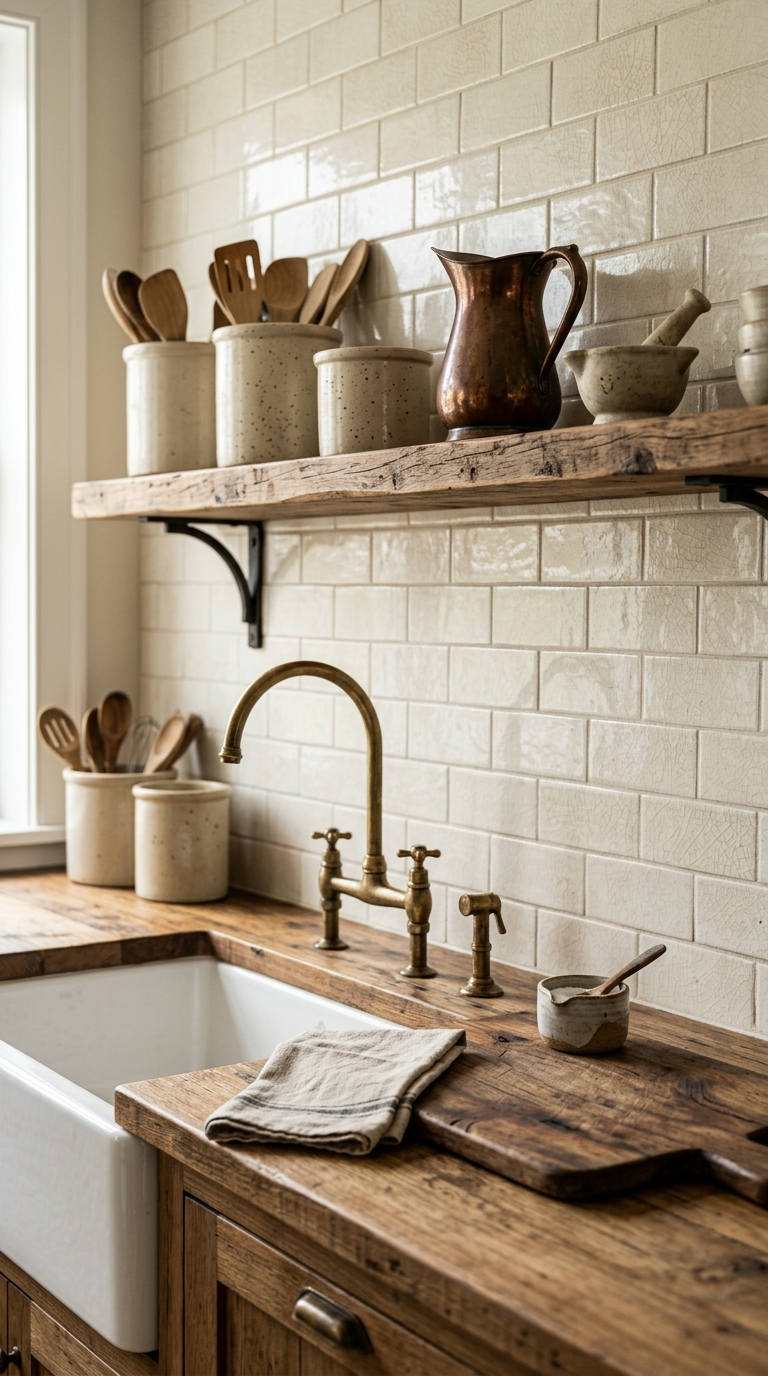
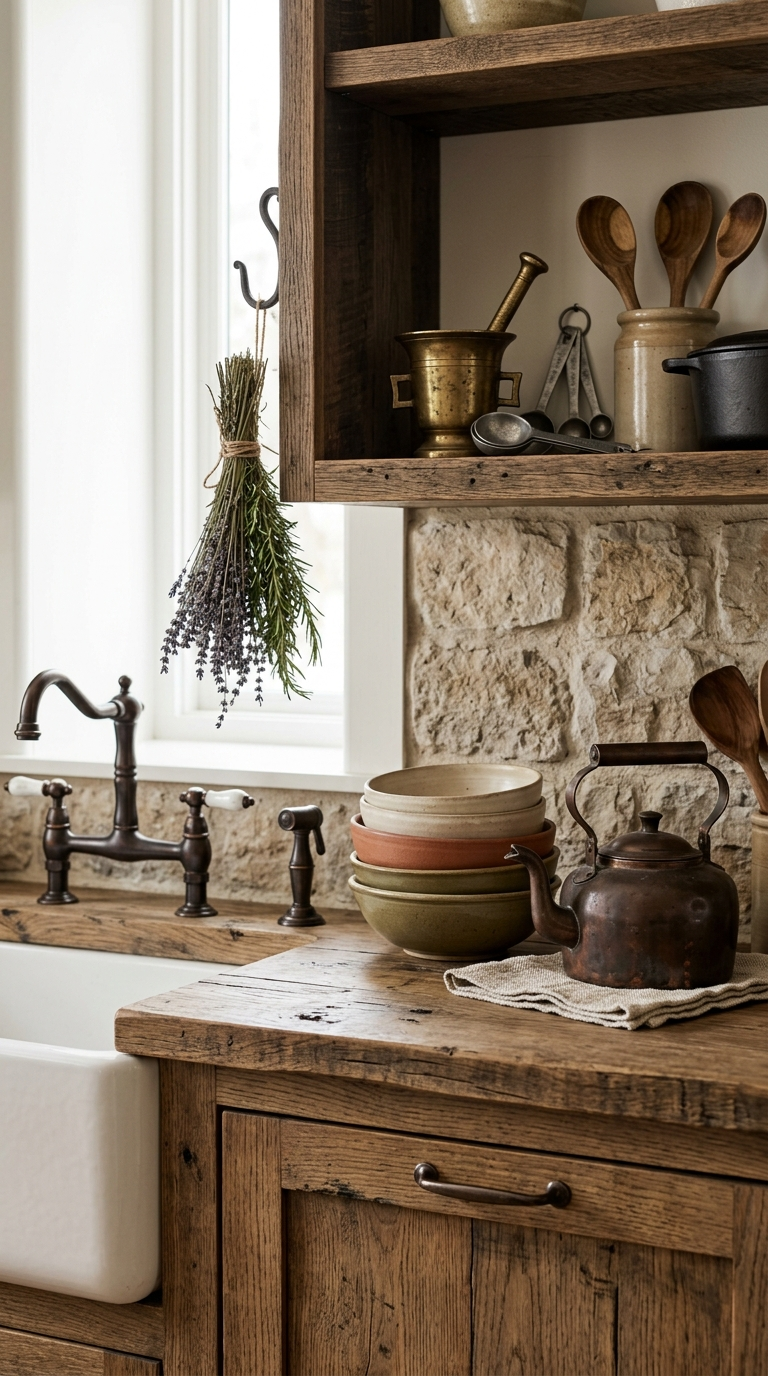
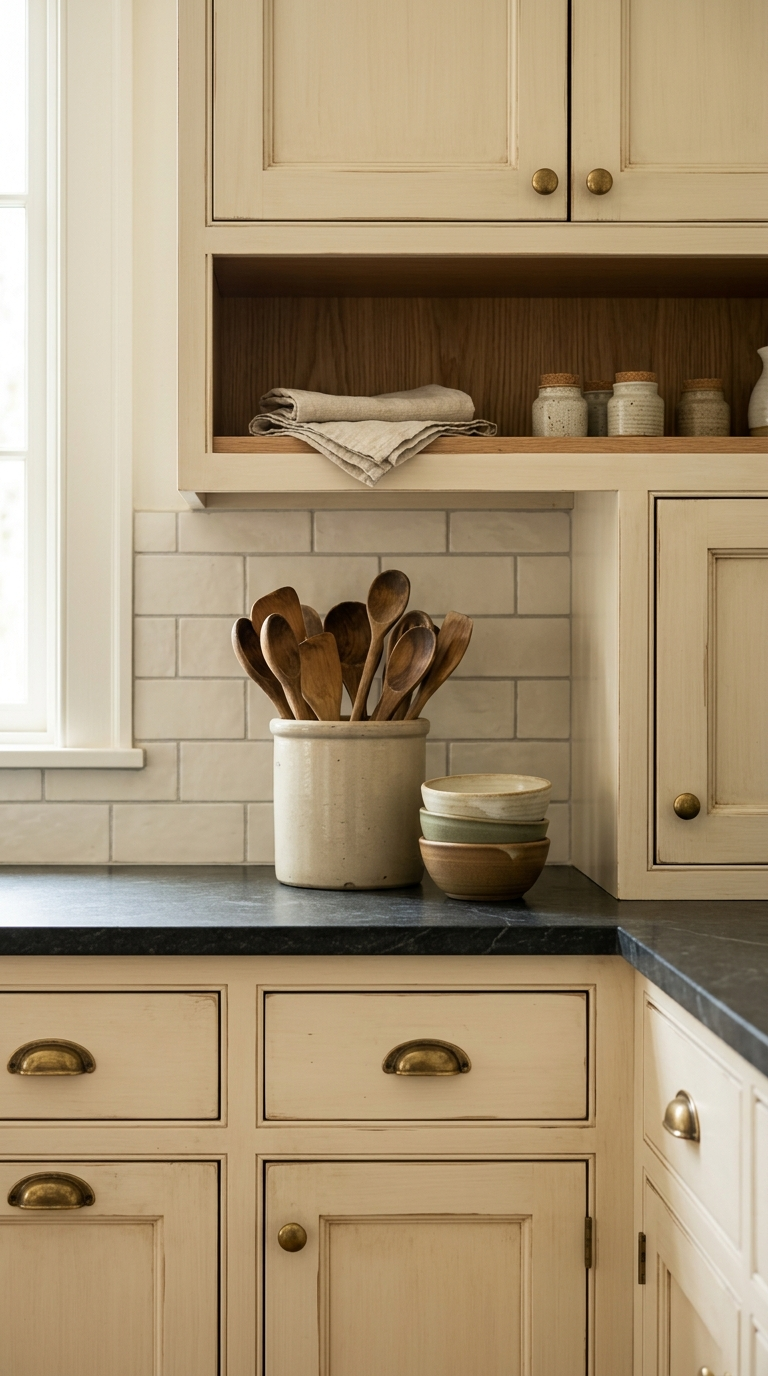
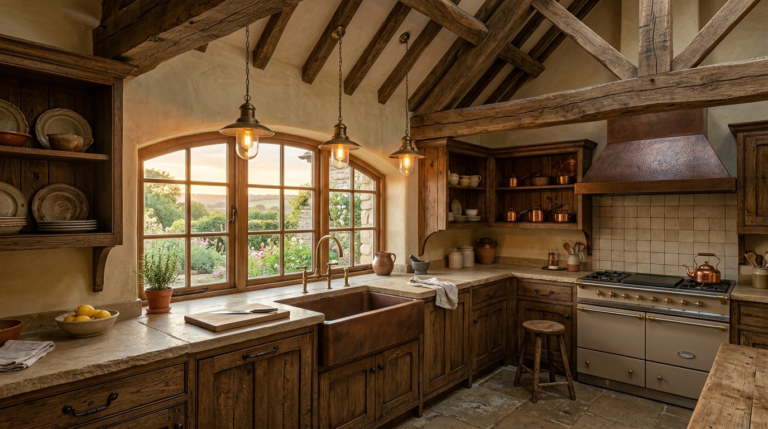
1. The Foundation: Cabinetry that Tells a StoryThe cabinetry serves as the visual anchor and the largest investment in any kitchen renovation. In a rustic or traditional kitchen, the cabinetry must convey a sense of craftsmanship and solidity. This is not the place for high-gloss acrylics or flat-panel thermofoil doors. Instead, the focus is squarely on natural wood grains, classic profiles, and custom details. Shaker-style doors are a perennial favorite, offering a clean, traditional look that pairs beautifully with more ornate rustic elements. However, for a deeply traditional feel, raised panel doors with applied molding add an elegant, formal touch reminiscent of historic estate kitchens.Material selection is paramount. Solid woods like oak, maple, and cherry are staples. To lean heavily into the rustic aesthetic, consider using reclaimed wood for an island base or open shelving. The knots, saw marks, and inherent imperfections of reclaimed lumber bring an irreplaceable texture and history to the space. If you prefer painted cabinets, the traditional palette leans toward nature-inspired hues. Creamy off-whites, soft buttery yellows, muted sage greens, and deep, moody navy blues or forest greens are exceptionally popular. To enhance the aged look, painted cabinets can feature subtle distressing or a delicate glaze applied to the recesses of the door panels, simulating decades of gentle wear and lovingly maintained history.2. The Heartbeat: Farmhouse Sinks and Distinctive FixturesNo single element defines the rustic traditional kitchen quite like the classic farmhouse sink, also known as an apron-front sink. This iconic fixture is characterized by its deep basin and broad, exposed front panel that extends slightly past the cabinetry line. Historically designed to hold large pots and accommodate the heavy scrubbing of daily chores, the farmhouse sink remains incredibly practical today. Traditional fireclay sinks in a glossy white finish offer a crisp, clean contrast to warm wood cabinetry. For a more rugged, industrial-rustic appeal, hammered copper or cast iron sinks are stunning alternatives that develop a gorgeous, evolving patina over years of use.Complementing the sink requires equally thoughtful fixture choices. A standard, modern pull-down faucet will look entirely out of place. Instead, seek out bridge faucets. These fixtures feature a classic two-handle design connected by a visible, elevated pipe or “bridge,” exuding a vintage, architectural elegance. Gooseneck spouts add height and functionality for filling tall stockpots. When selecting the finish for your plumbing fixtures, step away from polished chrome. Unlacquered brass is the absolute pinnacle of traditional design; it starts with a bright golden hue and slowly darkens and tarnishes into a rich, complex bronze. Alternatively, oil-rubbed bronze, antique copper, or brushed nickel provide an authentic, historically accurate look that grounds the washing station in timeless charm.
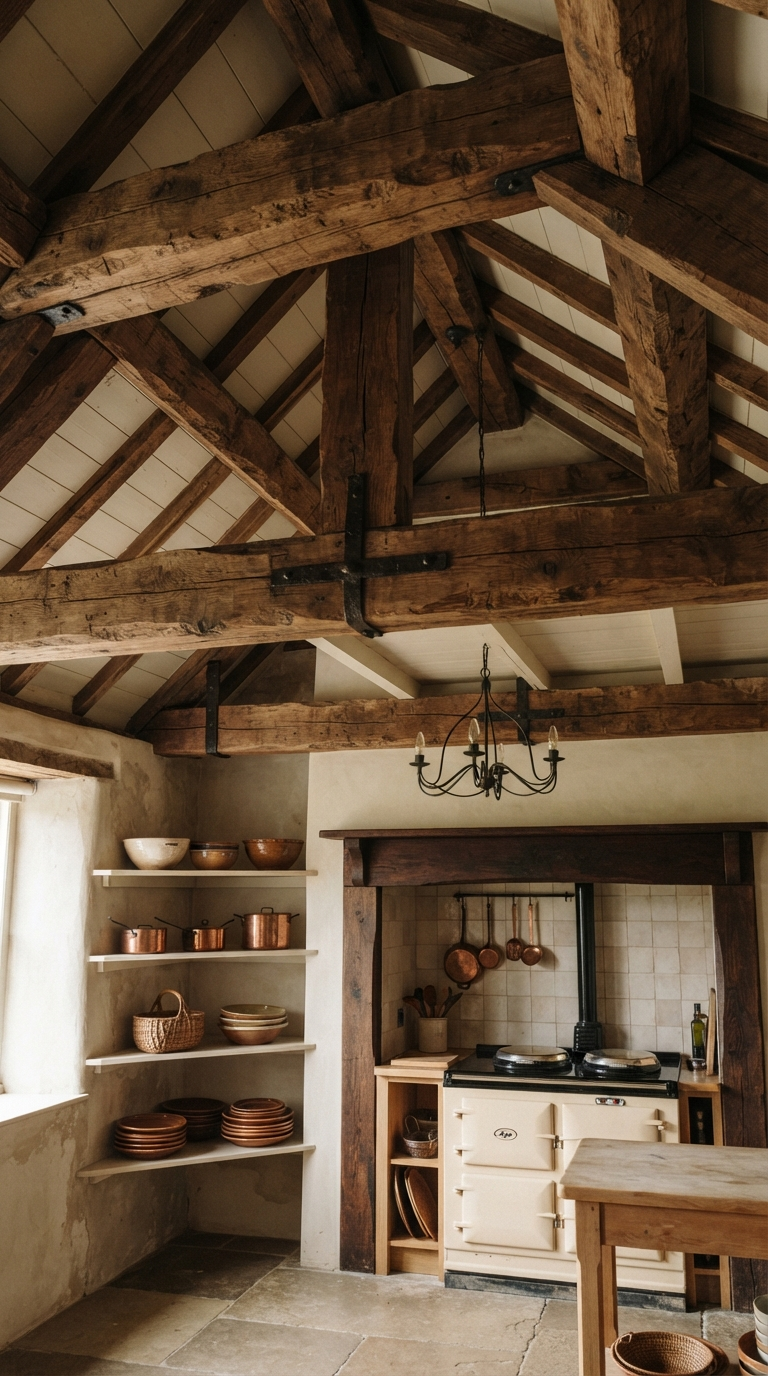
3. Grounding the Space: Countertops with CharacterThe work surfaces in a traditional kitchen must balance rugged durability with natural beauty. While perfectly uniform quartz has its place in contemporary design, rustic and traditional spaces thrive on the unique, organic variations found in natural materials. Soapstone is an incredibly historically accurate and beautiful choice. Its deep, charcoal-gray hue, subtly veined with white, brings a moody elegance to the room. It is naturally non-porous and heat resistant, and treating it periodically with mineral oil deepens its color and enhances its rich, velvety texture. Another classic choice is honed marble, particularly Carrara or Calacatta. While marble requires more maintenance and is prone to etching, traditionalists embrace these marks as the “patina of life,” viewing every stain as a memory of a meal shared.To inject maximum rustic warmth, butcher block is indispensable. While outfitting an entire kitchen in wood countertops can be overwhelming, using a thick, end-grain walnut or maple butcher block exclusively on the central island creates a magnificent focal point. It immediately signals that the kitchen is a working space designed for serious culinary endeavors. The warmth of the wood provides a striking visual contrast against cooler stone perimeters or painted cabinetry. Over time, the cuts, dings, and scratches on a butcher block island tell the story of countless family dinners, holiday baking marathons, and late-night snacks, becoming a living tapestry of the home’s culinary history.4. Architectural Details: Exposed Beams and CeilingsTo truly capture the essence of a rustic or traditional kitchen, one must look up. The ceiling is often a forgotten fifth wall in modern design, but in historic homes, it was a structural masterpiece. Introducing architectural details to the ceiling can completely transform the scale and feeling of the room. Exposed wooden beams are the quintessential rustic element. Whether they are genuinely structural or decorative, massive beams made from rough-hewn, reclaimed timber draw the eye upward, adding tremendous warmth, texture, and a sense of historic permanence. The contrast between heavy, dark wood beams and a crisp white ceiling creates a breathtaking architectural dynamic.If heavy timber beams are too rustic for your taste, traditional design offers other elegant ceiling treatments. Beadboard paneling, painted in a soft white or a pale, sky blue, adds a subtle cottage charm that is incredibly inviting. For a more formal, estate-like appearance, a coffered ceiling—featuring a grid of recessed panels and elegant crown molding—adds depth and architectural sophistication. These overhead details pull the entire design together, ensuring that the rustic and traditional aesthetic is fully realized in three dimensions, rather than just applied to the cabinetry and walls.
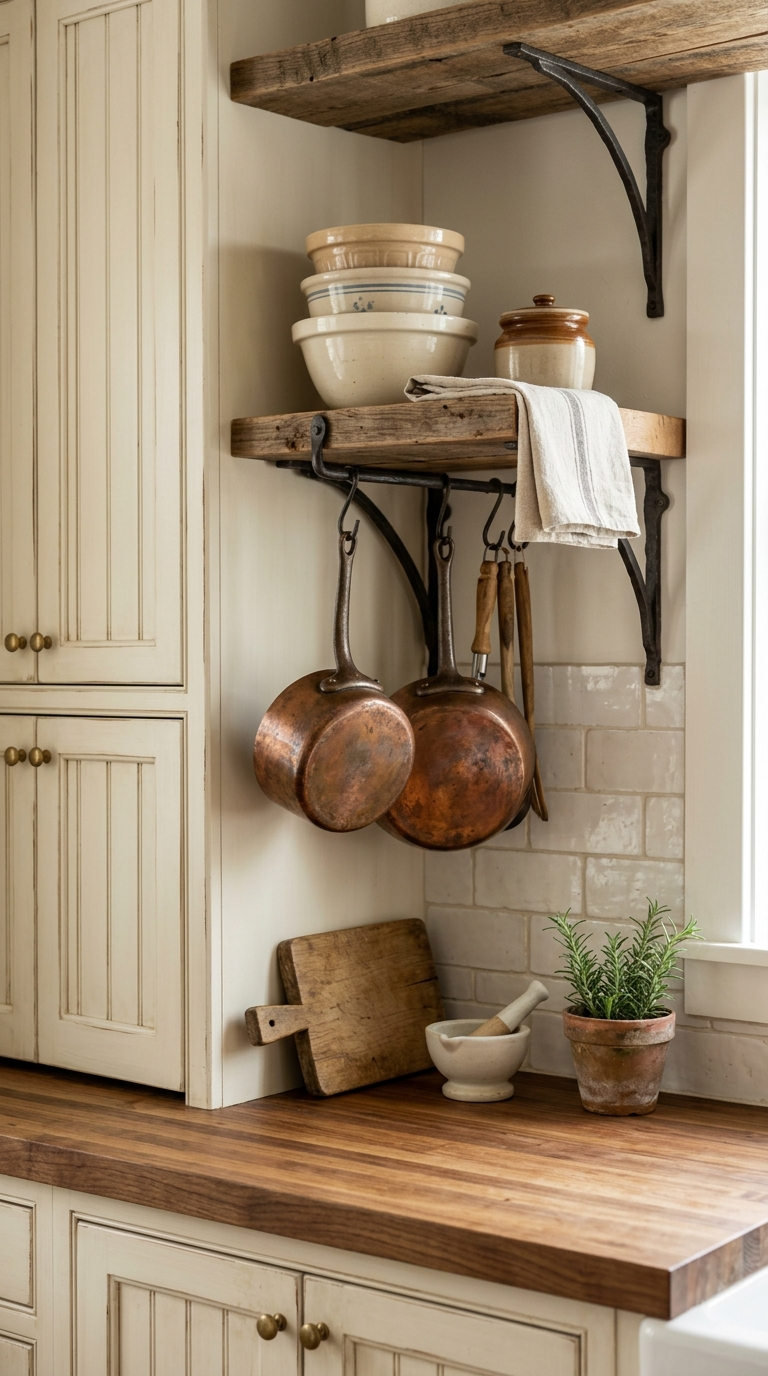
5. Illuminating the Space: Lanterns, Pendants, and SconcesLighting in a rustic traditional kitchen goes far beyond simple utility; the fixtures themselves function as vital pieces of suspended artwork. The key is to avoid sleek, minimalist LED panels or an over-reliance on recessed can lighting, which can render a space sterile. Instead, layer the lighting using fixtures that feature traditional shapes and historic materials. Over the central island, large-scale pendant lights or oversized lanterns make a dramatic statement. Look for fixtures crafted from seeded glass, distressed wood, wrought iron, or aged brass. A pair of oversized copper lanterns over a butcher block island immediately establishes a commanding, historically inspired focal point.Wall sconces are another essential element of traditional kitchen lighting. Placing a pair of elegant brass sconces above the kitchen sink or flanking the stove hood adds a layer of soft, localized task lighting that feels infinitely more intimate and custom than overhead spots. When selecting bulbs for these fixtures, always opt for warm white temperatures (2700K to 3000K). The goal is to replicate the warm, inviting glow of candlelight or early incandescent bulbs, casting a flattering, cozy light that makes the kitchen feel like a safe haven during dark winter evenings and early morning coffee rituals.6. The Art of Display: Open Shelving and Glass CabinetryA hallmark of rustic and traditional kitchens is the unapologetic display of practical, beautiful objects. Historically, kitchens were working rooms where tools, dishware, and ingredients needed to be easily accessible. Modern traditional design embraces this concept by incorporating open shelving and glass-front cabinetry. Swapping out a few solid upper cabinets for chunky, floating wooden shelves—supported by heavy cast-iron or ornate brass brackets—instantly breaks up the heavy block of cabinetry and opens up the room. These shelves provide the perfect stage for displaying collections of ironstone pitchers, stacked ceramic bowls, wooden cutting boards, and copper cookware.Glass-front cabinets serve a similar purpose but offer a slightly more formal, protected display space. Traditional mullion doors, featuring wooden dividers that separate the glass into smaller panes, add beautiful architectural detail. Painting the interior of these glass cabinets in a contrasting color—perhaps a deep, muted blue or a warm terracotta—can make the displayed white dishware pop spectacularly. This deliberate mix of concealed storage for less attractive items and open display for beautiful, everyday objects brings a lived-in, curated, and highly personal charm to the kitchen, reinforcing the feeling that it is a space meant to be used and loved.
7. Grounding the Design: Flooring ChoicesThe floor of a rustic traditional kitchen must withstand heavy foot traffic, spilled ingredients, and the wear and tear of daily life while still contributing heavily to the room’s aesthetic. Hardwood flooring is the undisputed champion of this style. Wide plank flooring, particularly in species like hickory, oak, or reclaimed heart pine, offers unmatched warmth and character. The wider the plank, the more traditional and historic the feel. Hand-scraped or distressed finishes are ideal, as they already possess the bumps and bruises of age, meaning any new scratch or dent simply blends into the floor’s ongoing story.If wood is not practical for your lifestyle, natural stone or classic tile are excellent alternatives. Slate flooring, laid in an irregular pattern, offers incredible durability and a rustic, earthy texture. Brick flooring, installed in a classic herringbone pattern, evokes the feeling of an old-world European farmhouse or a historic carriage house. For a slightly more formal traditional look, consider a checkered floor using tumbled marble or limestone tiles in soft, muted tones. These hard surfaces are timeless, incredibly durable, and perfectly complement the heavy cabinetry and natural materials used elsewhere in the kitchen.8. The Statement Stove and Custom HoodIn a deeply traditional kitchen, the cooking area is the undisputed focal point, the modern-day equivalent of the ancestral hearth. A standard slide-in range often falls short of delivering the necessary visual impact. Instead, this aesthetic celebrates large, freestanding, professional-style ranges. Brands that offer heavy cast-iron grates, analog dials, and perhaps even a vibrant enamel color finish—like deep red, cobalt blue, or forest green—bring an incredible sense of heritage and serious culinary intent to the space. These ranges command attention and set a tone of abundance and hospitality.Above the stove, the range hood provides a massive opportunity for architectural expression. A simple stainless steel hood is a missed opportunity in a rustic traditional design. Instead, the ventilation should be concealed within a custom enclosure. A large hood surround crafted from reclaimed wood perfectly mirrors exposed ceiling beams. Alternatively, a hood shaped from sweeping, curving plaster, trimmed with aged brass or copper strapping, creates a stunning, old-world European focal point. This grand, hearth-like cooking zone becomes the visual and functional anchor of the entire kitchen, drawing family and friends together around the promise of a warm, home-cooked meal.
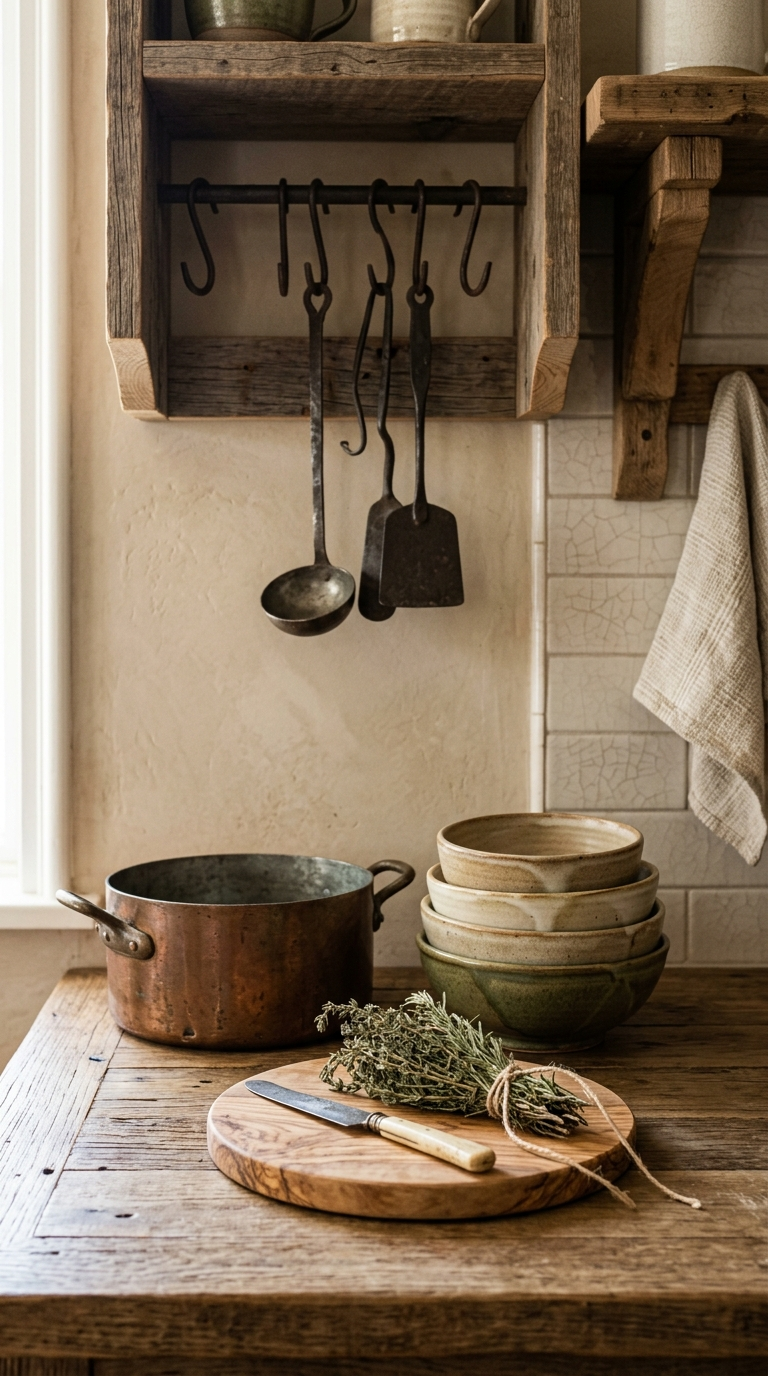
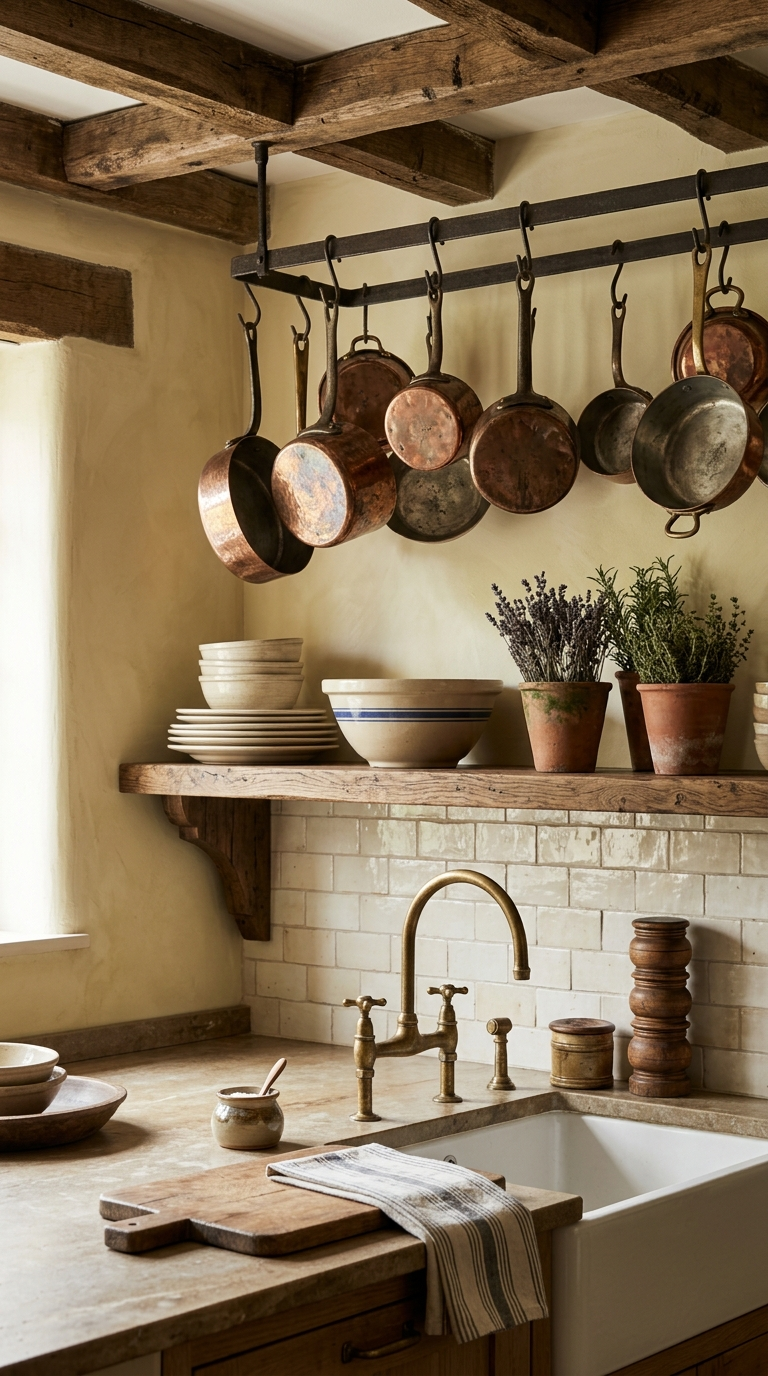
9. Layering Textures and TextilesThe final layer in crafting a rustic traditional kitchen involves the introduction of soft textiles and layered textures. Kitchens are inherently full of hard, cold surfaces—stone, wood, metal, and glass. To prevent the space from feeling stark or echoing, it is crucial to weave in softer elements. A vintage or intricately patterned runner rug placed between the island and the sink provides cushioning underfoot and introduces a complex color palette. Choose a rug made of durable wool or a washable performance material that mimics the look of a faded antique Persian rug.Window treatments also play a key role. Soft roman shades in a natural linen, a classic ticking stripe, or a subtle gingham pattern soften the hard edges of the window frames and bring a touch of farmhouse charm. Even the smaller details matter: draped linen dish towels hanging from the oven handle, woven rattan baskets holding fresh produce on the counter, and comfortable, upholstered cushions on the island barstools all contribute to a layered, textured environment. These elements bridge the gap between utility and comfort, ensuring the kitchen feels as cozy and inviting as a living room.10. Hardware and The Finishing TouchesThe hardware in a kitchen is often referred to as the jewelry of the room. In a rustic and traditional space, the hardware must be substantial, tactile, and historically inspired. For cabinets and drawers, consider bin pulls (also known as cup pulls) for drawers and simple, heavy knobs or latch catches for doors. These styles are heavily rooted in traditional millwork. The finish of the hardware should ideally coordinate with, but not necessarily match exactly, the plumbing and lighting fixtures. Mixing metals—such as unlacquered brass hardware with dark iron lighting—is a hallmark of a kitchen that has evolved over time rather than being purchased from a single catalog.Ultimately, the finishing touches are what breathe life into the space. A traditional kitchen should look as though a passionate cook has just stepped away for a moment. Keep a beautiful, heavy marble mortar and pestle on the counter. Display a collection of well-worn wooden spoons in an antique stoneware crock. Hang heavy copper pots from a wrought-iron ceiling rack or mount them on the wall. These elements are not just decorative; they are functional tools that celebrate the art of cooking and the joy of home. By combining these thoughtful details with solid craftsmanship and timeless materials, you create a rustic traditional kitchen that will serve as the beautiful, beating heart of your home for decades to come.
Conclusion: A Legacy of DesignDesigning a rustic and traditional kitchen is a commitment to enduring quality and timeless aesthetics. It is a rebellion against disposable culture and fleeting trends. By prioritizing natural materials like solid wood, stone, and living metal finishes, you are building a space that will not degrade with time, but rather grow more beautiful and character-rich with every passing year. The deep farmhouse sinks, the heavy brass hardware, and the thick butcher block counters all work in harmony to create an environment that feels both incredibly practical and deeply comforting. When you step into a carefully crafted traditional kitchen, you are stepping into a legacy of design—a space that honors the past while perfectly accommodating the present, ready to host a lifetime of memories.
Learn how to perfectly design a cozy rustic traditional kitchen with our comprehensive guide. From wood cabinetry to classic farmhouse elements, master the look.
Are you making these small kitchen mistakes? Learn how to avoid layout traps, poor lighting, and wasted vertical space with smart editorial design tips.
Explore the enduring beauty of traditional rustic kitchens, featuring warm natural wood finishes, stone accents, custom cabinetry, and cozy artisanal style.
Discover the ultimate guide to creating a warm, inviting rustic and traditional kitchen. Explore timeless materials, cozy decor, and elegant design secrets.