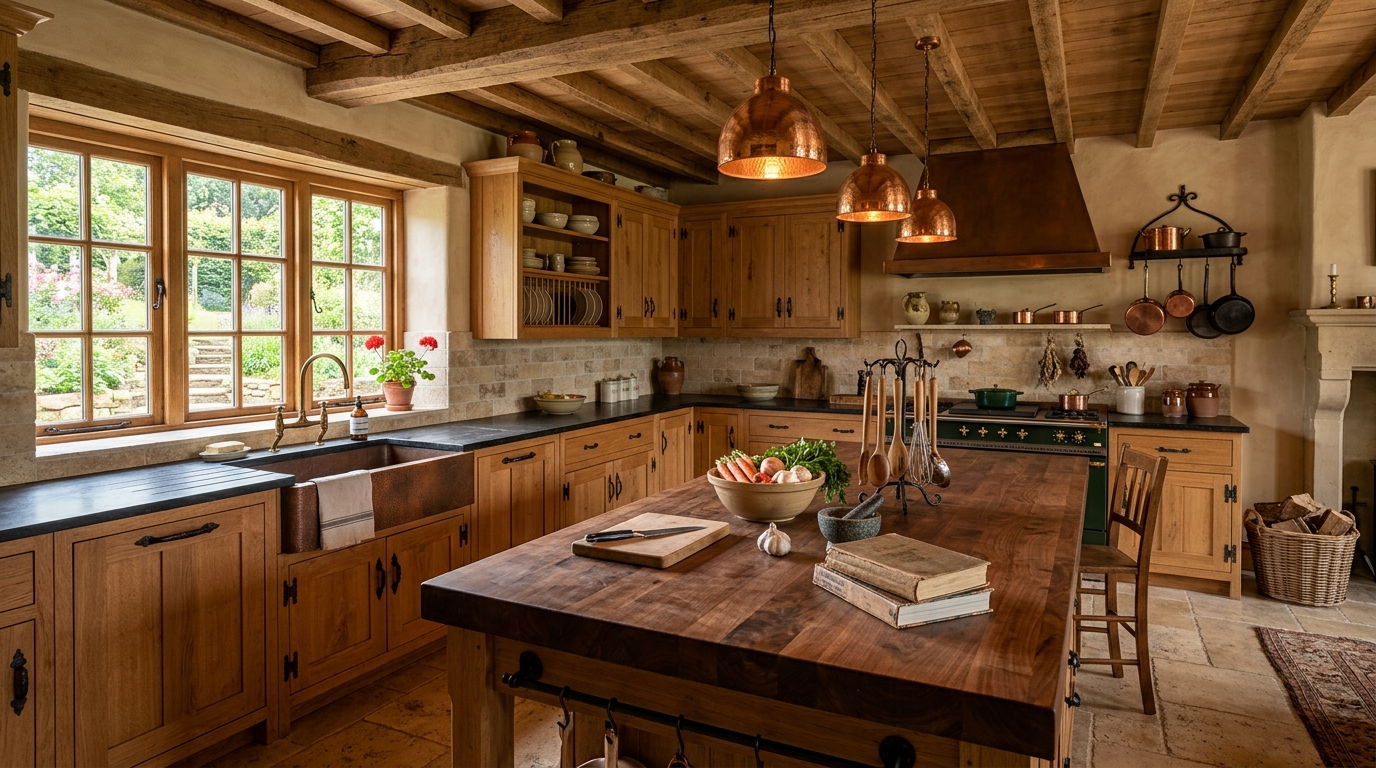
There is an undeniable allure to a rustic traditional kitchen. It is a space that instantly evokes feelings of warmth, family gatherings, and the comforting aroma of home-cooked meals. Unlike ultra-modern, starkly minimalist spaces that can sometimes feel clinical, a rustic traditional kitchen embraces imperfections, natural materials, and a sense of enduring history. It is the heart of the home in the truest sense. If you have been dreaming of transforming your culinary space into a cozy, inviting haven, you have arrived at the perfect guide. Designing the ultimate cozy rustic traditional kitchen requires a careful balancing act. You must blend the raw, rugged appeal of rustic design with the elegant, timeless forms of traditional architecture, all while ensuring the space meets the high-performance demands of modern life. This comprehensive, step-by-step how-to guide will walk you through every critical decision, from selecting the foundational materials to adding the final styling touches that make the space uniquely yours.To successfully execute this aesthetic, we must first understand its core philosophy. Rustic design celebrates the unrefined beauty of nature—think exposed wood beams, raw stone, and distressed finishes. Traditional design brings order, classic proportions, and refined details like crown molding, raised panel cabinetry, and antique-inspired hardware. The sweet spot lies in harmonizing these two styles. A kitchen that is too rustic might feel like a dark cabin, while one that is too traditional might feel overly formal and stiff. By following the steps outlined below, you will learn how to weave these elements together seamlessly, creating a space that is both exceptionally beautiful and intensely practical. Let us begin by laying the foundation with the most crucial element: the cabinetry and woodwork.
Step 1: Selecting the Right Cabinetry and Wood FinishesThe cabinetry is the visual backbone of any kitchen, and in a rustic traditional space, it sets the tone for the entire room. To achieve this look, you must move away from high-gloss, flat-panel modern cabinets and embrace depth, texture, and natural grain. Raised-panel or Shaker-style doors are the ideal choice here. They provide that classic, traditional silhouette that anchors the room. However, to bring in the rustic charm, the finish of the wood is paramount. Consider knotty alder, hickory, or quarter-sawn oak. These woods feature prominent, beautiful grains and natural knots that tell a story. You can opt for a warm, honey-toned stain that enhances the wood’s natural character, or choose a distressed, painted finish in a muted, historical color.If you prefer painted cabinets, colors like sage green, colonial blue, or a creamy, antiqued white work beautifully. To add that necessary rustic touch, employ glazing or distressing techniques. A dark glaze applied over a painted finish will settle into the crevices of the cabinet doors, highlighting the architectural details and simulating years of loving use. Furthermore, consider incorporating an element of unfitted furniture. Instead of a continuous run of identical cabinets, integrate a freestanding antique hutch or design the kitchen island to look like a sturdy, repurposed farm table. This breaks up the monotony and gives the kitchen the feeling that it evolved naturally over generations, a hallmark of traditional rustic design.
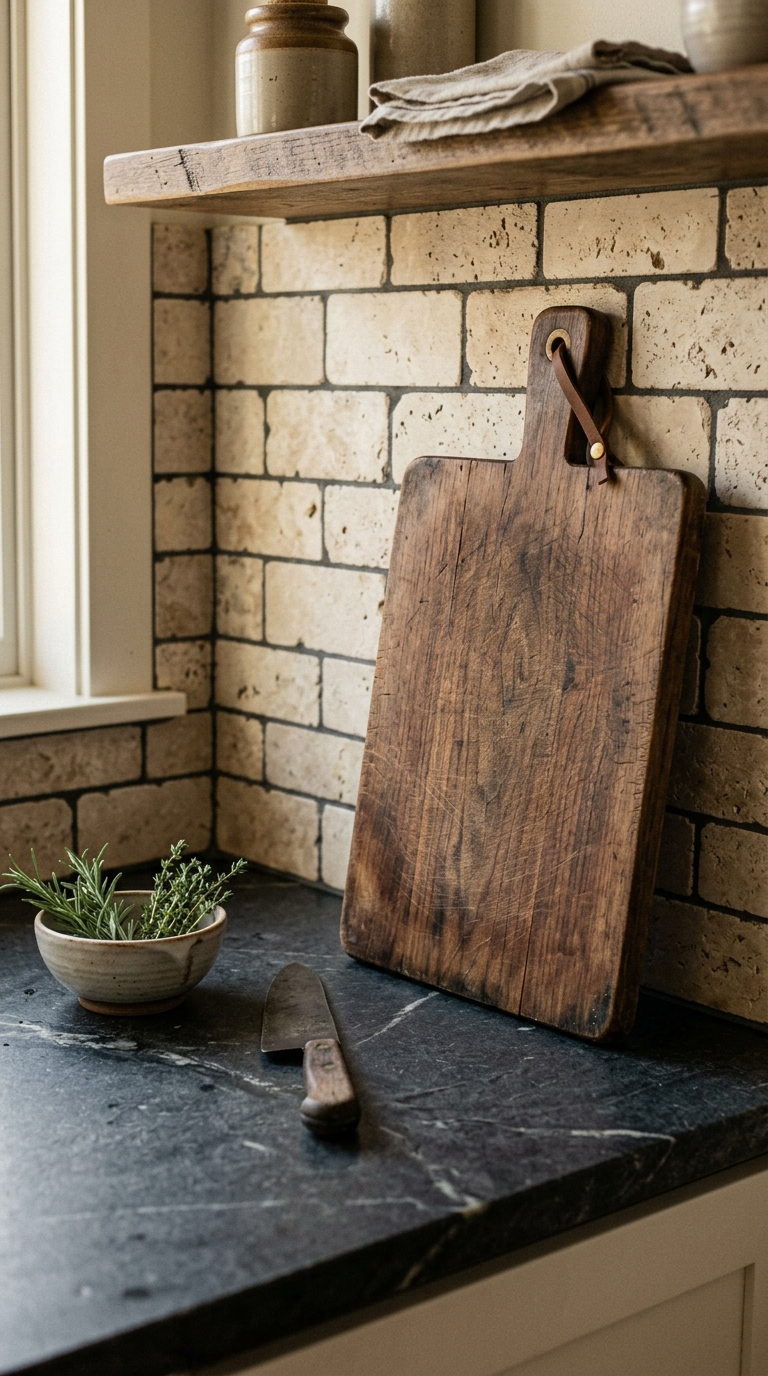
Step 2: Choosing Authentic Countertops and BacksplashesOnce the cabinetry is established, the next critical step is selecting countertops and backsplashes that complement the woodwork without competing with it. In a rustic traditional kitchen, natural materials reign supreme. Soapstone is perhaps the most authentic and breathtaking choice for this aesthetic. Its deep, matte charcoal finish develops a rich patina over time, adding immense character. Alternatively, honed granite (which lacks the glossy, highly polished finish of standard granite) in deep browns, blacks, or earth tones provides durability while maintaining a subtle, organic look. Butcher block is another classic rustic choice, particularly for the kitchen island. The warmth of the wood provides a beautiful contrast to cooler stone surfaces and offers a practical, traditional prep area.For the backsplash, avoid highly reflective glass tiles or overly trendy geometric patterns. Instead, look to materials that feel grounded and historical. Tumbled travertine subway tiles, hand-painted ceramic tiles with subtle irregularities, or even reclaimed brick make spectacular backsplashes. Reclaimed brick, sliced thin for easy installation, instantly adds incredible texture and a sense of history. If you prefer a smoother look, classic white or cream subway tiles with a slightly crackled glaze offer traditional elegance while the imperfect finish nods to the rustic theme. Ensure the grout lines are kept relatively tight, and consider a grout color that slightly contrasts with the tile to highlight the pattern, such as a warm gray against cream tiles.
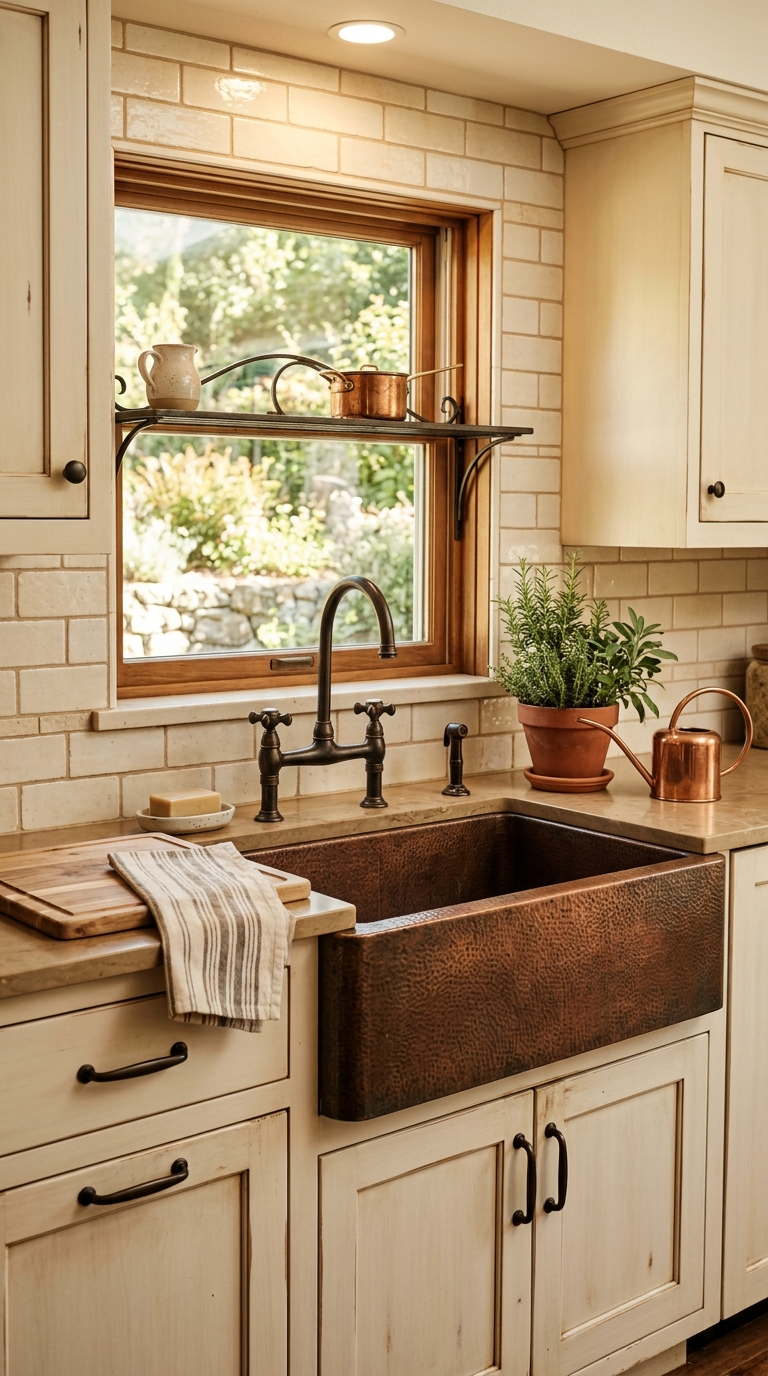
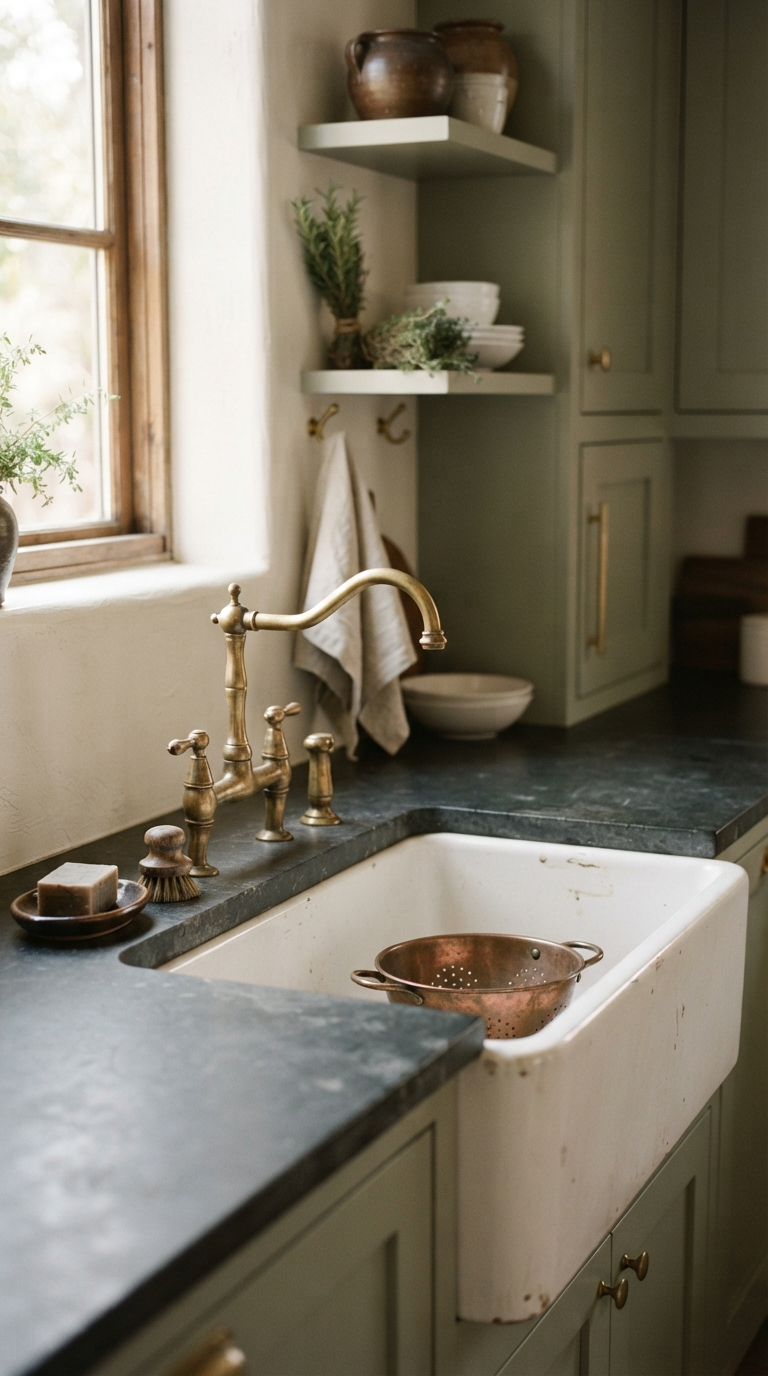
Step 3: Mastering the Farmhouse Sink and HardwareNo rustic traditional kitchen is truly complete without the iconic apron-front farmhouse sink. This large, deep basin is not only incredibly functional for washing large pots and pans, but it also serves as a major focal point in the room. Fireclay or cast iron sinks in a crisp white or biscuit color offer a beautiful, classic traditional look that contrasts brilliantly against dark stone countertops or rich wood cabinetry. For a more rugged, pronounced rustic statement, consider a hammered copper farmhouse sink. The copper will develop a living patina, changing and deepening in color over the years, which perfectly encapsulates the rustic philosophy of embracing natural aging.Equally important is the selection of hardware and plumbing fixtures. The right hardware acts as the jewelry of the kitchen. Stay away from sleek, modern brushed nickel or chrome. Instead, look for finishes that feel heavy, cast, and historical. Oil-rubbed bronze, unlacquered brass, or forged black iron are exceptional choices. Choose cabinet pulls and knobs that have a bit of weight to them—cup pulls for drawers and classic round or oval knobs for doors. For the kitchen faucet, a bridge faucet with cross handles instantly communicates a traditional heritage. The key is consistency; ensure the finish of your faucet, cabinet hardware, and even your lighting fixtures share a cohesive undertone, even if they aren’t perfectly matched, to create a curated, lived-in feel.
Step 4: Illuminating the Space with Statement LightingLighting in a rustic traditional kitchen must do double duty: it has to provide ample task lighting for cooking while establishing the warm, inviting mood essential to the aesthetic. Relying solely on modern recessed ceiling lights will flatten the room and strip away its cozy atmosphere. You must layer your lighting. Start with the statement pieces—the pendants over the island and the chandelier over the dining or breakfast area. Lantern-style pendants forged from iron, seeded glass fixtures, or woven natural materials like rattan or wicker add immense character. A wrought-iron chandelier with faux candle drips can anchor a dining space perfectly, bridging the gap between elegant traditional and rugged rustic.Beyond the overhead statement fixtures, incorporate under-cabinet lighting to illuminate your beautiful countertops and provide essential task lighting. To really lean into the traditional, cozy feel, consider adding small, shaded sconces above the kitchen sink or flanking a large range hood. The warm glow from a fabric-shaded sconce instantly softens the hard surfaces of the kitchen, creating an intimate, parlor-like feel. When selecting bulbs, always opt for warm white (around 2700K). Cool, blue-toned LED lights will clash horribly with the warm woods and natural stones, destroying the cozy ambiance you have worked so hard to build.
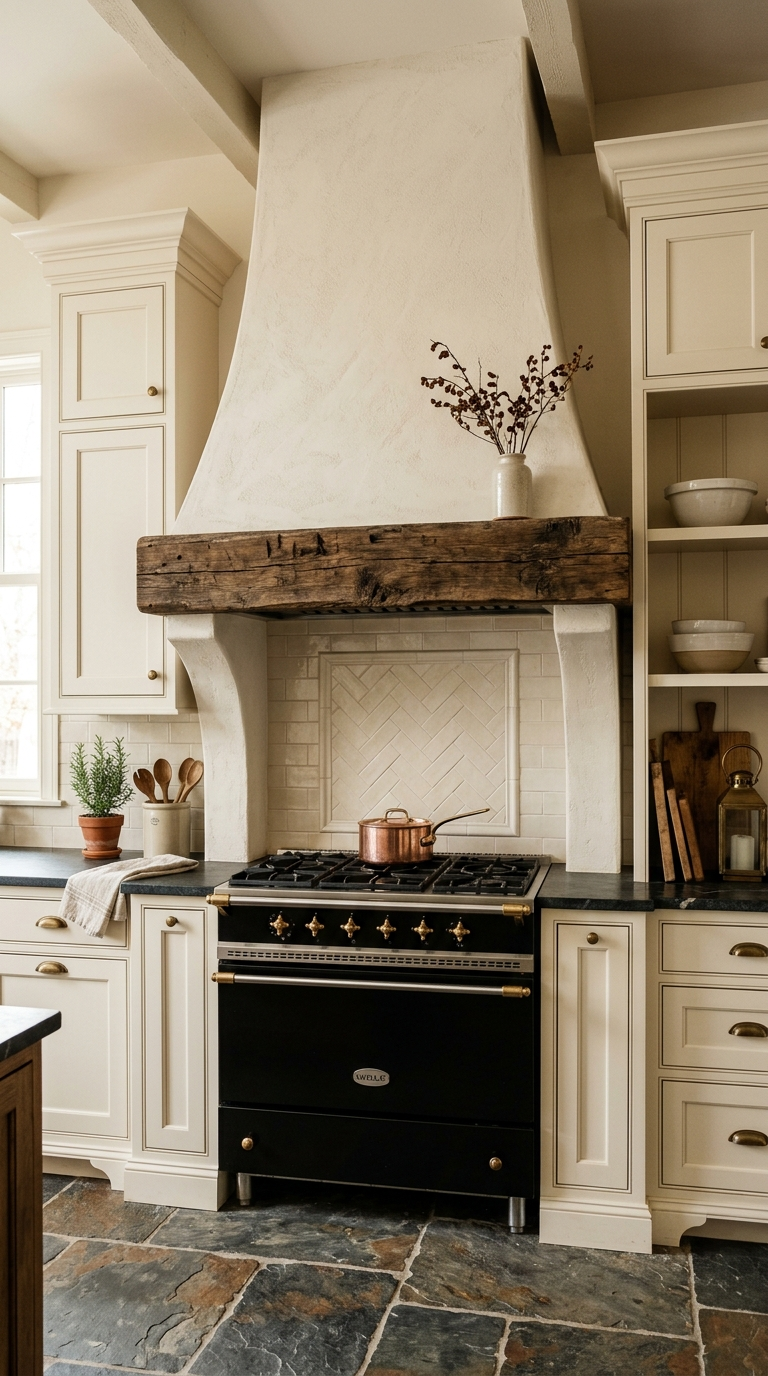
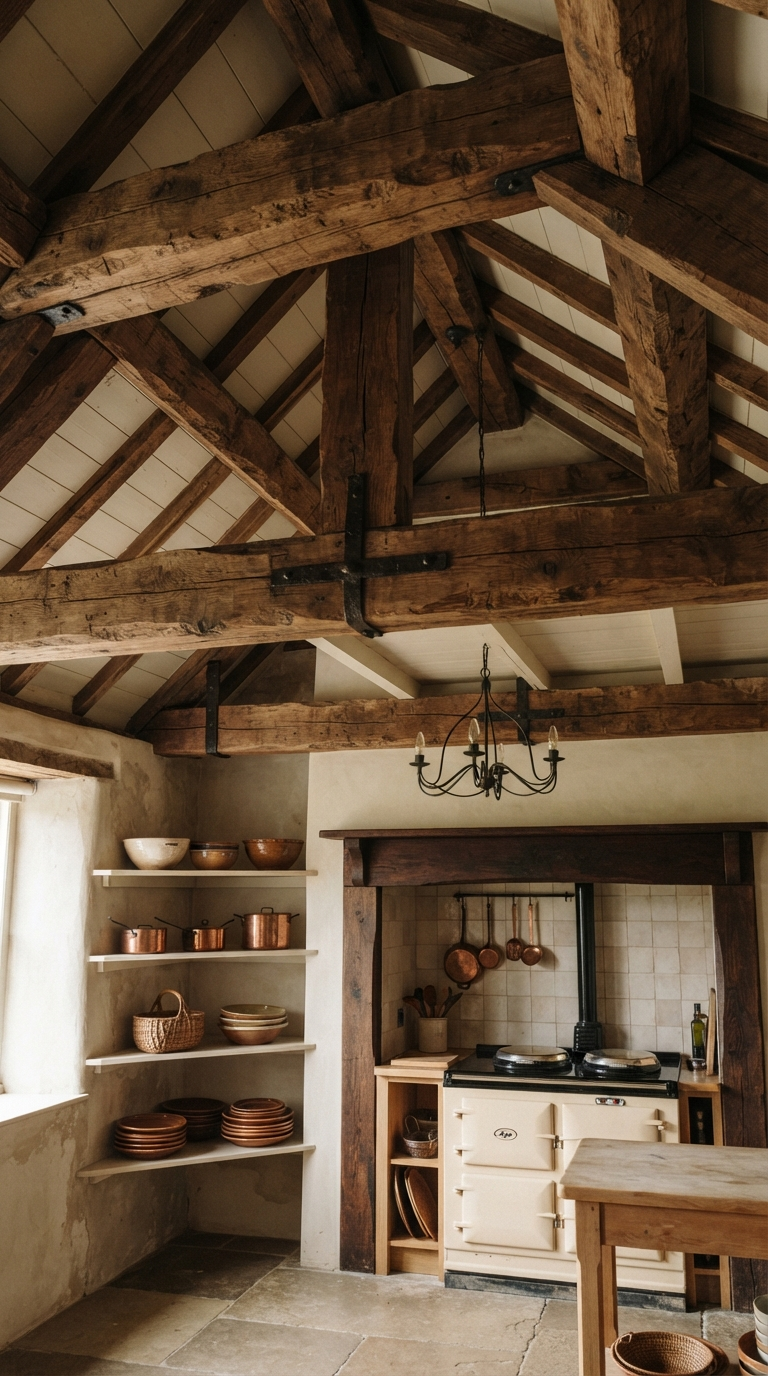
Step 5: Architectural Details: Beams, Hoods, and FlooringTo elevate your kitchen from merely decorated to structurally authentic, you must pay attention to the architectural elements. If your ceiling height allows, installing exposed wooden beams is one of the most effective ways to inject instant rustic charm. Whether they are structural, reclaimed barn wood beams or cleverly disguised faux beams, they draw the eye upward and add immense warmth. Another architectural focal point should be the range hood. Rather than a modern stainless steel chimney, opt for a custom hood enclosure. A wooden hood stained to match the island, or a plaster hood with a reclaimed wood mantel piece, anchors the cooking zone in traditional style.Flooring is the grounding element of the entire design. The most authentic choice is wide-plank hardwood flooring. Look for woods with rich graining, like oak or hickory, and choose a finish that highlights the wood’s natural imperfections. Hand-scraped or wire-brushed textures add to the rustic appeal, mimicking the wear of decades of foot traffic. If wood is not practical for your lifestyle, natural stone flooring, such as slate or tumbled travertine in a Versailles pattern, offers incredible durability and a classic, old-world traditional aesthetic. A large, vintage-inspired runner rug placed between the island and the main sink can soften the hard floors and introduce traditional patterns and warm colors into the space.
Step 6: The Final Layer: Styling and AccessoriesThe final step in designing your ultimate cozy rustic traditional kitchen is the styling. This is where you breathe life into the space and make it feel like home. Avoid minimalist, empty counters; this style thrives on a look of abundant, functional beauty. Display beautiful, practical items rather than purely decorative tchotchkes. A heavy wooden cutting board leaning against the backsplash, a ceramic crock filled with wooden spoons, or a bowl of fresh fruit on the island all contribute to the aesthetic. Incorporate vintage finds, such as an antique scale, a collection of old copper pots hung from a wrought-iron ceiling rack, or classic ironstone pitchers.Textiles play a massive role in creating coziness. Add traditional patterned valances or Roman shades to the windows in heavy linens, plaids, or subtle floral prints. Keep fresh herbs in terra cotta pots by the window sill, bringing life and greenery into the room. By thoughtfully layering these functional, beautiful, and historically resonant items, you complete the transformation. The result is a kitchen that is not just a place to prepare food, but a deeply inviting, soulful space where family and friends will naturally want to gather and linger for hours. It becomes a testament to the enduring beauty of combining rustic warmth with traditional elegance.
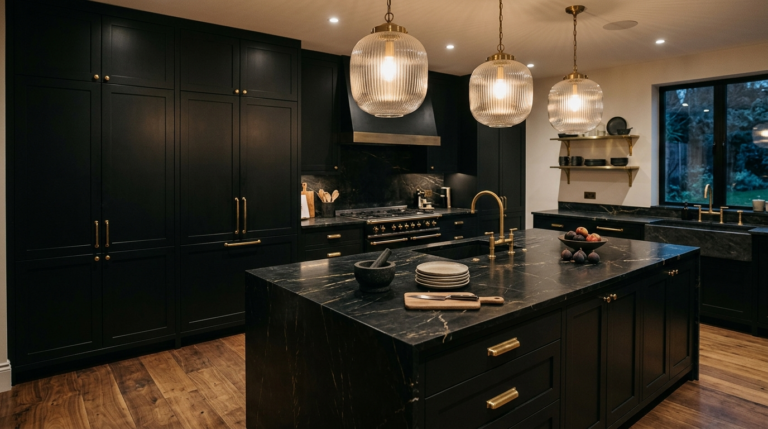
Step into the sophisticated world of dark and moody kitchens. Explore how to master black cabinetry, striking contrasts, and dramatic lighting for an elegant design.
Explore the enduring beauty of traditional rustic kitchens, featuring warm natural wood finishes, stone accents, custom cabinetry, and cozy artisanal style.
Are you making these small kitchen mistakes? Learn how to avoid layout traps, poor lighting, and wasted vertical space with smart editorial design tips.
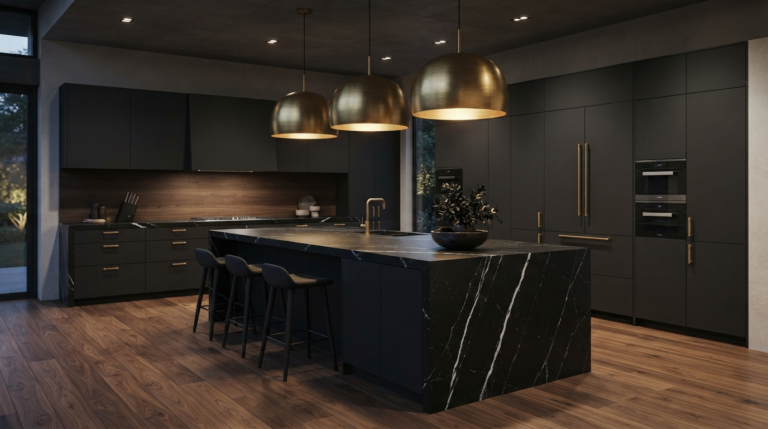
Discover the most captivating dark kitchen trends dominating this year. Elevate your culinary space with luxury materials, striking contrasts, and moody hues.
Explore these absolutely gorgeous rustic and traditional kitchen ideas. From exposed wood beams to farmhouse sinks, bring timeless warmth to your home.
Create a warm and inviting kitchen and dining area with these cozy rustic ideas. Explore beautiful tablescapes, wooden accents, and charming room decor.