The kitchen and dining areas are arguably the most heavily utilized spaces in any home. They are the epicenter of daily activity, from hurried morning breakfasts to elaborate evening dinners. Consequently, they are also the spaces most prone to accumulating visual and physical clutter. Embracing a minimalist aesthetic in your kitchen and dining room is not simply a matter of adopting a stark, sterile design; rather, it is a deliberate, thoughtful approach to prioritizing function, maximizing light, and creating an environment that fosters a sense of profound calm and efficiency. A truly successful minimalist space strips away the superfluous, allowing the high-quality materials, elegant lines, and structural beauty of the room to take center stage. If you are seeking to transform your chaotic cooking and eating areas into a serene, sleek sanctuary, this extensive listicle will guide you through the essential principles and actionable ideas required to achieve minimalist perfection. Let us explore fifteen transformative ideas to help you curate a space that is as beautiful as it is beautifully simple.Before we dive into the specific ideas, it is crucial to understand the mindset of minimalism. It is a commitment to intentionality. Every single item in the room, from the largest appliance to the smallest salt shaker, must serve a clear purpose or bring genuine aesthetic joy. If it does neither, it has no place in a minimalist design. By rigorously applying this philosophy, you will naturally create a space that feels open, airy, and incredibly sleek. Now, let us begin the journey toward your streamlined, sophisticated kitchen and dining experience.
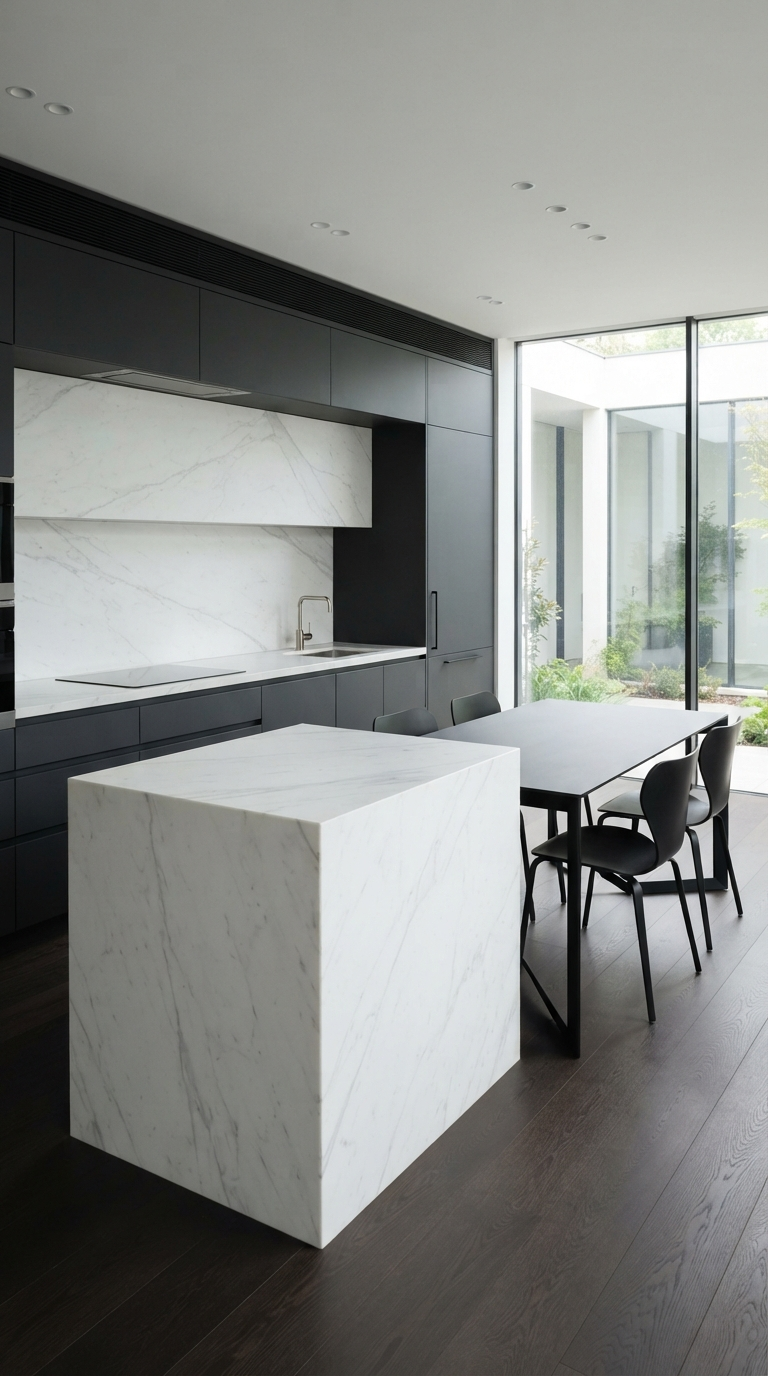
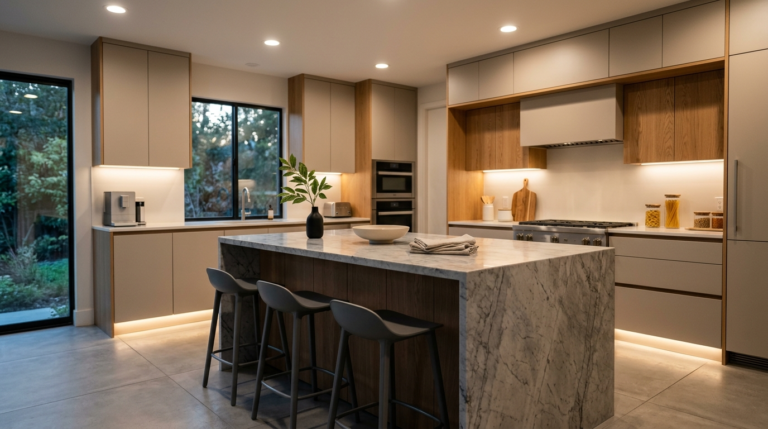
1. Embrace Handleless CabinetryOne of the most effective ways to instantly visually declutter a kitchen is to eliminate traditional hardware. Handleless cabinetry, which utilizes integrated J-pulls, push-to-open mechanisms, or routed channels, creates an uninterrupted, seamless flow of flat-panel doors. This smooth expanse of material reflects light beautifully and removes the visual ‘noise’ created by dozens of protruding knobs or pulls, resulting in an ultra-sleek, modern profile.2. Conceal Large AppliancesLarge, bulky appliances like refrigerators and dishwashers can severely disrupt the clean lines of a minimalist kitchen. The solution is to use fully integrated, panel-ready appliances. By attaching custom cabinet doors to the front of these machines, they completely disappear into the surrounding cabinetry. This creates a cohesive, monolithic look that elevates the entire space, making it feel more like a bespoke furniture installation than a utilitarian cooking zone.3. Commit to a Monochromatic PaletteColor profoundly impacts the perceived simplicity of a room. A strict monochromatic palette—whether it is crisp whites, moody charcoal grays, or soft, muted taupes—unifies the space. When the walls, cabinetry, and counters share a similar tonal value, the boundaries blur, making the room feel significantly larger and vastly more cohesive. Texture, rather than color, becomes the primary design tool.
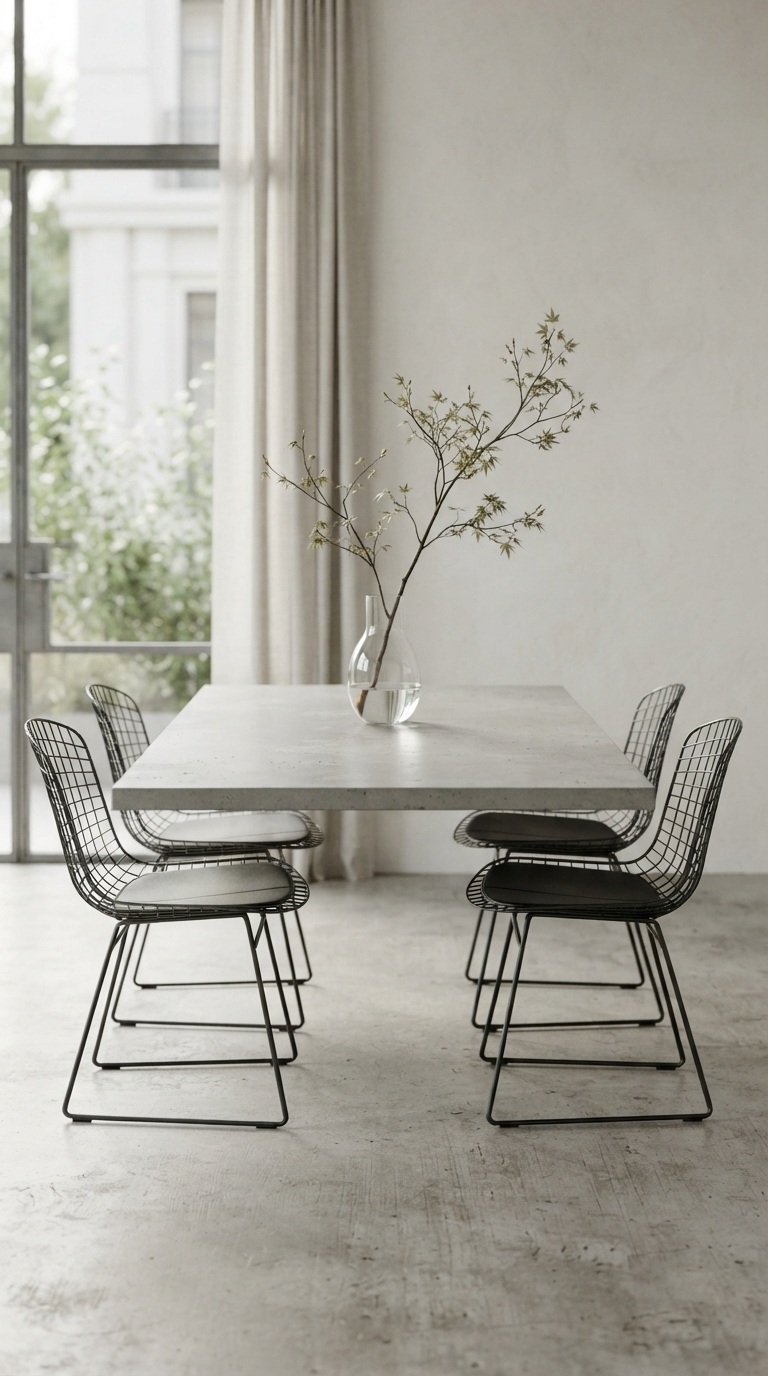
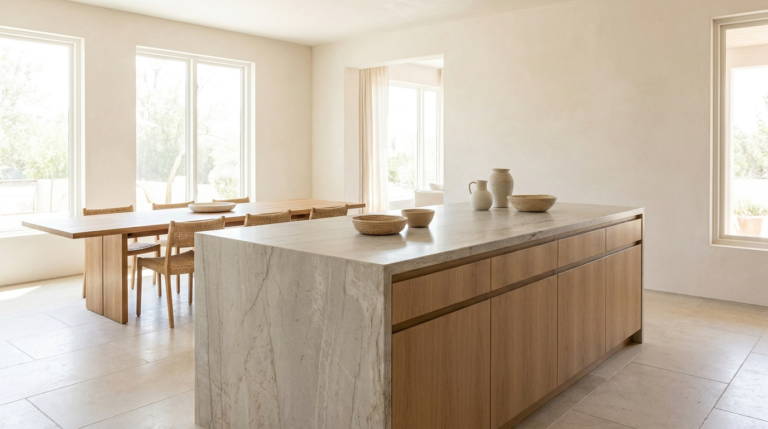
4. Install an Appliance GarageSmall countertop appliances (toasters, blenders, coffee makers) are the nemeses of minimalism. An appliance garage is a dedicated cabinet, often resting directly on the counter with a tambour, pocket, or lift-up door, designed specifically to house these items. They remain plugged in and ready to use, but can be instantly hidden away behind closed doors, leaving the countertops flawlessly clear and pristine.5. Opt for a Seamless BacksplashTraditional tiled backsplashes with contrasting grout lines add unnecessary visual texture to a sleek design. Instead, run the exact same material used for your countertops—such as quartz, marble, or ultra-compact surfaces—continuously up the wall as a slab backsplash. This continuous flow of material is incredibly striking, easy to clean, and perfectly aligned with minimalist sensibilities.6. Streamline the Dining TableIn the dining area, avoid bulky, heavily ornamented tables. Opt for a dining table with a remarkably thin profile and clean, geometric lines. Materials like matte-finished concrete, honed natural stone, or solid wood with a razor-thin edge work beautifully. The table should appear almost sculptural in its simplicity, providing a quiet canvas for the meals shared upon it.
7. Choose Sculptural, Minimalist ChairsComplement your sleek table with dining chairs that are equally refined. Avoid overly plush, heavy upholstery or intricate woodwork. Mid-century modern inspired designs, molded plywood chairs, or slender metal frames with simple leather slings offer the necessary functionality without adding visual weight to the room. The silhouette of the chair should be clean and instantly readable.8. Utilize Architectural LightingLighting in a minimalist space should be striking but not fussy. Avoid crystal chandeliers or overly detailed pendant shades. Instead, opt for architectural, linear lighting. A simple, matte black linear LED suspension light over the island or dining table provides excellent illumination while acting as a sharp, modern geometric line drawn in the air. Recessed ceiling lights should be trimless and blend seamlessly into the ceiling.9. Maximize Hidden StorageMinimalism requires ruthless organization. Maximize every inch of your cabinetry with hidden, internal storage solutions. Deep drawers with custom peg organizers for plates, pull-out pantry towers, and blind-corner pull-outs ensure that absolutely everything has a dedicated place out of sight. When the internal workings of the kitchen are perfectly organized, maintaining external minimalism becomes effortless.
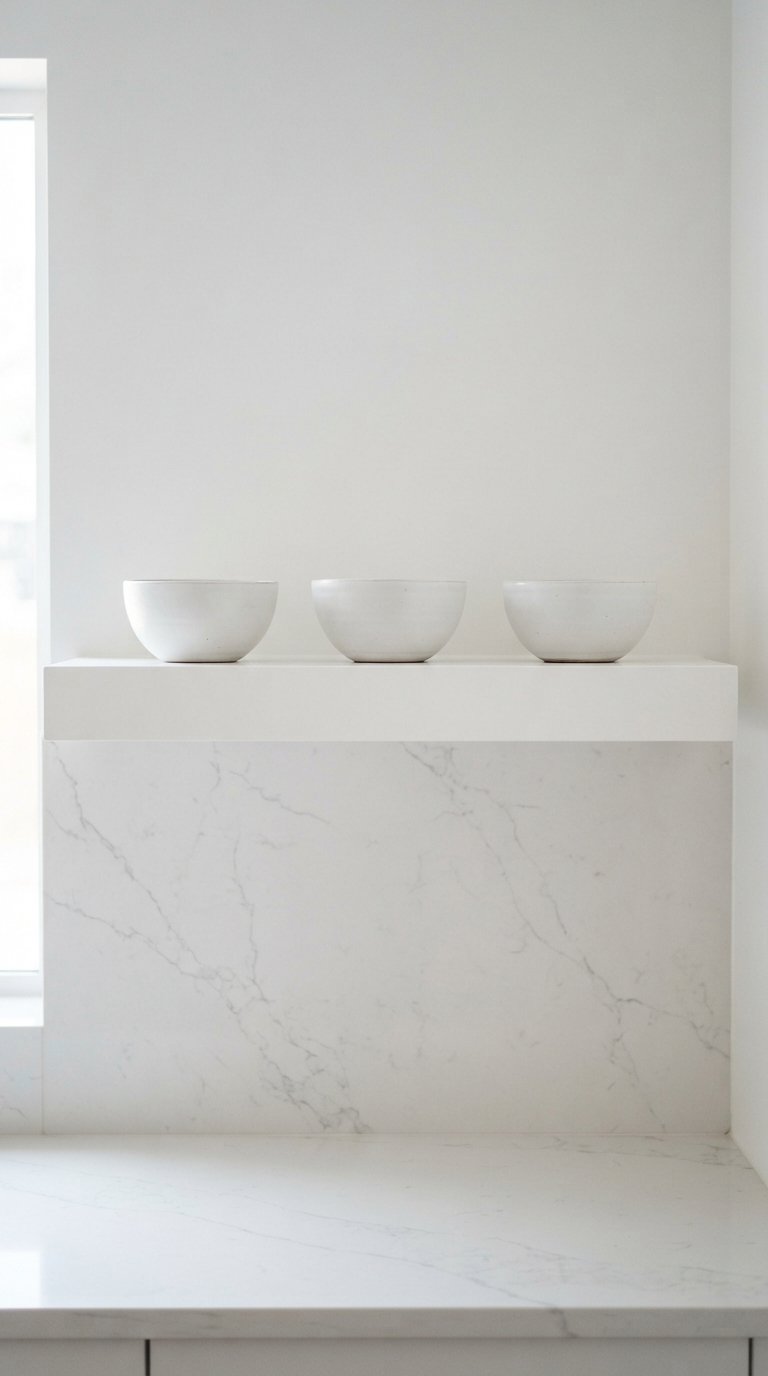
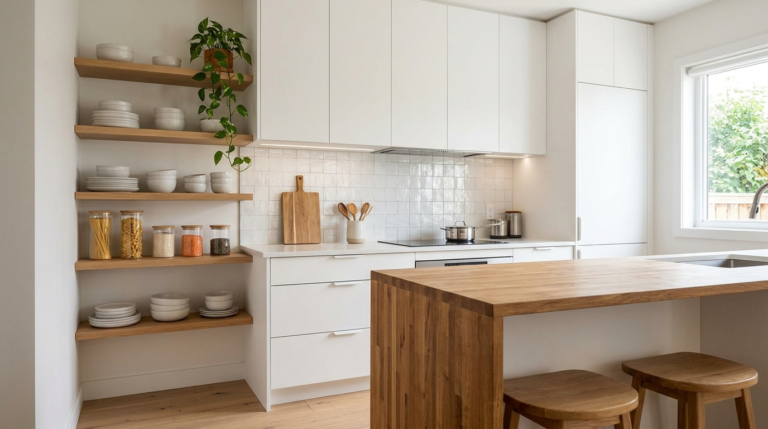
10. Limit Open ShelvingWhile open shelving can be beautiful, it is incredibly difficult to maintain in a strictly minimalist kitchen, as it easily becomes cluttered. If you must have open shelving, limit it to a single, sleek floating shelf and curate the items displayed upon it mercilessly. Display only a few identical ceramic pieces or a single, striking vase. Leave plenty of negative space around each object.11. Integrate the SinkAn under-mount sink is a good start, but a fully integrated sink crafted from the exact same material as the countertop takes minimalism to the next level. This seamless transition eliminates edges, lips, and different materials, resulting in a perfectly flush, unbroken surface that is incredibly sleek and exceptionally easy to wipe down.12. Refine the FaucetSelect a kitchen faucet that resembles modern art. Look for an ultra-slim, single-lever design with a high, simple arc or a stark, geometric 90-degree angle. Finishes like matte black, brushed stainless steel, or even matte white blend beautifully into a minimalist scheme. Avoid ornate traditional curves, exposed springs, or multi-handled designs.
13. Clear the Countertops CompletelyThis is a behavioral rule as much as a design rule. The hallmark of a minimalist kitchen is vast expanses of completely clear countertops. Do not leave cutting boards, knife blocks, or decorative bowls out permanently. Store them away. The negative space provided by empty counters is visually resting and emphasizes the quality of the countertop material itself.14. Unify Flooring Between SpacesTo create a cohesive flow between the minimalist kitchen and the dining space, use the exact same flooring throughout. A continuous run of wide-plank, light oak hardwood, or large-format, matte-finish porcelain tiles (with matching grout to minimize grid lines) eliminates visual boundaries, making the two areas feel like one large, expansive, and unified space.15. Introduce Organic Minimalism with PlantsTo prevent the space from feeling too stark or cold, introduce a highly controlled element of nature. A single, structural plant—such as a tall, slender olive tree in a matte ceramic planter, or a simple vase holding three identical, minimalist branches—adds a breath of life and subtle organic shape without compromising the clean, uncluttered aesthetic of the room.
Achieving a sleek, minimalist kitchen and dining space is a deeply rewarding endeavor. By implementing these fifteen strategies, you will transform your home into a sanctuary of order and beauty. Remember that minimalism is not about living with less for the sake of deprivation; it is about making room for the things that truly matter by stripping away the unnecessary distractions. A well-designed minimalist kitchen offers a sense of unparalleled tranquility, making the acts of cooking and dining not just daily chores, but truly elevated experiences.
Learn how to perfectly design a cozy rustic traditional kitchen with our comprehensive guide. From wood cabinetry to classic farmhouse elements, master the look.
Discover the ultimate guide to creating a warm, inviting rustic and traditional kitchen. Explore timeless materials, cozy decor, and elegant design secrets.
Is your kitchen feeling cramped or inefficient? Discover the most common layout mistakes and learn how to fix them for a functional and beautiful space.
Discover the most common kitchen decor mistakes you are making and how to effortlessly upgrade your cooking space into a luxurious, functional sanctuary.
Discover the latest sustainable design trends for your kitchen and dining areas. Explore organic materials, minimalist layouts, and earthy color palettes.