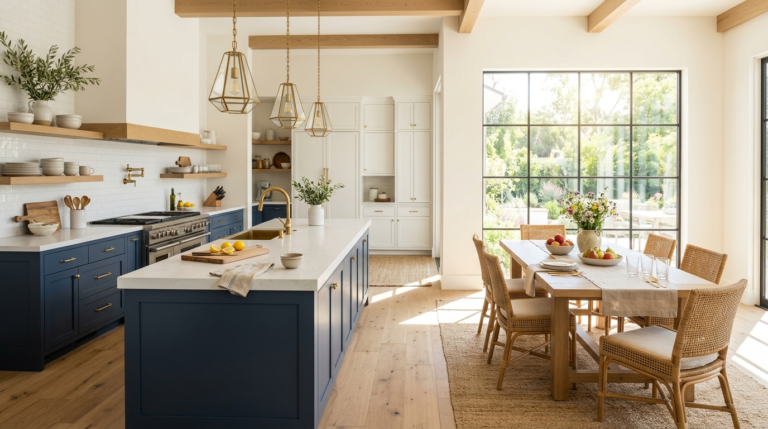
For decades, the standard in kitchen design has been overwhelmingly bright and white—a pursuit of sterile perfection. However, a profound shift is occurring in the world of interior design. Homeowners and top-tier designers alike are embracing the shadows, turning toward the sophisticated, grounding, and inherently luxurious aesthetic of dark and moody kitchens. The allure of midnight hues—deep charcoal, rich emerald, navy, and true matte black—offers a dramatic departure from the expected, enveloping the heart of the home in a blanket of refined elegance. In this narrative exploration, we will delve into the artistry of designing a beautiful dark kitchen, balancing light, texture, and metallic accents to create a space that is as inviting as it is striking.
The Power of Paint and Cabinetry
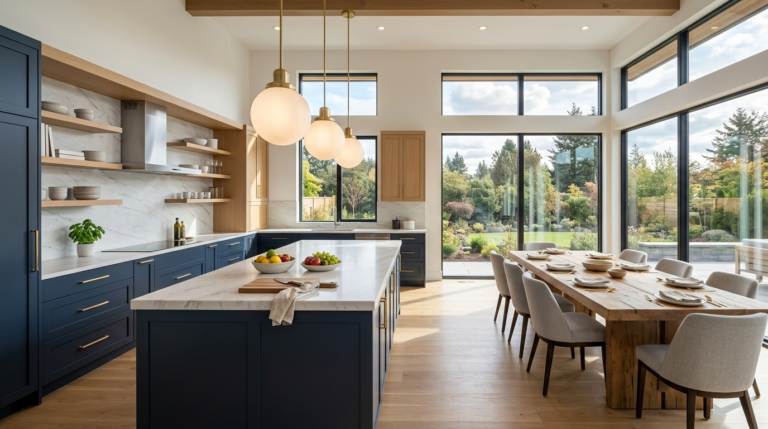
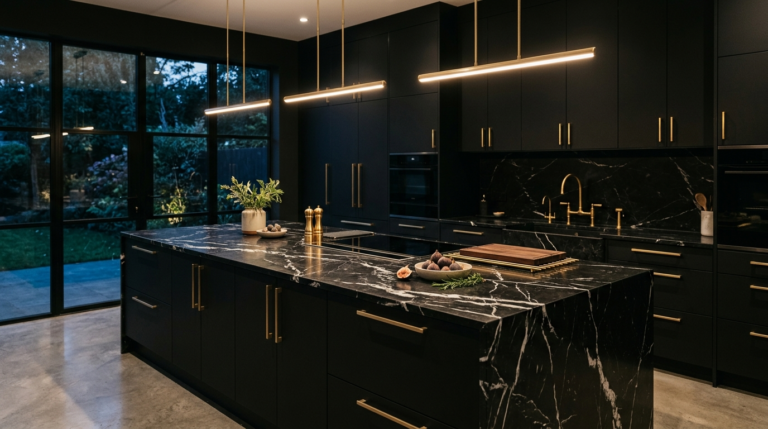
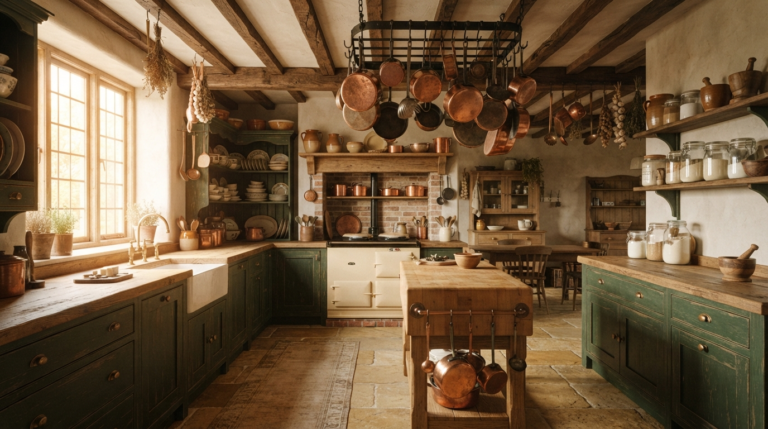
The foundation of any moody kitchen lies in its cabinetry. Choosing a dark color for your cabinets is a bold statement that instantly grounds the room. Matte black has emerged as a frontrunner, prized for its ability to absorb light and create a soft, velvety appearance that feels incredibly modern yet timelessly chic. But black is not the only option. Deep, saturated tones like forest green, ink blue, and even dark aubergine offer a softer approach to the moody aesthetic while maintaining that essential depth.
When selecting your cabinetry finish, consider the tactile experience. High-gloss dark cabinets can look remarkably glamorous, reflecting light around the room, but they demand rigorous upkeep to remain fingerprint-free. Matte or satin finishes, on the other hand, offer a sophisticated subtlety that pairs beautifully with natural textures like wood and stone. The key is to commit fully to the color story; dark base cabinets paired with dark uppers create an immersive, cocoon-like atmosphere that is deeply comforting.
Lighting: The Make or Break Element
In a dark kitchen, lighting is no longer just functional; it becomes the most critical architectural element in the room. Without proper illumination, a moody space can quickly devolve into a gloomy cavern. The secret is layering. You must strategically deploy ambient, task, and accent lighting to carve out spaces within the darkness.
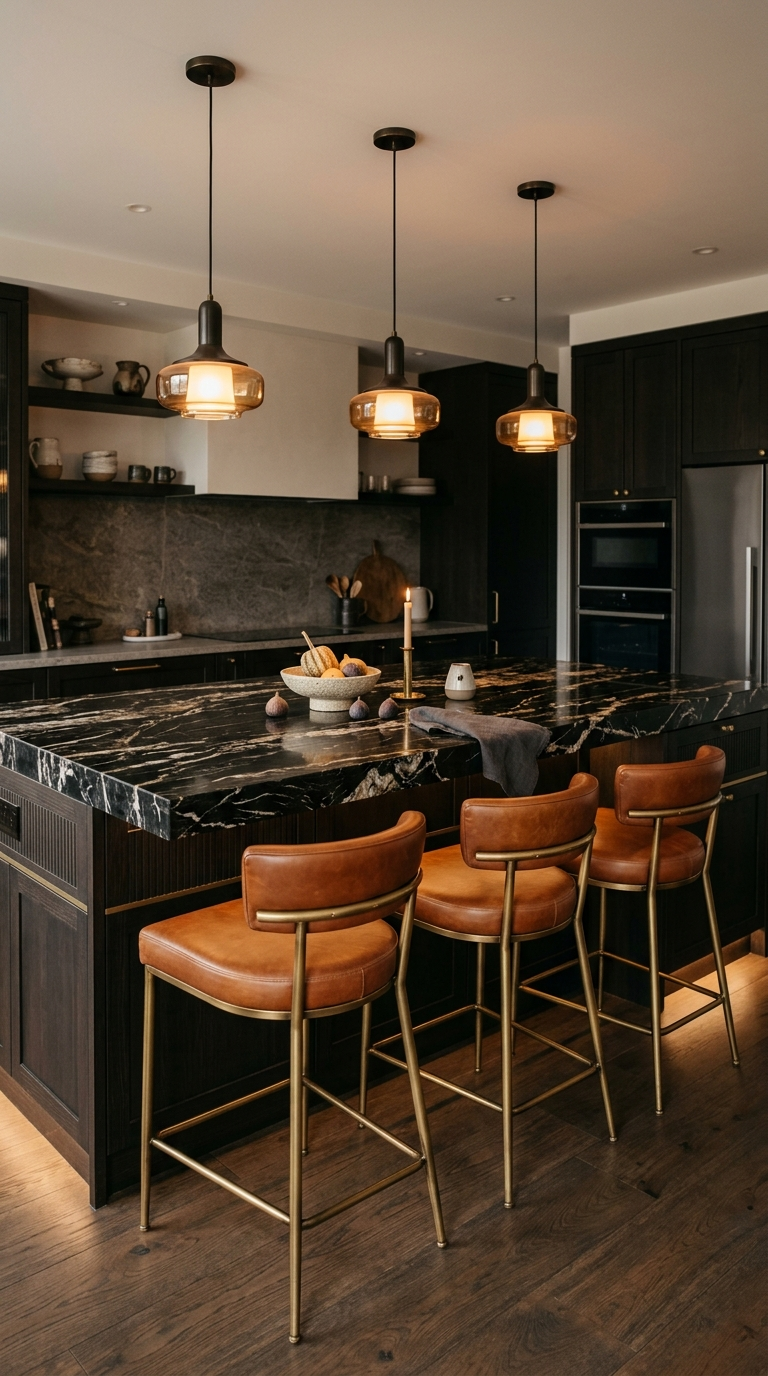
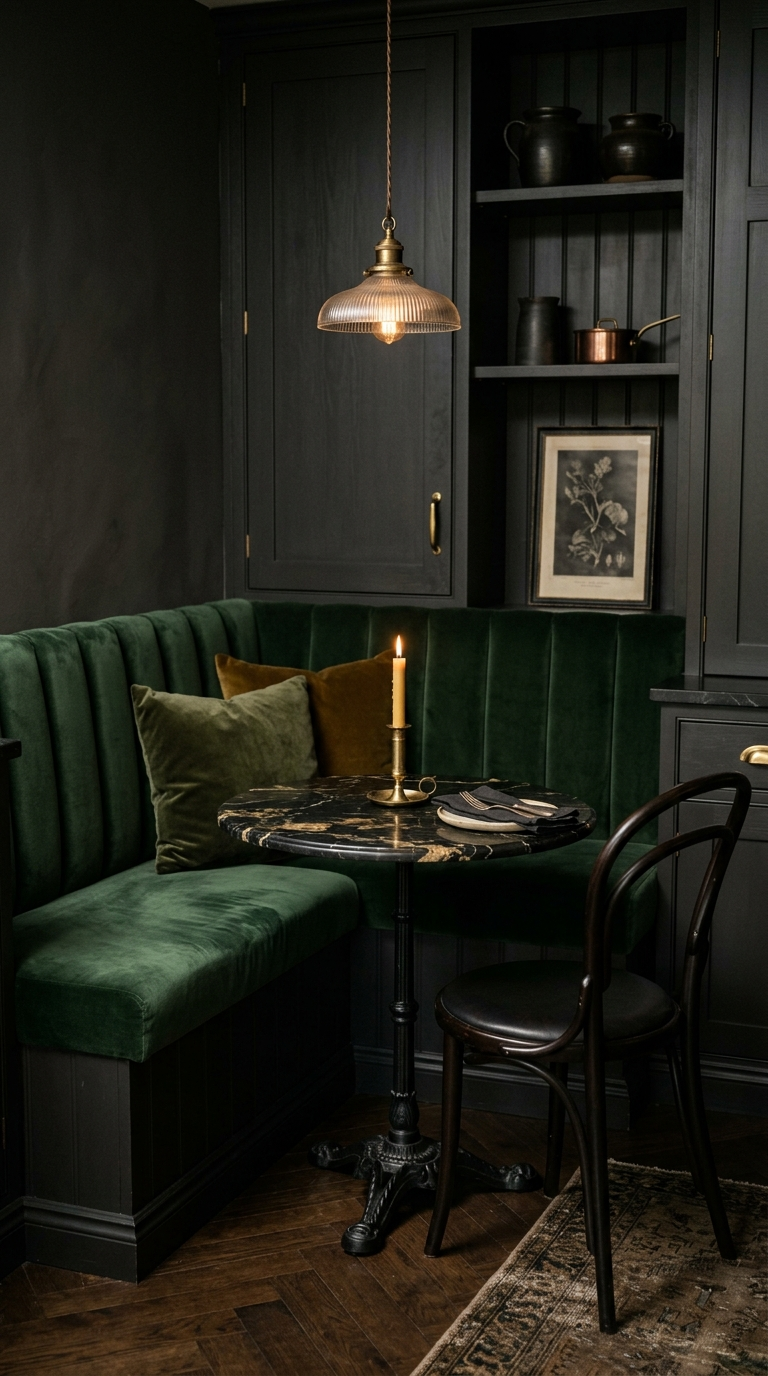
Start with robust task lighting. Under-cabinet LEDs are non-negotiable in a dark kitchen, ensuring that your workspaces remain bright and safe for food preparation. Next, consider your ambient lighting. Recessed ceiling lights should be set on dimmers to control the mood. Finally, the accent lighting is where the magic happens. Think oversized, dramatic pendant lights over the kitchen island. Fixtures featuring ribbed glass, warm brass, or even woven textures add a necessary layer of visual interest and cast a warm, inviting glow against the dark backdrop.
Hardware: The Jewels of the Kitchen
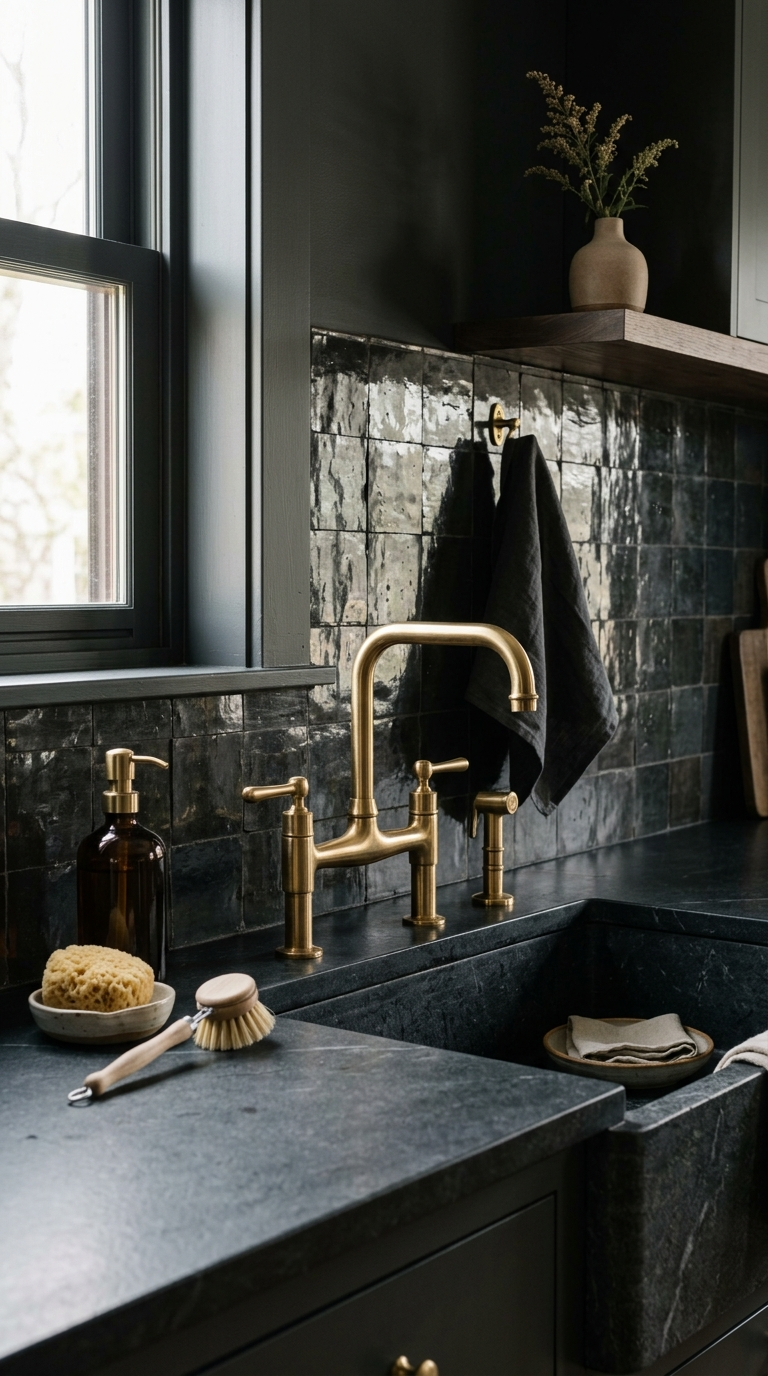
If dark cabinetry is the elegant evening gown, the hardware is the fine jewelry. The contrast between dark wood or paint and metallic hardware is where a moody kitchen truly shines. Unlacquered brass is arguably the most exquisite pairing for black or dark green cabinets. As the brass ages and patinas, it brings a living, organic warmth that beautifully offsets the coolness of the dark tones.
For a more contemporary and edgy look, consider brushed gold or polished nickel. These metals pop brilliantly against a dark canvas. Conversely, if you prefer a stealthy, monolithic aesthetic, matte black hardware on black cabinetry creates a seamless, ultra-modern silhouette. Pay attention to the scale of your hardware; in a dramatic kitchen, oversized pulls and substantial knobs feel appropriate and luxurious.
Countertops: Contrast or Continue?
When designing a dark kitchen, you face a critical decision with your countertops: do you create high contrast, or do you continue the dark, moody theme? Both approaches yield spectacular results. For high contrast, a bright white marble or quartz with heavy, dramatic veining creates a breathtaking visual break. The crispness of the white counter against black cabinetry highlights the architectural lines of the kitchen.
Alternatively, continuing the dark theme creates a space of unparalleled sophistication. Imagine matte black cabinetry paired with honed absolute black granite or a dark, soapstone counter. This tone-on-tone approach requires a masterful handling of texture to prevent the space from feeling flat. A honed or leathered finish on the dark stone adds a tactile richness that elevates the entire design.
The Role of Natural Wood
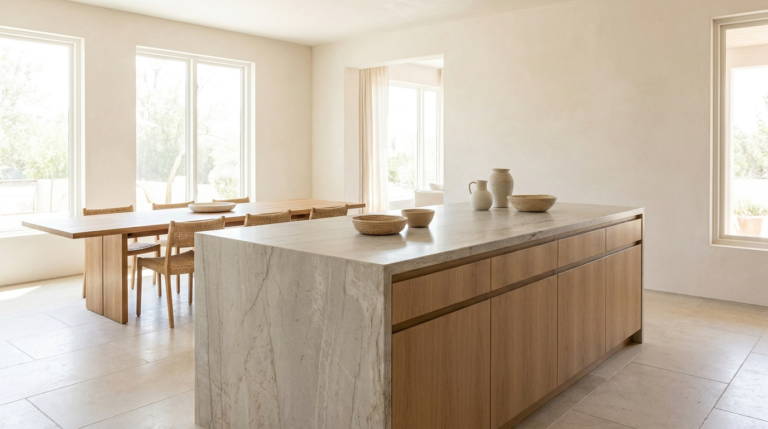
To prevent a dark kitchen from feeling too cold or severe, the introduction of natural wood is essential. Wood injects instant warmth, organic texture, and a sense of grounding nature into the space. This can be incorporated in various ways, from a rustic reclaimed wood kitchen island to sleek walnut open shelving.
Hardwood flooring is a classic way to warm up a moody kitchen. A medium-toned oak floor strikes the perfect balance, light enough to provide contrast but warm enough to harmonize with the dark cabinetry. If you have chosen dark countertops and cabinets, a thick butcher block insert on the island can serve as a stunning, functional focal point that breaks up the monochromatic scheme.
Styling the Shadows: Decor and Accessories
Styling a dark kitchen requires a deliberate hand. Clutter is the enemy of elegance, and this is especially true in a moody space. Keep countertops largely clear, allowing the materials and colors to speak for themselves. When selecting decor, opt for items that bring texture and a touch of organic life.
Large, leafy green plants or branches in an oversized ceramic vase look spectacular against a dark background. Vintage wooden cutting boards leaned against a dark backsplash add history and warmth. Displaying beautiful copper cookware or a collection of handmade ceramics on open shelving can introduce subtle color and artisanal charm without overwhelming the sophisticated aesthetic.
Embracing the Backsplash
The backsplash is a prime opportunity to inject personality into your dark kitchen. For a seamless, high-end look, carrying the countertop material—whether it is a stark white marble or a moody dark stone—up the wall as a slab backsplash is incredibly striking. It minimizes grout lines and creates a clean, monolithic appearance.
If you prefer tile, consider a glazed zellige tile in a deep, inky hue. The natural variation and glossy finish of handmade tiles will catch the light, adding a subtle shimmer and immense depth to the walls. Alternatively, a mirrored or metallic backsplash can work wonders in a small, dark kitchen, bouncing precious light around the room and expanding the sense of space.
The Psychological Appeal of Moody Spaces
Beyond aesthetics, there is a distinct psychological appeal to dark kitchens. They feel inherently intimate and protective. In a world that is often chaotic and overstimulating, stepping into a deeply colored, softly lit kitchen feels like a retreat. It is an environment that encourages slowing down, savoring the process of cooking, and enjoying lingering conversations.
Dark kitchens exude a quiet confidence. They do not need to shout for attention with bright colors; their beauty lies in their depth, shadows, and the careful curation of materials. It is a design choice that speaks to a refined palate and a desire for a home that feels like a bespoke sanctuary.
Maintenance and Care
It is important to acknowledge that dark kitchens do require a specific maintenance routine. While they may hide certain stains better than white kitchens, they are notorious for showing dust, water spots, and fingerprints, particularly on matte finishes. Investing in high-quality microfiber cloths and gentle, streak-free cleaners is essential.
Regular wipe-downs will keep your dark surfaces looking pristine. Embrace this as part of the ritual of caring for a beautiful space. The slight increase in daily maintenance is a small price to pay for the breathtaking visual impact and daily joy that a flawlessly designed moody kitchen provides.
Conclusion: Stepping into the Dark
Designing a dark and moody kitchen is a masterclass in balance. It requires a thoughtful orchestration of color, light, texture, and contrast. By pairing rich, dark cabinetry with the warmth of natural wood, the brilliance of metallic hardware, and strategic lighting, you can create a culinary space that is deeply luxurious and endlessly inviting. The allure of midnight is strong; it invites you to step away from the conventional and embrace the profound beauty found in the shadows.
Are you struggling with a dysfunctional cooking space? Learn the most common kitchen layout mistakes and practical solutions to maximize your dining area.
Discover the most common kitchen design mistakes and learn how to avoid them. Transform your cooking and dining area into a flawless, functional space.
Discover the ultimate trend forecast for black and dark kitchens, featuring expert design tips on matte cabinetry, mood lighting, and stone selections.
Discover the ultimate list of rustic traditional kitchen ideas. From reclaimed wood beams to vintage hardware, learn how to create a cozy, timeless space.
Discover the latest sustainable design trends for your kitchen and dining areas. Explore organic materials, minimalist layouts, and earthy color palettes.