The Evolution of the Modern KitchenThe modern kitchen is no longer just a place for food preparation; it has evolved into the absolute heart of the home, a multifunctional space where design seamlessly meets daily living. This year, the trends defining modern culinary spaces are heavily focused on creating a harmonious balance between sleek, minimalist aesthetics and highly functional, cutting-edge technology. Homeowners and interior designers alike are shifting away from cluttered, chaotic countertops and heavily ornamented cabinetry, moving instead toward clean lines, organic textures, and intuitive layouts that promote a sense of calm and order. The fundamental philosophy driving these trends is that a kitchen should be as beautiful as it is practical, serving as a sanctuary for cooking, socializing, and unwinding. In this comprehensive trend forecast, we will explore the major movements shaping the modern kitchen landscape, offering deep insights into how you can integrate these forward-thinking concepts into your own home renovation or refresh.
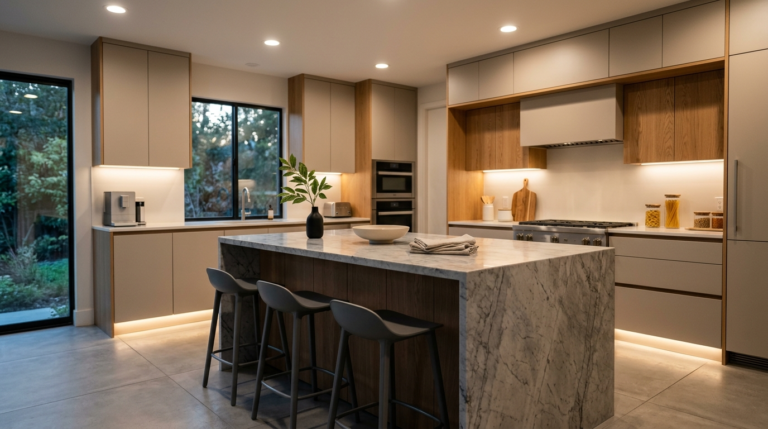
Trend 1: Seamless and Hardware-Free CabinetryOne of the most prominent trends dominating modern kitchens right now is the push toward seamless, hardware-free cabinetry. The visual noise created by bulky handles and oversized knobs is being replaced by ultra-sleek, touch-to-open mechanisms and integrated channel pulls. This minimalist approach not only streamlines the visual field, making the kitchen appear larger and more open, but it also enhances safety and ease of cleaning. Without protruding hardware, wiping down surfaces becomes a swift, uninterrupted motion. Designers are pairing these flat-panel cabinets with matte finishes in muted earth tones—think deep sage greens, warm terracottas, and soft charcoal grays. The absence of traditional hardware forces the eye to appreciate the quality of the materials and the precision of the cabinetry’s craftsmanship, elevating the entire space into a realm of sophisticated simplicity. Furthermore, this trend extends to the integration of appliances. Refrigerators and dishwashers are being completely concealed behind matching cabinet panels, creating a monolithic, highly cohesive look that blurs the line between kitchen and living space.When implementing seamless cabinetry, the focus must shift to the internal organization systems. Because the exterior is so minimal, the interior must work twice as hard to maintain order. Custom drawer dividers, pull-out pantry shelves, and specialized compartments for utensils and spices are essential components of this trend, ensuring that the minimalist aesthetic is not just a facade, but a true reflection of an organized, efficient lifestyle.
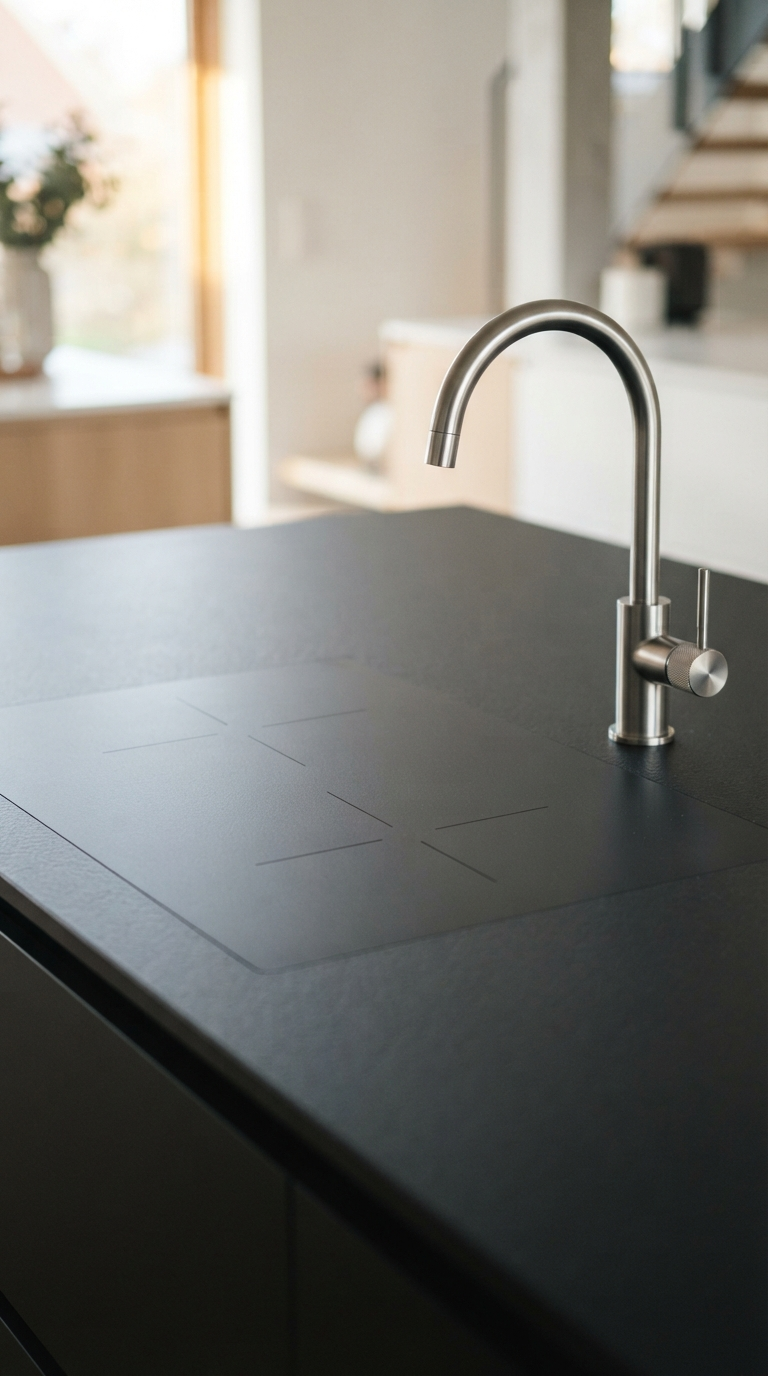
Trend 2: The Integration of Smart and Unobtrusive TechnologyTechnology in the kitchen has moved past the phase of flashy, oversized screens and intrusive gadgets. Today’s modern kitchen trends forecast a shift toward smart, unobtrusive technology that enhances the cooking experience without dominating the visual landscape. We are seeing a surge in induction cooktops that sit completely flush with the countertop, sometimes even built directly into the porcelain or stone surface itself, remaining totally invisible until activated. These advanced cooking systems offer precise temperature control, faster heating times, and superior energy efficiency compared to traditional gas burners, all while maintaining an immaculately clean countertop profile. Similarly, smart faucets with touchless sensors and exact volume dispensing capabilities are becoming standard, reducing cross-contamination during food prep and conserving water.Another fascinating technological integration is the rise of automated lighting and climate control systems tied to the kitchen’s specific zones. Voice-activated task lighting can illuminate a prep area with bright, cool light, while simultaneously dimming the dining zone to a warm, ambient glow. Ovens are now equipped with internal cameras and AI-driven sensors that monitor baking progress, alerting your smartphone when the meal is perfectly cooked. The ultimate goal of this trend is frictionless living: technology that anticipates your needs, operates silently in the background, and preserves the pristine aesthetic of the modern culinary environment.
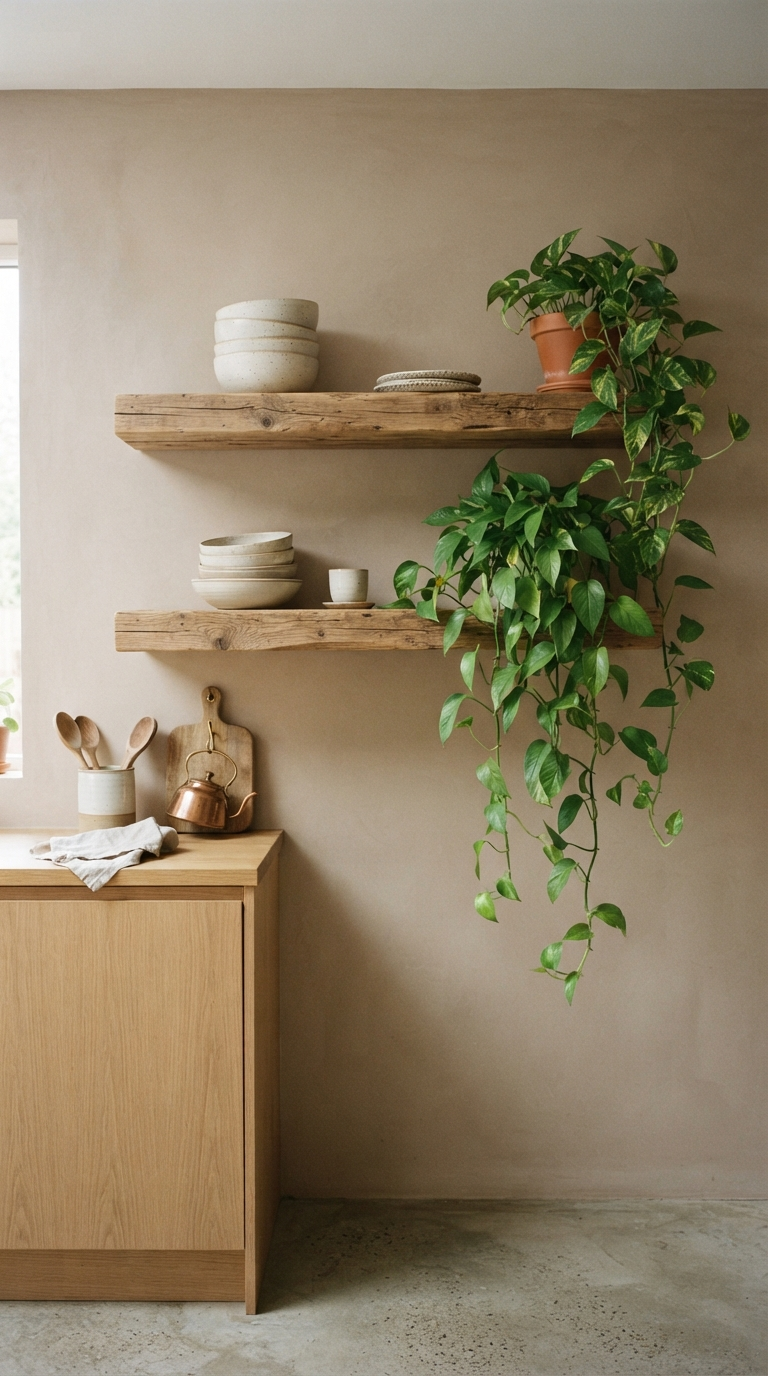
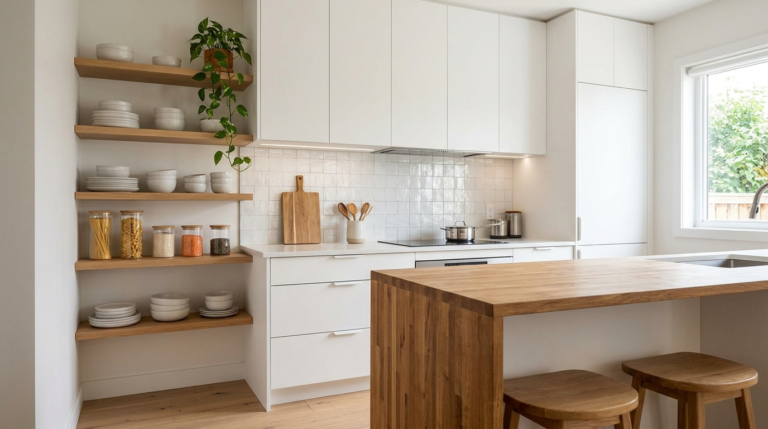
Trend 3: Sustainable and Organic Material ChoicesAs environmental awareness continues to grow, sustainability has shifted from a niche preference to a foundational pillar of modern kitchen design. The trend forecast for this year highlights a massive influx of organic, ethically sourced, and recycled materials. Homeowners are actively seeking out countertops made from recycled glass or composite materials that offer the durability of quartz without the heavy environmental footprint. Reclaimed wood is being utilized not just for decorative shelving, but for substantial architectural elements like kitchen islands and structural beams, injecting warmth and a sense of history into otherwise highly modern spaces. This juxtaposition of sleek, contemporary cabinetry with rugged, organic textures is a defining characteristic of the current design zeitgeist.Beyond the surface materials, sustainability is dictating the finishes and sealants used in the kitchen. Low-VOC (Volatile Organic Compound) paints and natural oil finishes for wood are standard, ensuring the indoor air quality remains pure. Biophilic design principles are also heavily integrated into this trend. We are seeing living green walls, indoor herb gardens integrated directly into the island, and expansive windows that maximize natural daylight and forge a strong visual connection with the outdoors. By choosing materials that are kind to the earth, the modern kitchen becomes a restorative space that feels grounded, healthy, and deeply connected to the natural world.
Trend 4: The Statement Kitchen Island as a Social HubThe kitchen island has long been a staple of modern design, but this year, it is taking center stage as a monumental statement piece and the primary social hub of the home. No longer just a rectangular block in the middle of the room, the modern island is adopting sculptural forms, asymmetrical shapes, and dramatic material contrasts. We are seeing multi-tiered islands that clearly define separate zones for cooking, casual dining, and remote work. The materials used for these islands are becoming increasingly bold; think deeply veined, exotic marbles featuring striking patterns in dramatic blacks, rich purples, and vibrant greens, contrasting sharply with muted perimeter cabinetry.Furthermore, the island is being engineered to function as a self-sufficient workstation. It often houses secondary prep sinks, integrated composting bins, and concealed charging stations for laptops and tablets. Seating arrangements around the island are also evolving. Instead of a straight line of stools facing the cooking area, designers are incorporating curved seating arrangements or extending the island into an integrated, lower-level dining table. This encourages eye contact and conversation, solidifying the kitchen’s role as the interactive epicenter of the household where families gather, entertain, and connect on a daily basis.
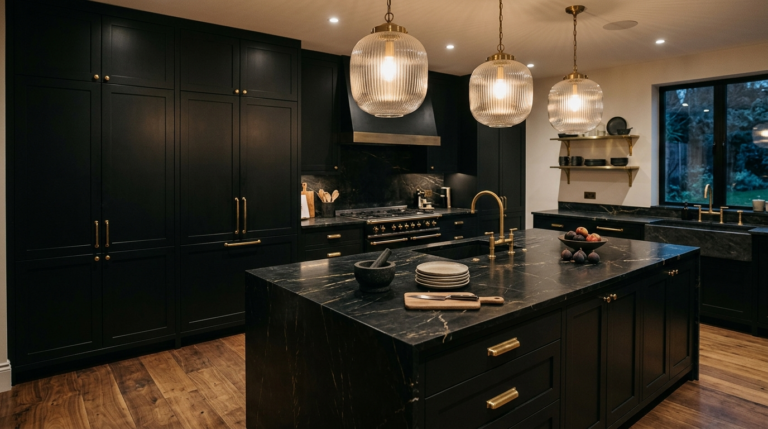
Trend 5: Dramatic and Architectural LightingLighting is no longer merely functional; it is a critical architectural element that defines the mood and volume of the modern kitchen. The trend is shifting away from uniform rows of recessed ceiling lights and moving toward layered, highly intentional lighting schemes. Statement pendant lights positioned over the island are growing larger and more sculptural, acting as floating works of art. Materials like brushed brass, matte black metal, and hand-blown artisanal glass are extremely popular, providing a necessary contrast to the smooth surfaces of the cabinetry and countertops. These oversized fixtures serve as visual anchors, drawing the eye upward and emphasizing the height of the space.In addition to dramatic pendants, hidden architectural lighting is being used to create depth and dimension. LED strip lighting concealed beneath toe-kicks gives the illusion that the heavy cabinetry is effortlessly floating above the floor. Under-cabinet lighting has evolved from simple task illumination to tunable white light panels that mimic the natural progression of daylight, keeping the kitchen perfectly lit from morning coffee to late-night snacking. The careful calibration of shadow and light transforms the kitchen from a sterile work environment into a warm, inviting, and highly sophisticated living space.
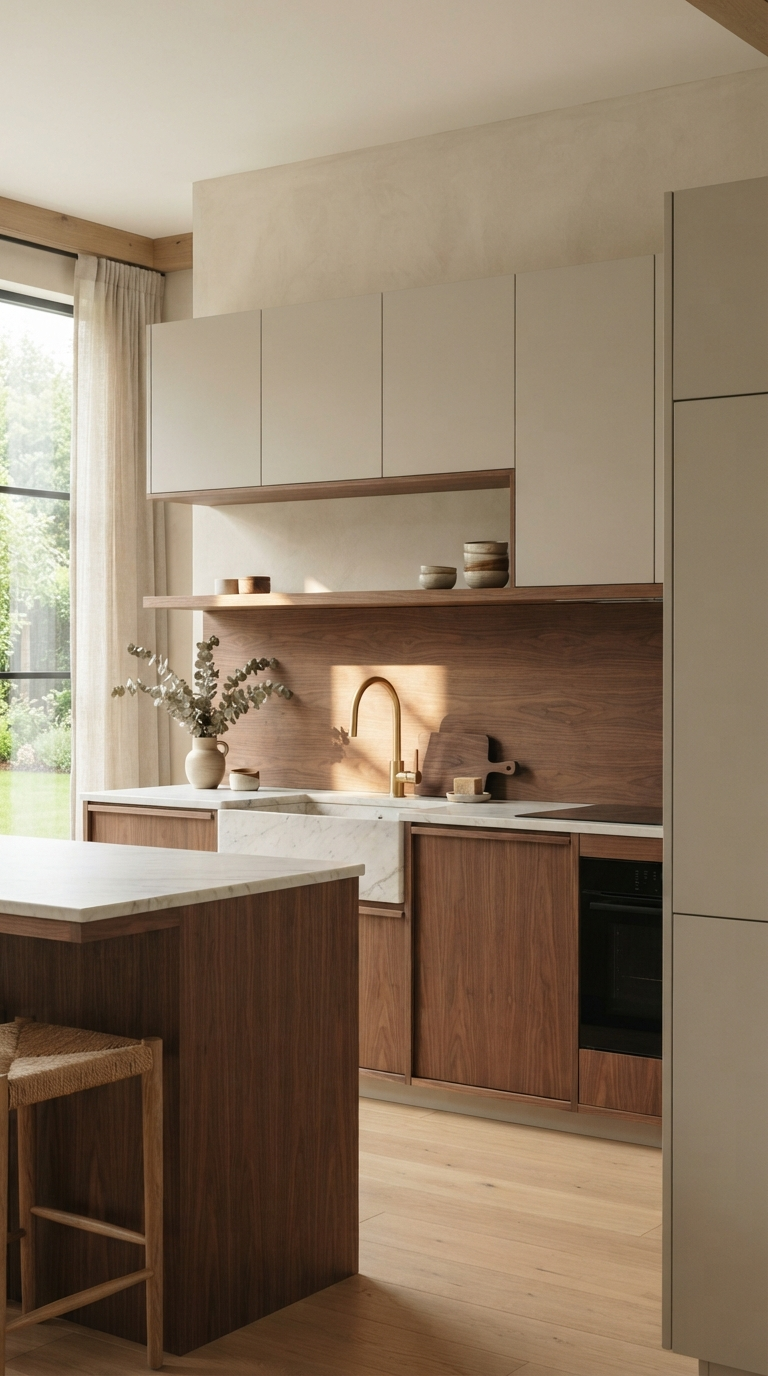
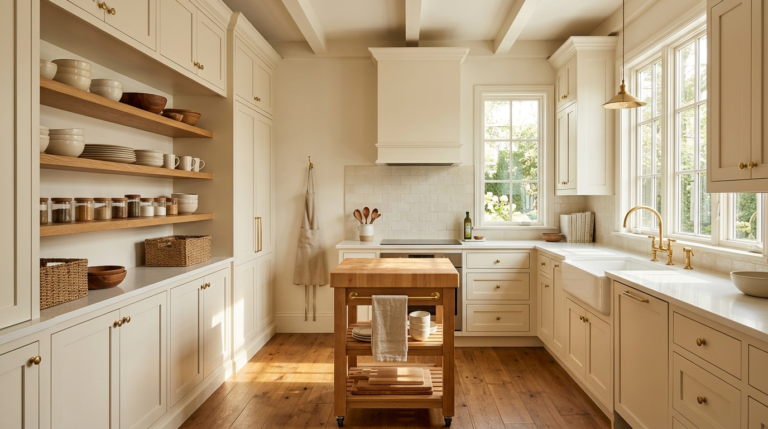
Trend 6: The Return of Warmth with ‘New Neutrals’For years, the modern kitchen was synonymous with stark white surfaces and cold, stainless steel accents. This year, the trend forecast signals a definitive end to the all-white kitchen, making way for a palette of ‘new neutrals’ that infuse the space with warmth, depth, and character. We are witnessing the rise of taupes, warm mushrooms, soft terracottas, and complex greiges (a blend of gray and beige). These colors react beautifully to natural light, shifting in tone throughout the day and creating a cozy, enveloping atmosphere that stark white simply cannot achieve.This warmer color palette is frequently paired with natural metals like unlacquered brass, copper, and bronze, which are allowed to develop a living patina over time, adding a layer of authentic, lived-in charm to the modern setting. Wood tones are also making a massive comeback, particularly mid-tone woods like walnut and white oak, which provide a beautiful, grounding contrast to the smooth painted surfaces. By embracing these rich, earthy tones and tactile materials, the modern kitchen maintains its clean, contemporary edge while simultaneously becoming a deeply inviting, comforting space that truly feels like home. The integration of these elements ensures the kitchen remains a timeless, elegant environment for years to come.
Learn how to expertly design and style a sophisticated black or dark kitchen, including lighting tricks, material choices, and balancing moody aesthetics.
Step into the sophisticated world of dark and moody kitchens. Explore how to master black cabinetry, striking contrasts, and dramatic lighting for an elegant design.
Is your kitchen feeling cramped or inefficient? Discover the most common layout mistakes and learn how to fix them for a functional and beautiful space.
Learn exactly how to maximize storage in small kitchens using clever vertical shelving, smart cabinetry solutions, and classic warm aesthetic upgrades.