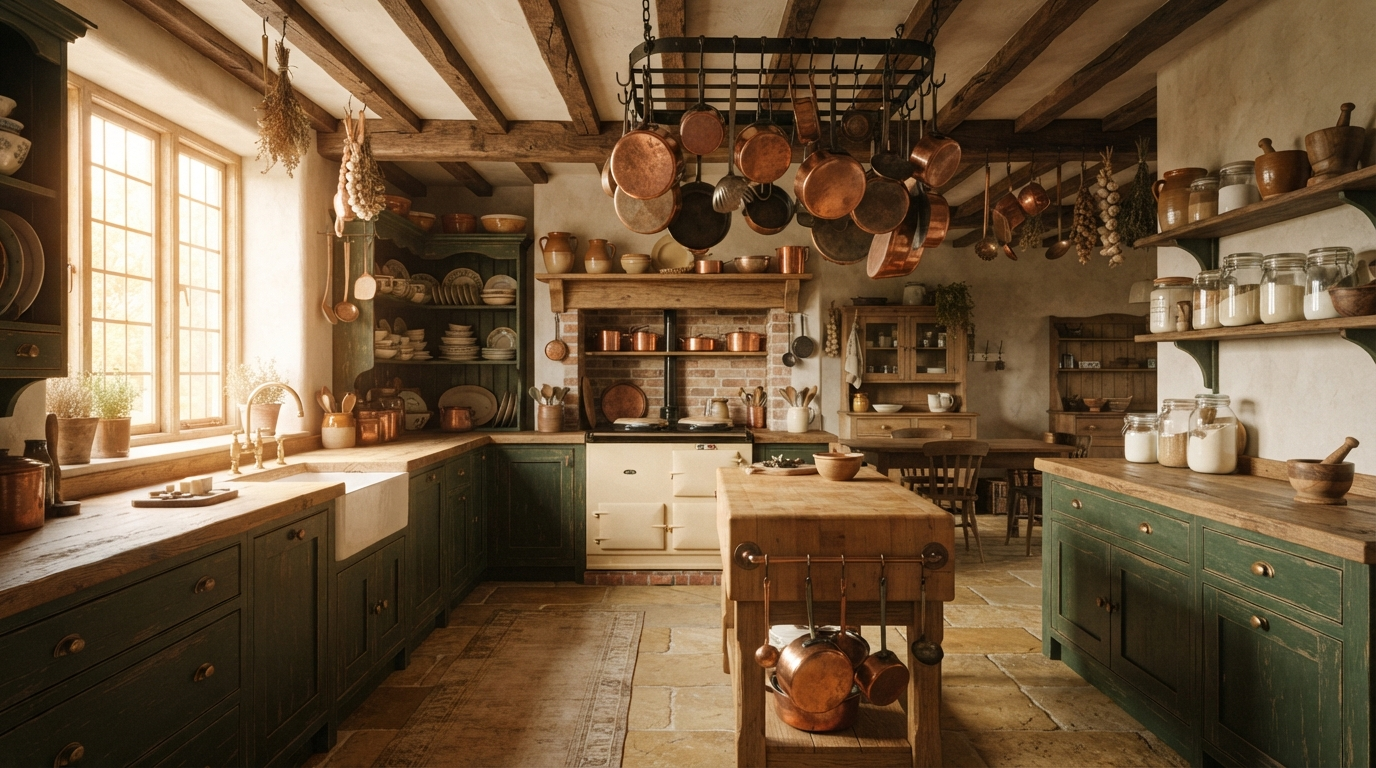
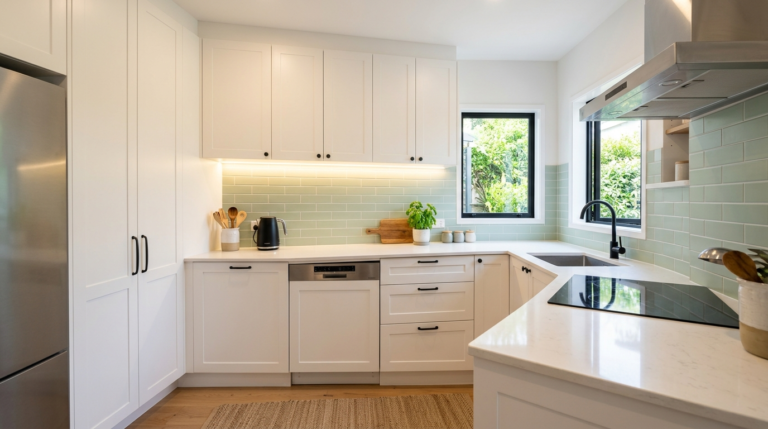
There is an undeniable charm and warmth that comes with a beautifully designed rustic traditional kitchen. It is a space that beckons family and friends to gather, share meals, and create lasting memories. The rustic aesthetic, rooted in natural materials, rich textures, and a sense of historical permanence, offers a comforting antidote to the sleek, sometimes sterile environments of ultra-modern design. By combining traditional architectural elements with rustic finishes, you can achieve a kitchen that feels both deeply established and effortlessly inviting. Designing such a space requires careful attention to detail, a deep appreciation for craftsmanship, and a thoughtful approach to balancing form and function. In this comprehensive guide, we will explore twelve essential elements and inspiring ideas that will help you completely transform your culinary space into a breathtaking rustic haven. Whether you are undertaking a full renovation or looking to infuse your existing kitchen with cozy character, these strategies will guide you toward a masterfully curated home.
1. Incorporate Reclaimed Wood Architectural Beams
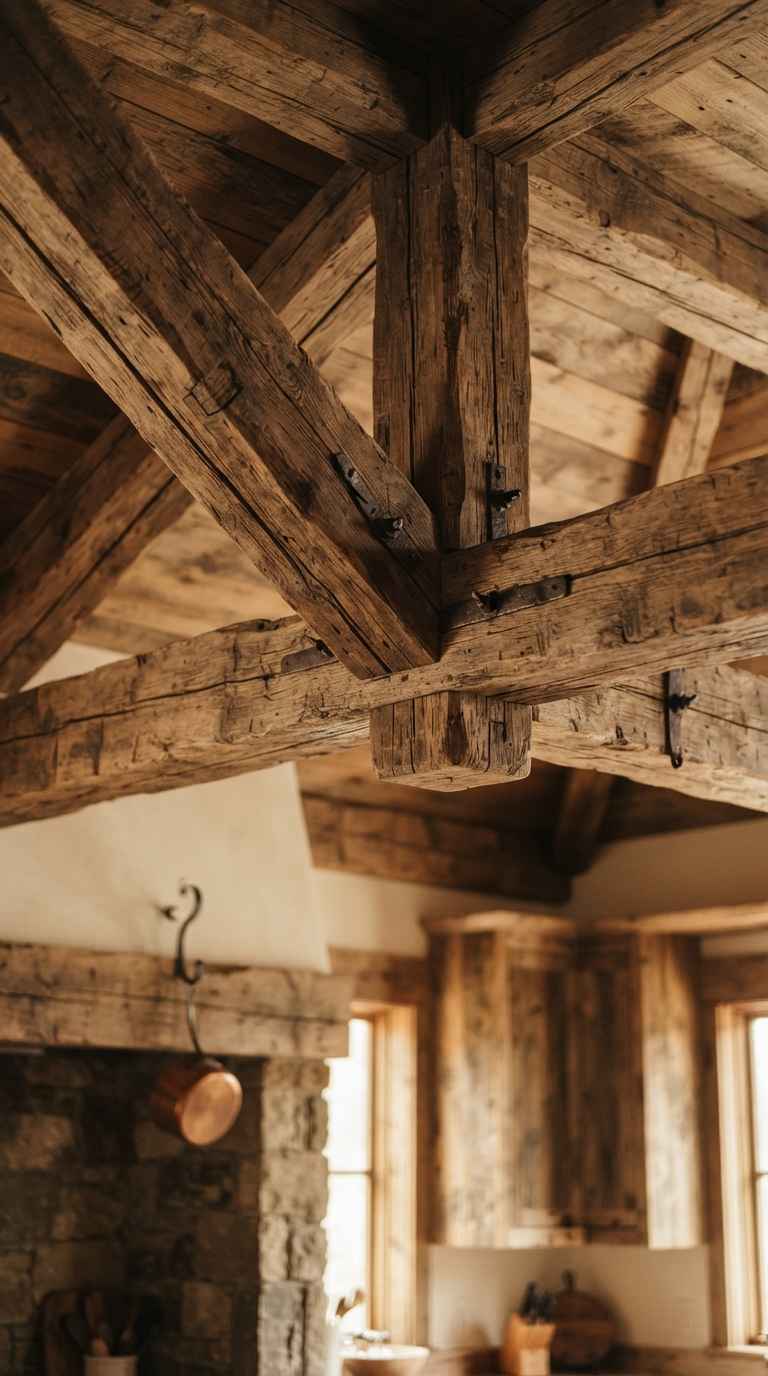
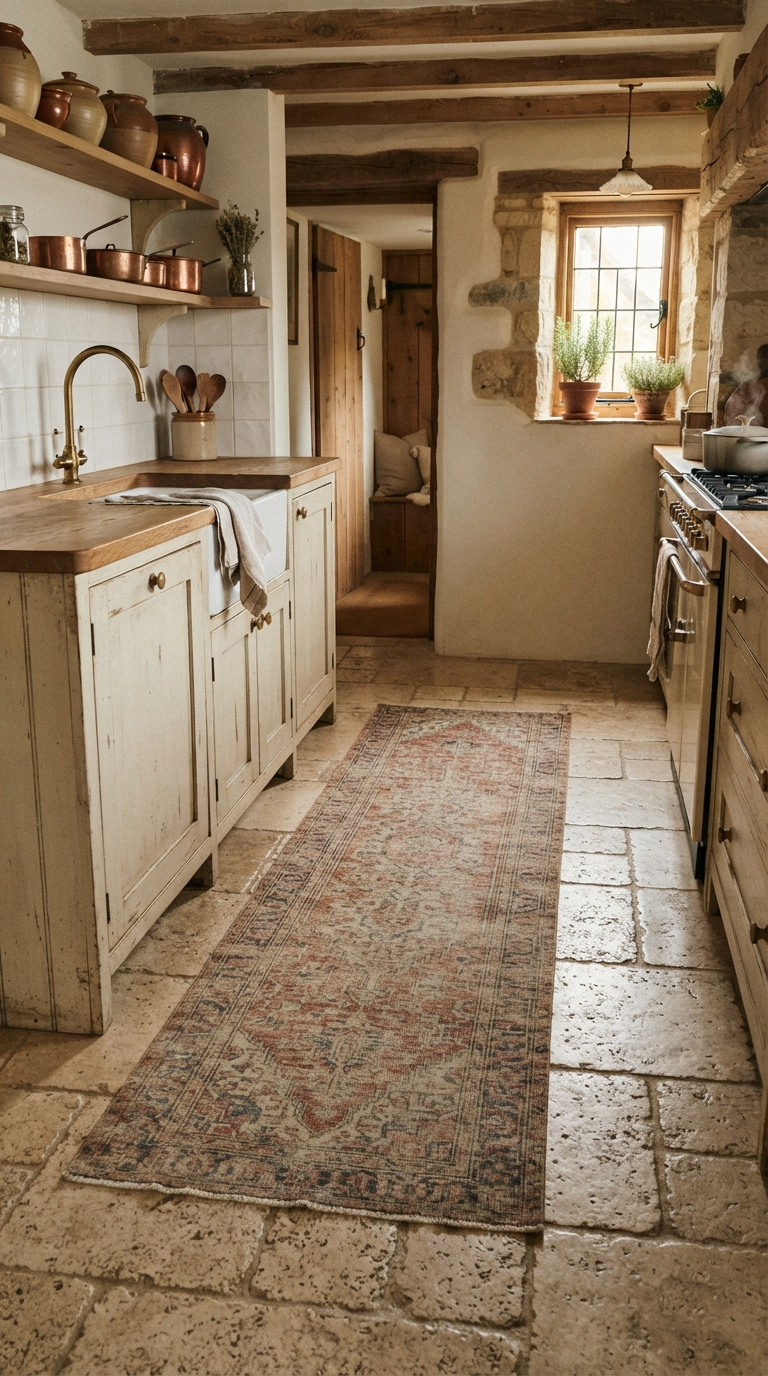
One of the most impactful ways to instantly establish a rustic traditional atmosphere is by incorporating exposed wooden ceiling beams. Reclaimed wood, with its natural imperfections, rich patina, and historical narrative, brings an unmatched level of authenticity to the space. Imagine massive oak or pine beams traversing your kitchen ceiling, drawing the eye upward and expanding the perceived volume of the room. These structural or decorative elements provide a beautiful contrast to painted cabinetry and polished countertops. When selecting reclaimed wood, look for pieces that exhibit deep grain patterns, authentic saw marks, and variations in tone. This organic material not only adds visual weight but also grounds the kitchen in a natural, earthy context that is fundamental to the rustic style.
Furthermore, the installation of these beams can be tailored to suit the specific proportions of your room. In a kitchen with a vaulted ceiling, a central ridge beam with intersecting rafters creates a dramatic, barn-like aesthetic. For spaces with standard ceiling heights, carefully spaced, shallow beams can add texture without overwhelming the room. Treating the wood with a natural wax or matte sealant protects the material while preserving its raw, weathered appearance, ensuring that the historical essence of the wood shines through.
2. Install a Classic Apron-Front Sink
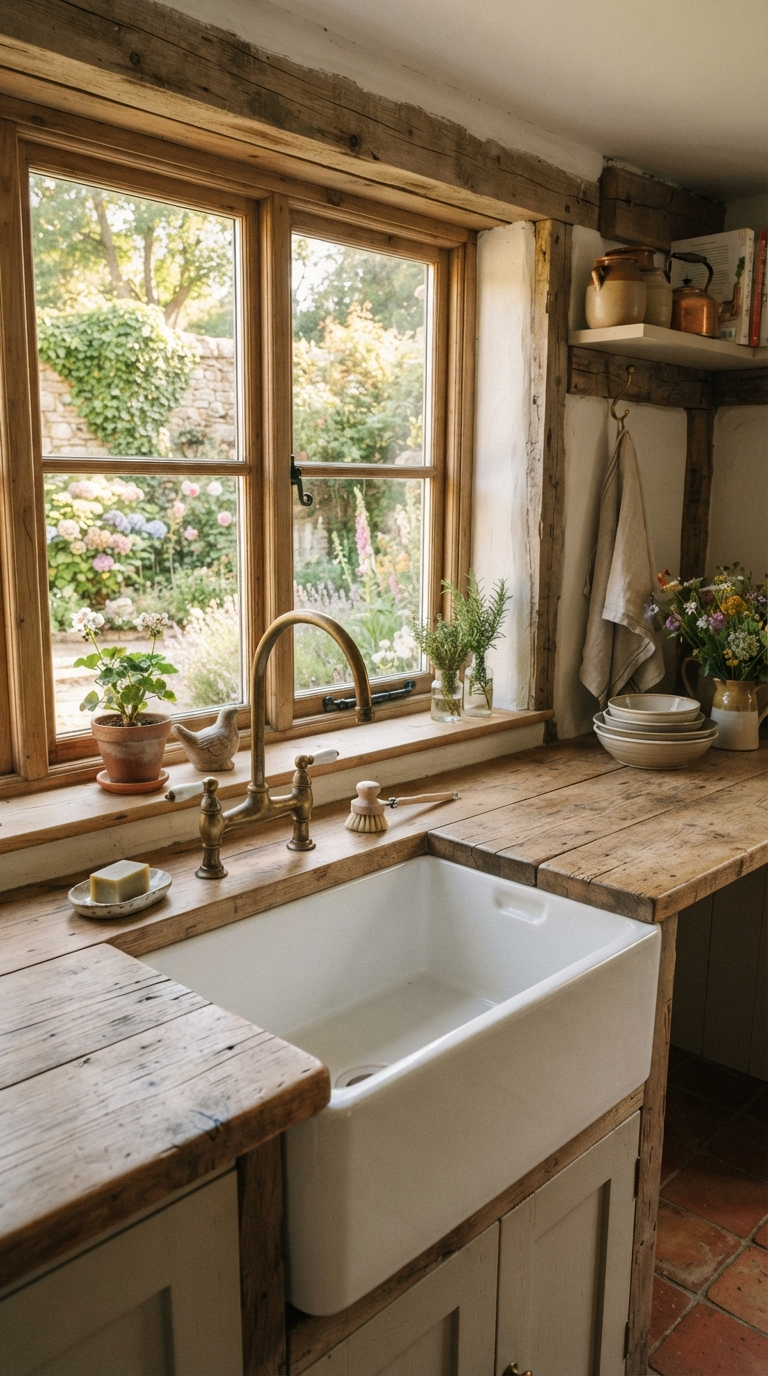
No rustic traditional kitchen is truly complete without the iconic apron-front, or farmhouse, sink. This generously proportioned fixture is not merely a practical necessity; it is a profound design statement that anchors the entire room. Originally designed out of pure necessity to hold large volumes of water for daily chores, the farmhouse sink has evolved into a symbol of hearth and home. Whether you opt for a luminous fireclay basin, a substantial cast-iron model, or a deeply veined natural stone sink, the apron-front design brings a touch of historical authenticity to your counterline.
3. Utilize Distressed and Antiqued Cabinetry Finishes
The cabinetry is arguably the most dominant visual element in any kitchen, and in a rustic traditional setting, the finish is everything. Moving away from high-gloss, flawless surfaces, this style embraces the beauty of imperfection through distressed, glazed, or antiqued finishes. Creating cabinetry that looks as though it has been lovingly used for generations involves specialized painting and staining techniques. A base color—often a warm cream, muted sage green, or deep historical blue—is applied and then carefully sanded at the edges where natural wear would occur. A dark glaze is then rubbed into the recesses, moldings, and corners to simulate the accumulation of time and enhance the depth of the woodwork.
This approach to cabinetry design not only provides a cozy, lived-in feel but also offers incredible durability, as minor dings and scratches only add to the character of the wood rather than detracting from its beauty. Pairing this finish with raised-panel door styles, intricate crown molding, and decorative corbels further elevates the traditional aspect of the design, resulting in storage solutions that are as exceptionally beautiful as they are functional.
4. Curate an eclectic Mix of Vintage Hardware
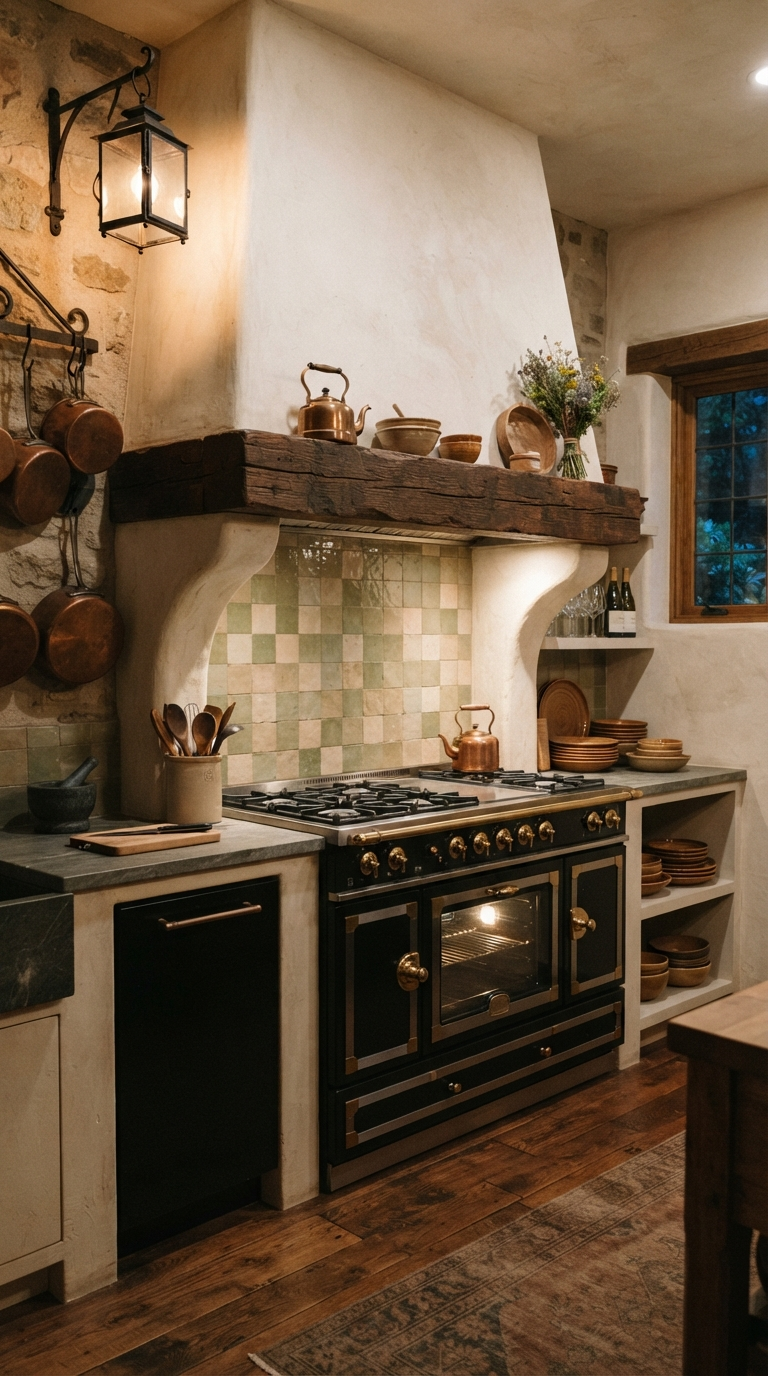
Hardware is often described as the jewelry of the kitchen, and in a rustic environment, it presents a wonderful opportunity to inject personality and historical charm. Instead of purchasing a uniform set of sleek, modern pulls, consider curating a collection of vintage or vintage-inspired hardware. Wrought iron, unlacquered brass, antique bronze, and hammered copper are exceptional materials that develop a beautiful living finish over time. The tactile experience of grabbing a substantial, authentically forged iron handle or a perfectly worn brass knob adds a sensory layer to the everyday use of your kitchen.
5. Embrace the Warmth of Natural Stone Flooring
The foundation of a rustic traditional kitchen lies beneath your feet. Natural stone flooring, such as tumbled travertine, slate, or heavily textured limestone, offers a robust and historically accurate base for the room. These materials provide a beautiful irregularity in color and shape, mimicking the floors of old-world country estates and historic farmhouses. Laid in a classic pattern like Versailles or herringbone, natural stone creates a sense of permanence and enduring quality. The thermal mass of stone also makes it an excellent candidate for radiant floor heating, ensuring that the space remains physically warm and inviting even during the coldest winter months.
6. Integrate Open Shelving for Display
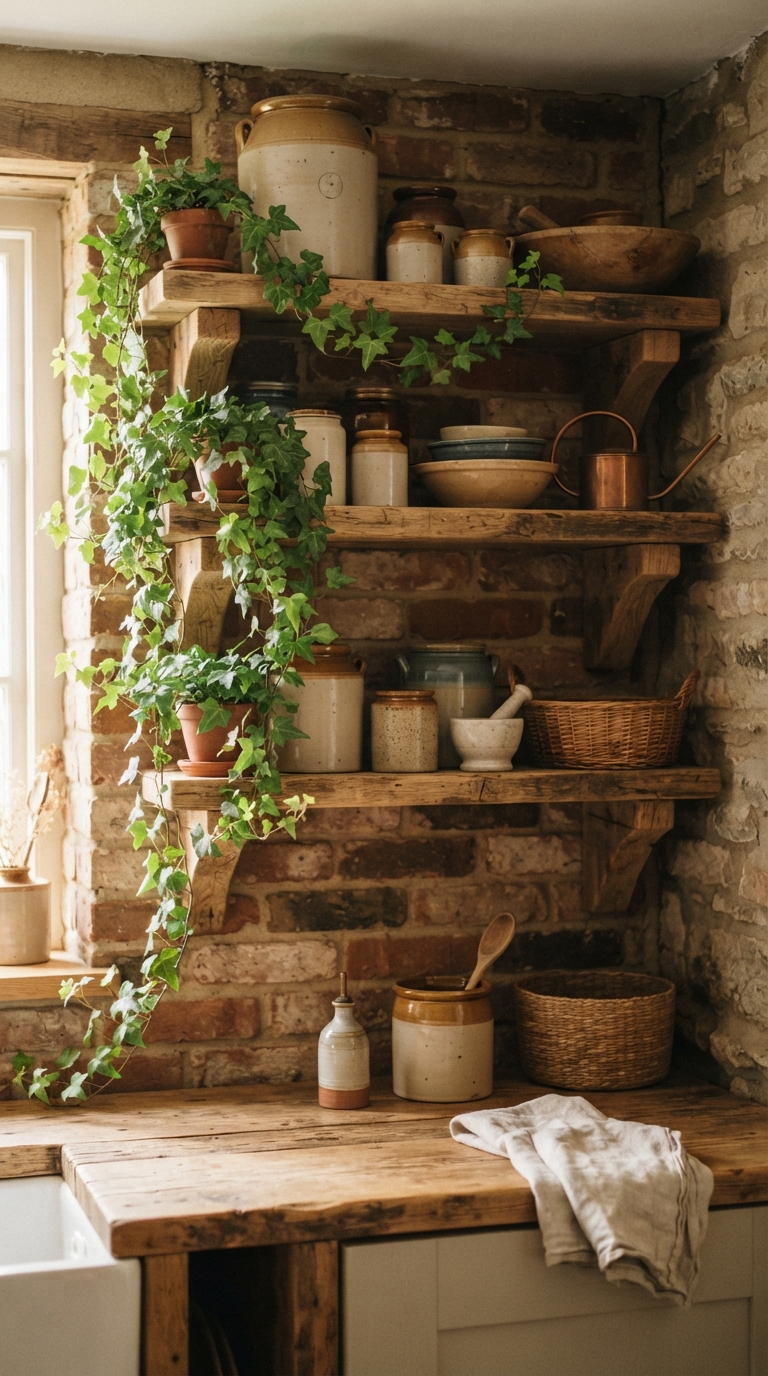
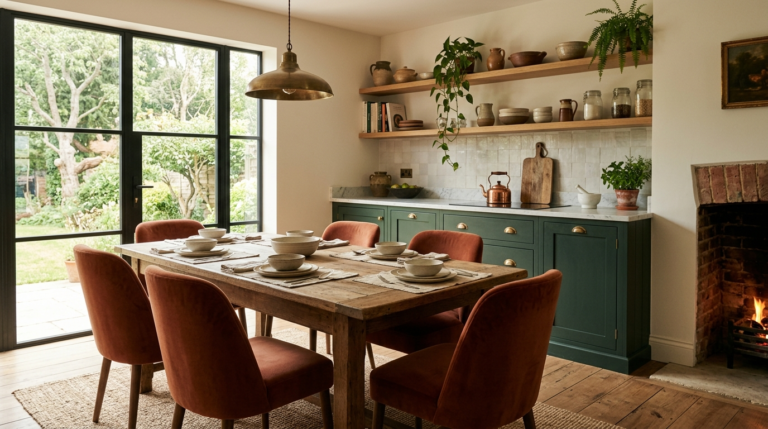
While traditional kitchens often rely heavily on upper cabinetry, incorporating sections of open shelving adds a crucial element of rustic charm and accessibility. Thick, rough-sawn wood planks supported by heavy iron corbels or traditional wooden brackets provide the perfect stage for displaying everyday dishware, copper pots, vintage crocks, and decorative ceramic pieces. Open shelving forces a level of curation and organization, turning your functional items into a beautiful, rotating display of color and texture that makes the kitchen feel inhabited and loved.
7. Select Layered, Warm Ambient Lighting
Lighting in a rustic traditional kitchen should evoke the warmth of candlelight and the cozy glow of an open fire. Avoid harsh, cool-toned LEDs in favor of warm, inviting illumination. A layered approach is essential, combining ambient, task, and accent lighting. Above the island or dining table, consider oversized lantern-style pendants, wrought iron chandeliers, or fixtures featuring seeded glass and aged brass. Sconces mounted above windows or open shelving add a gentle, localized glow that highlights the architectural features of the room and creates a deeply comforting atmosphere during the evening hours.
8. Feature a Statement Range and Custom Hood
The cooking zone is the traditional heart of the kitchen, and giving it monumental status is a hallmark of rustic design. A heavy-duty, professional-style range—perhaps in a custom color like deep navy, forest green, or classic black with brass accents—serves as a stunning focal point. Above it, a custom range hood crafted from reclaimed wood, hammered copper, or plastered stone anchors the wall and draws the eye upward. This architectural feature can be embellished with a sturdy mantelpiece, providing a spot to display small artwork, antique spice tins, or trailing greenery.
9. Introduce Deep, Rich Color Palettes
While all-white kitchens have their place, the rustic traditional style thrives on deep, saturated, and earthy color palettes. Nature is the ultimate inspiration here. Consider painting your base cabinets or kitchen island in a grounding shade of forest green, deep terracotta, or moody charcoal. These robust colors contrast beautifully with warm wood tones, natural stone countertops, and the gleam of metallic hardware. By using color strategically, you can create a space that feels like a protective, welcoming enclave—a true retreat from the outside world.
10. Build in Authentic Architectural Details
To truly capture the essence of a bygone era, it is essential to incorporate architectural details that suggest the kitchen has evolved over centuries. Think of adding beadboard paneling to the ceiling or as a backsplash, installing chunky baseboards and intricate crown moldings, or even incorporating a brick or stone accent wall. Archways leading into adjoining rooms or framing the cooking alcove add soft, graceful curves that contrast with the linear nature of the cabinetry. These deliberate design choices weave a tapestry of historical significance throughout the space.
11. Maximize Comfort with Soft Furnishings
A rustic kitchen is meant to be lived in, and comfort is paramount. Introduce soft furnishings to soften the hard edges of stone and wood. Woven linen roman shades on the windows, plush upholstered cushions on dining chairs or barstools, and a beautifully patterned vintage runner rug placed in the primary workspace all contribute to a sensory-rich environment. Textiles with subtle, classic patterns like ticking stripes, plaids, or faded florals add layers of visual interest and tactile warmth that invite lingering conversations over morning coffee.
12. Connect to the Outdoors
Finally, a traditional rustic space always maintains a strong connection to the natural world outside its walls. Maximize natural light through large, perhaps multi-paned, windows that frame views of the garden or landscape. Bring the outside in by keeping fresh herbs on the windowsill, displaying seasonal branches in a large ceramic jug, and utilizing natural woven baskets for storage. This seamless transition between the interior comfort of the kitchen and the wild beauty of the outdoors is the ultimate finishing touch to a perfectly realized rustic traditional home.
Discover the most exquisite kitchen and dining room design trends of the year. Elevate your culinary spaces with our expert premium styling tips today!
Discover stunning, easy-to-implement kitchen and dining room ideas. Elevate your space with cozy seating, modern lighting, and smart storage solutions.
Struggling with a cramped cooking space? Discover the most common small kitchen decor mistakes and learn how to maximize your storage, light, and style.
Discover upcoming design trends for dark and black kitchens, featuring luxury matte textures, rich metallic accents, and dramatic integrated lighting profiles.