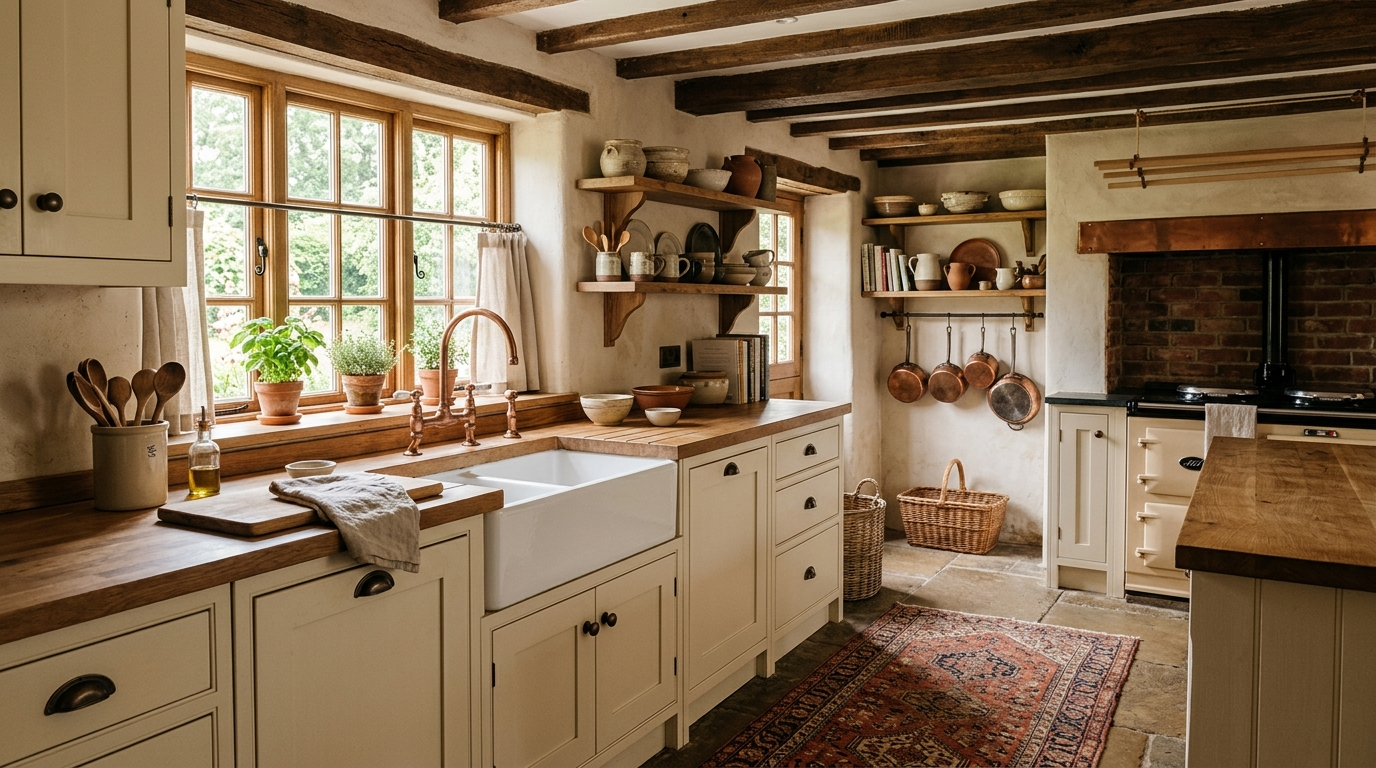
The kitchen is the undisputed heart of the home, and nothing embodies this sentiment more powerfully than a space designed in a cozy, rustic, and traditional style. These kitchens evoke feelings of nostalgia, comfort, and authenticity. They are spaces where functionality meets warmth, where imperfections are celebrated, and where every meal feels like a gathering. But how do you capture this complex, layered aesthetic without it feeling dated or cluttered? This comprehensive, step-by-step guide will walk you through the entire process of designing your ultimate cozy rustic and traditional kitchen, ensuring it becomes a space your family will cherish for generations.
Step 1: Define Your Traditional Foundation
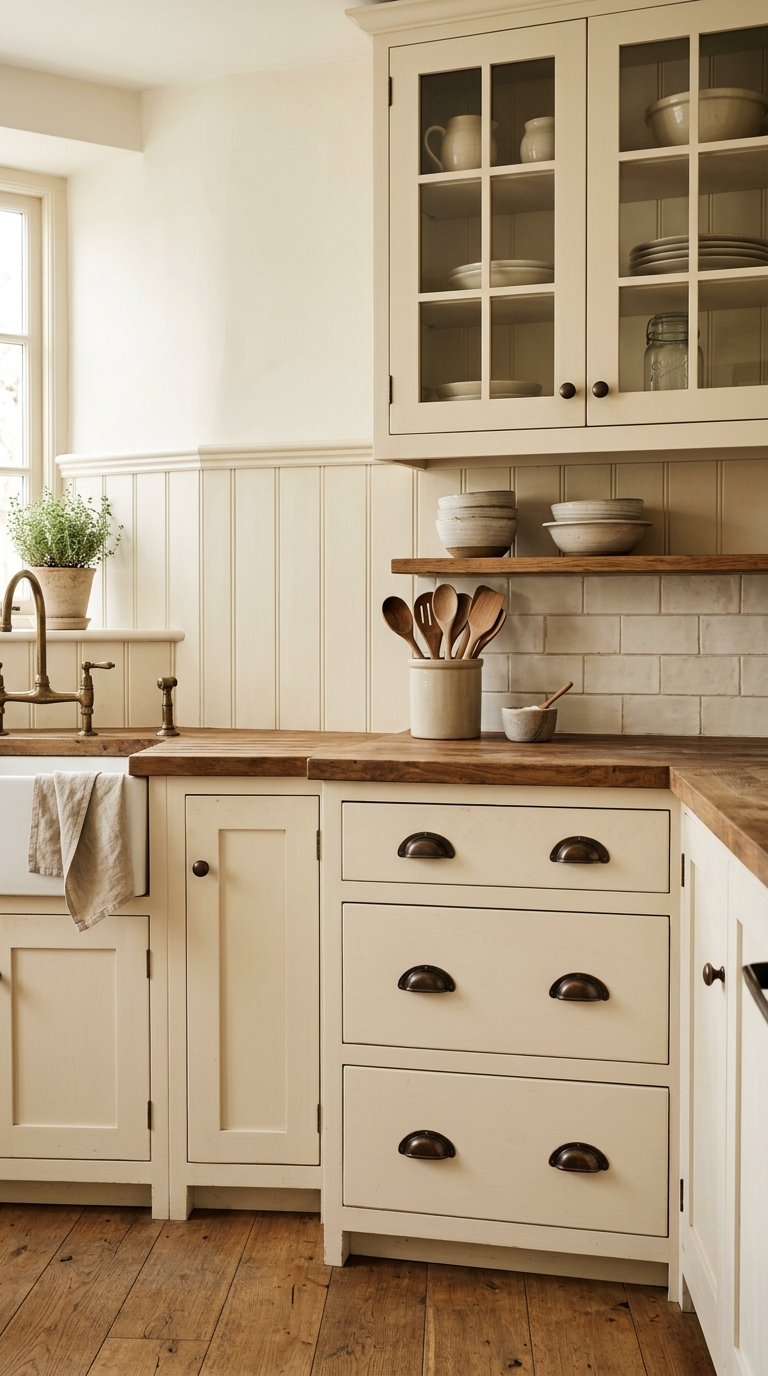
The ‘traditional’ aspect of this style provides the architectural backbone. It starts with the cabinetry. Classic Shaker-style or raised-panel cabinet doors are a prerequisite. They offer timeless appeal and a sense of enduring craftsmanship. For color, consider warm off-whites, cream, muted sage green, or soft blue-grays. These colors maintain brightness while adding character. Don’t forget architectural details. Crown molding on top of the cabinets and traditional wainscoting on open walls instantly add historical weight and sophisticated charm. This is the structural canvas upon which the rustic elements will be layered.
Step 2: Layer in Cozy Rustic Materials
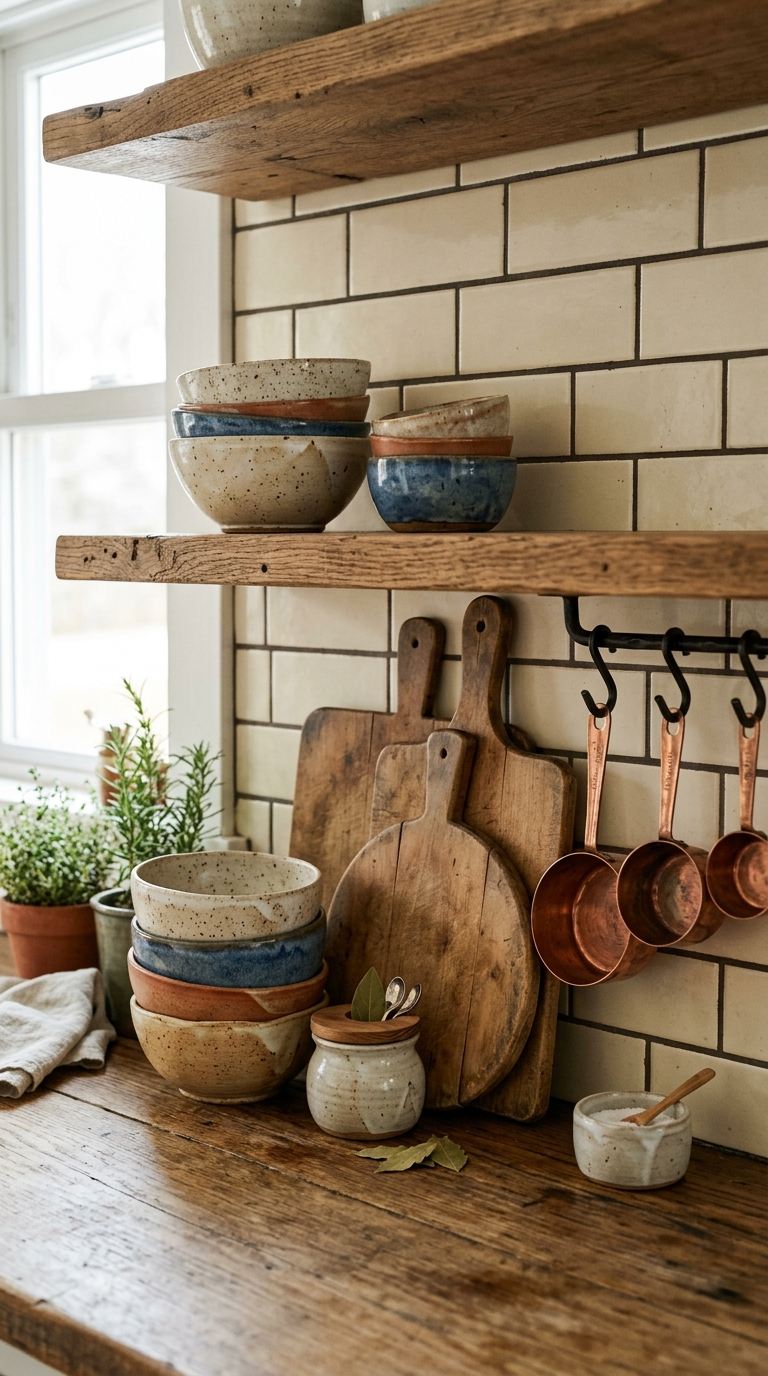
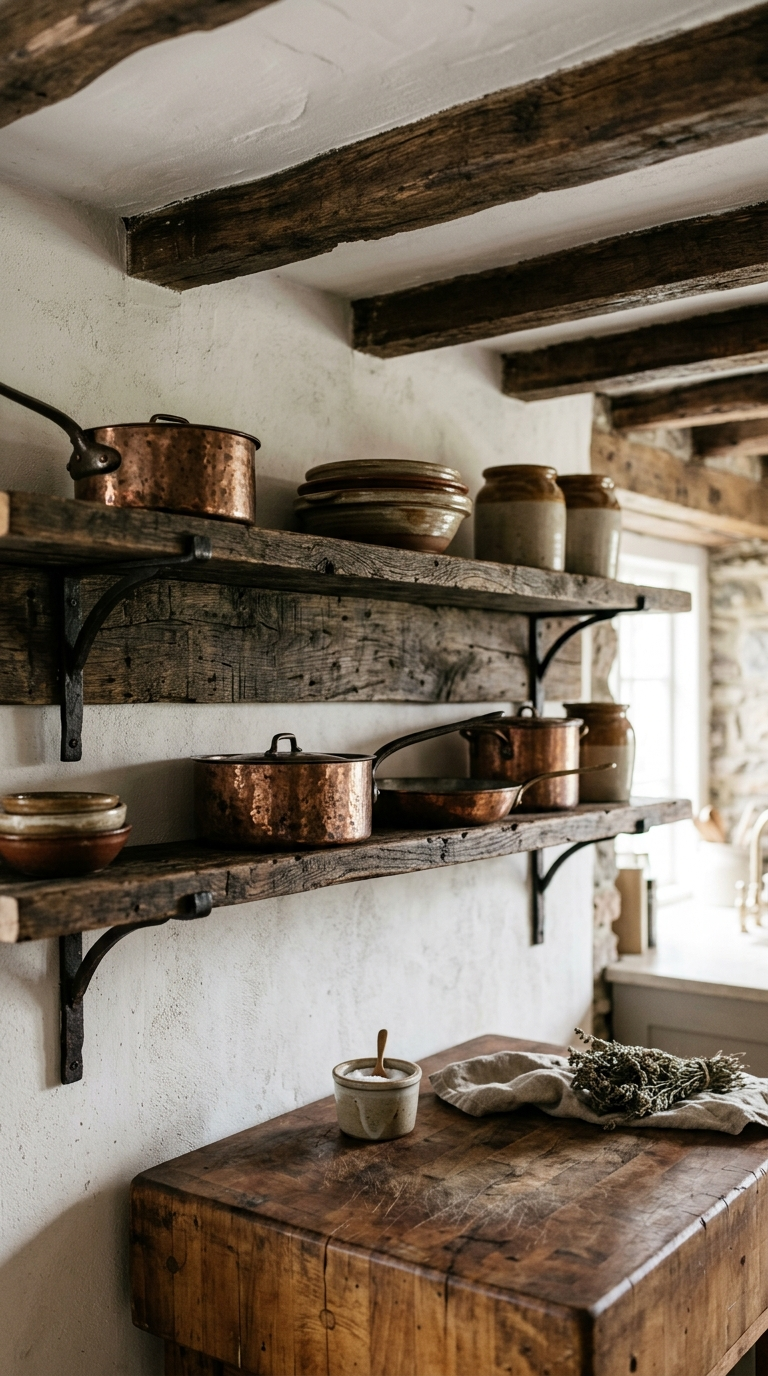
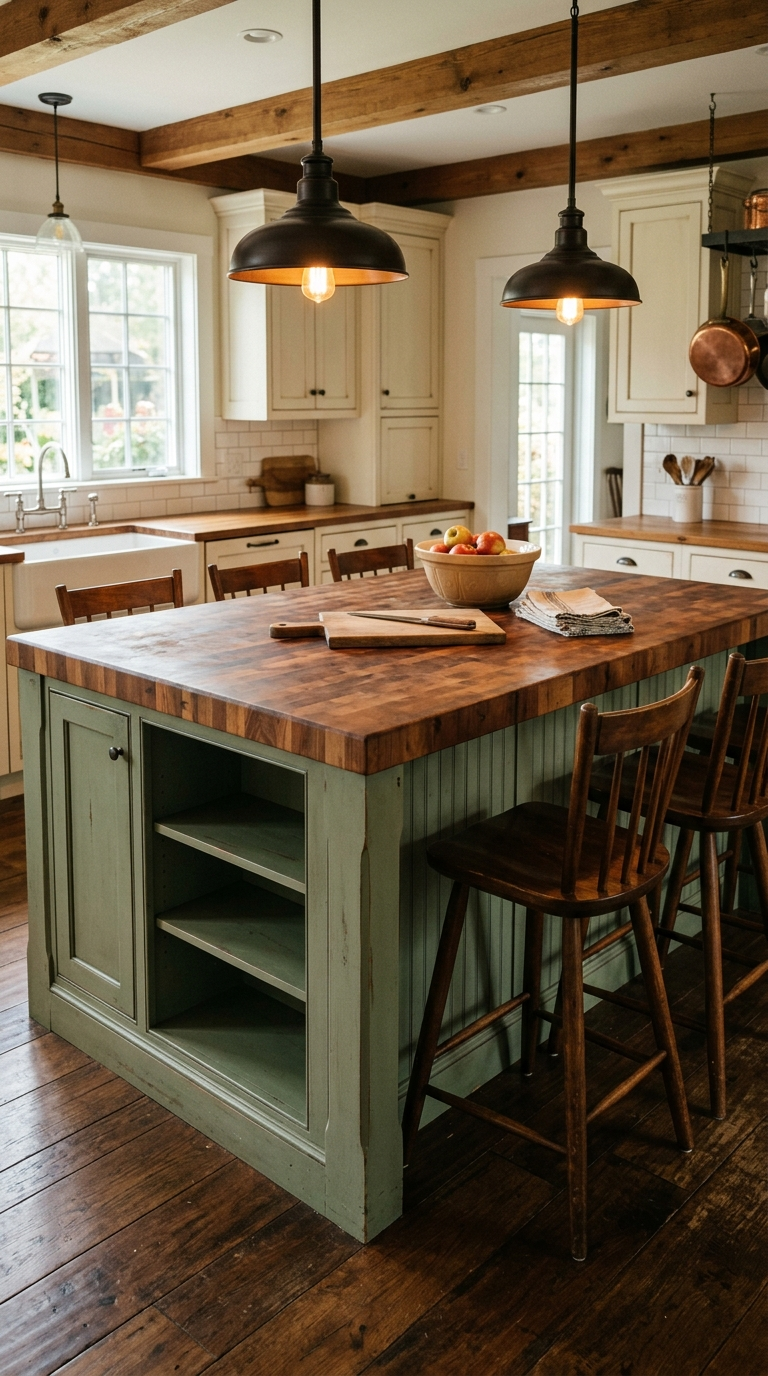
The ‘rustic’ elements provide the warmth and soul of the room. This is achieved primarily through texture and raw materials. Incorporate natural wood wherever possible. Exposed ceiling beams are ideal, but if that is not feasible, consider rustic open shelving made from reclaimed barn wood or a massive butcher block island top. Floors should be equally textured—wide-plank hardwood with a distressed finish, or natural flagstone tiles. For countertops, while polished quartz is functional, consider integrating textured surfaces like honed granite, soapstone, or even copper which develops a beautiful patina over time. These materials should feel tactile and inviting.
Step 3: The Heart of the Kitchen Focal Points
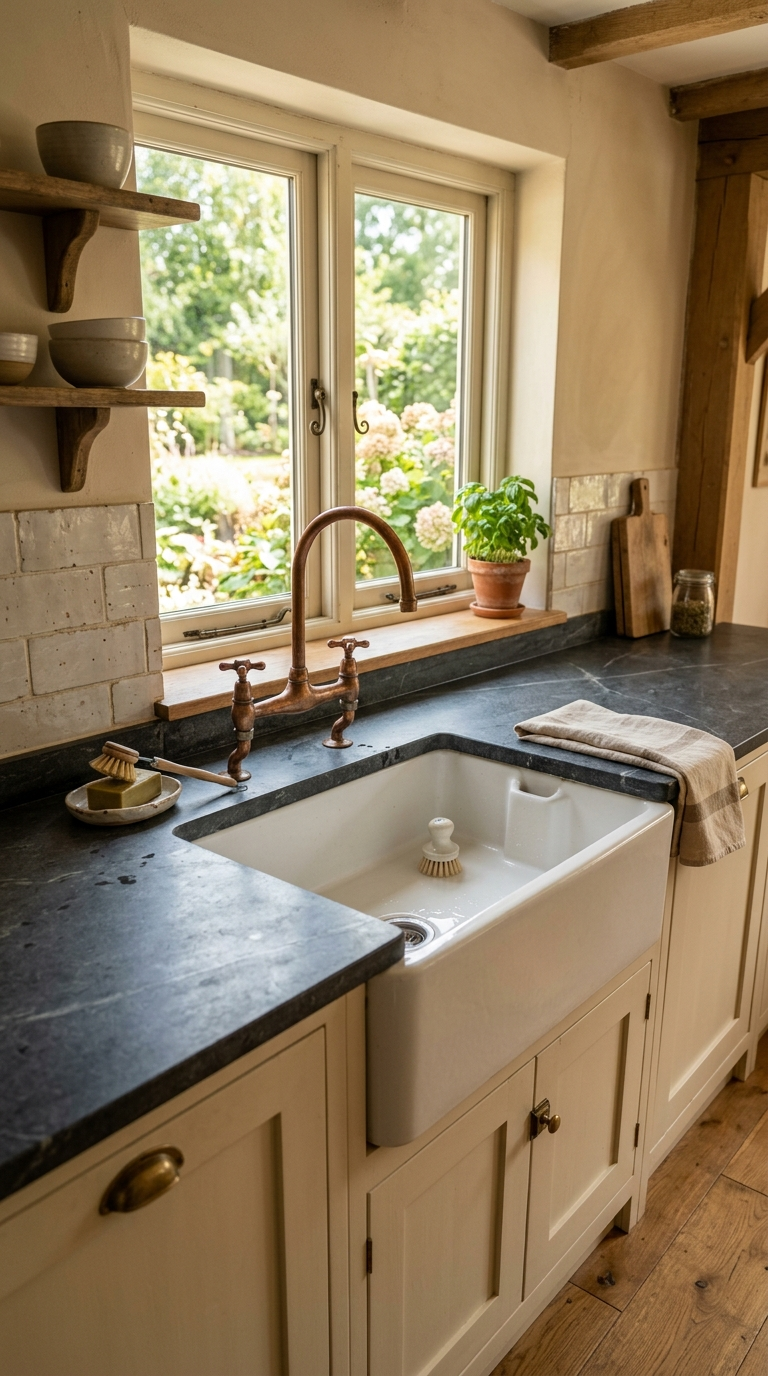
Every traditional kitchen needs central features that command attention. The classic centerpiece is a large, ceramic farmhouse or apron-front sink, paired with a bridge faucet in a warm metal finish like antique brass or copper. Above the cooking area, a statement range hood is essential. This could be a custom wood design matching the cabinets or a dramatic metal hood. Consider a classic mantel-style hood which offers a small ledge for displaying traditional ceramics. A massive central island, perhaps with a contrastingly colored base, serves as a functional and social anchor, especially when topped with a rustic wood counter.
Step 4: Lighting and Hardware – The Jewelry
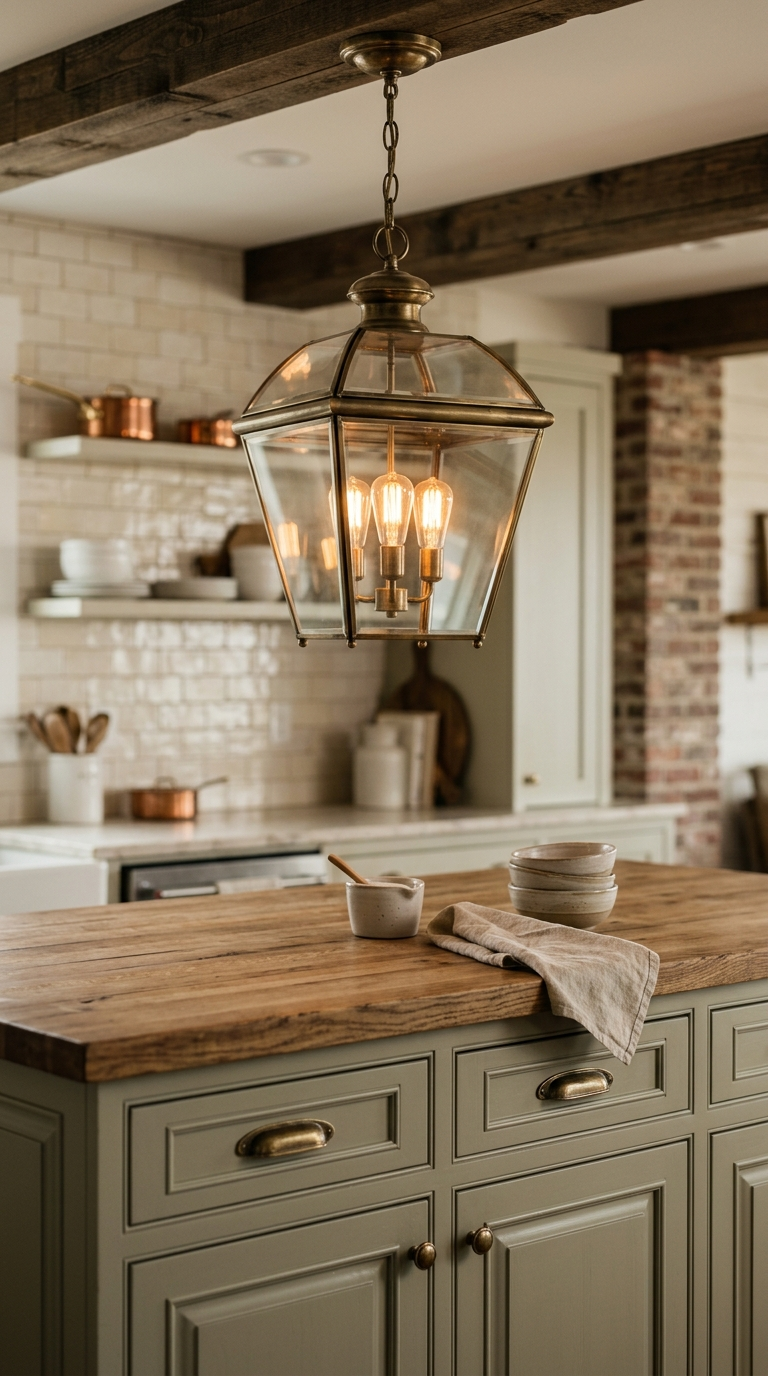
Lighting is crucial for creating that ‘cozy’ feel. Avoid modern, stark recessed lighting wherever possible. Instead, opt for fixtures with history. Large, glass bell-jar pendants or lantern-style fixtures in aged brass or wrought iron are perfect above the island. For general lighting, choose track or recessed lights with warm, comforting color temperatures. Cabinet hardware should also be substantial and traditional—think bin pulls on drawers and classic knobs on doors, in finishes like oil-rubbed bronze or antique brass. These small details add significant character.
Step 5: Curate Authentic Decorations
Finally, bring the space to life with carefully curated, personal decor. Open shelving should display functional beauty: traditional copper pots, stoneware ceramics, artisanal wooden cutting boards, and perhaps antique glass jars. Hang copper pots from a hanging rack or prominently on the wall. Textiles should be cozy—consider a colorful vintage Persian or Turkish runner rug in front of the sink, and plaid or linen dish towels. A bowl of fresh produce on the counter adds a simple, authentic touch of warmth and life.
Step 6: Designing for the Hearth and Home
Ultimately, a cozy rustic traditional kitchen is about the atmosphere. It should feel used and loved. Don’t be afraid of a little patina on the counters or scratches on the wood island; they tell the story of the home. The lighting should be soft and inviting, the surfaces tactile, and the layout designed for gathering. Whether you are baking bread or just having coffee, this is a space where every moment feels nourished by the traditions of the hearth.