The Heart of the Home
The kitchen is universally acknowledged as the heart of the home, but a rustic traditional kitchen takes that concept to an entirely new level of warmth and comfort. In a world increasingly dominated by stark, ultra-modern surfaces and cold, impersonal technology, the cozy, grounded aesthetic of a rustic traditional kitchen offers a welcome retreat. It is a space that celebrates heritage, craftsmanship, and the simple pleasures of gathering with loved ones. This extensive guide presents 16 meticulously curated ideas to help you infuse your kitchen with that elusive, timeless charm. Whether you are undertaking a complete renovation of a historic farmhouse or simply looking to add touches of rustic warmth to a newer build, these elements will guide you toward creating a deeply inviting culinary sanctuary.
Rustic traditional design is fundamentally about authenticity. It relies on natural materials that age gracefully, rich textures, and a color palette inspired by the earth and nature. It embraces the beauty of imperfection—a knot in a wooden beam, a slight variation in the glaze of a handmade tile, or the patina on a vintage brass handle. This style is not about achieving a flawless, showroom look; it is about creating a space that feels lived-in, loved, and full of stories. By incorporating these 16 ideas, you will transform your kitchen into a haven that is not only highly functional but also emotionally resonant and enduringly beautiful.
1. Architectural Character: Exposed Wood Beams
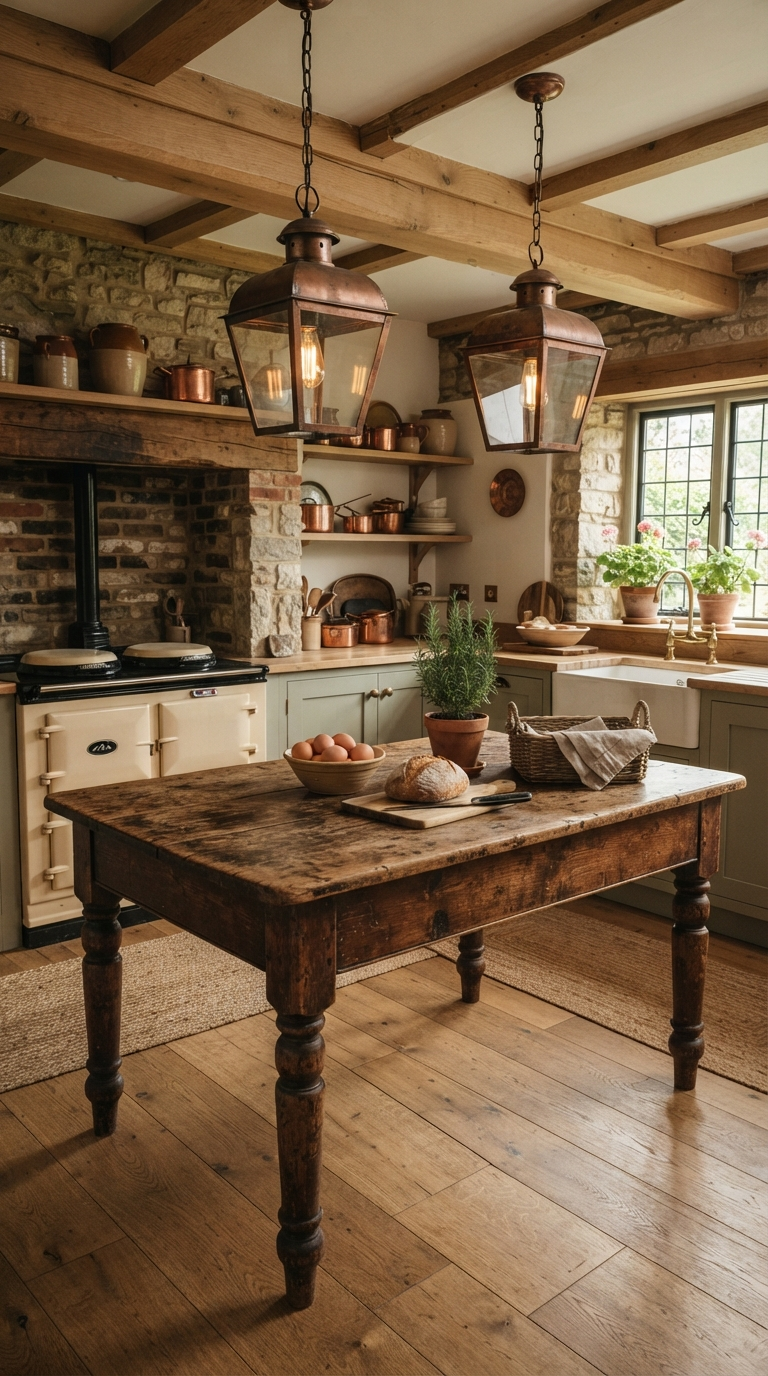
Nothing establishes a rustic atmosphere quite as quickly and dramatically as exposed wooden ceiling beams. Whether they are structural necessities in an older home or decorative additions in a newer one, beams draw the eye upward and add immense architectural interest. To maximize the cozy, traditional feel, opt for reclaimed wood with visible grain, knots, and perhaps even original saw marks. Darkly stained beams contrast beautifully against a crisp, white ceiling, while rough-hewn, lighter wood beams blend seamlessly into a softer, more monochromatic palette. They provide a sense of history and permanence that is quintessential to this design style.
2. The Classic Farmhouse Sink
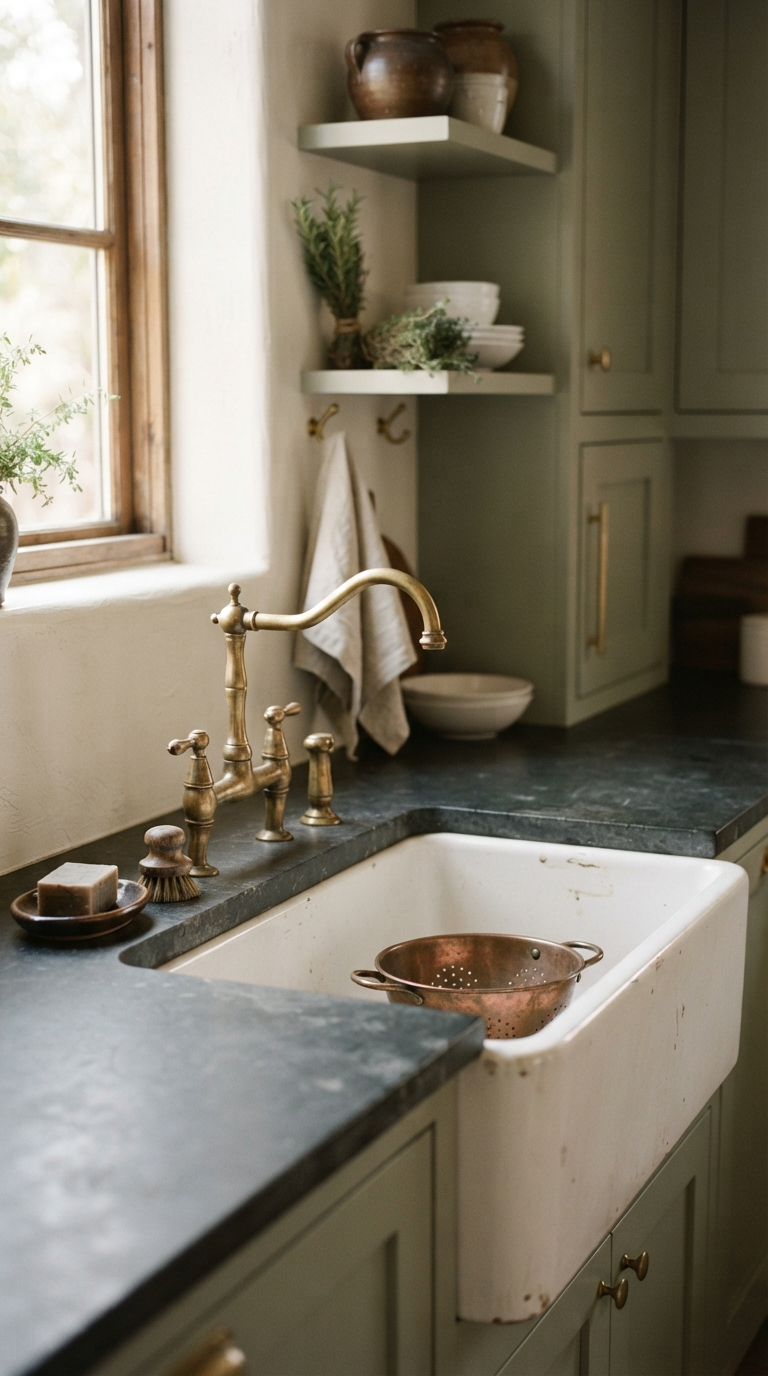
The apron-front farmhouse sink is an absolute non-negotiable staple of the rustic traditional kitchen. Its deep, wide basin is incredibly practical for washing large pots and pans, while its prominent front apron serves as a beautiful focal point. Fireclay or cast iron sinks in classic white are the most traditional choices, offering a clean, timeless look that pairs beautifully with any countertop material. For a slightly more rugged or unique aesthetic, consider a farmhouse sink crafted from natural soapstone or hammered copper, which will develop a stunning, living patina over the years.
3. Timeless Shaker Style Cabinetry
When it comes to cabinetry in a rustic traditional setting, simplicity is key. Shaker-style cabinets, characterized by their five-piece door with a recessed center panel, are the perfect choice. They are unpretentious, elegant, and perfectly bridge the gap between historic and contemporary. To enhance the traditional feel, paint them in muted, earthy tones—think sage green, warm taupe, soft creamy white, or deep navy. Incorporating a few glass-front upper cabinets can break up a wall of solid wood and provide a space to display beautiful vintage dishware.
4. Rich, Natural Stone Countertops
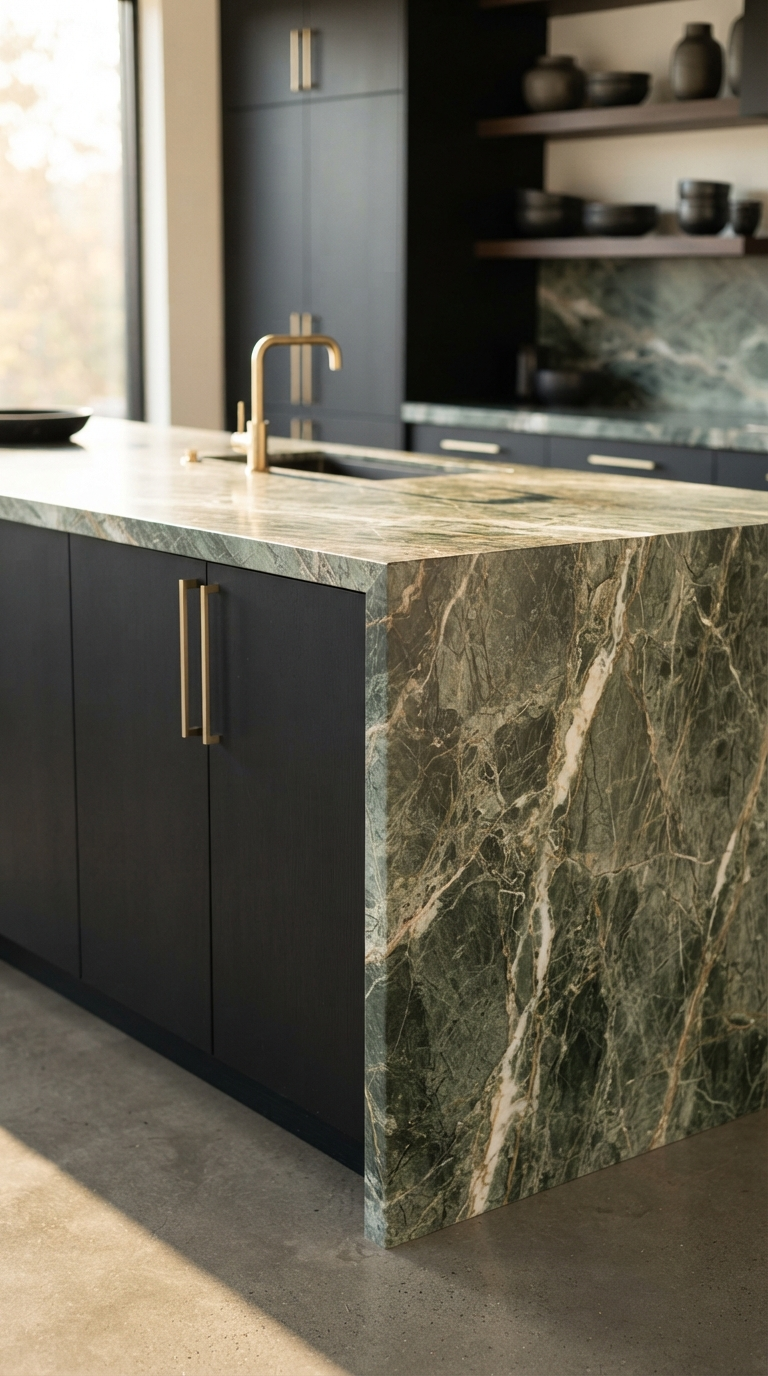
Move away from glossy, manufactured quartz and embrace the organic beauty of natural stone countertops. Soapstone is a phenomenal choice for a rustic kitchen; its matte finish, dark charcoal color, and soft texture give it an incredibly historic feel. Alternatively, honed (matte) granite or marble with heavy, dramatic veining adds a touch of rugged luxury. These materials require a bit more care, but their natural variations and the way they show the passage of time only add to the kitchen’s charm and authenticity.
5. Warm Metals and Vintage Hardware
The hardware you choose acts as the jewelry of your kitchen. To nail the rustic traditional look, avoid sleek chrome or brushed nickel. Instead, opt for warm, aged metals. Unlacquered brass, which tarnishes beautifully over time, adds a wonderful, glowing warmth. Oil-rubbed bronze or forged iron hardware provides a heavier, more historically accurate farmhouse feel. Mix and match styles—use cup pulls on drawers and simple knobs on doors—to make the kitchen feel as though it was assembled gradually over generations.
6. Open Shelving with Forged Iron Brackets
Replacing a few upper cabinets with open shelving immediately makes a kitchen feel larger and more casual. Use thick slabs of reclaimed wood for the shelves and support them with heavy, forged iron brackets. This provides a brilliant opportunity to inject personality into the space. Display your everyday ceramic plates, a collection of vintage copper pots, or glass jars filled with dry goods. It adds color, texture, and a sense of easy accessibility that is central to the rustic lifestyle.
7. The Majestic Range Cooker
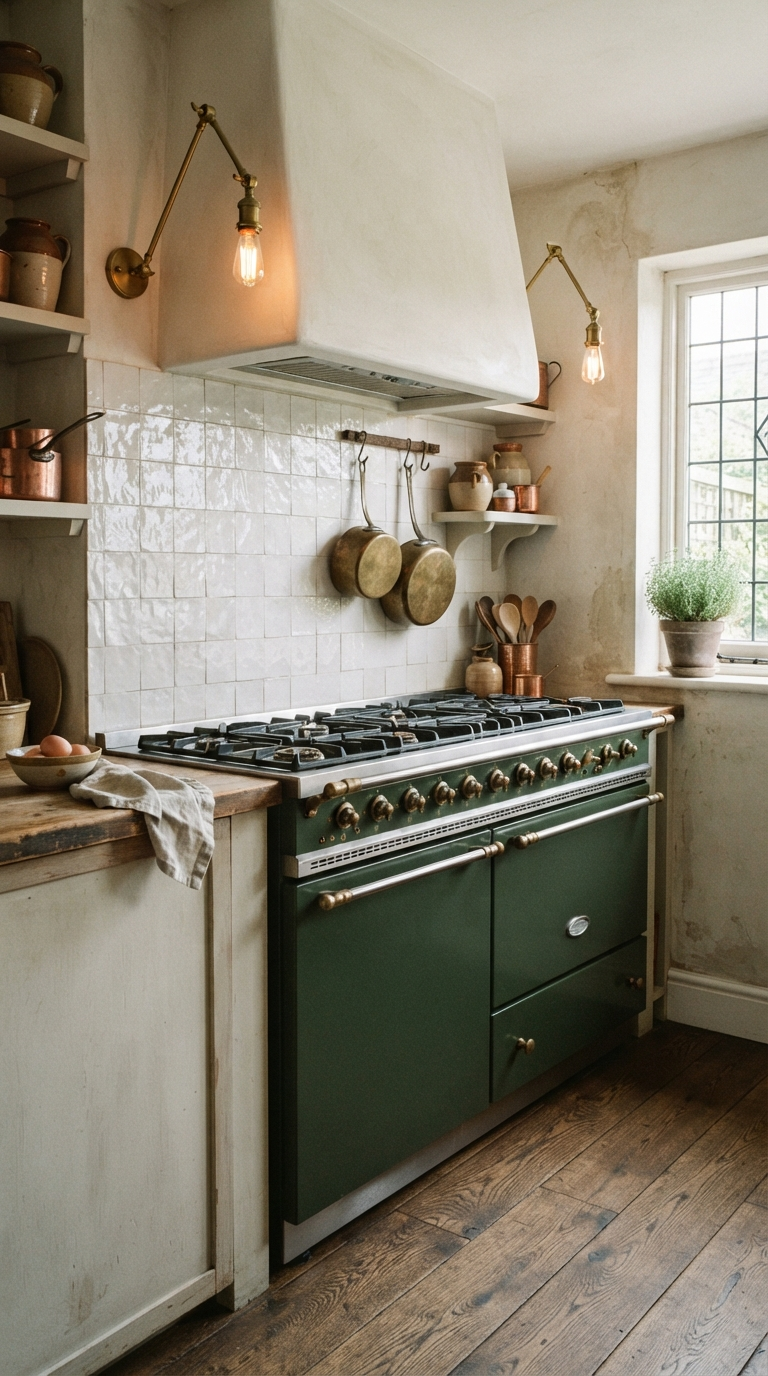
In a traditional kitchen, the stove is often the central hearth. A large, freestanding range cooker—especially a classic model in a custom color like deep red, hunter green, or classic black—anchors the room. Brands that mimic European vintage styling add incredible gravitas. Frame the range with a custom-built, architectural range hood, perhaps clad in wood or plaster, to create a stunning, commanding focal point that celebrates the art of cooking.
8. Textured Backsplashes: Brick and Zellige
A flat, boring backsplash has no place in this design scheme. Introduce heavy texture. Thin brick veneer, either left natural or painted white, brings an undeniable industrial-farmhouse edge and profound warmth. Alternatively, handmade Zellige tiles, with their uneven surfaces and varied glazes, reflect light beautifully and add a layer of artisanal, old-world craftsmanship that perfectly complements wooden cabinetry and stone counters.
9. A Substantial Wooden Island
The island should look like a piece of freestanding, antique furniture rather than just a continuation of the perimeter cabinets. Consider a large, sturdy table-style island with turned legs, or a heavy, distressed wood block. A butcher block countertop on the island introduces another layer of warm wood into the room and provides a highly practical, hard-working surface for food preparation.
10. Lantern and Pendant Lighting
Lighting should evoke the charm of a bygone era. Hang oversized metal lanterns or vintage-inspired glass and brass pendants over the island. Use wall sconces with pleated fabric shades or aged metal finishes to provide soft, ambient lighting above the sink or flanking a window. The glow should be warm and inviting, banishing any harsh, clinical shadows.
11. Wide Plank Hardwood Floors
The foundation of the room matters immensely. Wide plank hardwood floors, ideally showing knots, grain, and a slightly distressed finish, are the ultimate choice for a rustic traditional kitchen. They ground the space in nature. A warm, mid-tone stain or a natural oil finish works best. If wood isn’t practical, large-format, tumbled natural stone tiles in earthy colors are a fantastic, durable alternative.
12. Integrated Plate Racks
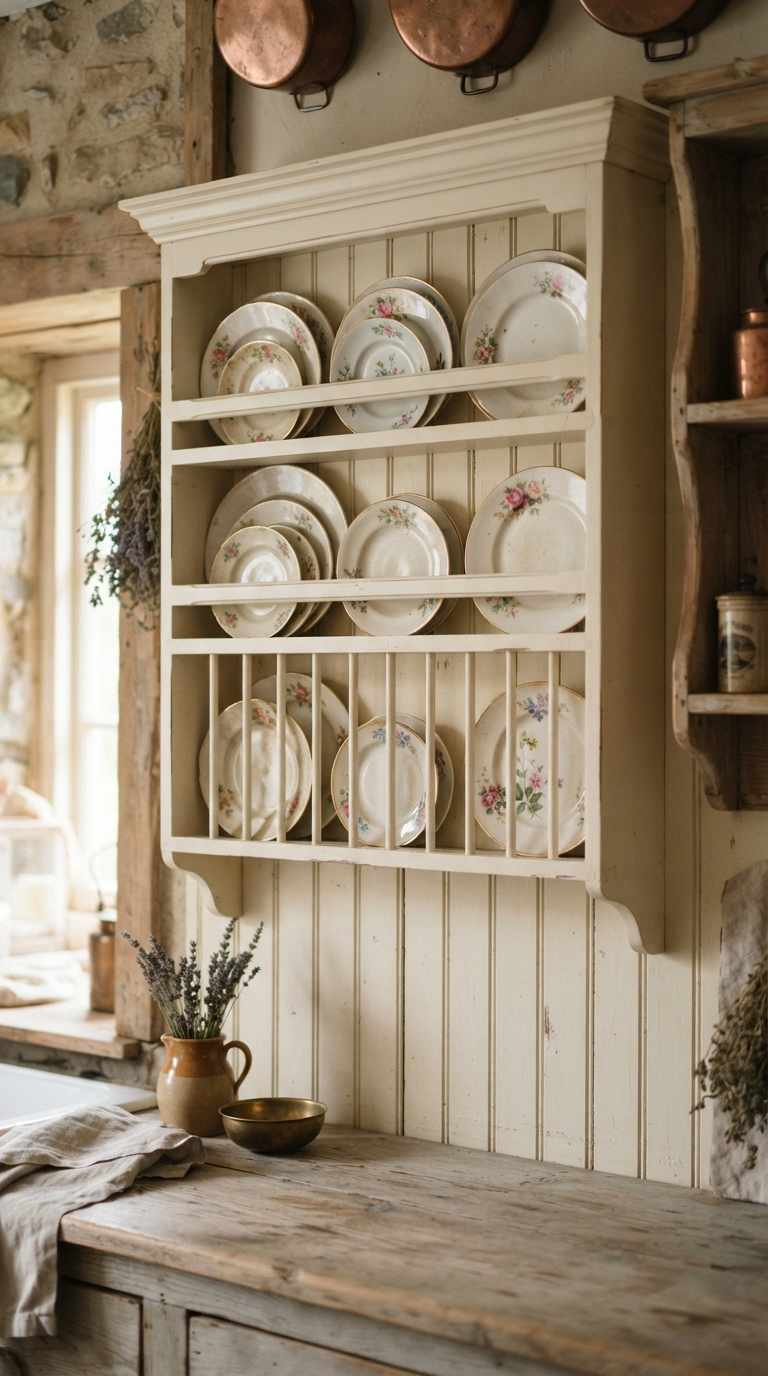
A built-in wooden plate rack is a charming, highly traditional detail that adds immense character. Instead of stacking plates away in a dark cupboard, a plate rack displays them proudly, turning your dinnerware into part of the decor. It speaks to a time when kitchens were deeply practical spaces, and it breaks up the monotony of standard cabinetry beautifully.
13. Woven Baskets and Textural Elements
Layering textures is crucial for coziness. Integrate large, woven rattan or wicker baskets above cabinets, on open shelves, or tucked under an island to hold root vegetables or linens. Add a vintage, faded runner rug in rich, muted tones along the main walkway to soften the hard floors and add a pop of historic pattern and color.
14. Beadboard Details
Beadboard paneling is synonymous with country and traditional styling. Use it on the ceiling between exposed beams, as a backsplash alternative, or wrapping the back of the kitchen island. Painted in a soft, contrasting color, beadboard adds a subtle, rhythmic texture that immediately softens the room and adds architectural depth.
15. A Dedicated Coffee and Baking Station
Create a dedicated nook or a beautiful freestanding pantry cabinet specifically for morning routines and baking. Outfit it with beautiful glass jars for flour and sugar, a sturdy wooden dough bowl, and your coffee equipment. Concealing these items behind beautiful bi-fold doors when not in use keeps the kitchen feeling tidy while honoring the traditional focus on home-baked goods and hospitality.
16. Botanical and Landscape Art
Finally, don’t forget to treat the kitchen as a living space. Hang vintage oil paintings of pastoral landscapes, framed antique botanical prints, or still-life artwork. Art in the kitchen elevates the space from a purely utilitarian room to a deeply personal, curated, and soulful environment, completing the cozy, rustic traditional aesthetic.
Conclusion: A Kitchen with Soul
Designing a rustic traditional kitchen is about much more than picking out tiles and cabinet colors; it is about crafting an atmosphere. By embracing these 16 ideas—from the foundational warmth of exposed beams and wide plank floors to the artisanal touch of handmade tiles and vintage hardware—you can create a space that feels deeply rooted and incredibly welcoming.
Remember that this style thrives on a bit of imperfection and a lot of personality. Allow your kitchen to evolve over time, collecting pieces that speak to you and integrating materials that will only look better with age. The ultimate goal is to build a room where family and friends naturally gravitate, drawn by the undeniable comfort and enduring, soulful charm of a truly well-designed rustic traditional kitchen.
Avoid costly design errors in your small kitchen. Uncover 14 practical layout mistakes, storage fixes, and lighting tricks that instantly open up tight spaces.
Discover the most anticipated kitchen and dining room trends of the year. From stunning natural stones to seamless integration, explore luxury designs.
Discover the cutting-edge design trends transforming modern kitchens this year. From minimalist aesthetics to smart technology, elevate your culinary space.
Discover the latest sustainable design trends for your kitchen and dining areas. Explore organic materials, minimalist layouts, and earthy color palettes.
Are you planning a modern kitchen remodel? Avoid these costly and frustrating design mistakes to ensure your new culinary space is both beautiful and functional.
Create a warm and inviting kitchen and dining area with these cozy rustic ideas. Explore beautiful tablescapes, wooden accents, and charming room decor.