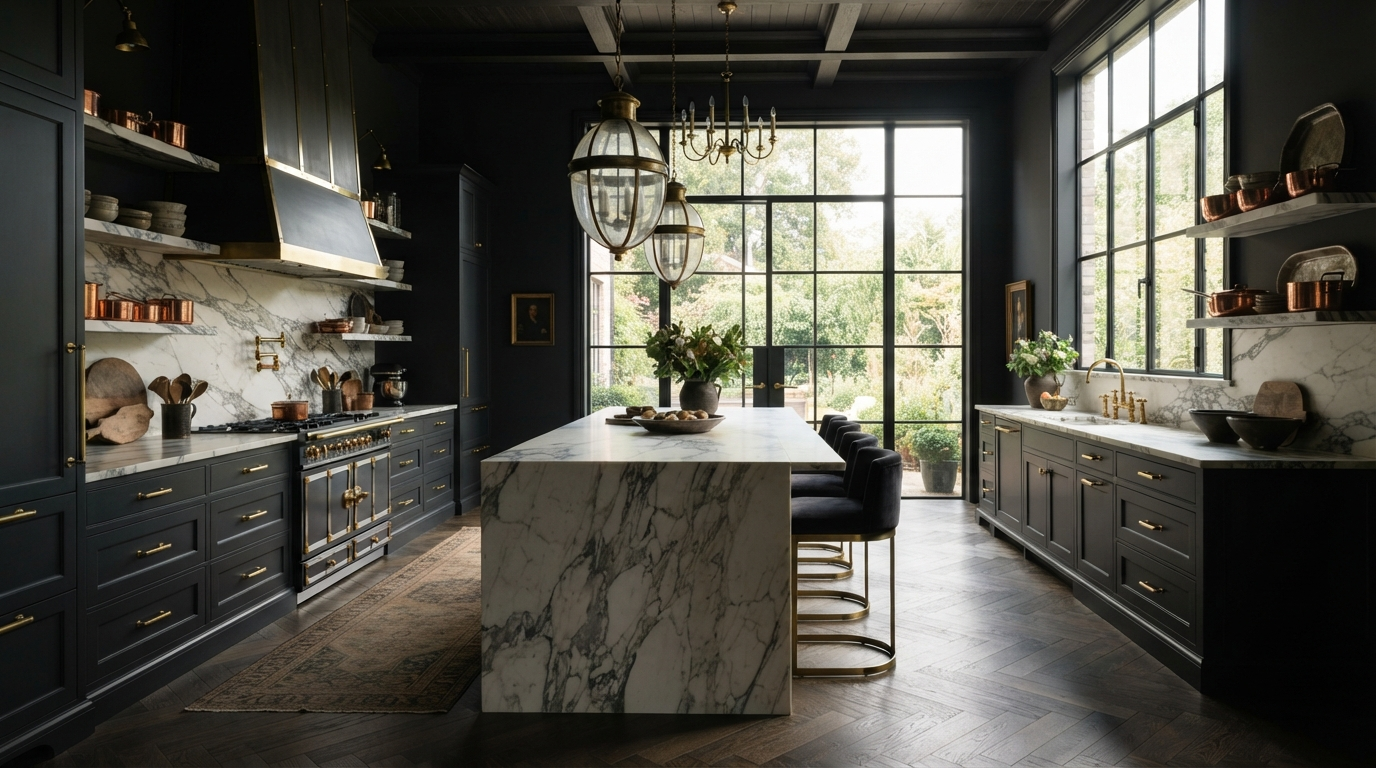
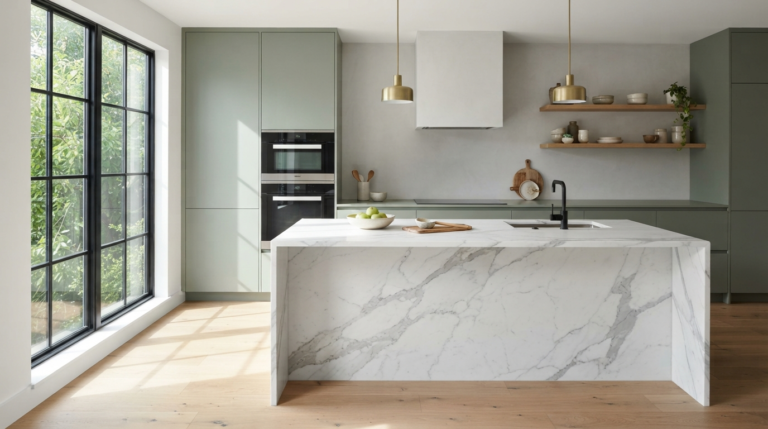
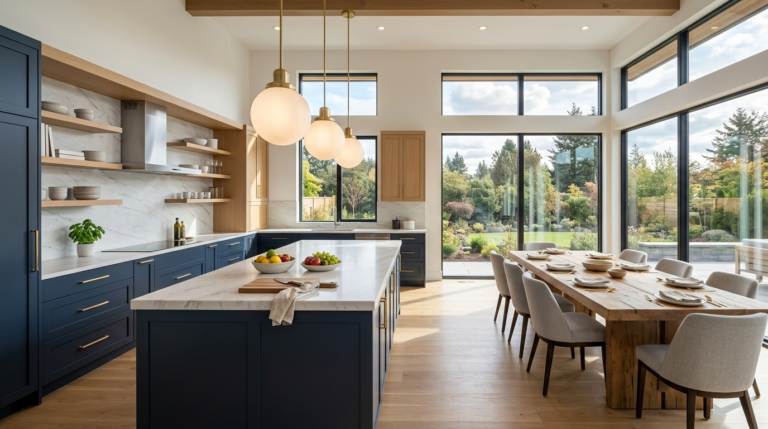
The kitchen is often referred to as the heart of the home, a bustling center of daily activity, morning coffees, and evening family gatherings. However, translating the vision of a high-end, luxurious culinary space into reality can be fraught with design missteps. Many homeowners find themselves unsatisfied with their kitchen and dining areas without quite understanding why the space feels off. Elevating your kitchen to a premium look doesn’t always require a complete demolition; often, it’s about avoiding specific, common decor mistakes that detract from a sophisticated aesthetic. In this comprehensive guide, we will delve deep into the seven most prevalent errors in kitchen design and provide actionable, luxurious solutions to help you cultivate a space that is both exceptionally beautiful and highly functional.
Mistake 1: Relying Solely on Overhead Lighting
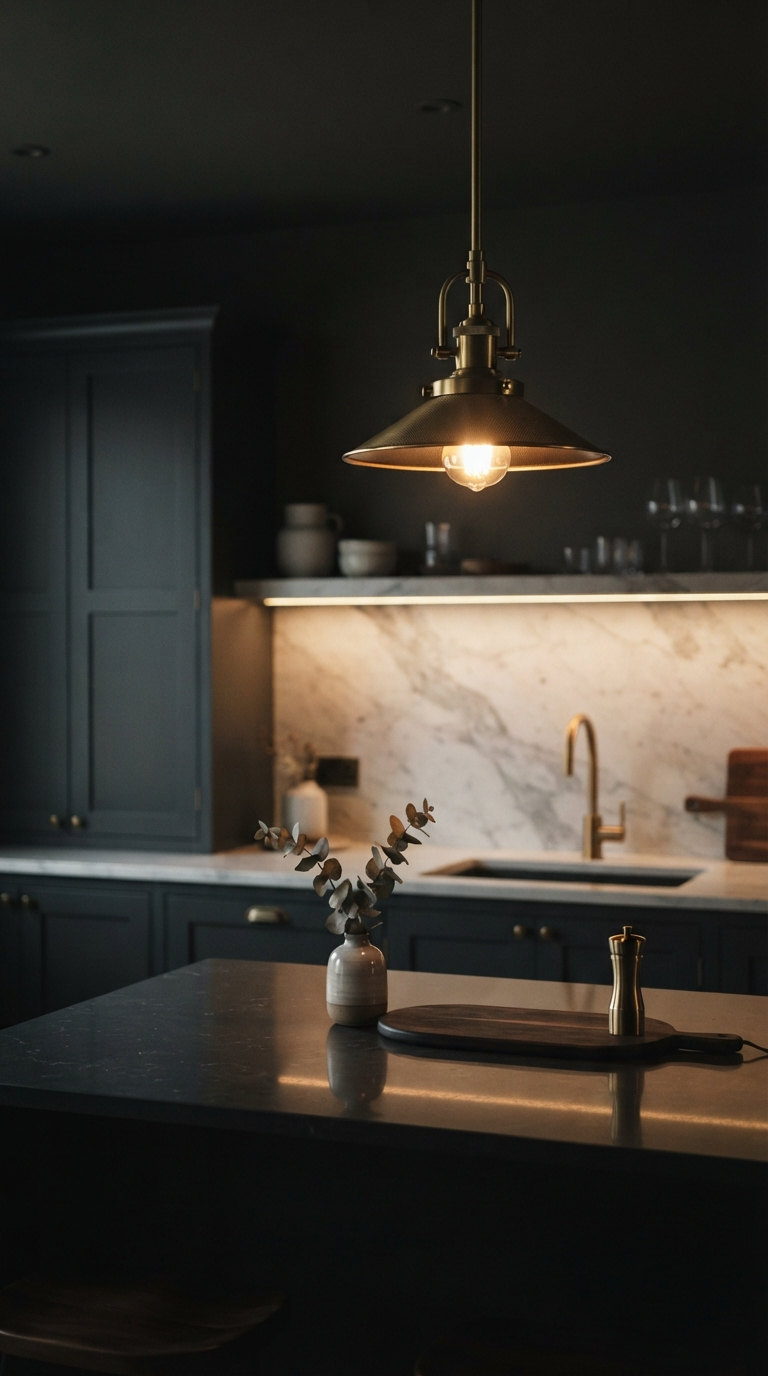
One of the most frequent mistakes in kitchen design is treating lighting as an afterthought. A single, powerful overhead fixture might illuminate the room, but it flattens the space, casting harsh shadows and entirely missing the nuance required for a premium feel. Luxury design is all about layers. When you rely only on a central ceiling light, you sacrifice ambiance and task efficiency.
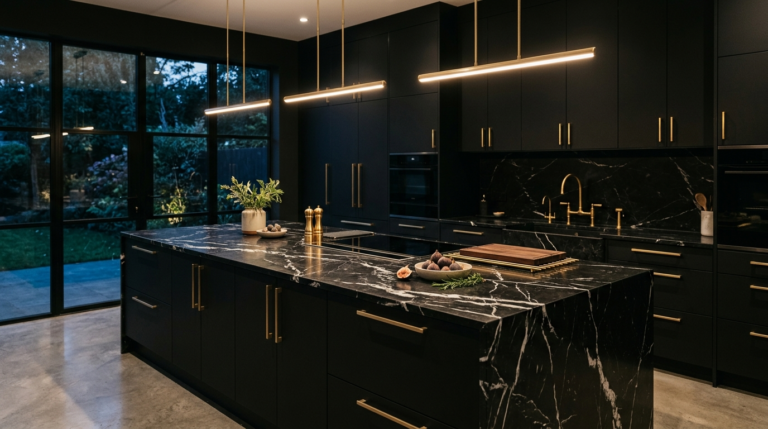
To correct this, you must implement a comprehensive, layered lighting strategy. This involves three distinct types of lighting: ambient, task, and accent. Start with high-quality recessed lighting for your ambient layer, ensuring even distribution across the ceiling. Next, introduce task lighting. Under-cabinet LED strips are crucial for illuminating your primary workspaces, ensuring safety and clarity while preparing meals. Finally, the accent layer brings the luxury. Think oversized, statement pendant lights over the kitchen island or dining table. Opt for materials like brushed brass, matte black, or ribbed glass to introduce texture and a high-end focal point. By layering these light sources, you create a dynamic, adaptable environment that can transition from a bright, functional workspace during the day to a moody, elegant dining setting in the evening.
Mistake 2: Ignoring the Power of Cabinet Hardware
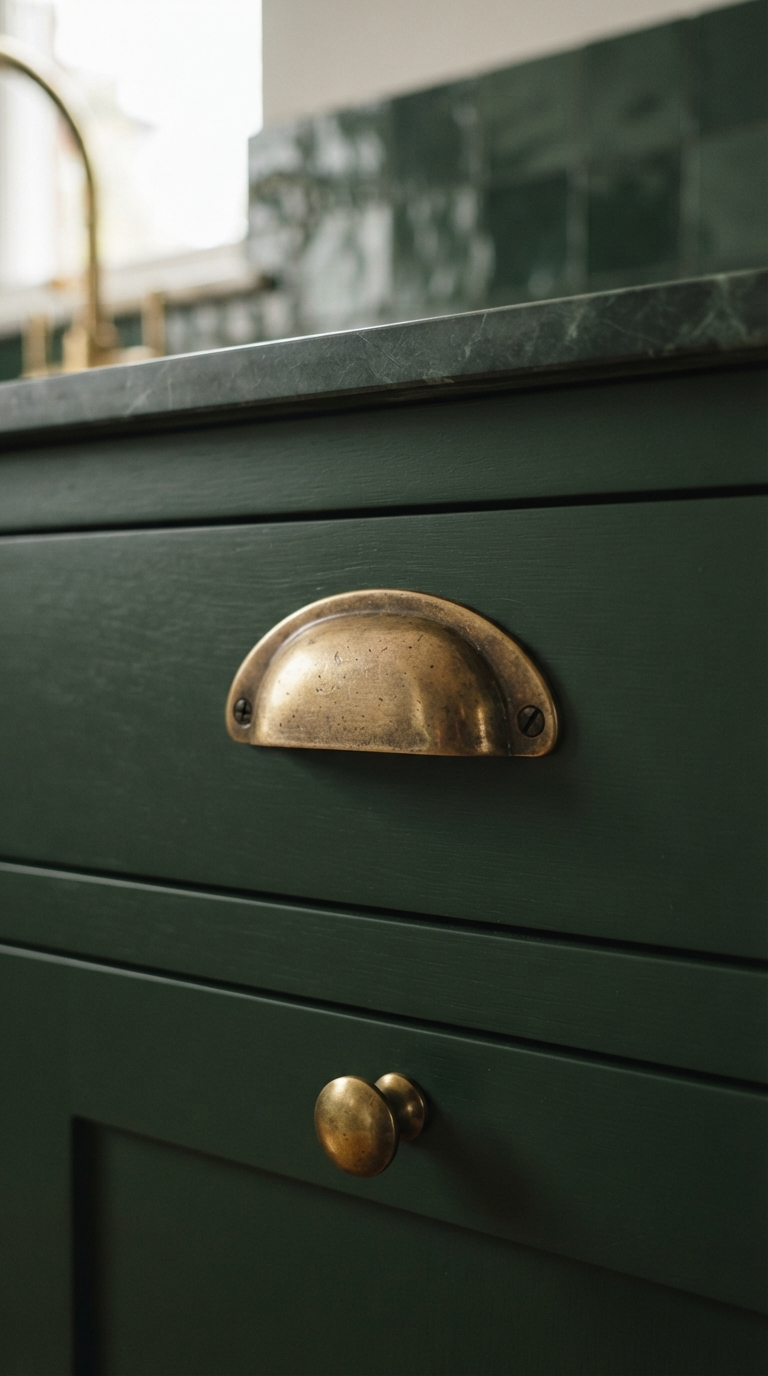
It is surprisingly common to see beautifully painted cabinets let down by cheap, generic, or outdated hardware. Builder-grade knobs and pulls can instantly downgrade the entire aesthetic of your kitchen. Cabinet hardware is the jewelry of the room; it is a small detail that carries immense visual weight. Leaving old, worn-out hardware in place is a missed opportunity for a significant style upgrade.
Upgrading your hardware is one of the most cost-effective ways to inject a premium feel into your kitchen and dining area. Move away from standard builder options and explore solid, heavy materials. Unlacquered brass offers a beautiful, living finish that develops a sophisticated patina over time. Polished nickel provides a warm, classic shine, while matte black iron can introduce a crisp, modern edge. Consider the scale of your hardware as well; elongated pulls on lower drawers and substantial knobs on upper cabinets can create a custom, bespoke appearance. Cohesiveness is key, so ensure the finish of your hardware harmonizes with your lighting fixtures and faucet, even if they aren’t perfectly matched, they should feel intentionally curated.
Mistake 3: Cluttered and Uncurated Countertops
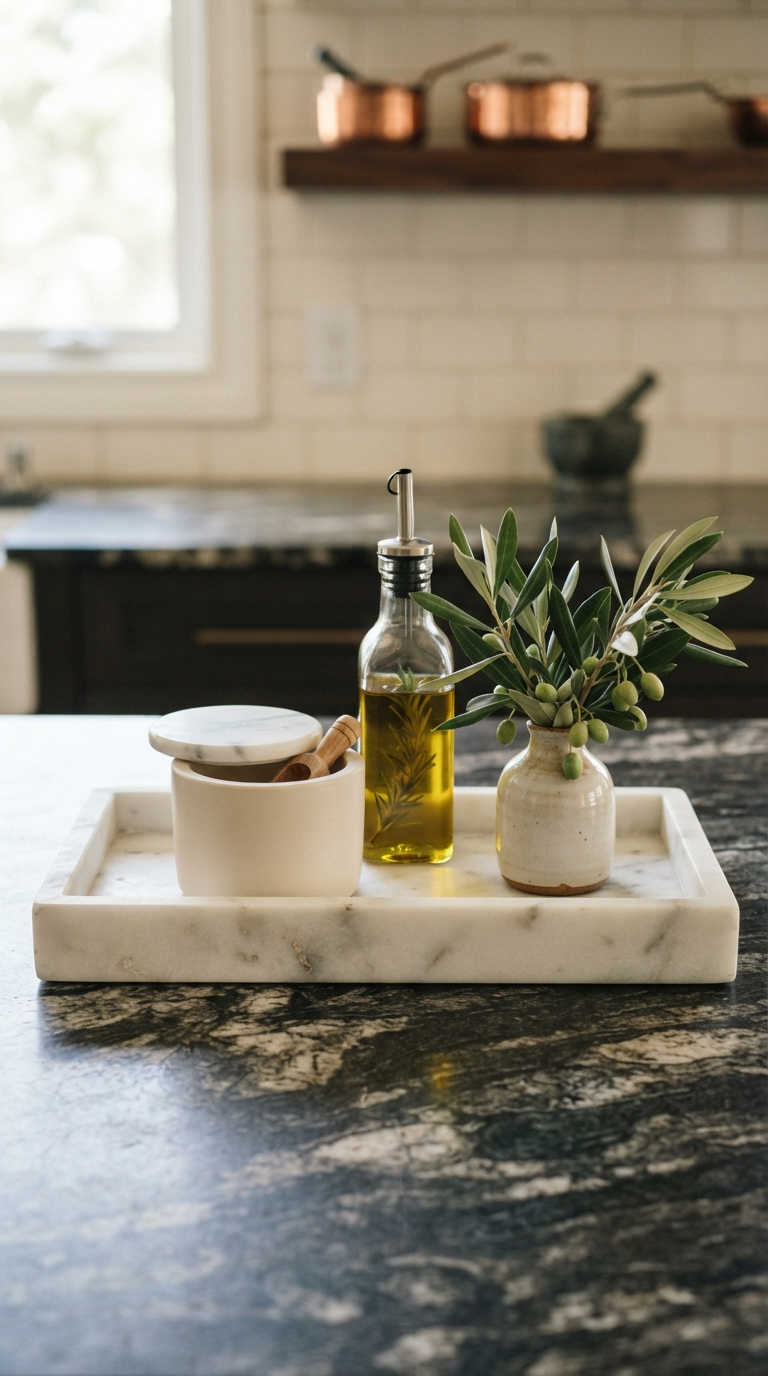
A hallmark of a premium, luxurious kitchen is expansiveness, and nothing destroys the illusion of space faster than cluttered countertops. Leaving every appliance, utensil crock, and mail pile on the surface creates visual noise that makes the kitchen feel cramped and chaotic. While a kitchen is a working space, a premium look demands disciplined organization and intentional display.
The solution is an aggressive editing process combined with smart storage. First, assess every item on your counters. If an appliance is not used daily, it belongs inside a cabinet or a dedicated appliance garage. For the items that must remain out, elevate their presentation. Swap out plastic soap dispensers for heavy glass or ceramic alternatives. Corral everyday items like olive oil and salt cellars onto a beautiful marble or warm wood tray. This technique, known as “vignette styling,” turns functional items into intentional decor. Keep the perimeter of your countertops largely clear to allow the beauty of your stone or solid surface materials to take center stage, projecting an aura of calm and upscale minimalism.
Mistake 4: Neglecting the Dining Zone Transition
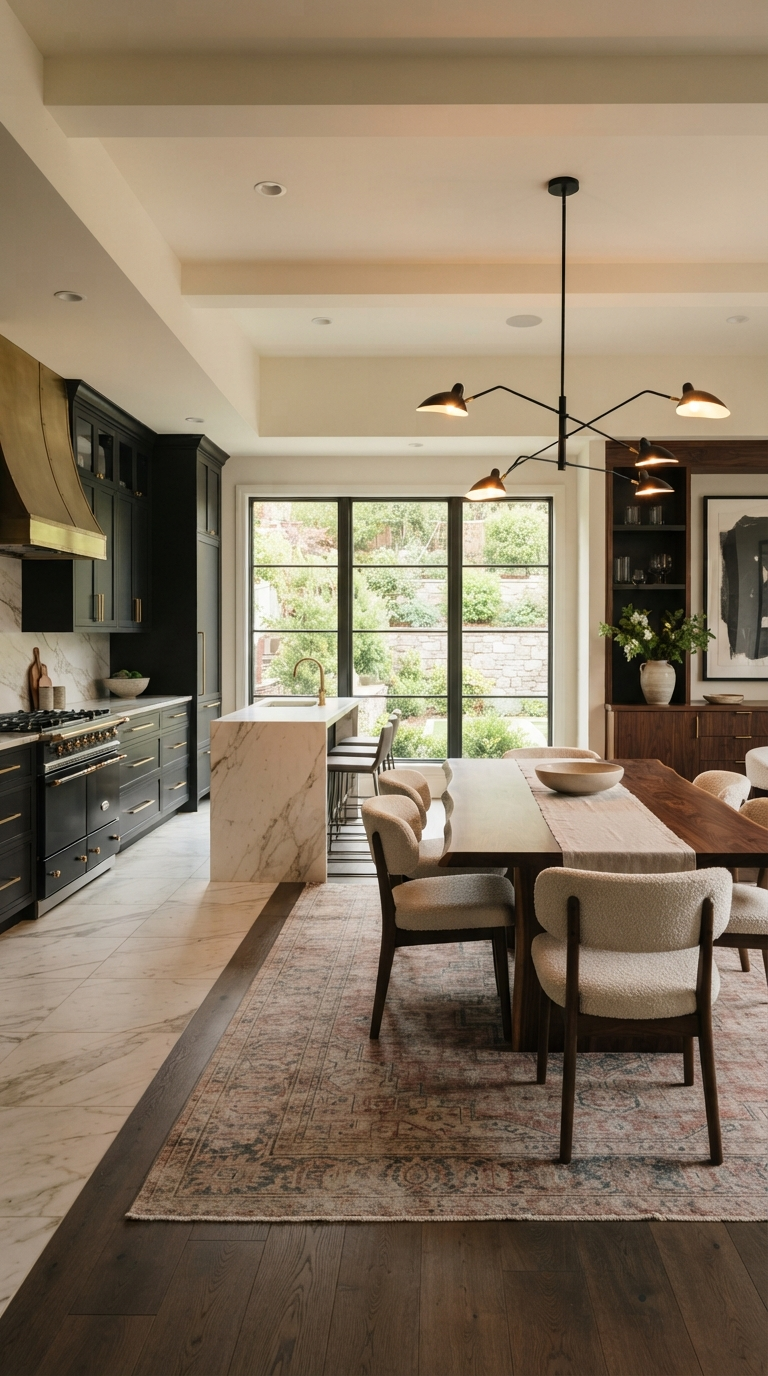
In modern open-concept homes, the kitchen seamlessly flows into the dining area. A major design flaw is treating these two spaces as completely separate entities with clashing styles, or conversely, making them so identical that the dining space loses its distinct identity. An abrupt shift in color palette, flooring, or aesthetic can make the entire open area feel disjointed and decidedly non-premium.
To achieve a luxurious flow, you must master the art of cohesive transition. Use a unifying thread to tie the spaces together. This could be a consistent flooring material, a shared accent color, or a complementary wood tone. For example, if your kitchen features walnut shelving, echo that warmth with a walnut dining table or dining chairs with walnut legs. Delineate the dining zone not with walls, but with anchors. A large, high-quality area rug under the dining table instantly defines the space and adds a layer of acoustic softening and texture. Above the table, a statement chandelier should hang lower than kitchen lighting, creating an intimate, gathered atmosphere that distinguishes it from the culinary work zone while maintaining a shared luxury aesthetic.
Mistake 5: Skimping on Textiles and Softness
Kitchens are inherently filled with hard surfaces: stone countertops, tile backsplashes, wood cabinets, and metal appliances. A space consisting entirely of these materials can feel cold, sterile, and unwelcoming. Forgetting to introduce softness is a surefire way to prevent a kitchen from feeling like a high-end, comfortable living space.
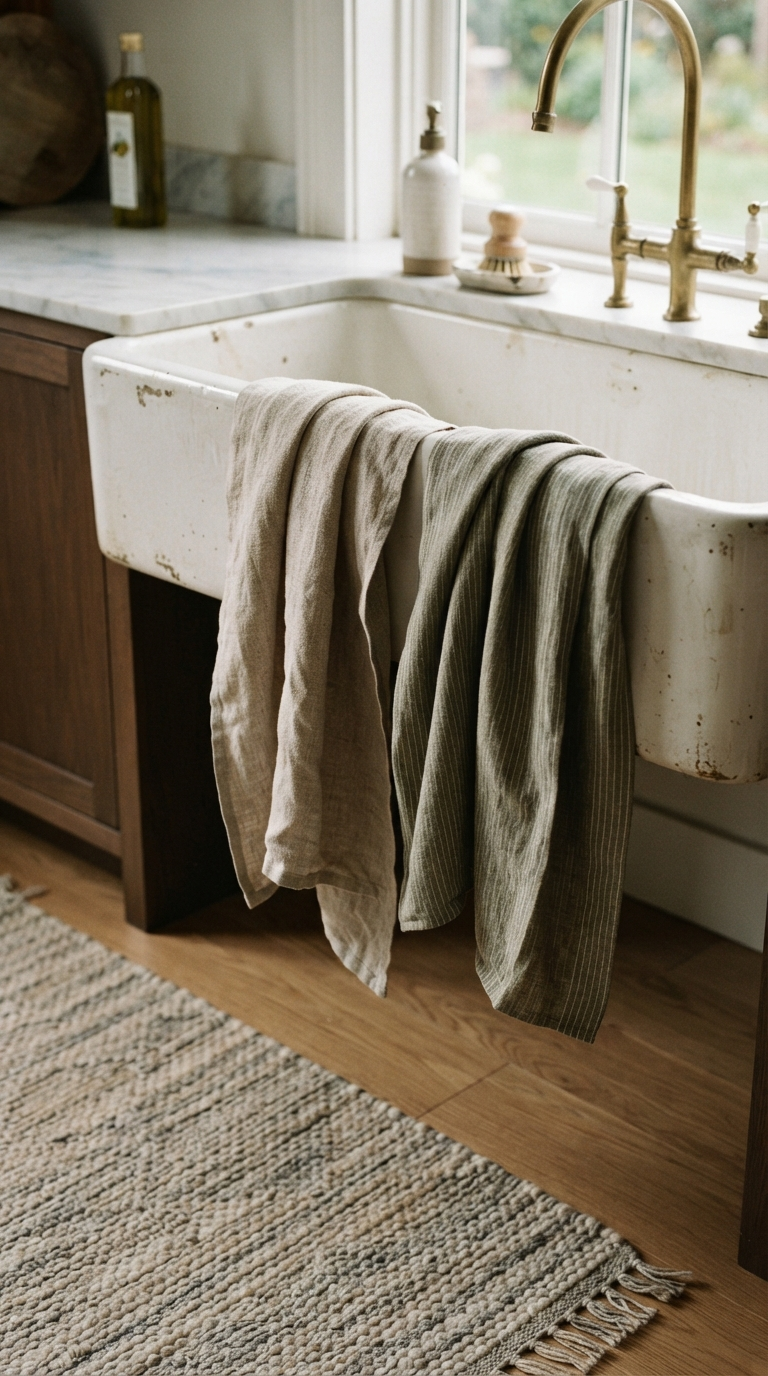
Textiles are your secret weapon for introducing warmth and luxury. Start with window treatments. Instead of bare windows or cheap plastic blinds, opt for custom-measured Roman shades in a beautiful natural linen or a subtle, sophisticated pattern. Add a high-quality, washable vintage-style runner in front of the sink or along the island; this not only cushions your feet but introduces complex colors and patterns that break up the expanse of the floor. Finally, upgrade your everyday linens. Swap thin, stained dish towels for thick, absorbent Turkish cotton or European linen towels. Drape them purposefully. These soft touches contrast beautifully with the hard architecture, elevating the entire sensory experience of the room.
Mistake 6: Playing it Too Safe with the Backsplash
The backsplash is a prime piece of real estate in the kitchen, yet many homeowners default to the safest, most generic options, like standard white subway tile with white grout. While classic, playing it entirely safe often results in a space that feels flat and uninspired, lacking the bespoke character of a premium design.
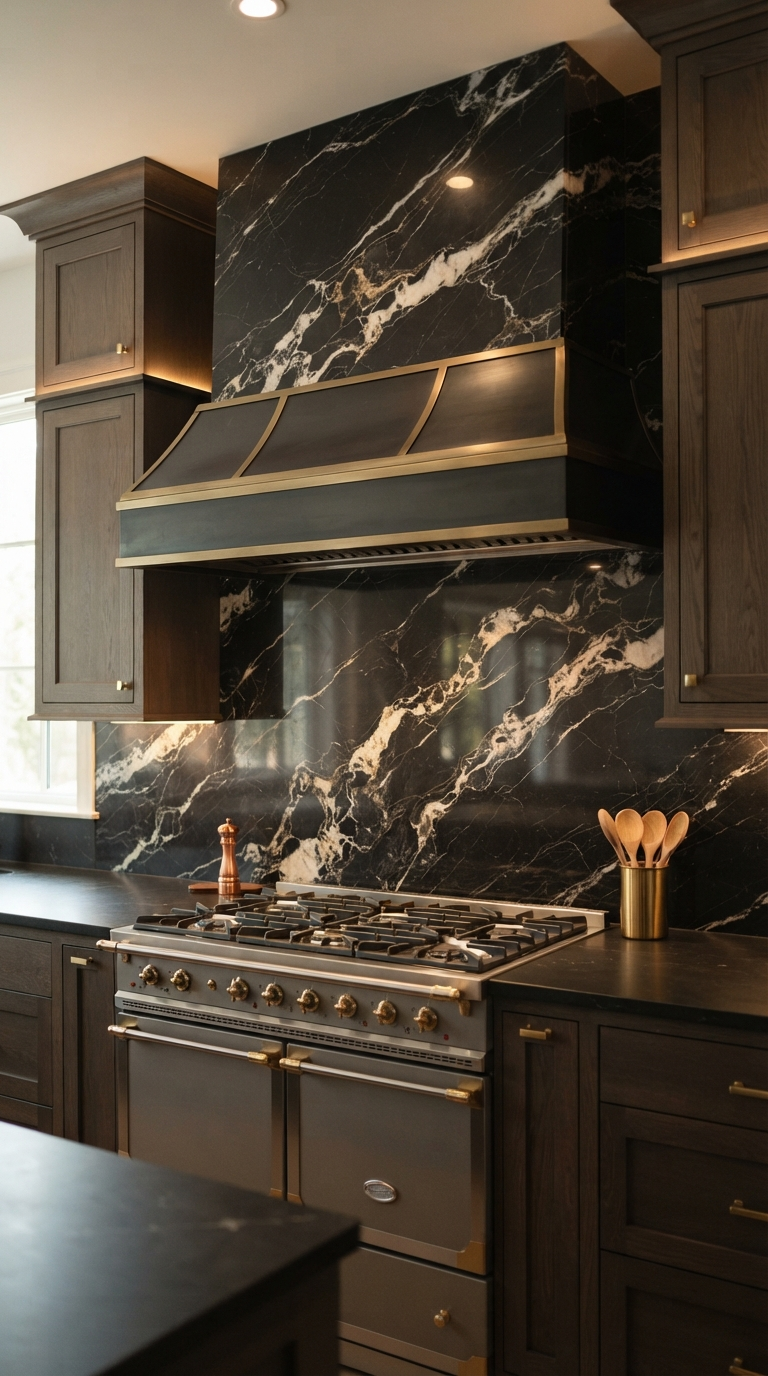
View your backsplash as an opportunity to introduce art and texture into the room. If you love subway tile, elevate it by choosing a handmade, zellige-style tile with subtle surface variations and pearlescent glazes that catch the light beautifully. Consider taking the countertop material and running it seamlessly up the wall as a solid slab backsplash; this is a hallmark of ultra-luxury European kitchens and creates a breathtaking, uninterrupted visual flow. Alternatively, explore natural stones with dramatic veining or rich, deeply saturated ceramic tiles to create a stunning focal point behind the range. A bold, considered backsplash instantly communicates high-end, custom design.
Mistake 7: Overlooking the “Fifth Wall” (The Ceiling)
The ceiling is often completely ignored in kitchen renovations, left as a flat, standard white plane. This missed opportunity means a massive surface area contributes nothing to the room’s aesthetic. In premium interior design, every surface is considered, and the ceiling is known as the “fifth wall.”
To complete your luxurious kitchen, look up. Adding architectural interest to the ceiling can dramatically elevate the space. Consider installing crown molding to elegantly bridge the gap between the upper cabinets and the ceiling. If your ceiling height allows, adding shallow faux beams in a wood tone that complements your cabinetry can introduce a sense of historic charm or rustic luxury. Alternatively, a subtle, moody paint color on the ceiling, contrasting slightly with the walls, can create an enveloping, intimate atmosphere. Even a high-gloss paint finish on a perfectly smooth ceiling can reflect light and create a glamorous, unexpected detail. By paying attention to these common mistakes and implementing these thoughtful, luxurious solutions, you can transform your kitchen and dining area into a breathtaking, premium space that you will cherish for years to come.
Create a warm and inviting kitchen and dining area with these cozy rustic ideas. Explore beautiful tablescapes, wooden accents, and charming room decor.
Discover upcoming design trends for dark and black kitchens, featuring luxury matte textures, rich metallic accents, and dramatic integrated lighting profiles.
Discover the ultimate trend forecast for black and dark kitchens, featuring expert design tips on matte cabinetry, mood lighting, and stone selections.
Discover the cutting-edge design trends transforming modern kitchens this year. From minimalist aesthetics to smart technology, elevate your culinary space.
Discover the most common kitchen design mistakes and learn how to avoid them. Transform your cooking and dining area into a flawless, functional space.