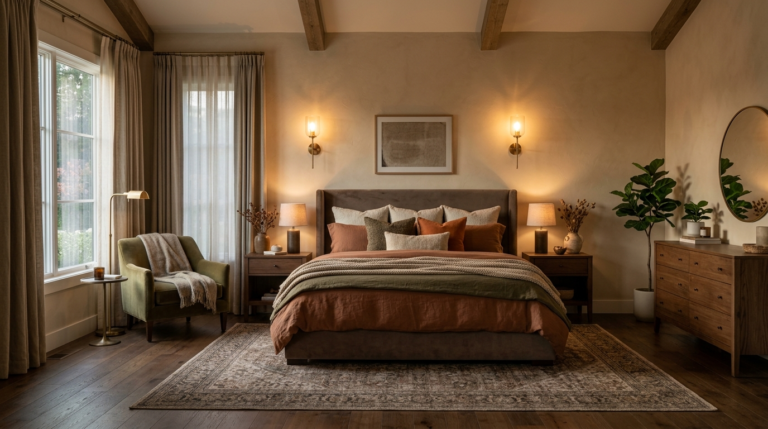
There is a profound, almost primal comfort in retreating to a space that feels intimately connected to the earth. In our modern, hyper-digital world, the bedroom should serve as a sacred grounding point, a sanctuary where the noise of the day dissipates into a gentle, restorative quiet. The cozy and rustic aesthetic achieves this not through rough-hewn austerity, but through a masterful orchestration of tactile materials, deep warmth, and an embrace of organic imperfections. It is an elegant narrative of texture and tone. In this exploration of the rustic bedroom sanctuary, we will discover how beautiful textured linens, reclaimed elements, and intentional lighting can weave together to create a profoundly peaceful personal space.
The Call of the Wild Indoors
The foundation of a rustic sanctuary lies in its material palette. We must invite nature indoors, honoring the materials in their most authentic states. This design philosophy moves away from the highly polished and manufactured, favoring instead elements that tell a story of time and elements. It is about creating a space that feels collected rather than decorated. The walls, the floors, and the architectural details should all whisper of the natural world.
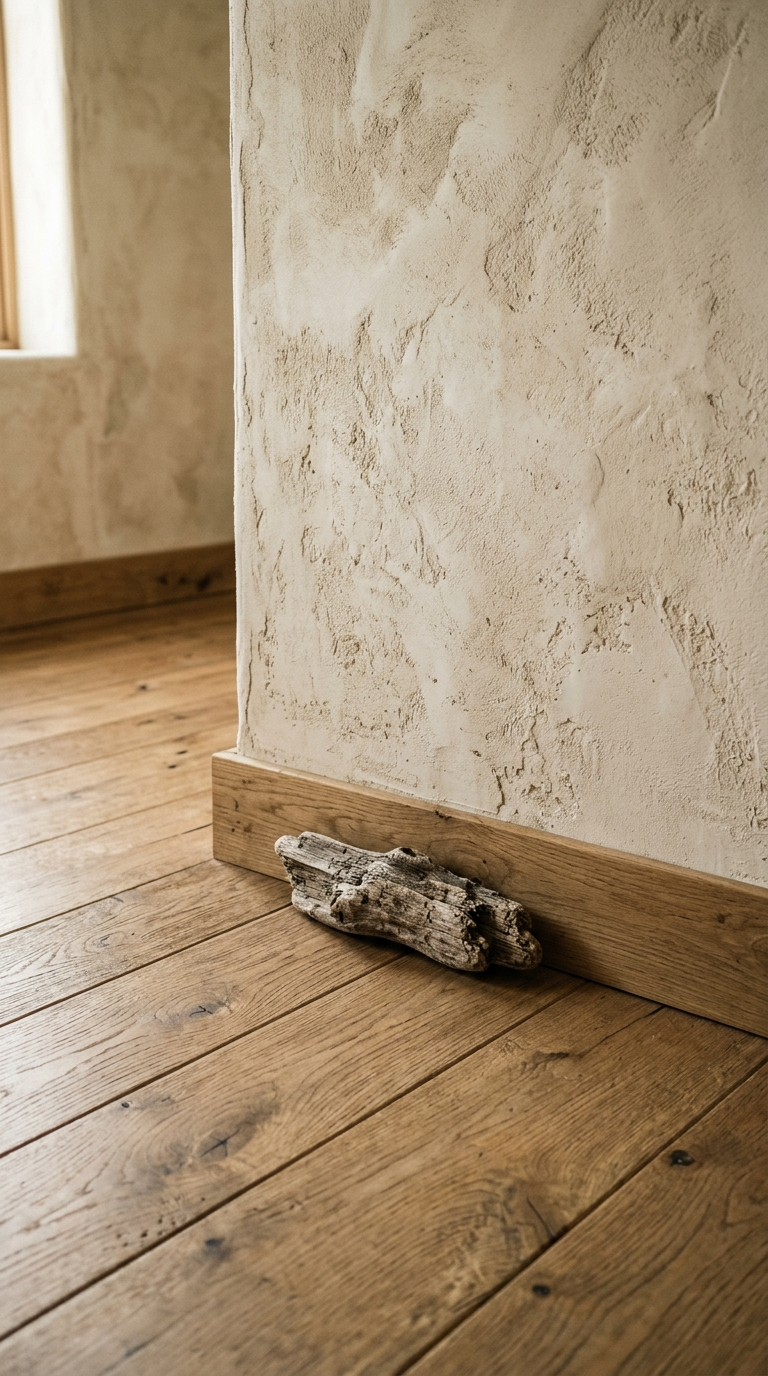
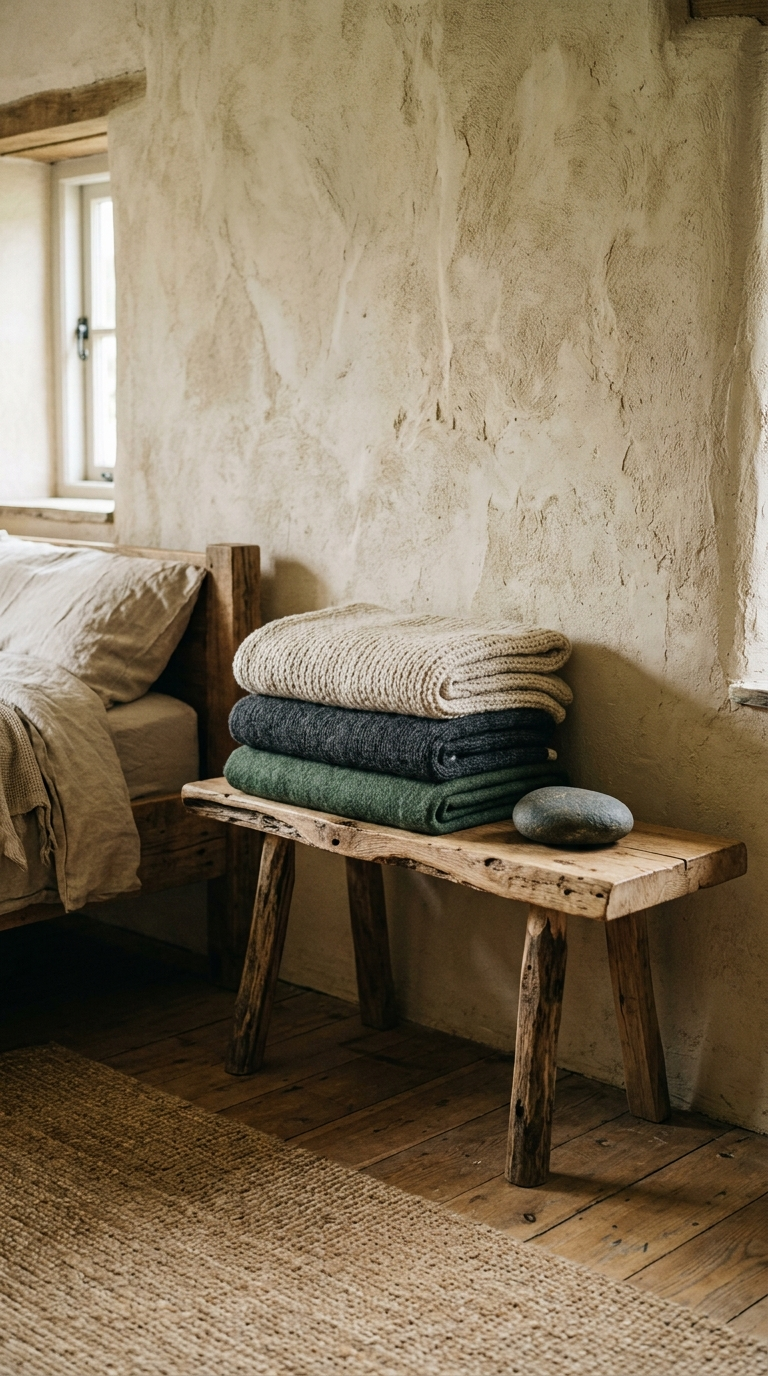
Begin by considering the shell of the room. If you are fortunate enough to have exposed brick or structural timber, celebrate it. If not, introduce these elements thoughtfully. A subtle lime wash on the walls can replicate the soft, mottled texture of old plaster, providing a breathable, matte finish that absorbs light beautifully. Hardwood floors are essential; wide planks in an oiled or matte finish offer warmth underfoot. The goal is to establish a backdrop that feels robust yet comforting, a quiet canvas ready to receive the softer layers of your personal retreat.
Embracing Imperfection in Wood
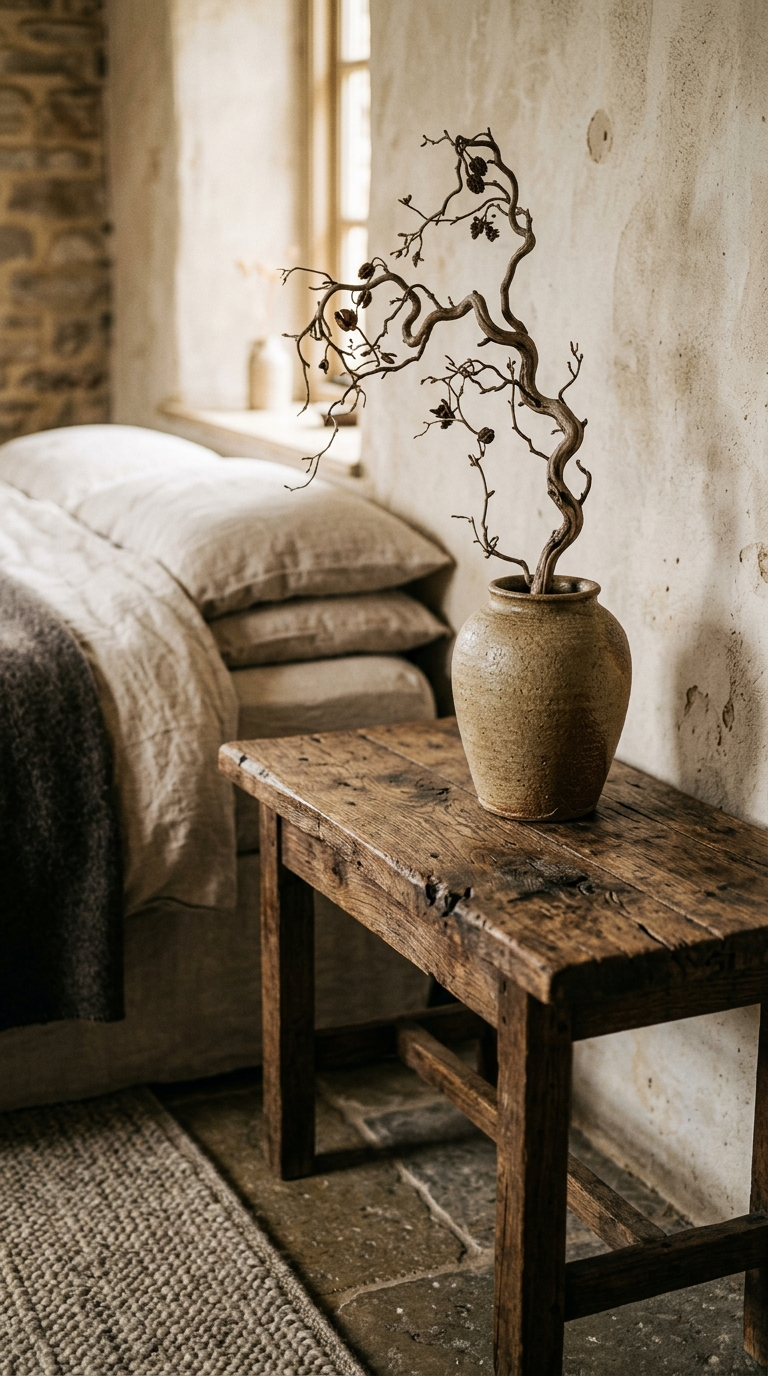
Wood is the undisputed protagonist in any rustic narrative. However, the rustic sanctuary demands wood that possesses character. We are not looking for flawless veneers; we are seeking the beauty of the knot, the grain, and the perfectly imperfect edge. Furniture should feel substantial, rooted, and timeless.
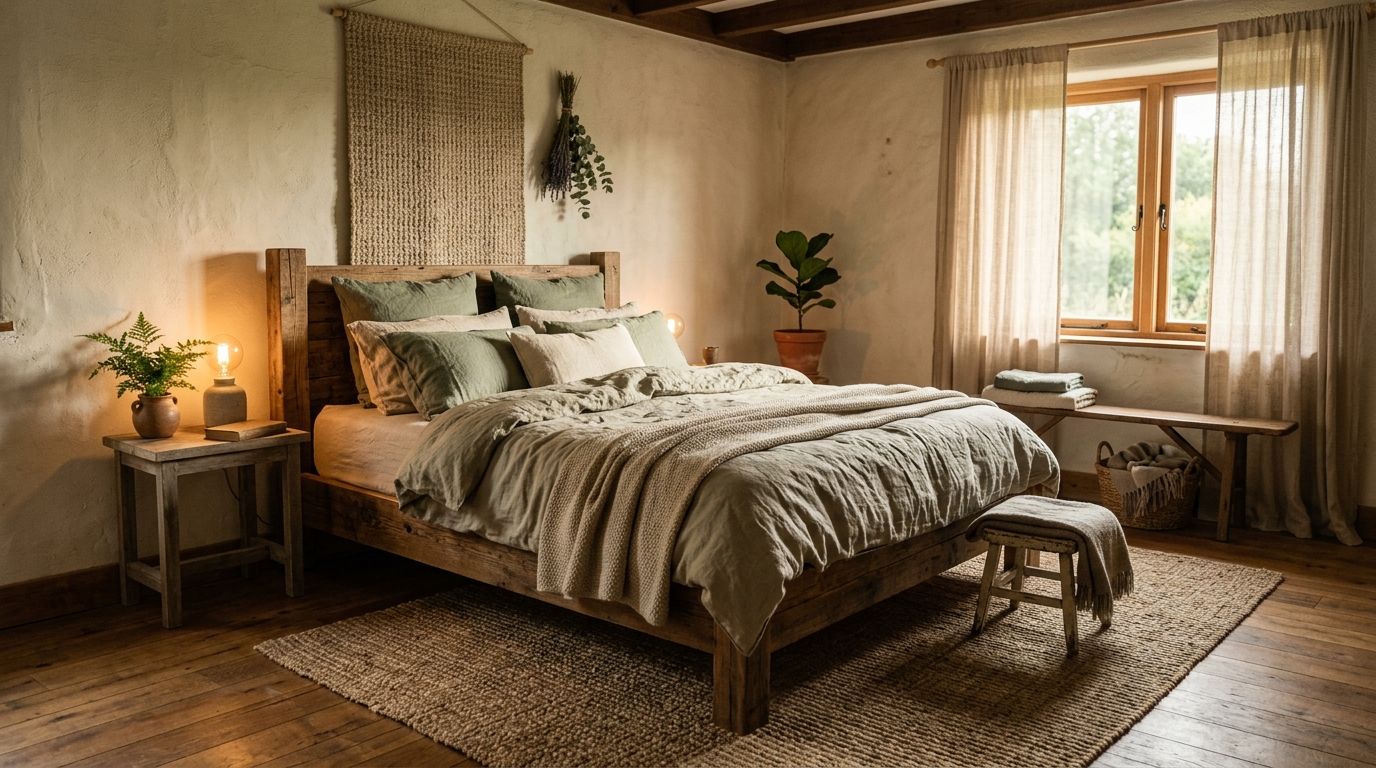
Introduce a statement piece, perhaps a bed frame crafted from reclaimed barn wood, where the history of the timber is visible in its varied patina. A heavy, raw-edge wooden bench at the foot of the bed adds both function and a striking organic silhouette. When selecting wooden elements, mix tones gently—a dark walnut dresser can sit harmoniously next to lighter oak side tables, provided they share a similar unrefined, tactile finish. This blending of woods mimics the diversity found in a forest, adding depth and authenticity to the room’s composition. Let the wood breathe; avoid high-gloss polyurethanes that trap the material under a plastic sheen, opting instead for natural waxes that feed the wood and enhance its natural glow.
The Layered Bed Paradigm
If wood provides the structure, textiles provide the soul. The bed is the unquestioned focal point of any bedroom, and in a rustic sanctuary, it must look irresistibly inviting. The secret lies in the art of layering textured linens. A single, flat comforter is inadequate; we must build a landscape of comfort that begs to be curled up within.
Start with the sheets. Pure, stonewashed European linen is unparalleled for this aesthetic. It possesses a beautiful, crumpled texture that gets softer with every wash, and it regulates temperature flawlessly. Build upon this foundation with a heavier, textured blanket—perhaps a chunky knit cotton or a subtle woven wool blanket in a neutral tone like oatmeal or soft sage. The duvet cover should also be a natural fiber, adding another subtle layer of texture. Finally, the pillows. Mix sizes and textures; combine standard linen shams with a long lumbar pillow in a muted, earthy pattern or a heavy boucle fabric. The resulting bed should look like a soft, cloud-like haven amidst the structural wood elements.
Illumination that Warms the Soul
Lighting in a rustic sanctuary must never be harsh or clinical. It should mimic the comforting glow of twilight or a gentle fire. The way light interacts with the textured walls, the rough wood, and the crumpled linens defines the mood of the space. It is essential to cast a warm, encompassing glow that promotes relaxation and readies the mind for sleep.
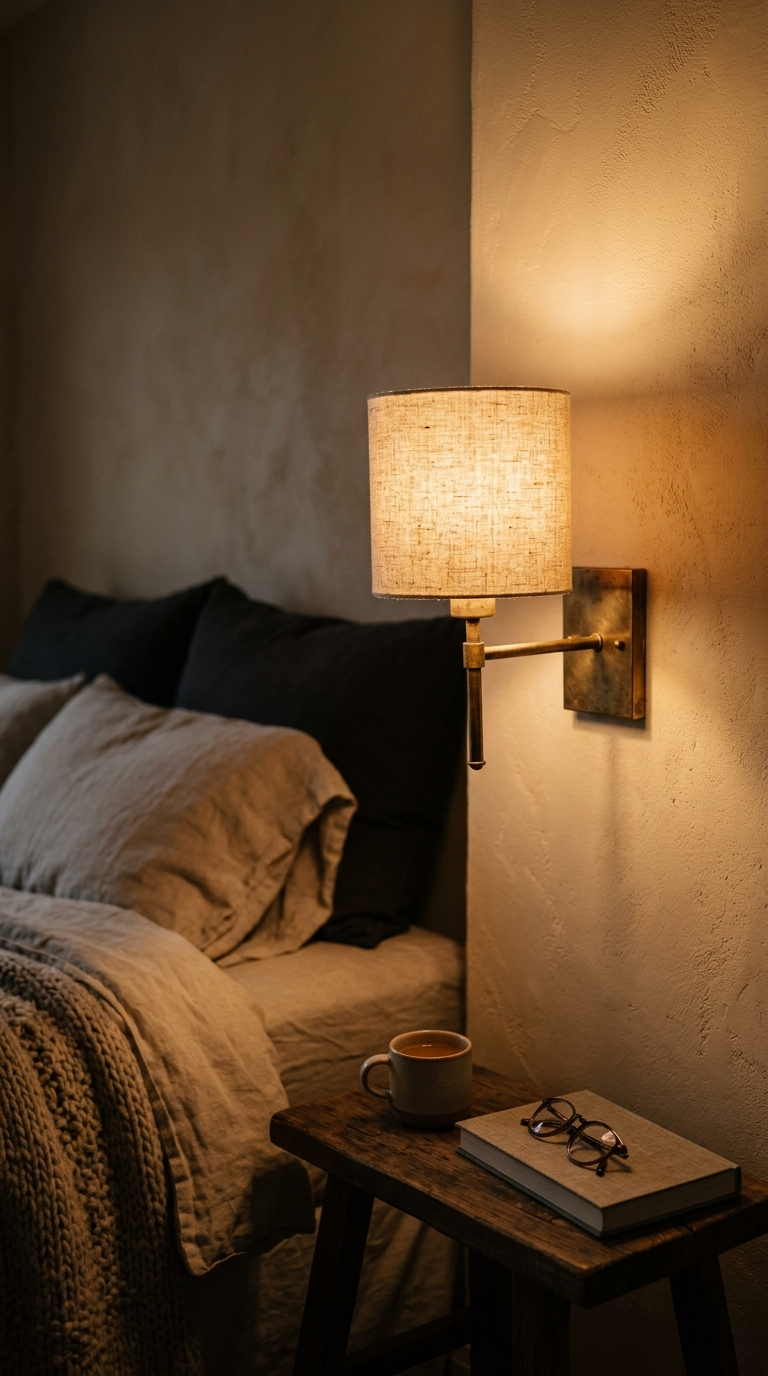
Avoid stark white bulbs entirely, opting strictly for warm white or amber tones. Bedside lighting is paramount. Consider replacing traditional table lamps with wall-mounted sconces featuring aged brass or matte black fixtures; this frees up surface area on your nightstands and adds an architectural element. Lampshades should be made of natural materials like raw silk, burlap, or woven rattan, which diffuse the light softly and cast intriguing shadows. Introduce secondary light sources, such as a floor lamp with a linen shade in a dark corner, to eliminate harsh shadows and create a room bathed in a serene, golden hour atmosphere.
Grounding the Space with Rugs
A rustic bedroom needs an anchor, a grounding element that brings all the disparate textures together. While beautiful hardwood floors are a staple, stepping out of bed onto a cold, hard surface can abruptly shatter the sanctuary feeling. A thoughtfully chosen rug is crucial for tying the room together and adding a vital layer of softness.
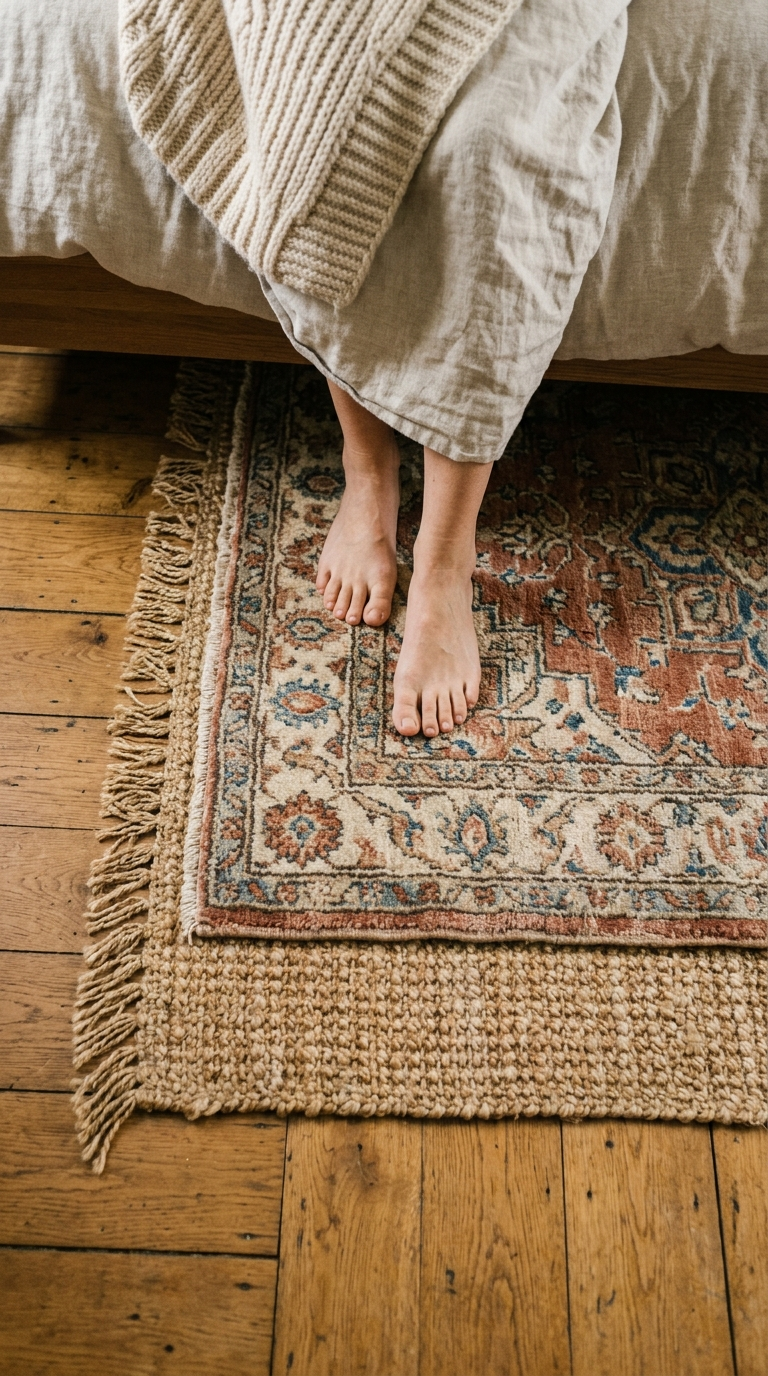
When selecting a rug, lean heavily into natural fibers. A large, thick jute or sisal rug provides wonderful texture and a neutral base that complements the wood and linen perfectly. If you desire more softness underfoot, consider layering a plush flokati or a vintage, faded wool rug with a subtle, distressed pattern over the natural fiber base. The rug should be large enough to extend generously beyond the sides and foot of the bed, creating a unified island of comfort that visually and physically softens the entire room.
Nature as the Ultimate Accessory
The final touch in the rustic narrative is the deliberate inclusion of natural artifacts. These are not standard decorative objects, but items that feel gathered from the landscape outside. They reinforce the connection to the earth and add an element of serene, organic beauty that manufactured items simply cannot replicate.
Incorporate greenery, but keep it wild and sculptural. A single, large branch with dried leaves in a heavy earthenware vase can be more impactful than a dozen neat floral arrangements. Display a small collection of smooth river stones on a wooden tray, or arrange a few pieces of bleached driftwood on a dresser. Keep the color palette of your accessories tied to nature—deep greens, muted terracottas, and shades of stone and bark. By focusing on tactile, authentic materials and a deep respect for natural textures, you weave a narrative that transforms a simple room into a profound rustic sanctuary, a place of ultimate rest and rejuvenation.
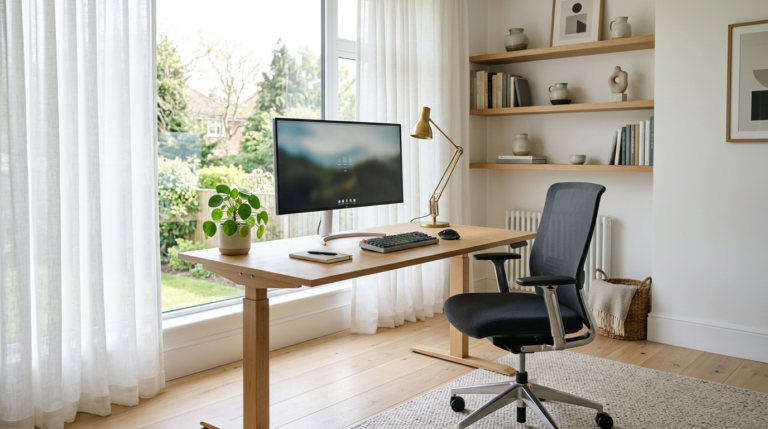
Boost productivity and style with these clever home office design ideas, featuring smart desk storage, ergonomic chairs, and aesthetic decor inspiration. (158 chars)
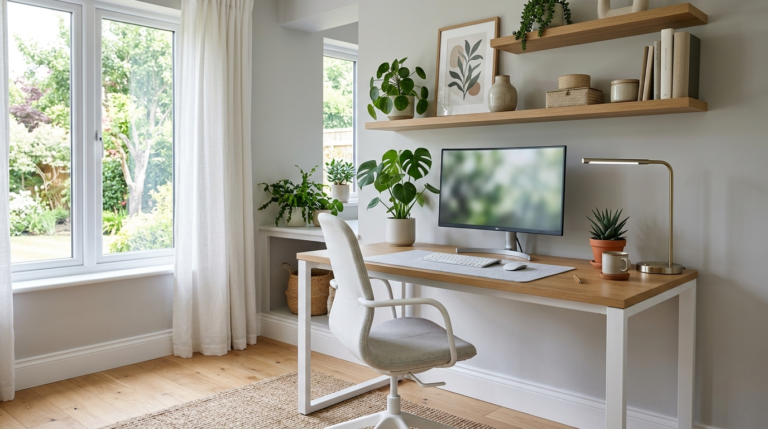
Stop letting poor design ruin your focus. Avoid these critical home office mistakes to create a productive, ergonomic, and beautiful workspace that inspires.
Transform your workspace with this complete step-by-step guide on home office design, ergonomics, lighting, and smart layout solutions for peak productivity.
Learn exactly how to design a beautiful, functional, and calming Montessori nursery. Discover step-by-step tips to foster creativity and independence in your child’s space.
Transform your personal space into a serene sanctuary. Discover the most common bedroom decor mistakes to avoid and how to fix them for ultimate relaxation.