Your bedroom is far more than just a place to sleep; it is your ultimate personal sanctuary, a retreat from the bustling world, and the space where your day begins and ends. In recent years, the approach to bedroom design has experienced a profound shift. We are moving away from purely aesthetic, showroom-style rooms and pivoting toward spaces deeply rooted in comfort, mindfulness, and psychological well-being. Designing a restful space is now about curating an environment that actively reduces stress, promotes deep sleep, and reflects your authentic self.
When we talk about the latest bedroom design trends, the overarching theme is a return to nature and groundedness. People are actively seeking ways to disconnect from their digital lives and reconnect with tactile, soothing environments. This transformation involves careful consideration of color palettes, the integration of natural elements, the intentional selection of furniture silhouettes, and a fierce dedication to removing visual clutter. By embracing these concepts, you can elevate a standard sleeping quarters into a restorative haven that nourishes both your mind and body.
In this comprehensive guide, we will explore the most impactful bedroom design trends dominating the interior design landscape this year. Whether you are planning a complete renovation or simply looking to refresh your decor with a few strategic updates, these insights will provide you with the inspiration and practical knowledge needed to create a bedroom that is as deeply comforting as it is visually stunning. Let us dive into the transformative trends that will redefine your personal space.
1. The Rise of Biophilic Elements and Natural Retreats
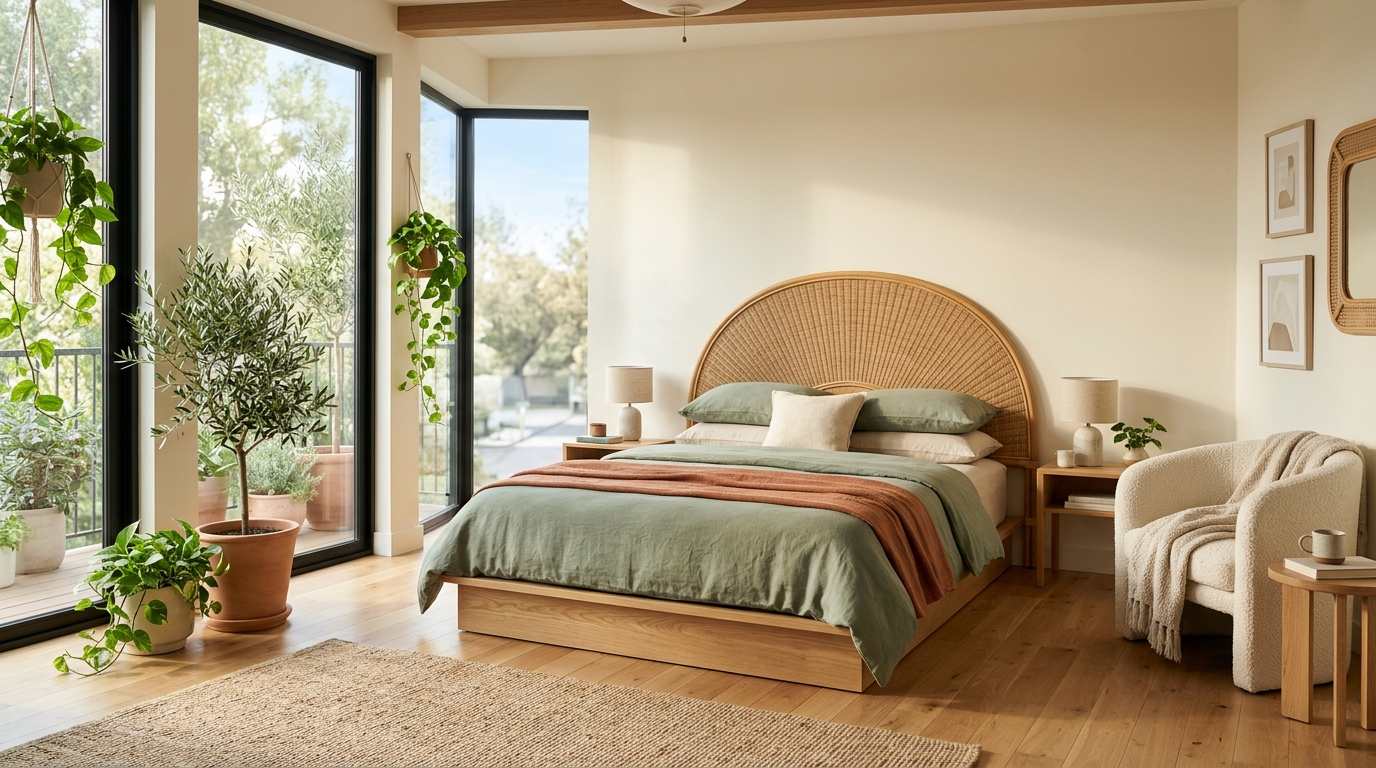
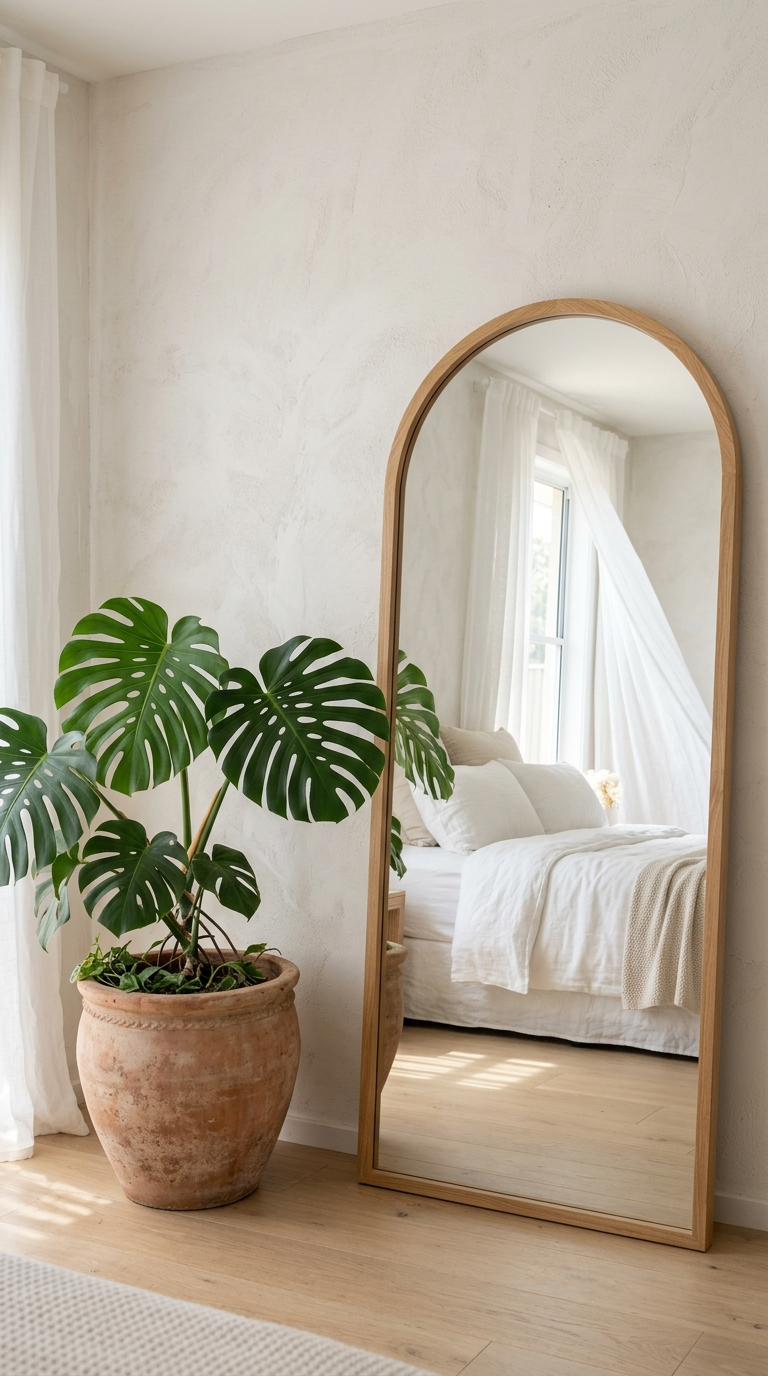
Biophilic design, the concept of connecting indoor environments to the natural world, has taken the interior design industry by storm, and nowhere is this more beneficial than in the bedroom. Integrating nature into your sleeping space is not merely a visual trend; it is a scientifically backed approach to reducing anxiety and improving air quality. The presence of living plants introduces a dynamic, organic energy that breathes life into static corners and bare shelves, softening the overall architecture of the room.
To successfully implement this trend, look beyond simply placing a small potted plant on a windowsill. Consider incorporating larger, architectural plants like the Ficus Audrey, a mature Olive tree, or a lush Bird of Paradise to act as living sculptures in empty corners. Trailing plants such as golden pothos or string of hearts look incredibly elegant cascading down from high shelves or hanging macrame planters. Furthermore, biophilic design extends to maximizing natural light. Swap heavy, opaque drapery for sheer, breezy linen curtains that allow sunlight to filter softly into the room throughout the day, aligning your circadian rhythm with the natural rising and setting of the sun.
Beyond literal greenery, biophilic design encourages the use of materials derived directly from nature. Think raw, unfinished woods, genuine stone accents, woven rattan, and natural jute rugs. These materials introduce an inherent warmth and earthiness that synthetic alternatives simply cannot replicate. By layering these organic textures alongside your plant life, you create a seamless transition between the outdoors and your private sanctuary, fostering a profound sense of peace and groundedness every time you cross the threshold.
2. Warm Earth Tones and Grounding Color Palettes
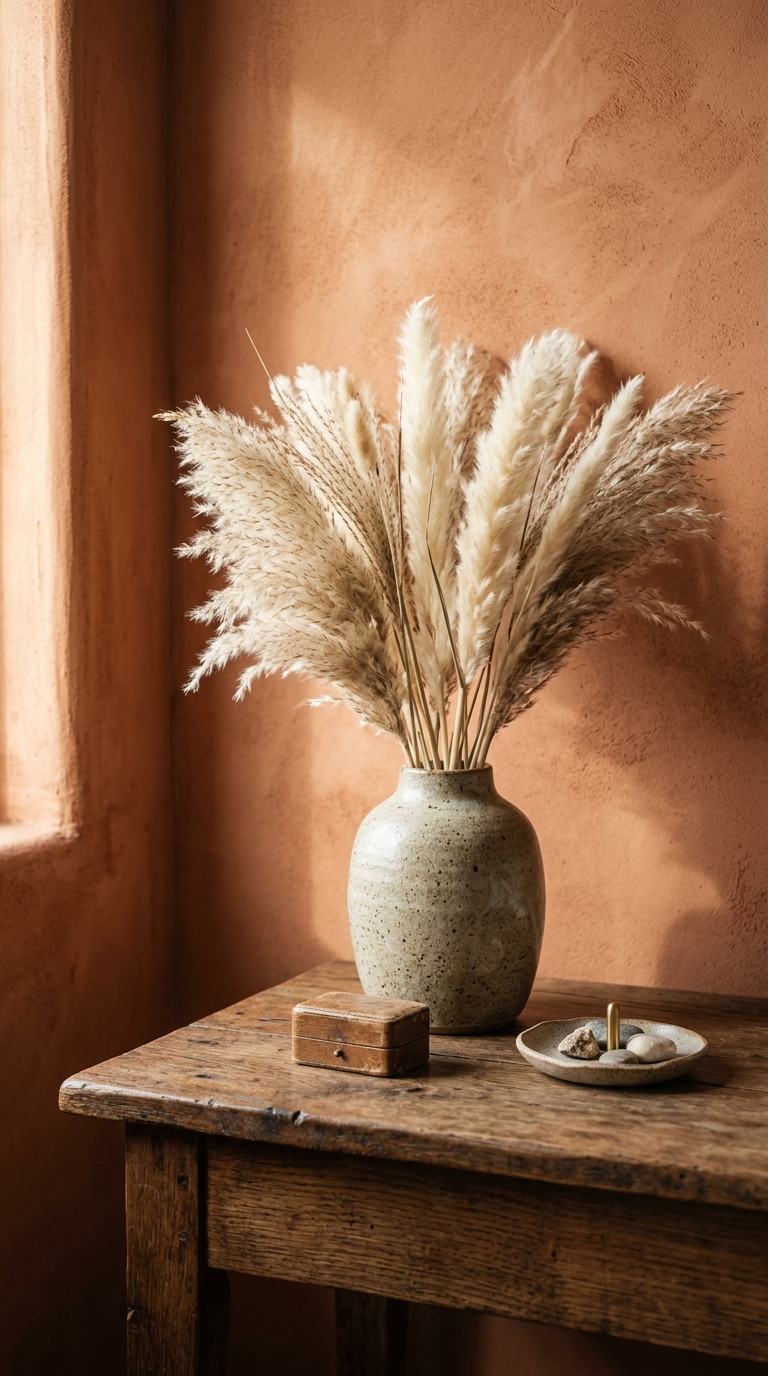
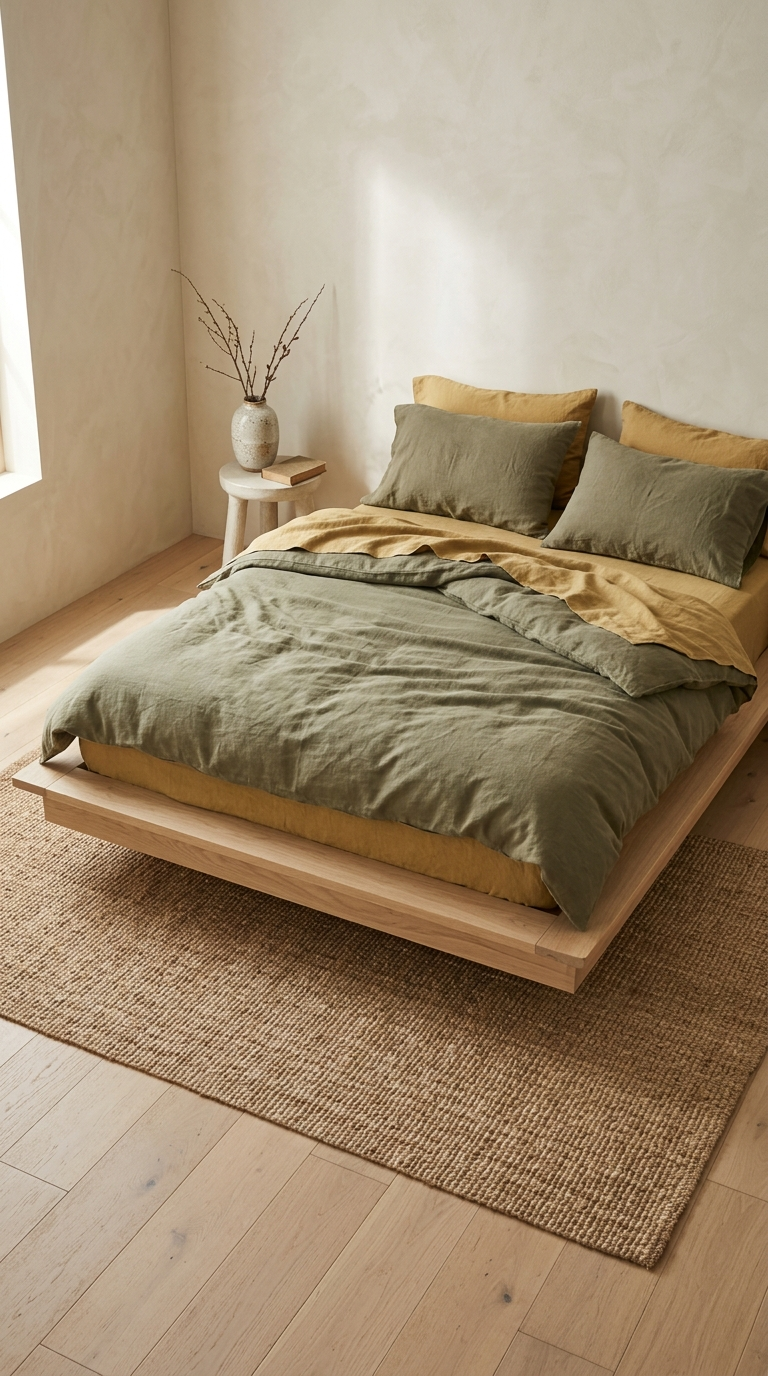
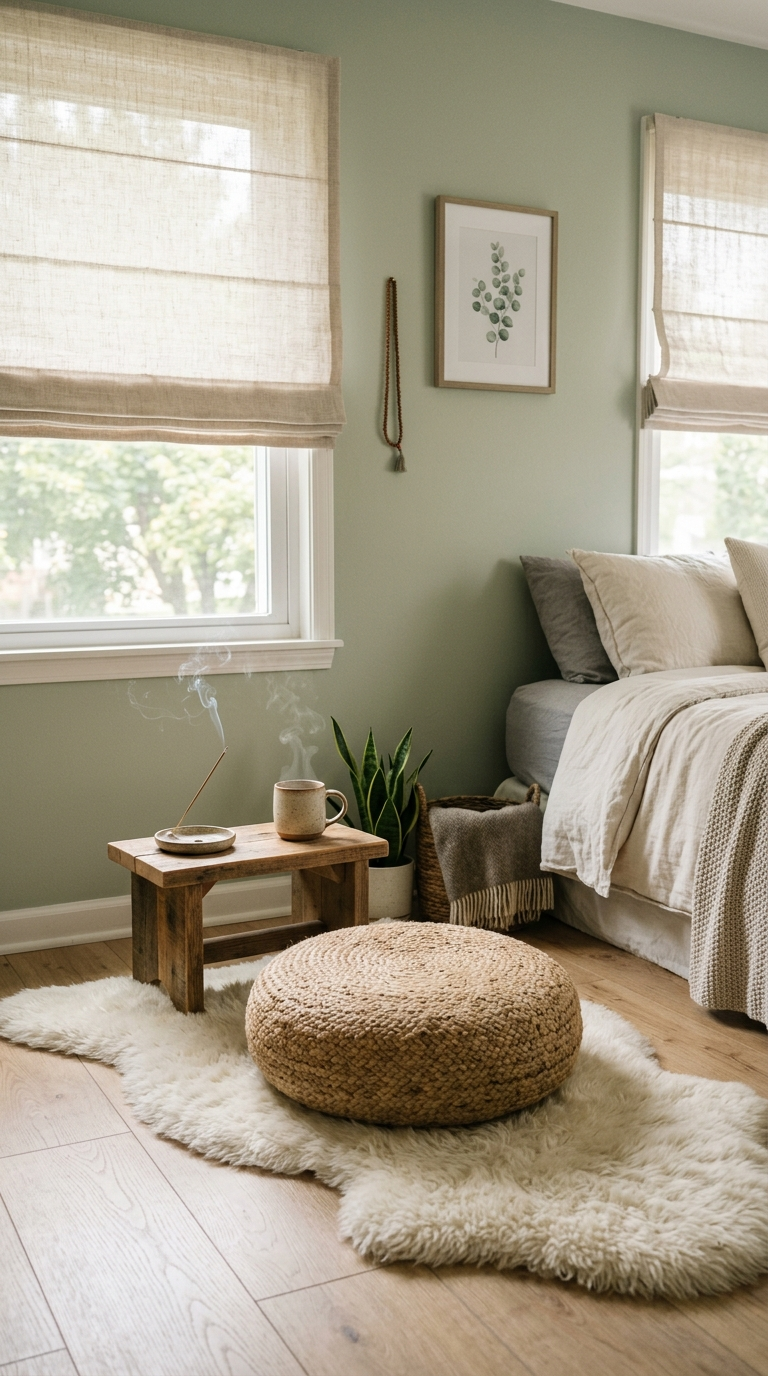
For years, cool grays and stark, clinical whites dominated the world of modern interior design. However, this year marks a definitive shift toward warm, enveloping earth tones. These grounding color palettes are heavily inspired by natural landscapes—think the rich, baked clay of terracotta, the muted, dusty green of sage and eucalyptus, the golden warmth of mustard, and the soft, sandy hues of desert dunes. These colors possess an innate ability to make a room feel cozy, intimate, and infinitely more welcoming.
Color psychology plays a massive role in how we experience our bedrooms. Warm neutrals and earthy pigments are known to lower heart rates and induce a state of relaxation. If you are hesitant to paint an entire room in a bold terracotta or deep olive green, consider starting with an accent wall behind your headboard, or introduce these shades through your textiles, such as a luxurious duvet cover, a collection of textured throw pillows, or a large area rug. The key to mastering this trend is to choose colors with warm undertones, avoiding anything too vibrant or highly saturated that might overstimulate the senses before bedtime.
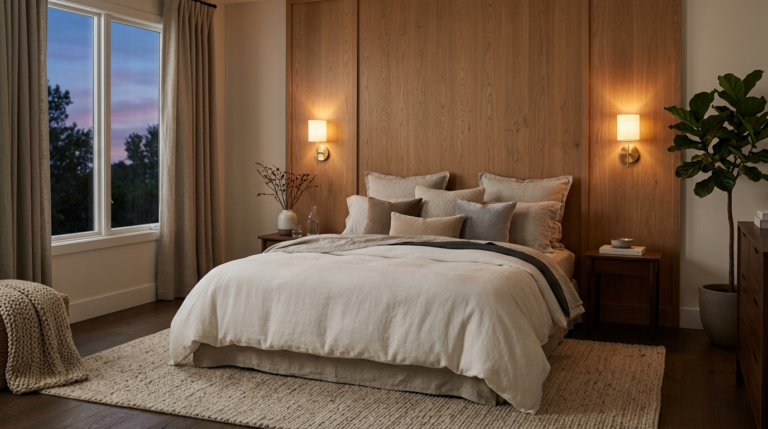
Furthermore, the way lighting interacts with these earth tones is crucial. As evening approaches, warm ambient lighting—such as brass wall sconces or a bedside lamp with a linen shade—will enhance the richness of these colors, creating a cocoon-like atmosphere. The interplay between the soft, golden light and the earthy walls or textiles creates an environment that feels protective and incredibly soothing, setting the perfect stage for a restorative night of sleep.
3. Curved Furniture and Soft, Flowing Silhouettes
The architecture of comfort is evolving, moving away from rigid, angular lines and harsh geometric shapes. Enter the era of curved furniture and soft, flowing silhouettes. This trend is heavily influenced by the organic forms found in nature, aiming to eliminate sharp corners that can subconsciously feel aggressive or restrictive in a space meant for ultimate relaxation. From arched headboards to rounded nightstands, introducing curves into your bedroom layout instantly softens the visual landscape of the room.
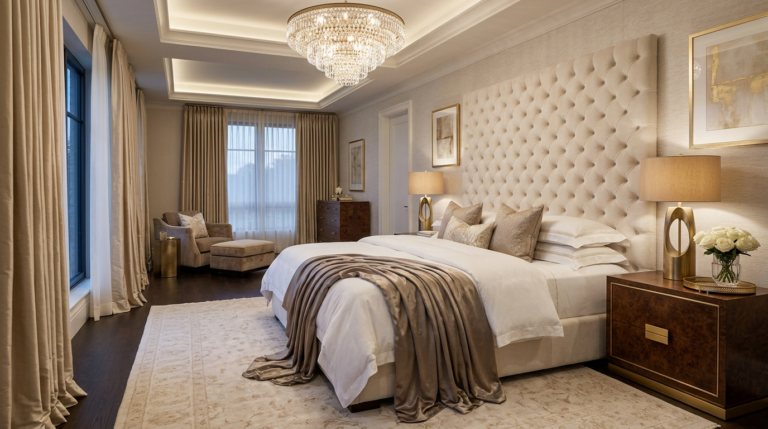
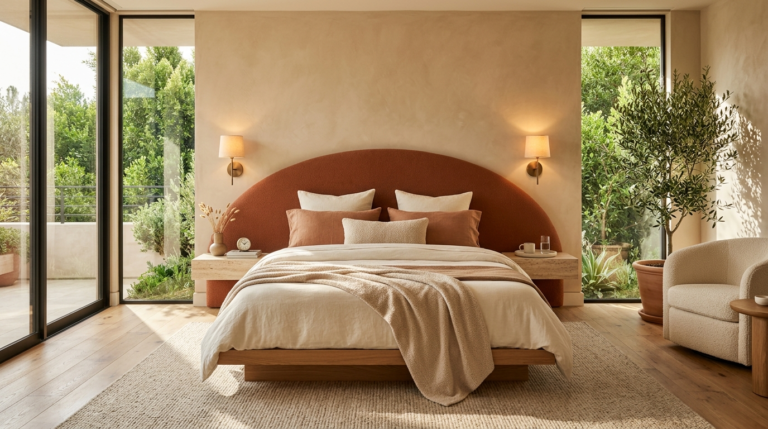
One of the most popular ways to embrace this trend is through a statement bed frame. Upholstered beds with gently sweeping, curved headboards in tactile fabrics like velvet or bouclé serve as a stunning, cloud-like focal point. Accompany this with a rounded, drum-style bedside table or a plush, circular ottoman placed at the foot of the bed. These softer shapes encourage a more fluid, natural movement around the room, improving the overall flow and energy of the space.
Even small additions can make a significant impact. Consider hanging a large, organically shaped or arched mirror on the wall, replacing rigid rectangular artwork with pieces that feature sweeping, abstract curves, or selecting a globe-shaped pendant light. By layering these soft, undulating lines, you strip away the formality of traditional bedroom design, leaving behind a space that feels inherently gentle, forgiving, and deeply comfortable.
4. Mindful Minimalism and Purposeful Decluttering
Minimalism in the bedroom is no longer about living in an empty, sterile white box. Instead, it has evolved into mindful minimalism—a philosophy heavily influenced by the Japanese concept of wabi-sabi and Scandinavian design principles (often referred to as Japandi style). This approach emphasizes intentionality; it is about surrounding yourself only with items that serve a specific functional purpose or bring you profound joy, while ruthlessly eliminating visual noise that can contribute to underlying stress and anxiety.
The first step to achieving a mindful minimalist bedroom is addressing clutter. A chaotic visual environment directly translates to a chaotic mind, making it incredibly difficult to wind down at night. Invest in smart, hidden storage solutions. Utilize under-bed storage boxes for out-of-season clothing, choose nightstands with deep drawers rather than open shelving, and ensure your closet is impeccably organized. When the surfaces of your room are clear, the mind is given permission to rest.
Once the clutter is managed, focus on purposeful curation. Select a few highly meaningful pieces of decor rather than overwhelming the space with knick-knacks. A single, large-scale piece of artwork, a beautifully crafted ceramic vase, or a stack of carefully chosen books on your nightstand is far more impactful than a dozen smaller, disconnected items. This intentional approach allows the beauty of your essential furniture and the quality of your materials to truly shine, resulting in a bedroom that feels expansive, breathable, and serenely calm.
5. Luxurious Layered Textures for Tactile Comfort
While color palettes may be trending toward the muted and the minimal, texture is stepping up to take center stage. Because modern bedrooms are focusing on simpler, cleaner lines and fewer objects, introducing a rich variety of textures is essential to prevent the space from feeling flat or unwelcoming. Layering different materials creates visual depth, intrigue, and a profound sense of tactile luxury that beckons you to curl up and relax.
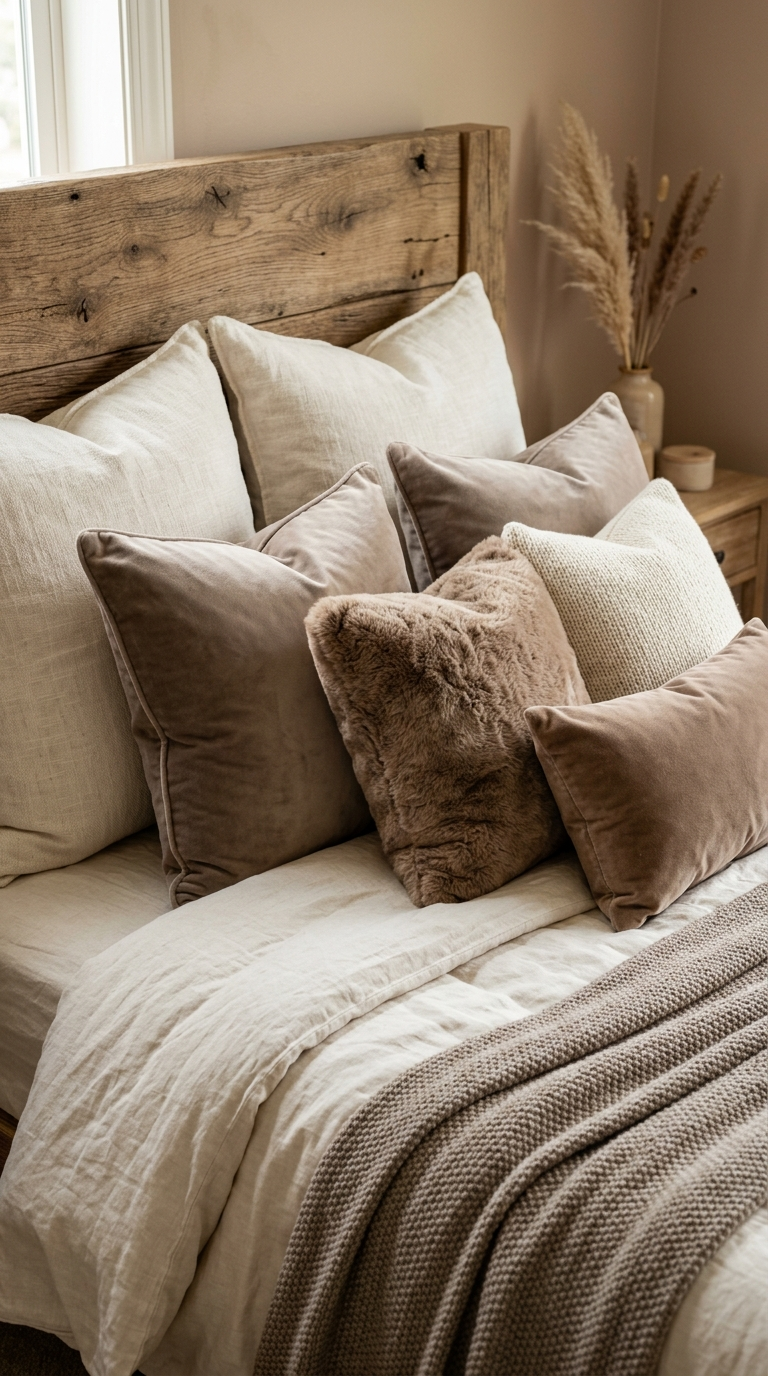
The bed itself is the primary canvas for this textural exploration. Start with high-quality, breathable foundation sheets—such as organic cotton percale or authentic European flax linen. Linen, in particular, offers a beautiful, slightly rumpled wabi-sabi aesthetic that effortlessly communicates relaxed luxury. Over the sheets, drape a heavier, contrasting material. A chunky knit wool throw or a softly textured waffle-weave blanket placed at the foot of the bed adds immediate coziness. Do not forget the pillows; mix and match cases made of smooth silk, nubby bouclé, and soft brushed cotton.
Beyond the bed, expand your textural layering throughout the room. If you have sleek hardwood floors, ground the space with a deeply plush, high-pile Moroccan rug or a natural sheepskin throw beside the bed for your feet to sink into each morning. Contrast smooth, painted walls with a rough-hewn wooden bench or a sleek, polished stone tray on your dresser. It is this deliberate juxtaposition of rough and smooth, matte and glossy, soft and firm that brings a master bedroom to life, making it a feast for the senses.
6. Creating Dedicated Analog Zones for Disconnection
In our hyper-connected, always-on modern world, the bedroom must serve as the ultimate boundary against digital intrusion. One of the most vital lifestyle and design trends is the creation of dedicated analog zones within the personal space. This means intentionally designing specific areas of the bedroom that are entirely free from screens, smartphones, and televisions, dedicated solely to offline, restorative activities.
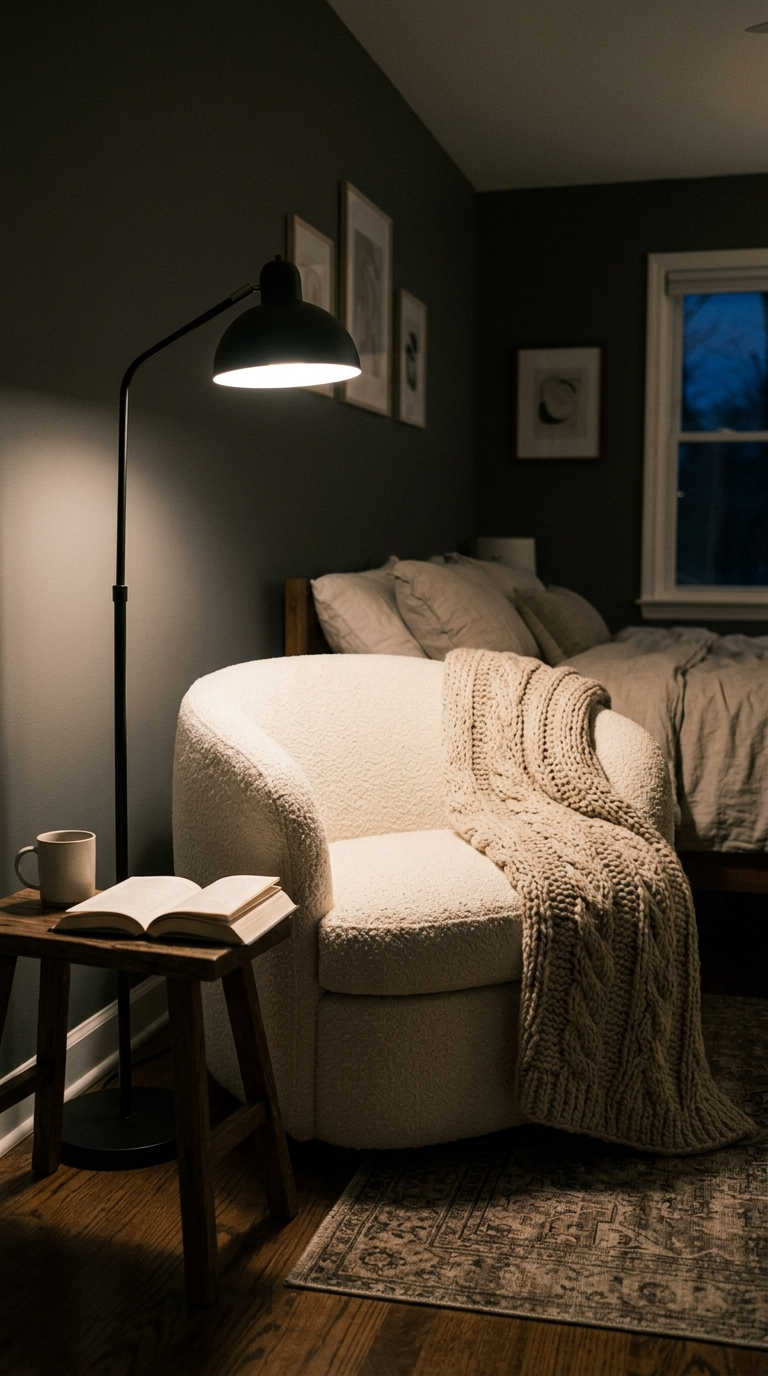
If space permits, create a cozy reading nook in an empty corner. Pair a supremely comfortable armchair with a dedicated task light—like an elegant brass floor lamp—and a small side table just large enough to hold a mug of herbal tea and your current novel. This provides a specific physical location to transition from the active daytime mindset to a restful nighttime state, signaling to your brain that it is time to slow down.
Alternatively, you might carve out a small meditation space or a stretching zone. A soft woven floor cushion, a high-quality yoga mat, and a subtle aromatherapy diffuser can transform a few square feet into a daily wellness retreat. By ensuring that these activities have their own designated, beautiful space within your bedroom, you reinforce the room’s primary purpose as a sanctuary for self-care, rest, and genuine disconnection from the demanding outside world.
Conclusion: Crafting Your Personal Sanctuary
Transforming your bedroom into a restful sanctuary is one of the most rewarding investments you can make in your personal well-being. By embracing these contemporary design trends—incorporating biophilic natural elements, grounding your space with warm earth tones, opting for soft, curved silhouettes, practicing mindful minimalism, layering luxurious textures, and carving out tech-free analog zones—you can drastically alter the atmosphere of your room. It is not just about making a space look ready for a magazine cover; it is about designing a functional, emotional retreat.
Remember that interior design is highly deeply personal. You do not need to implement every single trend to achieve a beautiful result. Pick and choose the elements that resonate most strongly with your personal aesthetic and lifestyle needs. Take your time curating your space, investing in high-quality materials that feel wonderful to the touch, and prioritizing your comfort above all else. With a thoughtful approach, your bedroom will soon become your favorite room in the house—a peaceful, stylish sanctuary where you can truly rest and recharge.
Step into a world of sophisticated bedroom design. Uncover the secrets to layering textures, selecting premium palettes, and designing a luxury retreat.
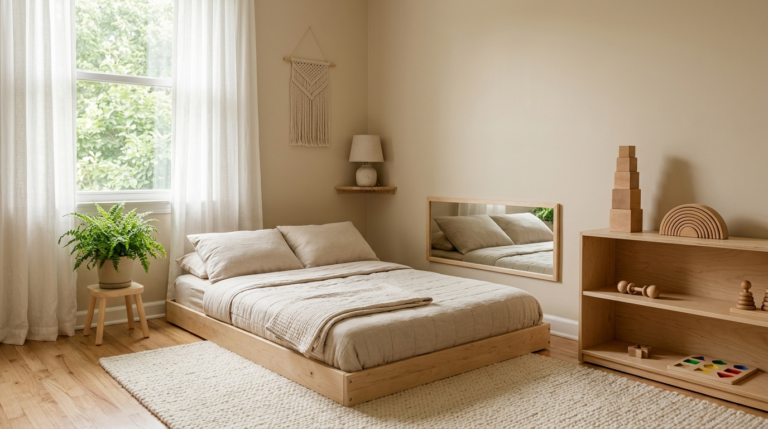
Learn exactly how to design a beautiful, functional, and calming Montessori nursery. Discover step-by-step tips to foster creativity and independence in your child’s space.
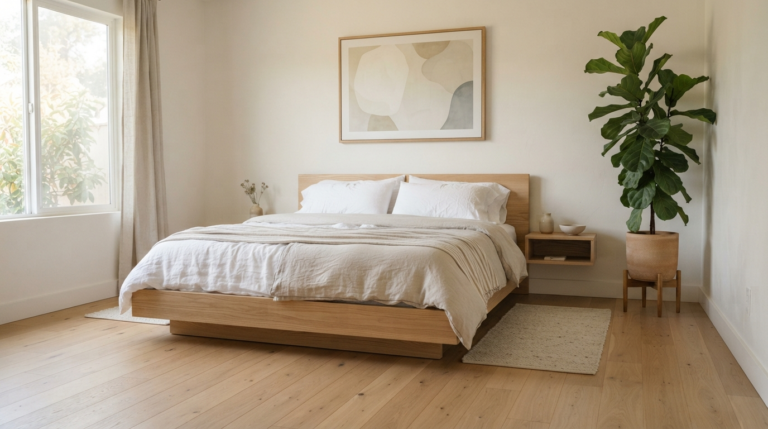
Create a serene retreat with these stunning minimalist bedroom ideas. Embrace clean lines, neutral palettes, and clever organization for ultimate peace.
Discover the hidden layout errors and lighting blunders ruining your bedroom oasis. Learn how to optimize your personal space for deep, restorative sleep.
Discover the hottest bedroom design trends of the year. From calming color palettes to smart layout solutions, learn how to elevate your sleeping space.
Struggling to focus? You might be making these critical home office design mistakes. Learn how to optimize lighting, layout, and decor for a productive space.