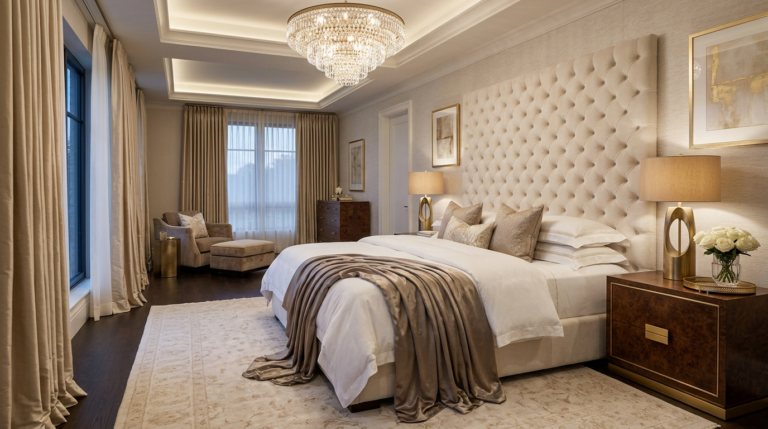
Your bedroom is far more than just a place to sleep; it is your ultimate personal sanctuary, a retreat from the demanding pace of the outside world. Cultivating a cozy and inviting atmosphere in this essential space is paramount for both mental well-being and physical rest. When you intentionally design your bedroom to prioritize comfort, warmth, and serenity, you create an environment that naturally encourages relaxation and rejuvenation. In this comprehensive guide, we will explore seventeen meticulously curated cozy bedroom ideas that will transform your personal space into a haven of tranquility and rustic charm. From selecting the perfect foundational elements to curating thoughtful finishing touches, every aspect of your bedroom can be optimized for maximum comfort. We will delve into the transformative power of layered textiles, the psychological impact of warm color palettes, the necessity of ambient lighting, and the integration of natural materials. By embracing these design principles, you can craft a personalized retreat that not only looks beautifully styled but also feels profoundly restorative. Let us embark on this journey to elevate your personal space into the ultimate relaxing retreat.
1. Embrace Warm, Earthy Color Palettes
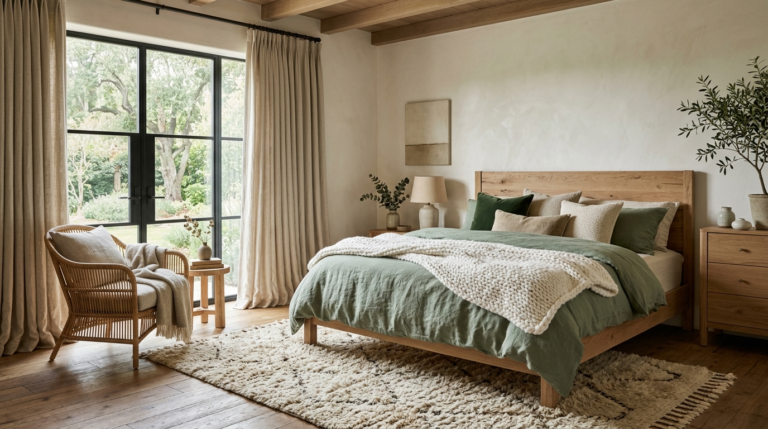
The foundation of any cozy bedroom begins with the color palette. Moving away from stark, clinical whites and overly cool tones is the first step toward creating a warm, inviting atmosphere. Embrace earthy hues such as soft terracotta, warm beige, muted mustard, deep olive green, and rich chocolate brown. These colors draw inspiration from nature, immediately evoking a sense of groundedness and stability. When applying these colors, consider wrapping the entire room—including the ceiling—in a soft, warm hue to create a cocooning effect. This technique, often referred to as color drenching, eliminates sharp visual boundaries and allows the mind to relax completely. If painting the entire room feels too bold, introduce these warm tones through substantial elements like an oversized area rug, heavy linen curtains, or a deeply colored upholstered headboard. The psychological impact of these colors is profound; they lower the heart rate and signal to the brain that it is time to unwind and rest.
2. Invest in High-Quality, Layered Bedding
The bed is undeniably the focal point of the bedroom, and its visual and tactile appeal dictates the overall coziness of the space. To achieve that irresistibly plush, cloud-like look, the secret lies in strategic layering. Start with high-quality, breathable foundations such as percale or sateen cotton sheets. Next, introduce texture with a chunky knit throw or a linen duvet cover. The contrast between smooth sheets and textured outer layers creates visual depth and tactile interest. Do not underestimate the power of pillows; a combination of standard sleeping pillows, oversized Euro shams, and varied decorative throw pillows adds immense volume and comfort. Opt for natural fibers like wool, cotton, and linen, which not only look beautiful but also regulate body temperature effectively throughout the night. A well-layered bed invites you to dive in and immediately physically insulates you from the stresses of the day.
3. Incorporate Rustic Wood Elements
Integrating natural wood elements is a surefire way to infuse a bedroom with rustic charm and organic warmth. Wood inherently brings a sense of the outdoors inside, grounding the space and adding essential texture. Consider a reclaimed wood headboard, which serves as a stunning, tactile centerpiece. Alternatively, introduce wood through substantial side tables, a vintage dresser, or exposed ceiling beams. The variations in the wood grain, the knots, and the slight imperfections add character and a sense of history to the room. When selecting wood pieces, opt for matte or natural finishes rather than highly polished or glossy surfaces, as these maintain the authentic, cozy aesthetic. Even small wooden accents, such as a carved wooden bowl for jewelry or a rustic wooden picture frame, can contribute to the overall warmth of the personal space.
4. Master the Art of Ambient Lighting
Lighting is arguably the most critical element in establishing a cozy mood. Harsh, overhead central lighting is the enemy of a relaxing atmosphere. Instead, the goal is to create a soft, warm glow through multiple layered light sources. Bedside table lamps with linen or fabric shades diffuse light beautifully, providing the perfect illumination for evening reading without straining the eyes. Wall-mounted sconces on either side of the bed free up nightstand space while adding an elegant architectural element. Consider installing a dimmer switch on your main overhead light to allow for complete control over the brightness levels. Additionally, low-level lighting, such as a small lamp on a dresser or even soft, warm-toned string lights draped over a mirror, can add a magical, enchanting quality to the bedroom. Always choose bulbs with a warm color temperature (around 2700K) to replicate the comforting glow of candlelight or a setting sun.
5. Introduce Plush Underfoot Textures
The sensory experience of a bedroom extends to what you feel underfoot when you step out of bed in the morning. Hardwood or tile floors, while beautiful, can feel cold and stark. Softening the floor with a large, plush area rug instantly elevates the coziness of the room. A thick, Moroccan-style shag rug, a deeply textured wool rug, or even a faux sheepskin layered beside the bed provides a welcoming landing pad for bare feet. The rug should ideally be large enough to extend significantly beyond the sides and foot of the bed, anchoring the furniture and tying the room’s color palette together. This addition of textile not only improves the tactile experience but also significantly dampens acoustics, making the bedroom quieter and more serene.
6. Create a Dedicated Reading Nook
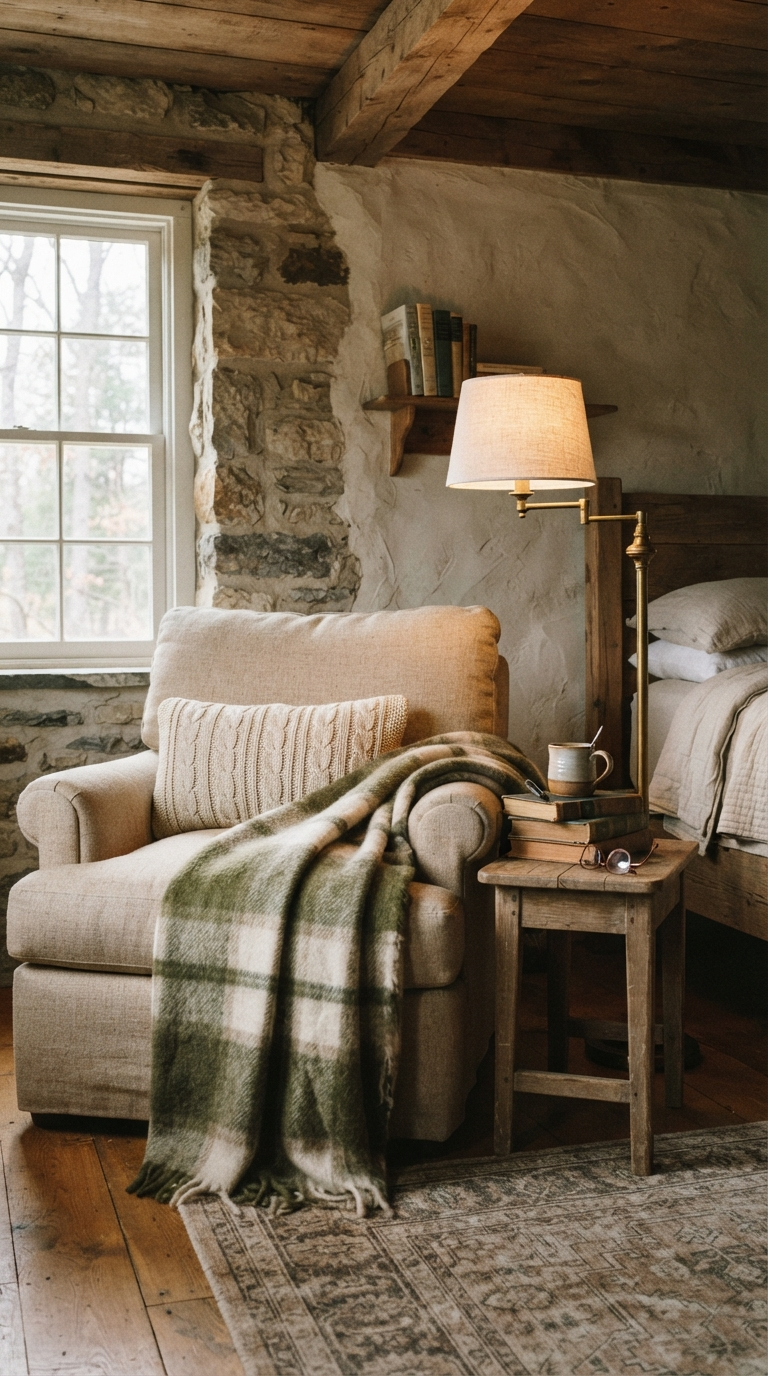
If space permits, establishing a dedicated seating area or reading nook within the bedroom enhances its function as a personal retreat. A comfortable, overstuffed armchair nestled in a corner, accompanied by a small side table and a dedicated reading lamp, creates a perfect sanctuary within a sanctuary. This space provides a physical separation from the bed, offering a place to relax, read, or enjoy a morning coffee without having to retreat under the covers. Drape a cozy, oversized throw blanket over the chair and add a textured lumbar pillow to make the nook undeniably inviting. This addition transforms the bedroom from merely a room for sleeping into a holistic living space designed for ultimate relaxation and personal time.
7. Utilize Heavy, Light-Blocking Window Treatments
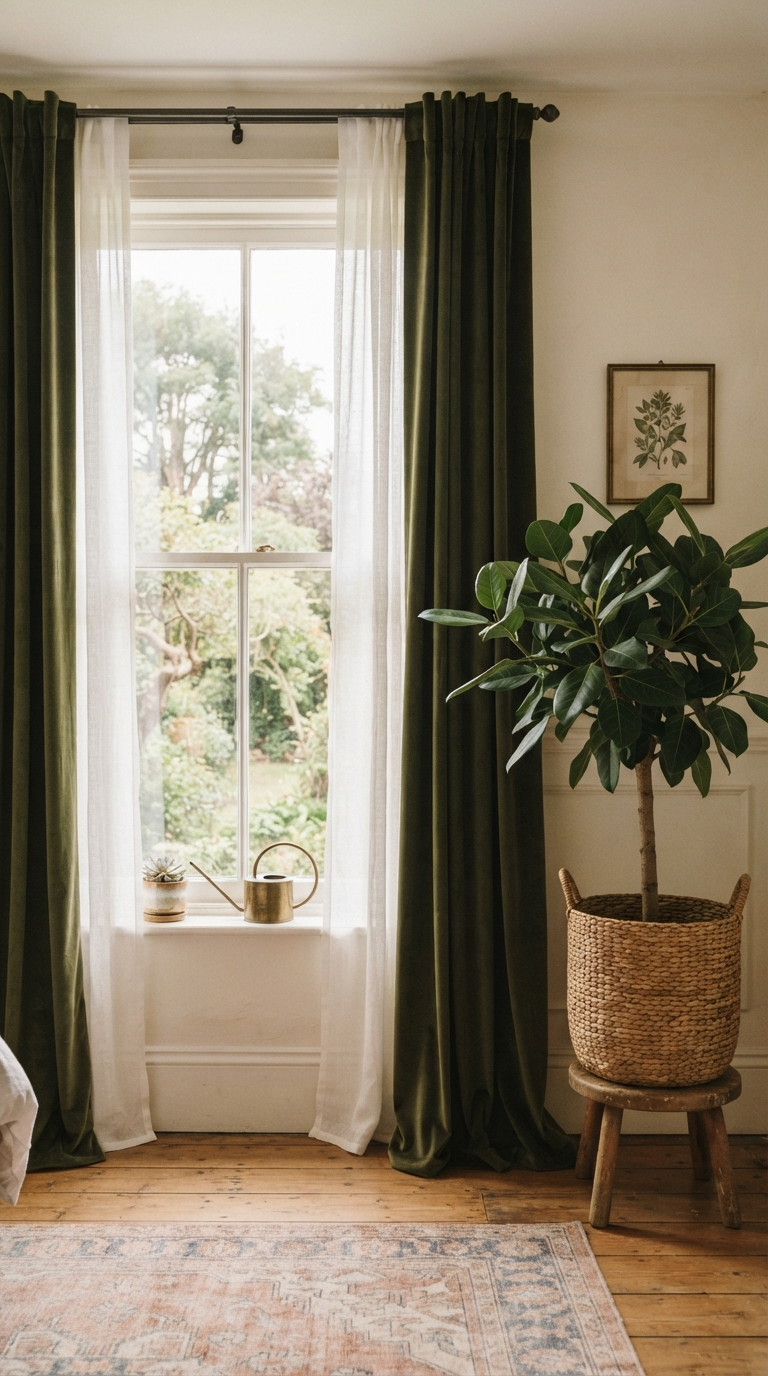
Window treatments play a dual role in a cozy bedroom: they are essential for both aesthetics and practical sleep hygiene. To foster a truly relaxing retreat, your curtains or blinds must be capable of blocking out intrusive streetlights and early morning sun. Heavy, luxurious drapes made from velvet, thick linen, or lined cotton add a significant amount of visual weight and texture to the walls, enveloping the room in warmth. Floor-to-ceiling drapery also draws the eye upward, making the ceilings appear higher while simultaneously making the room feel more enclosed and intimate. For maximum versatility, employ a double-track system with sheer curtains closest to the window for daytime privacy and soft light diffusion, and heavy blackout drapes in front to create a perfectly dark, cozy sleep environment at night.
8. Integrate Houseplants for Natural Vitality
Bringing elements of nature indoors is a fundamental principle of cozy, relaxing design. Houseplants breathe life into a bedroom, softening hard architectural lines and adding vibrant, organic color. Beyond their visual appeal, many plants improve indoor air quality and increase humidity, contributing to a healthier sleep environment. Consider placing a tall, leafy floor plant, such as a Ficus Audrey or a Snake Plant, in an empty corner to add vertical interest. Smaller plants, like trailing Pothos or Philodendrons, look beautiful cascading from a high shelf or resting on a dresser. Plant pots also offer an opportunity to introduce more texture; choose woven baskets, terracotta pots, or textured ceramics that align with the rustic, earthy aesthetic of the room.
9. Curate Meaningful Personal Artifacts
A cozy personal space should unequivocally reflect the person who inhabits it. Surrounding yourself with meaningful objects, art, and photographs brings a deep sense of comfort and belonging to the bedroom. Rather than adhering strictly to a catalog-perfect design, display items that tell your personal story. This could include a collection of vintage books on a nightstand, a framed piece of art collected during travels, or a cherished heirloom subtly placed on a dresser. However, the key is curation—avoid clutter, which can induce anxiety. Select a few highly meaningful pieces that bring you joy every time you look at them. This intentional personalization ensures that the room feels genuinely yours, enhancing its status as a private, safe retreat.
10. Embrace the Power of Scent
The olfactory experience is deeply tied to memory and emotion, making scent a powerful tool in creating a relaxing bedroom environment. Introducing calming fragrances can signal to your brain that it is time to unwind. Lavender, chamomile, cedarwood, and sandalwood are classic, soothing scents that promote relaxation. Incorporate these through an essential oil diffuser, which also adds a gentle, rhythmic hum and a soft mist to the room. Alternatively, high-quality soy candles offer both beautiful fragrance and the warm, flickering ambient light that enhances coziness. Linen sprays applied lightly to pillows before bed can also create a luxurious, spa-like ritual that prepares the mind and body for deeply restorative sleep.
11. Minimize Electronic Distractions
To truly cultivate a relaxing retreat, it is essential to minimize the presence of electronics in the bedroom. Televisions, computers, and even excessive charging stations introduce blue light and an energy of productivity or entertainment that actively works against the goal of rest. If possible, banish the television from the bedroom entirely. If you must keep your phone in the room, establish a charging station across the room, rather than right next to the bed, to discourage late-night scrolling. By reducing digital clutter, you create a physical and mental boundary, reinforcing that the bedroom is a space dedicated solely to sleep, intimacy, and relaxation.
12. Focus on Architectural Details
If your bedroom feels like a plain, uninspiring box, adding architectural details can dramatically increase its coziness and character. Consider installing wainscoting, beadboard, or board-and-batten on the walls to introduce texture and a sense of craftsmanship. A subtle, textured wallpaper, such as a grasscloth, can envelop the room in warmth without overwhelming the space with pattern. Even updating standard builder-grade trim, baseboards, and interior doors to more substantial, classic profiles can elevate the entire feel of the room. These architectural layers provide a rich, visually interesting backdrop that makes any furniture and decor placed within the room feel more intentional and anchored.
13. Optimize Your Storage Solutions
Visual clutter directly translates to mental clutter, making it impossible for a bedroom to feel truly relaxing. Optimizing your storage is therefore a crucial step in creating a cozy retreat. Invest in nightstands with drawers rather than open shelving to hide everyday necessities like reading glasses, hand cream, and charging cables. Utilize the space under the bed with rolling storage bins for out-of-season clothing or extra linens. Keep dresser surfaces clear, displaying only a few curated items. By ensuring that everything has a designated, hidden place, you maintain a calm, serene visual landscape that allows the mind to rest the moment you walk through the door.
14. Upgrade Your Hardware and Fixtures
Small details can make a significant impact on the overall feel of a room. Swapping out generic, mass-produced hardware on dressers, nightstands, and doors for something with more character is a quick and effective upgrade. Consider unlacquered brass, which develops a beautiful, warm patina over time, or matte black iron for a more rustic, grounded touch. Replacing a standard ceiling fan or basic overhead light fixture with a statement piece—such as a woven rattan pendant or an elegant, vintage-inspired chandelier—can completely alter the room’s aesthetic. These tactile and visual upgrades communicate a sense of luxury and careful attention to detail, enhancing the bespoke, cozy nature of the space.
15. The Importance of a Substantial Headboard
A bed without a headboard often feels unanchored and visually incomplete. A substantial headboard provides a psychological sense of security and a physical backrest for reading or lounging. For maximum coziness, an upholstered headboard in a textured fabric like velvet, bouclé, or washed linen is ideal. It adds softness to the hard lines of the room and serves as a comfortable barrier between the sleeper and the cold wall. If an upholstered headboard isn’t to your taste, a solid, richly stained wood headboard can provide the necessary visual weight and rustic warmth. The headboard is the anchor of the room; investing in a piece you love will dramatically elevate the entire space.
16. Layer Vintage and Antique Pieces
To prevent a newly decorated bedroom from feeling too sterile or showroom-like, integrate vintage or antique pieces. A weathered antique bench placed at the foot of the bed, a vintage brass mirror resting on a dresser, or a gently worn antique rug adds instant soul and history to the room. These pieces possess a patina and a unique character that cannot be replicated by new furniture. The juxtaposition of crisp, new bedding with a beautifully aged piece of wood furniture creates a dynamic, layered aesthetic that feels collected over time. This approach to design results in a space that feels deeply personal, enduringly cozy, and uniquely yours.
17. Keep the Space Symmetrical and Balanced
While an overly rigid room can feel formal, a general sense of symmetry is deeply pleasing to the human eye and promotes a feeling of calm. In a bedroom, this is most easily achieved by centering the bed on the primary wall and flanking it with matching or visually balanced nightstands and reading lamps. This balanced layout creates a structured, orderly environment where the brain doesn’t have to work hard to process the visual information. You can introduce asymmetry and organic flow through the placement of plants, the draping of blankets, or the arrangement of art, but maintaining a balanced foundation ensures the underlying structure of the room remains peaceful and restful. By thoughtfully applying these seventeen ideas, your bedroom will transform into the ultimate cozy sanctuary.
Transform your sleeping quarters into a luxurious sanctuary with these elegant bedroom design ideas. Discover premium textures, soothing tones, and lavish decor.
Transform your bedroom into a serene sanctuary by mastering the art of layering textures. Explore elegant ideas for bedding, rugs, and ambient lighting.
Step into a world of sophisticated bedroom design. Uncover the secrets to layering textures, selecting premium palettes, and designing a luxury retreat.
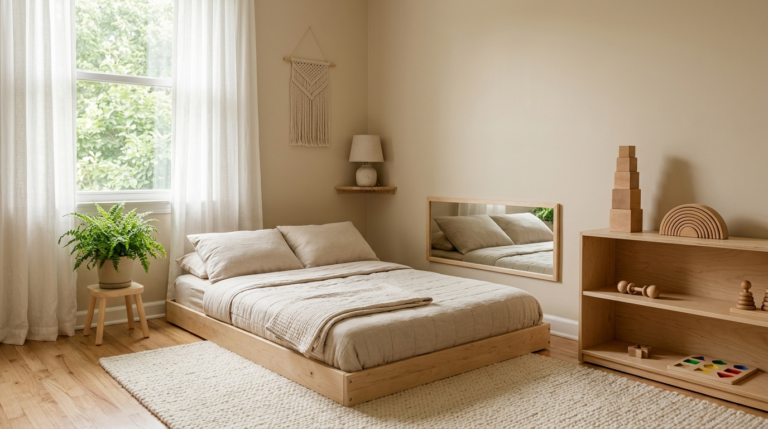
Learn exactly how to design a beautiful, functional, and calming Montessori nursery. Discover step-by-step tips to foster creativity and independence in your child’s space.
Transform your workspace with these clean, minimalist home office ideas. Discover how to boost productivity while keeping your space stylish and clutter-free!