In our modern era, the home office has transitioned from an occasional luxury to an absolute, daily necessity. Yet, far too many professionals are attempting to execute their best work while hunched over a laptop on a dining table, or squeezed into a dark, uninspiring corner of a guest bedroom. A poorly designed workspace actively drains your energy, diminishes your focus, and hinders your ultimate potential. Conversely, a thoughtfully planned, exquisitely designed home office acts as a powerful catalyst for productivity, creativity, and professional joy. This comprehensive, step-by-step guide is dedicated to teaching you exactly how to design an inspiring home office layout. Rooted in the principles of classic, warm editorial design, we will explore how to build a workspace that is not only highly functional and ergonomically sound, but also a deeply comforting, handsome environment where you genuinely look forward to spending your days.
1. Selecting the Location and Establishing the Layout
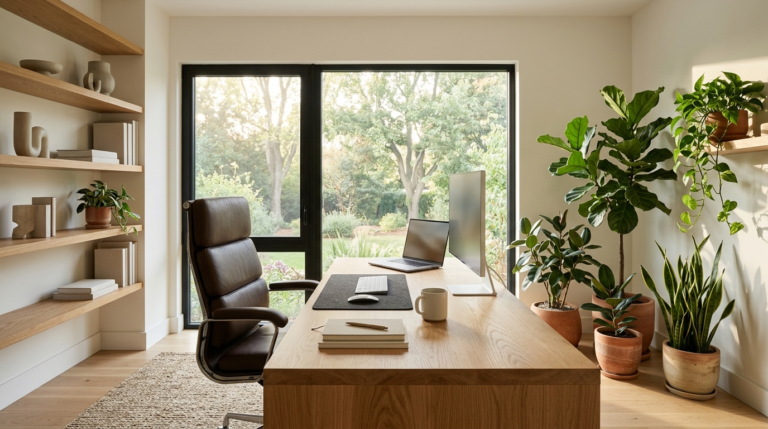
The foundation of a brilliant home office begins long before a desk is purchased; it starts with the strategic selection of the room and the mapping of the layout. You must prioritize natural light and acoustic separation. If possible, choose a room with large windows, preferably facing north or east to capture steady, indirect sunlight that won’t cause harsh screen glare throughout the day. Acoustic isolation from the busy, noisy zones of the house (like the kitchen or living room) is paramount for maintaining deep focus.
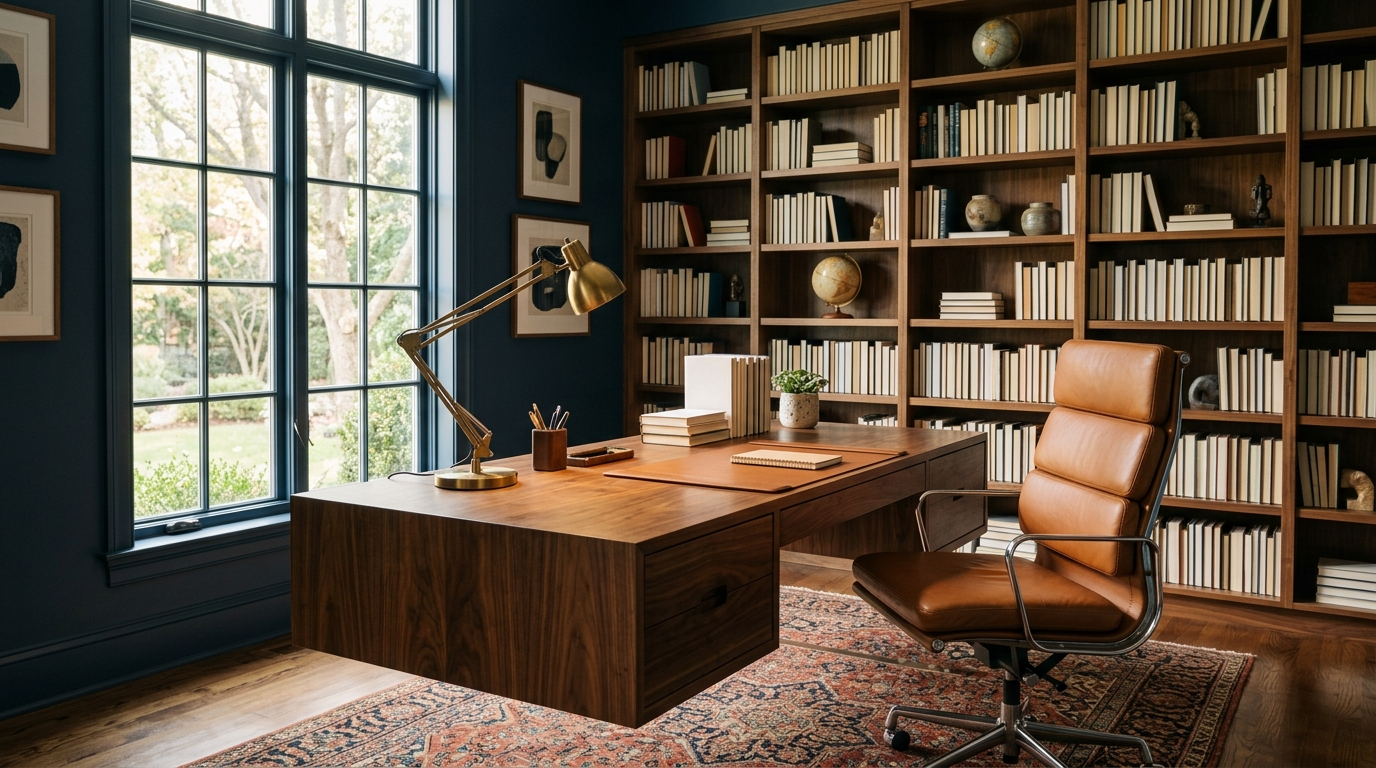
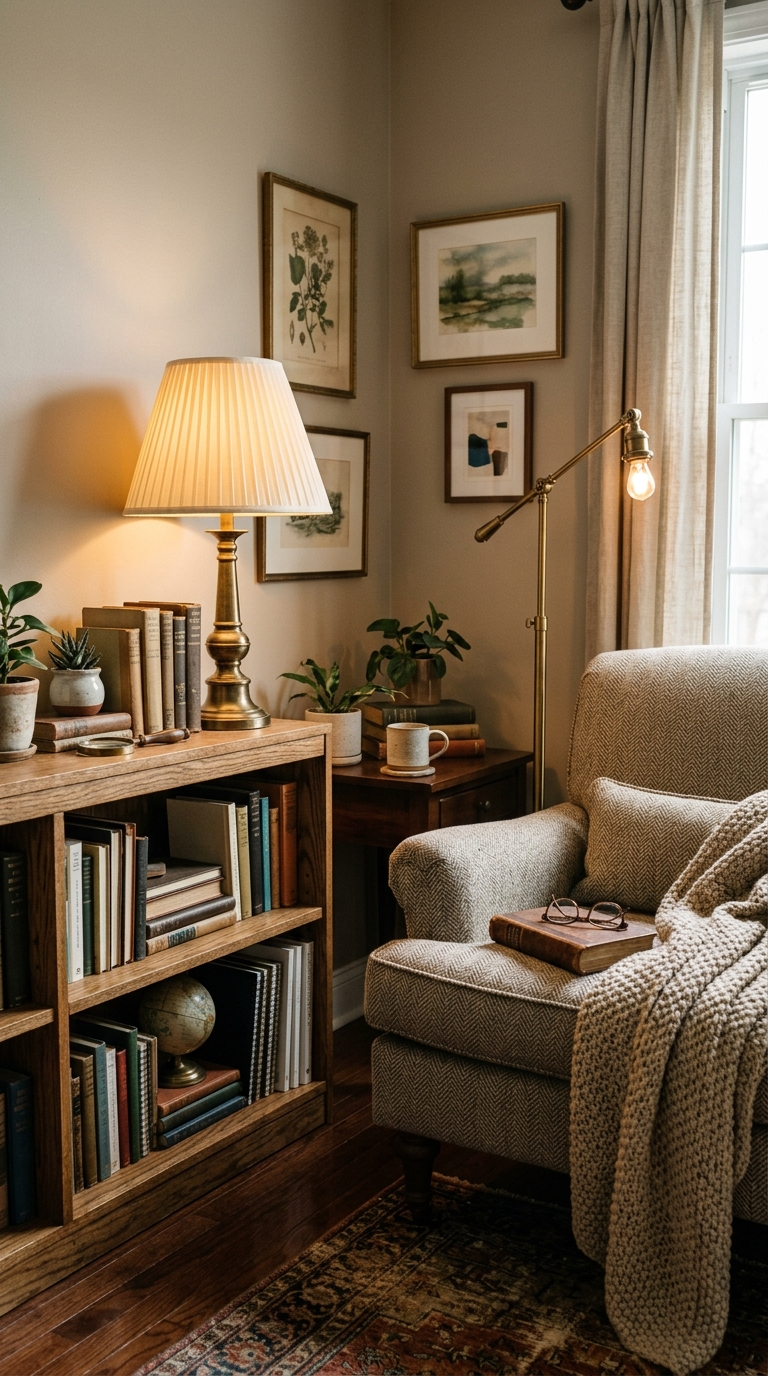
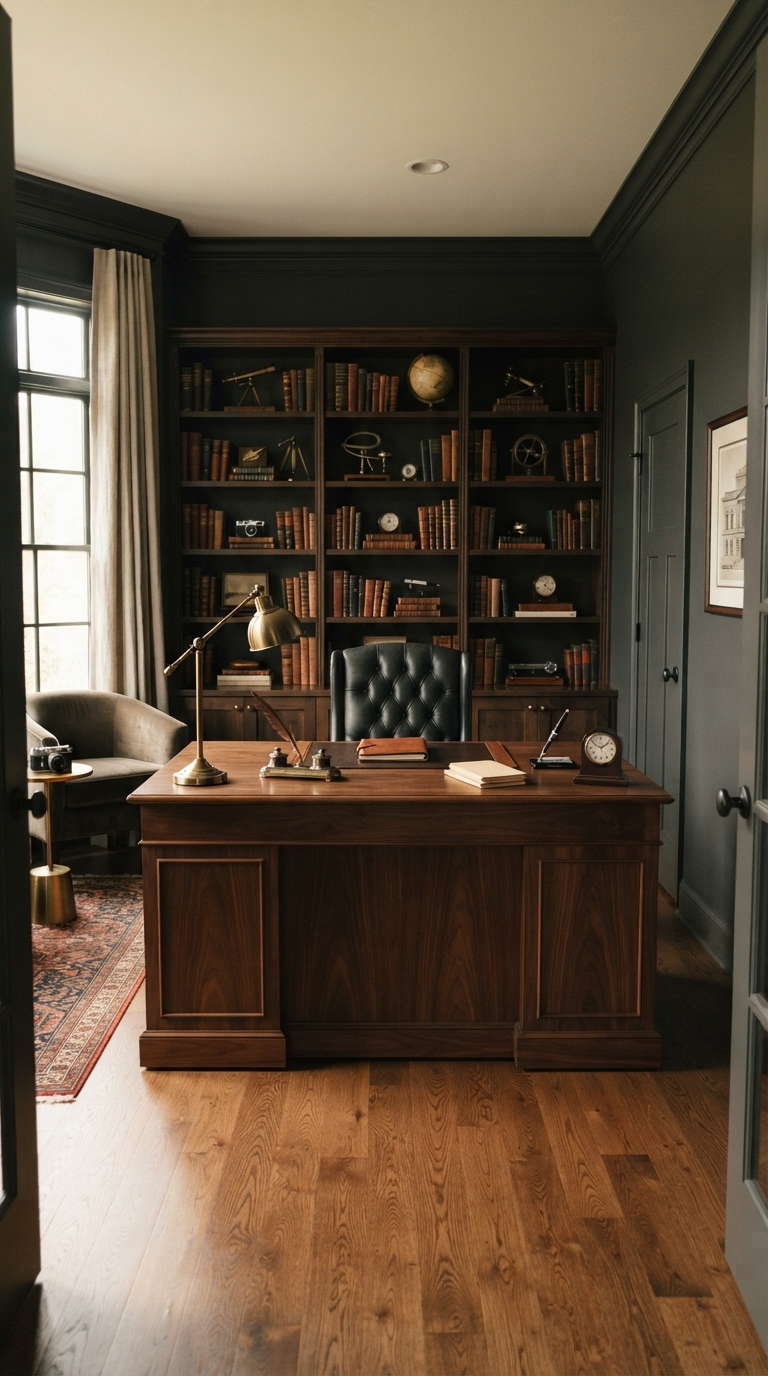
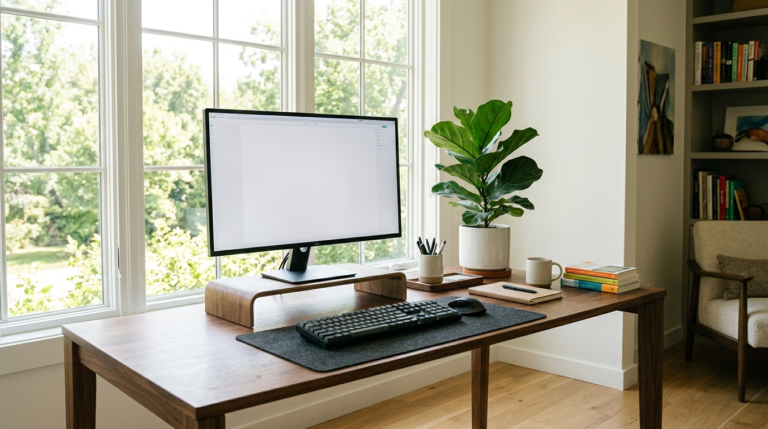
Once the room is selected, you must master the layout. The most critical mistake is shoving the desk blindly against a wall. Instead, employ the ‘command position,’ a principle borrowed from feng shui and favored by executive designers. Place your desk in the center of the room, or floating away from the wall, facing the primary entrance. This arrangement allows you to see anyone entering the space, providing a subconscious feeling of security and control. If you must face a window, ensure your desk is positioned perpendicular to the glass to minimize glare while still allowing you to rest your eyes by looking out at the horizon. Leave at least three feet of clearance behind the desk for comfortable chair movement, and establish clear physical zones within the room: a primary work zone (the desk), a storage zone (bookshelves or filing), and ideally, a small reading or contemplation zone (a comfortable armchair in a corner).
2. Investing in the Ergonomic Foundation
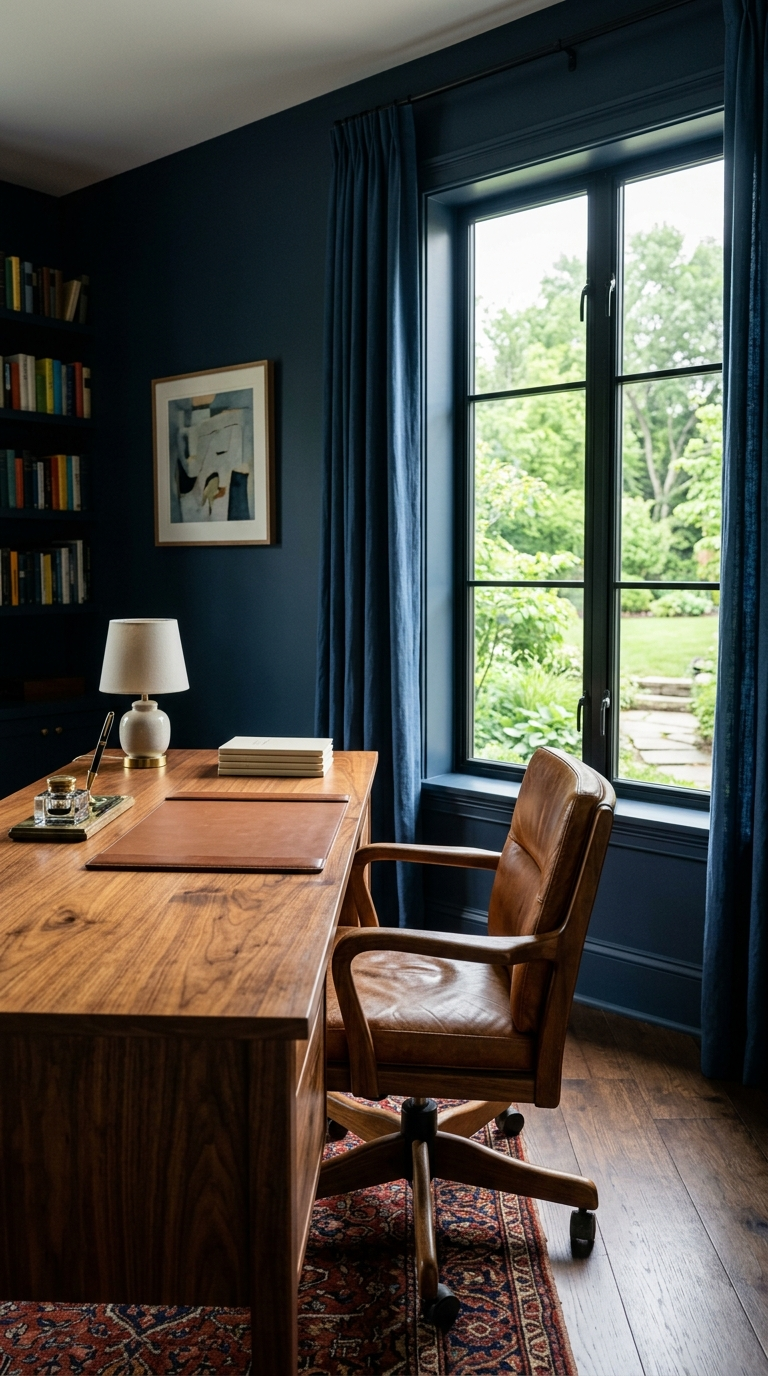
A classic, warm editorial aesthetic should never compromise your physical health. The core of your office—the desk and the chair—must be ruthlessly ergonomic, wrapped in beautiful materials. The chair is arguably the most important investment you will make. Abandon the stiff, antique wooden chairs that destroy your posture. Seek out a high-end, fully adjustable ergonomic task chair, but choose one upholstered in a rich, warm material like supple, cognac-colored aniline leather or a deeply textured wool tweed. This marries the necessity of spinal support with a classic, sophisticated aesthetic.
For the desk, scale and stability are crucial. A large, expansive surface is necessary to spread out documents and accommodate multiple monitors without feeling cluttered. In a warm editorial space, look for solid, rich woods—a massive walnut writing desk, a rich mahogany executive table, or a custom oak slab. Ensure the desk height is appropriate; when sitting with your feet flat on the floor, your arms should rest at a comfortable 90-degree angle on the surface. If you prefer movement, a premium sit-stand desk with a solid wood top and whisper-quiet motors offers the perfect blend of modern health benefits and classic visual weight.
3. Mastering the Warm Editorial Lighting Strategy
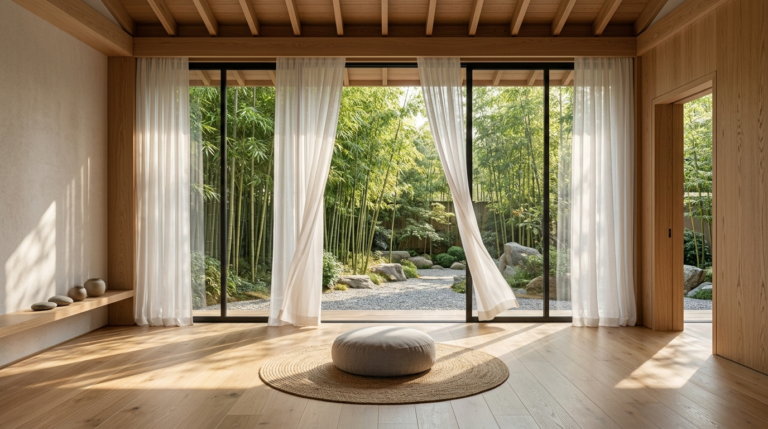
Lighting in a home office directly impacts both your mood and your stamina. Fluorescent tubes or single, harsh overhead bulbs are the enemies of a productive, inspiring environment. You must implement a sophisticated, multi-layered lighting strategy that reduces eye strain and cultivates a warm, inviting atmosphere. Begin by maximizing your natural daylight, using sheer linen curtains to gently diffuse the sun.
Next, establish your task lighting. A high-quality desk lamp is non-negotiable. Choose an articulated architectural lamp in aged brass or brushed bronze; this allows you to precisely direct a pool of bright light exactly where you are reading or writing, without washing out your computer screen. Finally, introduce ambient lighting to soften the room. Place classic, pleated-shade table lamps on your bookshelves or a handsome floor lamp near your reading chair. Equip all fixtures with warm-toned LED bulbs (around 2700K to 3000K). This warm, layered approach mimics the comforting glow of an old-world library, reducing fatigue and creating a space that feels deeply intellectual and welcoming.
4. Elegant Storage and Cable Management
A cluttered desk is the symptom of a cluttered mind. To maintain sharp focus and a premium aesthetic, your home office requires rigorous, yet elegant, organizational systems. The classic editorial look relies heavily on beautiful built-in cabinetry or substantial, freestanding bookcases. Use these not just for storing essential reference materials, but also for hiding the unsightly necessities of modern work.
Designate specific, closed cabinets or deep drawers for items like printers, reams of paper, and ugly office supplies. Open shelving should be curated meticulously, displaying beautifully bound books, framed qualifications, and select pieces of art or sculpture. Crucially, you must conquer cable management. A nest of tangled black wires hanging behind your beautiful walnut desk will instantly ruin the entire aesthetic. Invest time in routing cables through grommets, using under-desk wire trays, and tying cords tightly together. When the technology is seamlessly integrated and the clutter is banished behind solid wood doors, the office feels serene, orderly, and powerfully professional.
5. Styling for Focus and Personal Inspiration
The final layer of designing your home office involves styling the space to reflect your professional identity and spark personal inspiration, without crossing the line into distraction. In a classic warm editorial scheme, colors are typically grounded, rich, and sophisticated. Consider painting the walls in deep, immersive hues like a moody navy blue, a rich hunter green, or a warm, enveloping terracotta. These colors absorb light beautifully, create a sense of coziness, and provide a stunning backdrop for rich wood furniture and brass accents.
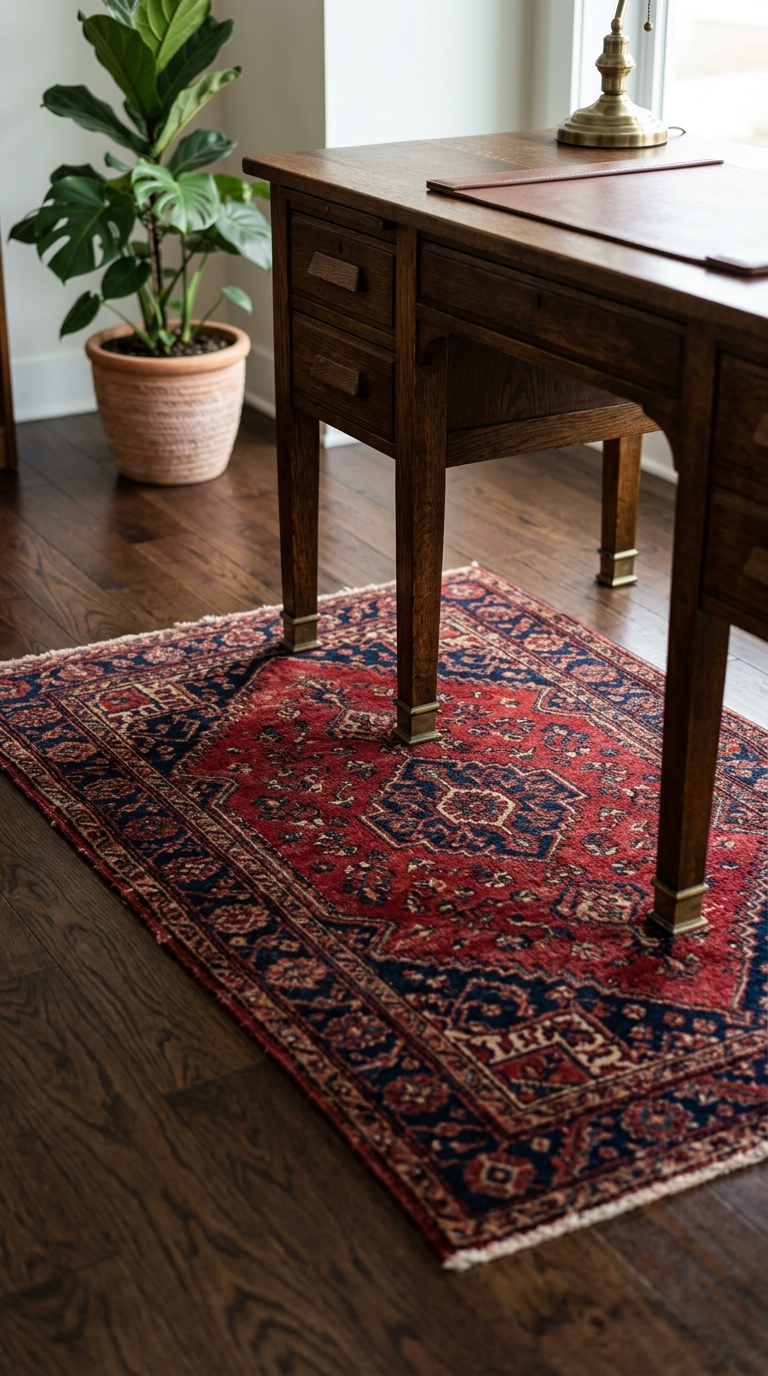
Introduce textiles to soften the hard surfaces of the technology and wood. A beautifully worn, vintage Persian rug placed under the desk anchors the room and adds incredible warmth and historical character. Hang large-scale, classic art—perhaps a vintage map, a moody landscape painting, or a series of framed architectural sketches. Finally, bring in life. A robust, thriving houseplant in a brass or terracotta pot sitting in the corner not only purifies the air but also adds a vital, organic element that breaks up the rigid lines of the office furniture. Surround yourself only with objects that signify success, calm, and focus to you.
Conclusion: Your Professional Sanctuary
Designing a productive and inspiring home office is a profound investment in your career, your daily well-being, and your mental clarity. By carefully selecting the command position layout, prioritizing uncompromising ergonomic support wrapped in beautiful materials, mastering a warm, layered lighting scheme, hiding the digital clutter, and styling with deep, classic tones, you elevate your workspace far beyond a mere desk in a room. You create a sophisticated, classic editorial sanctuary. This is an environment that commands respect, fosters deep, uninterrupted focus, and makes the simple act of sitting down to work a genuine pleasure. Implement these detailed steps, and watch as your new home office transforms the way you work and feel every single day.
Discover how to transform your home office into a cozy productivity oasis. Explore layout tips, ergonomic solutions, and decor ideas to inspire your best work.
Transform your child’s room into a wonderland with these whimsical DIY nursery projects. Step-by-step guides for magical canopies, sensory walls, and more!
Transform your home into a restorative haven. Discover expert design tips for creating beautiful wellness spaces that promote peace, focus, and relaxation.
Boost productivity and style with these clever home office design ideas, featuring smart desk storage, ergonomic chairs, and aesthetic decor inspiration. (158 chars)
Learn how to master the art of layering textures and fabrics to build a deeply comforting, visually stunning bedroom sanctuary that invites perfect sleep.
Transform your personal space into a serene sanctuary. Discover the most common bedroom decor mistakes to avoid and how to fix them for ultimate relaxation.