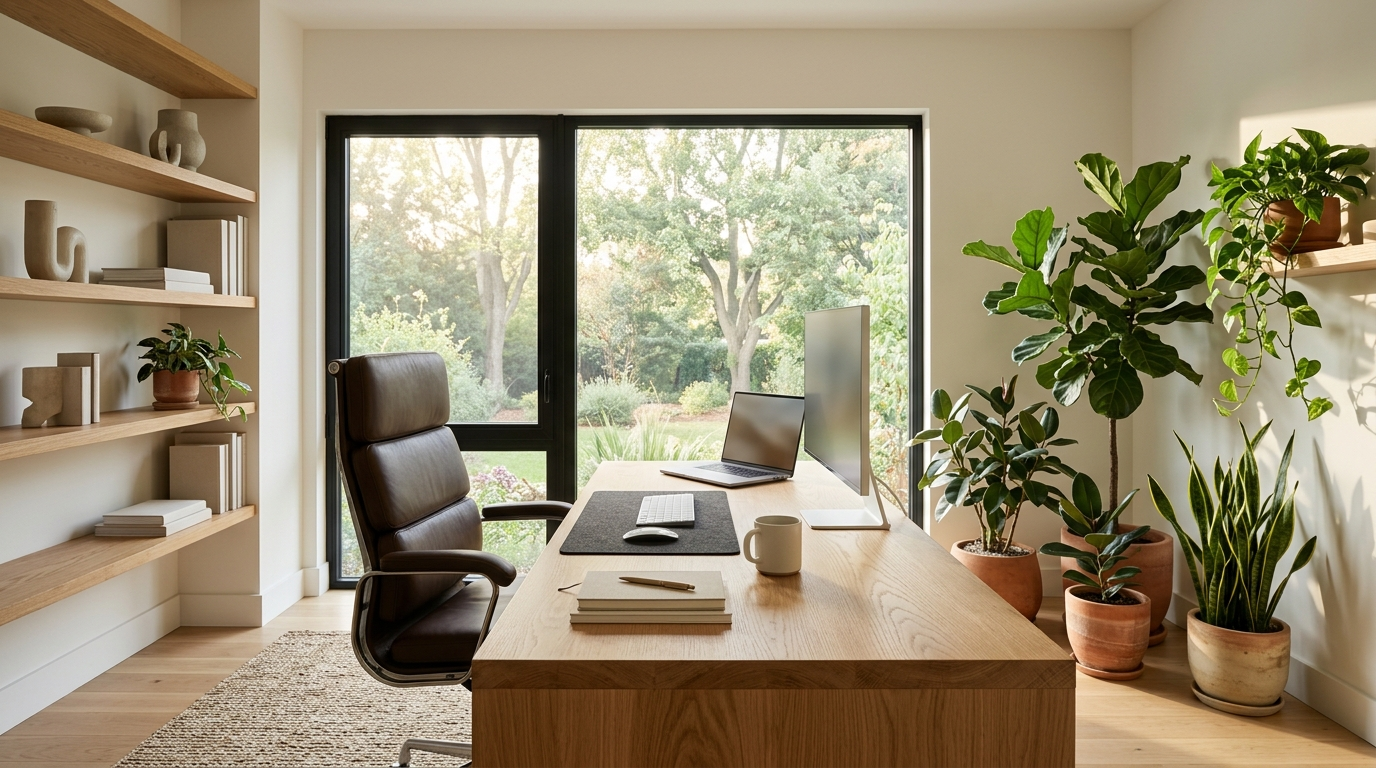
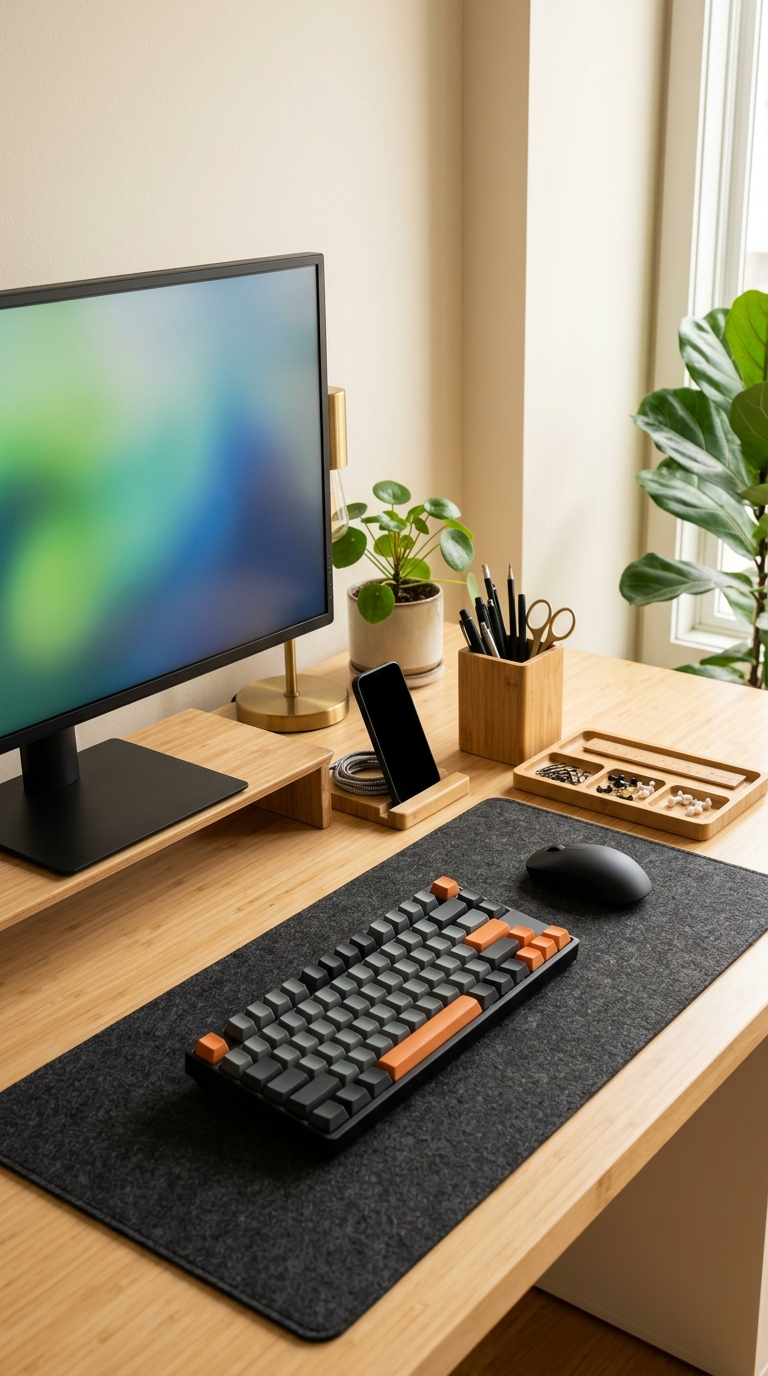
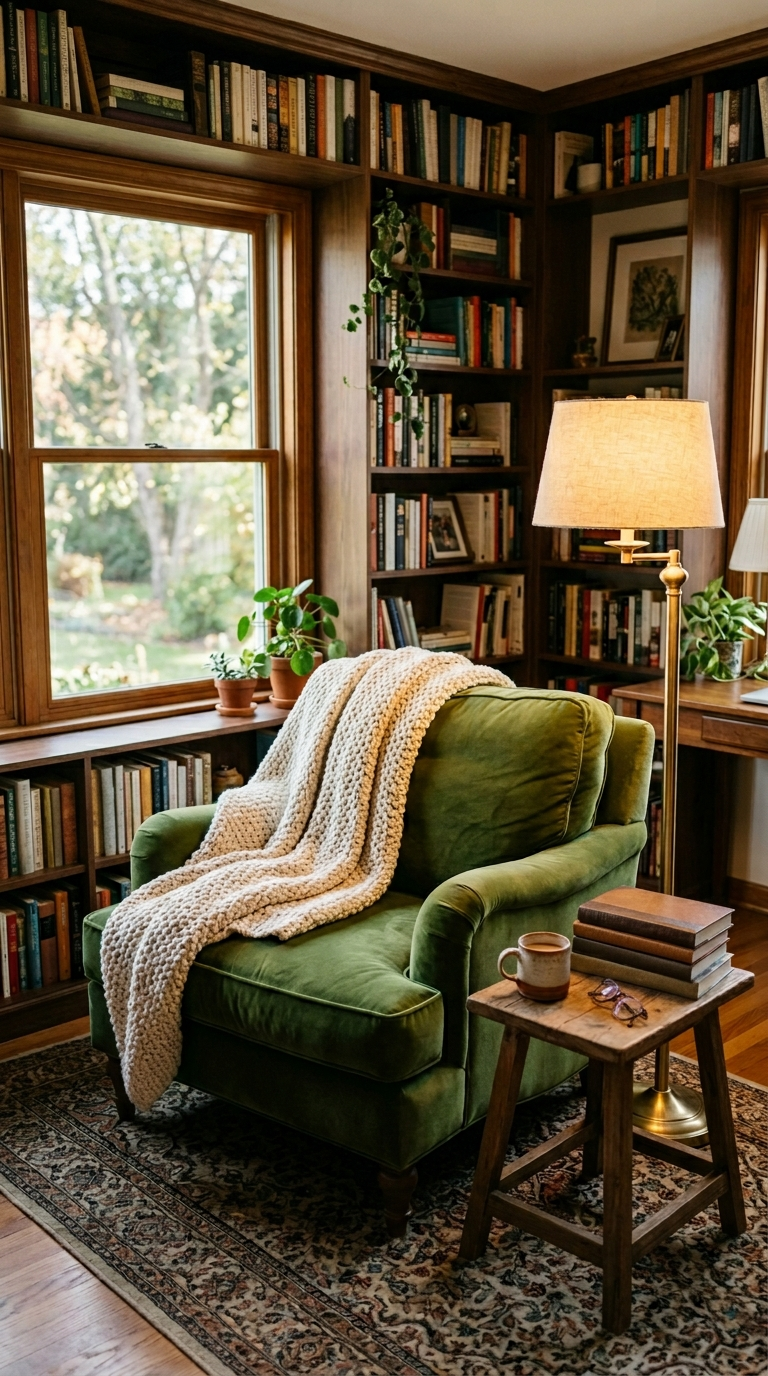
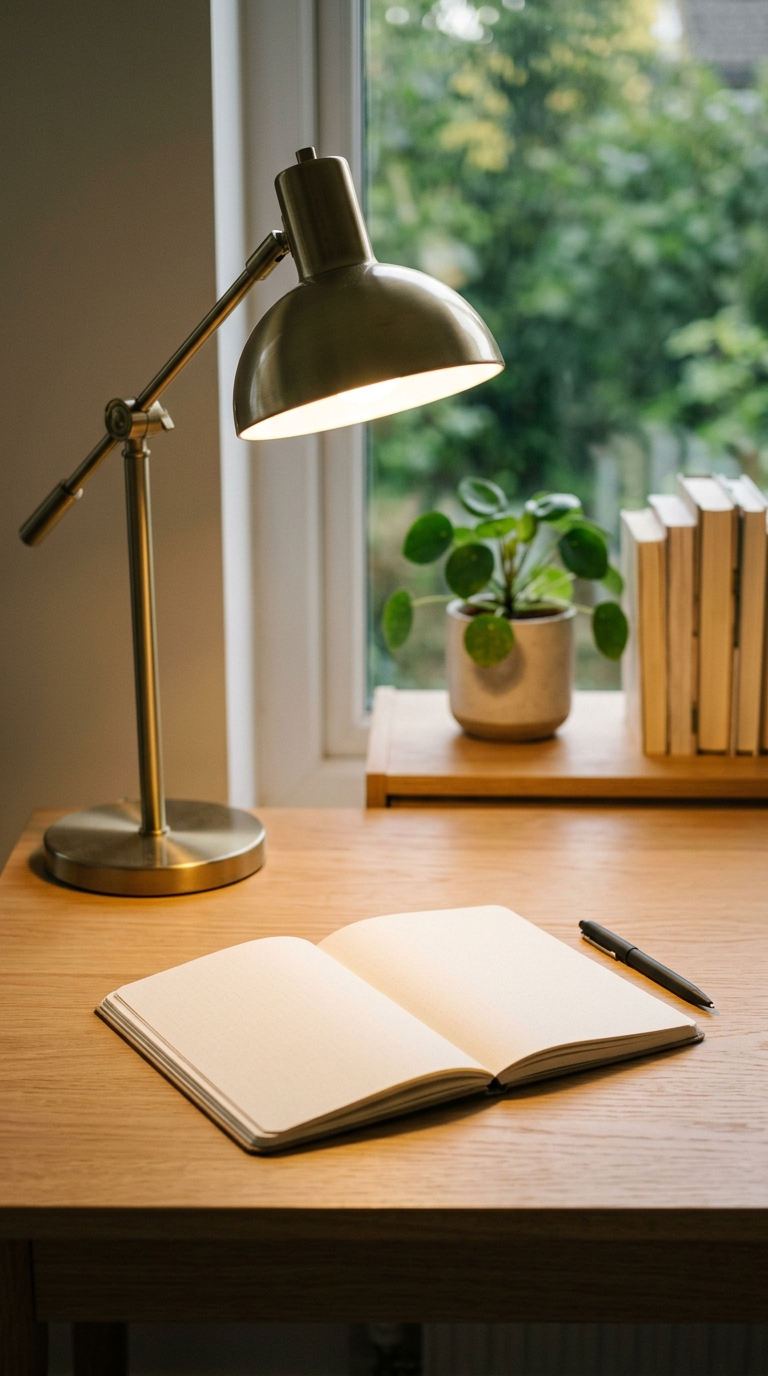
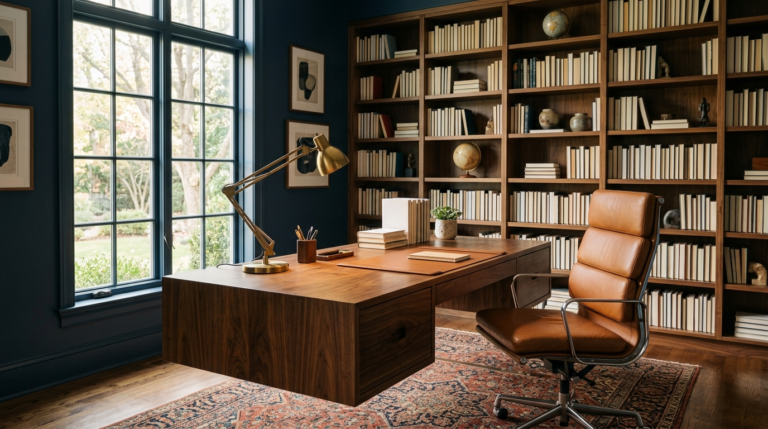
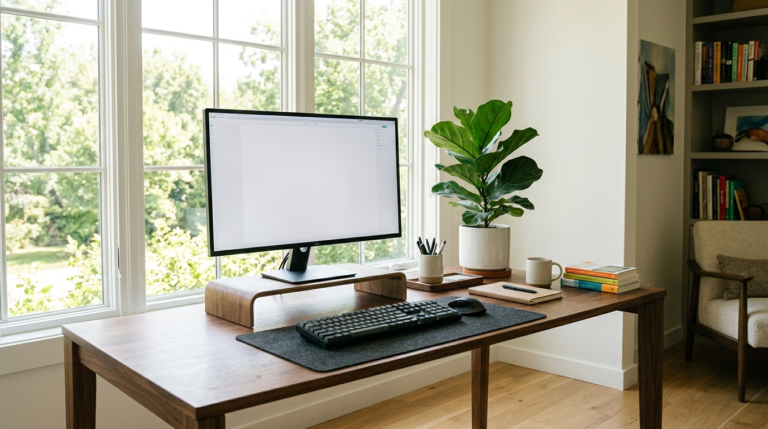
Welcome to the ultimate guide on transforming your workspace into a cozy productivity oasis. In today’s fast-paced digital world, the home office has evolved from a luxury to an absolute necessity. Whether you are a full-time remote worker, a passionate freelancer, or someone who simply needs a dedicated space to manage household affairs, the environment in which you work profoundly impacts your output, mood, and overall well-being. Designing a home office that is both functional and aesthetically pleasing can be the difference between a day filled with frustration and a day of flowing creativity.When we think of productivity, we often imagine sterile, minimalist environments devoid of personality. However, recent interior design studies suggest that a cozy, personalized workspace actually fosters greater concentration and reduces stress levels. In this comprehensive guide, we will explore sixteen transformative ideas to help you build the ultimate productivity oasis right in your own home. We will cover everything from the foundational elements of ergonomic furniture to the nuanced touches of biophilic design. Prepare to reimagine your work-from-home experience.
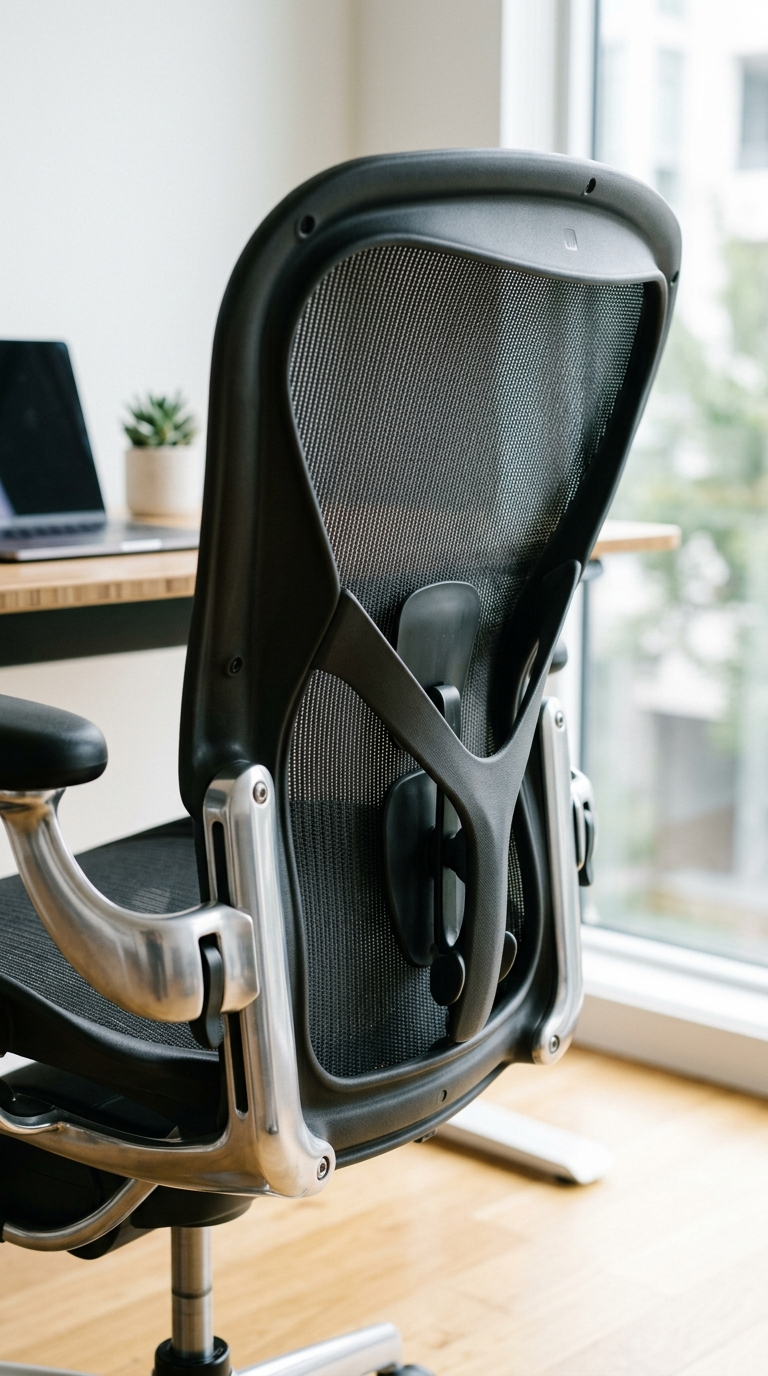
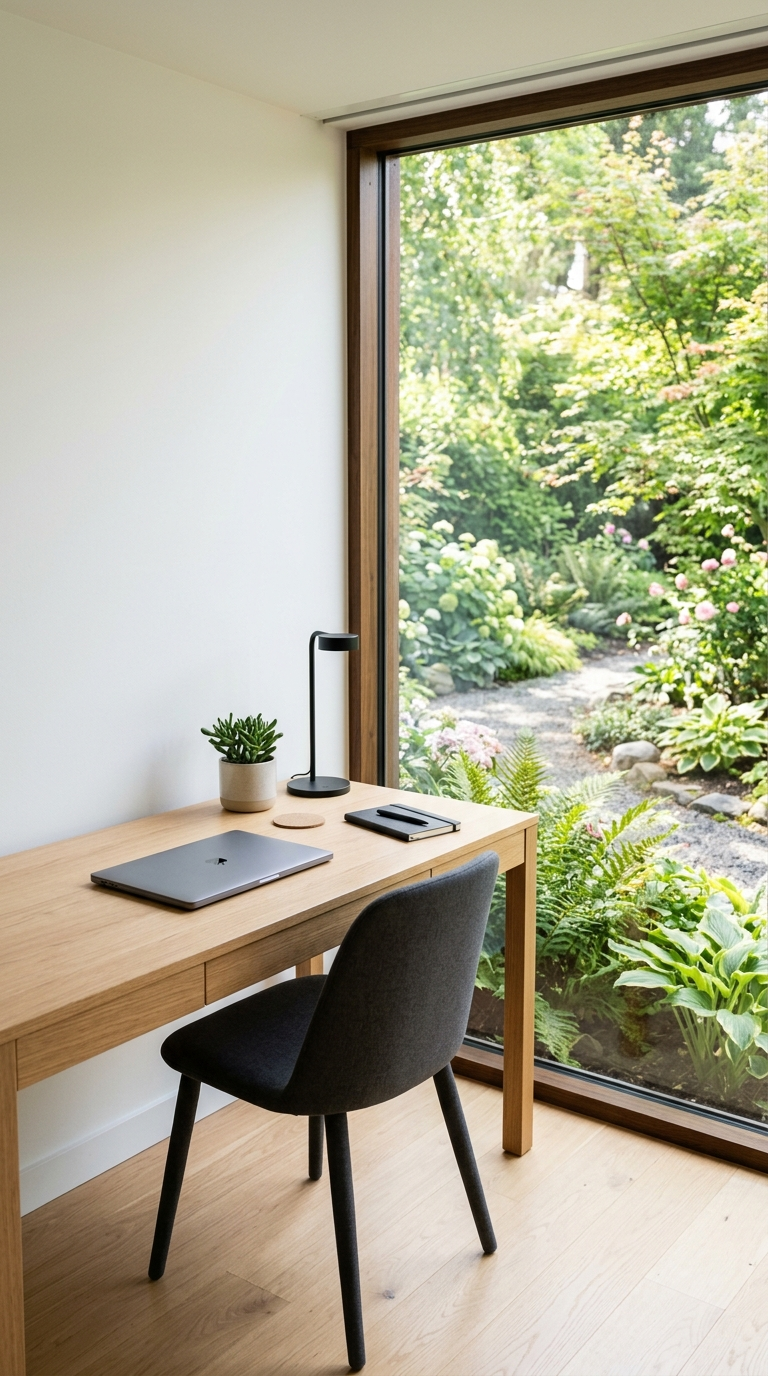
1. The Foundation: Ergonomic ExcellenceBefore we dive into aesthetics, we must address the most critical component of any home office: ergonomics. Your physical health is paramount. Investing in a high-quality, adjustable ergonomic chair is non-negotiable. Look for chairs that offer lumbar support, adjustable armrests, and a dynamic tilt mechanism that supports the natural curve of your spine. A chair that encourages proper posture will prevent the chronic back and neck pain that plagues many remote workers. Beyond the chair, consider a standing desk or a desk converter. The ability to alternate between sitting and standing throughout the day improves circulation, boosts energy levels, and mitigates the health risks associated with prolonged sitting.2. Mastering the Layout for FlowThe spatial arrangement of your office dictates how you move and interact with your work. The ideal layout minimizes physical strain and mental friction. Position your desk to take advantage of natural light, ideally perpendicular to the window to reduce screen glare while still offering a view to rest your eyes. Ensure there is ample clearance behind your chair—at least 36 inches—so you can slide out comfortably without hitting a wall or bookshelf. Think about your workflow: place frequently used items, such as your planner, pens, and reference materials, within arm’s reach to avoid unnecessary stretching or twisting. A well-planned layout feels intuitive and effortless.
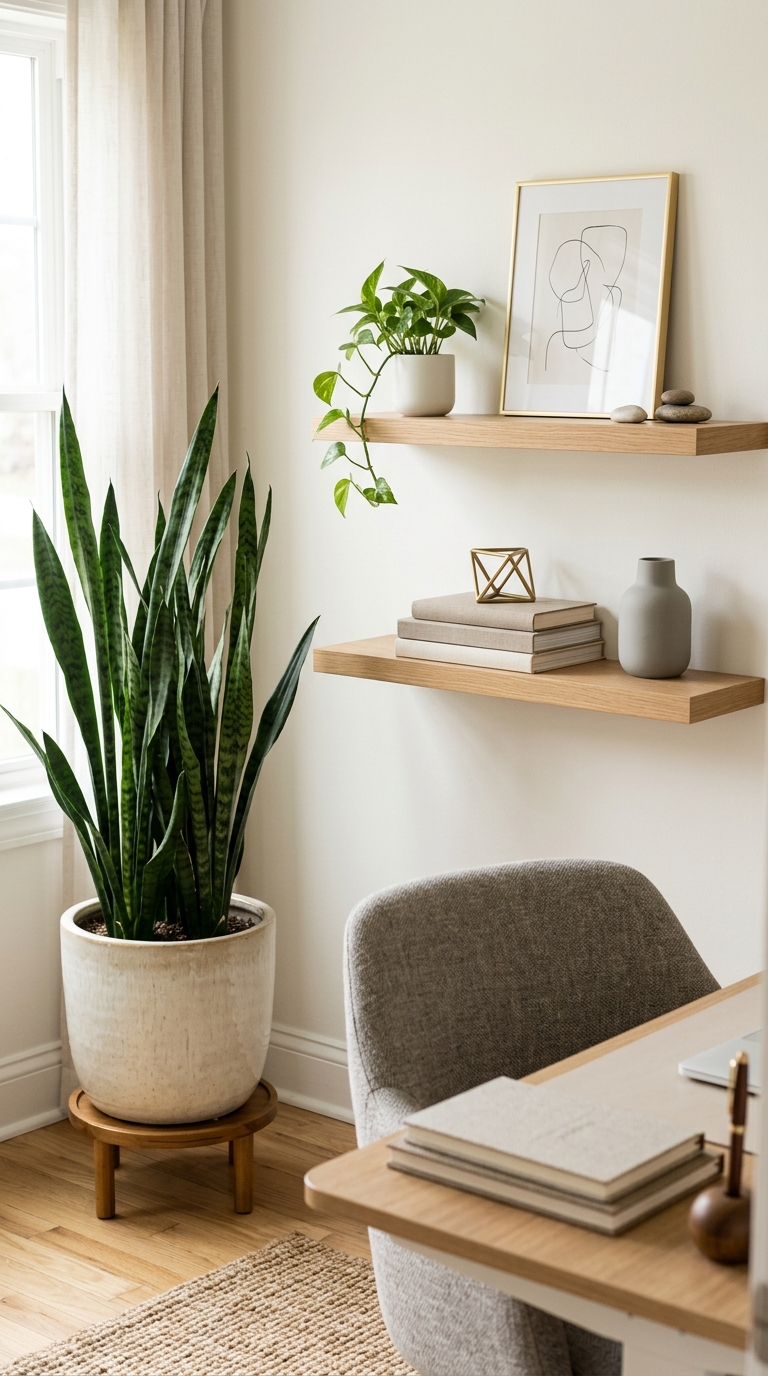
3. Harnessing the Power of Natural LightNatural daylight is a potent productivity enhancer. Exposure to natural light regulates your circadian rhythm, which improves sleep quality and daytime alertness. If possible, choose a room with large windows for your office. Avoid placing your monitor directly in front of a bright window, as the stark contrast can cause eye strain. Instead, utilize sheer curtains or light-filtering blinds to diffuse intense sunlight. If your space lacks natural light, you will need to rely heavily on artificial lighting solutions that mimic daylight, which we will discuss later in this article. Remember, a well-lit space feels larger, cleaner, and infinitely more welcoming.4. Introduce Biophilic Design ElementsBiophilic design is the concept of integrating nature into our indoor environments. Humans have an innate connection to the natural world, and bringing elements of nature into your workspace can significantly reduce stress and improve cognitive function. Start by introducing indoor plants. Low-maintenance varieties like Snake Plants, Pothos, or ZZ Plants thrive in indoor environments and purify the air. Beyond living plants, incorporate natural materials such as warm wood tones on your desk or shelving, stone coasters, or woven baskets for storage. Even artwork depicting natural landscapes can evoke the calming benefits of biophilia.
5. The Psychology of Color in the OfficeThe colors surrounding you have a profound psychological impact. When selecting a paint color for your home office, consider the type of work you do. Soft, muted blues and greens are universally recognized as calming colors that promote focus and efficiency, making them excellent choices for analytical or detail-oriented tasks. If your work requires high energy and creativity, consider incorporating warm accents like mustard yellow or soft terracotta. Avoid painting the entire room in highly saturated, aggressive colors like bright red, as this can induce anxiety and visual fatigue over long periods. Balance is key: use a neutral base with strategic pops of color.6. Strategic Storage SolutionsA cluttered desk leads to a cluttered mind. Physical mess is a visual distraction that constantly competes for your attention. Implement a robust storage system to keep your surfaces clear. Vertical storage is your best friend in a home office. Install floating shelves above your desk to house books, decorative objects, and less frequently used supplies. Invest in a stylish filing cabinet or decorative storage boxes to hide away unsightly paperwork and cables. Use drawer organizers to keep your stationery neatly separated. By assigning a specific home for every item, you make the process of tidying up quick and painless.
7. Elevating the Ambiance with ScentOften overlooked in interior design, our sense of smell is deeply tied to memory and mood. Introduce pleasant, subtle aromas to your home office to create a more inviting atmosphere. An essential oil diffuser is a fantastic tool for this. Scents like peppermint and rosemary are known to stimulate the mind and enhance concentration, making them perfect for morning work sessions. In the late afternoon, switch to calming scents like lavender or chamomile to help you wind down and transition out of work mode. Scented candles can also add both aroma and a cozy, flickering glow to your space.8. Crafting a Dedicated Inspiration ZoneEvery productivity oasis needs a source of motivation. Dedicate a section of your wall to an inspiration board. This could be a corkboard, a wire grid, or simply a curated gallery wall. Pin up quotes that resonate with you, photographs of your goals, fabric swatches, or inspiring artwork. This physical manifestation of your aspirations serves as a visual reminder of why you are working hard. Update your inspiration zone regularly to keep the energy fresh and aligned with your current objectives. It is a highly personal touch that makes the office truly yours.
9. The Importance of Acoustic ControlNoise pollution is a major enemy of deep work. If you share your home with others or live on a busy street, managing acoustics is vital. Soft furnishings are excellent at absorbing sound waves. Incorporate a plush area rug beneath your desk, hang heavy curtains, and add throw pillows to a seating area if you have one. If noise remains an issue, consider acoustic wall panels, which are now available in a variety of stylish designs that look like modern art. For ultimate isolation, invest in a premium pair of noise-canceling headphones. Creating a quiet sanctuary is essential for uninterrupted focus.10. Investing in Quality Tech AccessoriesYour technology should empower you, not frustrate you. Upgrade the accessories you touch and use every single day. A mechanical keyboard offers satisfying tactile feedback that many find improves typing speed and enjoyment. A high-resolution, ultra-wide monitor can replace a dual-screen setup, offering a seamless digital workspace without distracting bezels. Ensure you have a high-quality webcam and a dedicated microphone if you frequently attend virtual meetings. Professional-grade equipment not only improves your efficiency but also elevates your presence in the digital realm.
11. Implementing the ‘Invisible’ Cable ManagementNothing ruins the aesthetic of a beautifully designed home office quite like a tangled mess of black cables hanging off the back of a desk. Cable management is a tedious but rewarding task. Use under-desk cable trays to route power strips and heavy cords. Employ zip ties, velcro straps, and cable clips to bundle wires together and route them cleanly along the legs of your desk. Consider a desk mat that has built-in wireless charging to eliminate phone cables entirely. A clean, cordless look instantly makes a space feel more premium and organized.12. Creating a Transition Ritual SpaceWhen working from home, the boundary between professional and personal life blurs easily. Creating a transition ritual can help your brain switch gears. Designate a small area near the entrance of your office for this purpose. It could be a small side table where you leave your ‘work’ notebook at the end of the day, or a comfortable armchair where you spend five minutes reading before officially starting your tasks. This physical separation of activities helps maintain a healthy work-life balance, preventing burnout and keeping your office feeling like a sanctuary rather than a prison.13. Personalizing with Meaningful ArtBare walls can feel incredibly stark. Art is the easiest way to inject your personality into a room. Choose pieces that evoke positive emotions. Abstract art with sweeping, organic lines can be soothing, while bold graphic prints can be energizing. Frame your favorite photographs, degrees, or awards to build a sense of pride in your environment. Don’t be afraid to mix and match frame styles for a curated, collected-over-time look. Art provides necessary visual breaks; taking a moment to rest your eyes on a beautiful painting can provide a mini mental reset during a busy day.14. The Comfort of Layered TextilesTo achieve true coziness, you must layer textiles. A stark, hard room is uninviting. We already mentioned an area rug for acoustics, but it also anchors the room visually and provides warmth underfoot. Drape a soft, knitted throw blanket over the back of your office chair—perfect for chilly mornings. If space allows, include a small reading chair with a velvet or bouclé cushion. These soft touches contrast beautifully with the hard surfaces of desks and electronics, creating a balanced, welcoming environment that you actually want to spend time in.15. The Magic of Task LightingWhile overhead lighting provides general illumination, task lighting is crucial for preventing eye strain when reading documents or doing detailed work. A stylish desk lamp is a must-have accessory. Look for lamps with adjustable arms and dimmable LEDs so you can direct the light exactly where you need it and adjust the intensity based on the time of day. Choose a design that complements your overall decor aesthetic—whether that’s a sleek modern metallic arm, an industrial matte black fixture, or a mid-century ceramic base. Good lighting is both functional and decorative.16. Establishing a Daily Reset HabitOur final idea isn’t a physical object, but a crucial practice: the daily reset. Even the most perfectly designed productivity oasis will fail if it descends into chaos. Dedicate the last five minutes of your workday to resetting your space. Put away stray pens, file loose papers, wash your coffee mug, and wipe down your desk surface. When you enter your office the next morning, you will be greeted by a clean, organized, and inviting environment, allowing you to start your day with immediate focus and positive energy. Your future self will thank you.
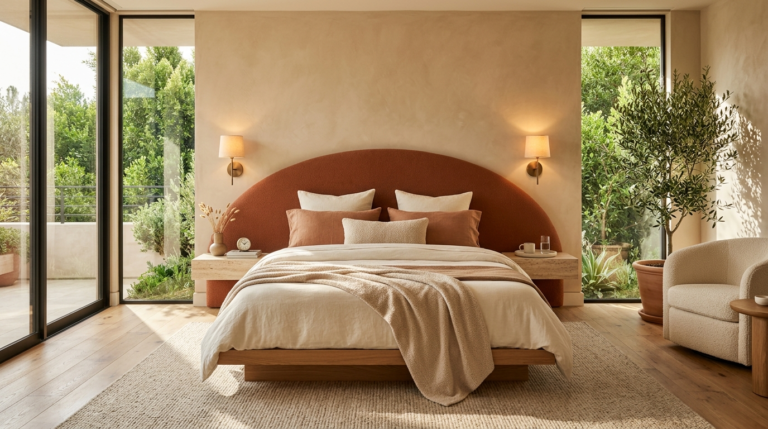
Create the ultimate relaxing sanctuary with these fifteen cozy, rustic bedroom ideas. Learn how to layer textures, optimize lighting, and build a peaceful haven.
Learn how to curate a home office that boosts productivity and creativity. Follow our comprehensive guide to warm, classic, and ergonomic workspace design.
Discover the hottest bedroom design trends of the year. From calming color palettes to smart layout solutions, learn how to elevate your sleeping space.
Boost productivity and style with these clever home office design ideas, featuring smart desk storage, ergonomic chairs, and aesthetic decor inspiration. (158 chars)
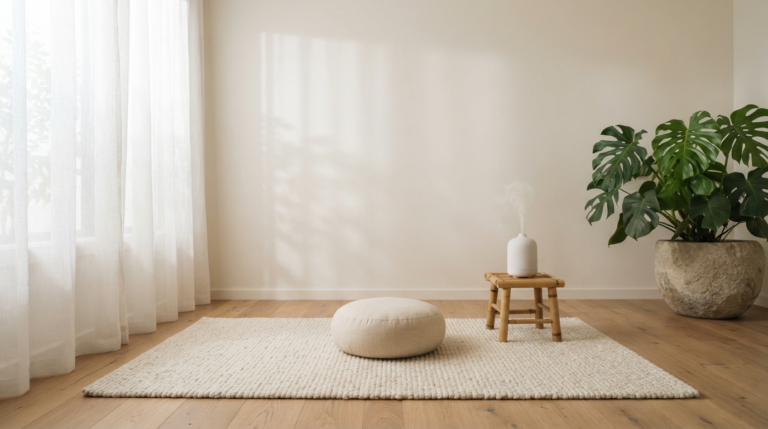
Discover how to transform any corner of your home into a tranquil wellness sanctuary. Follow this comprehensive step-by-step guide to minimalist relaxation.
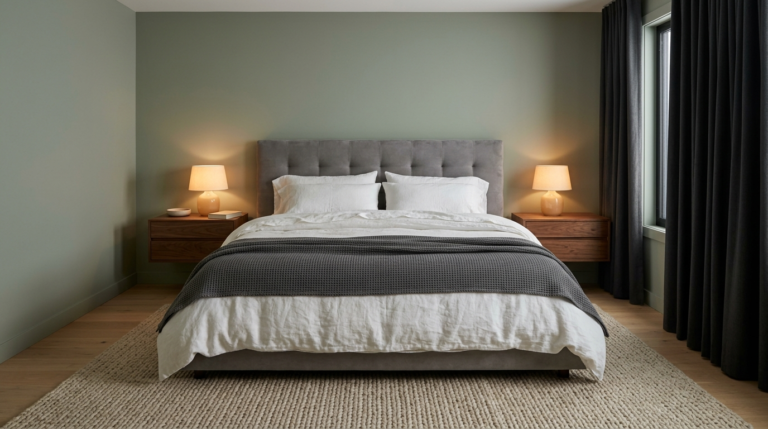
Is your bedroom keeping you awake? Learn the critical layout, lighting, and decor mistakes to avoid if you want to optimize your space for perfect sleep.