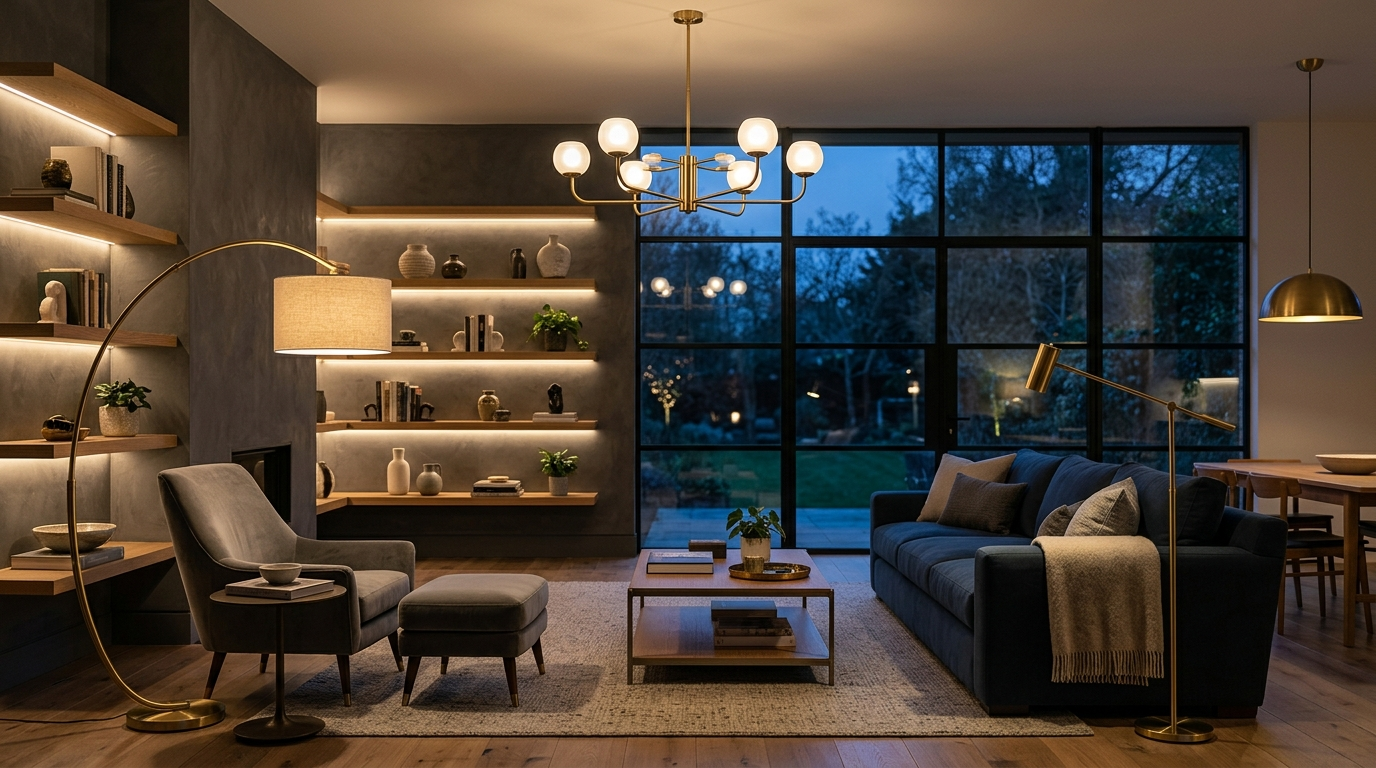
Lighting is the unsung hero of interior design. You can spend thousands of dollars on luxury furniture, source the most exquisite rugs, and paint your walls the perfect designer shade, but if your lighting is poor, the entire space will fall flat. Lighting dictates the mood, the perceived size of a room, and how the colors of your decor translate to the eye. Unfortunately, lighting is also one of the most common areas where homeowners and even amateur decorators make critical, space-ruining mistakes. In this extensive guide, we are going to dissect the most frequent lighting blunders and provide you with actionable, expert-level solutions to ensure your home glows beautifully from every angle.The secret to professional interior lighting lies in the concept of layering. Too often, spaces rely on a single, overpowering source of light, resulting in harsh shadows and a sterile atmosphere. By understanding how to blend ambient, task, and accent lighting, you can create environments that are not only highly functional but also rich, warm, and inviting. Let’s dive deep into the specific lighting decor mistakes you must avoid, and explore how to correct them for a breathtaking home transformation.
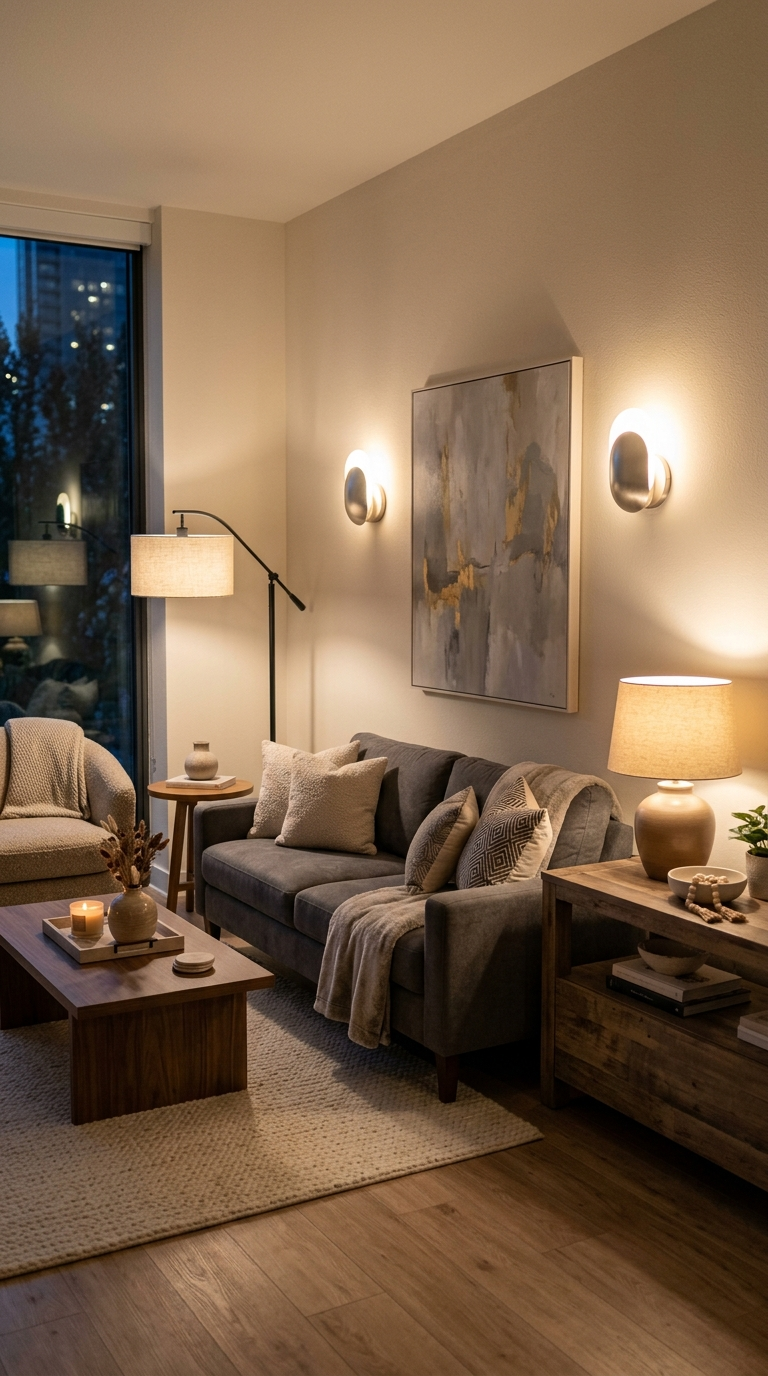
Mistake 1: Relying Exclusively on Overhead Recessed LightingOne of the most widespread epidemics in modern home building is the over-reliance on recessed ceiling lights, colloquially known as “can lights.” While they are excellent for providing a base layer of illumination, using them as the sole light source is a monumental mistake. When light pours down exclusively from the ceiling, it creates harsh, unflattering shadows under your eyes and nose, making spaces feel more like a clinical waiting room or a supermarket than a cozy home.The Solution: The remedy is to build layers of light at different heights. Incorporate floor lamps in the corners of your living room to cast a warm glow upwards. Place table lamps on side tables and consoles to bring the light source closer to eye level. Wall sconces are incredibly effective at adding a sophisticated wash of light across your walls, highlighting architectural features and softening the overall room dynamics. Reserve recessed lighting for general navigation and pair them with dimmer switches so you can lower their intensity when the sun goes down.
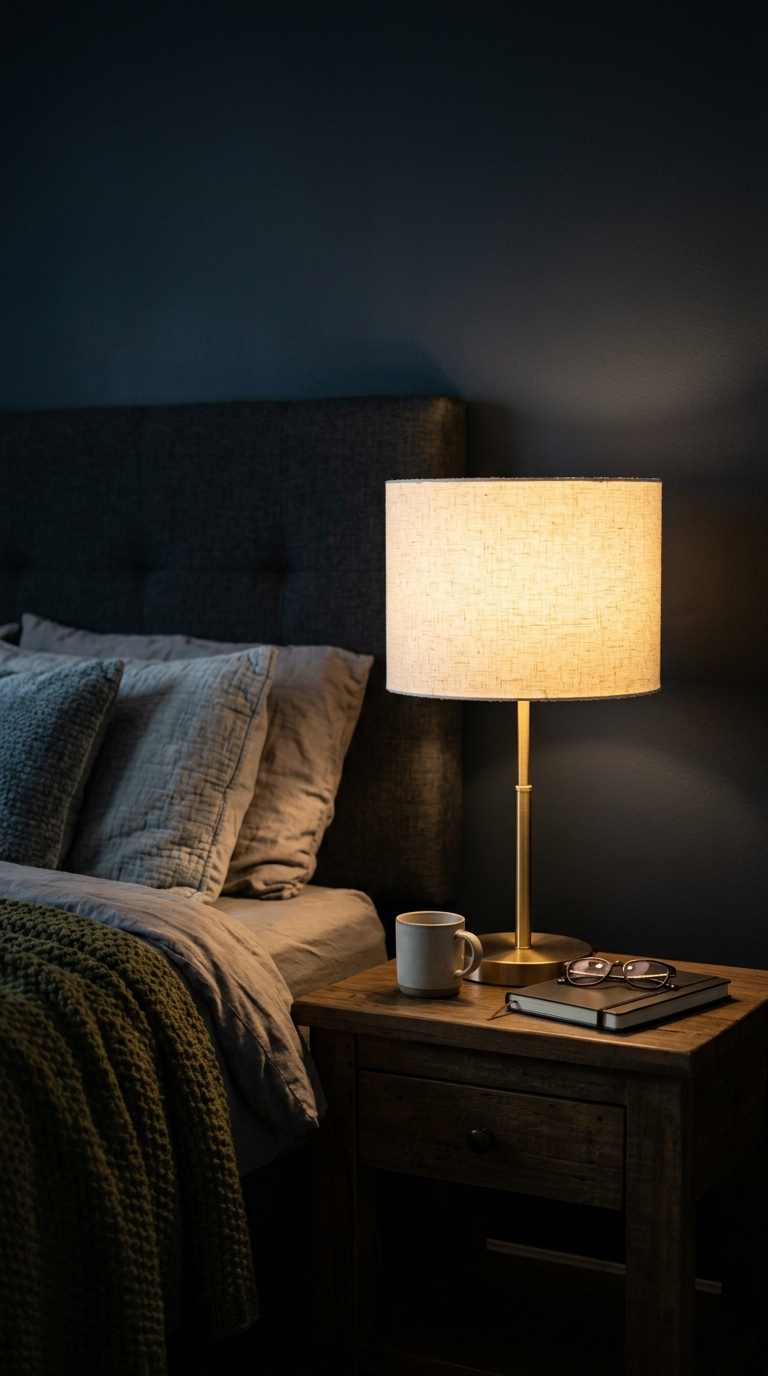
Mistake 2: Choosing the Wrong Color TemperatureHave you ever walked into a cozy-looking bedroom only to turn on the lamp and be blasted with a stark, bluish-white light that feels like an interrogation room? This is a classic color temperature mistake. Light bulbs are measured in Kelvins (K). Lower numbers (2700K – 3000K) emit a warm, yellowish light similar to a traditional incandescent bulb or a candle. Higher numbers (4000K – 5000K+) emit a cool, blueish-white light mimicking bright daylight.The Solution: You must match the color temperature to the function and desired mood of the room. For living rooms, bedrooms, and dining spaces where relaxation is key, strictly use warm white bulbs ranging from 2700K to 3000K. This spectrum promotes melatonin production and feels infinitely cozier. For kitchens, bathrooms, and home offices where clarity and focus are required, you can step up to a neutral white around 3500K to 4000K. Never use stark 5000K daylight bulbs indoors unless you are working in an industrial setting or an art studio where exact color matching is imperative.
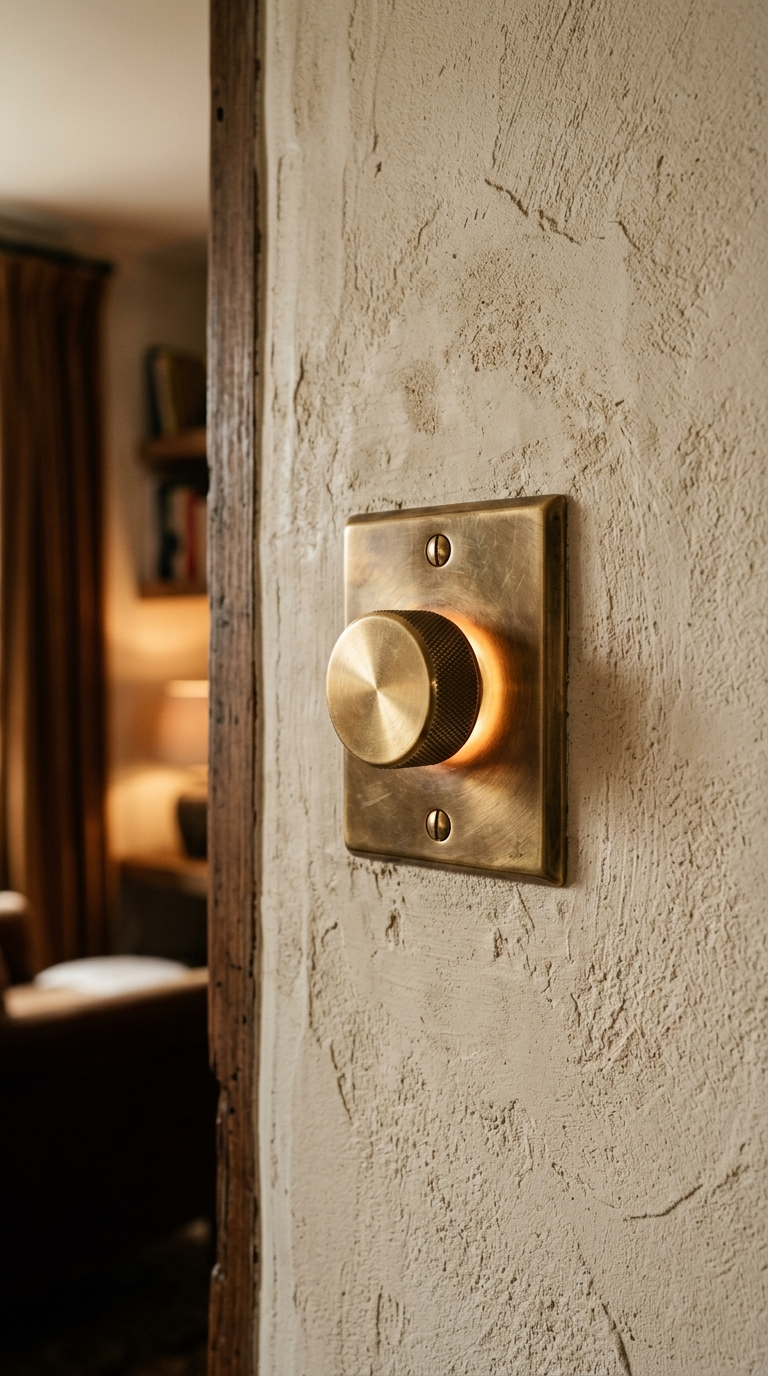
Mistake 3: Ignoring the Importance of Dimmer SwitchesA room is not a static environment. The way you use your living room at 10:00 AM on a cloudy Tuesday is vastly different from how you use it at 8:00 PM on a Saturday while entertaining guests. If your lights only have an ON and OFF function, you are completely eliminating your ability to adapt the room’s atmosphere to the occasion. Bright, glaring lights during a movie night or a romantic dinner destroy the ambiance instantly.The Solution: Install dimmer switches on every single overhead light fixture in your home. This is a relatively inexpensive weekend project that yields massive returns in terms of design flexibility. Dimmers allow you to lower the ambient light to a soft glow in the evening, signaling to your brain that it is time to unwind. When paired with the warm glow of table lamps, dimmed overhead lights create a rich, layered, and luxurious feel that adapts perfectly to your lifestyle.
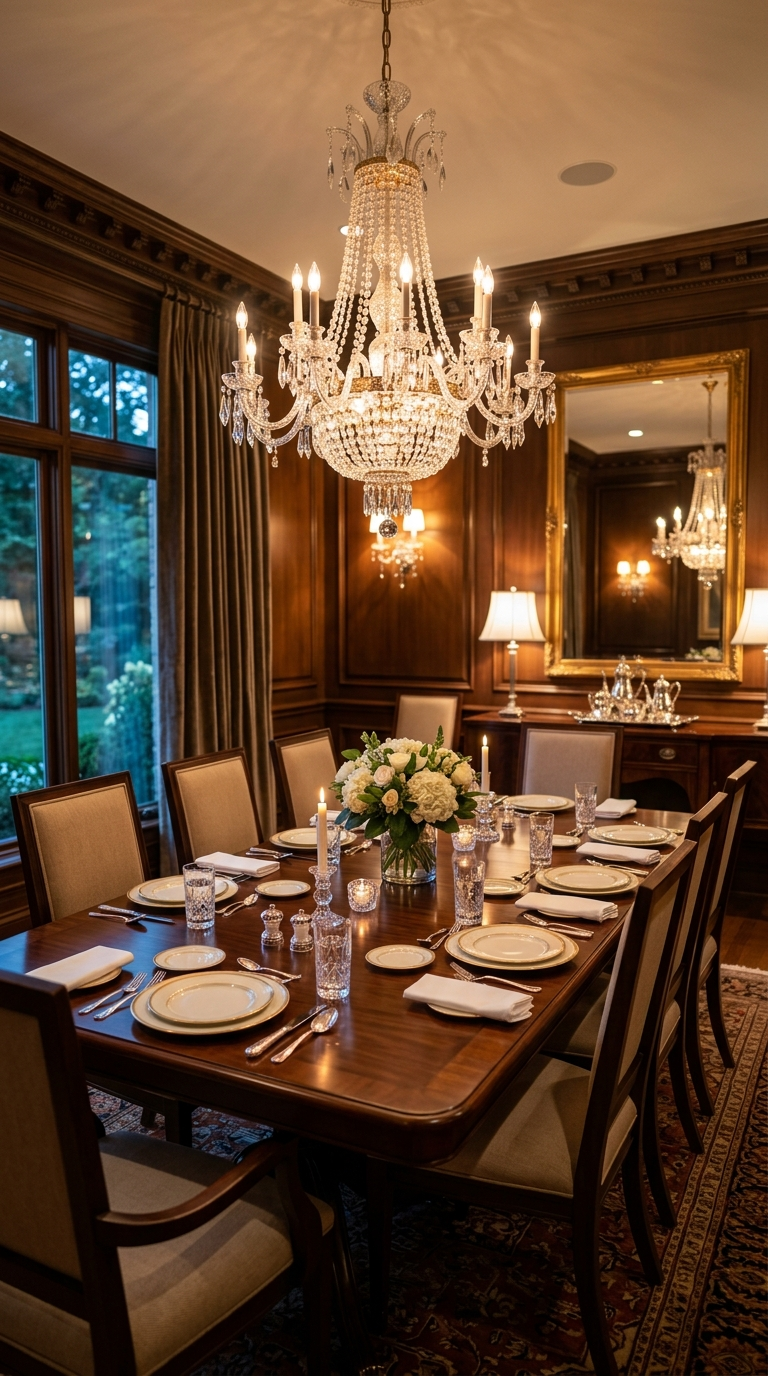
Mistake 4: Incorrect Chandelier Placement and SizingA beautiful chandelier can serve as the breathtaking crown jewel of a dining room or foyer. However, a stunning fixture becomes an eyesore if it is hung incorrectly. A common mistake is hanging a chandelier too high, causing it to feel disconnected from the dining table or the room’s furniture. Conversely, hanging it too low obstructs sightlines across the table. Another frequent error is selecting a fixture that is either dramatically undersized or comically oversized for the room’s proportions.The Solution: Follow the golden rules of designer proportions. In a dining room, the bottom of the chandelier should hang approximately 30 to 36 inches above the surface of the dining table. To determine the correct diameter for your chandelier, add the length and width of the room in feet; the sum in inches is a great starting point for the fixture’s diameter (e.g., a 12×14 foot room would suit a 26-inch chandelier). Furthermore, the chandelier should be about 12 inches narrower than the dining table to prevent guests from bumping their heads as they sit down.
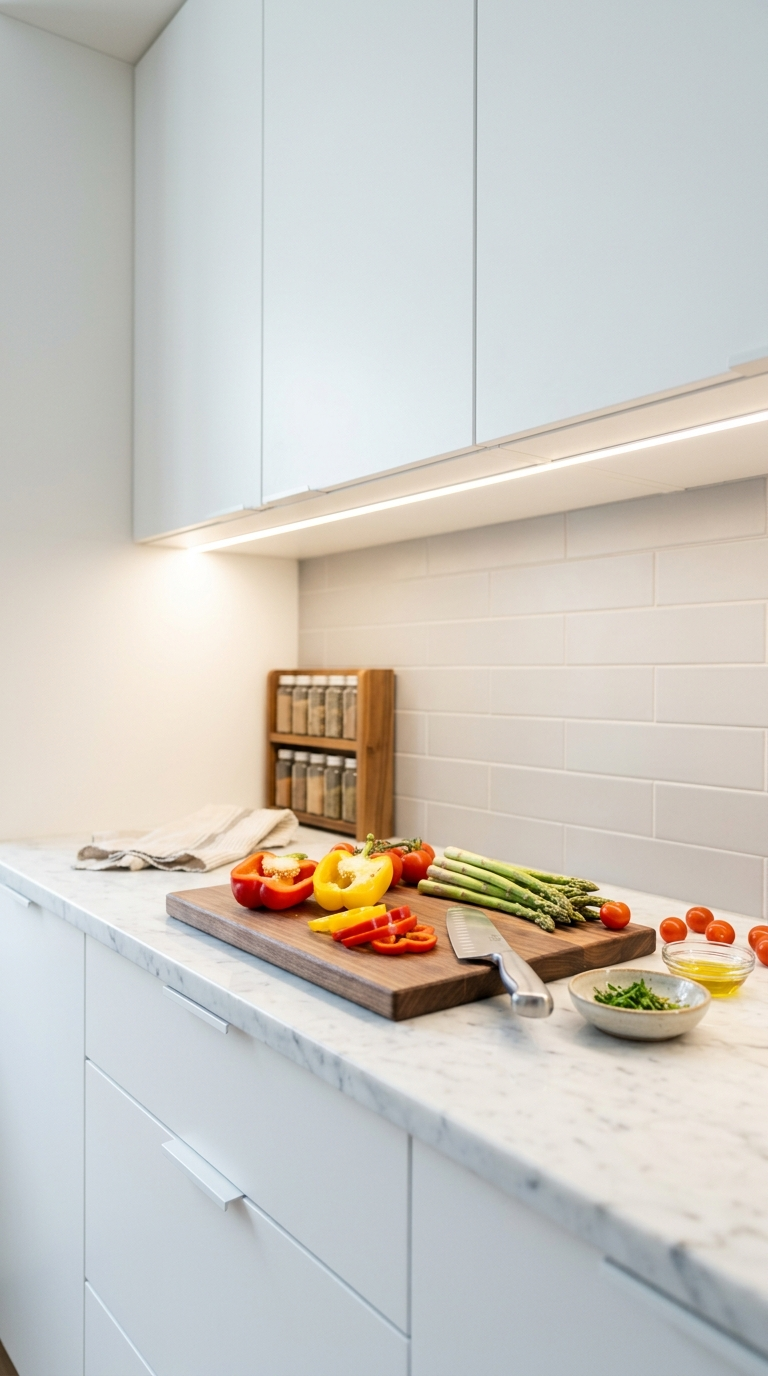
Mistake 5: Neglecting Task Lighting in Kitchens and WorkspacesKitchens and bathrooms are workhorse rooms. Relying solely on a central ceiling fixture in a kitchen creates a major problem: when you stand at the counter to chop vegetables or read a recipe, your body blocks the light from behind you, casting a dark shadow exactly where you need to see. The same applies to bathroom vanities where a single overhead light casts downward shadows, making shaving or applying makeup incredibly difficult.The Solution: Implement dedicated task lighting. In the kitchen, under-cabinet lighting is absolutely essential. These sleek LED strips or puck lights illuminate the countertops perfectly without any interference from your shadow. Over a kitchen island, install a row of pendant lights to provide focused illumination for prep work and casual dining. In the bathroom, ditch the single overhead light and opt for wall sconces mounted on either side of the mirror at eye level. This provides even, shadow-free illumination across your face.
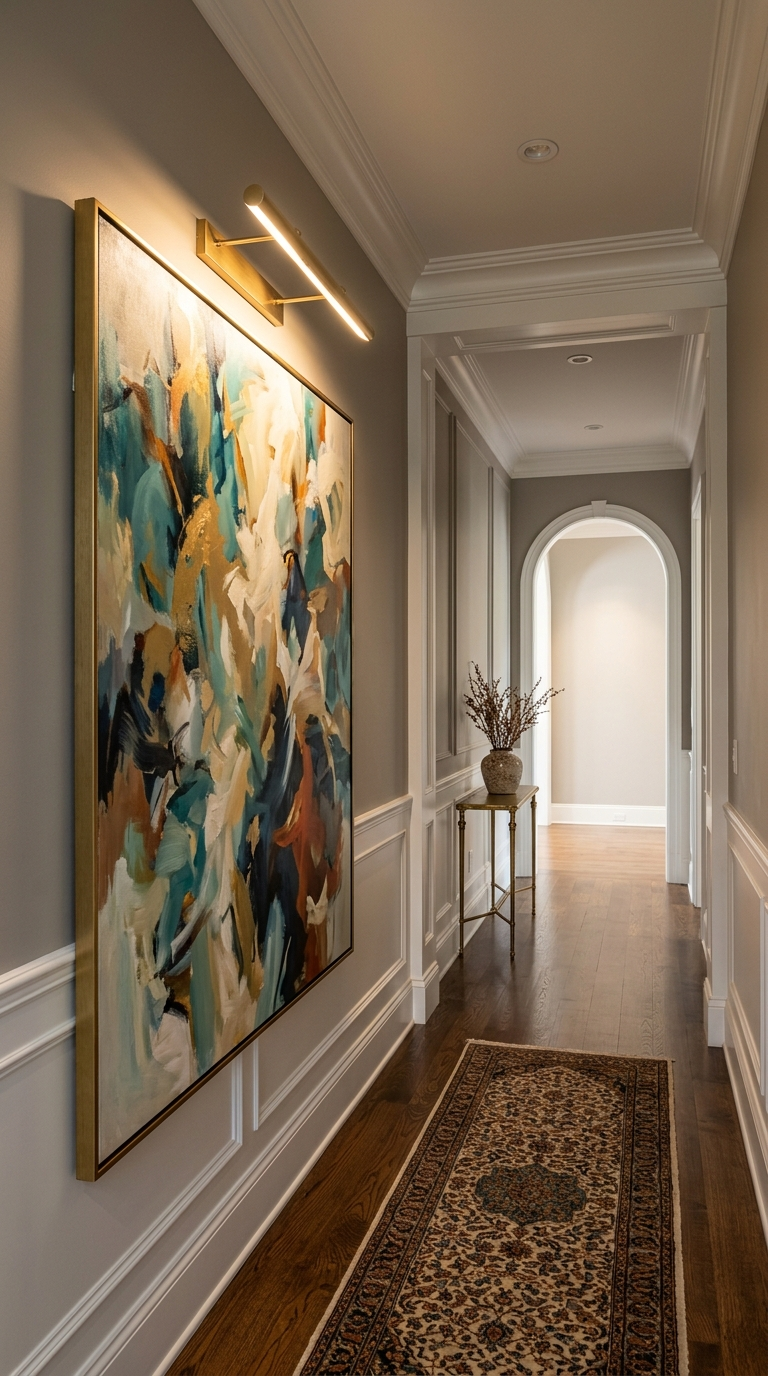
Mistake 6: Forgetting to Highlight Architectural Features and ArtIf you have beautiful architectural details—like exposed brick, a stunning fireplace mantle, textured wallpaper, or a curated collection of artwork—leaving them in the dark is a missed design opportunity. A room illuminated only in the center feels flat and uninteresting. Accent lighting is what takes a space from ‘nice’ to ‘extraordinary’ by creating depth, drama, and visual intrigue.The Solution: Use accent lighting strategically. Install picture lights above significant pieces of art to make the colors pop and draw the eye. Use directional track lighting or recessed eyeball trims to wash light down a textured stone wall, highlighting its three-dimensional quality. If you have beautiful built-in bookcases, add small LED strip lights to the underside of the shelves to illuminate your books and decor objects. By highlighting the perimeter and specific focal points, you make the room feel larger, more dynamic, and professionally styled.In conclusion, mastering your home’s lighting is a journey of understanding function, layering, and technical details like color temperature and scale. By avoiding these six common mistakes and implementing our professional solutions, you will dramatically elevate the aesthetic and emotional resonance of your home. Remember, light is the medium through which we experience our environments—make sure yours is telling the right story.
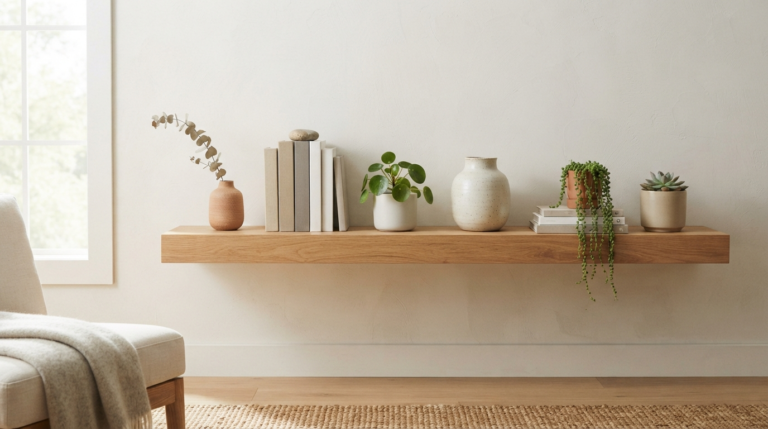
Stay ahead of the curve with the top whimsical wall decor trends. From enchanting mirrors to imaginative art, redefine your empty walls with these magical ideas.
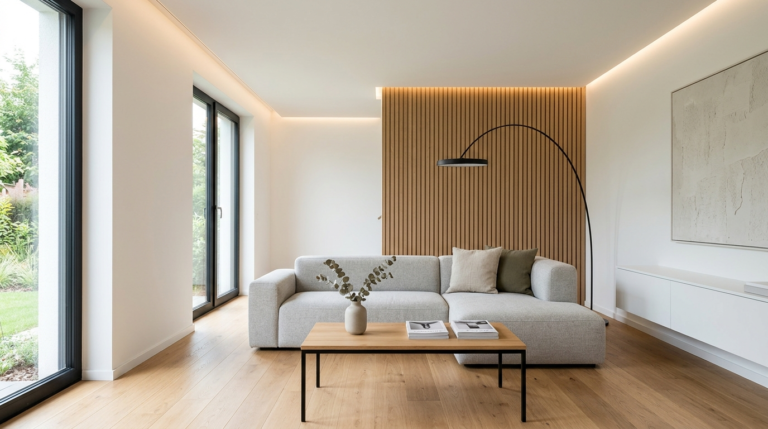
Avoid these common lighting design mistakes that ruin the ambiance of your home. Learn how to layer illumination effectively for a bright, minimalist space.
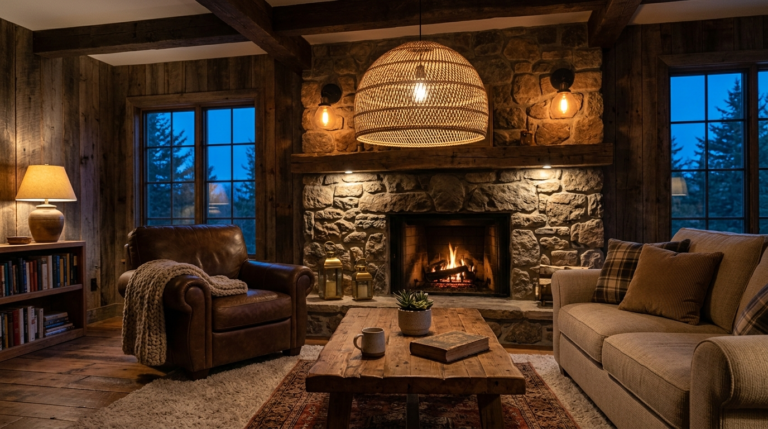
Discover the top rustic lighting trends this year. Learn how to create a warm, inviting atmosphere with vintage fixtures, warm bulbs, and cozy layered lighting.