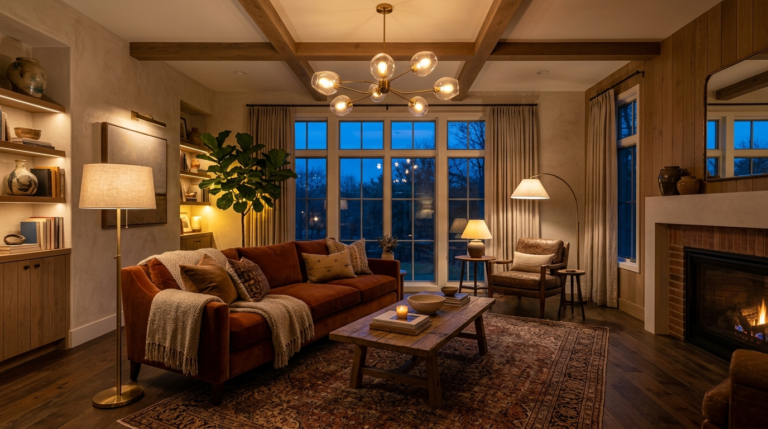
Interior design is more than just furniture arrangement; it’s about creating a feeling. Mastering the art of styling and lighting can completely change the atmosphere of any room, elevating it from functional to spectacular. This guide provides a step-by-step masterclass on how to expertly curate your space and use lighting strategically.
1. The Foundation of Style: Creating a Crated Vibe
Start by defining the mood you want to achieve. Before adding decor, ensure your fundamental furniture pieces are well-placed. The secret to a truly styled space is curation, not clutter. Focus on quality over quantity. Choose a consistent color palette and introduce texture through textiles, ceramics, and natural materials like wood and metal. A curated space feels intentional and personal.
2. Mastering the Art of Layering Lighting
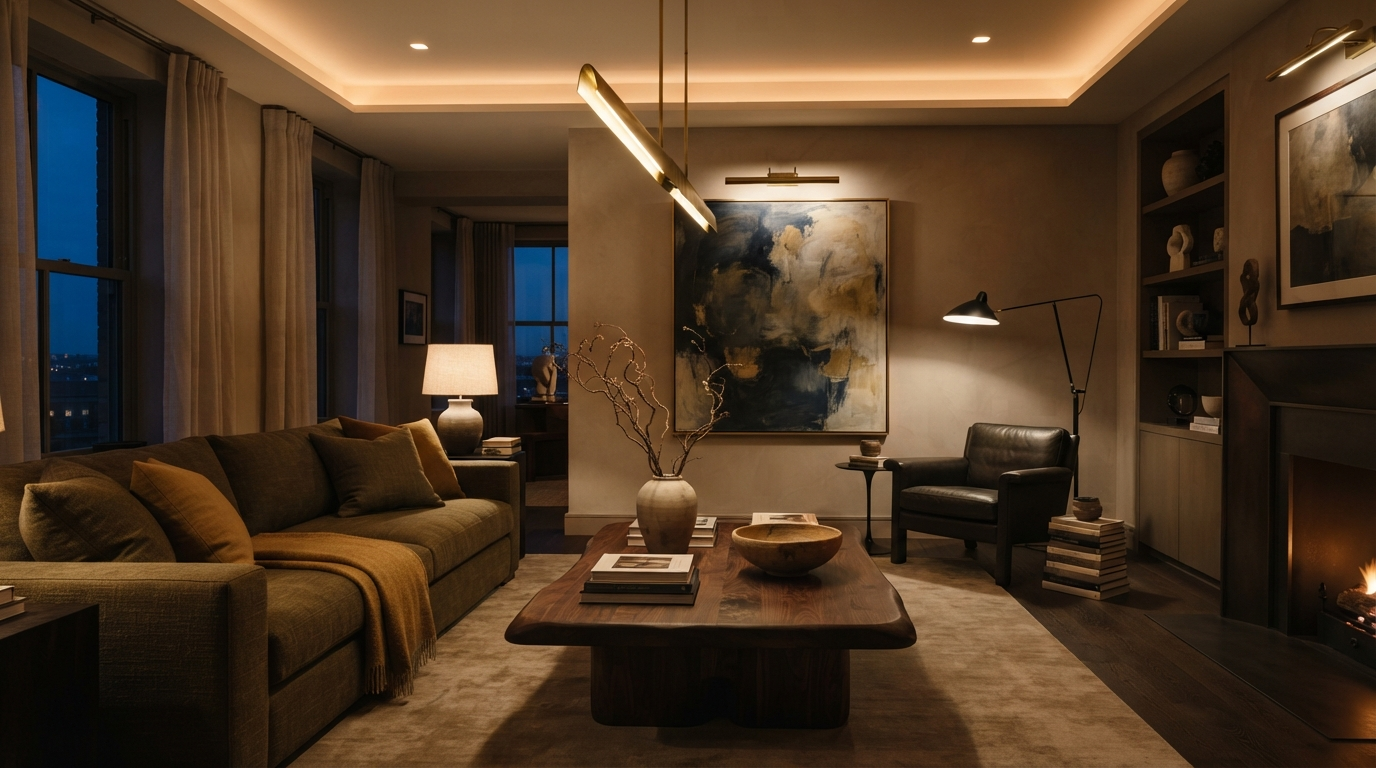
Lighting is the most powerful tool in interior design. To achieve a high-end look, you must layer three types of lighting: ambient, task, and accent. Ambient lighting (recessed lights, large pendants) provides general illumination. Task lighting (desk lamps, under-cabinet lights) serves specific functions. Accent lighting (picture lights, directional spotlights) highlights architectural features or art. The interplay of these layers creates depth.
3. Dynamic Focal Points: The Role of Lighting Fixtures
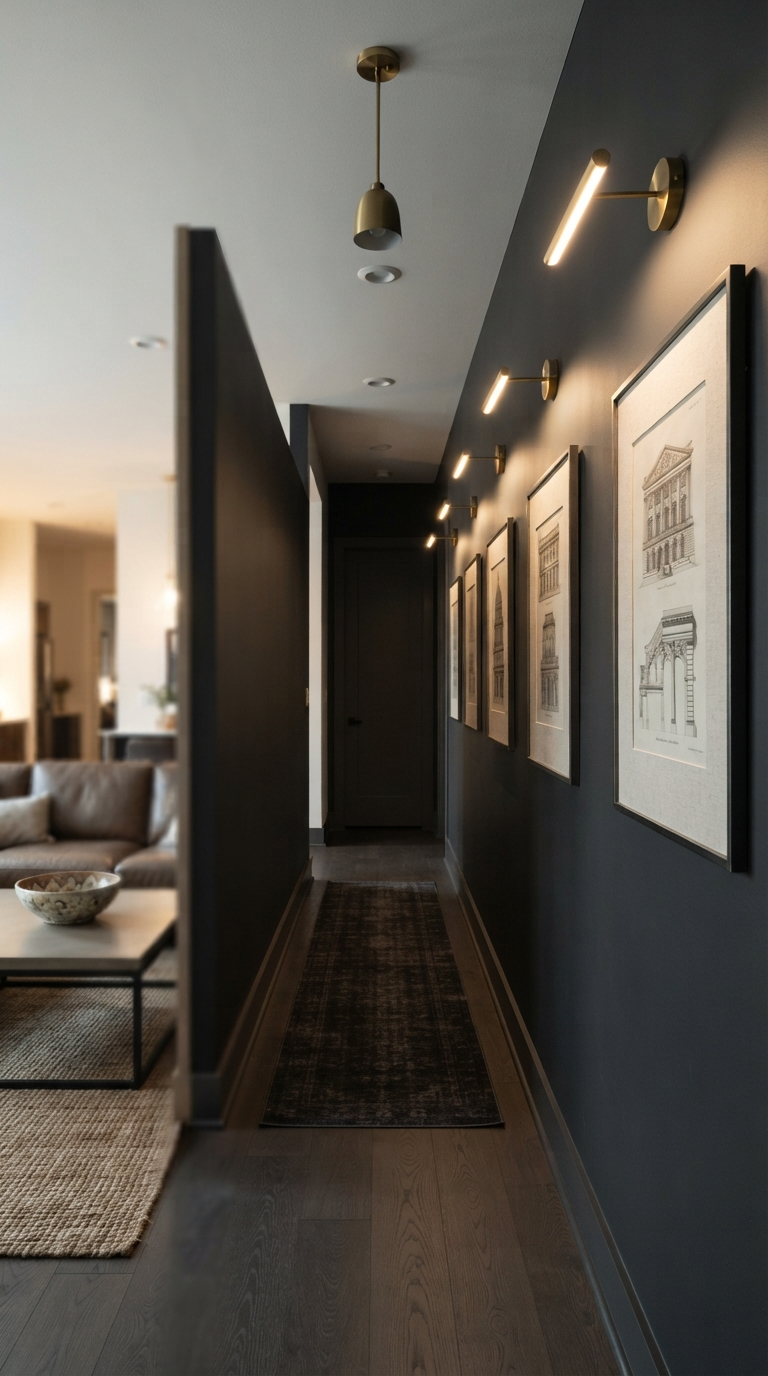
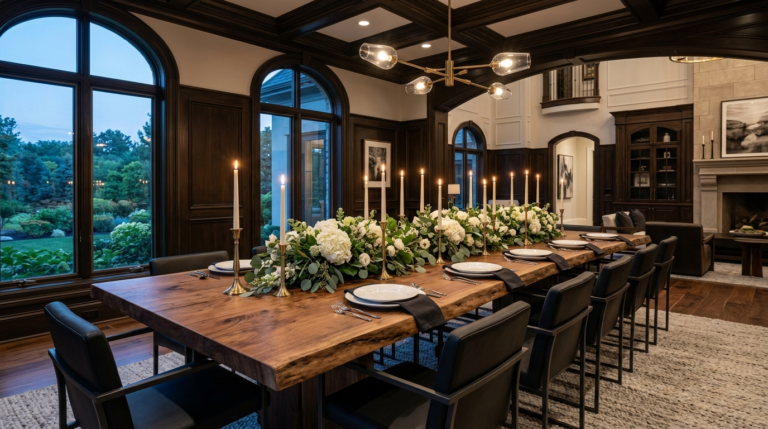
Your lighting fixtures themselves should serve as dynamic focal points. A dramatic, linear pendant over a dining table, a sculptural floor lamp in a reading nook, or sophisticated wall sconces in a hallway can define the room’s style. Use dimmer switches everywhere to adjust the mood and intensity of your layered lighting, allowing the fixtures to shine as architectural elements.
4. Curating Surface Styling: Shelves and Tables
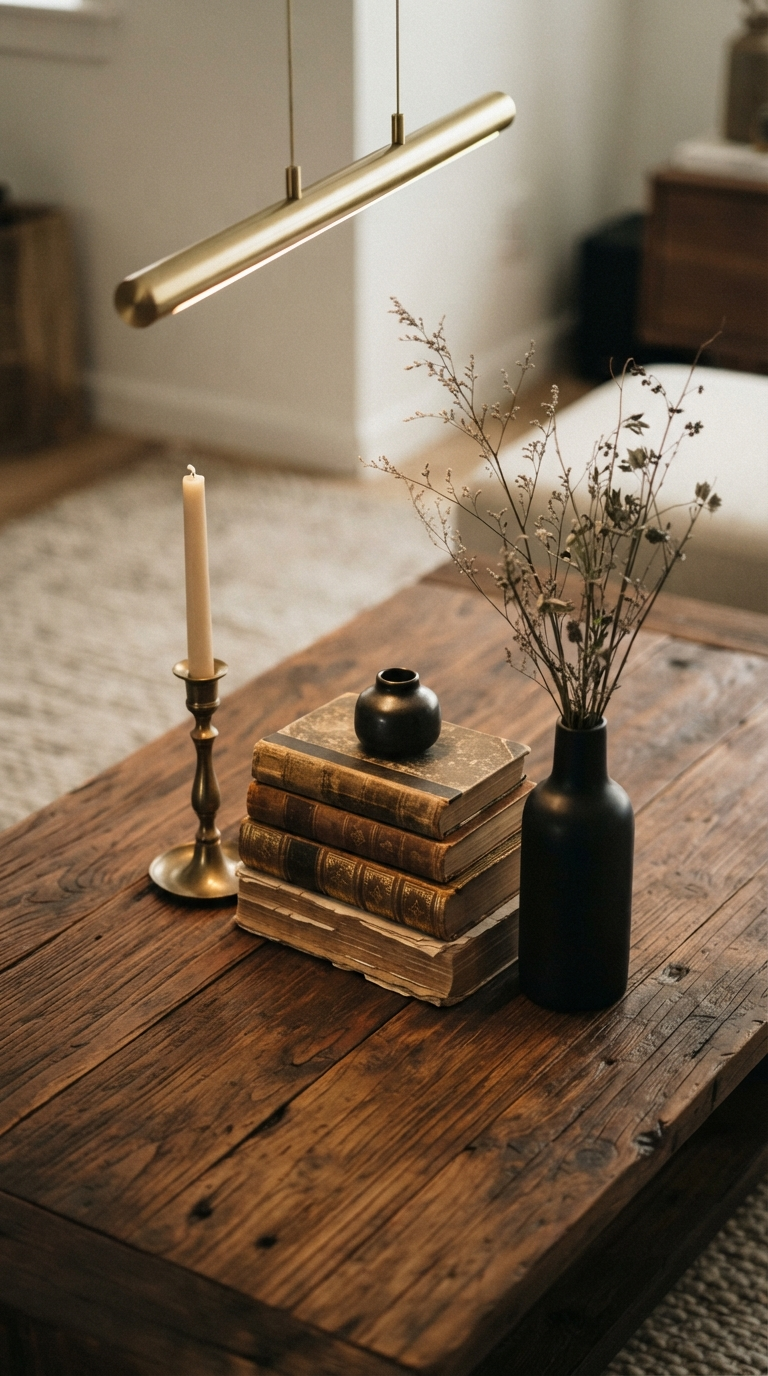
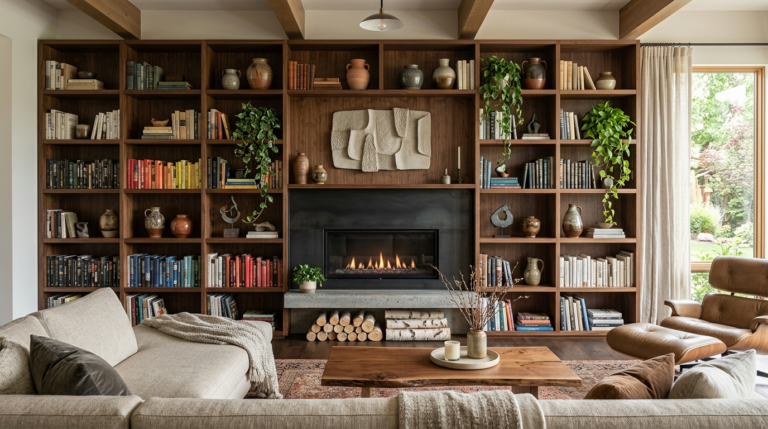
Surface styling is where you inject personality. For coffee tables and shelves, use the rule of three: group objects in odd numbers. Vary heights using stacks of books, vertical objects like vases or candles, and horizontal elements. Blend textures—smooth glass against rough ceramic or wood. Use lighting (like a small table lamp or backlighting) to showcase these vignettes. Keep surfaces visually light by leaving empty space.
5. The Power of Textiles and Soft Furnishings
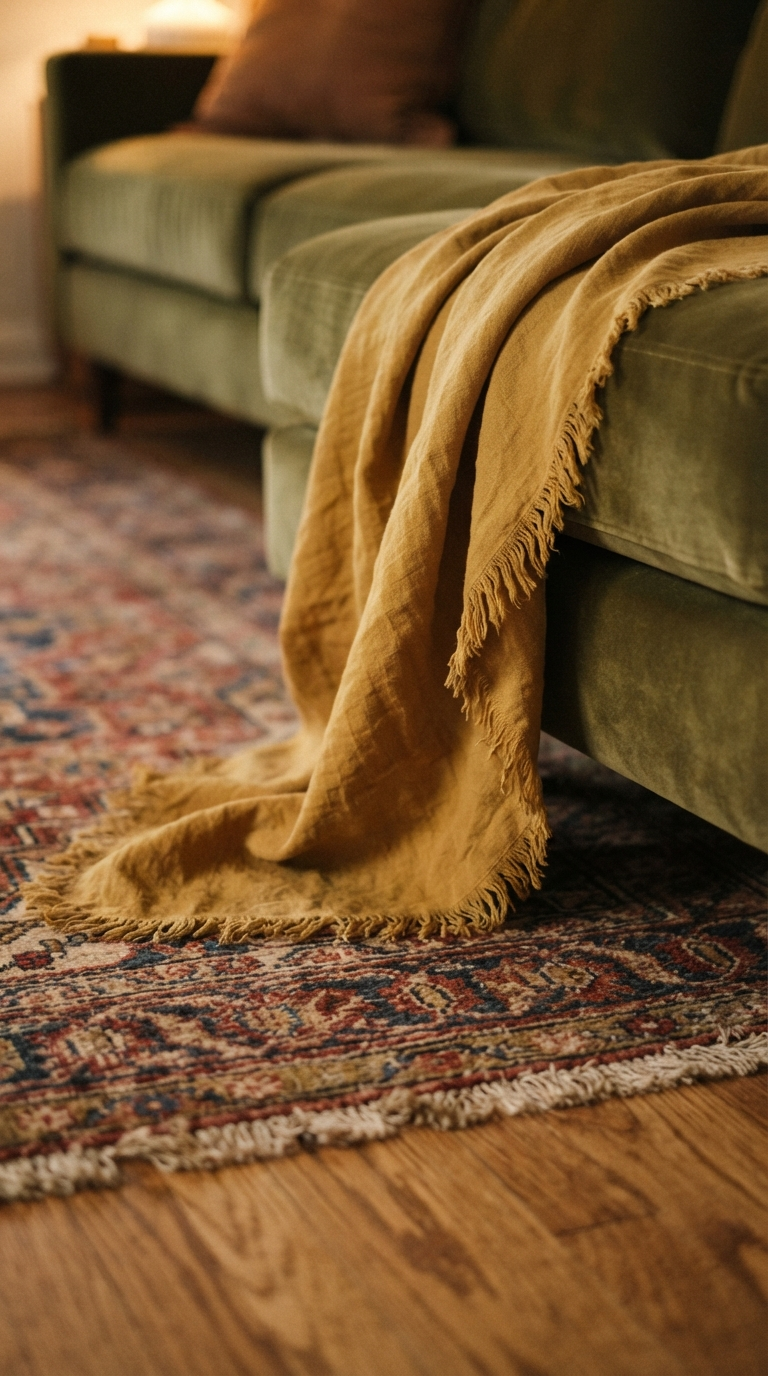
Textiles introduce essential warmth and comfort. Layer rugs, curtains, throw blankets, and pillows. Play with different scales of patterns and textures. A cozy knitted throw contrasting against a smooth leather chair instantly adds dimension. Textiles absorb sound and soften the hard edges of a room, crucial for creating an inviting, editorial-quality space that feels finished.
6. Lighting Art and Decorative Objects
Finally, focus on accenting your favorite pieces. Proper picture lighting transforms artwork into a professional exhibition. Use directional spotlights to highlight a sculpture or a unique decorative object. Ensure the light source is warm (2700K-3000K) to enhance colors and textures. This final layer of light creates a dramatic, polished atmosphere that truly reflects high-end interior styling.
Master the art of shelf styling! Learn how to seamlessly blend beautiful decor with practical storage solutions in any room with this ultimate design guide.
Transform your dining area into a stunning focal point. Explore elegant tables and curated accessories that elevate your everyday meals and special events.
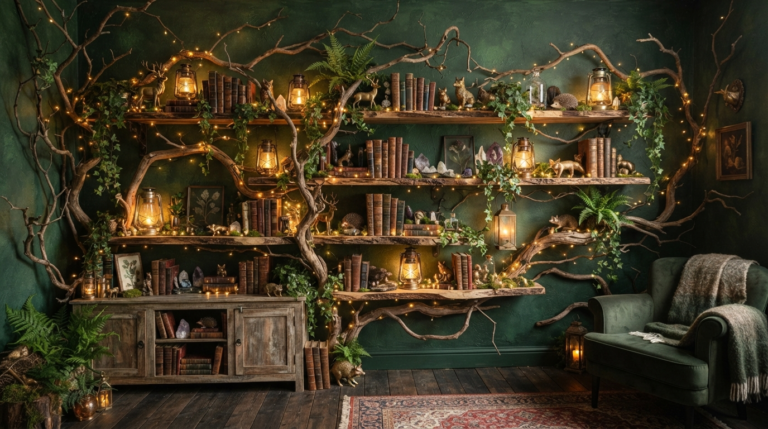
Transform your living space with these whimsical DIY shelving ideas. Discover imaginative storage solutions that add magic and wonder to any cozy room.
Unleash your creativity and transform your storage into a fairytale with these wildly imaginative, whimsical DIY shelving ideas that add magic to any room.
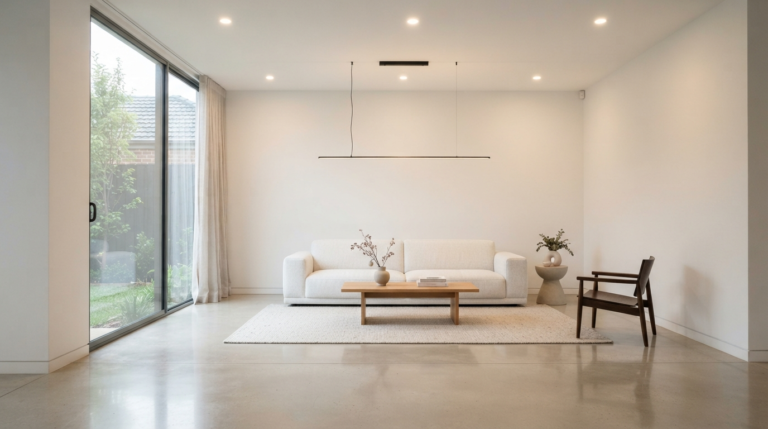
Discover the most common living room lighting mistakes that ruin your home’s aesthetic. Learn expert tips on layering, color temperature, and fixture scale.