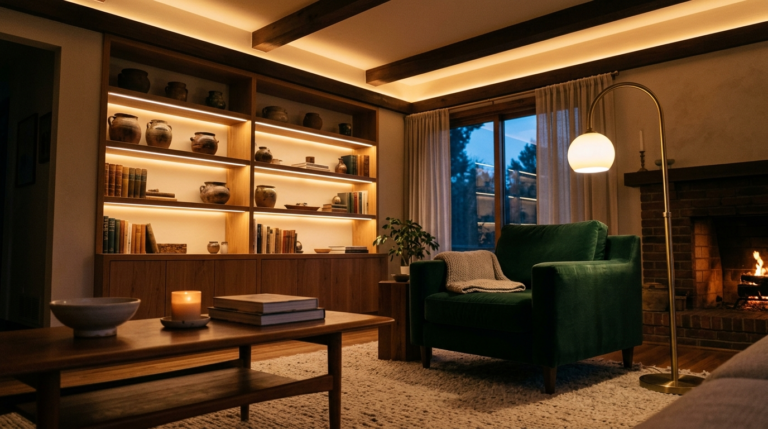
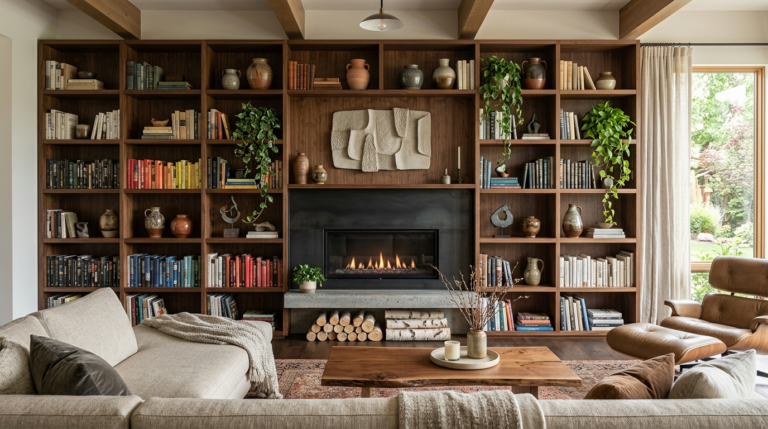
Lighting is the unsung hero of interior design, wielding the power to completely transform the mood, perceived size, and functionality of a space. Yet, when designing a clean, minimalist home, lighting is often treated as an afterthought or reduced to a purely utilitarian necessity. This leads to harsh, uninviting environments that feel sterile rather than serene. If your meticulously curated minimalist living space feels cold, uninviting, or visually flat, improper lighting is likely the culprit. In this comprehensive problem-solving guide, we will dissect the most prevalent lighting mistakes homeowners make and provide actionable, sophisticated solutions to ensure your minimalist haven is perfectly, beautifully illuminated.
Mistake 1: Relying Exclusively on Overhead Recessed LightingOne of the most glaring errors in modern minimalist homes is the over-reliance on overhead recessed lights, commonly referred to as ‘can lights.’ While they provide general illumination, using them as the sole source of light creates a harsh, flat wash that eliminates shadows and depth, resulting in a room that feels like a commercial office or an interrogation room. Minimalist design thrives on subtle contrasts and organic textures, which are completely washed out by overpowering overheads. The solution is the strategic layering of light. You must incorporate ambient lighting for general glow, task lighting for specific functions, and accent lighting to highlight architectural features or art. By turning off the overheads and utilizing a combination of floor lamps, table lamps, and wall sconces, you create a dynamic, inviting atmosphere that enhances the clean lines of your minimalist furniture rather than flattening them.
Mistake 2: Choosing the Wrong Color TemperatureColor temperature, measured in Kelvins (K), dictates whether a light appears warm (yellow/orange) or cool (blue/white). A frequent mistake in minimalist homes is selecting bulbs with a high Kelvin count (4000K and above) in an attempt to make the space feel ‘cleaner’ or more modern. Unfortunately, this cool daylight spectrum often makes living spaces feel clinical, stark, and unsettling. Conversely, bulbs that are too warm (under 2500K) can make white minimalist spaces look dingy or muddy. The sweet spot for a welcoming, clean home is generally between 2700K and 3000K. This range emits a soft, warm white light that beautifully complements natural wood tones, softens stark white walls, and flatters human skin tones. Consistency is also key; mixing different color temperatures in the same open-concept space causes visual confusion and disrupts the seamless flow that minimalism demands.
Mistake 3: Ignoring Scale and Proportion in FixturesIn minimalist design, every object must justify its presence. Lighting fixtures act as functional sculptures. A major mistake is selecting fixtures that are entirely disproportionate to the room or the furniture they accompany. A tiny pendant light floating above a massive dining table looks awkward and lost, while an enormous, heavy chandelier in a small bedroom with low ceilings feels oppressive and visually heavy. When selecting fixtures, consider the volume of the room. A large, open-concept minimalist space can handle a dramatic, sweeping arc floor lamp or an oversized, yet visually lightweight, paper lantern pendant. For smaller areas, sleek, slender wall sconces or low-profile flush mounts provide necessary light without adding visual clutter. The fixture should harmonize with the geometry of the space, acting as a complementary line or curve rather than a disruptive distraction.
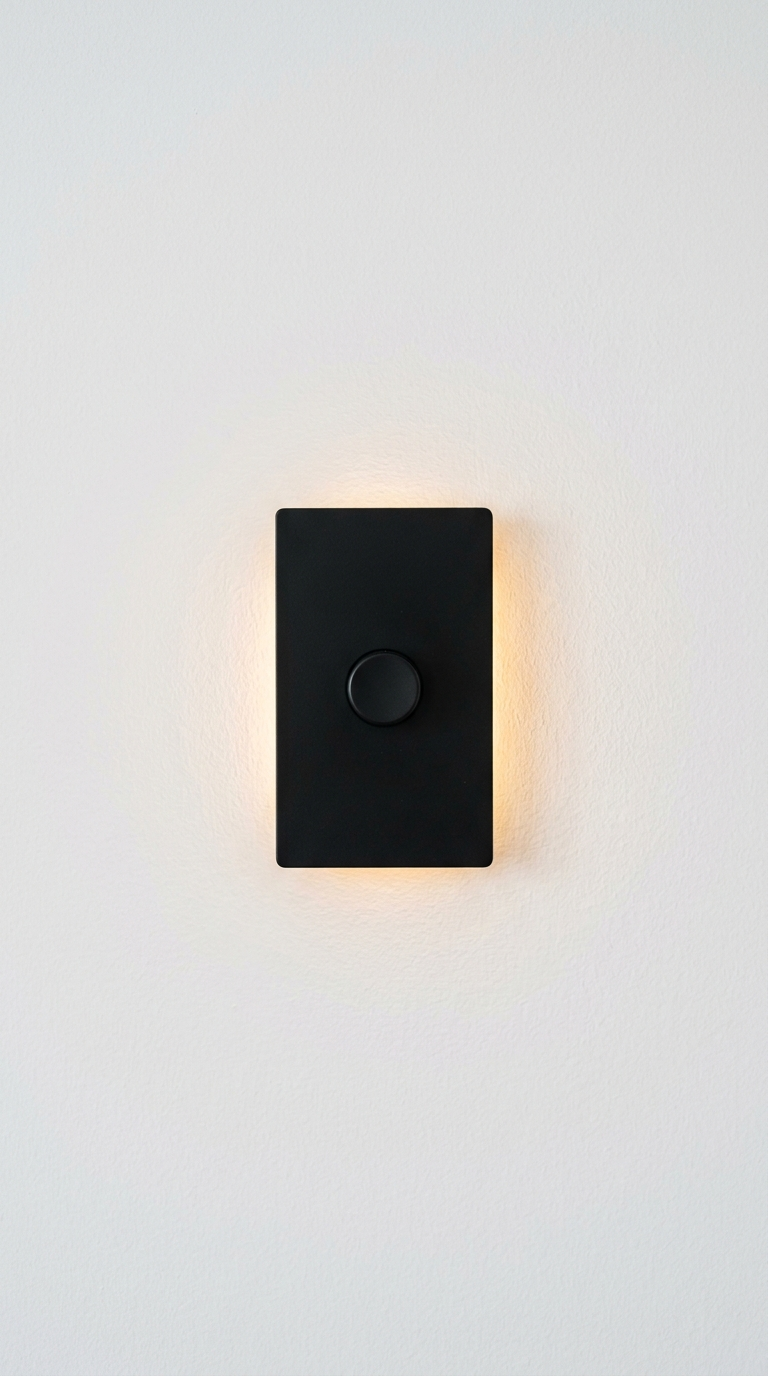
Mistake 4: Forgetting the Importance of DimmersFlexibility is a cornerstone of intelligent home design. Failing to install dimmer switches on your light fixtures is a profound missed opportunity. A living room requires bright light for reading or cleaning during a dark winter afternoon, but it demands a soft, low glow for relaxing in the evening. Without dimmers, your lighting is binary: on or off, blinding or dark. Dimmers give you absolute control over the ambiance, allowing you to sculpt the light according to the time of day, the activity, or the desired mood. In a minimalist home, where the atmosphere relies heavily on the interplay of light and shadow on blank walls, dimmers are essential tools. They are relatively inexpensive to install but offer a massive return on investment in terms of daily comfort and aesthetic control.
Mistake 5: Poor Placement of Task LightingTask lighting is meant to illuminate specific areas where activities like reading, cooking, or working occur. A common mistake is placing this lighting incorrectly, resulting in frustrating shadows cast directly over the workspace. For instance, relying on a ceiling fixture behind your desk chair will cast a dark shadow over your paperwork. In a minimalist kitchen, central ceiling lights will cause your own body to cast a shadow on the countertops as you prepare food. The solution is to place task lighting between you and the task. Use adjustable desk lamps with clean, modern lines for workspaces. In the kitchen, under-cabinet LED strip lighting is a perfect minimalist solution; it remains completely hidden from view while brilliantly illuminating the countertops without casting any unwanted shadows.
Conclusion: The Art of Subtle IlluminationAvoiding these common lighting mistakes is the key to unlocking the true potential of your minimalist home. By stepping away from the reliance on harsh overheads, carefully selecting the correct color temperature, balancing the scale of your fixtures, embracing dimmers, and thoughtfully placing task lighting, you can create a space that feels simultaneously airy, clean, and deeply welcoming. Remember that in minimalist design, less is indeed more, but ‘less’ applies to visual clutter, not to the quality and layering of your light. Master the art of subtle illumination, and your home will become the serene, perfectly balanced sanctuary you always envisioned.
Transform your dining area into a stunning focal point. Explore elegant tables and curated accessories that elevate your everyday meals and special events.
Unleash your creativity and transform your storage into a fairytale with these wildly imaginative, whimsical DIY shelving ideas that add magic to any room.
Want a cozy, functional, and beautiful home? Learn how to master the art of layered lighting with our comprehensive, step-by-step guide to home illumination.
Master the art of shelf styling! Learn how to seamlessly blend beautiful decor with practical storage solutions in any room with this ultimate design guide.