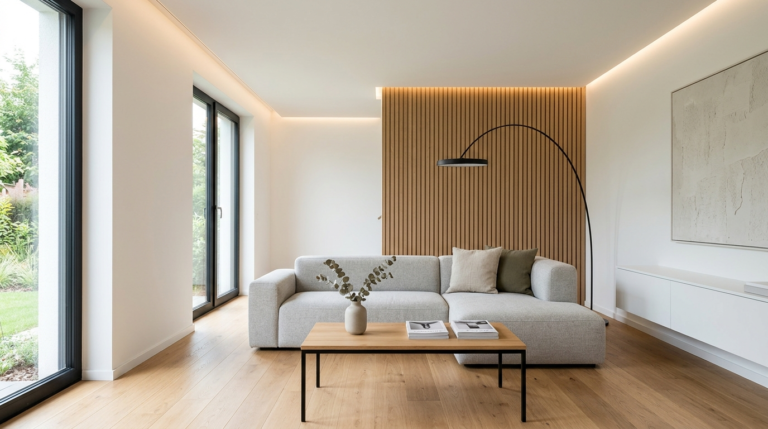
Lighting is the unsung hero of interior design. It has the unparalleled power to dictate the mood, alter the perceived size of a room, and highlight your most treasured architectural features. Yet, despite its critical importance, lighting remains one of the most frequently misunderstood and poorly executed elements in home decor. A beautifully furnished living room can instantly feel stark, unwelcoming, or entirely flat if the lighting scheme is off. Conversely, a modestly decorated space can look like a high-end luxury retreat when bathed in the right layered glow. If you have ever walked into a room and felt an inexplicable sense of discomfort or sterility, chances are the lighting was the culprit. In this comprehensive guide, we are going to dissect the seven most common living room lighting mistakes and provide you with actionable, expert-approved strategies to fix them. By mastering these principles, you will transform your living room into a cozy, functional, and visually stunning sanctuary.
Mistake 1: Relying Exclusively on Overhead Recessed Lighting
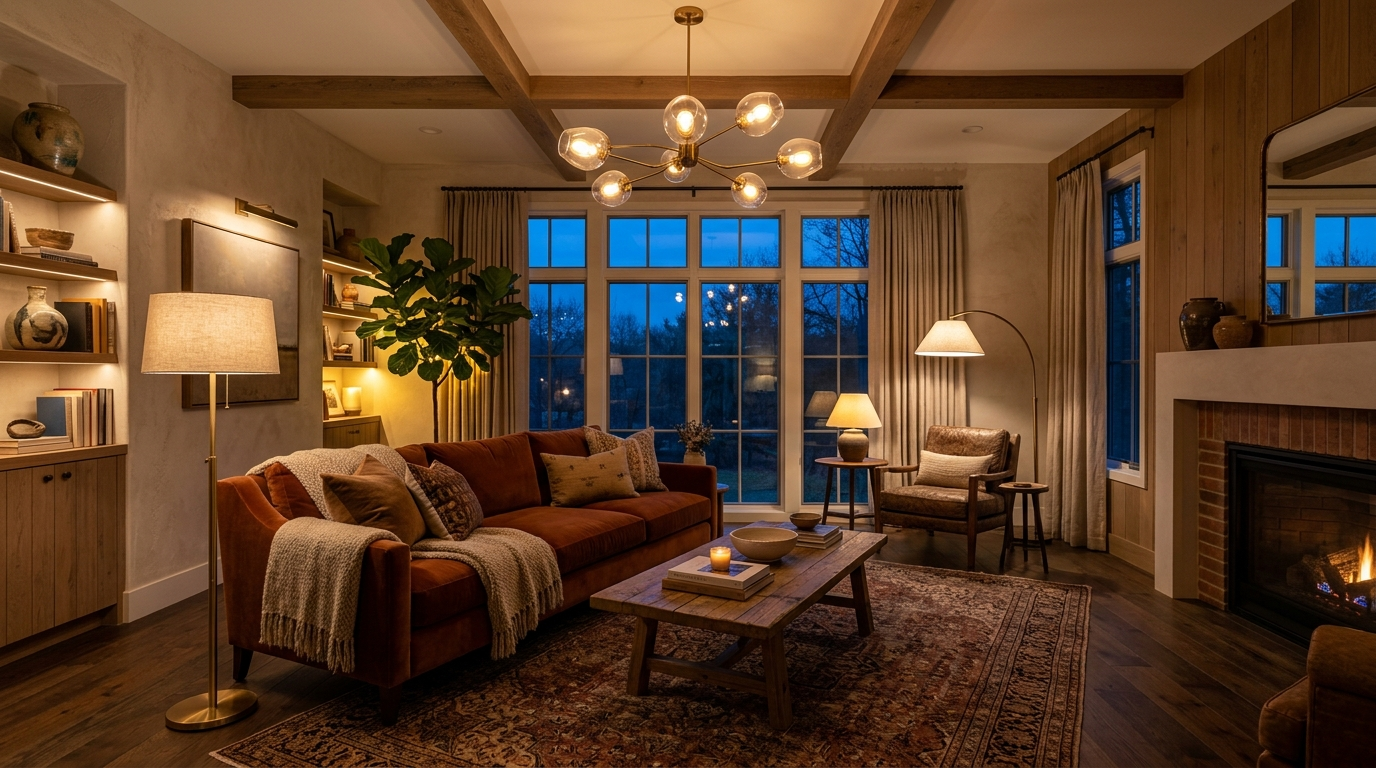
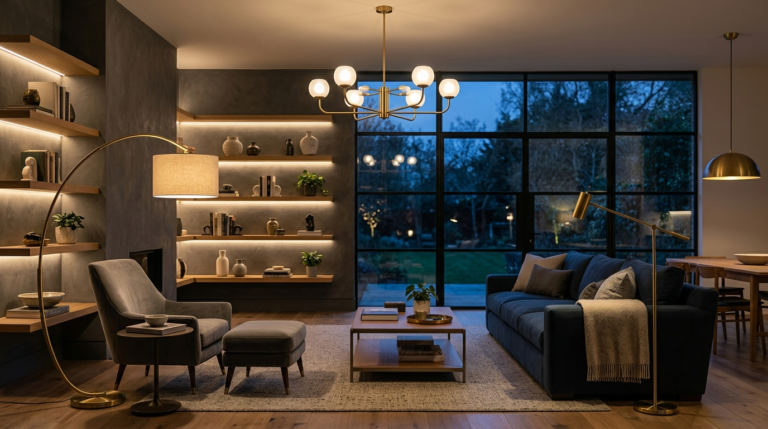
One of the most prevalent errors homeowners make is relying solely on a grid of overhead recessed lights—often referred to as ‘can lights’ or ‘downlights.’ While overhead lighting provides essential general illumination, using it as the only light source creates a harsh, flat environment that interior designers often compare to an interrogation room or a commercial waiting area. Overhead lights cast unflattering shadows under the eyes, flatten the textures of your fabrics, and completely wash out the dimensional beauty of your furniture. The fix for this is a concept known as ‘layering.’ A well-designed room requires three distinct layers of light: ambient (general lighting), task (functional lighting for specific activities), and accent (highlighting decorative elements). To remedy the overhead glare, introduce floor lamps in dark corners and place table lamps on side tables or consoles. This brings the light source down to eye level, creating a warm, human-scale glow that invites relaxation. When you enter the room in the evening, try turning off the overheads entirely and relying on your mid-level lamps. You will instantly feel a dramatic shift in the room’s atmosphere, transforming it from a sterile box into an enveloping, cozy retreat.
Mistake 2: Choosing the Wrong Color Temperature
Have you ever purchased a new lightbulb, installed it, and suddenly felt like your living room looked like a surgical ward? You have fallen victim to the wrong color temperature. Light temperature is measured in Kelvins (K), and it dictates whether the light emitted appears warm (yellow/orange), neutral (white), or cool (blue). Many people accidentally purchase ‘Daylight’ bulbs (5000K-6000K) for their living rooms, mistakenly believing it will replicate beautiful natural sunlight. In reality, artificial daylight bulbs look stark, icy, and highly uninviting during the evening hours when living rooms are most used. For a residential living space, you should almost always opt for ‘Warm White’ or ‘Soft White’ bulbs, which fall in the 2700K to 3000K range. This temperature mimics the golden hour of sunset or the comforting flicker of a fire, promoting relaxation and signaling to your brain that it is time to wind down. If your walls are painted in cool tones like stark white or icy blue, a 3000K bulb provides a crisp but inviting neutrality. If your room features warm woods, earth tones, and deep colors, a 2700K bulb will beautifully enhance those rich pigments. Consistency is also key; ensure all the bulbs in a single room or open-concept area share the exact same Kelvin rating to avoid a jarring, mismatched appearance.
Mistake 3: Forgetting to Install Dimmer Switches
Flexibility is the hallmark of sophisticated interior design, and nowhere is flexibility more important than in your lighting. A living room is a multi-purpose space. It is where you host energetic family gatherings, read quietly on a rainy afternoon, watch movies in the dark, and enjoy intimate conversations. A static, on-or-off light switch cannot accommodate this wide spectrum of activities. Failing to install dimmer switches is a massive missed opportunity for both ambiance and energy efficiency. Dimmers allow you to choreograph the mood of your room with the simple slide of a finger. By lowering the light output by just 20%, you significantly soften the edges of the room, make the space feel more intimate, and extend the lifespan of your bulbs. When upgrading your switches, ensure you purchase dimmers that are explicitly compatible with your specific type of bulbs (LED, incandescent, or halogen), as incompatible pairings will result in annoying flickering or buzzing sounds. Installing dimmers on your main overhead fixtures, dining area chandeliers, and even your wall sconces is one of the most cost-effective upgrades you can make with the highest aesthetic return on investment.
Mistake 4: Poorly Scaled Fixtures
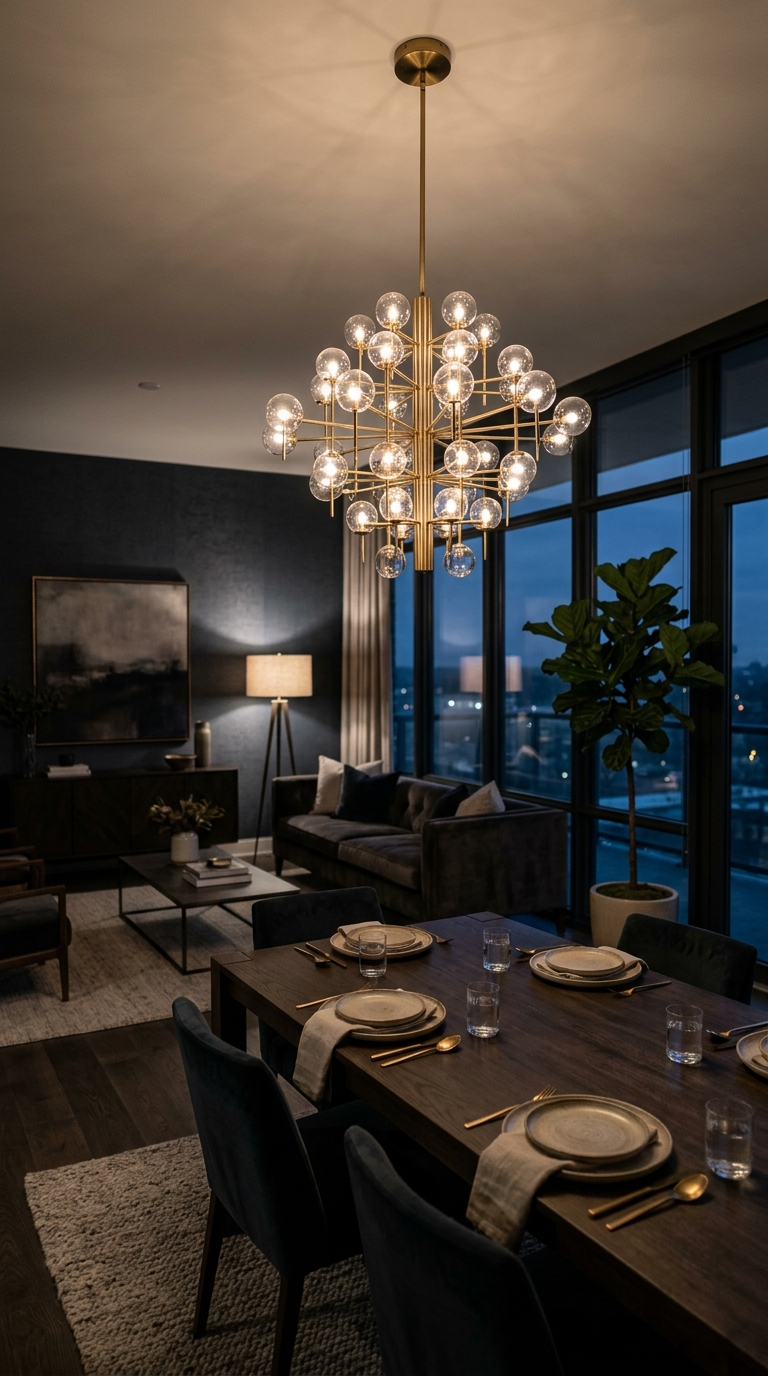
Scale and proportion are fundamental principles of design, yet they are often overlooked when shopping for light fixtures. A tiny, delicate chandelier lost in the center of a grand, high-ceilinged living room looks entirely out of place, just as a massive, heavy drum pendant overwhelming a small seating arrangement feels oppressive. When selecting a central statement fixture, mathematics is your best friend. A reliable industry formula for determining the correct diameter of a ceiling fixture is to measure the length and width of the room in feet, add those two numbers together, and convert the total to inches. For example, a 12-foot by 14-foot room (12 + 14 = 26) would comfortably accommodate a fixture that is roughly 26 inches in diameter. Height is equally crucial. In a living room where people walk underneath the fixture, the bottom of the chandelier should hang no lower than 7 feet from the floor. If you are hanging a fixture over a coffee table, you can afford to drop it lower to create a focused, intimate vignette, provided it doesn’t obstruct sightlines when seated. Table lamps also require careful scaling; a lamp placed on a side table next to a sofa should have its shade perfectly aligned with the seated eye level to prevent the bulb’s glare from shining directly into your eyes.
Mistake 5: Neglecting Dedicated Task Lighting
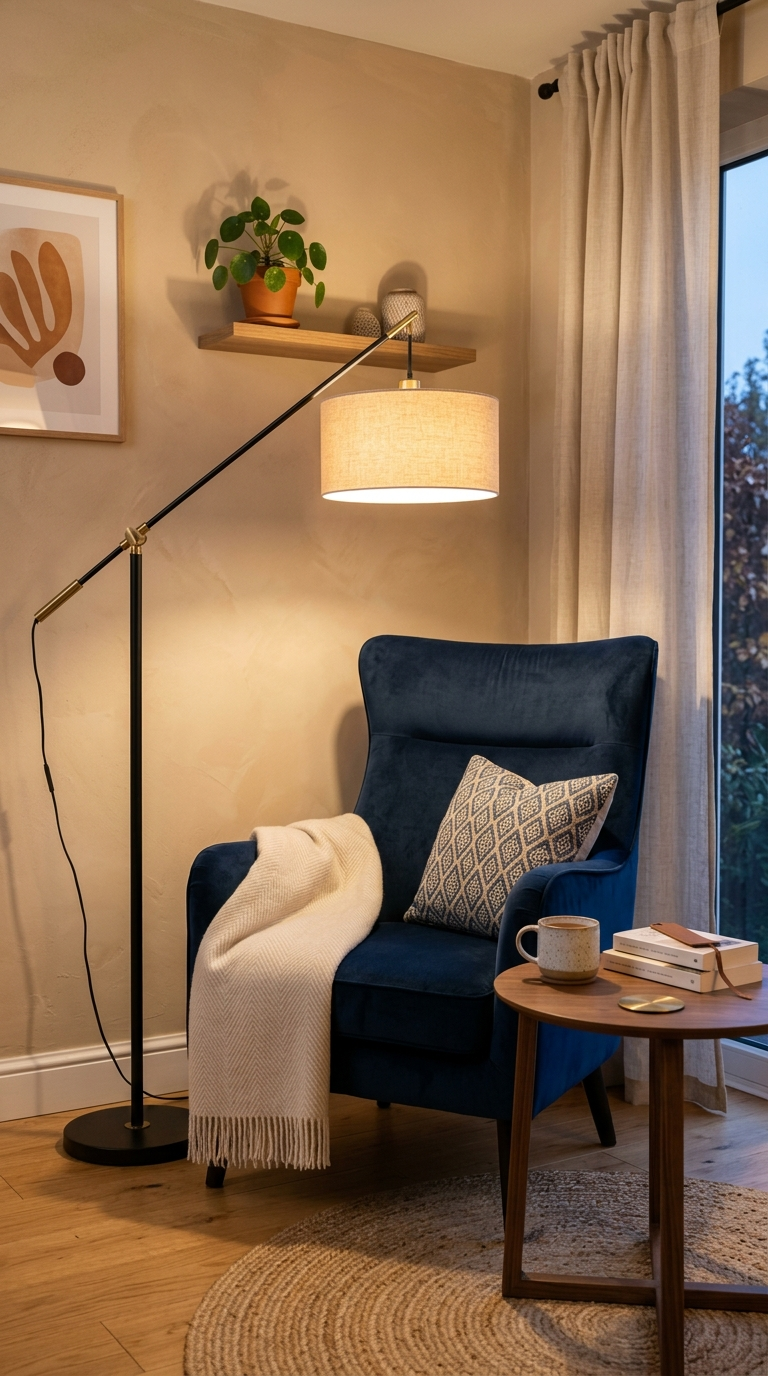
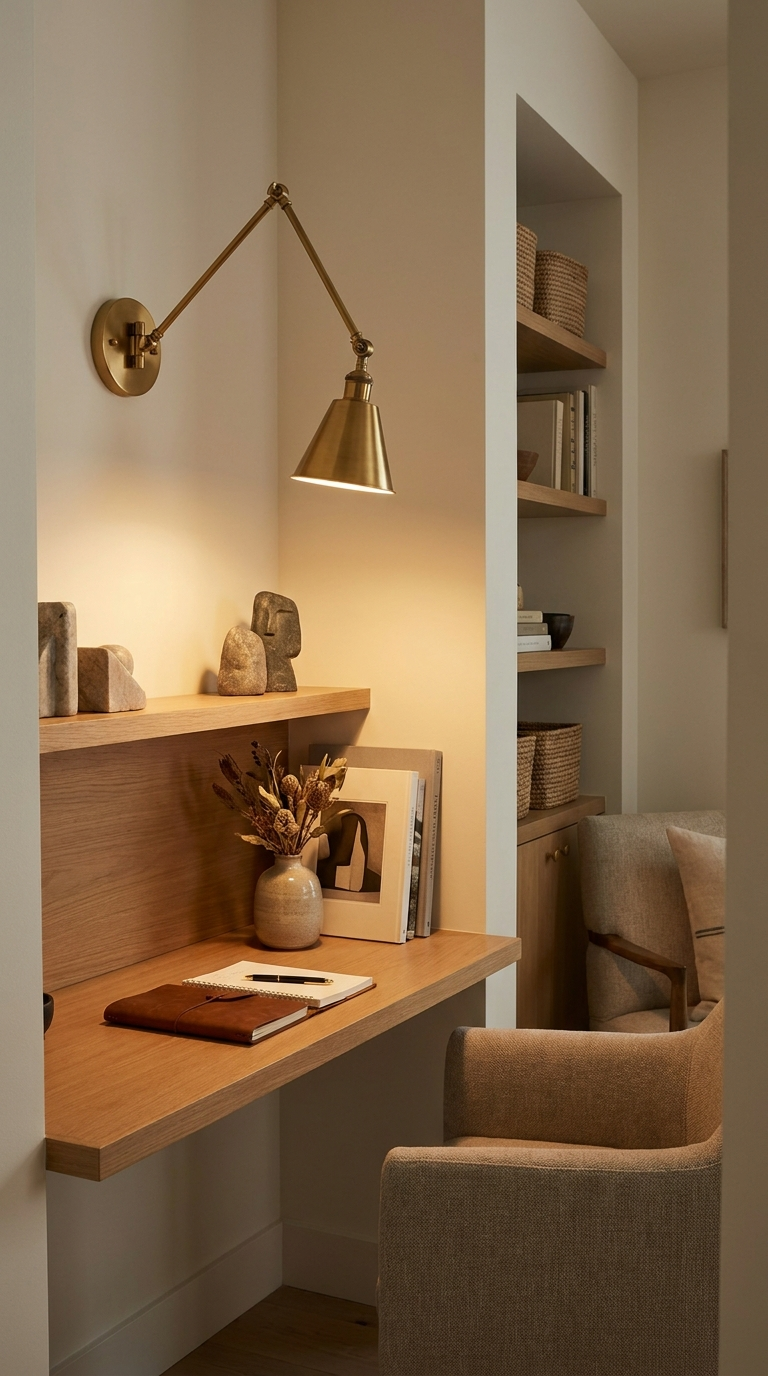
Ambient lighting allows you to navigate a room safely, but task lighting is what allows you to actually use the room comfortably. A common oversight in living room design is failing to provide adequate, focused illumination for specific activities, leading to eye strain and headaches. If your living room features a cozy reading nook in the corner, a standard overhead light will cast your own shadow directly onto your book. You need an adjustable floor lamp or an articulated wall sconce positioned slightly behind and to the side of the chair to cast light precisely where it is needed. Similarly, if your living room doubles as a home office, a dedicated desk lamp with an adjustable arm and a focused beam is non-negotiable. When selecting task lighting, look for fixtures that offer directional control and consider bulbs with a slightly higher lumen output to ensure optimal clarity. The beauty of task lighting is that it also contributes to the room’s overall layered lighting scheme, adding small pockets of warmth and interest even when the specific task is not being performed.
Mistake 6: Overlooking the Impact of Lampshades
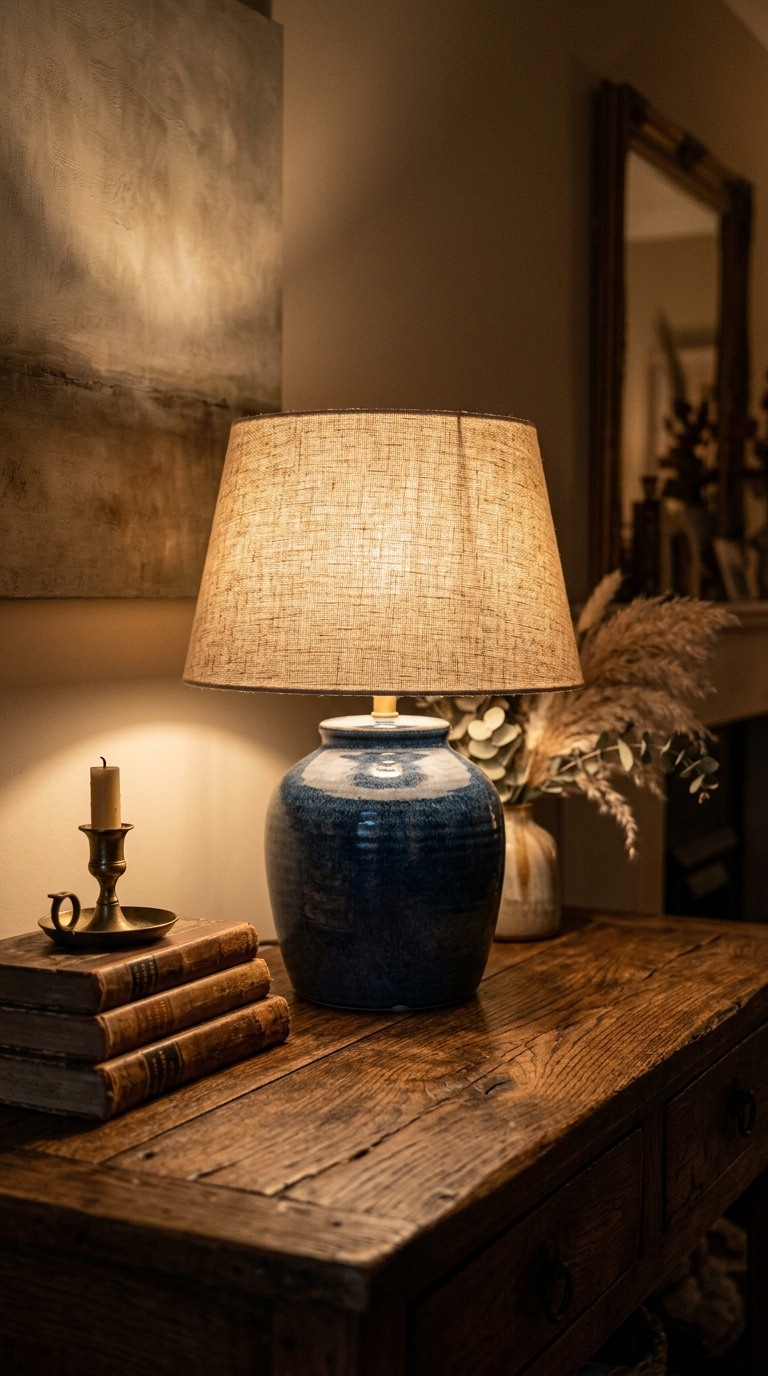
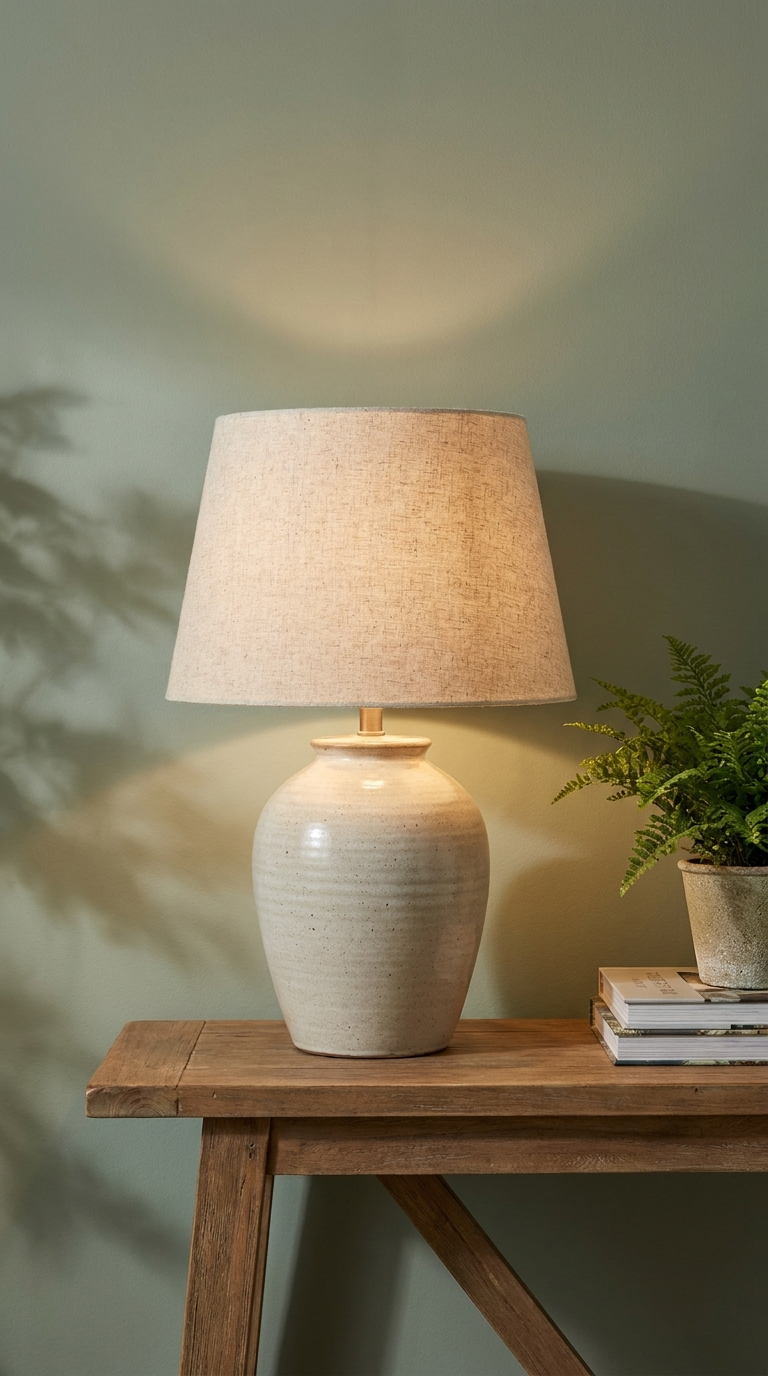
The fixture itself is only half the equation; the lampshade plays a monumental role in how light is dispersed and colored within your room. Many people buy a lamp for its base and never consider the shade. An opaque metal or dark fabric shade forces all the light directly upward and downward in tight, focused beams. This creates a dramatic, moody effect, which is fantastic for accentuating a specific piece of furniture or creating a pooling effect on a tabletop, but it does very little to contribute to the room’s overall ambient brightness. On the other hand, a translucent, light-colored fabric or paper shade acts as a diffuser, emitting a soft, omnidirectional glow that gently brightens the surrounding walls and ceiling. Furthermore, the color of the shade will tint the light. A crisp white shade provides clean, true-color illumination, while a cream, beige, or linen shade will infuse the room with a much warmer, golden hue. Always consider the function of the lamp when choosing its shade. If you need it to read, ensure the shade shape allows enough light to escape downward. If you simply want a decorative glow, a darker, thicker shade might be the perfect choice.
Mistake 7: Ignoring Architectural and Accent Lighting
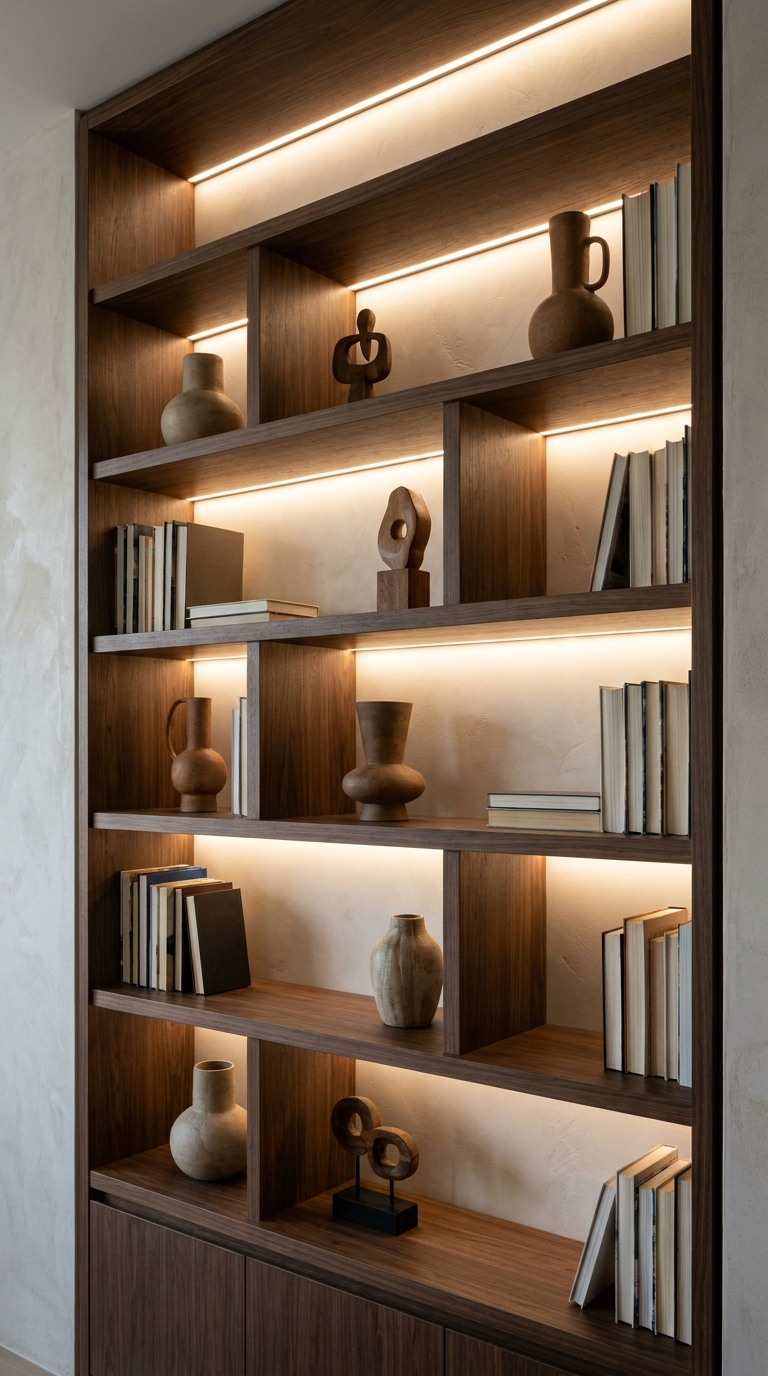
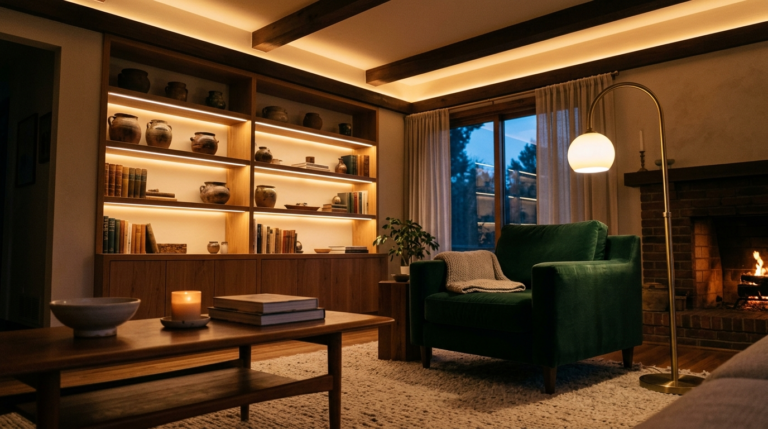
The final layer that separates a standard room from a professionally designed masterpiece is accent lighting. This is the jewelry of your lighting scheme. Accent lighting is used exclusively to draw the eye to specific features, adding drama, depth, and character to the space. Have you spent time and money selecting beautiful artwork for your walls? A small picture light mounted above the frame will elevate it to gallery status. Do you have beautiful built-in bookshelves? Incorporating hidden LED strip lighting on the undersides of the shelves will create a stunning, floating effect that highlights your curated collections and books. Floor-level uplighting placed behind large potted plants can cast magnificent, structural shadows against a blank wall, adding immense visual interest without taking up any floor space. Even highlighting an interesting architectural feature, like an exposed brick wall or a textured fireplace surround, with directional spotlights can dramatically alter the room’s ambiance. Accent lighting should generally be about three times brighter than the surrounding ambient light to effectively draw focus. By paying attention to these details, you add the final polish to a flawless living room lighting design.
Transform your living space with these whimsical DIY shelving ideas. Discover imaginative storage solutions that add magic and wonder to any cozy room.
Are you making these critical home lighting mistakes? Learn how to properly layer ambient, task, and accent lighting to beautifully illuminate every single room.
Avoid these common lighting design mistakes that ruin the ambiance of your home. Learn how to layer illumination effectively for a bright, minimalist space.
Are you making these interior styling errors? Learn how to fix lighting, scale, and clutter mistakes to achieve a beautifully minimalist aesthetic easily.
Want a cozy, functional, and beautiful home? Learn how to master the art of layered lighting with our comprehensive, step-by-step guide to home illumination.