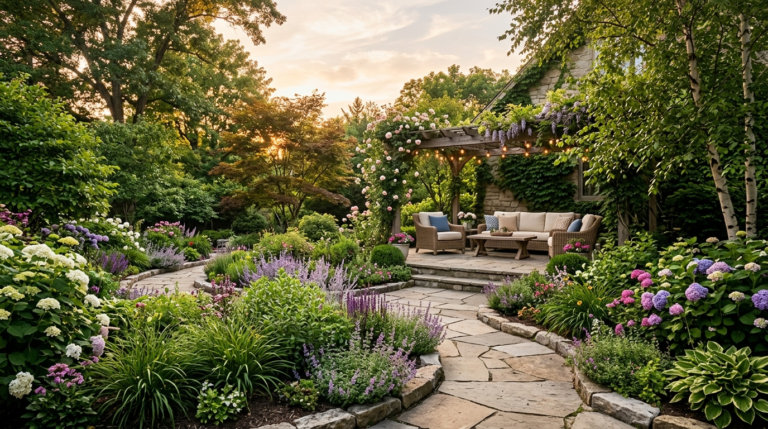
Having a small outdoor space—whether it is a compact urban courtyard, a narrow side garden, or a modest suburban patio—does not mean you have to sacrifice the dream of having a beautiful, lush retreat. In fact, small gardens possess an inherent intimacy and charm that sprawling lawns often lack. With thoughtful planning, strategic design, and a bit of creativity, you can transform even the most limited square footage into a stunning private oasis that serves as an extension of your indoor living area. This comprehensive guide will walk you through step-by-step strategies to maximize your space, enhance privacy, and create a verdant sanctuary where you can relax, entertain, and connect with nature.
The secret to successful small garden design lies in shifting your perspective. Instead of viewing the boundaries as limitations, view them as the walls of an outdoor room. Just as you would carefully arrange furniture, lighting, and decor in a small living room to optimize flow and comfort, you must apply the same meticulous attention to your outdoor space. Every inch matters, and every element must earn its place. Let us explore the fundamental steps to creating your dream garden oasis.
Step 1: Define the Purpose and Establish Zones
Before buying a single plant or piece of furniture, you must determine how you actually want to use the space. Do you envision hosting intimate al fresco dinners? Do you want a quiet reading nook surrounded by fragrant flowers? Or perhaps you need a low-maintenance lounge area to soak up the sun? In a small garden, you likely cannot have it all, so prioritize your primary desire. Once you have established the function, create distinct zones. Even in a 10-by-10-foot space, you can differentiate a dining area from a lounging area. Use subtle visual cues to separate these zones. A change in flooring materials—such as transitioning from wooden decking to gravel or adding an outdoor rug—instantly defines a specific area without the need for physical barriers that would make the space feel cramped.
Consider the flow of traffic. Ensure there is a clear, unobstructed path from your door to the main seating area. If your garden is long and narrow, avoid creating a straight “runway” effect. Instead, break up the sightline by placing seating or planting beds at slight angles, forcing the eye to wander and creating a sense of discovery. This visual trickery makes the garden feel larger and more complex than it actually is.
Step 2: Maximize Vertical Real Estate
When horizontal ground space is scarce, the only logical direction to go is up. Vertical gardening is the absolute best friend of the small garden owner. Look at your bare fences, exterior walls, and even sturdy balcony railings as prime planting territory. By drawing the eye upward, you add immense volume and lushness to the garden without sacrificing a single square inch of walkable floor space.
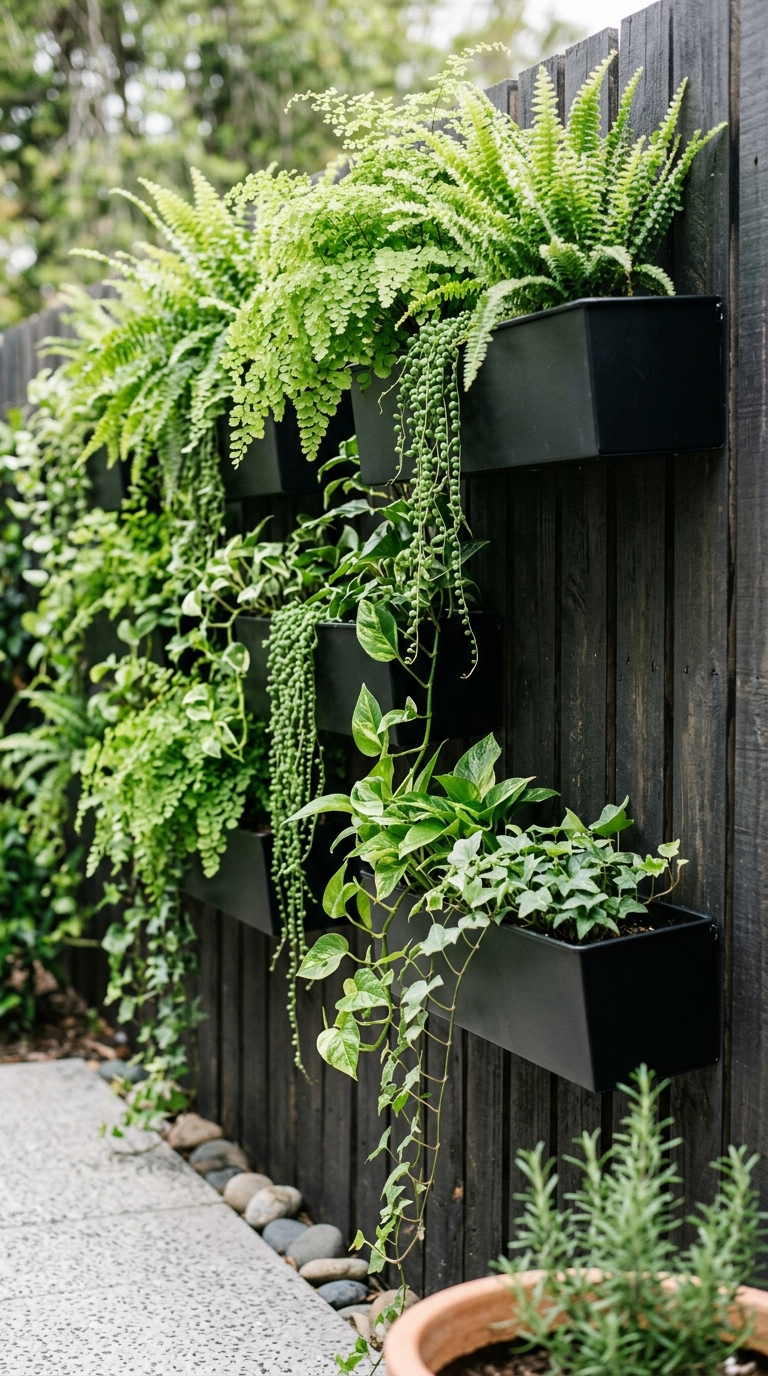
Install sturdy trellises or wire grids against walls to support climbing plants like fragrant jasmine, classic ivy, or vibrant bougainvillea. These aggressive climbers will quickly cover unsightly fences and create a spectacular living wall. Alternatively, mount rows of sleek planters or modular vertical garden systems to grow herbs, trailing succulents, or colorful annuals. Hanging baskets suspended from pergolas or sturdy tree branches add another layer of foliage at eye level. By surrounding yourself with greenery on all sides—not just at your feet—you create a deeply immersive, jungle-like environment that feels entirely secluded from the outside world.
Step 3: Engineer Privacy and Seclusion
An oasis, by definition, must feel private and sheltered. In small or urban gardens, you are often subjected to the prying eyes of neighbors from adjacent windows or balconies. Creating a sense of enclosure is crucial for true relaxation. While tall masonry walls are effective, they can feel oppressive and block valuable sunlight in a small space. Instead, aim for “soft” privacy solutions.
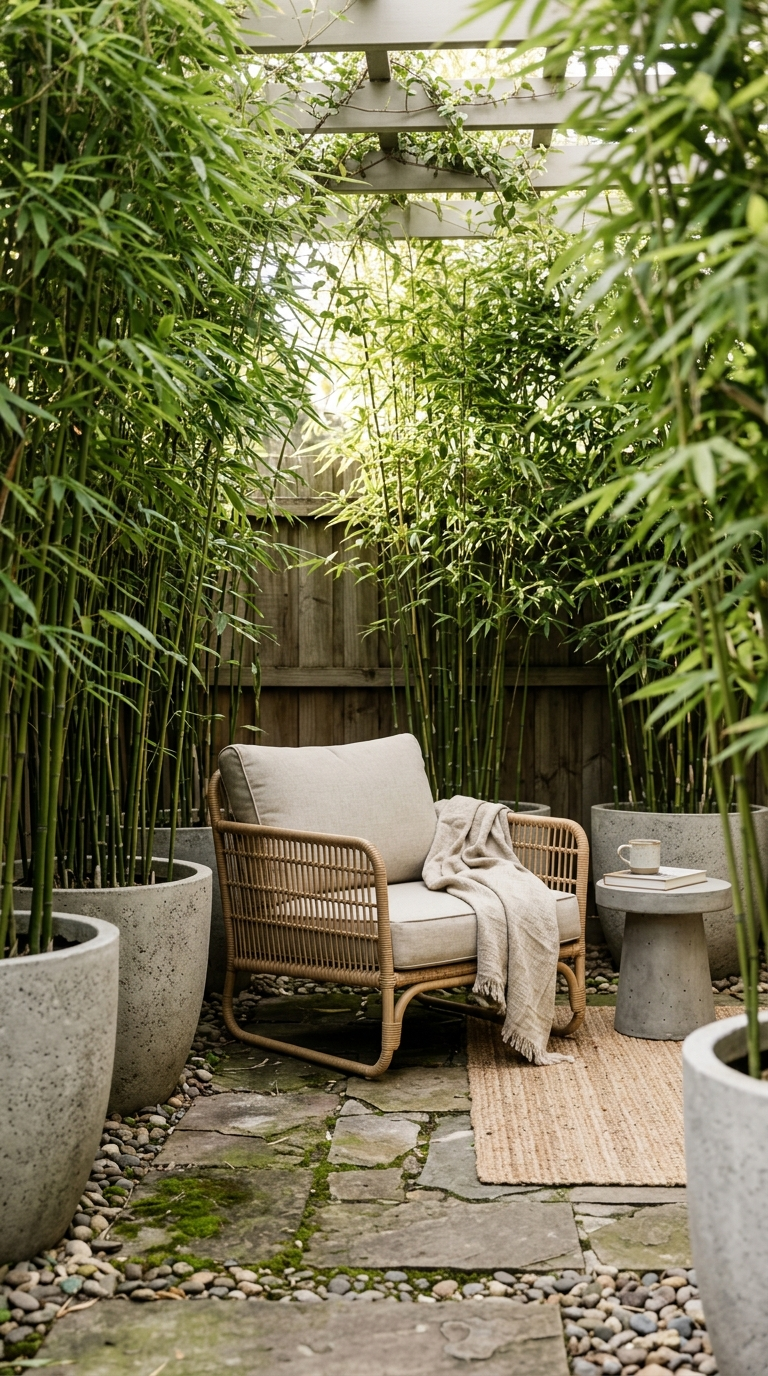
Planting a row of tall, fast-growing clumping bamboo in narrow, raised planter boxes is an excellent way to create a dense, natural screen. Bamboo provides beautiful rustling sounds in the wind and filters light beautifully. Slatted wooden screens or horizontal fencing offer a modern aesthetic while allowing air and dappled light to pass through. For overhead privacy from taller neighboring buildings, consider installing a lightweight pergola draped with canvas fabric or growing a canopy of climbing vines over a sturdy wire frame. Even strategically placing a large, leafy potted tree or a stylish patio umbrella near your main seating area can provide an immediate sense of sheltered intimacy.
Step 4: Scale Furniture and Optimize Comfort
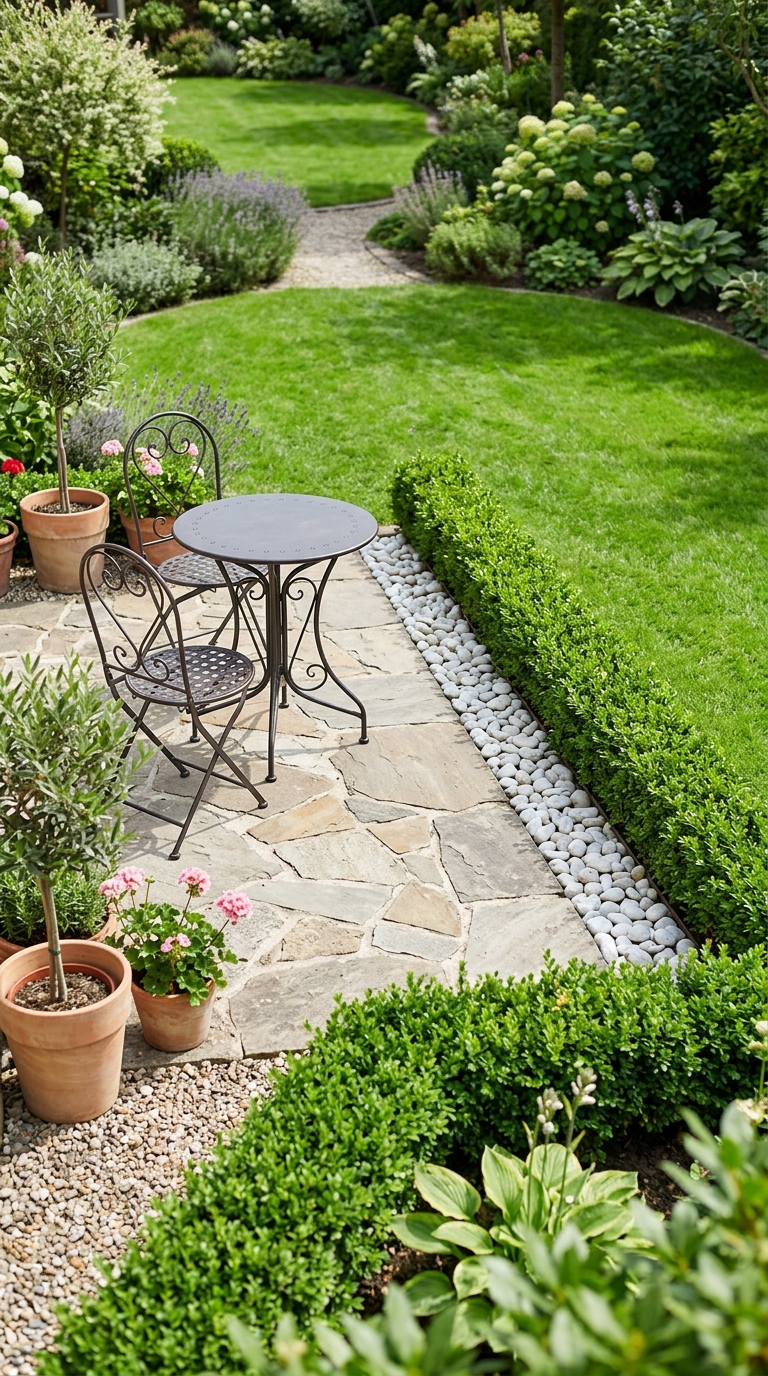
One of the fastest ways to ruin a small garden is by stuffing it with oversized, bulky patio furniture. Large, heavy pieces will dominate the space, making it impossible to move around and visually shrinking the area. Scale is everything. Choose furniture that is visually light, featuring slim profiles and open frames. Materials like powder-coated steel, thin rattan, or delicate wrought iron are perfect because you can see through them, creating an illusion of spaciousness.
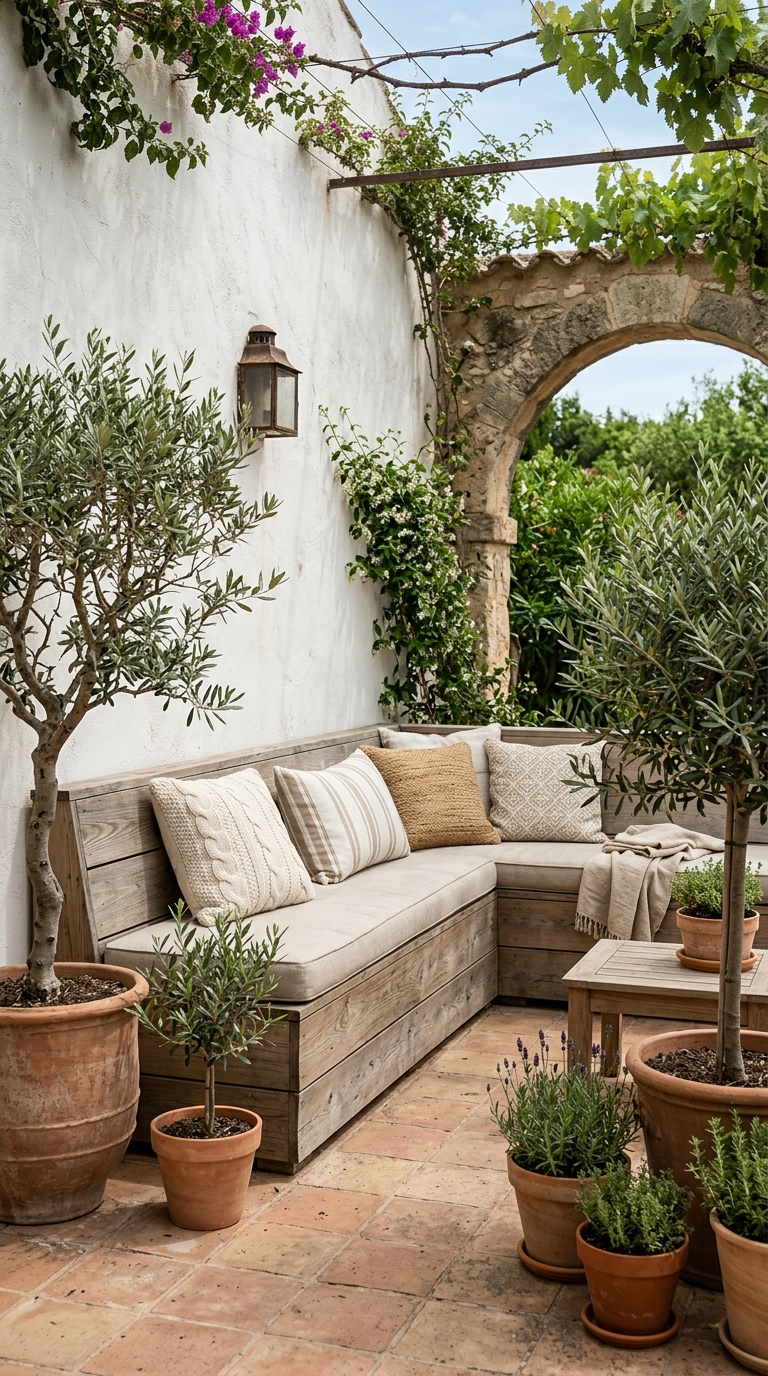
Multi-functional furniture is highly recommended. Look for sturdy wooden benches that double as storage boxes for outdoor cushions and gardening tools. Consider a space-saving bistro set that can be folded away when not in use, or nesting tables that can be expanded when guests arrive. Built-in seating is perhaps the most efficient use of space. A custom-built wooden bench running along the perimeter of the garden or integrated into a raised planter bed saves massive amounts of room while providing ample seating. Load these benches with plush, weather-resistant cushions and deeply textured throw pillows to ensure the space is as comfortable as your indoor living room.
Step 5: Master the Art of Layered Lighting
The magic of a garden truly comes alive at night, provided the lighting is executed correctly. Do not rely on a single, glaring floodlight from the back door. This flattens the landscape and ruins the ambiance. To create a captivating evening oasis, you must layer your lighting to create depth, highlight architectural features, and ensure safe navigation.
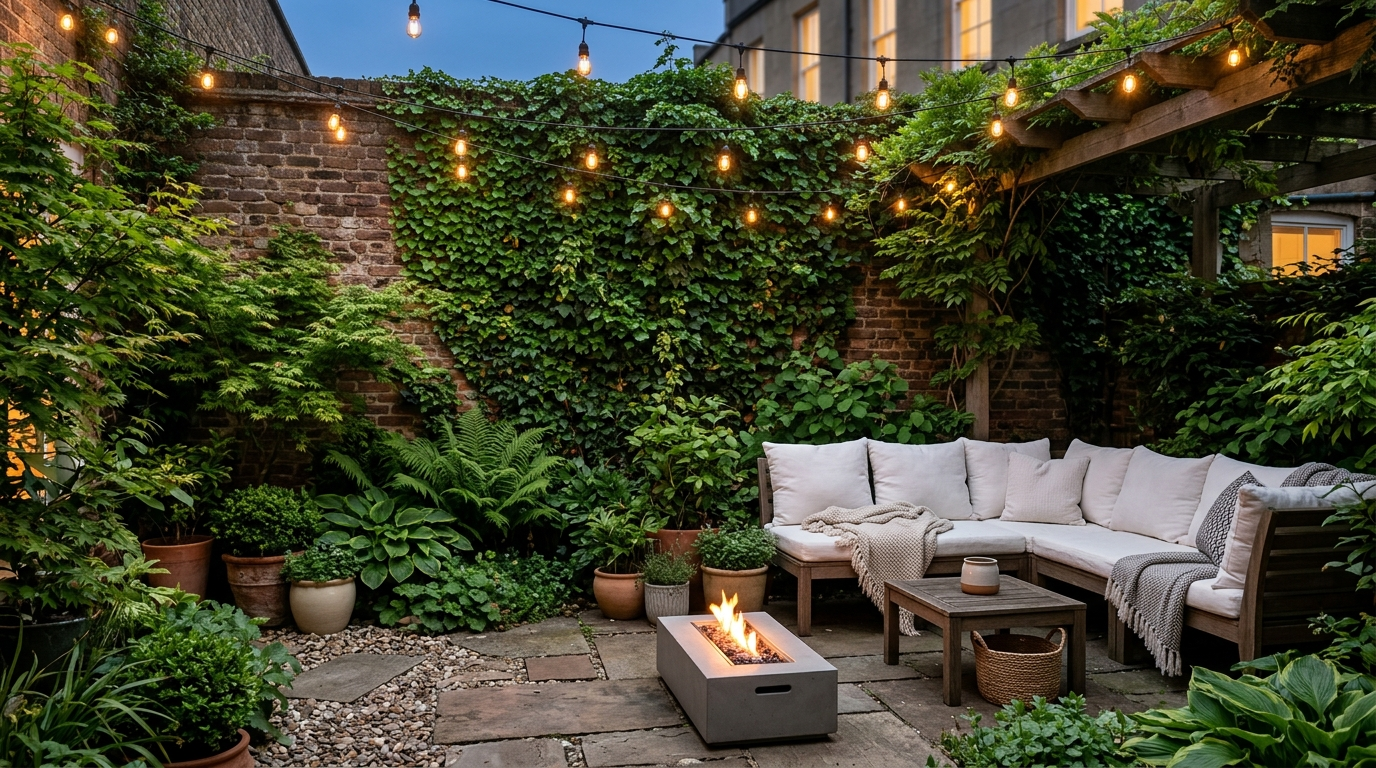
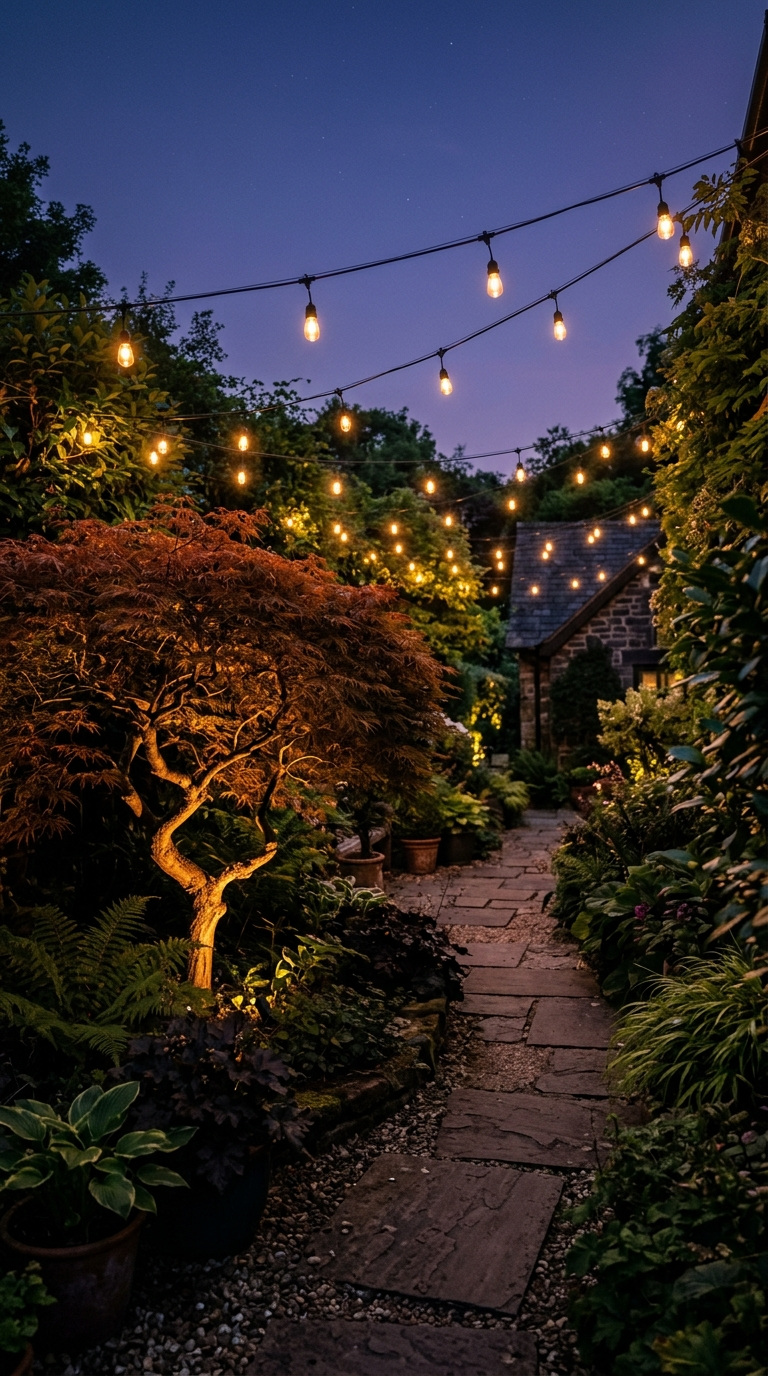
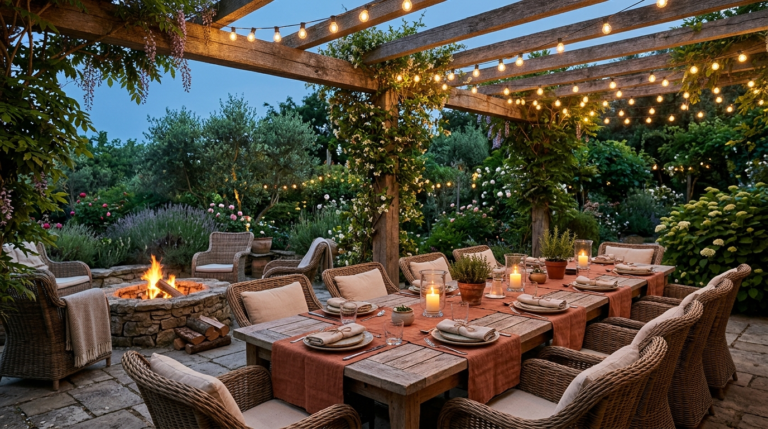
Start with ambient lighting. String lights (festoon or fairy lights) draped over a pergola or zigzagged across the courtyard provide a soft, enchanting, canopy-like glow that feels incredibly festive and cozy. Next, add accent lighting to draw attention to your favorite plants or vertical features. Small LED uplights placed at the base of trees or climbing vines create dramatic silhouettes and shadows against walls. Finally, incorporate task and functional lighting. Elegant lanterns placed on dining tables, solar-powered path lights to guide footsteps, and perhaps a small, safe, self-contained fire bowl (if space and regulations permit) to provide a mesmerizing, flickering focal point. Keep the color temperature warm to maintain a relaxing atmosphere.
Step 6: Select the Right Color Palette and Plants
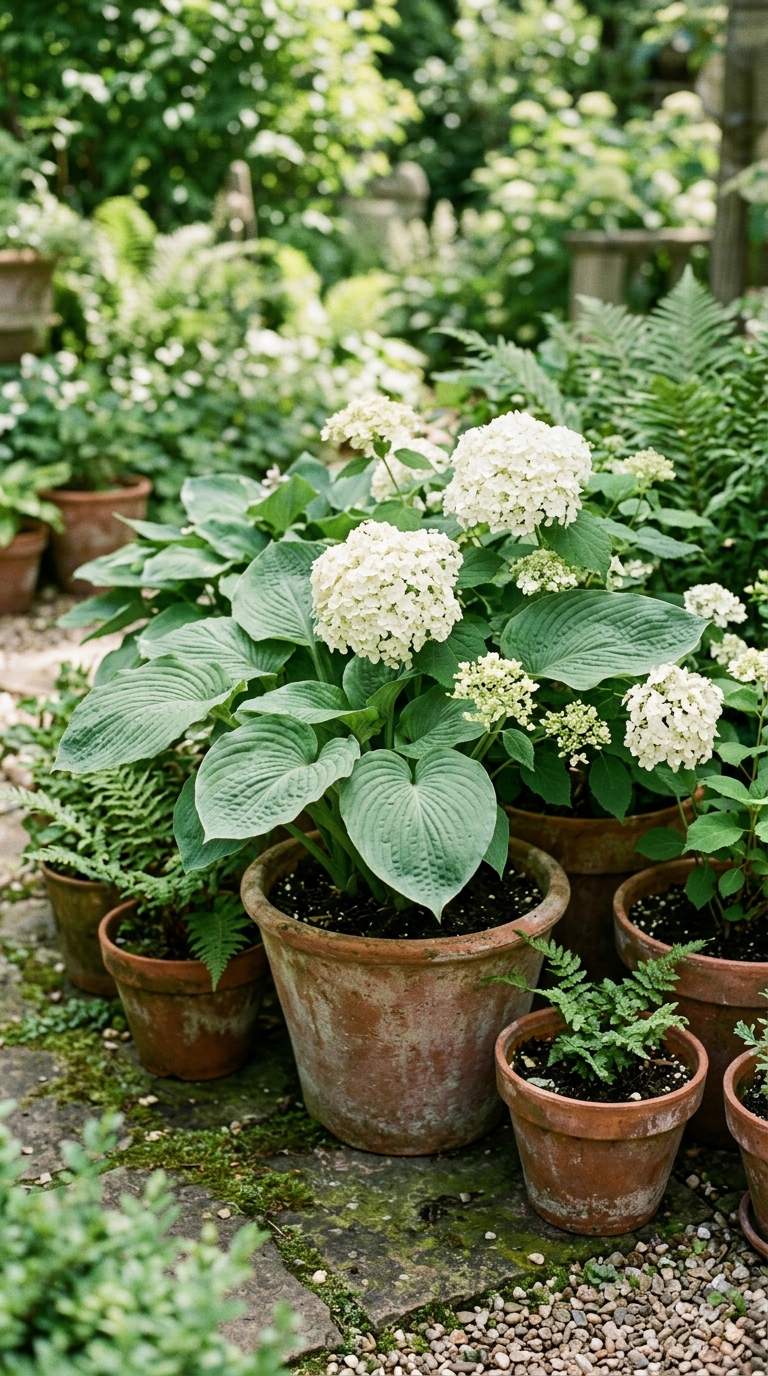
Finally, carefully curate your plant and color palette. Too many chaotic colors in a small space can feel overwhelming and cluttered. To create a serene oasis, stick to a limited color palette. A scheme consisting entirely of lush greens, whites, and perhaps one accent color (like soft lavender or pale yellow) is incredibly elegant and visually expands the space. White flowers, in particular, are brilliant for small gardens because they catch the light and seem to glow in the evening, extending the usability of the space after sunset.
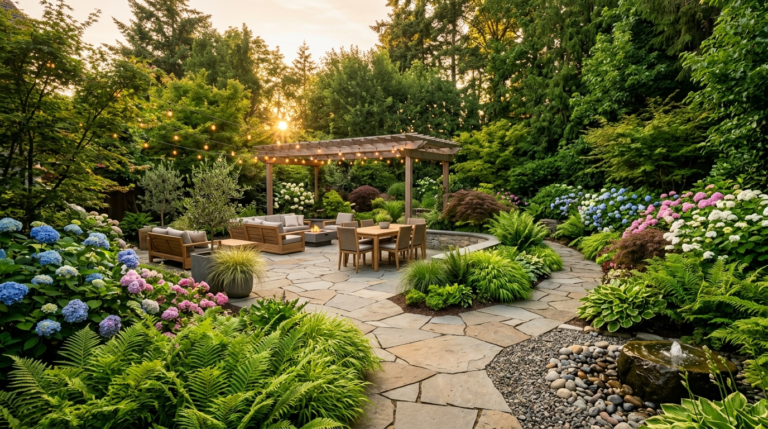
Focus heavily on foliage rather than just blooms. Plants with large, dramatic leaves, such as hostas, ferns, and elephant ears, add a tropical, architectural quality. Contrast these with finely textured plants like ornamental grasses that sway beautifully in the breeze. Emphasize container gardening, which allows you to easily move plants around, control soil quality, and change out seasonal displays. By meticulously layering varying heights, textures, and a harmonious color scheme, your small garden will transcend its physical boundaries, becoming a magnificent, deeply personal outdoor sanctuary that you will enjoy year-round.
Discover the hottest outdoor dining trends transforming backyards into cozy alfresco retreats. From rustic textures to ambient lighting, elevate your patio today.
Step into a world of rustic charm and al fresco elegance. Uncover the secrets to designing a magical, cozy outdoor dining space for unforgettable nights.
Avoid these common garden layout mistakes! Learn how to fix landscaping errors and create a stunning, low-maintenance minimalist outdoor space you will love.
Are you ruining your backyard oasis without even knowing it? Discover the most common outdoor garden design mistakes and learn how to fix them for a lush space.
A complete guide on transforming your backyard by expertly selecting, installing, and styling spectacular swimming pools and architectural water features.