The entryway is the handshake of your home. It is the very first space you, your family, and your guests experience upon stepping through the front door, and it sets the tone for the entire house. Despite its critical role in establishing a first impression, the entryway is frequently one of the most neglected and poorly designed areas in interior design. It often becomes a chaotic dumping ground for keys, mail, shoes, and coats, or conversely, it is left completely barren and sterile, lacking any warmth or personality. Designing a beautiful, welcoming, and highly functional entryway requires striking a delicate balance between practical utility and aesthetic appeal. In this comprehensive guide, we will explore the most common entryway decor mistakes that homeowners make and provide detailed, actionable solutions to elevate your foyer into a stunning introduction to your home.
Understanding the flow of traffic is essential before addressing aesthetic concerns. An entryway must accommodate movement. If the design impedes the natural transition from the outdoors to the interior, no amount of beautiful decor will save it. The psychology of an entryway is also paramount; it should evoke a sigh of relief, signaling that you have arrived in a safe, organized, and beautiful sanctuary. Let us delve into the specific errors that disrupt this experience and how to masterfully correct them.
Mistake 1: Ignoring the Need for a ‘Drop Zone’
Perhaps the most prevalent mistake in entryway design is failing to plan for everyday human behavior. When we walk through the door, we are carrying items—keys, sunglasses, handbags, mail, and packages. If there is no designated place to put these items, they will inevitably end up scattered across the kitchen island, the dining table, or the living room sofa, spreading clutter throughout the home. An entryway without a functional ‘drop zone’ is inherently flawed.
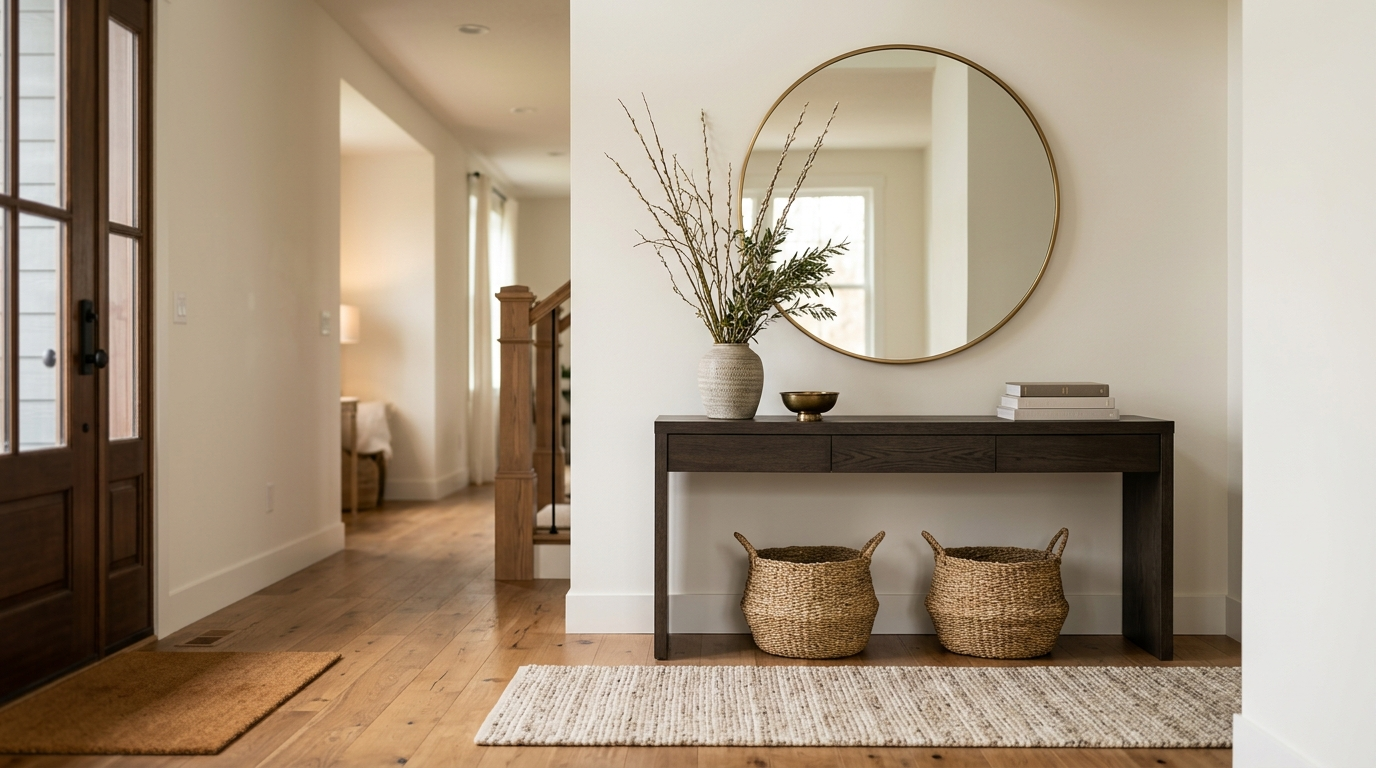
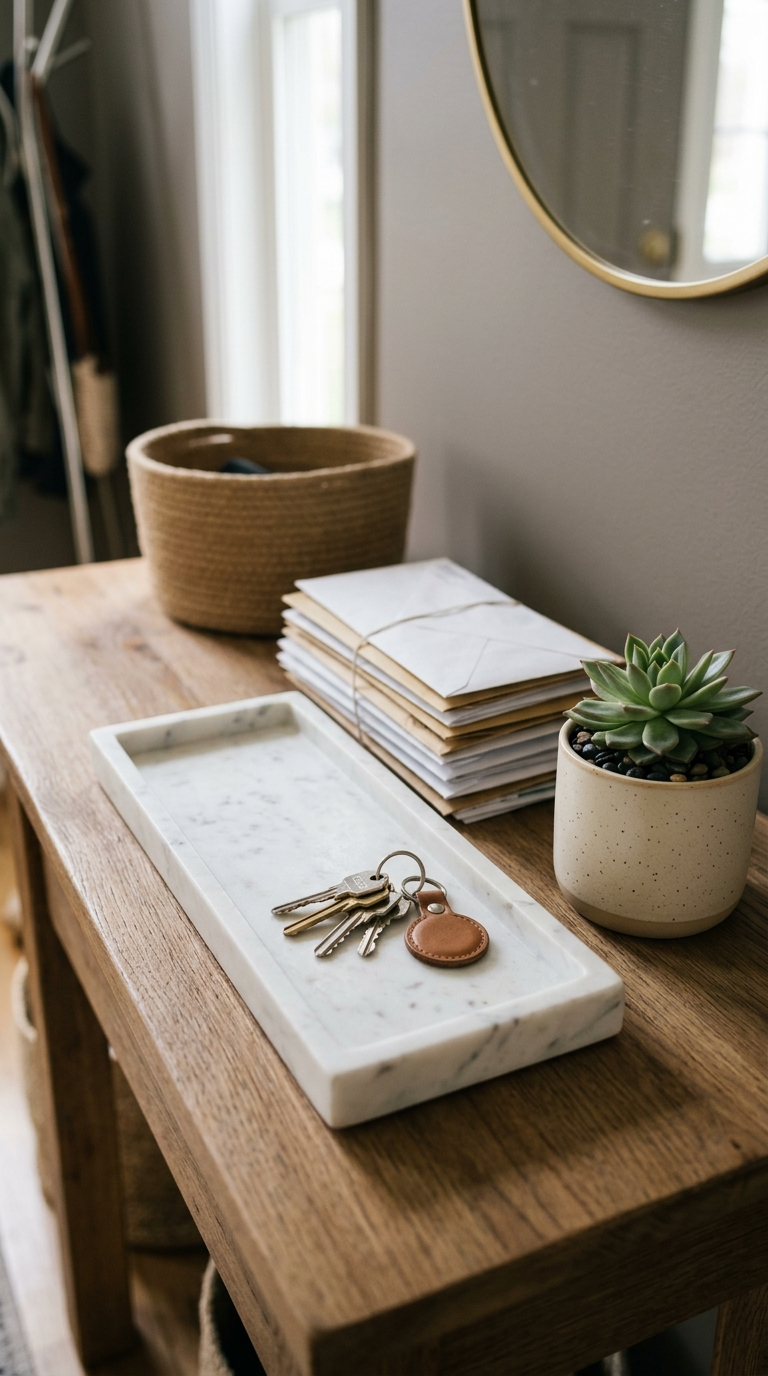
The Solution: Incorporate a thoughtfully designed console table, a sturdy chest of drawers, or even a floating shelf if space is limited. This surface is crucial. But a surface alone is not enough; you must provide organizational tools. Place a beautiful ceramic bowl or a tailored leather tray on the table specifically for keys and loose change. Add a small, chic basket or a letter sorter for incoming mail. If you have the floor space, tuck a pair of woven baskets beneath the console table to corral shoes, scarves, or umbrellas. By anticipating the items that enter your home and providing a specific, attractive home for them immediately inside the door, you eliminate clutter before it has a chance to spread.
Mistake 2: Poor and Inadequate Lighting
Entryways are notoriously dark, often situated in windowless corridors or narrow halls. Relying solely on a single, harsh overhead light fixture is a massive design misstep. A poorly lit entryway feels uninviting, cramped, and downright gloomy. Conversely, overly bright, clinical lighting can make the space feel like an interrogation room rather than a welcoming home. Lighting must be layered to create dimension and warmth.
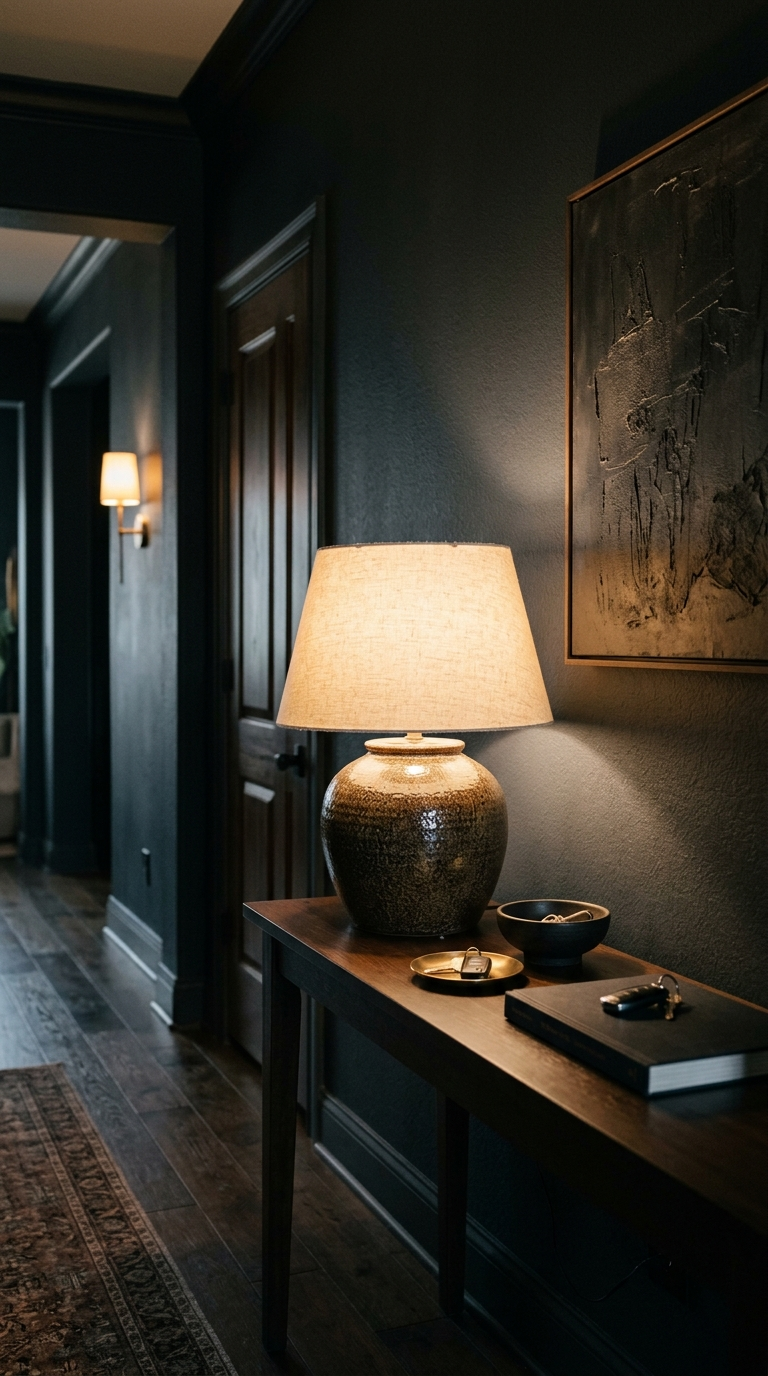
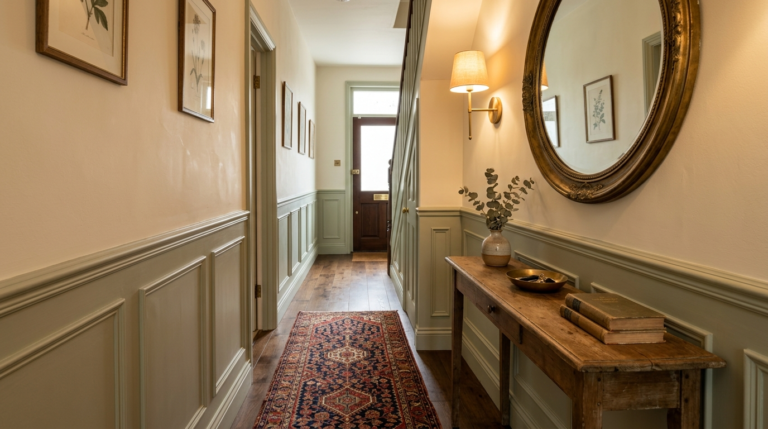
The Solution: Implement a three-tiered lighting strategy. Start with a statement overhead fixture—a beautiful chandelier, a modern pendant, or an elegant flush mount that draws the eye upward and establishes the room’s style. Next, add task or accent lighting. A stylish table lamp on the console provides a warm, welcoming pool of light that is much softer than overhead illumination. If you lack table space, consider installing wall sconces flanking a mirror or piece of art. Finally, ensure your bulbs are the correct color temperature. Opt for warm white bulbs (around 2700K to 3000K) to create a cozy, inviting atmosphere that flatters skin tones and makes guests feel instantly comfortable.
Mistake 3: Forgetting the Power of a Mirror
Designing an entryway without a mirror is a missed opportunity on multiple fronts. Aesthetically, mirrors are the oldest trick in the interior design book for making small spaces appear larger and brighter. They bounce light around the room, which is particularly vital in dark hallways. Practically, a mirror in the entryway is a necessity for that final, crucial appearance check before heading out the door to face the world.
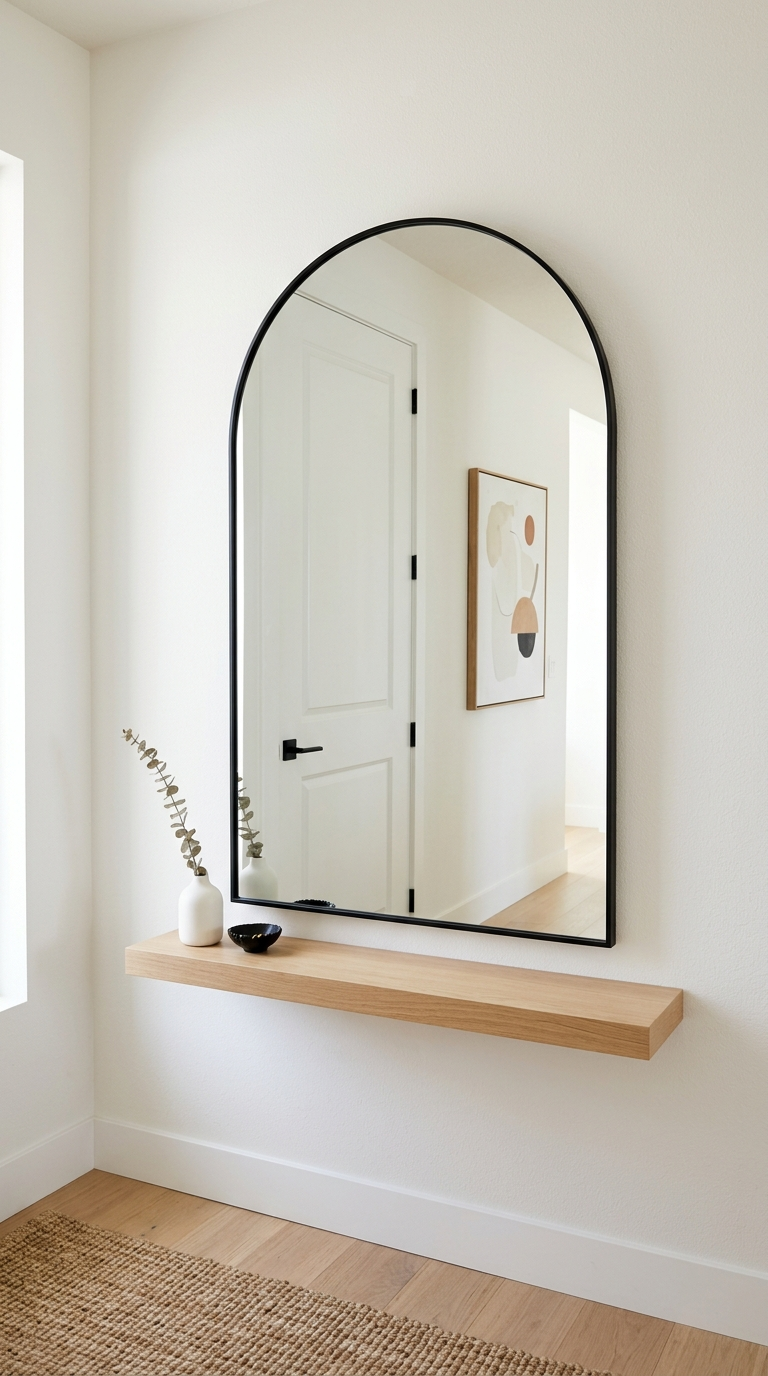
The Solution: Hang a large, statement mirror above your console table or bench. The shape of the mirror can drastically alter the vibe of the space. A large round mirror softens angular furniture and adds a modern, organic touch. A tall, rectangular mirror with a thick wooden frame brings traditional elegance and visual height. If your entryway is exceptionally narrow, a gallery wall of smaller, varied mirrors can create a fascinating, eclectic focal point while still reflecting light. Ensure the mirror is hung at the correct height—the center of the mirror should ideally be at eye level for the average person.
Mistake 4: Choosing the Wrong Rug (or No Rug at All)
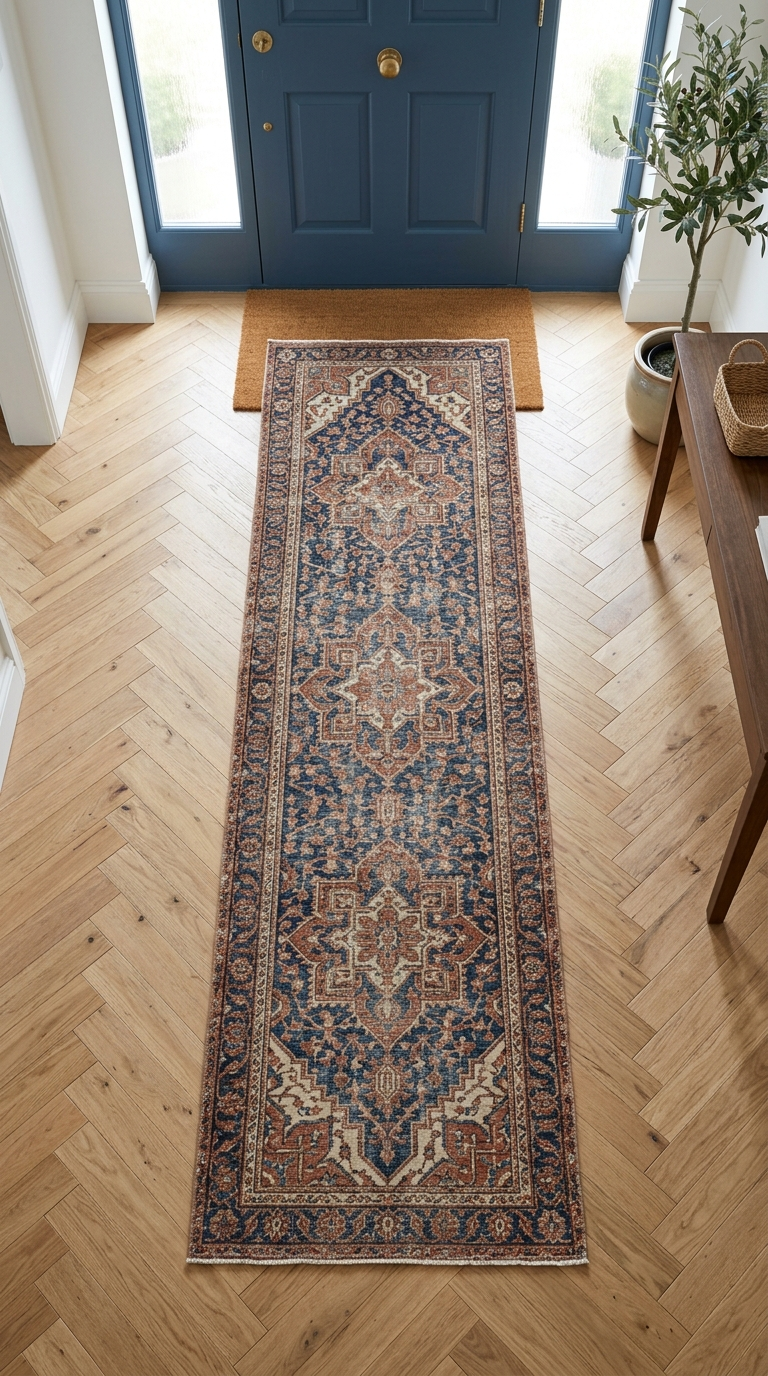
A bare entryway floor can feel cold and unfinished, while a rug that is too small looks like a bath mat lost in a sea of hardwood. Furthermore, using a delicate, high-maintenance rug in the highest-traffic area of your home is a recipe for disaster. The entryway rug must work harder than any other textile in your house; it must trap dirt, endure heavy foot traffic, and look fabulous while doing it.
The Solution: Scale is critical. Choose a rug that generously fills the space, leaving a border of about 6 to 12 inches of bare floor around the edges. If you have a long hallway, a runner is the perfect choice to draw the eye down the corridor and create a sense of journey. Material matters immensely. Opt for highly durable, easy-to-clean materials. Vintage-inspired printed rugs, washable synthetic blends, or tightly woven natural fibers like sisal and jute are excellent choices. Darker colors or intricate patterns are ideal for the entryway as they expertly camouflage dirt and wear between cleanings.
Mistake 5: Neglecting Vertical Space and Storage
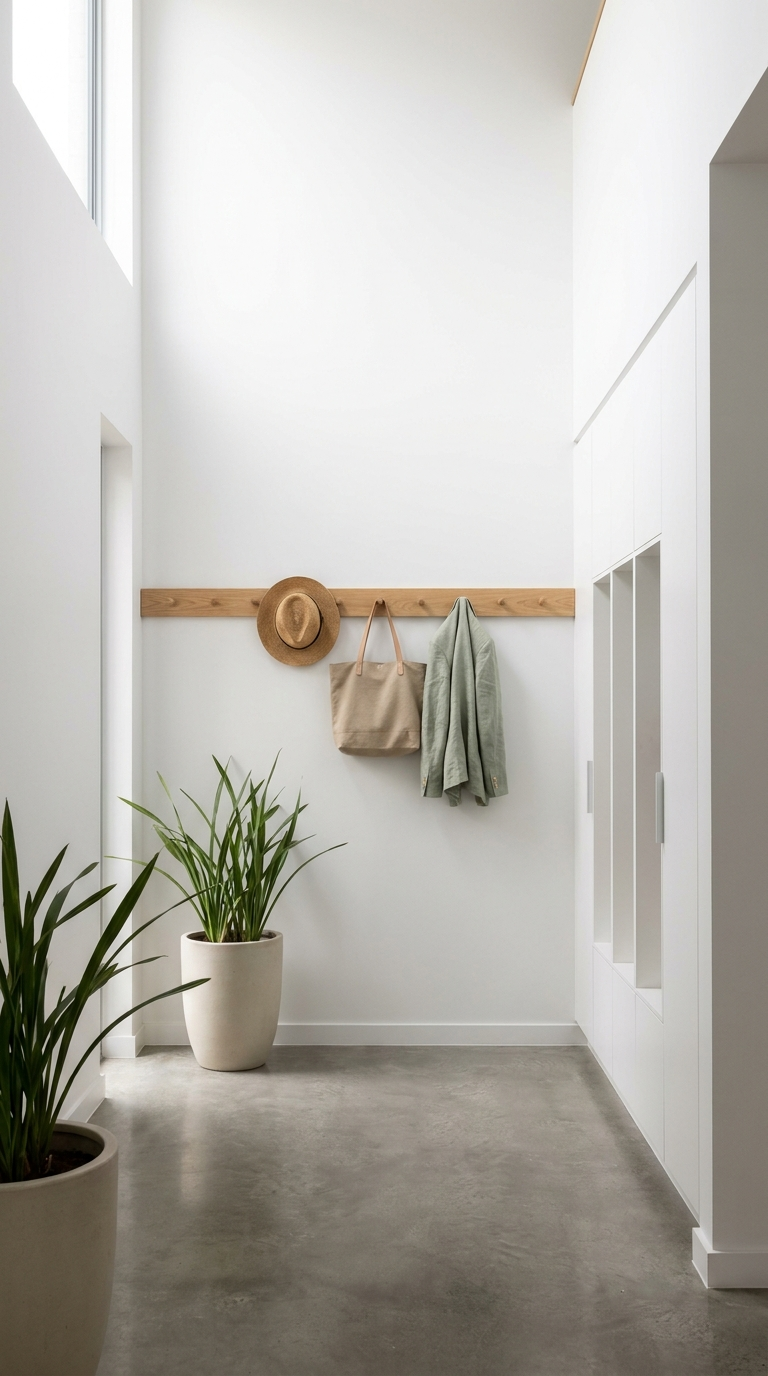
In many homes, especially apartments or older houses, the entryway footprint is incredibly small. A major mistake is trying to cram bulky, floor-standing furniture into a tight space, which creates an immediate bottleneck and makes the area feel claustrophobic. When floor space is at a premium, the only way to go is up.
The Solution: Maximize your vertical real estate. Install a row of robust, stylish hooks directly into the wall studs or use a beautifully crafted peg rail to hang coats, hats, and bags. This keeps outerwear accessible but off the floor and out of the way. If you have the budget and the space, consider built-in cabinetry or a tall, slim hall tree. Floating cabinets or shelves attached to the wall can provide hidden storage for shoes without eating up precious square footage. By utilizing the walls, you maintain a clear pathway and make the entryway feel significantly larger and more open.
Mistake 6: Lacking Personality and Scent
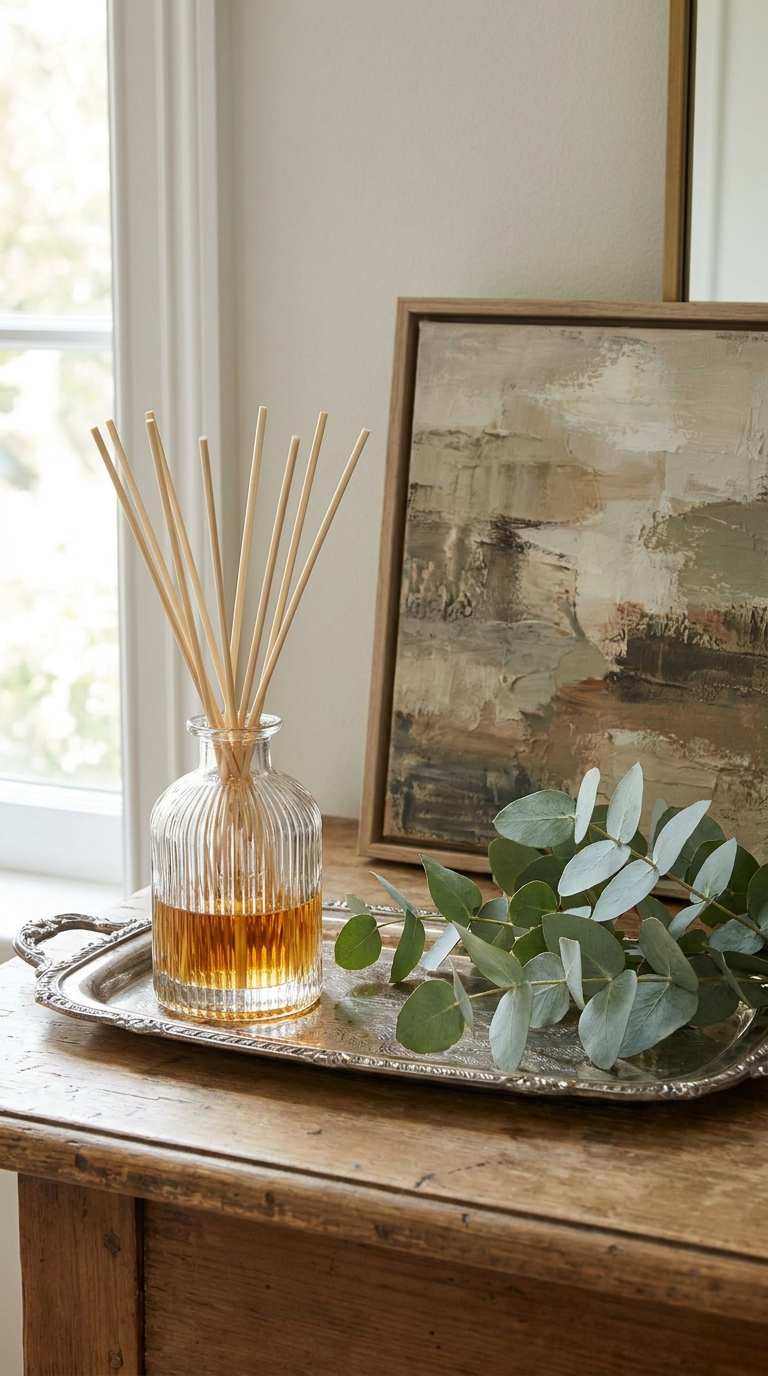
Finally, treating the entryway as merely a utilitarian passageway rather than a designed room is a profound mistake. If your entryway is devoid of art, color, or personal touches, it sets a bland, uninspired tone for the rest of the house. Additionally, people often forget that smell is the sense most strongly tied to memory and emotion. A stale or musty entryway is instantly off-putting.
The Solution: Infuse the space with your personal style. Hang a piece of vibrant artwork that you love, display a vase of fresh foliage or architectural branches, or paint the front door a bold, welcoming color. Add a textured throw pillow to an entryway bench. Address the olfactory experience by incorporating a signature scent. A high-quality reed diffuser, a softly burning candle, or a subtle room spray can completely transform the atmosphere. Scents like citrus, pine, or clean linen feel fresh and inviting. By engaging all the senses and paying attention to both function and beauty, you can create an entryway that not only serves your daily needs but also welcomes you home with open arms every single day.
Learn exactly how to transform a cramped, narrow hallway into a beautifully warm, welcoming, and functional entryway with this step-by-step classic design guide.
Transform your house into a haven. Discover the art of designing intentional living spaces that promote comfort, connection, and true well-being in every room.
Turn your unused attic space into a stunning literary escape. Discover the best lighting, layout, and cozy decor tips to build your dream home reading nook.
Is your living room feeling a little off? Avoid these common design pitfalls. Learn the easy fixes to transform your space into a stylish and functional haven.
Stay ahead of the curve with our exclusive trend forecast for luxury living rooms. Discover the opulent textures, organic shapes, and premium elements defining modern elegance.
Step into elegance with our ultimate guide to designing a luxury entryway. Discover sophisticated styling tips to create a truly unforgettable first impression.