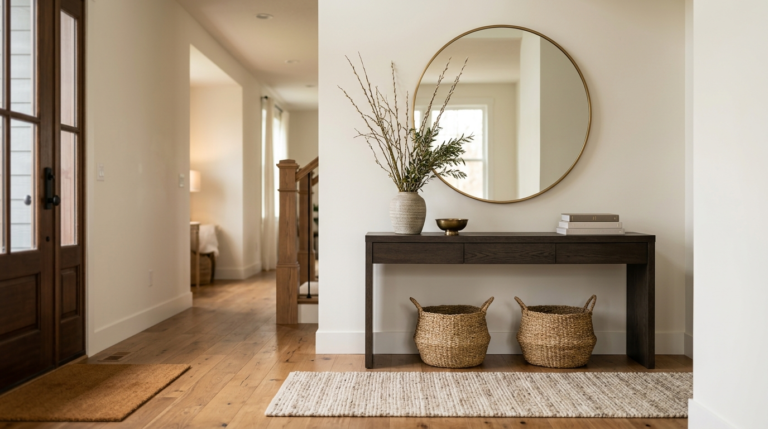
Your entryway is the very first thing you, your family, and your guests see when stepping into your home. It sets the tone for the entire house, acting as the introductory chapter to your home’s unique story. Despite its critical role in making a stunning first impression, the hallway is often the most neglected space in interior design. We tend to focus our decorative energies on living rooms and bedrooms, treating the entryway as a mere transitional zone or, worse, a dumping ground for shoes, coats, and mail. But it does not have to be this way.Transforming your entrance from a cluttered catch-all into a breathtaking, welcoming space requires careful planning and an understanding of foundational design principles. More importantly, it requires knowing what not to do. In this comprehensive guide, we are going to dive deep into the top seven common entryway decor mistakes that homeowners frequently make. By avoiding these pitfalls and implementing our expert solutions, you can elevate your hallway into a highly functional and impeccably stylish space that makes everyone feel instantly at home.
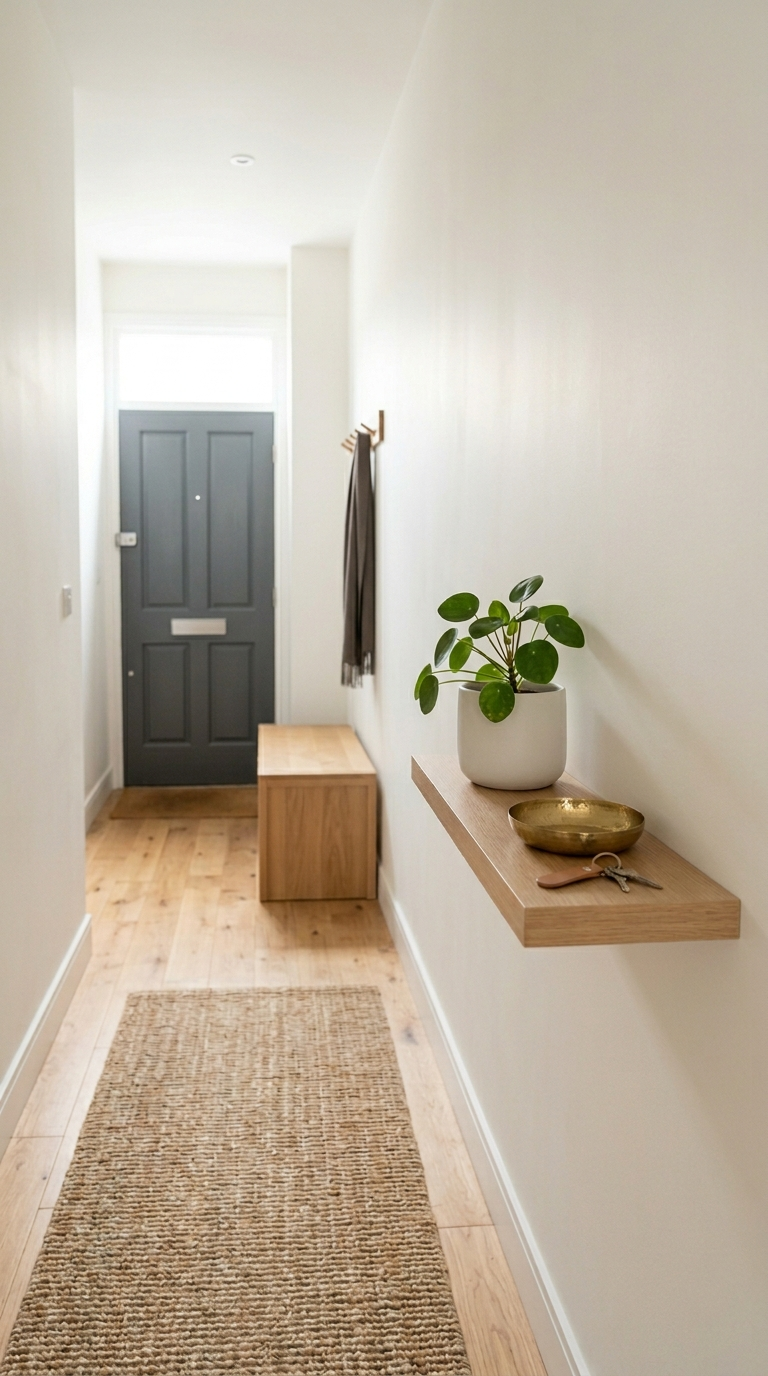
Mistake 1: Ignoring the Scale and Proportion of FurnitureOne of the most frequent errors in entryway design is selecting furniture that completely disregards the scale of the space. It is incredibly common to see a massive, bulky console table suffocating a narrow hallway, making it feel claustrophobic and difficult to navigate. Conversely, placing a tiny, delicate side table in a grand, soaring foyer makes the furniture look lost and insignificant.The Solution: Measure your space meticulously before purchasing anything. If you have a tight, narrow corridor, opt for a slim, floating shelf or a demilune (half-moon) table that provides a surface for keys without eating into the walkway footprint. The clearance for walking should never be less than three feet. For larger foyers, embrace grander pieces. A substantial round table placed directly in the center of a spacious entryway can serve as a spectacular focal point, especially when crowned with a dramatic floral arrangement or architectural sculpture.Consider the visual weight of the furniture as well. A solid wood dresser will feel much heavier than an open-framed metal console table, even if their physical dimensions are identical. Use light, airy pieces to create an illusion of spaciousness in compact entries.
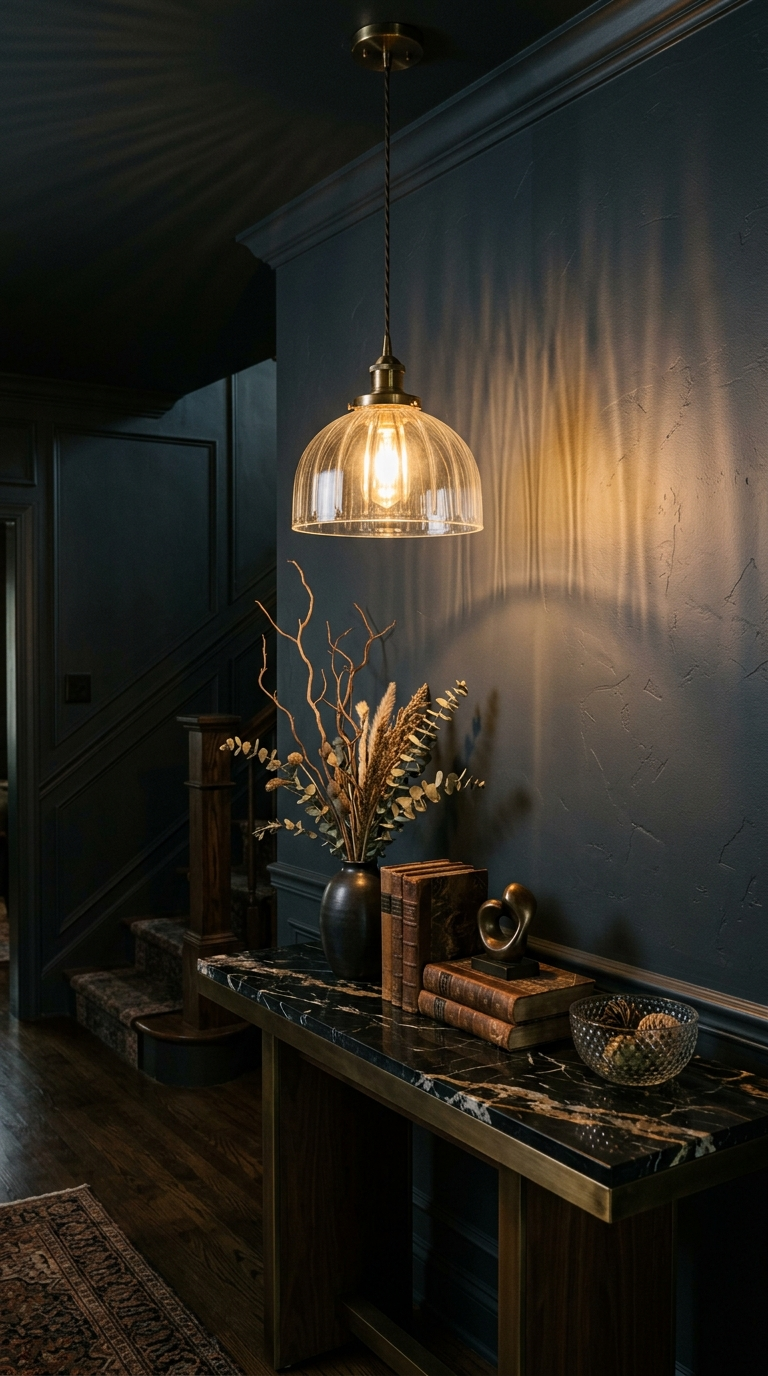
Mistake 2: Insufficient or Poorly Placed LightingLighting is the unsung hero of interior design, and in an entryway, it is absolutely critical. A dark, shadowy hallway feels uninviting and gloomy. Many people rely solely on a single flush-mount ceiling fixture that casts harsh, unflattering overhead shadows. This makes the space feel institutional rather than residential.The Solution: Layer your lighting to create a warm, inviting ambiance. Start with an ambient light source, such as a beautiful chandelier or an elegant pendant light, to establish the overall mood. If your ceilings are low, consider chic semi-flush mounts that add style without demanding excessive vertical space.Next, incorporate accent lighting. A stylish table lamp placed on your console not only provides a soft, welcoming glow in the evenings but also serves as a beautiful decorative object. If table space is limited, wall sconces framing a mirror or artwork are an excellent alternative. Always use warm white bulbs (around 2700K to 3000K) to mimic the golden, comforting glow of a luxurious hotel lobby. Avoid cool daylight bulbs in entryways, as they can feel stark and clinical.
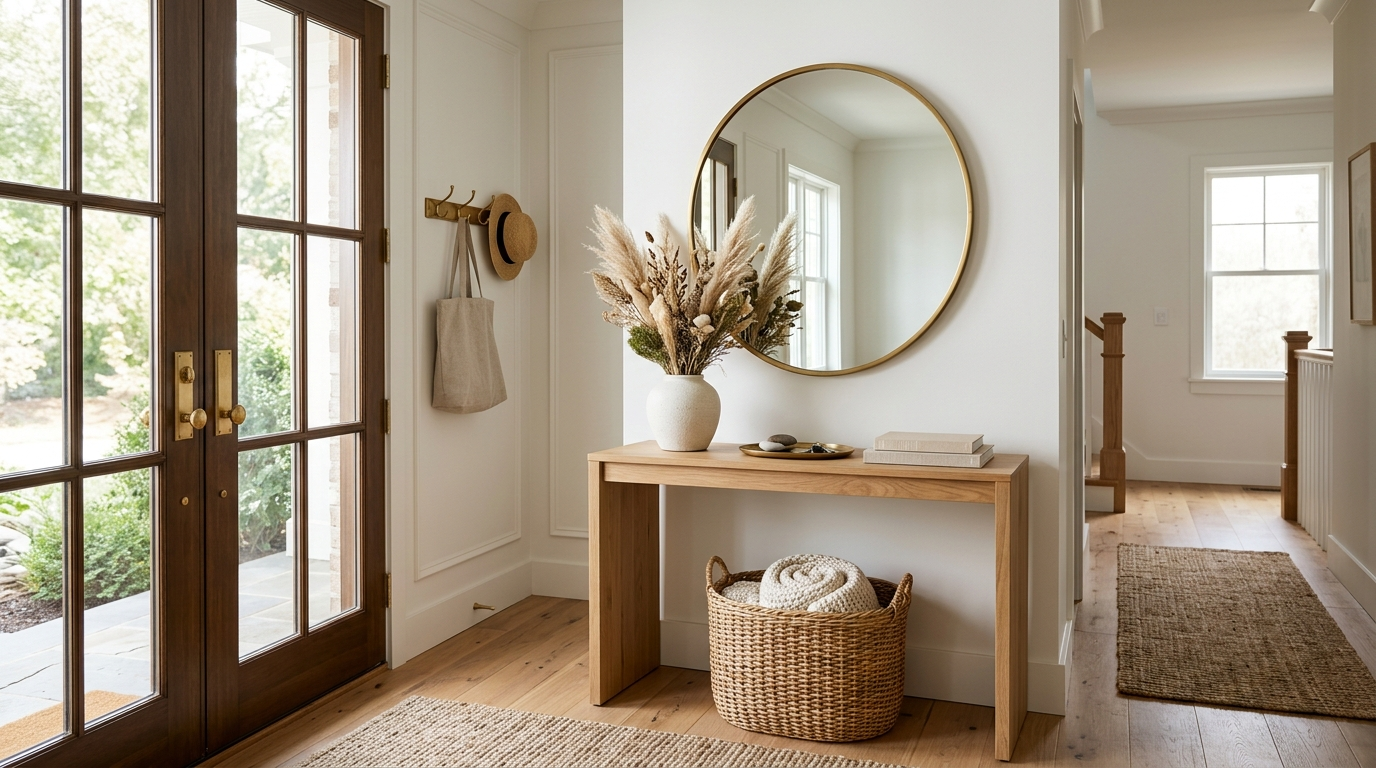
Mistake 3: Forgetting the Power of a MirrorDesigning an entryway without a mirror is a massive missed opportunity. Entryways are typically smaller spaces, sometimes lacking natural light. A mirror is the ultimate design tool for correcting both of these spatial shortcomings. Without one, a hallway can easily feel like a dead end.The Solution: Incorporate a generously sized mirror into your entryway scheme. A large mirror immediately reflects whatever light is available, bouncing it around the room to make the space feel significantly brighter and visually doubling the perceived square footage.Beyond its spatial benefits, a mirror serves a highly practical purpose: allowing for a quick outfit or hair check before rushing out the door. When choosing a mirror, consider the shape. A large round mirror softens the hard, straight lines typically found in hallways and console tables, while a tall, arched floor mirror leaning against the wall adds an element of dramatic, European-inspired elegance. Pay attention to what the mirror reflects; position it so it catches a glimpse of a beautiful piece of art or a window, rather than a blank wall or a cluttered corner.
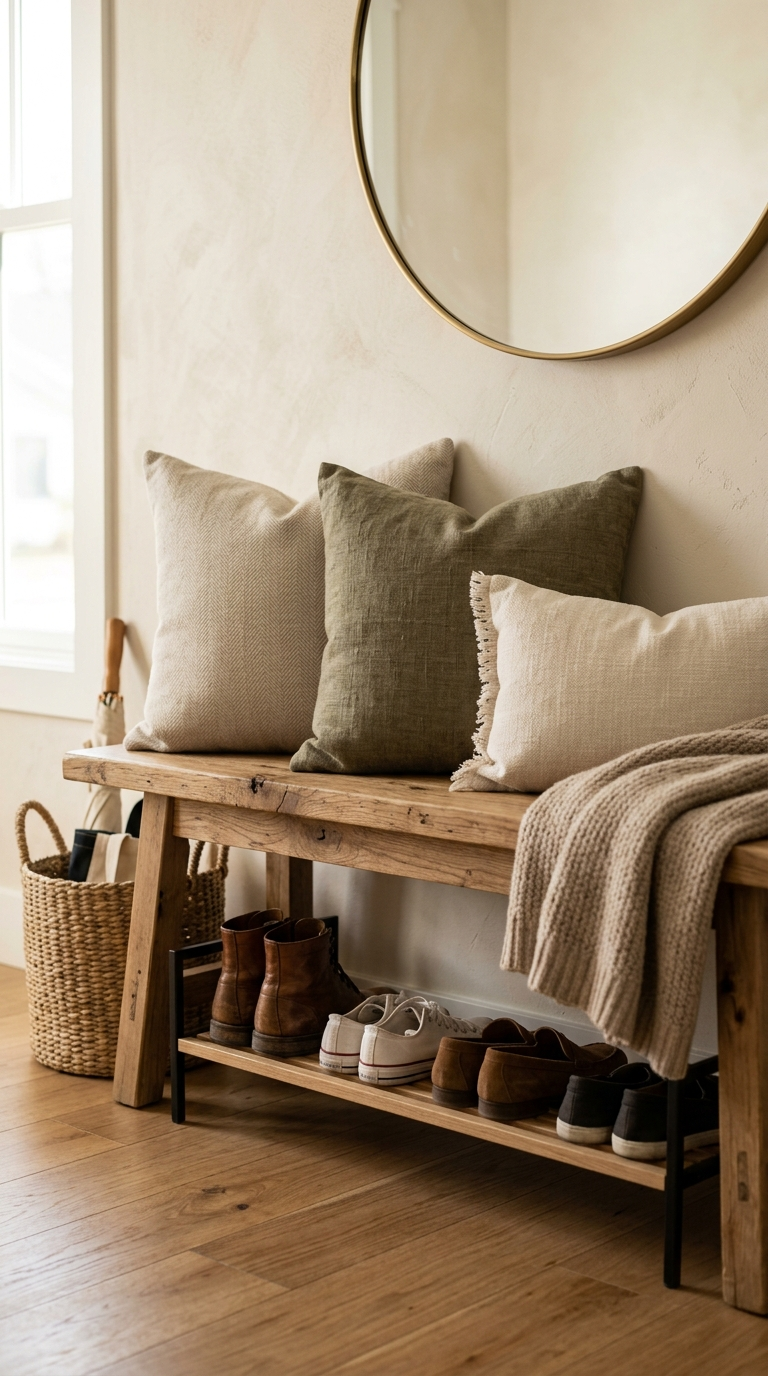
Mistake 4: Lacking a Drop Zone for Everyday ItemsA beautiful entryway that fails to accommodate real life will quickly become a chaotic mess. If there is no designated spot to place your keys, wallet, sunglasses, or mail the moment you walk inside, those items will inevitably end up scattered across the kitchen counter, the dining table, or the entryway floor.The Solution: Create a highly intentional, organized “drop zone.” This doesn’t mean sacrificing aesthetics for utility; you can have both. Utilize decorative bowls, chic trays, or woven baskets placed on your console table to corral small daily essentials. By grouping these small items into a designated vessel, what would otherwise look like clutter immediately looks like a curated collection.Consider wall-mounted organizers or mail sorters if you are short on surface space. For larger items, a stylish umbrella stand or a large floor basket for seasonal accessories (like scarves in the winter or sun hats in the summer) is indispensable. The goal is to ensure every single item you enter the house with has a specific, logical home within three steps of the front door.
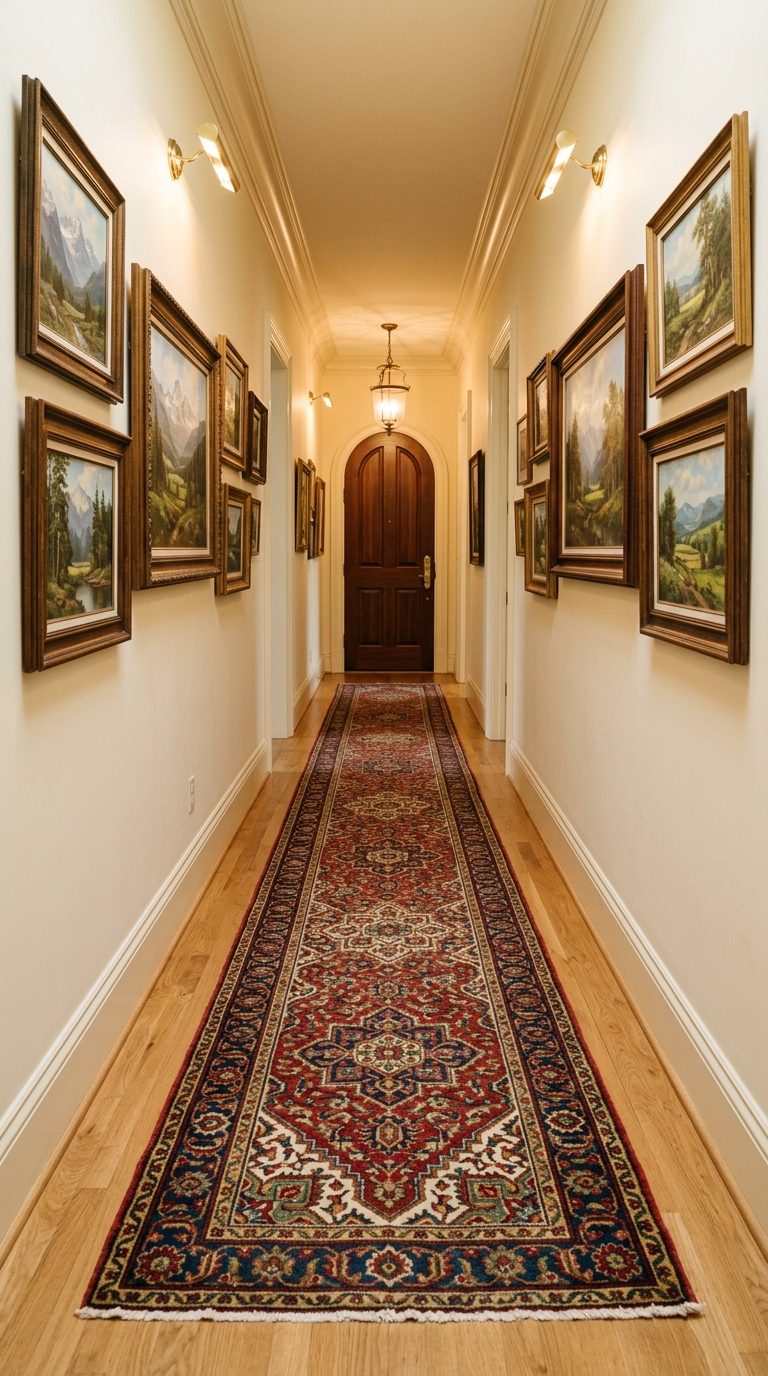
Mistake 5: Neglecting the Floor (Rugs and Runners)Many entryways feature hard, unforgiving flooring surfaces like tile, hardwood, or polished concrete. While these are durable and practical, leaving them completely bare makes the entrance feel cold, echoey, and unfinished. Furthermore, failing to protect the floor in high-traffic areas guarantees premature wear and tear.The Solution: Introduce a high-quality rug or runner. A runner immediately draws the eye down the hallway, visually lengthening the space and inviting guests further into the home. It also acts as a crucial dirt-trapper, protecting your primary flooring from the grit and moisture brought in on shoes.When selecting an entryway rug, prioritize durability and cleanability. Indoor/outdoor rugs have come a long way aesthetically and offer incredible resilience against heavy foot traffic. Alternatively, vintage Turkish or Persian rugs with busy, intricate patterns are phenomenal at hiding dirt and small stains while adding a massive dose of character and warmth. Ensure you use a heavy-duty rug pad underneath to prevent slipping and protect the flooring below.
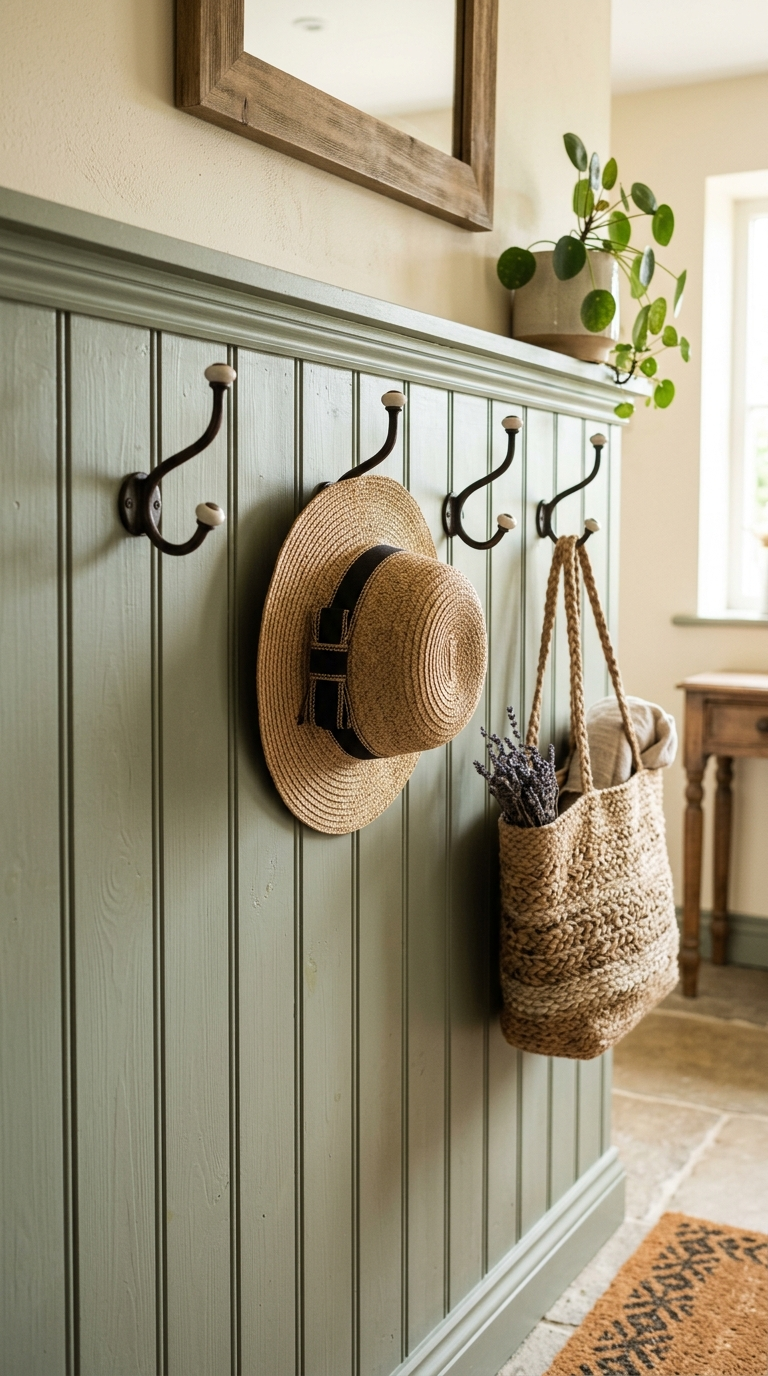
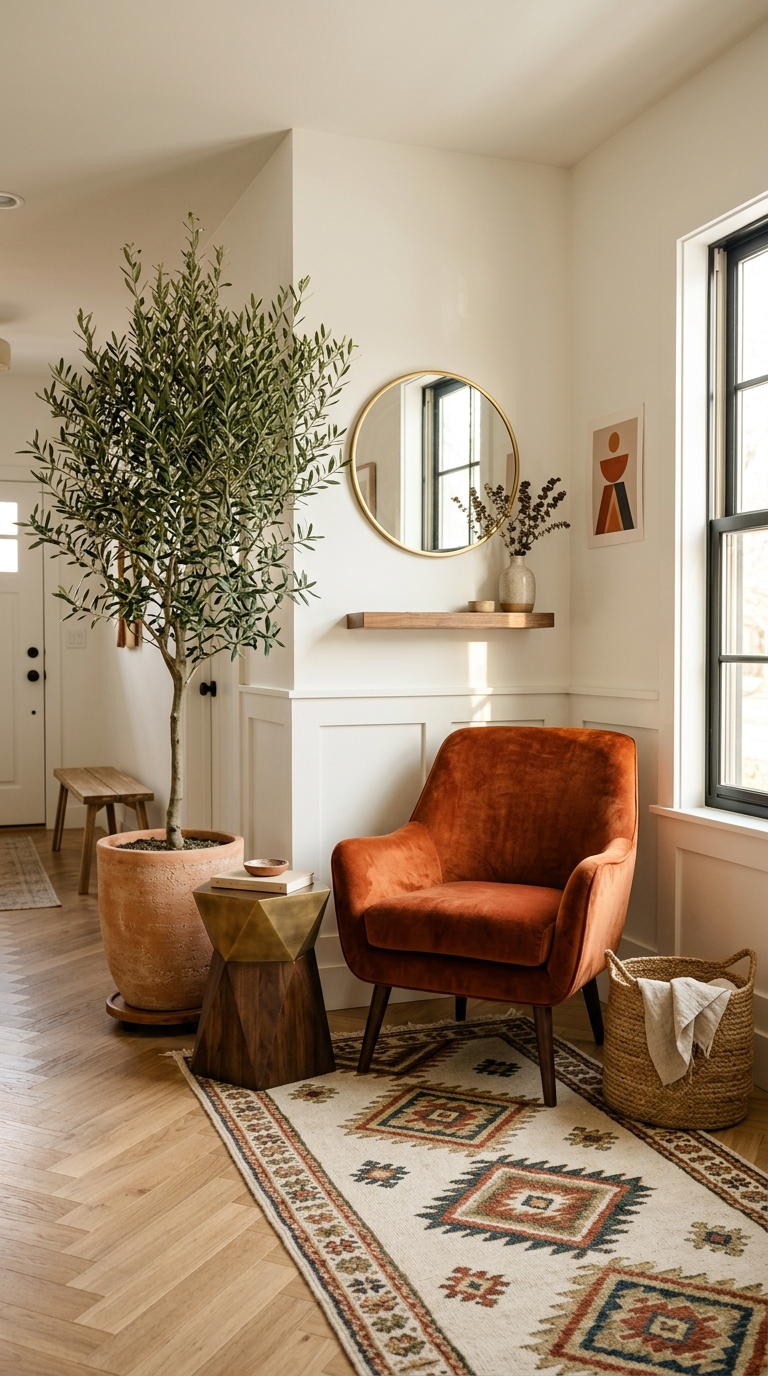
Mistake 6: Ignoring Vertical Storage SolutionsWhen square footage is limited, the biggest mistake you can make is forgetting to look up. Relying entirely on floor-based furniture like benches and cabinets can quickly crowd a tight entryway, leaving you with insufficient space for bulky coats, bags, and dog leashes.The Solution: Maximize your wall space by installing vertical storage. A beautifully crafted row of wooden peg hooks or sleek, modern metal hardware can transform an empty wall into a highly functional mudroom alternative. If you have the space, a tall, narrow hall tree provides hooks, seating, and hidden storage all in one vertical footprint.To prevent wall hooks from looking messy when loaded with coats, try to establish a system. Dedicate specific hooks for guests and keep out-of-season coats stored away in closets. You can also incorporate floating cubbies or high shelves above the door frame to store items that are rarely used but still need to be accessible.Mistake 7: Forgetting the Personal TouchThe final, and perhaps most tragic, mistake is treating the entryway like a sterile, functional transition zone devoid of any personality. If your hallway looks like a furniture showroom, it fails to communicate who lives there and what your home is all about.The Solution: Infuse the space with your unique character. Display a piece of art that you absolutely love, whether it’s a dramatic abstract canvas, a gallery wall of framed family photographs, or a vintage tapestry. Introduce life into the space with greenery; a tall potted olive tree, a resilient snake plant, or even a simple vase filled with fresh, seasonal branches instantly breathes energy into the room.Scent is another powerful, unseen decorative element. A beautifully packaged reed diffuser or a signature candle burning on the console table ensures that your home greets you not just visually, but experientially. By combining intelligent design solutions with personal, meaningful touches, your entryway will transform from an afterthought into a magnificent, welcoming preview of the beautiful home that lies beyond.
Step into elegance with our ultimate guide to designing a luxury entryway. Discover sophisticated styling tips to create a truly unforgettable first impression.
Transform your hallway with these stunning rustic and cozy entryway ideas. Discover practical storage solutions and warm decor to welcome you home beautifully.
Discover 15 incredible cozy living room ideas blending rustic charm with ultimate comfort. Transform your space into a warm, inviting sanctuary you’ll love.
Is your entryway leaving a bad first impression? Learn the most common decor mistakes to avoid and how to design a stunning, functional foyer for your home.
Is your entryway feeling cluttered, dark, or unwelcoming? Discover the 9 most common hallway decor mistakes and learn clean, minimalist solutions to fix them.
Explore the top living room trends defining homes this year. Embrace classic warm editorial aesthetics with rich textures, timeless furniture, and earthy tones.