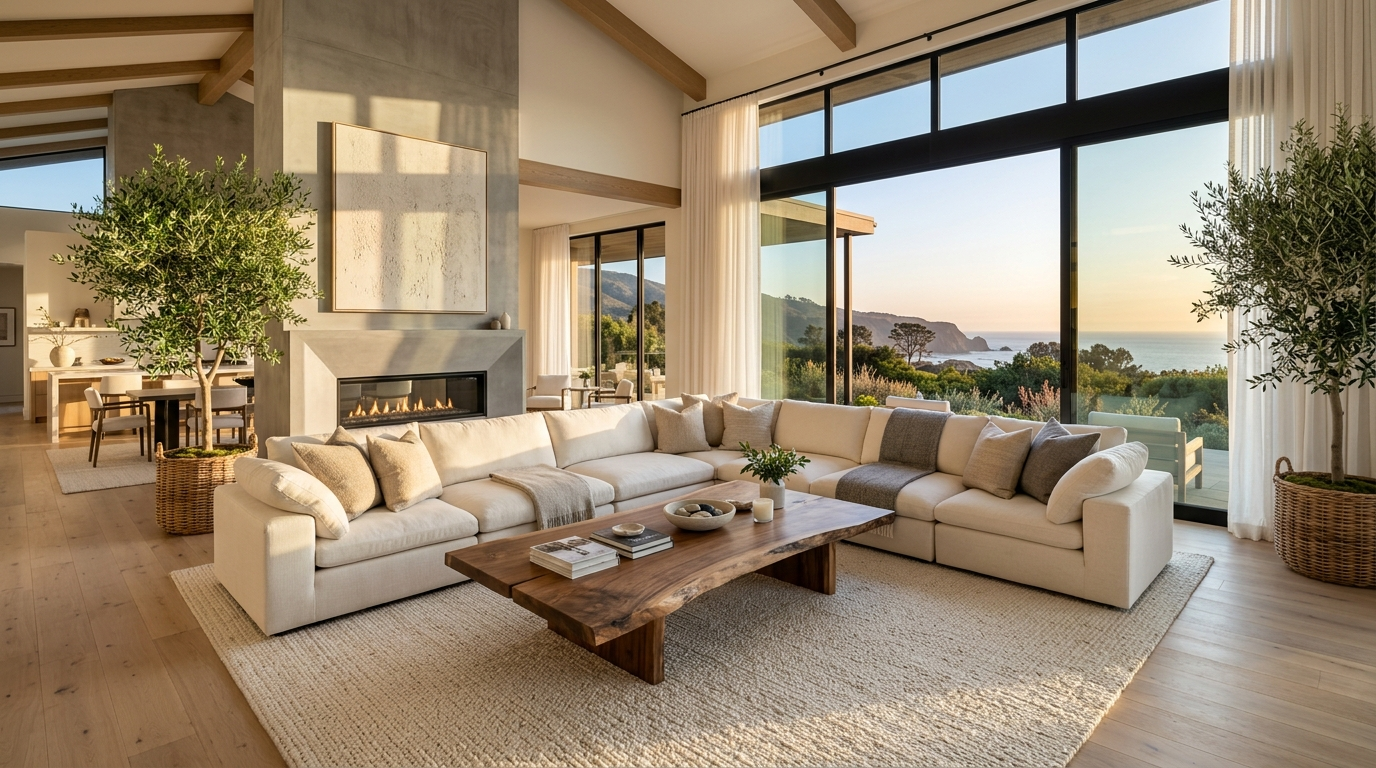
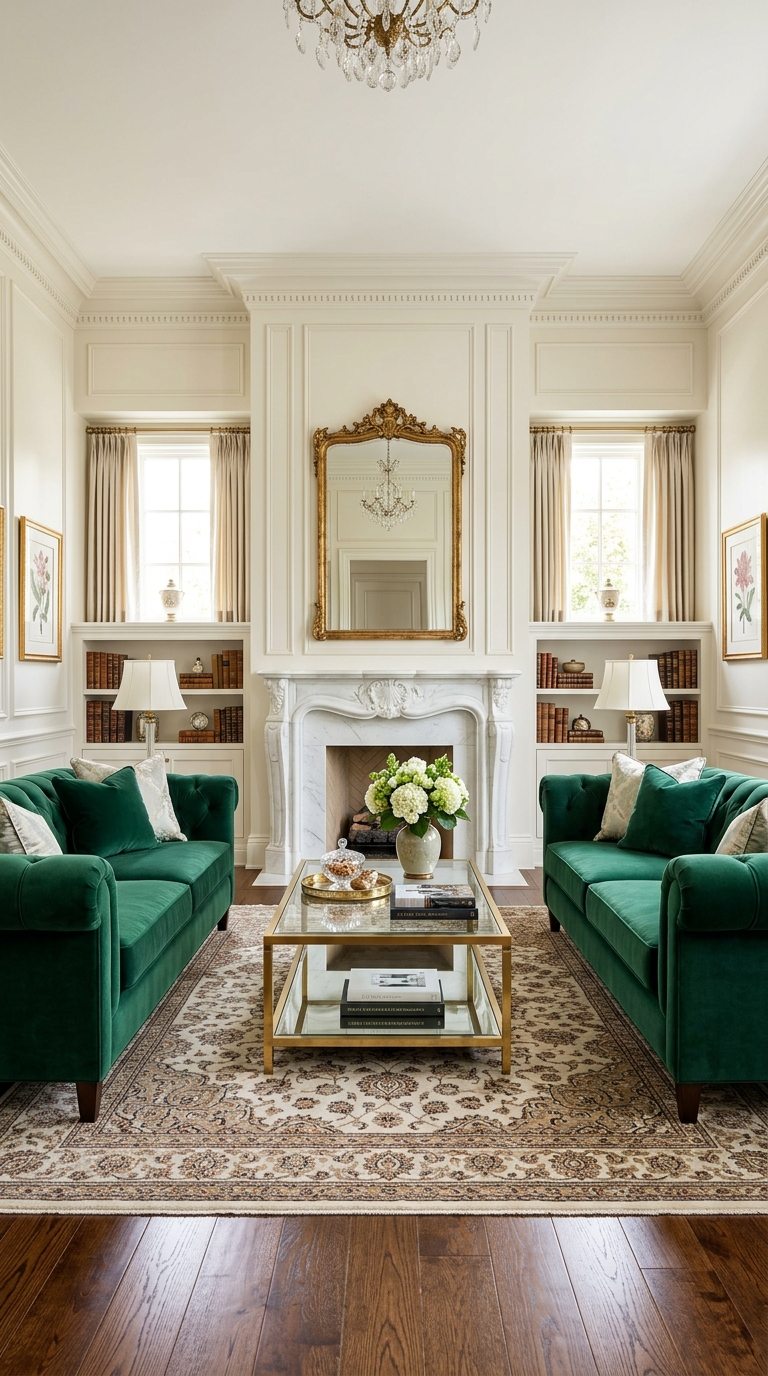
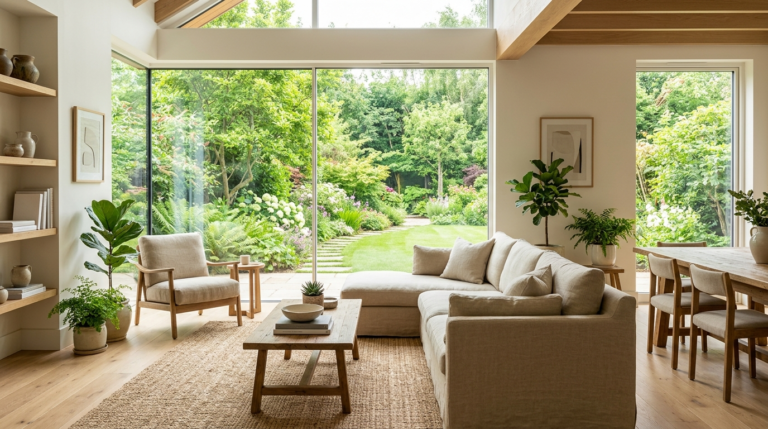
The Heart of the Home: Mastering Your Living Room FlowThe living room is unequivocally the hardworking heart of the modern home. It is a chameleon of a space—expected to serve as a tranquil sanctuary for reading on a Sunday morning, a lively gathering spot for family game nights, a sophisticated entertainment zone for hosting friends, and occasionally, an impromptu home office. Because we demand so much versatility from this single room, the way we arrange the furniture within it dictates not only how the room looks, but fundamentally how it feels and functions. A poorly planned living room layout can make even the largest room feel incredibly cramped and disjointed, while a meticulously designed floor plan can make a modest, square-footage-challenged apartment feel open, airy, and deeply inviting. The secret to achieving this balance lies in understanding spatial dynamics, traffic flow, and the art of anchoring your furniture. In this extensive guide, we will explore twelve stunning, architecturally sound living room layout ideas designed to help you completely maximize your space, enhance your daily comfort, and elevate your home’s aesthetic appeal.1. The Classic Symmetrical LayoutSymmetry is deeply ingrained in human psychology as a marker of order, calm, and elegance. The classic symmetrical layout is a timeless approach that works brilliantly in formal living rooms or spaces centered around a prominent architectural feature, such as a grand fireplace or a large picture window. In this arrangement, two identical sofas face each other directly, separated by a generous coffee table in the center. Alternatively, a single large sofa can be flanked by a matching pair of accent chairs placed directly opposite. This layout inherently promotes conversation, as everyone is seated facing one another. It is visually balanced and feels inherently tidy. To keep the space from feeling too rigid or akin to a museum display, introduce asymmetry through your accessories—perhaps a tall floor lamp on one side and a lush potted plant on the other, or an eclectic mix of mismatched throw pillows.2. The Open U-Shape ConfigurationIf you have a large family or frequently host large gatherings, the U-shape configuration is an absolute game-changer. This layout involves placing a large sofa at the base of the ‘U’ and flanking it on either side with loveseats, large chairs, or even sleek chaises, all oriented inward toward a central coffee table. The open end of the ‘U’ acts as the welcoming entry point into the seating area. This arrangement is spectacular for maximizing seating capacity without making the room feel like a bus terminal. It creates a cozy, self-contained “room within a room” that naturally draws people together. A massive, textured area rug is essential for this layout, as it will visually anchor the massive amount of furniture and define the perimeter of the conversation zone.
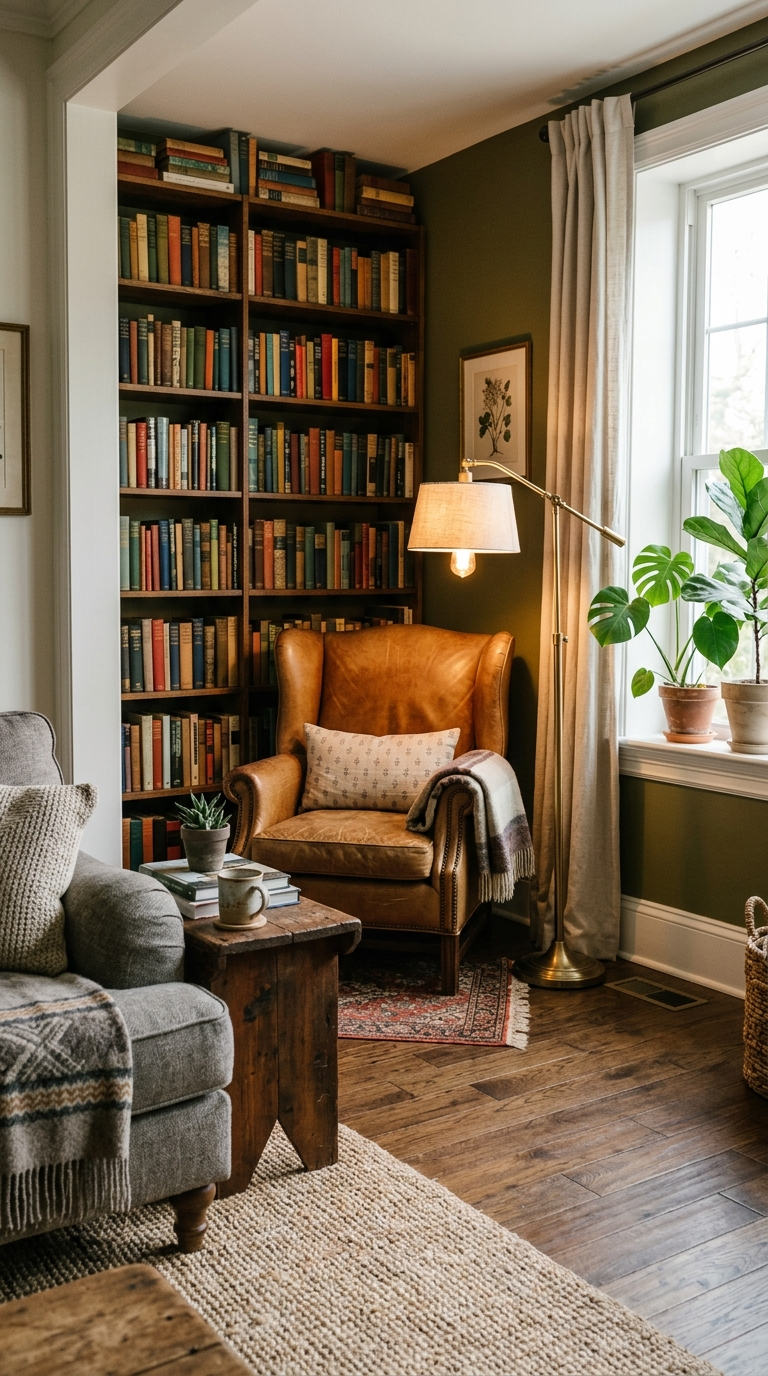
3. Floating Furniture MagicOne of the most pervasive myths in interior design is that pushing all your furniture flat against the walls makes a room feel larger. In reality, this “wallflower” approach often creates a massive, awkward dead space in the very center of the room, making the seating arrangement feel disconnected and cold. The solution is to boldly float your furniture. Pull your sofa and chairs at least a foot or two away from the walls, bringing them closer together around a central focal point. In open-concept homes, floating a sofa with its back to the dining or kitchen area acts as a brilliant, invisible room divider. You can place a slim, beautifully styled console table behind the floating sofa to provide additional storage, display space for lamps, and to visually finish the back of the piece.4. The Multi-Zone Approach for Large RoomsMassive, cavernous living rooms can be incredibly intimidating to design. If you try to create one giant seating arrangement, the furniture will be spread too far apart for comfortable conversation. The secret to mastering a large room is the multi-zone approach. Break the expansive space into distinct, functional vignettes. Your primary zone could be a classic seating arrangement clustered around the television or fireplace. Then, utilize the remaining corners or window bays to create secondary zones. Place two comfortable armchairs and a small chess table near a window to create an intimate gaming or coffee area. Alternatively, set up a sleek writing desk facing a window to carve out a micro-office, or place a chaise longue next to a towering bookshelf to create the ultimate reading nook. Cohesion is maintained by carrying the same color palette and flooring throughout the distinct zones.
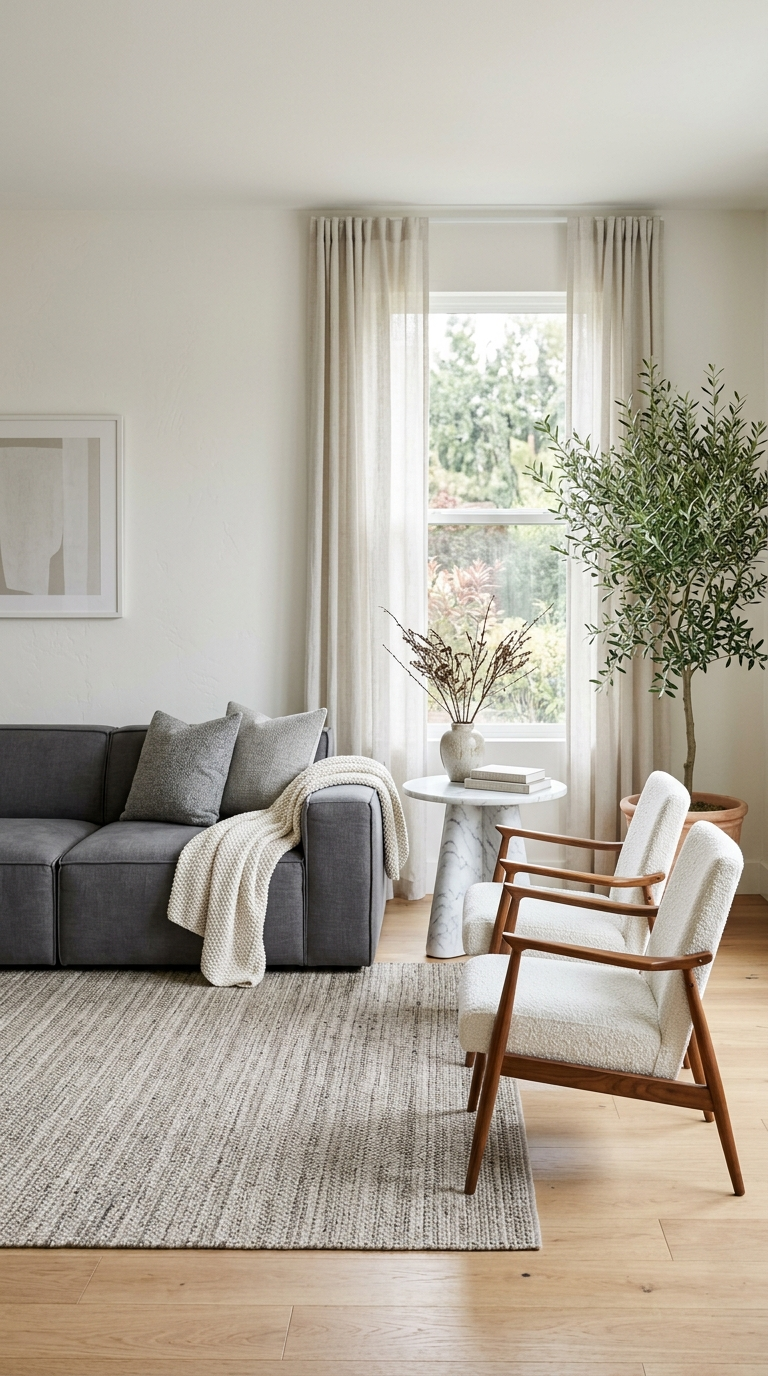
5. The Focal Point PivotEvery spectacular living room requires a focal point—an anchor that immediately captures the eye upon entering the space. This could be a stunning architectural element like a stone fireplace, a wall of built-in bookshelves, a massive bay window with a view, or even a large piece of captivating modern art. The focal point pivot layout involves orienting all your primary seating directly toward this star feature. The sofa sits perpendicular to the entry path, facing the focal point head-on, with secondary chairs angled inward to support the view. This creates an immediate sense of purpose in the room. If your room lacks a natural architectural focal point, you can easily create one using a media console, a gallery wall, or an oversized mirror.6. Asymmetrical Balance for Modern SpacesWhile traditional designs lean heavily on symmetry, modern and contemporary aesthetics often thrive on asymmetrical balance. This layout feels dynamic, relaxed, and inherently cool. Instead of matching pairs of furniture, you balance visual weight using entirely different pieces. For example, a heavy, visually dense sectional sofa on the left side of the room can be perfectly balanced by two airy, spindly mid-century modern chairs and a delicate floor lamp on the right side. The key to making asymmetry work is ensuring that the visual weight (how heavy an object looks, determined by its size, color, and texture) is evenly distributed across the room’s central axis. This layout is perfect for eclectic decorators who love collecting unique, unmatched pieces over time.
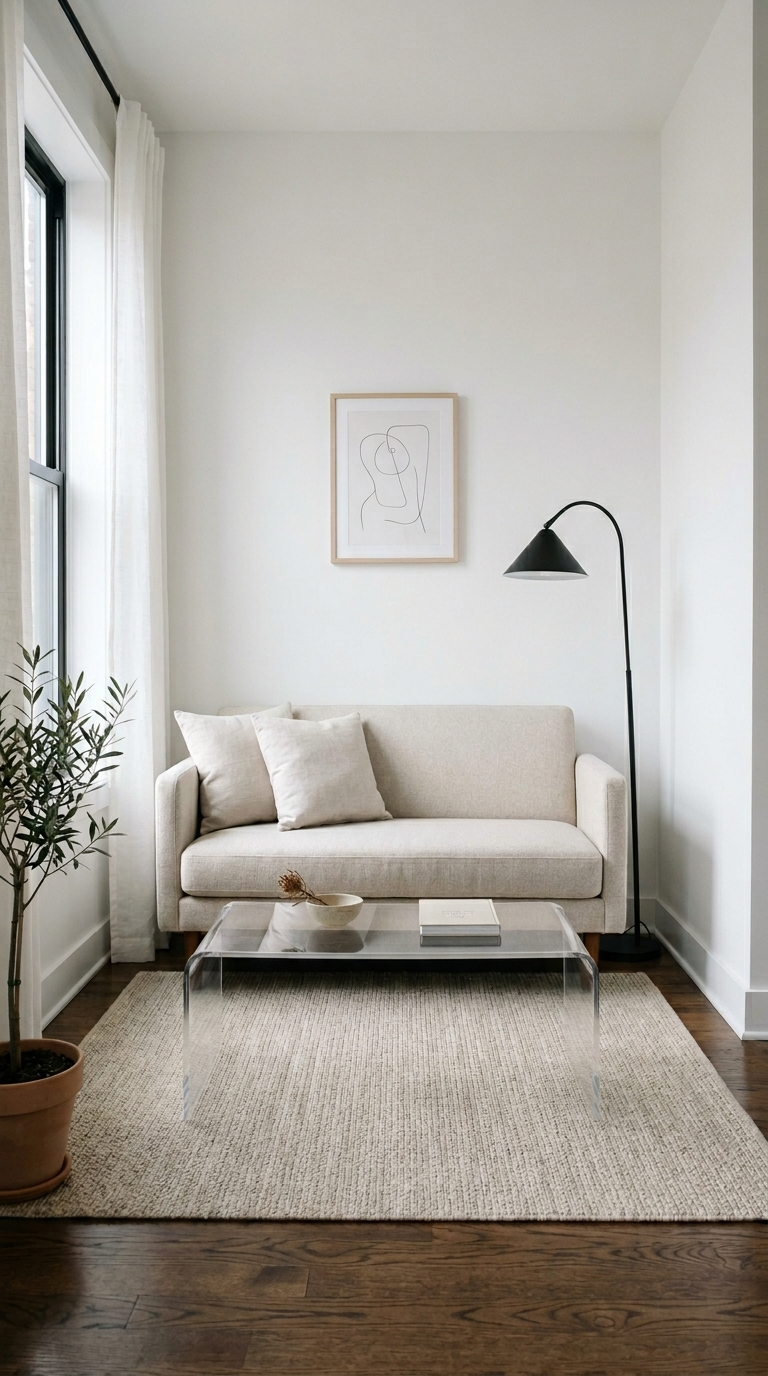
7. The Diagonal DynamicIf you are dealing with a boxy, perfectly square room that feels overly rigid or uninspired, placing your furniture on a diagonal can completely revolutionize the energy of the space. Instead of aligning your sofa parallel to the walls, angle it at a 45-degree corner, creating a diamond shape within the square room. This immediately breaks up the harsh right angles and creates a sweeping, fluid pathway through the space. The diagonal layout draws the eye to the corners of the room, which paradoxically makes the square footage feel significantly larger. The triangular spaces left behind the angled furniture are perfect for tucking in tall floor plants, dramatic floor lamps, or sculptural pedestals displaying art.8. Minimalist Alignment for Small SpacesWhen designing for small apartments, tiny houses, or narrow living rooms, a minimalist alignment is paramount. In tight quarters, you must prioritize unimpeded traffic flow above all else. This layout relies on clean lines, low-profile furniture, and strict adherence to essential pieces only. A sleek, apartment-sized sofa placed against the longest wall, paired with a transparent glass or lucite coffee table, helps reduce visual clutter. Forego bulky armchairs in favor of streamlined slipper chairs or sleek stools that can be tucked away. Emphasize verticality by installing floor-to-ceiling drapery and tall, narrow shelving units to draw the eye upward, tricking the brain into perceiving higher ceilings and a more expansive room.
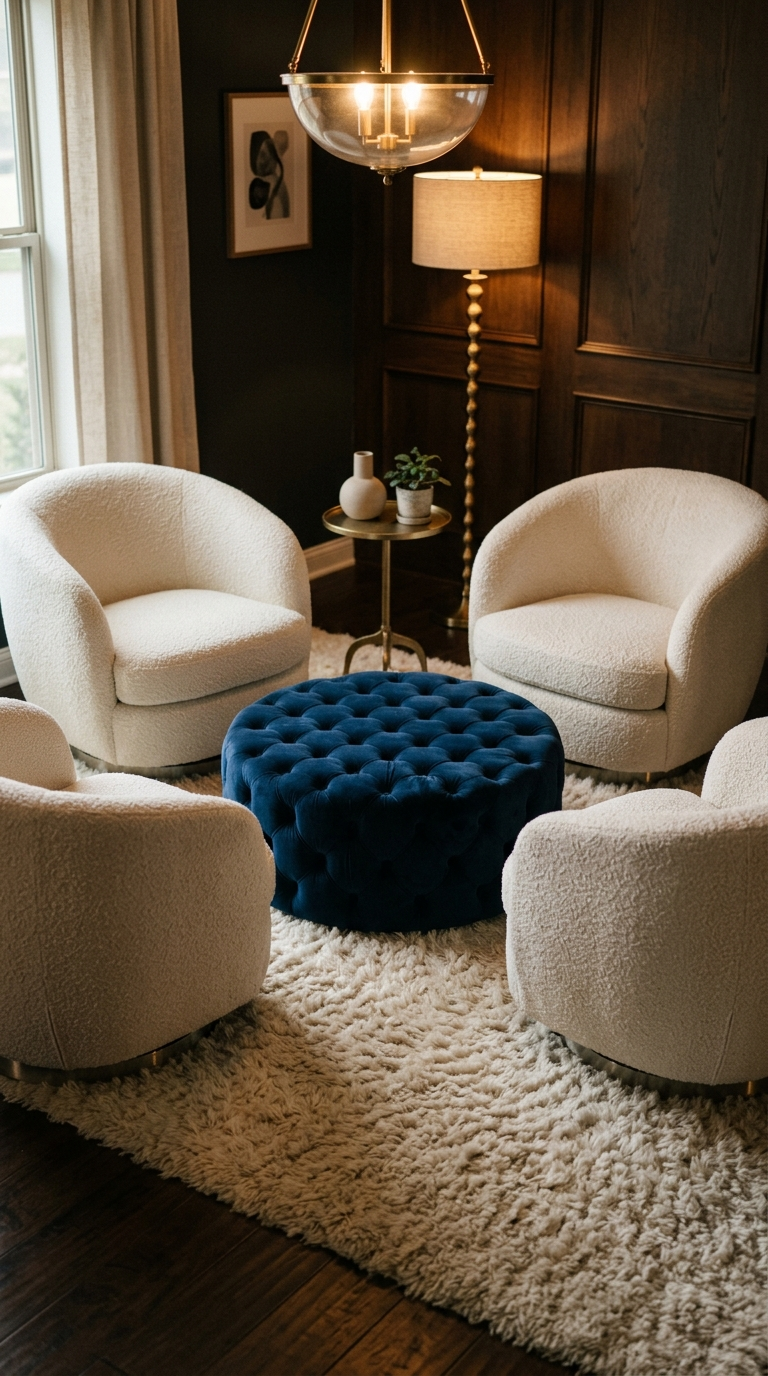
9. L-Shaped Sectional MasteryThe L-shaped sectional is the undisputed king of casual comfort and is incredibly versatile for defining space. In an open-concept floor plan, the “L” essentially creates two virtual walls, instantly carving out a distinct living room zone without the need for actual drywall. The longer side of the sectional typically faces the primary focal point (like the TV), while the shorter side creates a cozy return that invites lounging. To prevent the sectional from feeling like a massive monolith, soften its heavy lines with an abundance of varied throw pillows, a draped textured throw blanket, and a round or organically shaped coffee table to break up the harsh right angles.10. The Intimate Conversation CircleFor those who prioritize socializing and deep conversations over screen time, the conversation circle is the ultimate layout. Instead of aligning furniture around the perimeter of the room or facing a television, seating is arranged in a tight, inward-facing circle or square. You might use four comfortable swivel chairs grouped tightly around a large, round ottoman, or a curved, crescent-shaped sofa paired with two opposing armchairs. The radius of the seating should be kept relatively tight—no more than 8 feet across—so that guests do not have to shout across the room. This layout fosters intimacy, connection, and a deeply welcoming atmosphere that makes guests want to linger for hours.
11. The Media-Centric SetupLet’s be honest: in many homes, the living room is primarily a home theater. If movie nights and binge-watching are your family’s favorite pastimes, embrace the media-centric setup proudly. The television dictates the layout here. Position your deepest, most comfortable sofa or a massive modular pit sectional directly opposite the screen at the optimal viewing distance (typically about 1.5 to 2.5 times the diagonal length of the screen). Ensure every seat has an unobstructed sightline. To prevent the room from looking like a dark cinema cave during the day, surround the television with beautiful custom built-ins or a stylish gallery wall so the black screen blends seamlessly into the decor when turned off.12. Dual-Purpose Dining and LivingIn many modern condos and urban homes, the living and dining areas are forced to share a single, rectangular room. The key to mastering this dual-purpose layout is clear zoning. Use the back of your sofa as the dividing line, placing it roughly in the center of the room, facing away from the dining area. Place a large, defining rug strictly under the living room furniture to visually anchor the lounging zone. In the dining half, use a statement chandelier centered directly over the dining table to establish its distinct identity. Maintain a cohesive color story between both zones to ensure the entire space feels harmonious and intentionally designed, rather than chopped in half.Ultimately, the best living room layout is the one that perfectly accommodates the unique rhythm of your daily life. Do not be afraid to experiment. Move your furniture around, live with a new layout for a week, and adjust as necessary. By applying these foundational design principles—whether it’s the elegance of classic symmetry, the coziness of the conversation circle, or the spatial trickery of floating furniture—you will transform your living room into a masterfully balanced, deeply comforting sanctuary that you and your guests will absolutely love.
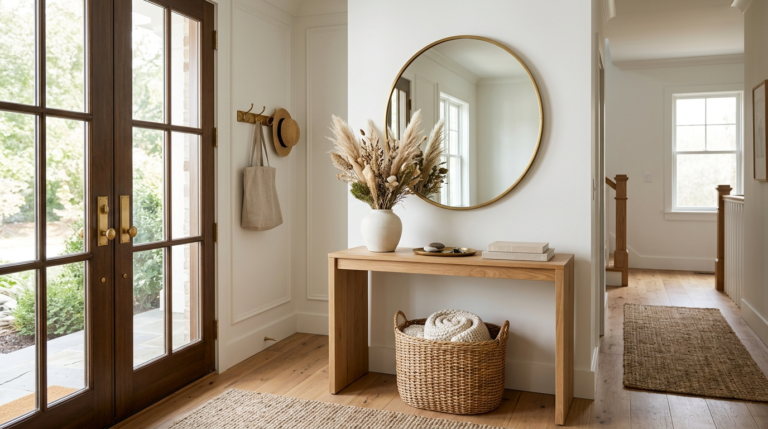
Transform your entryway with our expert design guide! Discover the most common hallway decor mistakes to avoid and learn how to create a welcoming home.
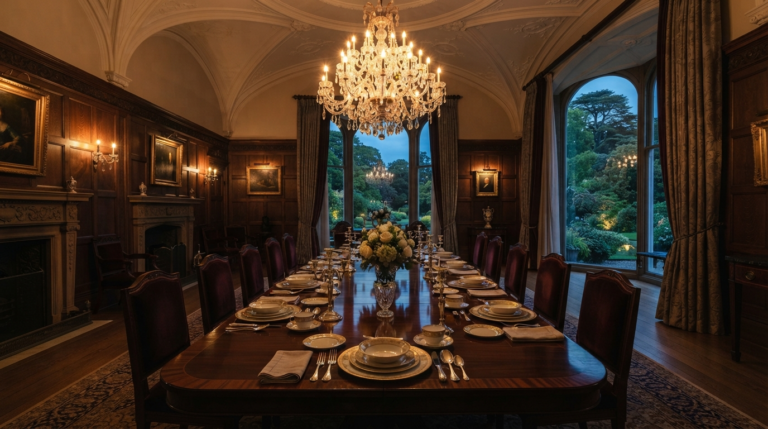
Transform your formal dining room into a luxurious sanctuary for sophisticated entertaining with these expert design tips and high-end decor inspiration.
Transform your house into a haven. Discover the art of designing intentional living spaces that promote comfort, connection, and true well-being in every room.
Learn exactly how to transform a cramped, narrow hallway into a beautifully warm, welcoming, and functional entryway with this step-by-step classic design guide.