Home is more than just a physical structure; it is a sanctuary, a reflection of our inner lives, and the backdrop for our most cherished memories. In the rush of modern life, creating intentional living spaces is not merely a design choice but a vital act of self-care. It’s about moving beyond superficial trends and digging deeper to construct environments that nurture our souls, facilitate connection, and restore our energy. Designing with intention means considering how a space feels, not just how it looks. It requires a thoughtful examination of how we interact with our surroundings and a conscious effort to align our physical environment with our desired emotional state. Whether you live in a sprawling estate or a compact city apartment, the principles of intentional design can transform any dwelling into a true haven.
Defining Your Sanctuary
The first step in designing an intentional living space is to define what ‘san sanctuary’ means to you. This is a highly personal definition that will vary from one individual to the next. For some, it might mean a minimalist retreat free from visual clutter, promoting mental clarity. For others, it could be a maximalist cocoon filled with meaningful objects, textiles, and warm colors. Ask yourself: How do I want to feel when I walk through the door? Relaxed? Energized? Creative? Safe?
Once you have identified your desired emotional outcome, you can begin to make design choices that support it. Intentional living spaces are not static; they evolve with us. They are spaces that work *for* us, accommodating our daily rituals and supporting our goals. This approach requires mindfulness and a willingness to let go of items and layouts that no longer serve us. It’s an edit, not an overhaul, and it starts with a vision.
The Philosophy of Zoning in Open-Plan Layouts
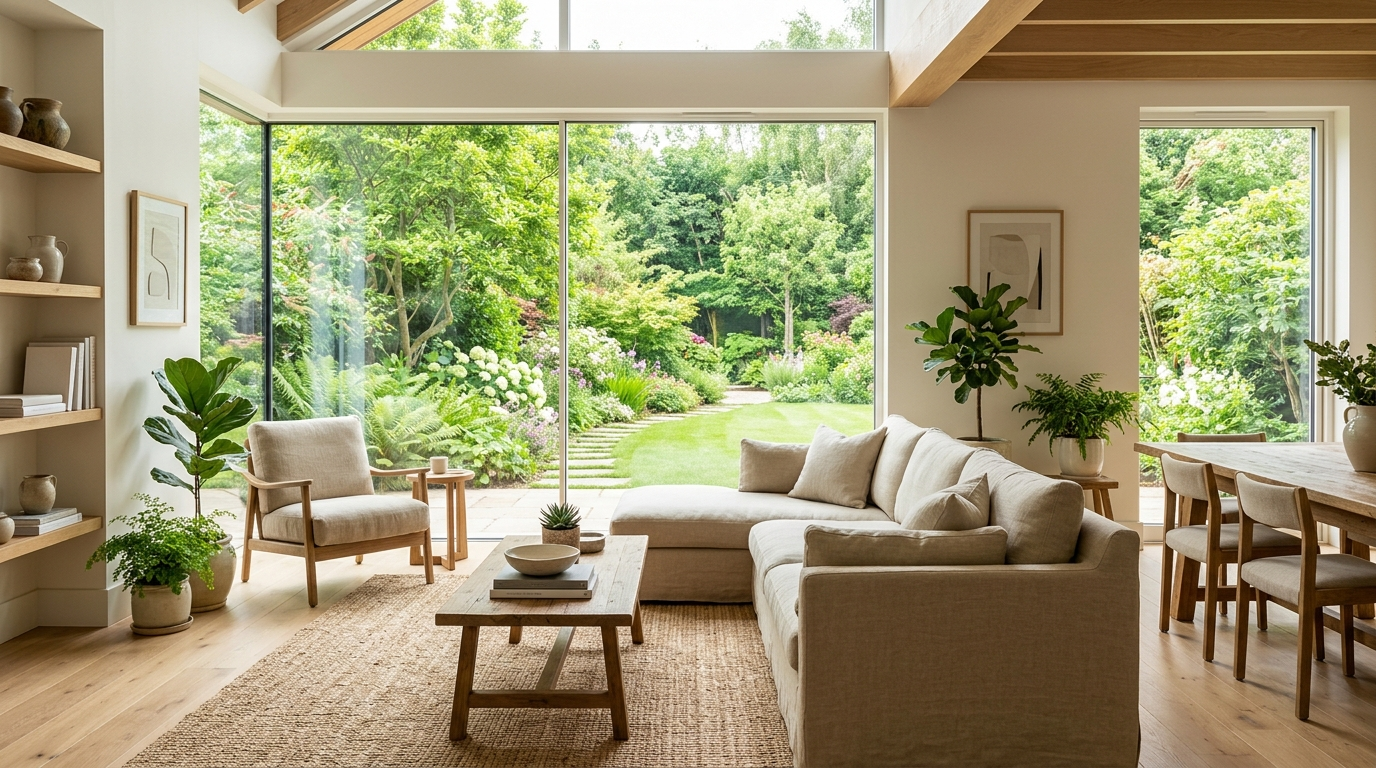
Modern architecture frequently favors open-plan living, which, while offering a sense of spaciousness and light, presents unique challenges for creating intimate and functional living spaces. The philosophy of zoning is essential here. Without clearly defined areas for different activities, an open-plan space can feel chaotic and unanchored. Zoning is the art of creating ‘rooms within a room’ using furniture, lighting, and textiles rather than physical walls.
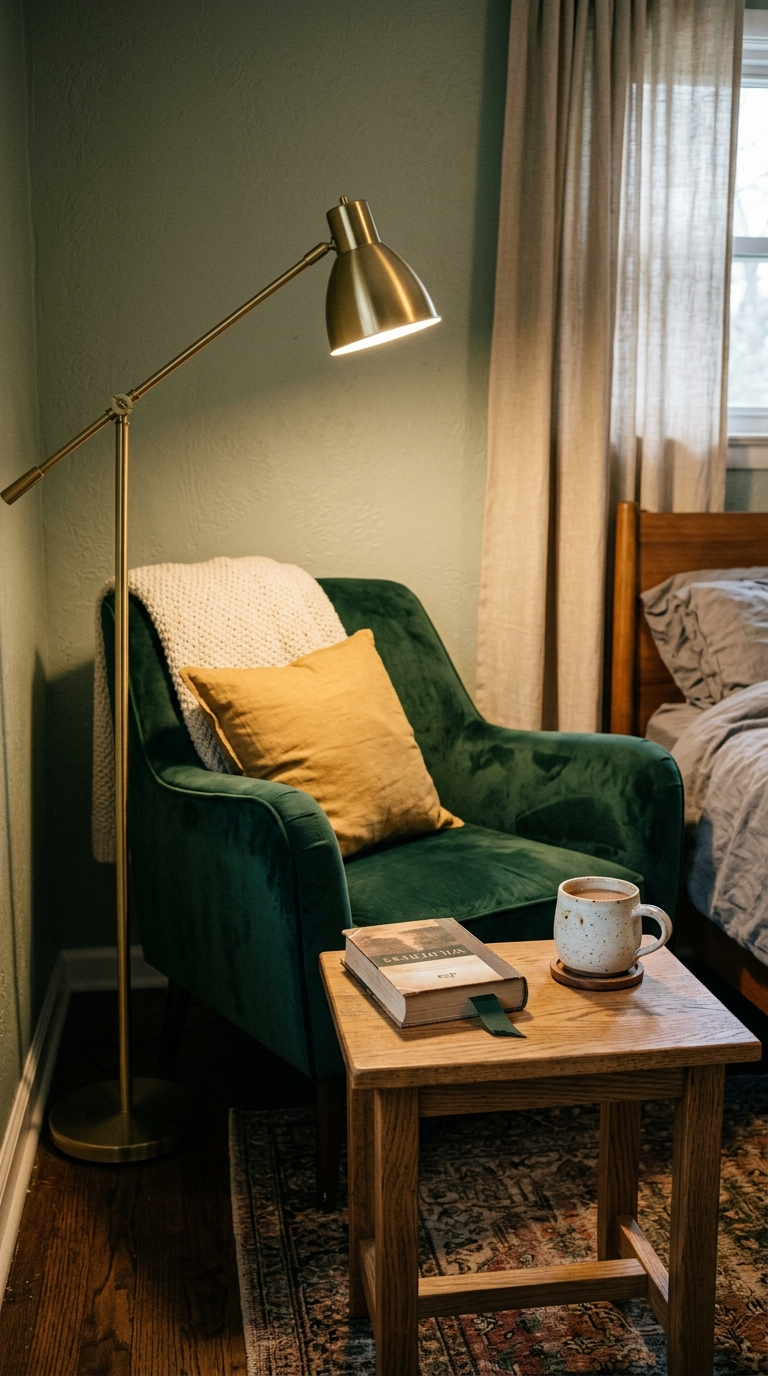
Start by identifying the primary activities that will take place in the space: dining, relaxing, cooking, perhaps working. Use area rugs to delineate the boundaries of each zone. A large rug under the seating group separates the ‘living room’ from the ‘dining room’ marked by another rug under the table. Position furniture to create conversation pits; back-to-back furniture arrangements can subtly signal a transition between zones. Lighting is also a powerful zoning tool. Pendant lights over a kitchen island or a dining table draw the eye and define those specific areas, while floor lamps can create cozy reading nooks within a larger living area.
Natural Light: The Ultimate Design Element
Natural light is arguably the most critical element in interior design, impacting not only the aesthetic of a living space but also the circadian rhythms and psychological well-being of its inhabitants. Intentional design maximizes available sunlight. Start by ensuring windows are clean and unobstructed. Heavy, dark drapery should be replaced with sheer, light-filtering fabrics that enhance privacy without sacrificing illumination.
Consider the orientation of your windows. North-facing rooms receive consistent, cool light, while south-facing rooms enjoy bright, warm light all day. Mirror placement is a timeless trick to amplify natural light; positioning a mirror opposite a window reflects the view and the light deeper into the room. When natural light fades, the intentionality continues with a thoughtfully designed artificial lighting plan, incorporating ambient, task, and accent lighting to maintain a warm and inviting atmosphere.
Texture and Materiality: Creating Sensory Spaces
To create spaces that truly nurture, we must engage more than just the eyes. Texture and materiality play a profound role in how we experience a room. A truly intentional living space is rich in sensory details. Think of the tactile comfort of a chunky wool throw, the smoothness of polished concrete, the warmth of aged wood, or the softness of velvet.
Layering textures prevents a room from feeling flat or sterile. In a minimalist setting, subtle variations in material—like a bouclé armchair paired with a smooth slate coffee table—add depth and interest without creating visual noise. In warmer, cozier spaces, generous layering of natural fibers like linen, cotton, leather, and jute invites touch and promotes a feeling of safety and comfort. Choose materials that wear well and develop a patina over time, adding character and a sense of history to your home.
The Art of the Entryway: Setting the Tone
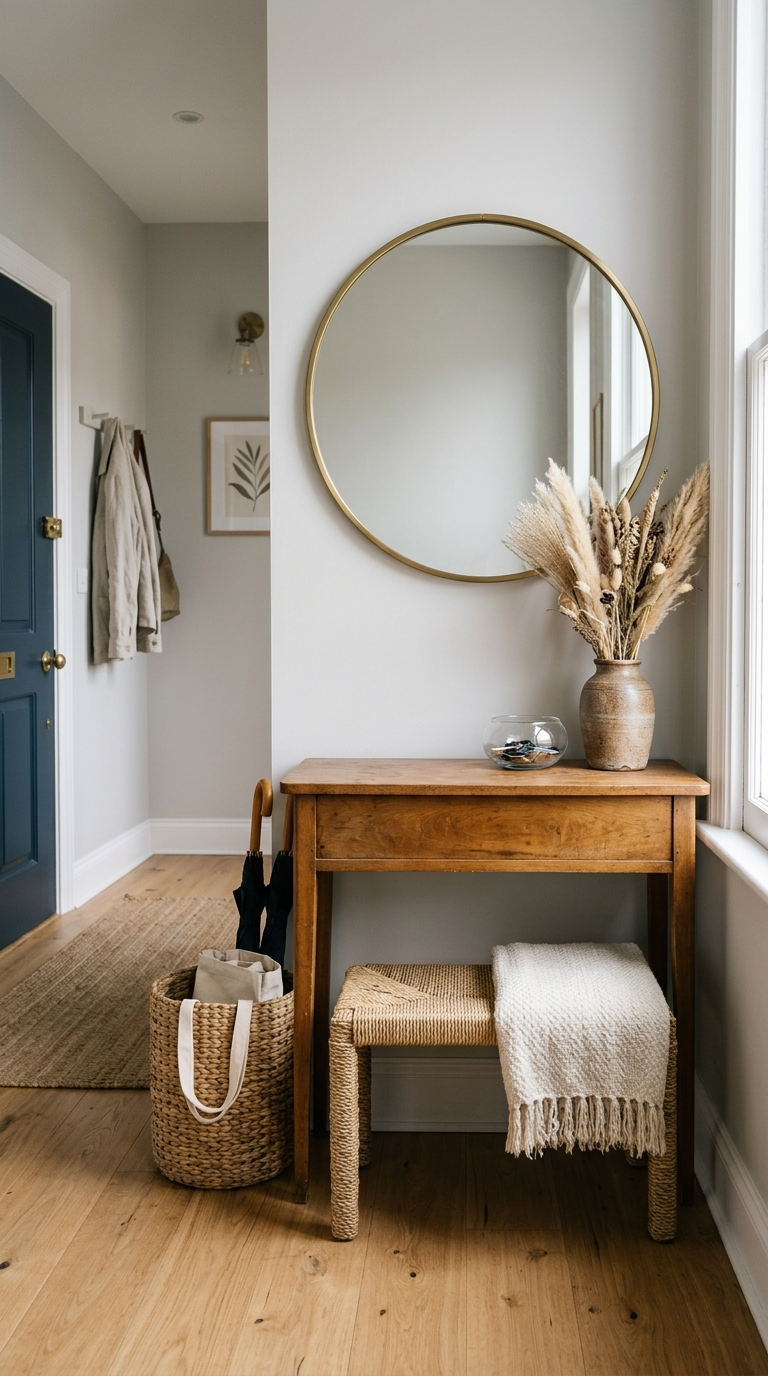
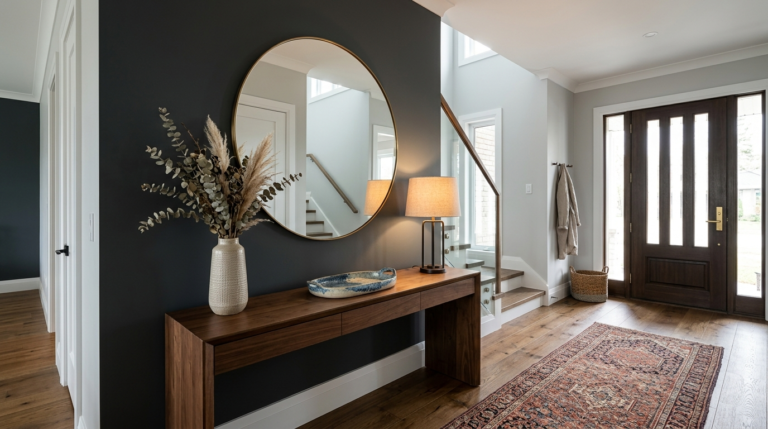
The entryway is the first thing you experience when returning home and the first thing guests see. Yet, it is often treated as an afterthought—a dumping ground for shoes, mail, and coats. An intentional living space begins at the front door. The entryway should act as a decompression zone, a transitional space that signals it’s time to leave the worries of the outside world behind.
Design this area with purpose. Include functional storage for everyday items to prevent clutter from accumulating the moment you enter. A beautiful console table, a decorative mirror to expand the space and offer a last-minute check before leaving, and perhaps a small bench for seating create a welcoming and organized atmosphere. Scent is also powerful here—a signature home fragrance can immediately evoke a feeling of calm and belonging.
Nooks and Corners: Maximizing Unused Square Footage
Intentional design isn’t reserved for grand rooms; it’s about making every inch of your home count. Often, awkward corners, under-stairs areas, or wide hallways become dead space. These are golden opportunities to create intimate ‘micro-zones’ that support specific rituals or hobbies. Turn a sunny corner into a reading nook with a comfortable armchair and a small bookshelf.
Transform an alcove into a compact home office or a creative studio. Even a wide windowsill can be layered with cushions to create a peaceful spot for morning coffee and contemplation. These small, dedicated spaces add personality to a home and encourage us to engage in activities that bring us joy and relaxation. They are the definition of intentionality: identifying a need (rest, creativity, focus) and shaping the physical environment to support it.
Biophilic Design: Bringing the Outdoors In
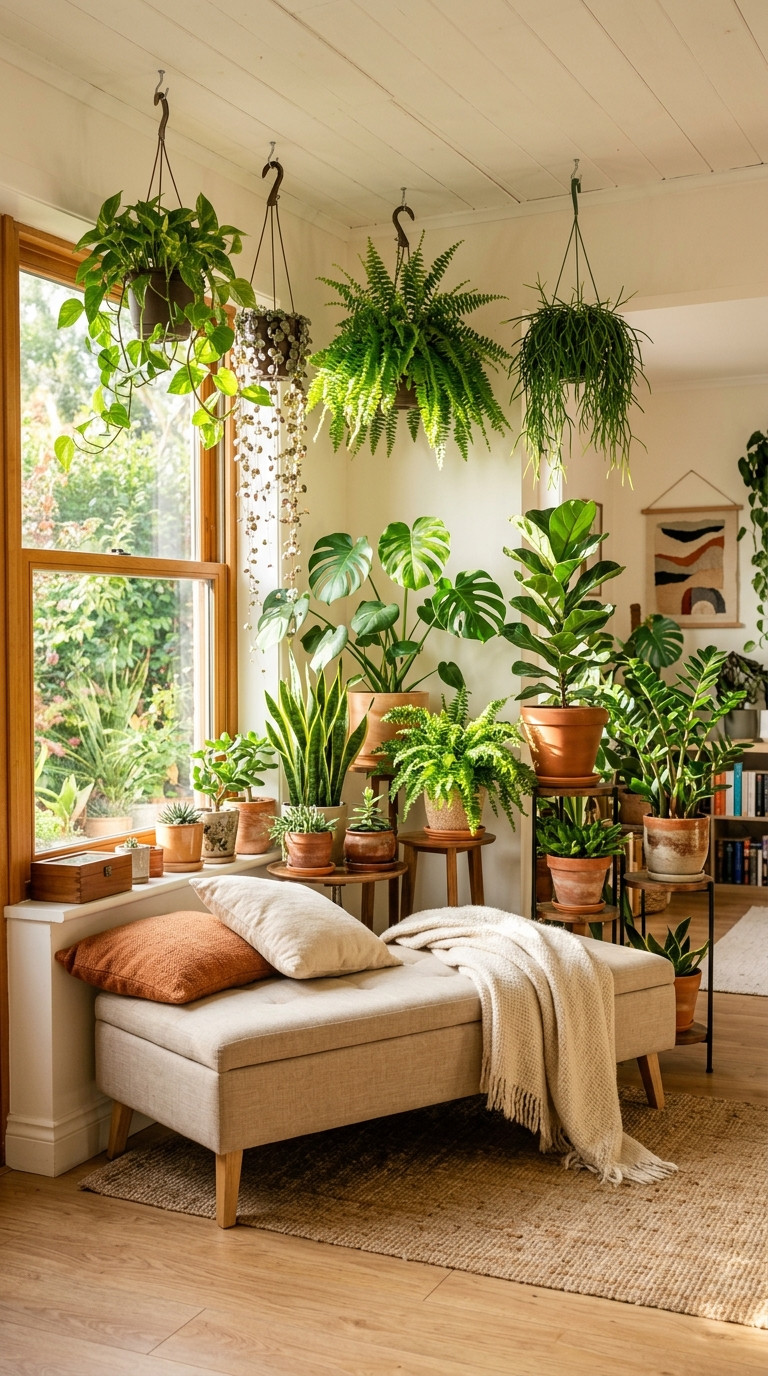
As humans, we possess an innate connection to nature, and integrating natural elements into our living spaces—known as biophilic design—is proven to reduce stress, improve cognitive function, and enhance well-being. This is a crucial component of intentional living. The easiest way to incorporate biophilia is through houseplants, which not only purify the air but also bring organic vitality and soothing green tones indoors.
Beyond plants, consider incorporating natural materials such as wood, stone, bamboo, and clay. Choose furniture with organic, curved lines rather than harsh angles. Maximize views of nature from your windows, even if it’s just a glimpse of a tree or the sky. A color palette inspired by nature—earthy browns, soft greens, cloudy grays, and ocean blues—can create a profoundly calming and restorative environment.
Lighting Schemes for Different Moods
Lighting is one of the most powerful and transformative tools in an interior designer’s arsenal, yet it is often the most underutilized by homeowners. An intentional lighting plan does not rely on a single, harsh overhead source. Instead, it involves layering three distinct types of lighting: ambient, task, and accent lighting. Ambient lighting provides overall illumination (think dimmable recessed lighting or stylish flush mounts). Task lighting focuses on specific activity areas, like reading lamps or under-cabinet kitchen lighting.
Accent lighting adds drama and highlights architectural features or artwork (picture lights or track lighting). The key to an intentional space is flexibility. Install dimmer switches on all lights to adjust the brightness based on the time of day and desired mood. Smart bulbs allow you to control color temperature, shifting from cool, energizing light in the morning to warm, relaxing light in the evening, aligning your home’s environment with your body’s natural rhythms.
Decluttering and Mindful Storage Solutions
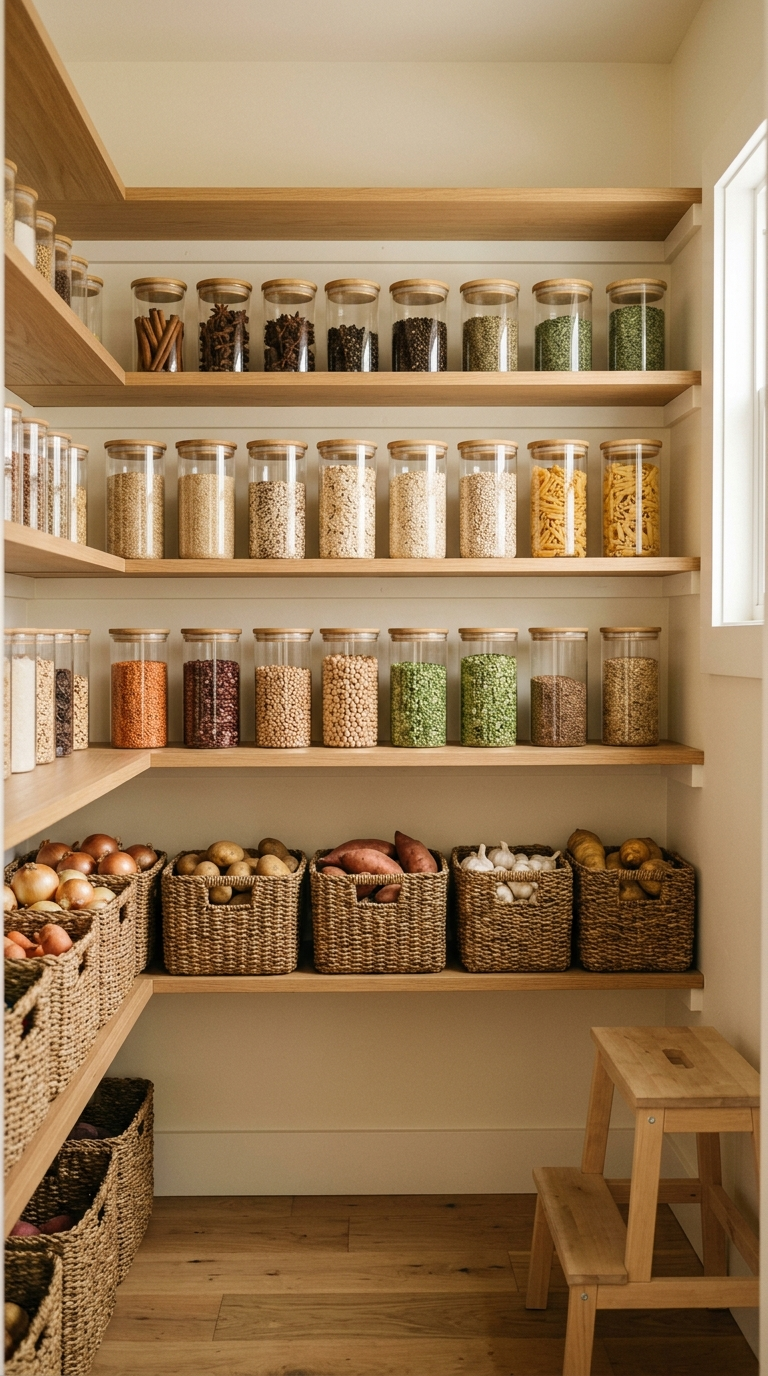
You cannot design an intentional living space amidst chaos. Clutter is visual noise that elevates stress levels and impedes relaxation. The process of creating sanctuary often begins with a thorough and honest decluttering session. Keep only the items that serve a specific function or bring you genuine joy. Once you have edited your belongings, implement mindful storage solutions.
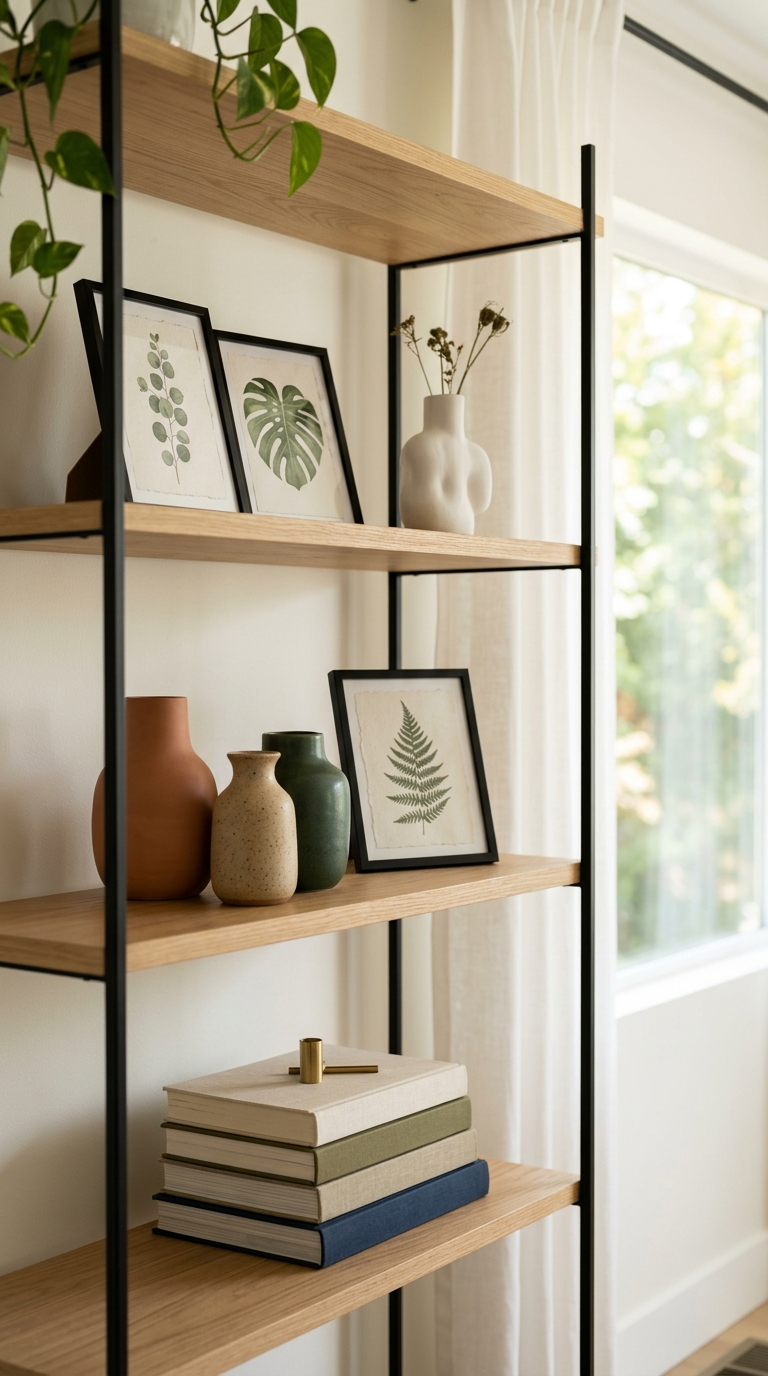
Intentional storage means having a dedicated home for everything you own, making it easy to tidy up and maintain order. Utilize vertical space with shelving, invest in multifunctional furniture (like ottomans with storage or beds with built-in drawers), and use baskets and bins to corral smaller items. The goal isn’t necessarily a sparse, sterile space, but an organized one where every object is there by choice, not by accident.
Personalization vs. Staging: Making It Yours
There is a distinct difference between a ‘staged’ home that looks beautiful in photographs and a ‘personalized’ home that feels deeply rewarding to live in. Staged homes often lack soul, looking like carbon copies of current trends. Intentional living spaces are reflections of the people who inhabit them. Personalization is what injects character and authenticity into a space.
Display curated collections, meaningful artwork, family photographs, and treasures acquired during travels. However, avoid the trap of covering every surface. Choose objects that tell your story and bring a smile to your face. Let your home evolve over time, allowing your personal style to emerge organically rather than trying to replicate a complete ‘look’ from a magazine. A truly intentional space feels lived-in, loved, and unmistakably yours.
Small Changes, Big Impact: An Edit, Not an Overhaul
The prospect of creating intentional living spaces can feel overwhelming, but it doesn’t require a massive budget or a complete renovation. The most meaningful shifts often come from small, deliberate edits. Start by changing the layout of a single room to improve flow and conversation. Swap out old, worn textiles for fresh linens or a soft rug. Bring in a few new plants. Upgrade your lighting with a new floor lamp or dimmer switches.
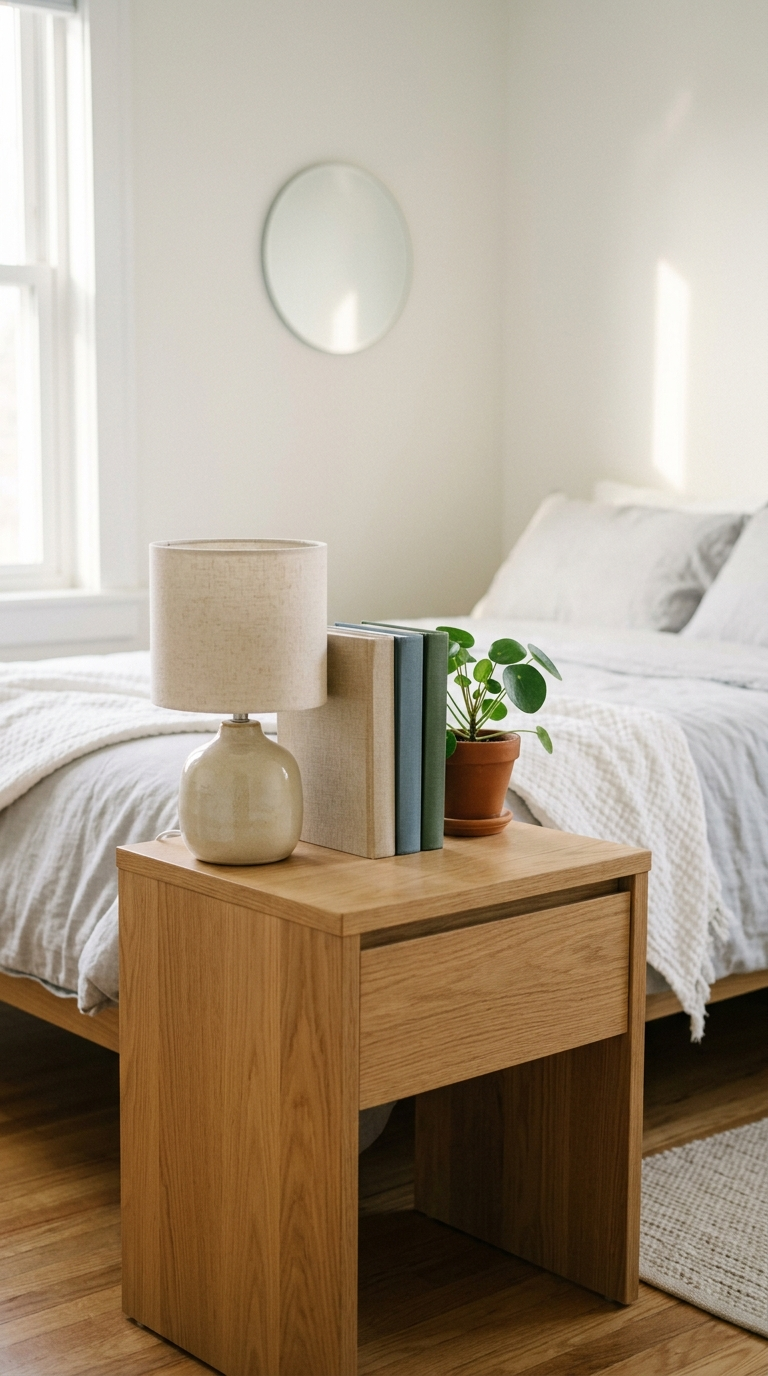
Focus on one area at a time—the bedside table, the bathroom counter, the kitchen windowsill—and organize it thoughtfully. As you make these small changes, pay attention to how they affect your mood and daily experience. The journey toward an intentional home is a series of mindful decisions that compound over time, ultimately leading to a space that authentically supports and reflects the life you want to live.
Conclusion: The Evolving Nature of Home
Designing intentional living spaces is an ongoing process, a dialogue between you and your environment. As your life changes, your home must adapt to support your new needs and aspirations. The key is to remain mindful and curious. Pay attention to how different rooms make you feel. Don’t be afraid to experiment, to move furniture, to change paint colors, or to let go of things that no longer serve you.
By approaching design with intention, you reclaim your environment as a tool for well-being. Your home becomes more than just a place to sleep and store your belongings; it becomes a sanctuary, a source of strength, and a true reflection of the sanctuary you are curating within yourself. Start today with one small, intentional choice, and watch as your living space begins to transform into the haven you deserve.
Is your entryway feeling cluttered, dark, or unwelcoming? Discover the 9 most common hallway decor mistakes and learn clean, minimalist solutions to fix them.
Stay ahead of the curve with our exclusive trend forecast for luxury living rooms. Discover the opulent textures, organic shapes, and premium elements defining modern elegance.
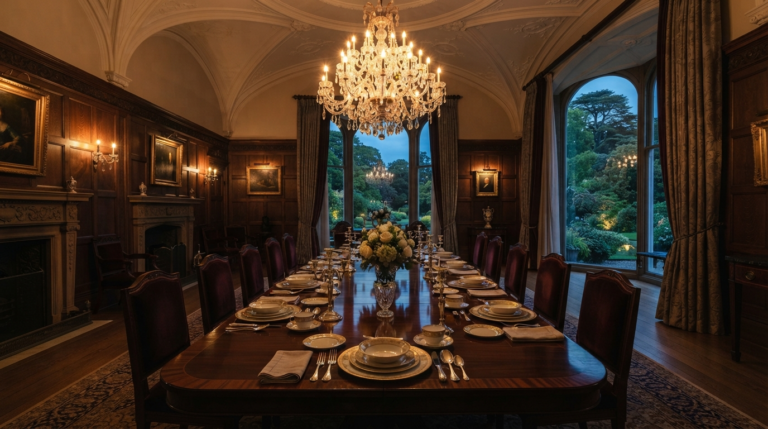
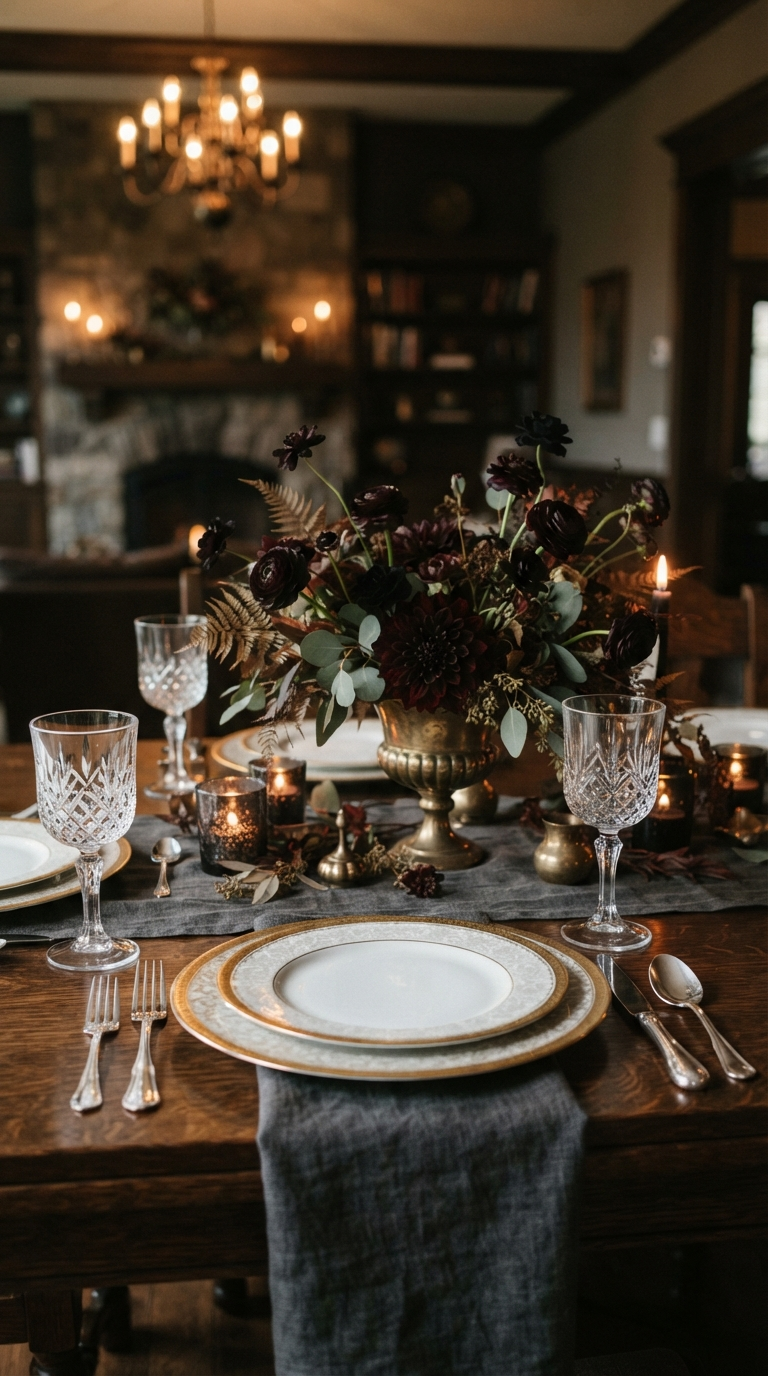
Transform your formal dining room into a luxurious sanctuary for sophisticated entertaining with these expert design tips and high-end decor inspiration.
Is your dining room feeling cramped, uninviting, or purely functional? Identify and fix the most common dining room decor mistakes to create a warm, beautiful gathering space.
Are you making these common entryway decor mistakes? Learn how to fix them easily and create a welcoming, organized, and stylish foyer that wows your guests.