In our modern, fast-paced world, finding a moment of tranquility can often feel like an impossible luxury. We are constantly bombarded by screens, notifications, and the endless demands of daily life. This is precisely why creating a dedicated wellness space within your home is no longer just a trend—it is a fundamental necessity for maintaining mental, physical, and emotional balance. A home sanctuary provides a physical boundary between the chaos of the outside world and the serenity of your inner life. Whether you have an entire spare room, an unused loft, or simply a quiet corner in your bedroom, designing a space dedicated to well-being can profoundly impact your overall quality of life. This comprehensive guide will walk you through the essential elements of crafting a beautiful, highly functional, and deeply restorative wellness space tailored to your unique needs.
Before we dive into the aesthetics and practicalities, it is crucial to understand the psychology behind environmental design. Our surroundings dictate our moods, our energy levels, and even our cognitive functions. When you enter a space that is cluttered, dimly lit, or noisy, your brain instinctively heightens cortisol production, inducing stress. Conversely, stepping into a room characterized by soft light, natural textures, and a harmonious color palette immediately signals to your nervous system that it is safe to relax. By intentionally manipulating these environmental cues, you can create a room that actively heals you.
Defining Your Wellness Intentions
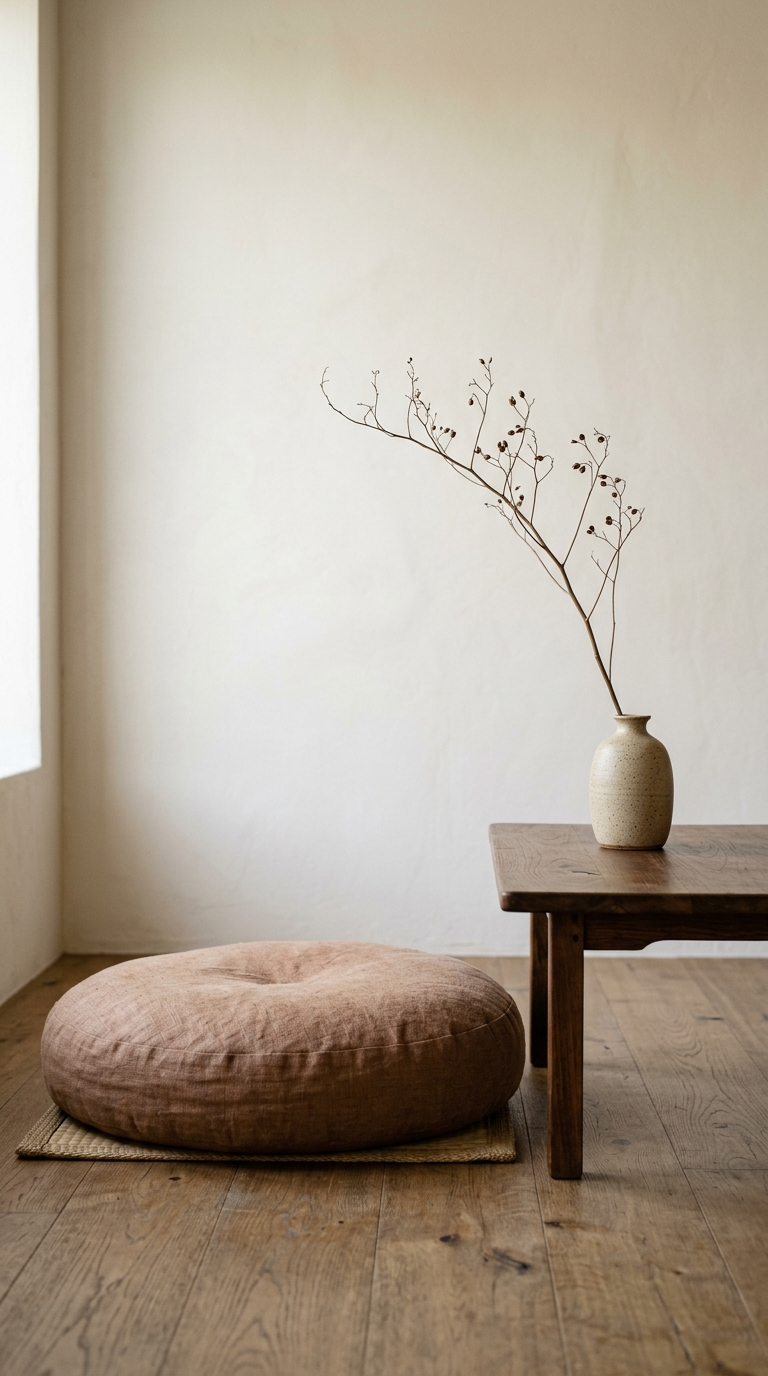
The first step in designing your sanctuary is identifying its primary purpose. Wellness is a deeply personal concept. For some, it means a vigorous morning yoga practice; for others, it is an hour of uninterrupted meditation, reading a novel bathed in sunlight, or engaging in a grounded journaling session. Ask yourself: What activities make me feel most grounded? If your goal is meditation, your space will require minimal distractions, comfortable floor seating, and perhaps a focal point like a small water feature or a collection of smooth river stones. If your focus is movement, such as yoga or Pilates, prioritize unobstructed floor space, a high-quality mat, full-length mirrors to check alignment, and ample storage for props like blocks and straps.
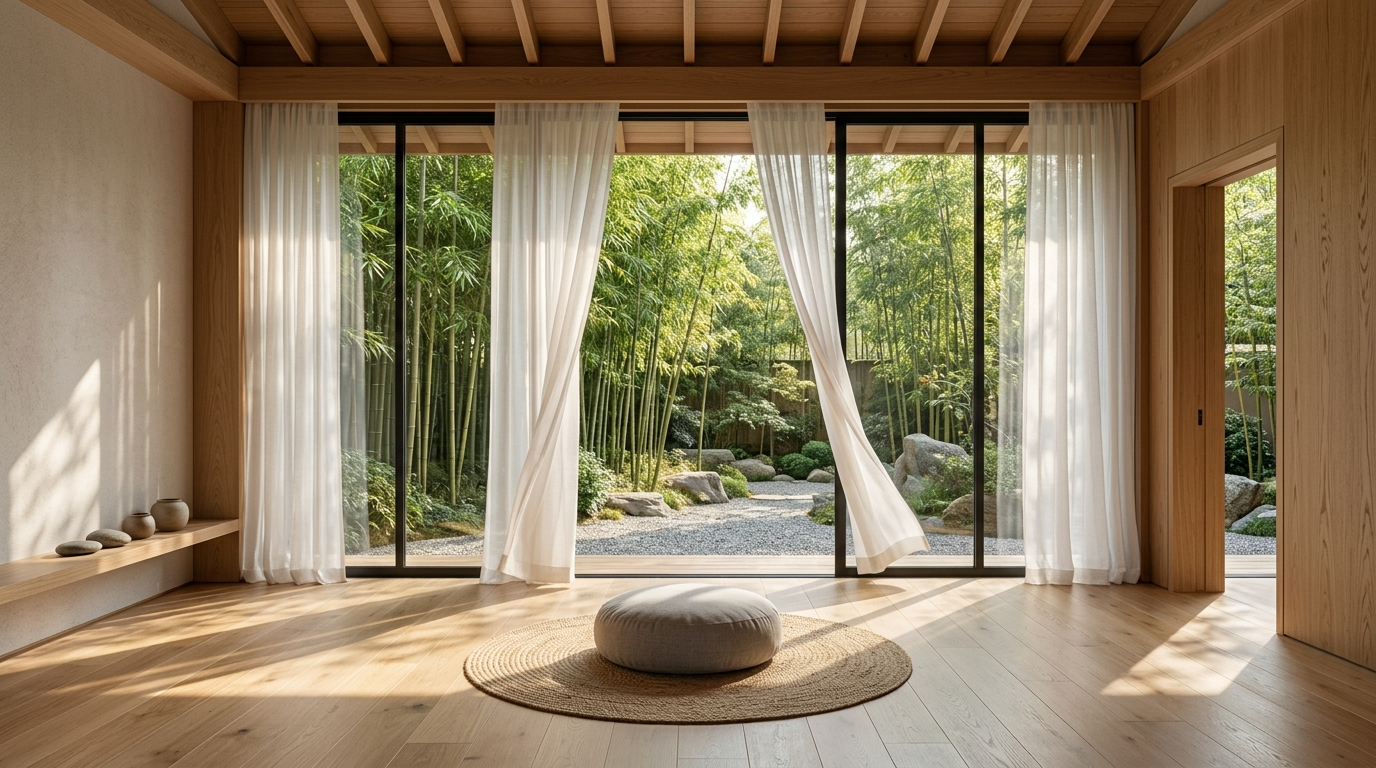
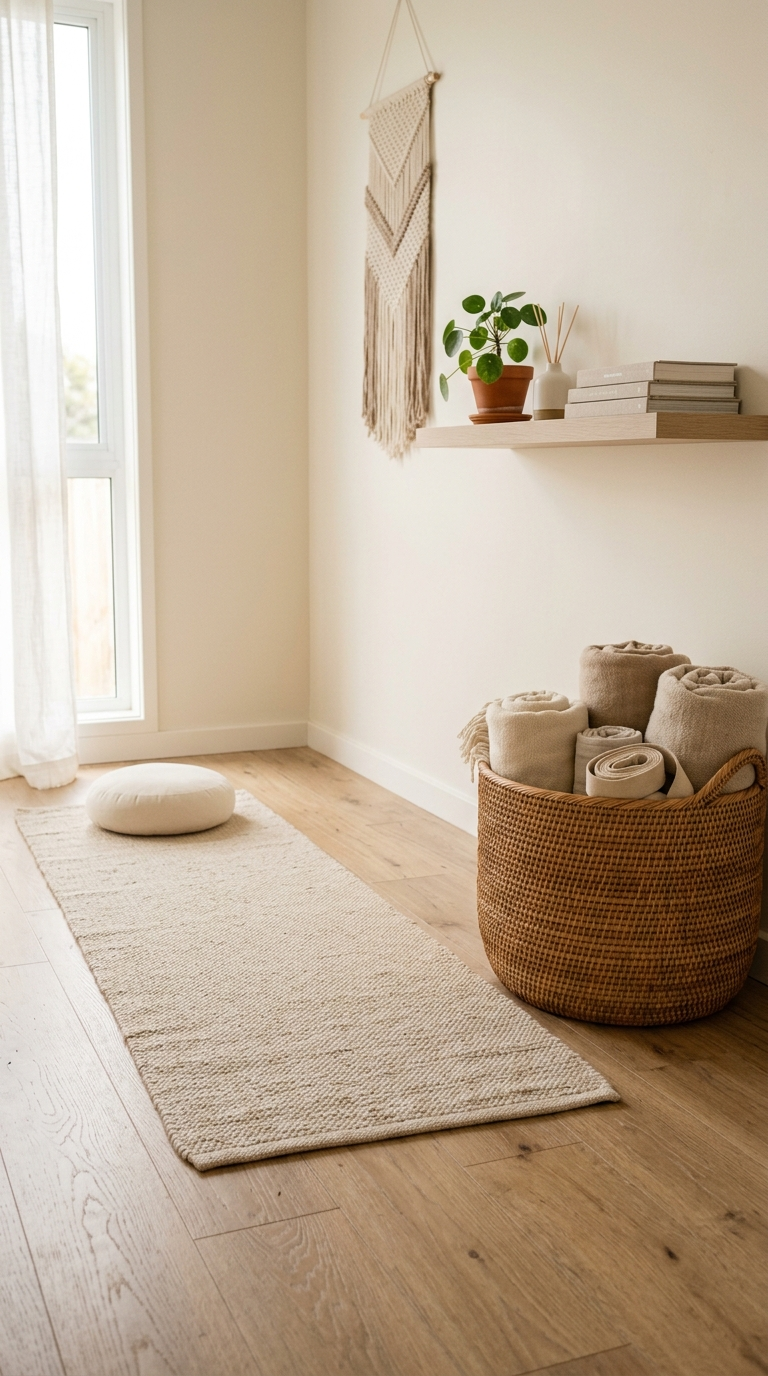
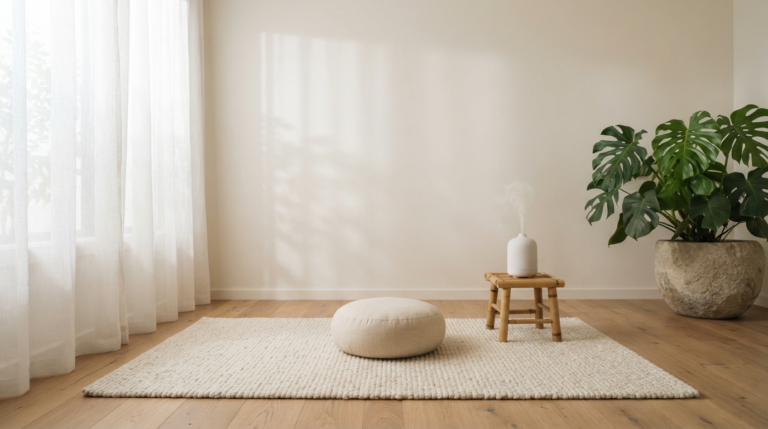
Once you have defined the function of the space, you can begin to map out the layout. Even in the smallest of corners, you can create distinct zones. Use a plush area rug to delineate the boundary of your wellness zone. Keep the center open to allow for physical freedom and deep breathing. Avoid pushing furniture tightly against the walls; instead, allow the room to ‘breathe’ by leaving negative space. This sense of openness translates psychologically into a feeling of mental spaciousness, clearing away the claustrophobia of daily stressors.
The Transformative Power of Light
Lighting is arguably the most critical element in any wellness space. It regulates our circadian rhythms and directly influences our mood. Whenever possible, maximize natural light. Position your primary seating or mat near a window to soak in the morning sun, which boosts serotonin and gently awakens the body. Use sheer, breezy window treatments that diffuse harsh glare while still allowing a soft, ethereal glow to permeate the room. If your space lacks abundant natural light, do not despair. You can meticulously layer artificial lighting to achieve a similar effect.
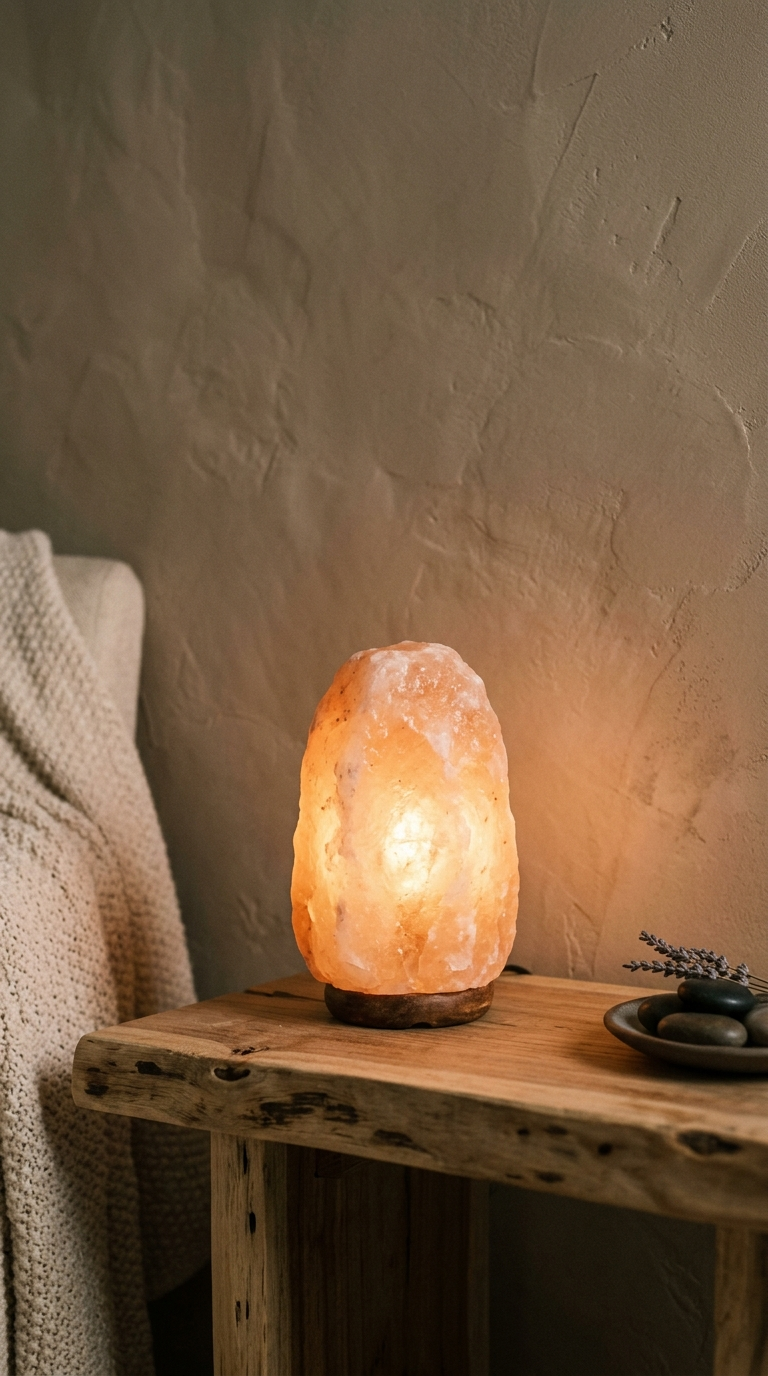
Avoid harsh overhead lighting at all costs. Instead, opt for multiple sources of warm, ambient light. Himalayan salt lamps are excellent additions, casting a warm, amber glow that mimics a sunset and prepares the brain for rest. Consider installing dimmers on any existing fixtures so you can adjust the brightness according to the time of day and your specific activity. Wall sconces with opaque shades, low-placed table lamps, and strategically placed LED strip lighting under shelves can create a rich, multi-dimensional lighting scheme that feels both cozy and expansive. Remember, shadows are just as important as light; they add depth and mystery, encouraging a state of introspection.
Biophilic Design: Bringing Nature Indoors
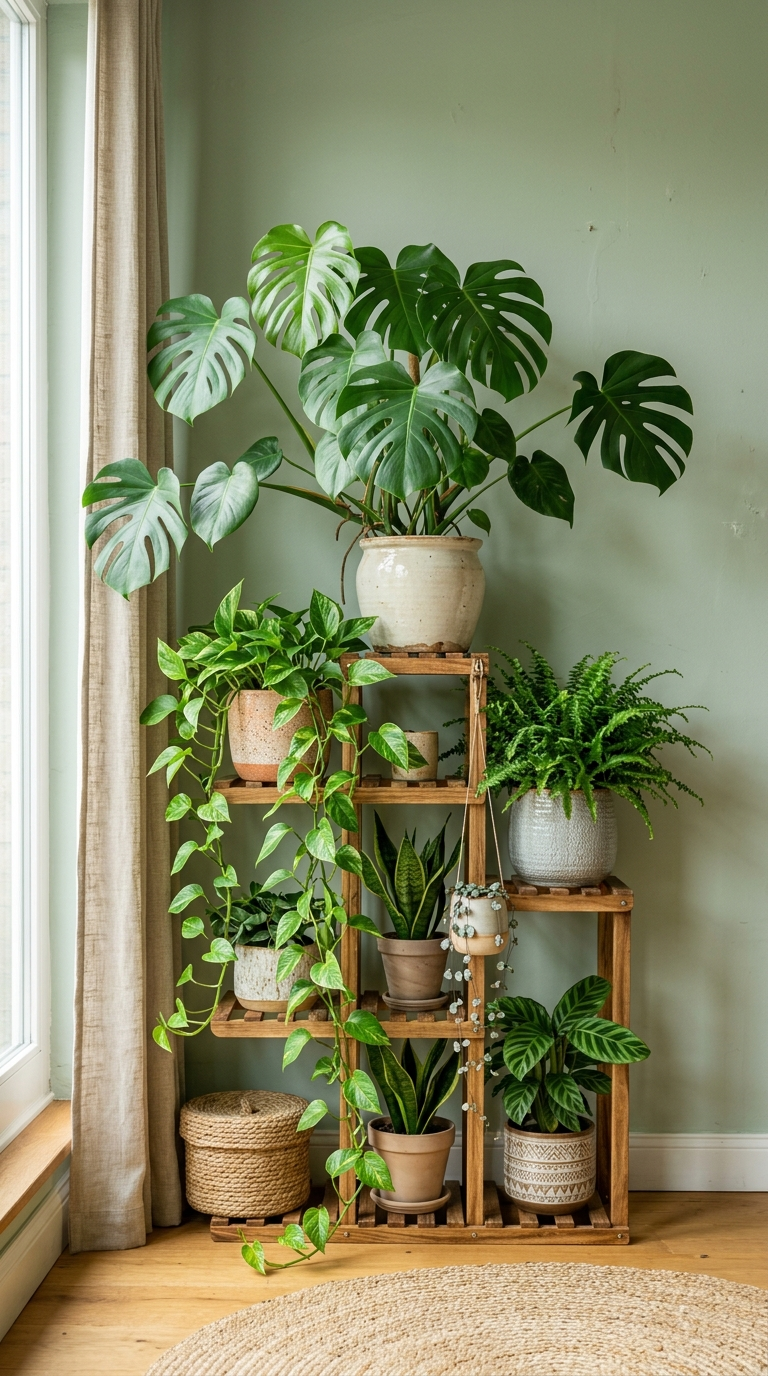
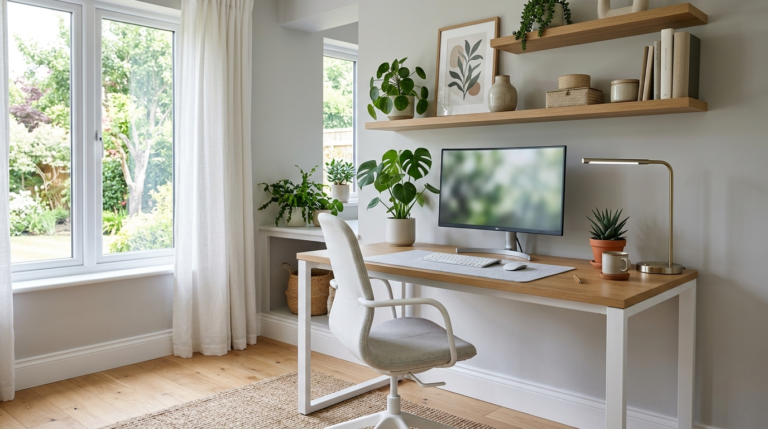
Biophilia, the innate human instinct to connect with nature, is a powerful tool in wellness design. Integrating natural elements into your space has been scientifically proven to lower blood pressure, reduce stress, and improve cognitive function. Start by introducing an abundance of plant life. Choose varieties that thrive in your specific lighting conditions. Snake plants, pothos, and ZZ plants are incredibly resilient and act as natural air purifiers, removing toxins and increasing oxygen levels in your sanctuary. Grouping plants of varying heights and leaf textures creates a lush, indoor jungle effect that feels instantly restorative.
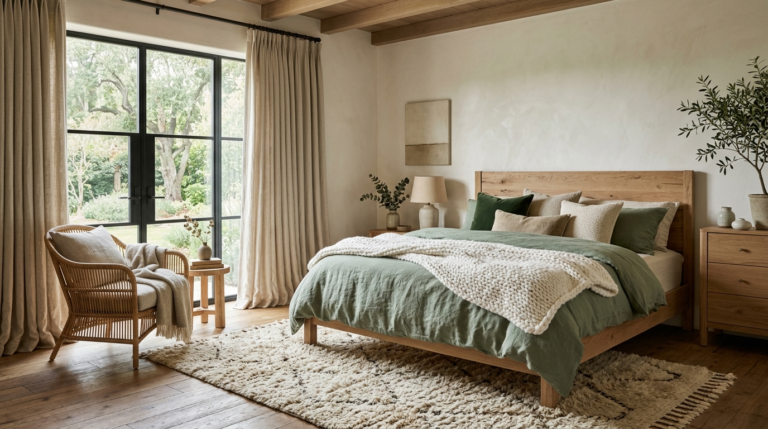
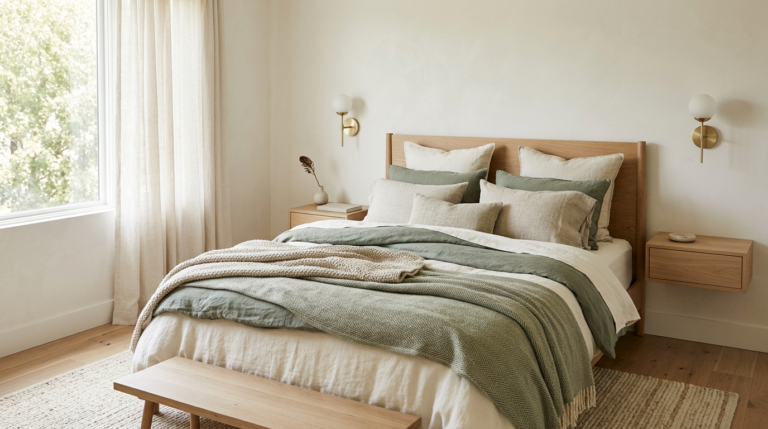
Beyond live plants, incorporate natural materials throughout your decor. Swap out synthetic fabrics and plastics for organic linen, raw cotton, sustainable bamboo, and reclaimed wood. A solid oak meditation bench or a side table crafted from a natural tree stump grounds the room in earthy stability. Use woven jute rugs, rattan baskets for storage, and unglazed ceramic vessels. These materials offer a tactile richness that synthetic alternatives simply cannot match. When you touch a linen cushion or walk barefoot on a jute rug, you are engaging your senses and anchoring yourself in the present moment, which is the very essence of mindfulness.
Curating a Calming Color Palette
The colors you choose for your wellness space will set its emotional baseline. Bright, highly saturated colors can be stimulating and energetic, but they are generally counterproductive in a room designed for relaxation. Instead, look to nature for your palette. Earth tones, soft neutrals, and muted pastels are incredibly soothing. Warm whites, soft sandy beiges, and gentle taupes create a blank canvas that allows the mind to rest. These colors reflect light beautifully, making the space feel larger and more open.
If you prefer a bit more color, consider incorporating soft sage greens, dusty blues, or pale terracotta. Green is inherently restful to the human eye, evoking the tranquility of a forest. Blue lowers the heart rate and is deeply associated with calm waters and clear skies. Terracotta and blush tones bring a grounded, earthy warmth that feels enveloping and safe. When applying color, use a tonal approach—layering different shades of the same hue—rather than high-contrast combinations. This creates a seamless, harmonious visual flow that prevents the eye from jumping abruptly from one element to another.
Engaging the Senses: Sound and Scent
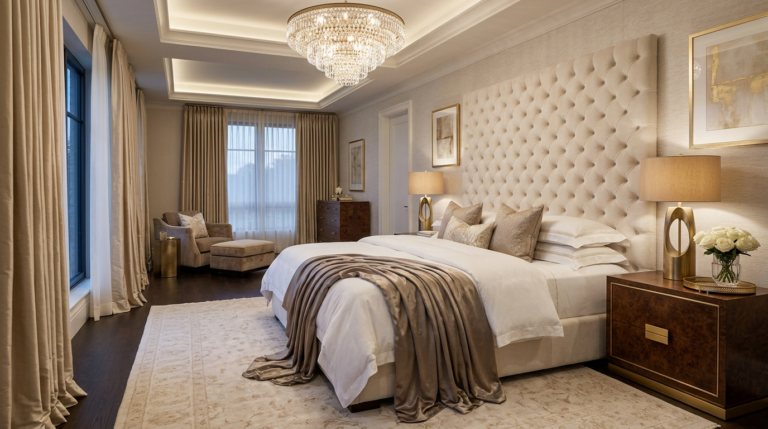
A true sanctuary engages all five senses. While visual aesthetics are vital, do not overlook the importance of sound and scent. Acoustic control is essential for maintaining peace. If your space is prone to echoing, introduce soft, sound-absorbing materials. Thick velvet curtains, plush rugs, and upholstered seating can significantly dampen noise. Consider adding a small, high-quality speaker to play ambient soundscapes, binaural beats, or classical music. A gently bubbling tabletop fountain can mask distracting household noises with the deeply primal and relaxing sound of flowing water.
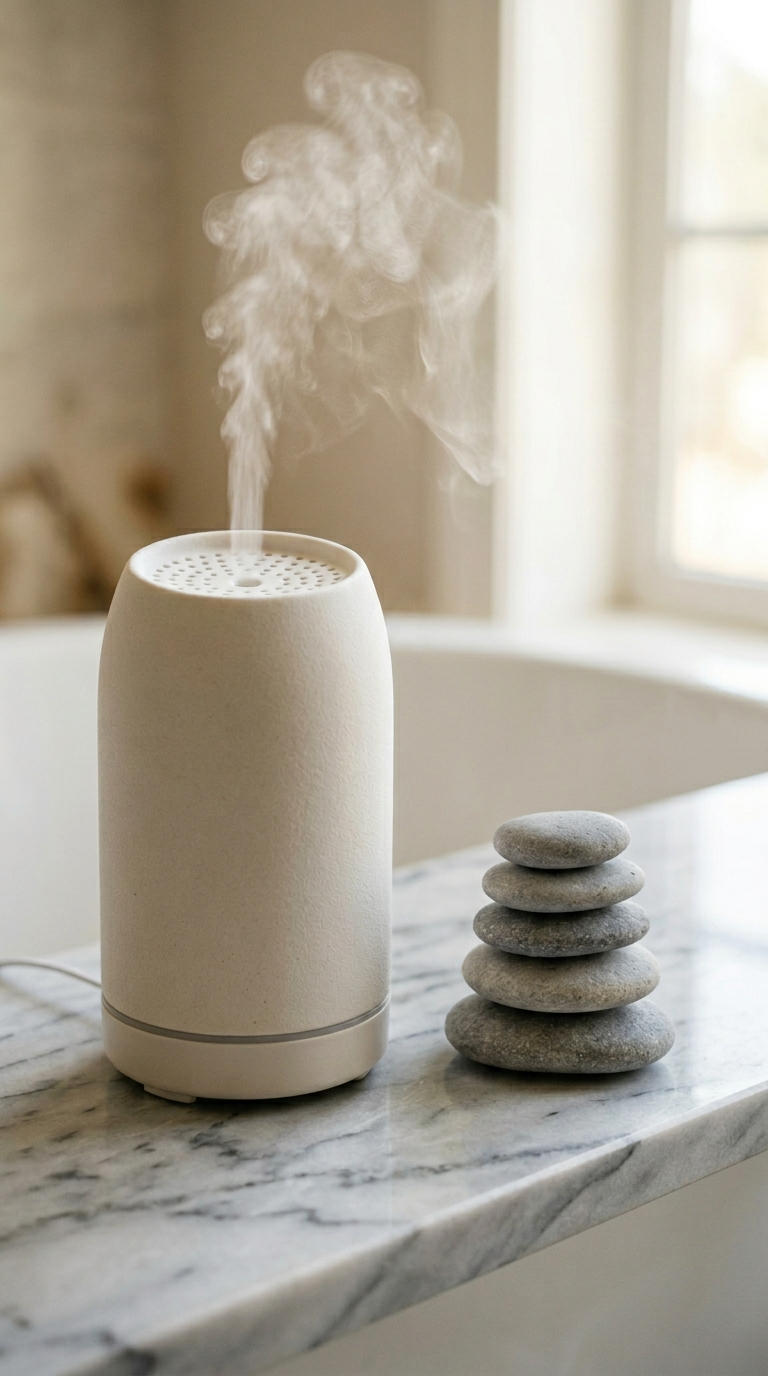
Aromatherapy is another potent tool for shifting your state of mind. The olfactory bulb is directly connected to the brain’s limbic system, which governs emotion and memory. Introducing specific scents can instantly trigger a relaxation response. Use an ultrasonic essential oil diffuser to fill the air with calming fragrances. Lavender and chamomile are classic choices for reducing anxiety and preparing for sleep. Eucalyptus and peppermint are excellent for clearing the mind and deepening the breath during yoga. Frankincense and sandalwood offer grounding, earthy aromas perfect for deep meditation. By consistently using a specific scent in your wellness space, you train your brain to associate that aroma with relaxation, allowing you to drop into a peaceful state more quickly over time.
Decluttering and Intentional Minimalism
Finally, the most beautifully designed room will fail to be a sanctuary if it is cluttered. Clutter is visual noise; it demands attention and creates subconscious stress. Adopt a philosophy of intentional minimalism in your wellness space. Every object in the room should serve a distinct purpose or bring you profound joy. Remove absolutely everything that does not align with your goal of relaxation. Bills, electronics (other than a dedicated music player), and unrelated household items must be banished.
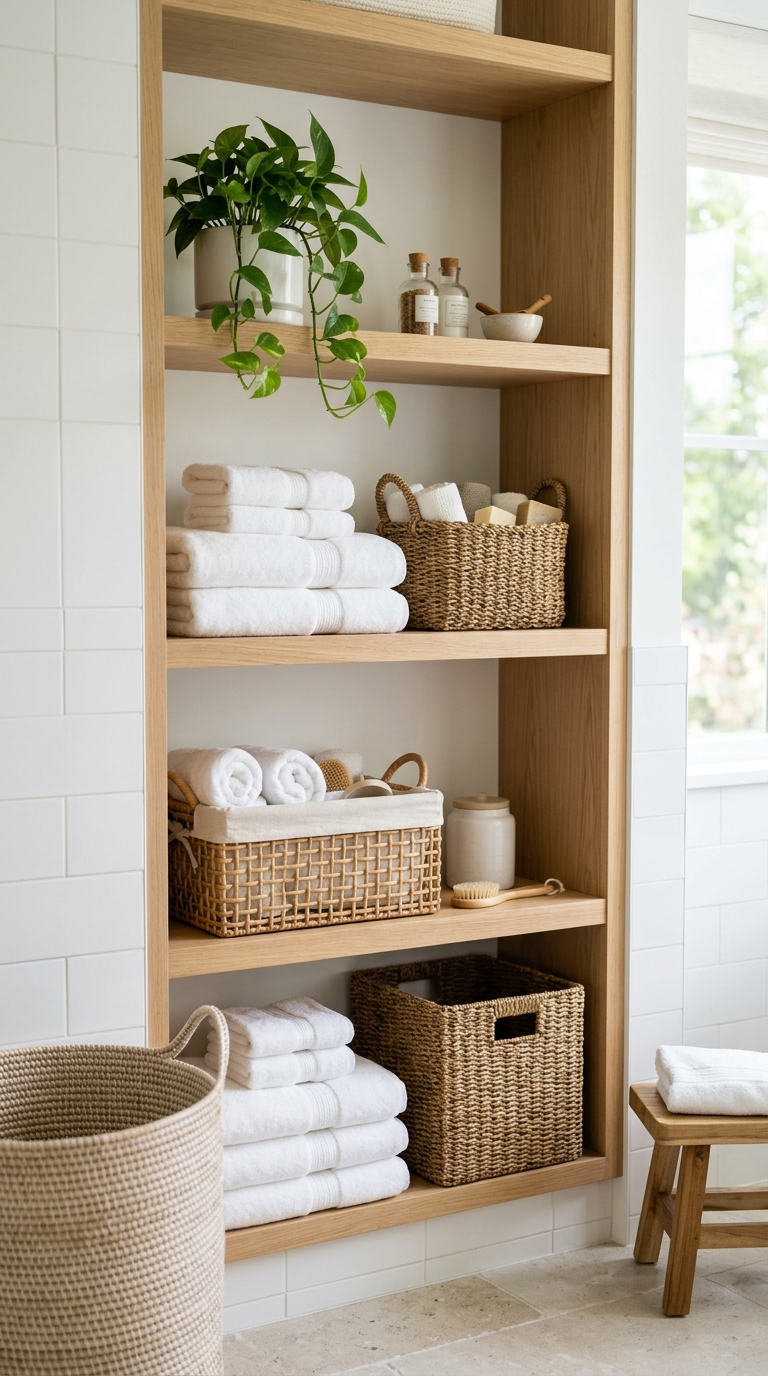
Invest in smart, hidden storage solutions. Keep your yoga mats rolled tightly in a beautiful woven basket. Store meditation cushions in an ottoman with a hidden compartment. Use floating shelves to display a carefully curated selection of meaningful items—perhaps a beautifully bound journal, a favorite candle, or a small crystal. By keeping the surfaces clear and the environment deeply intentional, you create a space that not only looks beautiful but actively supports your journey toward a healthier, more balanced life. Your home sanctuary is a lifelong investment in your well-being, a sacred space where you can retreat, recharge, and return to the world renewed.
Discover how to transform any corner of your home into a tranquil wellness sanctuary. Follow this comprehensive step-by-step guide to minimalist relaxation.
Transform your bedroom into a serene sanctuary by mastering the art of layering textures. Explore elegant ideas for bedding, rugs, and ambient lighting.
Step into a world of sophisticated bedroom design. Uncover the secrets to layering textures, selecting premium palettes, and designing a luxury retreat.
Transform your child’s room into a wonderland with these whimsical DIY nursery projects. Step-by-step guides for magical canopies, sensory walls, and more!
Stop letting poor design ruin your focus. Avoid these critical home office mistakes to create a productive, ergonomic, and beautiful workspace that inspires.
Transform your sleeping space into a peaceful oasis. Uncover elegant styling secrets, calming color palettes, and luxurious textures for ultimate rest.