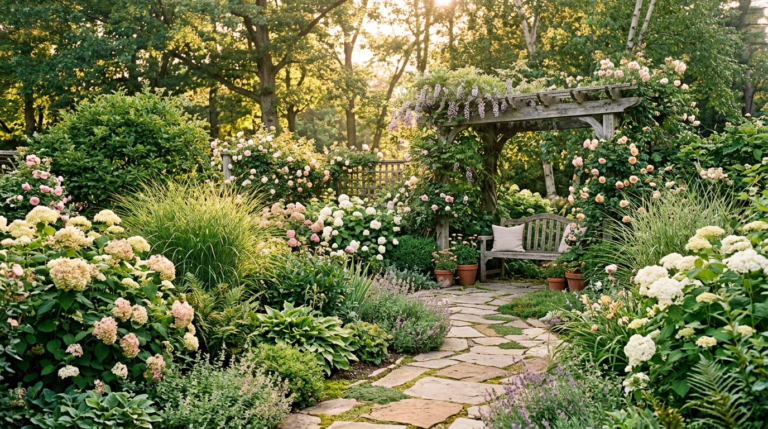
Creating a beautiful, thriving outdoor garden is a dream for many homeowners. There is nothing quite like stepping out into your own personal backyard oasis, surrounded by lush greenery, vibrant flowers, and perfectly arranged hardscaping. However, achieving this picturesque outdoor living space is rarely as simple as just putting a few plants in the ground and hoping for the best. Landscaping and garden design require careful planning, ongoing maintenance, and a deep understanding of horticulture and environmental science. Unfortunately, many well-meaning beginners and even seasoned gardening enthusiasts fall into common traps that hinder their garden’s true potential. In this comprehensive guide, we are going to explore the seven most common outdoor garden mistakes you absolutely need to avoid, and provide you with actionable, expert-level solutions to ensure your garden flourishes year after year.Whether you are dealing with a sprawling suburban backyard or a compact urban courtyard, the principles of excellent garden design remain the same. By identifying these critical errors early on, you can save yourself countless hours of frustration, prevent the loss of expensive plants, and ultimately create an outdoor sanctuary that enhances your home’s aesthetic appeal and your overall quality of life. Let us dive deep into the world of landscape design and uncover the secrets to a flawless garden.
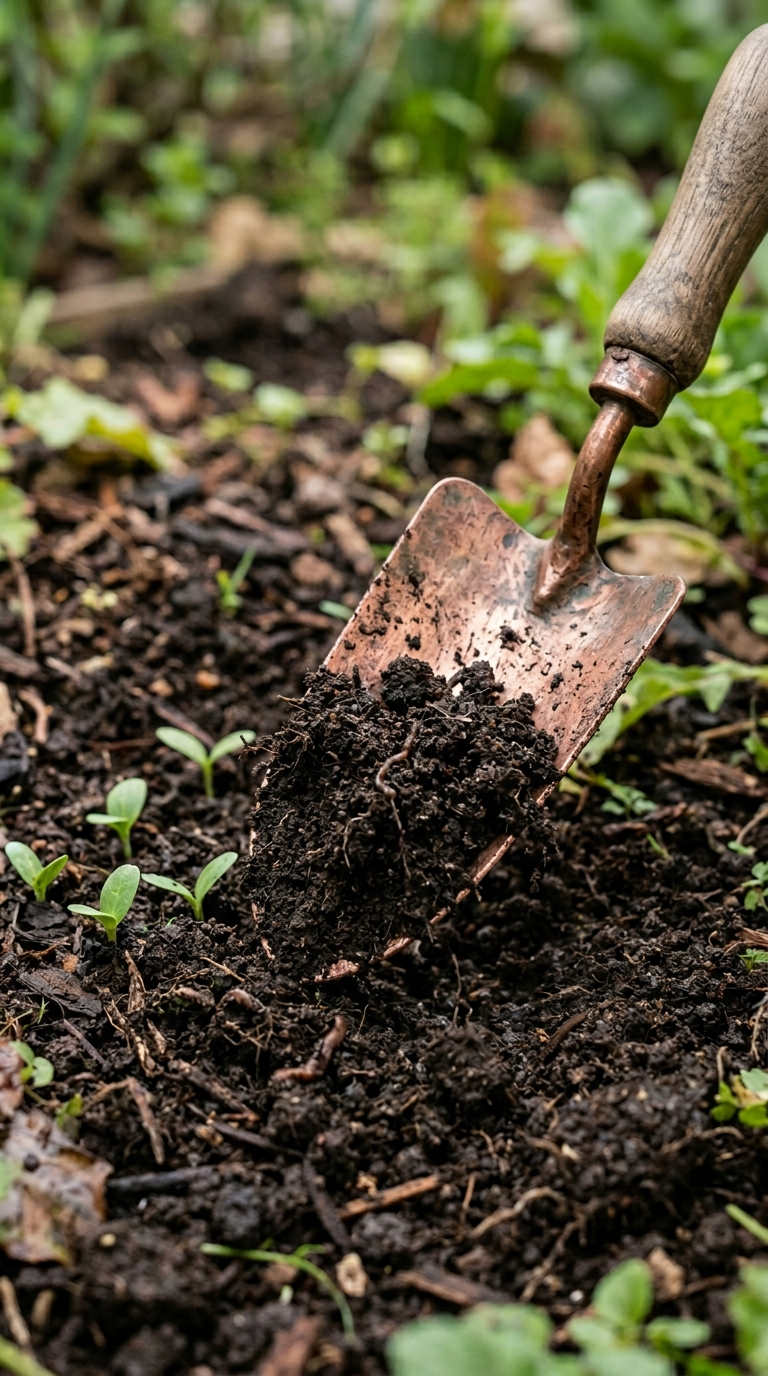
1. Ignoring the Vital Importance of Soil HealthPerhaps the most widespread and detrimental mistake any gardener can make is treating dirt like it is just dirt. The foundation of every single successful garden lies entirely beneath the surface. Soil is a complex, living ecosystem teeming with microscopic organisms, beneficial fungi, insects, and essential minerals that directly dictate the health and vitality of your plants. When you ignore soil health, you are essentially starving your plants of their fundamental life support system. Many beginners purchase expensive, exotic plants from the nursery, dig a hole in heavily compacted, nutrient-depleted clay, and then wonder why the plant withers and dies within a few weeks.The solution begins with a comprehensive soil test. Before you even think about planting, you must understand your soil’s pH level, its texture (whether it is sand, silt, or clay), and its current nutrient profile, specifically focusing on nitrogen, phosphorus, and potassium. Once you have this baseline data, you can begin the critical process of soil amendment. If your soil is heavy clay, you will need to incorporate generous amounts of organic matter, such as high-quality compost, aged manure, or finely shredded leaf mulch, to improve drainage and aeration. If your soil is too sandy and drains too quickly, that same organic matter will act like a sponge, helping to retain moisture and essential nutrients around the root zones of your plants. Furthermore, top-dressing your garden beds with organic mulch not only suppresses weeds and regulates soil temperature but also slowly breaks down over time, continually feeding the soil web. Remember, you do not feed the plant; you feed the soil, and the soil feeds the plant.
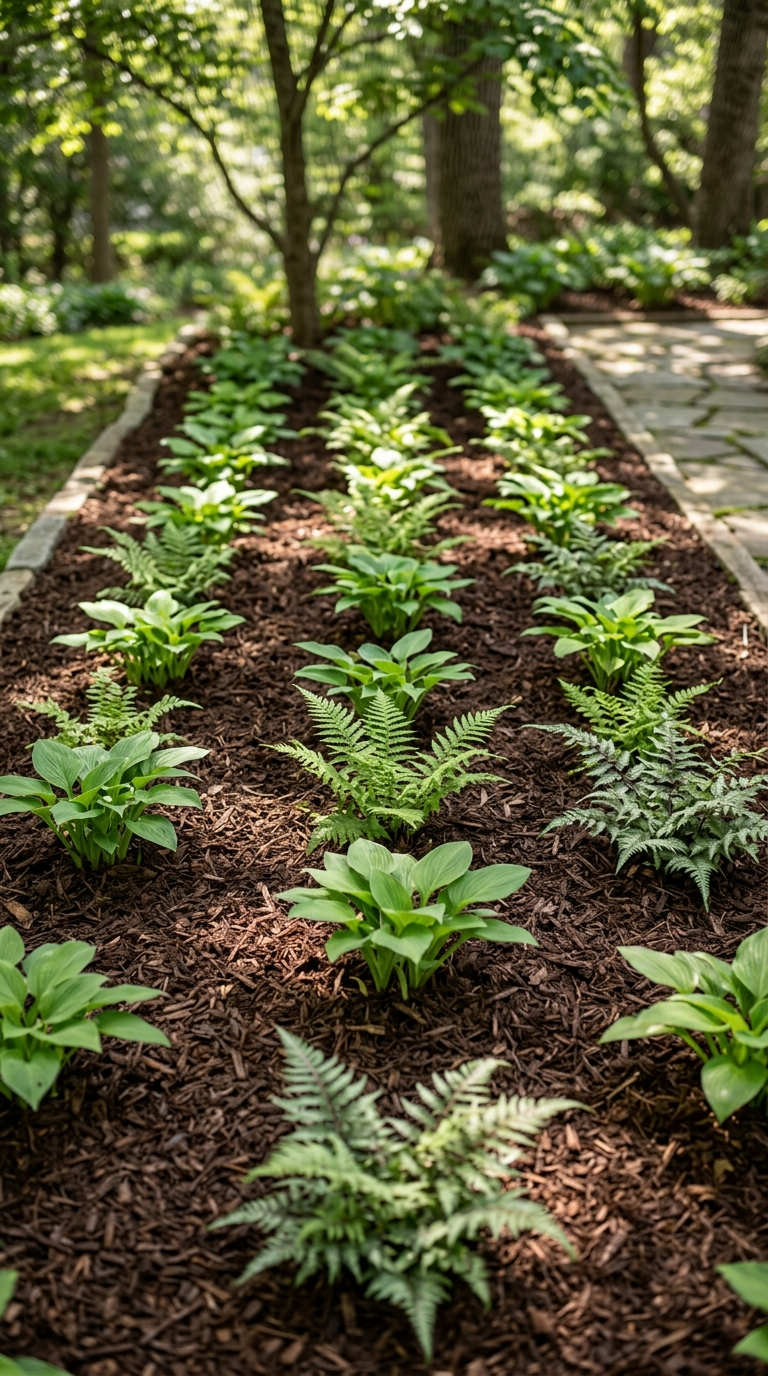
2. Overcrowding Plants and Ignoring Mature SizesWhen you visit a local plant nursery, it is incredibly easy to become enchanted by the small, perfectly formed seedlings and compact shrubs neatly arranged in their uniform black plastic pots. In our eagerness to create an instantly full and lush garden, we often plant these young specimens far too close together. This phenomenon, known as overcrowding, is a recipe for long-term horticultural disaster. While a densely planted bed might look spectacular in the first few months, as those plants begin to grow and reach their mature dimensions, they will inevitably engage in a fierce, silent war for resources.Plants competing for sunlight, water, and soil nutrients will become stressed, stunted, and significantly more susceptible to devastating diseases and aggressive pest infestations. Furthermore, inadequate airflow between closely packed foliage creates a damp, humid microclimate that is absolutely ideal for the proliferation of fungal infections like powdery mildew and black spot. To avoid this costly mistake, you must practice extreme patience and rigorous planning. Always research the ultimate mature width and height of every single plant before purchasing it. When designing your garden layout, space the plants according to these mature dimensions, not their current juvenile size. If the resulting gaps between your new plantings bother you aesthetically, fill the negative space with inexpensive, fast-growing annuals or temporary ground covers that can be easily removed as the permanent perennial and woody landscape plants fill out their designated territories.
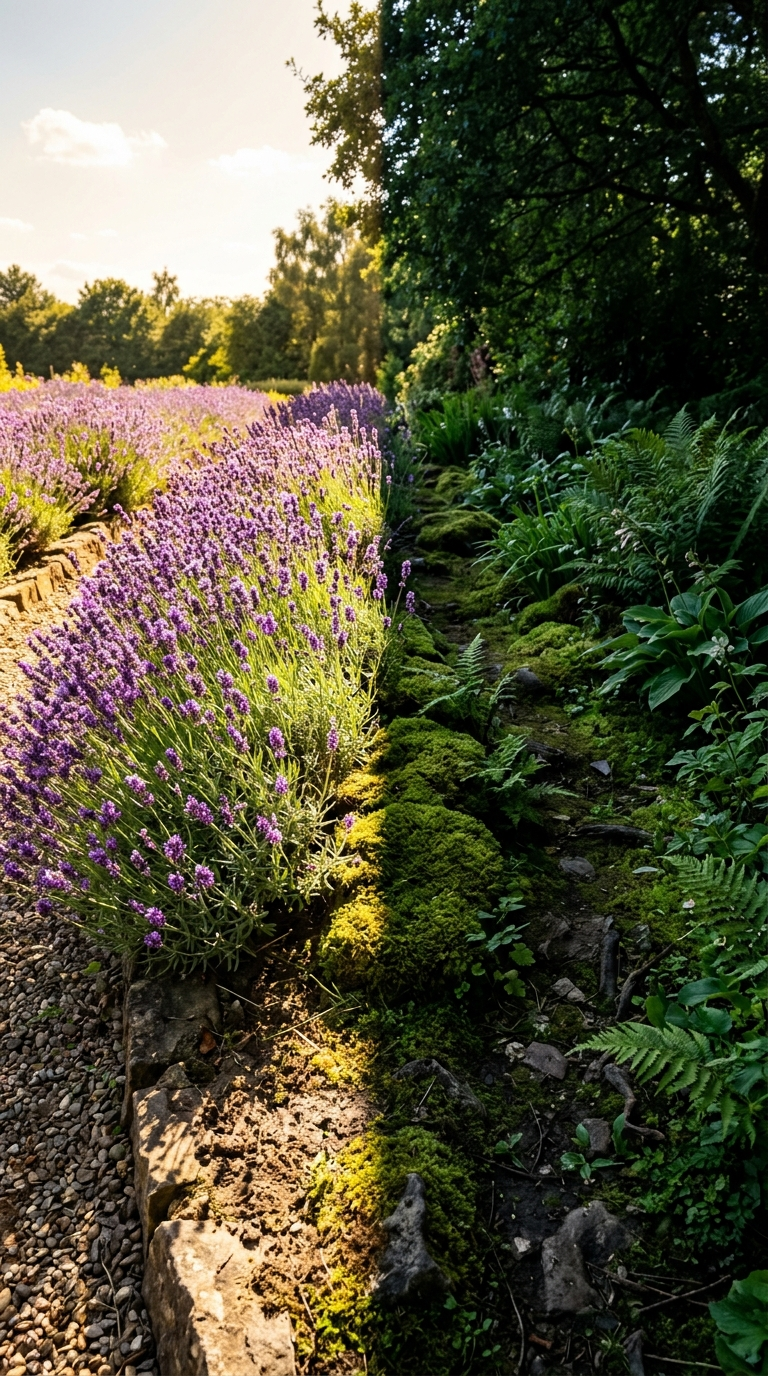
3. Misunderstanding Sunlight RequirementsAnother incredibly common pitfall in outdoor garden design is the fundamental misunderstanding of microclimates and specific sunlight requirements. Every plant species has evolved over thousands of years to thrive in specific lighting conditions, ranging from deep, dense shade to blistering, uninterrupted full sun. Placing a shade-loving hosta or delicate fern in the middle of a sun-baked southern exposure will result in severely scorched leaves and imminent death. Conversely, planting sun-worshipping tomatoes, vibrant zinnias, or robust lavender in the dark shadow of a large oak tree will lead to weak, leggy growth and a complete lack of blooms or fruit production.To solve this problem, you must become a keen observer of your own property. Do not guess; you must meticulously map the sunlight patterns in your yard throughout the day and across the changing seasons. What might be a sunny spot in the early spring before the deciduous trees leaf out could transform into deep shade by mid-summer. Spend a weekend documenting which areas receive full sun (six or more hours of direct afternoon sunlight), partial sun (four to six hours of morning sunlight), and full shade (less than four hours of dappled light). Once you have a concrete sun map of your property, you can confidently select the right plant for the right place. Grouping plants with identical light and water requirements together in specific zones—a practice known as hydrozoning—will dramatically reduce your maintenance efforts and ensure that every plant in your garden thrives in its ideal environment.
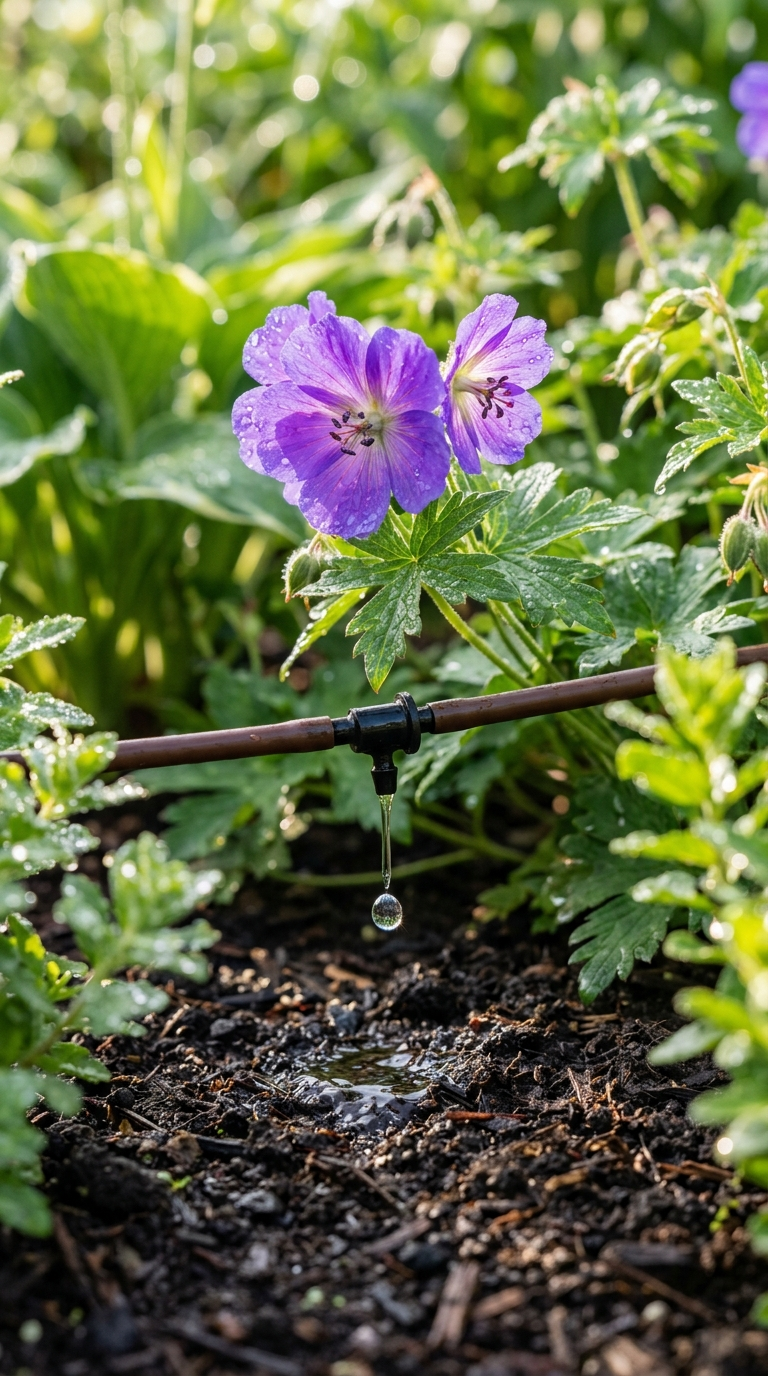
4. Poor Watering Habits and Inefficient IrrigationWater is the essence of life for your garden, but improper watering techniques kill more plants than pests and diseases combined. The most prevalent mistake is shallow, frequent watering. When you lightly sprinkle your garden beds every single day, you are encouraging the plants’ root systems to remain dangerously close to the surface of the soil. These shallow roots are incredibly vulnerable to heat stress during sudden temperature spikes and will quickly dry out if you miss even a single day of watering. Furthermore, overhead watering—spraying water directly onto the leaves of the plants—can invite a host of fungal issues, especially if done late in the evening when the foliage will not have time to dry before nightfall.The secret to resilient, drought-tolerant plants is deep, infrequent watering. You want to thoroughly soak the root zone of the plant, allowing the water to penetrate several inches down into the soil profile. This forces the plant’s roots to grow deep into the earth in search of moisture, resulting in a stronger, more established, and far more self-sufficient plant. The best way to achieve this is by installing a high-quality drip irrigation system or utilizing strategically placed soaker hoses. These systems deliver water directly to the base of the plant at a slow, steady rate, minimizing evaporation and keeping the foliage completely dry. Always water in the early morning, allowing the soil to absorb the moisture before the heat of the day, and ensuring any splashed water on the leaves dries out quickly in the morning sun.
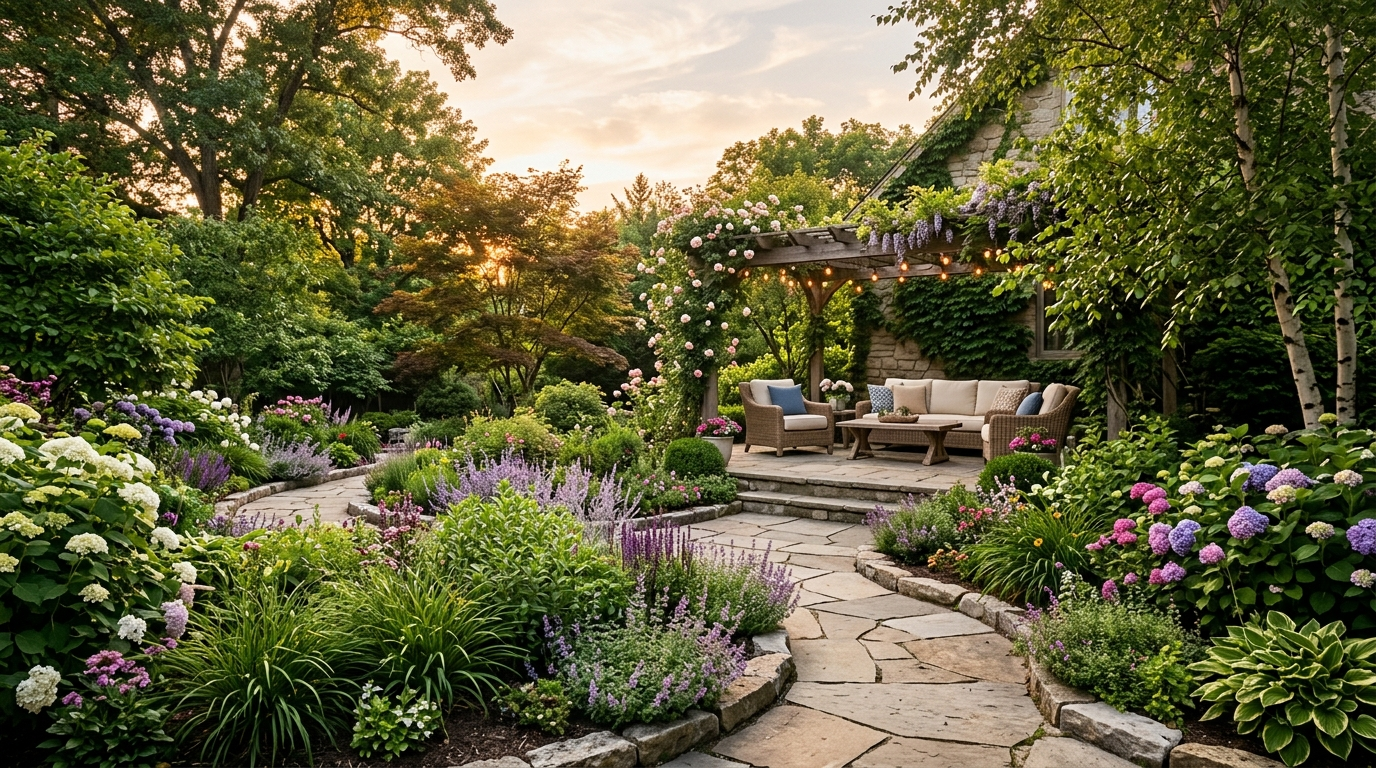
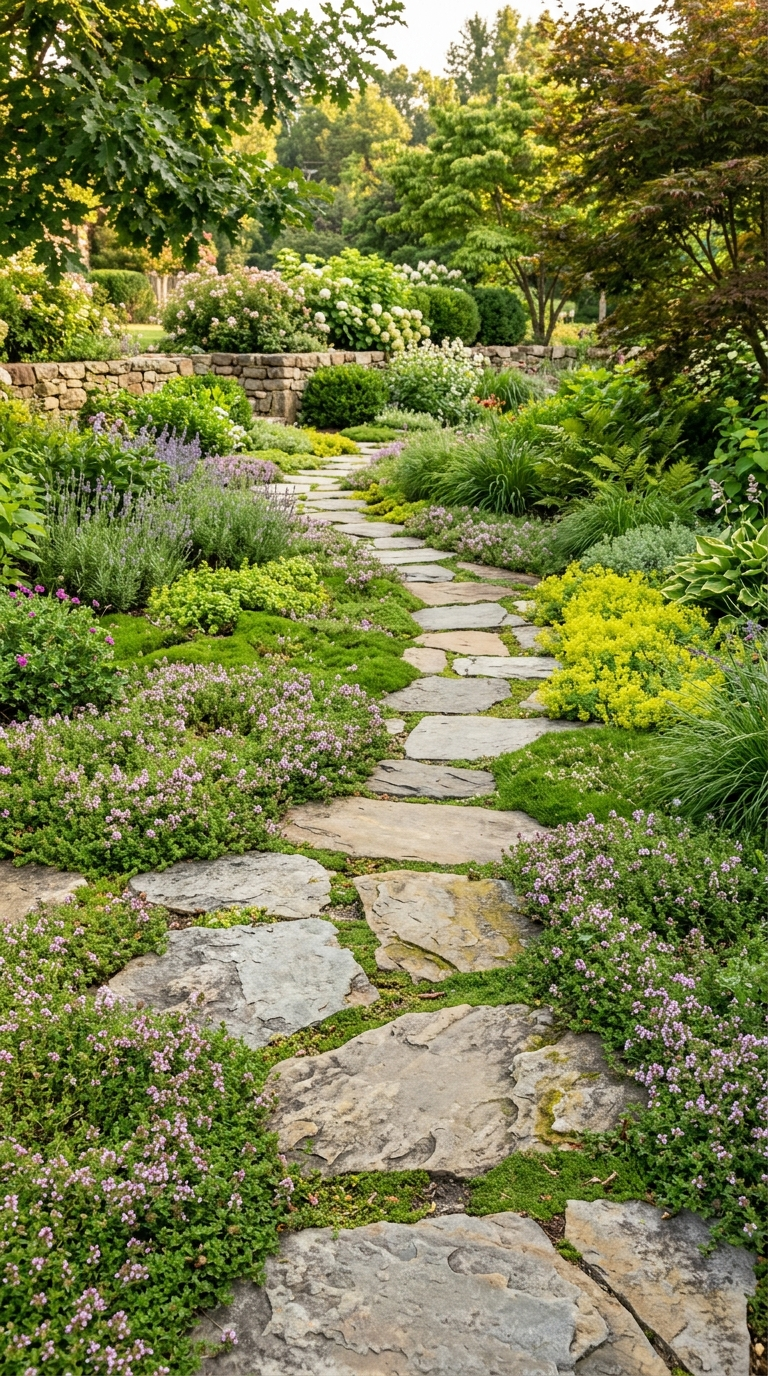
5. Lacking a Cohesive Hardscaping StrategyA truly spectacular outdoor living space is a delicate, harmonious balance between softscaping (the living elements like plants, trees, and grass) and hardscaping (the non-living architectural elements like stone patios, wooden decks, winding pathways, retaining walls, and pergolas). A garden that consists entirely of plants can feel chaotic, overwhelming, and lack structural definition, especially during the dormant winter months. Conversely, a yard dominated entirely by concrete and paving can feel harsh, sterile, and unwelcoming. The mistake many homeowners make is treating hardscaping as an afterthought rather than the fundamental skeleton of the garden design.To elevate your outdoor space, you must thoughtfully integrate hardscaping elements from the very beginning of the planning process. Pathways should serve a distinct functional purpose, guiding the eye and physically leading visitors on a journey through the different zones of your garden. Patios and seating areas should be scaled appropriately for human interaction, providing comfortable gathering spaces that feel intimately connected to the surrounding nature. When selecting materials for your hardscaping, ensure they complement the architectural style of your home. Natural flagstone, weathered brick, and rich timber can add incredible warmth and texture, providing a stunning visual contrast to the soft, organic shapes of your planting beds. By establishing strong geometric lines and functional structures first, you create a beautiful framework that allows your plants to truly shine.
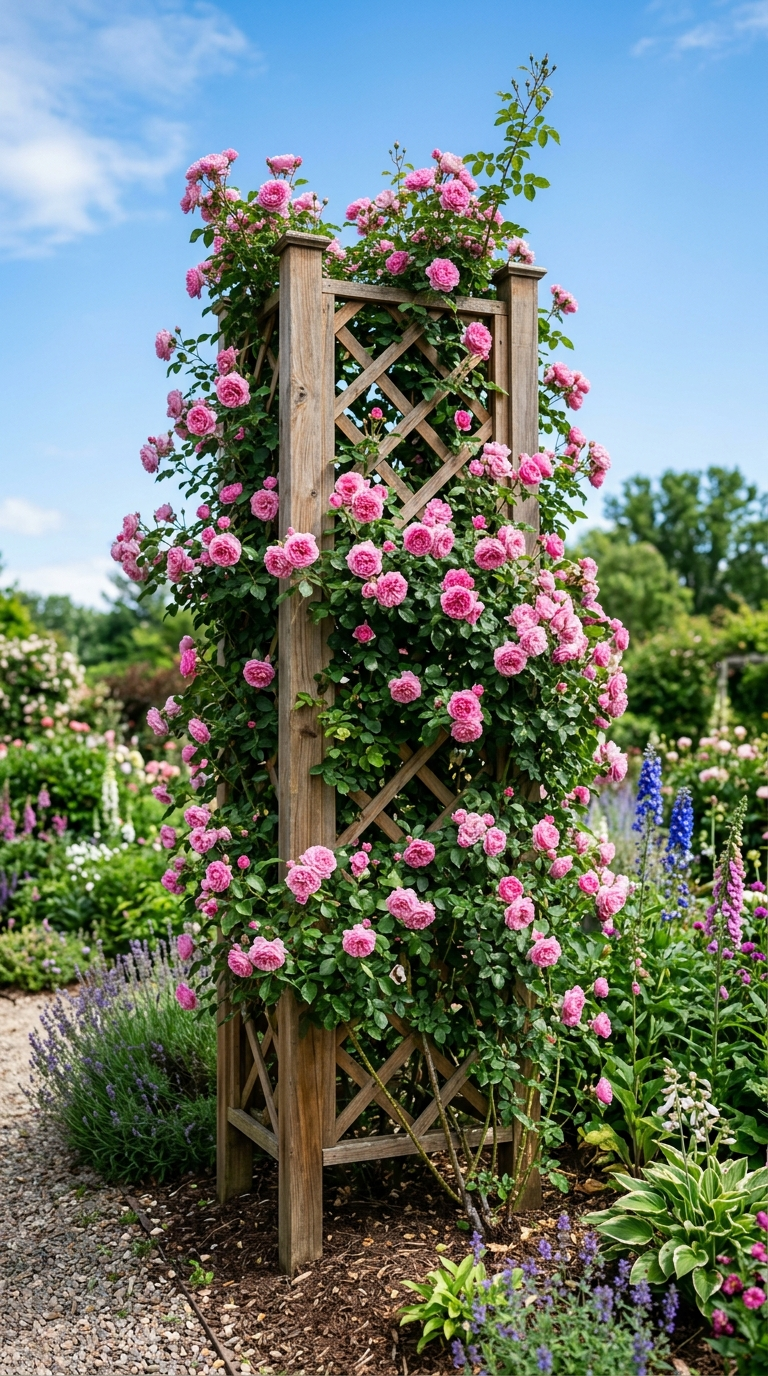
6. Forgetting the Vertical DimensionWhen designing a garden, it is extremely common to focus entirely on the horizontal plane—the ground cover, the low-lying perennials, and the sprawling lawns. However, by ignoring the vertical dimension, you are missing out on a massive opportunity to create an immersive, multi-layered environment. A flat garden lacks visual intrigue and can feel somewhat one-dimensional. Utilizing vertical space is absolutely essential, particularly in smaller urban gardens or compact courtyards where square footage is severely limited.To draw the eye upward and create a sense of enclosure and grandeur, incorporate a diverse range of vertical elements. Plant elegant, columnar trees to frame beautiful vistas or to provide essential privacy from neighboring properties. Install sturdy trellises, wooden arbors, or wrought-iron obelisks to support vigorous climbing vines like fragrant jasmine, classic climbing roses, or vibrant clematis. Even utilizing tall, dramatic ornamental grasses or structured, upright evergreens can add necessary height and architectural interest to an otherwise flat planting bed. Vertical gardening not only maximizes your available growing area but also adds dynamic movement to the garden as tall plants sway gently in the breeze, creating a truly enchanting outdoor atmosphere.7. Neglecting Seasonal Transitions and Winter InterestThe final major mistake is designing a garden that only looks good for a few brief weeks in the late spring or early summer. Many novice gardeners flock to the nursery in May, purchasing whatever happens to be blooming brilliantly at that exact moment. The tragic result is a garden that puts on a spectacular, short-lived show and then fades into a boring, monotonous expanse of green foliage for the remainder of the year, ultimately looking entirely desolate and dead throughout the long winter months.A masterful garden design demands a deep consideration of four-season interest. You must carefully orchestrate a succession of blooms, ensuring that as one perennial finishes its display, another is just beginning to open. However, true four-season design goes far beyond just flowers. You must heavily utilize plants that offer striking autumn foliage, colorful berries, fascinating textured bark, and strong evergreen architecture. Incorporate broadleaf evergreens like rhododendrons or boxwood, and coniferous evergreens like junipers or dwarf pines to maintain a solid structural backbone when all the deciduous leaves have fallen. Include shrubs with brilliantly colored winter stems, such as red twig dogwood, or trees with peeling, sculptural bark like paperbark maple. By planning for seasonal transitions, your garden will remain a captivating, dynamic, and beautiful space every single day of the year.
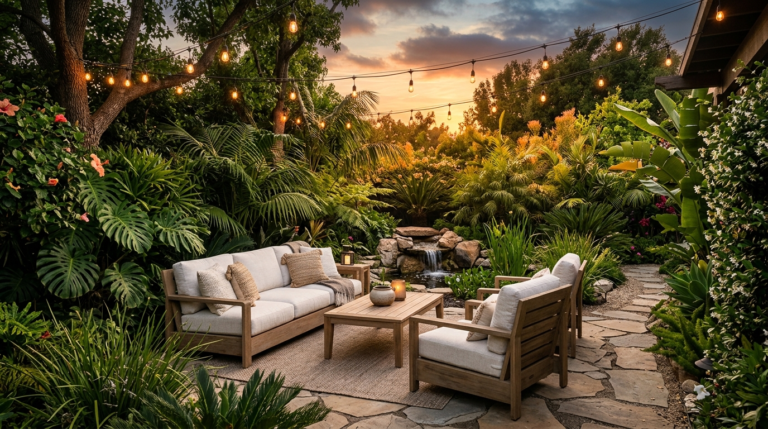
Master the art of gardening with our comprehensive how-to guide. Learn step-by-step soil preparation, plant selection, and sustainable landscaping techniques.
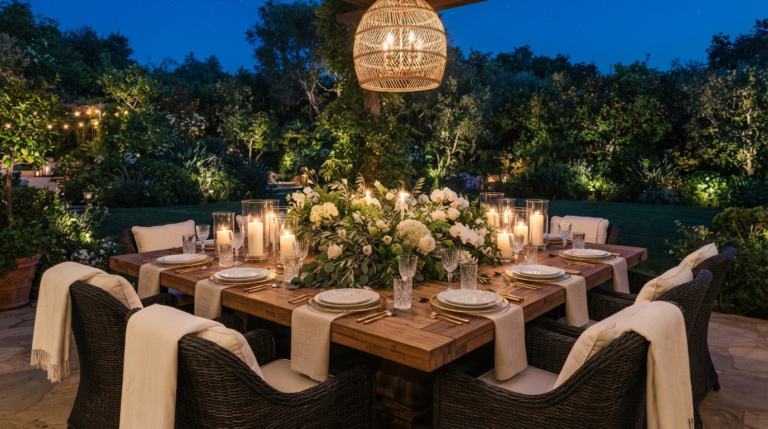
Explore elegant outdoor dining spaces and discover how to design a luxurious alfresco oasis. Elevate your patio with premium furniture and stunning tablescapes.
Turn your dull backyard into a stunning, year-round outdoor sanctuary. Follow this comprehensive step-by-step guide on zoning, planting, and hardscaping.
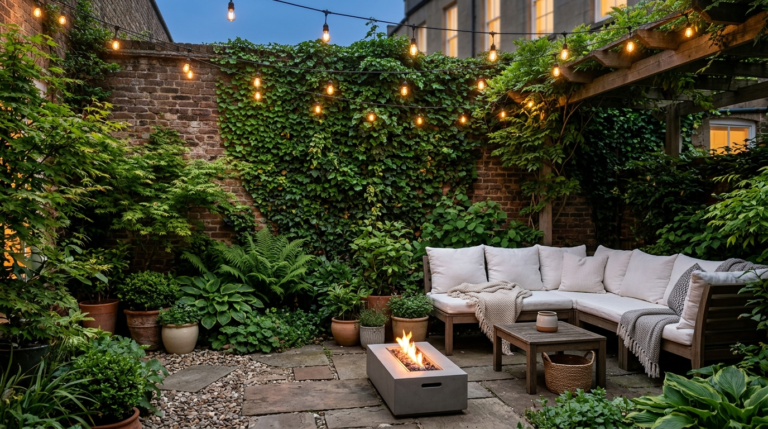
Maximize your outdoor space with these brilliant and cozy design strategies. Learn how to turn any small patio or garden into a lush, private oasis this season.
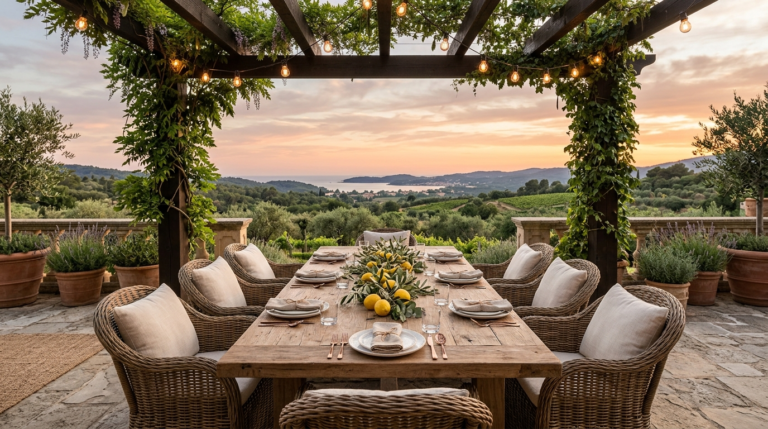
Elevate your backyard with these fifteen stunning outdoor dining ideas. Discover elegant layouts, durable furniture, and beautiful lighting for any patio.