Mastering the Minimalist Garden LayoutCreating a minimalist garden is an exercise in restraint. The goal is to achieve a serene, uncluttered outdoor space that promotes relaxation and requires minimal upkeep. However, achieving that perfect balance of ‘less is more’ is incredibly challenging. Many homeowners attempt a minimalist aesthetic only to end up with a yard that feels stark, barren, or disjointed. A successful minimalist garden relies heavily on strong structural layouts, geometric precision, and an intentional color palette.When planning your outdoor space, avoiding common pitfalls is just as important as choosing the right plants. Even minor miscalculations in proportion or material choice can disrupt the tranquil atmosphere you are trying to cultivate. In this comprehensive guide, we will examine nine frequent garden layout mistakes that ruin the minimalist vibe, and provide actionable, elegant solutions to fix them. Let’s refine your landscaping to create the sleek, modern sanctuary you deserve.
Mistake 1: Cluttering the Space with Too Many Plant VarietiesThe Problem: The quickest way to destroy a minimalist aesthetic is by planting a chaotic jumble of different species. When you mix too many colors, textures, and heights, the garden becomes visually overwhelming. It stops looking like a deliberate design and starts looking like an overgrown jungle, drawing the eye in too many directions at once.The Fix: Embrace mass planting. Choose a strict palette of three to five plant varieties and plant them in large, sweeping drifts or strict geometric blocks. Stick to a monochromatic color scheme, heavily emphasizing varying shades of green, with perhaps one accent color like crisp white. For example, a row of identical ornamental grasses next to a block of manicured boxwood creates a striking, clean line that defines modern minimalism.Mistake 2: Ignoring Hardscaping and StructureThe Problem: A garden that relies entirely on plants will lack the necessary structure that defines minimalism. Without clear pathways, borders, or defined zones, the outdoor space feels formless. Plants grow and change shape, which can quickly blur the intended lines of your garden layout.The Fix: Prioritize hardscaping before you even think about planting. Use large, oversized paving slabs in pale grey concrete, natural slate, or bluestone to create strong, undeniable lines. Establish clear pathways and distinct seating areas. Use crisp metal edging or sleek concrete borders to separate planting beds from lawns or gravel areas. The contrast between rigid, inorganic hardscaping and soft, organic plants is the hallmark of a minimalist yard.
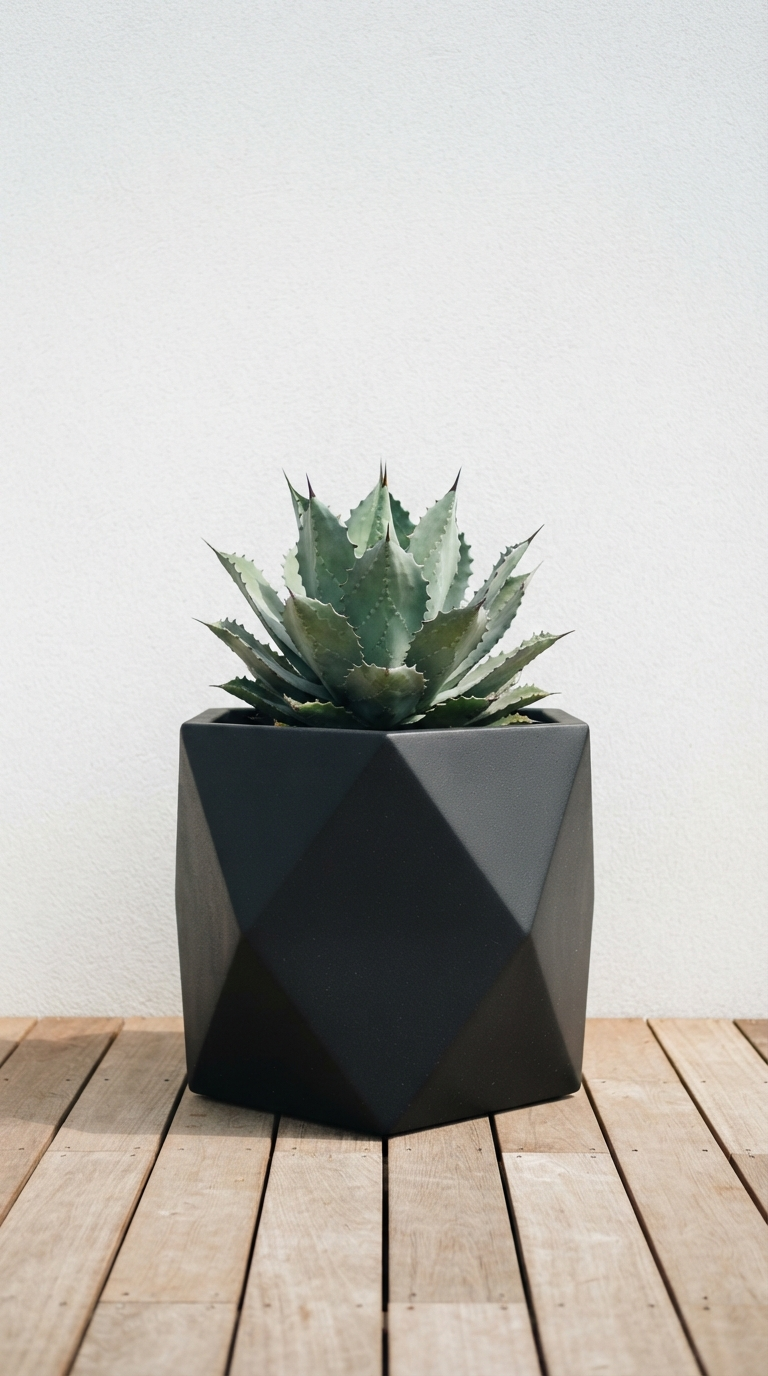
Mistake 3: Over-Accessorizing with OrnamentsThe Problem: It is tempting to add garden gnomes, multiple birdbaths, wind chimes, and an array of decorative pots. However, in a minimalist garden, these small accessories act as visual clutter. They break up the clean lines and distract from the overarching architectural beauty of the space.The Fix: Strip away the trinkets. If you want a focal point, choose one large, high-quality, striking piece. This could be a single, oversized, smooth stone fountain, a modern geometric sculpture, or one spectacular specimen tree dramatically up-lit at night. Let this single element command the space. Ensure all planters match in style and color—matte black, stark white, or concrete are excellent choices for a cohesive, uncluttered look.Mistake 4: Creating Winding, Fussy PathwaysThe Problem: Winding, curving paths made of irregular stepping stones or loose mulch evoke a cottage garden or a woodland feel. They do not fit the minimalist ethos. Irregular curves introduce a casual, chaotic element that directly fights against the sleek, modern architecture required for this style.The Fix: Straighten out your layout. Minimalist pathways should utilize straight lines and sharp, right angles. If a curve is absolutely necessary, it should be a single, massive, perfect arc rather than a squiggly line. Use uniform, large-format pavers set perfectly level, and fill the gaps with dark, polished river stones or sleek Mexican beach pebbles to emphasize the geometry of the path.
Mistake 5: Poorly Planned Lawn SpacesThe Problem: A lawn that awkwardly merges into planting beds or has an undefined shape looks messy. Furthermore, keeping a massive, oddly-shaped lawn perfectly green and manicured requires an immense amount of maintenance, which contradicts the low-maintenance philosophy of modern minimalism.The Fix: Treat the lawn as a deliberate geometric shape, not just leftover space. Define the grass as a perfect square or rectangle, bordered by rigid hardscaping. Alternatively, eliminate the lawn altogether. Replace thirsty grass with expansive areas of crushed light gravel, decomposed granite, or sleek wooden decking. This provides a clean, neutral canvas that requires zero mowing and dramatically reduces water usage.Mistake 6: Neglecting the Boundaries and FencesThe Problem: You can design a perfect minimalist garden, but if the backdrop is a rotting, uneven, or visually noisy traditional picket fence, the illusion is shattered. The perimeter of your yard frames the entire design; ignoring it is a massive oversight.The Fix: Upgrade your boundaries to match the modern aesthetic. Horizontal slatted wooden fences in cedar or painted matte black are incredibly popular in minimalist gardens because they emphasize horizontal lines, making the space feel wider. Alternatively, smooth, rendered concrete walls painted bright white provide a stunning, gallery-like backdrop that makes the green foliage pop spectacularly.
Mistake 7: Using Inconsistent MaterialsThe Problem: Mixing red brick, grey concrete, yellow limestone, and brown decking in one yard creates visual chaos. Too many different textures and colors in your hardscaping materials will make the space feel fragmented and busy, destroying the calming effect you want.The Fix: Restrict your material palette just as strictly as your plant palette. Choose two, maximum three, materials for the entire yard. For instance, pair smooth poured concrete with warm ipe wood, or pair large charcoal slate tiles with bright white gravel. Repeat these materials throughout the entire layout—from the patio to the pathways to the planter boxes—to create a unified, seamless flow.
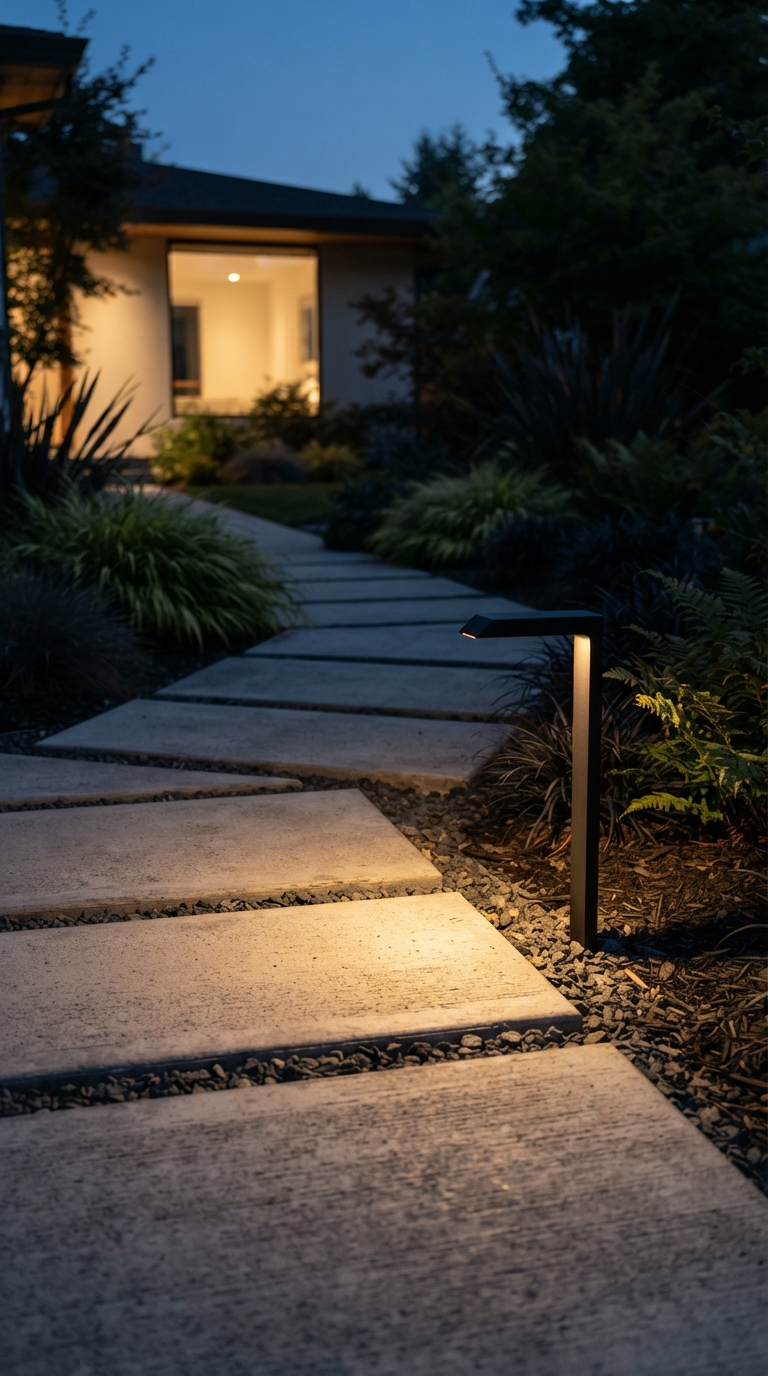
Mistake 8: Forgetting Outdoor Lighting StrategyThe Problem: Minimalist gardens often look spectacular during the day but disappear completely at night. Relying on a harsh, single floodlight attached to the back of the house flattens the landscape, casts harsh shadows, and creates an uninviting environment after dark.The Fix: Implement a subtle, strategic architectural lighting plan. Use sleek, low-profile path lights to graze the ground, highlighting the geometric edges of your walkways. Use hidden up-lights to illuminate the architectural structure of a single focal tree or to wash a textured perimeter wall with soft light. The lighting fixtures themselves should be modern and unobtrusive, finished in black or brushed steel.Mistake 9: Failing to Plan for Scale and ProportionThe Problem: Tiny, delicate plants or small paving stones look lost in a large yard, while massive, overbearing structures overwhelm a small courtyard. When the scale is off, the garden feels uncomfortable and poorly designed, even if the individual elements are nice.The Fix: Upsize your elements. Minimalism heavily favors the bold and the oversized. Instead of twenty small pots, use three massive, identical planters. Instead of small brick pavers, use large 24×24 inch concrete slabs. When in doubt, go bigger and use fewer of them. This creates a sweeping, uncluttered look that feels highly intentional and architecturally sound.
The Reward of a Refined LandscapeCorrecting these common layout mistakes requires a shift in mindset: moving away from collecting plants and ornaments, and toward designing space. A minimalist garden is defined as much by the empty space as it is by the objects within it. By enforcing strict geometry, utilizing a restrained color and material palette, and focusing on high-quality hardscaping, you can transform a chaotic yard into a sophisticated, peaceful sanctuary. Take a step back, evaluate your current layout, and start stripping away the excess. The serene, modern outdoor space you desire is waiting beneath the clutter.
Turn your dull backyard into a stunning, year-round outdoor sanctuary. Follow this comprehensive step-by-step guide on zoning, planting, and hardscaping.
Step into a whimsical garden sanctuary with imaginative DIY projects. Build fairy stone pathways, hanging vertical planters, and glowing evening light displays.
Step into a world of rustic charm and al fresco elegance. Uncover the secrets to designing a magical, cozy outdoor dining space for unforgettable nights.
Discover the hottest outdoor dining trends transforming backyards into cozy alfresco retreats. From rustic textures to ambient lighting, elevate your patio today.
Explore elegant outdoor dining spaces and discover how to design a luxurious alfresco oasis. Elevate your patio with premium furniture and stunning tablescapes.
Step into world-class backyard sanctuaries. Explore breathtaking swimming pool designs, cascading waterfalls, and architectural water elements for ultimate luxury.