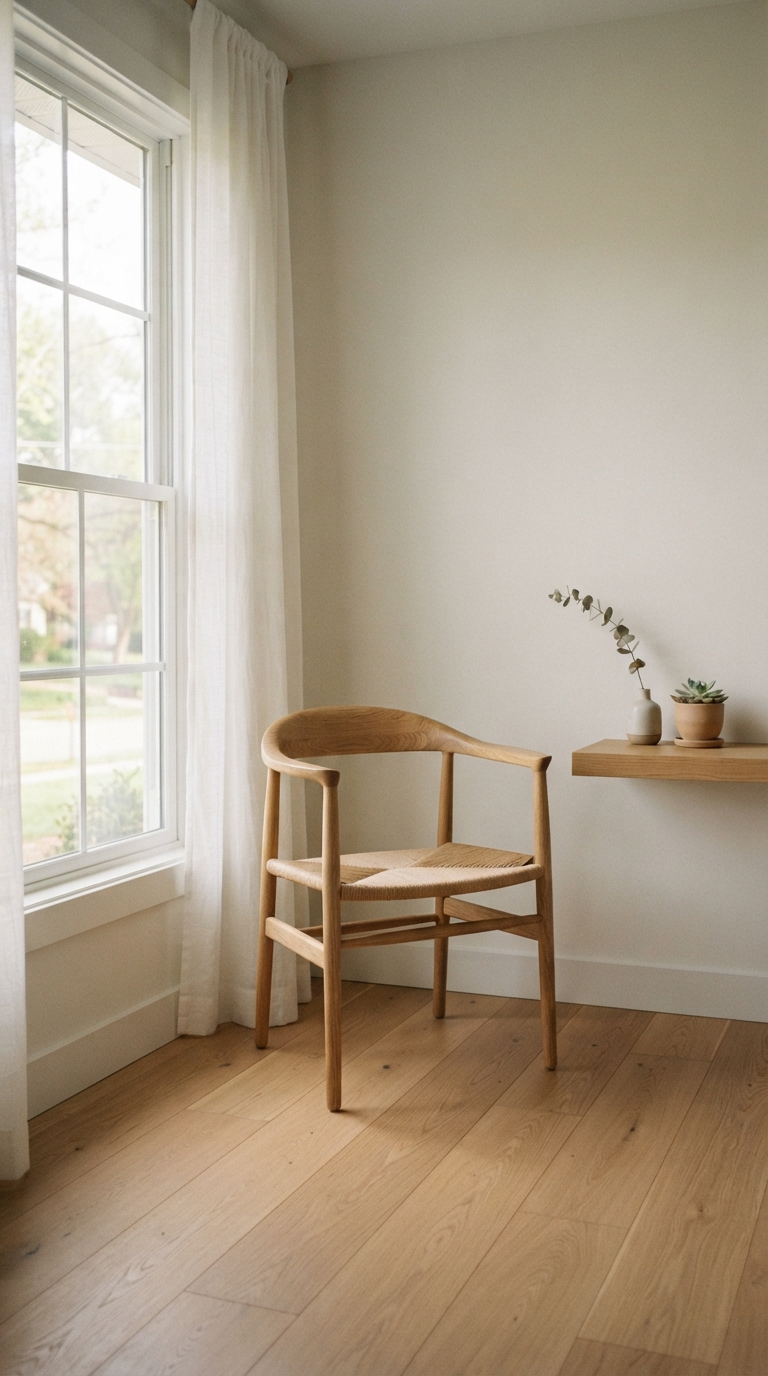
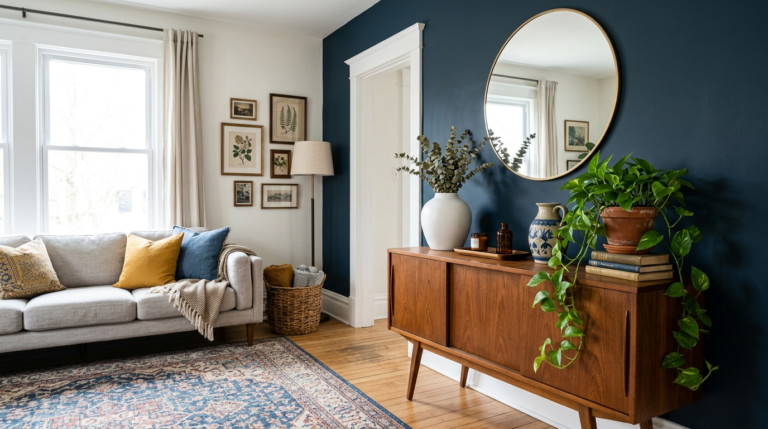
Embracing a minimalist lifestyle and achieving a perfectly organized home is a dream for many. However, the journey to a clutter-free sanctuary is often paved with well-intentioned mistakes. We watch endless home makeover shows, scroll through pristine social media feeds, and rush to the store to buy aesthetically pleasing containers, only to find our spaces returning to chaos a few weeks later. The truth is, true organization is not about perfection; it is about creating sustainable systems that work seamlessly with your daily life. When we focus on the visual appeal of organization without addressing the underlying habits that cause clutter, we set ourselves up for frustration. In this comprehensive guide, we will explore the seven most common organization mistakes people make when trying to cultivate a minimalist home, and more importantly, how to avoid them. By shifting your mindset and implementing these strategic solutions, you can create a peaceful, clean, and highly functional living environment that stands the test of time.
To truly understand how to maintain a minimalist home, we must first dissect the psychology of clutter. Clutter is rarely just about physical objects; it represents delayed decisions, emotional attachments, and a lack of designated spaces for our belongings. Every item left on a kitchen counter or piled on a bedroom chair is a decision that has been deferred. When we attempt to organize without making these crucial decisions, we are merely rearranging the mess. The minimalist philosophy encourages us to keep only what is beautiful or deeply useful. This requires a ruthless editing process, one that many people skip in their rush to color-coordinate their bookshelves or label their pantry jars. As we dive into these seven common mistakes, keep in mind that organization is an ongoing practice, not a one-time event. It requires daily mindfulness and a commitment to protecting your space from the constant influx of unnecessary items.
Mistake 1: Buying Storage Solutions Before Purging
Perhaps the most widespread and detrimental mistake in the world of home organization is the urge to buy storage containers before you have actually decluttered your belongings. It is incredibly tempting to visit a home goods store and purchase beautifully matching baskets, clear acrylic bins, and sleek drawer dividers. We trick ourselves into believing that if we just have the right containers, our lives will magically become organized. However, buying storage solutions first is completely counterproductive. When you start with the containers, you inevitably try to fit your existing clutter into them, effectively organizing and preserving items you no longer need, use, or love.
The correct approach is always to purge first. You must pull everything out of the space you are organizing—whether it is a closet, a pantry, or a garage—and evaluate each item individually. Ask yourself when you last used it, if it brings you joy, and if it serves a distinct purpose in your current season of life. Only after you have rigorously edited your possessions and grouped the remaining items into logical categories should you even consider purchasing storage solutions. By waiting until the end of the process, you will know exactly what size, shape, and quantity of containers you actually need. You will likely find that you need far fewer storage products than you originally anticipated, saving you money and preventing you from introducing unnecessary plastic or bulky items into your newly streamlined, minimalist space.
Mistake 2: Micro-Organizing Every Single Drawer
In our quest for the perfect minimalist aesthetic, we often fall into the trap of micro-organizing. This happens when we try to create an overly complex system for every tiny item in our home. We use tiny individual compartments for every paperclip, rubber band, and pen. We separate our t-shirts by exact shade of color. While these hyper-organized spaces look stunning in a photograph, they are notoriously difficult to maintain in real life. If a system requires too many steps to put something away, human nature guarantees that we will eventually stop doing it. The item will be left on a counter rather than being sorted into its designated micro-compartment.
A more sustainable approach to minimalist organization is macro-organizing. This means grouping similar items together in broader categories. Instead of a drawer divider with ten tiny slots for office supplies, use two or three larger bins—one for writing utensils, one for sticky notes, and one for miscellaneous accessories. Instead of folding your socks into perfect origami squares, simply toss them all into a dedicated sock basket. The goal is to make putting things away as effortless as possible. If it takes more than a few seconds to return an item to its home, the system is too complicated. Embrace the beauty of simplicity and allow for a little bit of flexibility within your storage spaces. Your home will still feel incredibly organized, but you will not have to spend hours each week maintaining an impossibly rigid structure.
Mistake 3: Failing to Utilize Vertical Space
When assessing a messy room, most people focus entirely on horizontal surfaces: the floor, the countertops, the desks, and the tables. We try to clear these areas by shoving items into cabinets or pushing them into corners. However, one of the greatest secrets of achieving a clean, minimalist environment is maximizing your vertical space. Leaving your walls blank while your floors are cluttered is a massive missed opportunity for organization. Vertical space is the untapped real estate of your home, and utilizing it can drastically change the way a room functions and feels.
To stop making this mistake, look up. Install floating shelves to display carefully curated books or decor, keeping them off the coffee table. Use tall, narrow bookcases that draw the eye upward and provide ample storage without taking up significant floor space. In the kitchen, install a magnetic strip for knives or hanging racks for pots and pans to free up precious counter space. Inside closets, add an extra shelf above the hanging rod or use over-the-door organizers for shoes and accessories. By moving your storage upward, you create a sense of airiness and flow on the ground level, which is a hallmark of minimalist design. It makes the room feel larger, cleaner, and infinitely more intentional.
Mistake 4: Holding Onto Aspirational Clutter
Aspirational clutter is the silent enemy of the minimalist home. These are the items we keep not for the life we are currently living, but for a fantasy version of ourselves. It is the expensive juicer you bought hoping to become a daily wellness enthusiast, but which now gathers dust in the pantry. It is the stack of complex novels you feel you *should* read, the art supplies for a hobby you never started, or the clothes that belong to a different lifestyle entirely. We hold onto these items because letting go of them feels like admitting defeat or giving up on a dream.
Overcoming the trap of aspirational clutter requires radical honesty with yourself. You must look at each item and ask: “Does this object reflect who I am right now, today?” If an item makes you feel guilty, stressed, or inadequate every time you look at it, it is not serving a positive purpose in your home. A true minimalist lifestyle is about clearing away the excess so you can focus on what genuinely matters to you in the present moment. Give yourself permission to let go of the fantasy items. Donate the juicer to someone who will use it, pass the books along, and clear the space. You will feel an immense weight lifted, and your home will finally reflect your authentic self, rather than a cluttered collection of unfulfilled intentions.
Mistake 5: Overlooking the Power of ‘Drop Zones’
Every home has a natural flow of traffic, and within that flow, there are inevitable “drop zones”—the places where we instinctively dump our belongings the moment we walk through the door. Usually, this is the kitchen island, the dining room table, or an entryway console. A common mistake is fighting against these natural habits. People try to enforce strict rules, insisting that keys must immediately go to a specific drawer in the office, or mail must immediately be filed away in a back room. When we fight human nature, the organization system fails, and the kitchen island becomes a permanent mountain of keys, sunglasses, mail, and random receipts.
Instead of fighting your habits, lean into them. Create designated, aesthetically pleasing drop zones right where the clutter naturally accumulates. If your family always drops things by the front door, set up a beautiful, minimalist tray or a sleek wall-mounted organizer specifically for keys and wallets. Place a stylish, opaque basket on the entryway table to catch the daily mail until you have time to sort it. By providing an intentional home for these items exactly where they tend to land, you contain the mess. The clutter is visually minimized, the surfaces remain clean, and you no longer have to stress about forcing everyone to change their daily routines. It is about creating systems that work with your life, not against it.
Mistake 6: Not Establishing a Daily Maintenance Routine
Many people view organization as a massive, exhausting weekend project. They spend two days completely overhauling their home, scrubbing every corner, and labeling every bin. However, they fail to implement any daily maintenance habits. Within a week, the clutter begins to creep back in. Within a month, the space looks exactly as it did before the grand organizing session. The mistake is believing that organization is a final destination. In reality, a minimalist home requires ongoing, consistent effort to maintain its serene atmosphere.
The solution is to adopt the “daily reset” philosophy. Dedicate just 10 to 15 minutes every evening to returning your home to its baseline state. Walk through the main living areas with a basket, picking up items that belong in other rooms. Fluff the pillows, clear the kitchen counters, load the dishwasher, and put away the shoes by the door. This simple, brief routine prevents the daily accumulation of life from turning into overwhelming clutter. When you wake up the next morning to a clean, organized space, it sets a positive, calm tone for the entire day. The daily reset is the secret weapon of naturally organized people; it ensures that your home never reaches a state of chaos that requires another grueling weekend overhaul.
Mistake 7: Storing Things Out of Sight and Out of Mind
The final mistake is the “out of sight, out of mind” approach to storage. It is incredibly easy to achieve a minimalist look by simply taking all your excess stuff and shoving it into opaque boxes, under the bed, or into a deep, dark closet. While the room itself might look clean, the hidden spaces become chaotic dumping grounds. This hidden clutter still weighs on you mentally. Furthermore, when you inevitably need to find something, you have to tear apart the boxes, creating a massive mess and causing severe frustration. True minimalism is about having less, not just hiding more.
To combat this, you must treat your hidden storage spaces with the same respect as your visible living spaces. Do not use opaque bins for long-term storage unless they are meticulously labeled. Group items logically, and never pack a box so full that you cannot easily retrieve an item from the bottom. Regularly audit your hidden storage areas—at least once a year—to ensure you are not holding onto items you have forgotten about. A truly organized home feels light and manageable in every single drawer, closet, and cabinet, not just on the surface. By addressing the hidden clutter, you achieve a level of peace and efficiency that superficial organization can never provide. Embrace the minimalist mindset fully, and watch as your home transforms into the serene, supportive sanctuary you have always desired.
Maximize your small outdoor space with these 14 cozy and rustic balcony ideas. From vertical planters to space-saving seating, create your private oasis today.
Transform any blank wall with this step-by-step DIY board and batten guide. Learn essential measuring, cutting, and painting techniques for high-end results.
Embark on an imaginative DIY journey to build enchanting floating shelves. Transform ordinary lumber into magical, whimsical displays for your favorite treasures.
Avoid these common minimalist decluttering mistakes to achieve a perfectly organized home. Learn how to maintain clean lines and serene spaces every day.
Discover affordable and highly creative budget makeover ideas to refresh your living space. Learn how to transform your home without breaking the bank.
Are your organizing efforts falling flat? Uncover the most common home organization mistakes and learn practical, minimalist solutions to reclaim your space.