Embarking on a minimalist decluttering journey is often fueled by the desire for peace, clarity, and a home that functions effortlessly. The minimalist aesthetic, characterized by clean lines, uncluttered surfaces, and a serene, monochromatic palette interspersed with natural textures, is highly sought after. However, the path to achieving this streamlined oasis is frequently fraught with hidden pitfalls. Many well-intentioned individuals find themselves frustrated when their attempts at minimalism result in spaces that feel either completely stark and uninviting, or inadvertently messy due to hidden, crammed storage. In this deeply detailed guide, we will dissect the most common minimalist decluttering mistakes and provide actionable, elegant solutions to fix them.True minimalism is not merely about owning less; it is about owning the right things and giving them proper space to breathe. It is a philosophy of intentionality. When mistakes are made during the organizing process, the aesthetic harmony of the home is disrupted, leading to visual stress rather than visual relief. By understanding where the decluttering process typically goes wrong, you can refine your approach, ensuring that your home organization efforts yield sustainable, beautiful results that align perfectly with a minimalist lifestyle. Let us examine these common errors and how to course-correct effectively.
1. The Mistake of the ‘Junk Drawer’ Over-RelianceOne of the most frequent mistakes in minimalist organization is simply hiding the clutter rather than eliminating it. The infamous ‘junk drawer’ (or junk closet, or junk box) is the antithesis of true minimalist design. When surfaces are cleared, the immediate gratification is immense, but if that clearing was achieved by sweeping miscellaneous items into a hidden drawer without categorization, the underlying problem remains unsolved. The minimalist aesthetic requires clean, logical systems, even behind closed doors. A stuffed drawer creates mental friction every time it is opened.The Fix: Micro-Categorization and Bamboo Dividers
To resolve this, you must confront the hidden clutter. Empty the junk drawer completely and aggressively purge items that serve no purpose. For the remaining essential items (batteries, pens, tape), implement a system of micro-categorization using clean, natural bamboo drawer dividers. Assign a highly specific compartment to every single item class. When everything has a precise, designated home, the drawer transforms from a chaotic dumping ground into a beautifully functional, satisfyingly organized space that perfectly supports a minimalist lifestyle.
2. Pursuing Starkness Over WarmthAnother common pitfall is misunderstanding the minimalist aesthetic, equating ‘minimal’ with ’empty’ or ‘sterile’. In an eager attempt to declutter, some people strip their homes of all personality, color, and texture, resulting in rooms that feel like cold, uninviting waiting areas rather than lived-in sanctuaries. True minimalist interior design utilizes negative space intentionally, but it also relies heavily on the quality and warmth of the few items that remain in the room.The Fix: Strategic Textural Layering
To fix a sterile space, you must reintroduce warmth through texture rather than sheer volume of items. Focus on high-quality, tactile materials. A single, beautifully textured wool throw blanket elegantly draped over a sleek sofa adds immense warmth without adding visual clutter. Incorporate natural light wood tones, such as ash or birch, in your furniture or decor accents to break up monotonous white or grey palettes. Introduce one or two large, healthy green plants in matte ceramic pots to bring life and organic shapes into the rigid, clean lines of the room. This approach maintains organization while ensuring the space feels inviting.
3. Using Inconsistent Storage ContainersWhen attempting to organize pantries, bathrooms, or closets, people often buy an assortment of plastic bins, wire baskets, and colored boxes based on what is cheapest or immediately available. While the items inside may be sorted, the visual noise created by mismatched storage containers completely ruins the minimalist aesthetic. A jumble of different materials, colors, and shapes creates an underlying sense of chaos, even if the shelves are technically ‘organized’.The Fix: Uniform, Premium Storage Solutions
The key to visual serenity in minimalist organization is uniformity. Invest in matching, high-quality storage containers. For pantries and open shelving, identical clear glass jars with uniform bamboo lids are ideal. For closets or deeper shelves, opt for identical opaque bins in a single neutral color, such as matte white, soft grey, or natural woven seagrass. The repetition of the same shape and material creates a soothing, rhythmic visual pattern. The eye effortlessly glides over uniform containers, immediately perceiving the space as calm, clean, and meticulously structured.
4. Failing to Create an Inflow Management SystemYou can spend an entire weekend perfectly decluttering your home, but if you do not have a system to manage the constant influx of new items—mail, school papers, impulsive purchases, gifts—the clutter will inevitably return within weeks. This ‘re-cluttering’ cycle is incredibly demoralizing and is a direct result of treating organization as a one-time event rather than an ongoing daily practice.The Fix: The ‘One In, One Out’ Rule and the Landing Zone
To fix this, you must become a gatekeeper for your home. First, establish a strict ‘One In, One Out’ rule for categories like clothing, books, and decor. If a new sweater enters the closet, an old one must be donated. Second, create a minimalist ‘Landing Zone’ near your entryway. This should consist of a sleek, singular tray or a minimalist wall-mounted organizer specifically dedicated to catching daily inflow (keys, mail) before it disperses throughout the house. Process this landing zone every single evening, recycling junk mail and filing important documents, ensuring the slate is wiped clean for the next day.
5. Ignoring the Concept of ‘Visual Weight’Often, a room is adequately decluttered in terms of the number of items, yet it still feels heavy or unbalanced. This mistake involves ignoring the ‘visual weight’ of the remaining furniture and decor. Heavy, dark, chunky furniture, even if sparse, can visually dominate a room, making it feel oppressive and cramped, which goes against the light, airy ethos of minimalist design.The Fix: Floating Furniture and Slender Profiles
To correct visual imbalance, swap out heavy, blocky pieces for furniture with slender profiles and exposed legs. A sofa that sits slightly elevated off the floor on thin metal or wooden legs allows light to pass underneath, drastically reducing its visual weight. Opt for floating wall shelves instead of heavy, floor-to-ceiling bookcases. By elevating items and choosing pieces with lighter physical footprints, you maximize the sense of spaciousness, allowing the architecture of the room and the clean, uncluttered spaces to become the true focal points of your minimalist home.
Conclusion: The Sustained Serenity of MinimalismOvercoming these common minimalist decluttering mistakes transforms a frustrating chore into a deeply rewarding lifestyle shift. By demanding organization even in hidden spaces, balancing clean lines with warm textures, unifying your storage solutions, rigorously managing incoming items, and paying attention to visual weight, you craft an environment of profound serenity. A well-executed minimalist home is not empty; it is full of intention, clarity, and peace. It provides a daily sanctuary where everything has a purpose, allowing you to focus on the aspects of life that truly matter. Embrace these fixes, and watch your living spaces evolve into the perfectly organized, minimalist havens you have always envisioned.
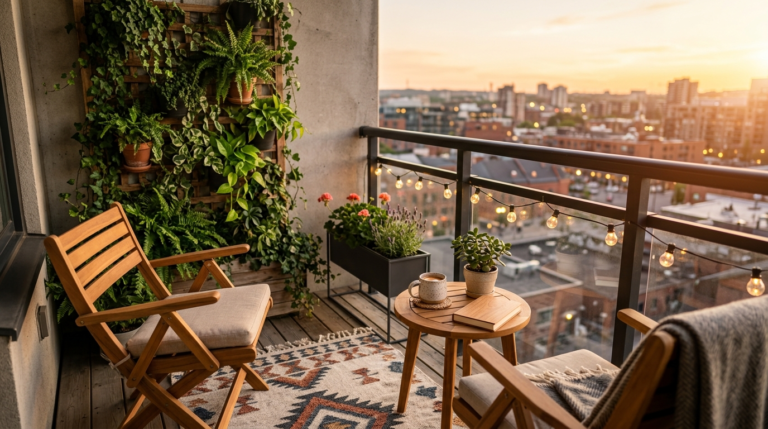
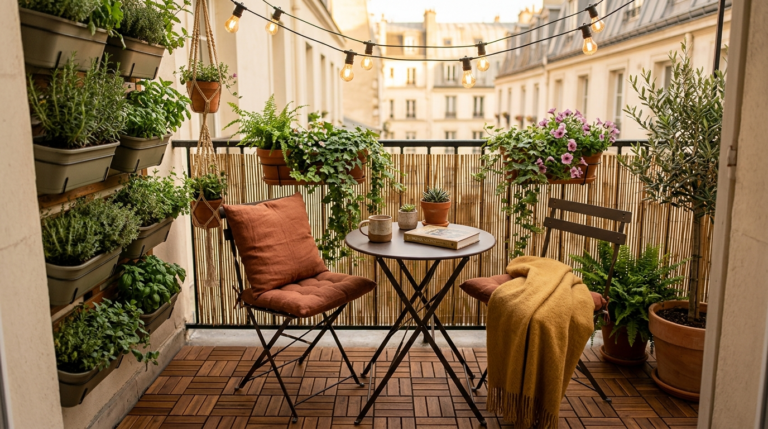
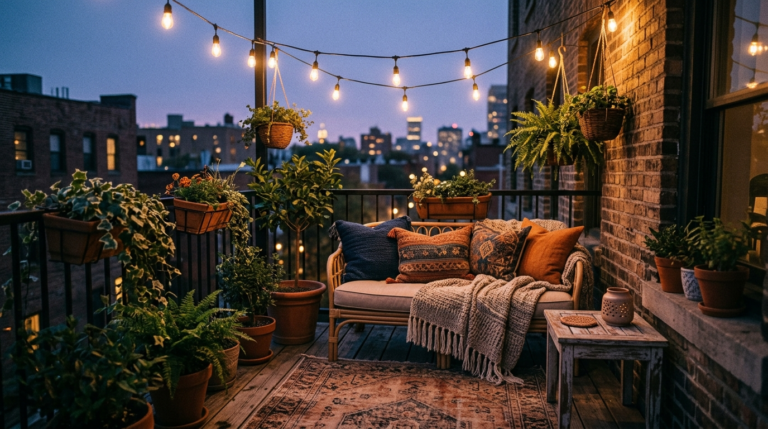
Discover how to maximize your small outdoor space with these 16 creative balcony decor ideas. Turn your tiny patio into a lush, relaxing retreat effortlessly.
Don’t let a small footprint hold you back. Follow this comprehensive, step-by-step guide to turning your cramped, tiny balcony into a stunning, warm, and inviting outdoor retreat.
Discover 12 whimsical DIY home projects that transform your living space into a magical sanctuary. From fairy-lit reading nooks to enchanted garden decors.
Learn how to maximize your small balcony with smart layout tips, space-saving furniture, and vertical gardening to create your dream outdoor retreat. (152 chars)
Transform your messy house into a serene sanctuary with these 16 genius home organization hacks. Discover smart storage solutions for every single room!