Welcome to the ultimate guide on mastering daily decluttering habits. If you have ever felt overwhelmed by the sheer volume of items in your home, you are not alone. Clutter is not just a physical obstacle; it takes a profound mental toll, draining our energy and making it difficult to focus. But what if maintaining a tidy home did not require exhausting weekend-long cleaning marathons? What if, instead, you could cultivate small, intentional daily habits that keep your space consistently serene and organized? In this comprehensive, step-by-step guide, we will explore the psychology of clutter, the foundational habits of highly organized people, and practical strategies to reclaim your living space for good.
Step 1: Understanding the Psychology of Clutter
Before you can effectively declutter your physical space, you must address the mental attachments that lead to accumulation. Clutter often represents unmade decisions. That stack of mail on the counter? It is a series of decisions about what to pay, what to file, and what to shred. The clothes you never wear? They might represent guilt over spending money or an attachment to a past version of yourself. To begin your decluttering journey, you must shift your mindset. View your home not as a storage unit for the past, but as a living space for the present.
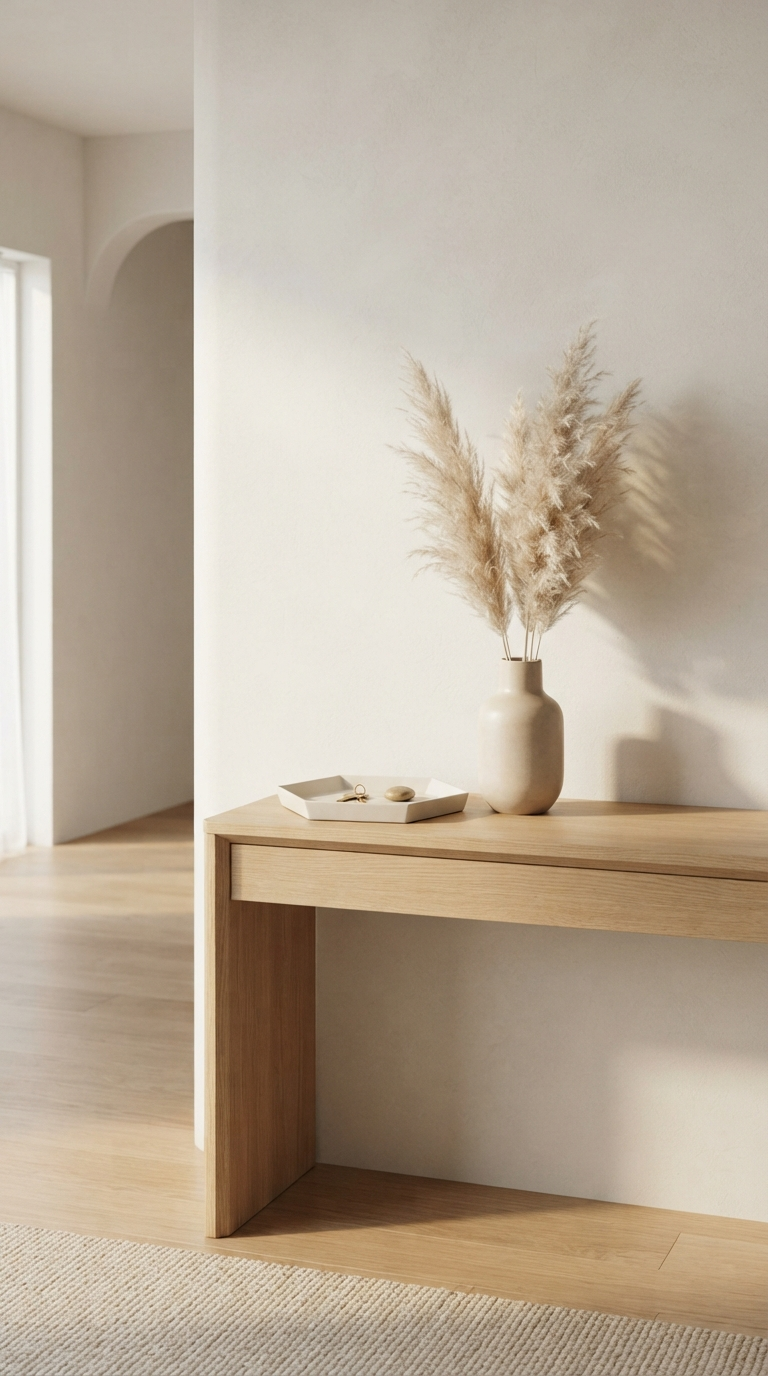
Start by identifying your clutter triggers. Do you tend to drop items on flat surfaces the moment you walk through the door? Are you a bargain shopper who brings home items you do not truly need? Recognizing these patterns is the first step toward breaking them. When you understand why you accumulate, you can put systems in place to prevent it. For example, if the entryway is a problem zone, you might need a designated drop zone with specific trays for keys, mail, and accessories.
Step 2: The Power of the 15-Minute Daily Habit
The secret to a permanently tidy home is not perfection; it is consistency. Enter the 15-minute daily decluttering habit. Set a timer for 15 minutes each evening before bed. During this time, your only goal is to reset the primary living areas to their baseline state. This means folding throws, returning stray items to their designated homes, loading the dishwasher, and clearing countertops.
You will be astounded by how much you can accomplish in just 15 uninterrupted minutes. Because the time frame is so short, it prevents the feeling of overwhelm that usually accompanies cleaning. Make this a non-negotiable part of your evening routine. Over time, this small habit compounds, preventing the buildup of clutter that leads to weekend-long cleaning sessions. It also ensures that you wake up to a clean, fresh space, setting a positive tone for the entire day.
Step 3: Mastering the One-In, One-Out Rule
If you want to maintain a streamlined home, you must control the inflow of new items. The ‘One-In, One-Out’ rule is a highly effective boundary. Simply put, for every new item you bring into your home, a similar item must leave. If you buy a new sweater, an old sweater goes into the donation bin. If you purchase a new decorative vase, an outdated piece of decor must be given away or sold.
This rule forces you to be mindful about your purchases. It asks you to evaluate whether the new item is genuinely better than what you already own. Furthermore, it creates a natural equilibrium in your home, ensuring that your storage spaces never become overstuffed. To make this habit stick, keep a dedicated donation box in a convenient location, such as the bottom of a closet or the garage. When the box is full, take it to your local charity center immediately.
Step 4: Zone Defense and Micro-Organizing
Tackling an entire house can paralyze even the most motivated individual. Instead, practice ‘Zone Defense.’ Divide your home into manageable micro-zones. A zone could be a single drawer, a single shelf, or a specific corner of a room. Dedicate your decluttering efforts to just one micro-zone at a time.
When working on a zone, use the classic three-box method: Keep, Donate/Sell, and Trash. Empty the entire zone first. This forces you to handle every single item and make a conscious decision about it. Clean the empty space, and then meticulously place back only the items from the ‘Keep’ pile. Be ruthless in your evaluation. If an item does not serve a functional purpose or bring you genuine joy, let it go. Completing a micro-zone provides a quick win, releasing dopamine and motivating you to tackle the next area.
Step 5: Managing Paper Clutter Effectively
Paper clutter is the nemesis of a tidy home. Mail, school papers, receipts, and magazines can quickly overtake kitchen islands and home office desks. The key to conquering paper clutter is an immediate processing system. Do not set the mail down to deal with later. Process it the moment you walk in the door.
Sort paper into three categories: Action (bills to pay, forms to sign), File (important documents to keep), and Recycle/Shred (junk mail, old flyers). Create a small, attractive inbox for the Action items and set a weekly appointment with yourself to address them. Move towards a paperless lifestyle wherever possible by opting for digital bank statements, scanning important receipts, and reading magazines on your tablet. The less paper that crosses your threshold, the less you have to manage.
Step 6: Creating Functional and Beautiful Storage
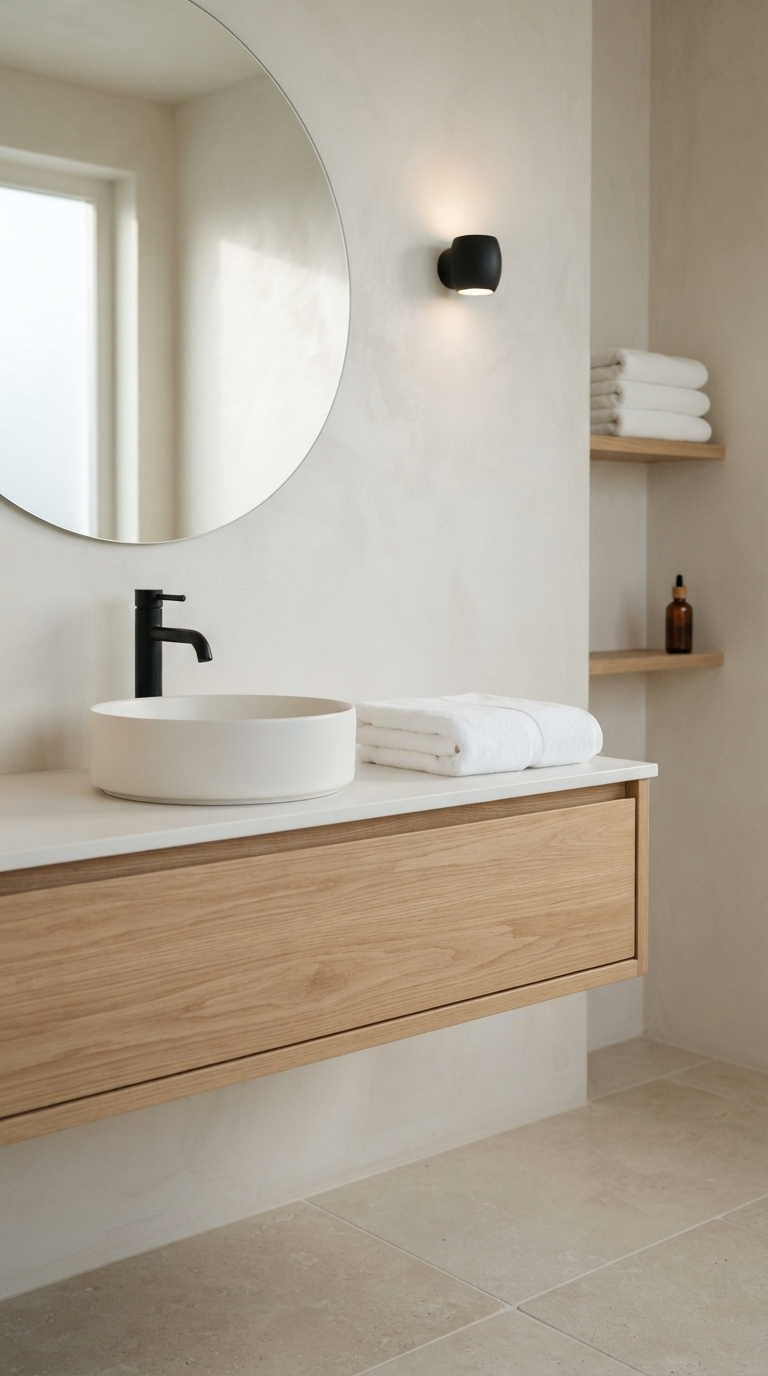
Once you have decluttered, you must give every remaining item a specific ‘home.’ If an item does not have a designated spot, it becomes clutter by default. Invest in functional storage solutions that match your aesthetic. Minimalist, clean-lined baskets, clear acrylic bins for the pantry, and drawer dividers are essential tools.
However, avoid the trap of buying storage containers before you declutter. You must know exactly what you are storing before you purchase the container for it. When organizing, prioritize accessibility. Items you use daily should be at eye level or in easy-to-reach drawers. Seasonal or rarely used items can go on high shelves or in under-bed storage. Remember, storage should not be used to hide clutter; it should be used to organize your essentials.
Step 7: The Daily Morning Reset
Just as the evening 15-minute reset closes out your day, a quick morning reset sets the stage for success. This does not have to be elaborate. Making your bed is the ultimate morning reset. It takes less than two minutes but instantly transforms the bedroom from messy to tidy. It provides an immediate sense of accomplishment.
After making the bed, take two minutes to quickly wipe down the bathroom counter and ensure breakfast dishes are in the dishwasher. These tiny micro-habits anchor your day in order and cleanliness. When your environment is peaceful, your mind follows suit, allowing you to focus on your work, family, and personal goals with greater clarity.
Step 8: Dealing with Sentimental Items
Sentimental items are notoriously difficult to declutter. We often attach our memories and emotions to physical objects. The key is to remember that the memory resides within you, not the object. If you have boxes of childhood memorabilia, old letters, or inherited items that you never look at but feel guilty parting with, it is time for a new approach.
Curate your sentimental items. Choose a single, beautiful memory box. You are allowed to keep whatever fits inside this box. This limitation forces you to keep only the most precious, meaningful items. For other items, consider taking a high-quality photograph of the object before letting it go. You can create a digital photo album of sentimental items, preserving the memory without sacrificing your physical living space.
Step 9: Overcoming Decluttering Burnout
Even with the best intentions, decluttering fatigue is real. If you find yourself losing momentum, take a step back. Revisit your ‘why.’ Why did you start this journey? Do you want a calmer home? More time for hobbies? Less stress when guests come over? Write down your goals and keep them visible.
Celebrate your small victories. Did you successfully clear off the dining table and keep it clear all week? Acknowledge that success. If you fall off the wagon and a room gets messy again, practice self-compassion. Life happens. Just restart your 15-minute timer the next day. Perfection is not the goal; progress and a sustainable, comfortable living environment are.
Conclusion: A Lifestyle, Not a Chore
Mastering daily decluttering habits is a transformative journey. It shifts your relationship with your belongings and your environment. By implementing the 15-minute rule, establishing zones, and mindfully managing what enters your home, you transition from reactive cleaning to proactive living. A tidy home is not a static achievement; it is a dynamic, ongoing practice. Embrace these habits, and watch as your home becomes the serene, organized sanctuary you have always desired.
Transform any blank wall with this step-by-step DIY board and batten guide. Learn essential measuring, cutting, and painting techniques for high-end results.
Discover how to turn a cramped balcony into a cozy, rustic, and whimsical retreat. Explore creative DIY projects, vertical gardens, and magical lighting ideas.
Discover how to maximize your small outdoor space with these brilliant design hacks. Turn your tiny balcony into a relaxing, lush, and stylish private oasis!
Unleash your creativity with these whimsical DIY home projects. From enchanted floating shelves to fairy-tale reading nooks, transform your living space today!
Discover 15 cozy and rustic balcony ideas to transform your small outdoor space into a relaxing retreat. Maximize your tiny balcony with these top decor tips!