The kitchen is undeniably the heart of the home, a place of gathering, creation, and comfort. When it comes to enduring design, few styles evoke the feeling of ‘home’ quite like a rustic, traditional kitchen. Rooted in history, craftsmanship, and a deep connection to natural materials, this aesthetic champions warmth over clinical perfection. It is a space designed for simmering stews, baking artisanal bread, and sharing herbal tea at a well-worn wooden table. If you are dreaming of a cooking space that feels lived-in, soulful, and infinitely welcoming, you must focus on the details that build character. In this comprehensive listicle, we will explore 15 essential, cozy design elements that will help you craft a timeless, rustic, and traditional kitchen that will serve as the cherished center of your home for generations.
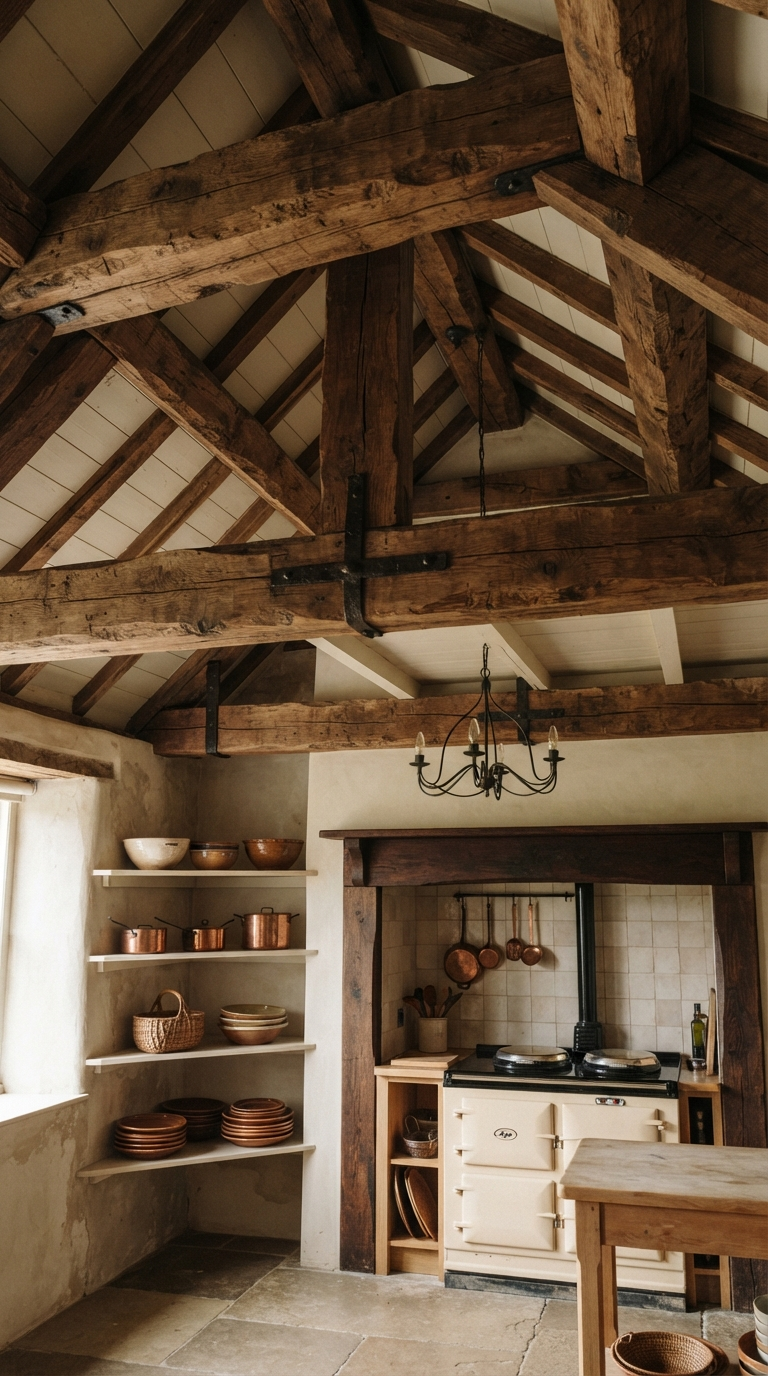
Elements 1-3: The Architectural Foundation1. Exposed Reclaimed Wood Beams: Nothing anchors a rustic kitchen quite like massive, rough-hewn wooden beams traversing the ceiling. Whether structurally necessary or added as a decorative element, reclaimed timber introduces instant history, warmth, and architectural interest. The natural cracks, knots, and varied patina of aged wood draw the eye upward and add a sense of robust permanence.2. Wide-Plank Hardwood or Stone Flooring: The floor sets the stage. Opt for wide-plank oak floors with a matte, hand-scraped finish that proudly displays imperfections, or choose natural stone flags like travertine or slate. These materials are durable, age gracefully, and provide a grounding, earthy texture beneath your feet that perfectly suits a traditional aesthetic.3. Authentic Beadboard or V-Groove Paneling: Covering walls or ceilings in beadboard or V-groove paneling is a hallmark of country and traditional design. Painted in a soft, creamy white or a muted historical tone, this millwork adds subtle texture and a cozy, cottage-like charm that flat drywall simply cannot achieve.
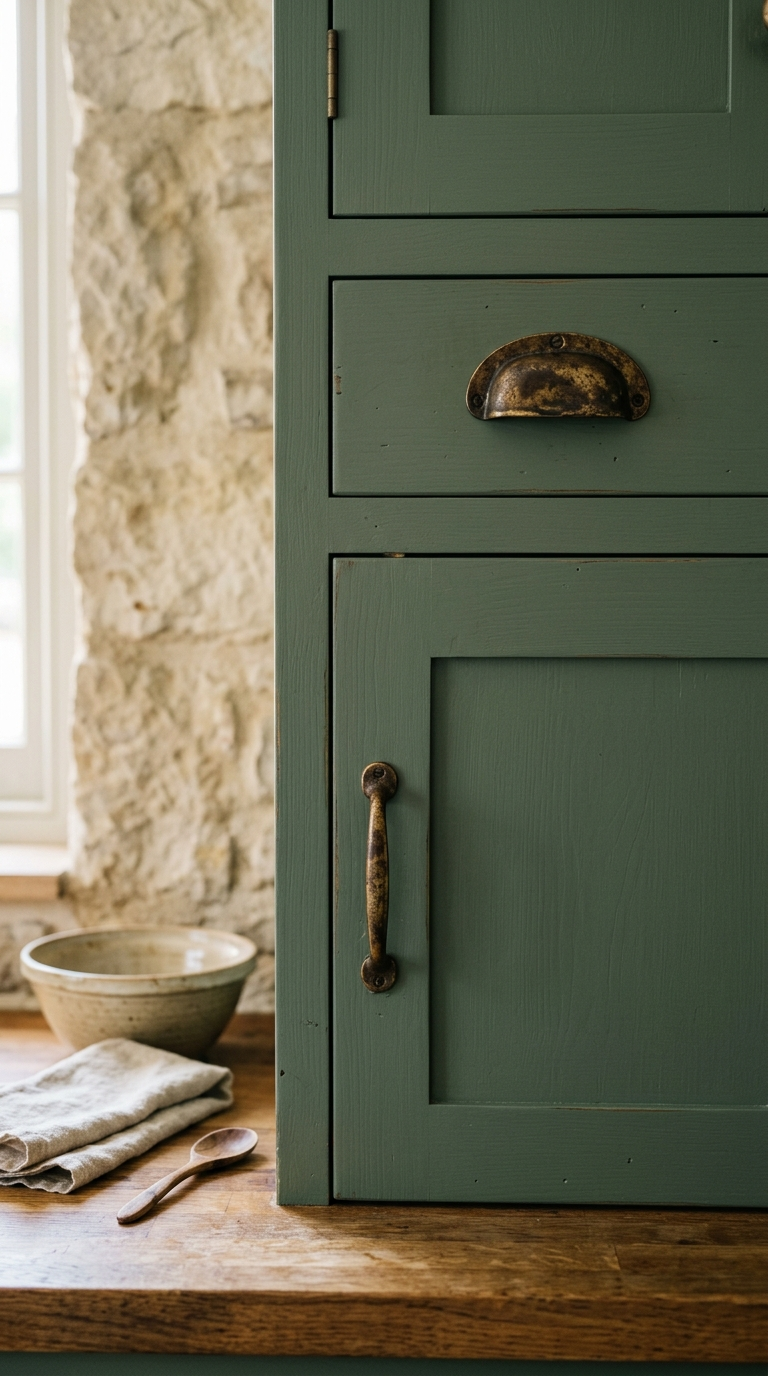
Elements 4-7: Cabinetry and Hardware4. Shaker-Style or Inset Cabinetry: The foundation of traditional kitchen storage is the classic Shaker door profile or fine inset cabinetry. These styles are timeless, unpretentious, and beautifully crafted. Avoid high-gloss finishes; instead, favor hand-painted cabinets in warm whites, sage greens, or deep navy, allowing slight brushstrokes to show for an authentic feel.5. Unlacquered Brass or Antique Iron Hardware: Cabinet hardware is the jewelry of the kitchen. For a rustic feel, select unlacquered brass cup pulls and knobs that will develop a unique, dull patina over time, reacting to the touch of your hands. Alternatively, forged black iron hardware provides a robust, historical contrast against lighter painted cabinets.6. An Apron-Front Farmhouse Sink: A deep, wide apron-front sink, ideally crafted from fireclay or hammered copper, is practically mandatory for a rustic kitchen. It serves as a visual focal point and a highly functional basin for washing large pots or preparing fresh vegetables from the garden.7. Furniture-Style Kitchen Islands: Instead of a massive, monolithic block of modern cabinetry, opt for a kitchen island that resembles a freestanding piece of antique furniture. Turned legs, open lower shelving for baskets, and a contrasting countertop material (like a thick butcher block) make the island feel like a cherished heirloom.
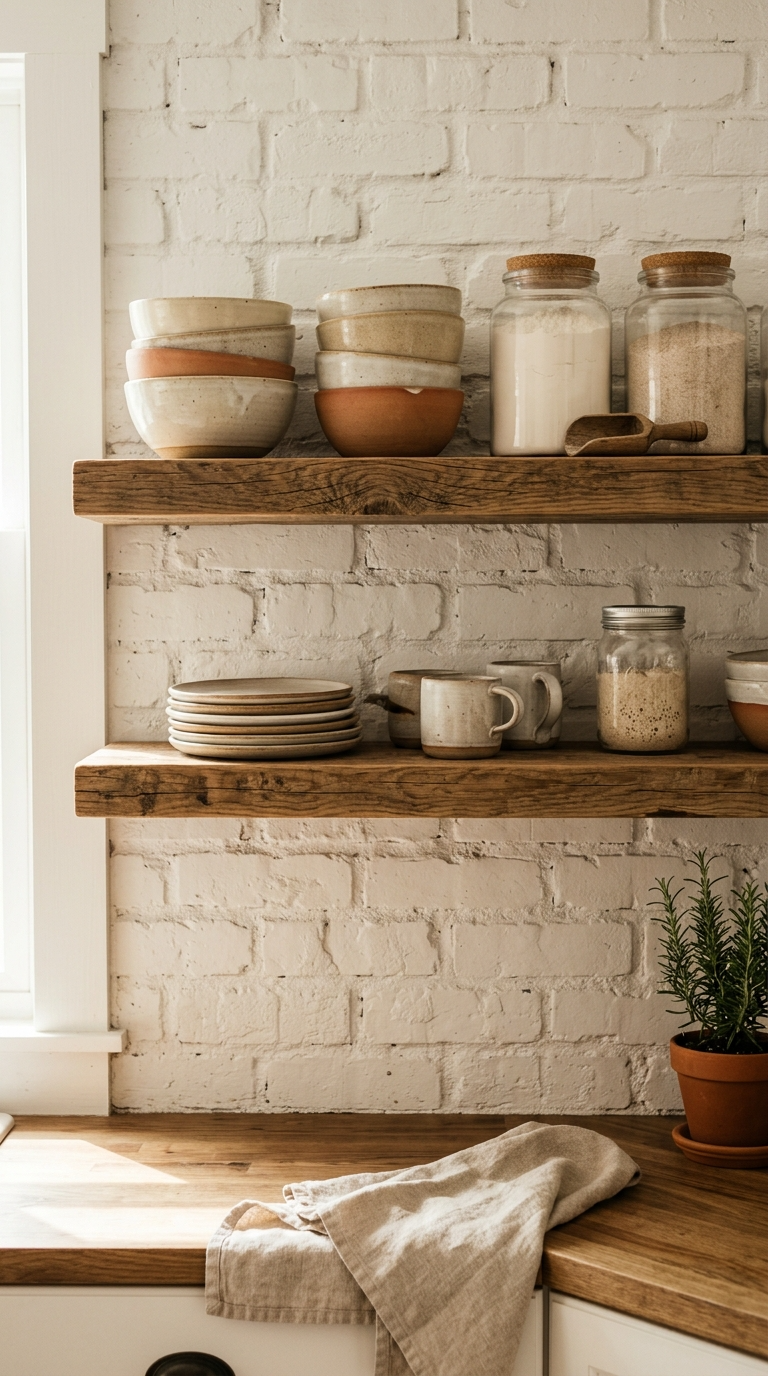
Elements 8-11: Textures and Surfaces8. Natural Stone Countertops: Avoid manufactured quartz. Embrace the natural beauty, veining, and unique flaws of soapstone, honed marble, or leathered granite. Soapstone, in particular, is a historical favorite that deepens in color over time and provides a soft, matte surface that perfectly complements rustic wood tones.9. A Statement Range and Hood: A large, traditional-style freestanding range (like a classic enameled cast-iron stove) becomes the hearth of the room. Pair it with a custom range hood crafted from plaster, reclaimed wood, or aged copper to create a monumental cooking zone that commands attention.10. Textured Tumbled Tile Backsplashes: For the backsplash, choose materials with irregular edges and varied colors. Tumbled travertine, handmade zellige tiles, or classic subway tiles with a slightly undulating, handmade surface reflect light softly and add a layer of rustic authenticity.11. Open Shelving for Display: Break up heavy upper cabinetry by incorporating thick, floating wooden shelves. Use these to display stacks of everyday ceramic plates, glass jars filled with dry goods, and vintage pitchers. This creates an open, welcoming, and functional aesthetic.
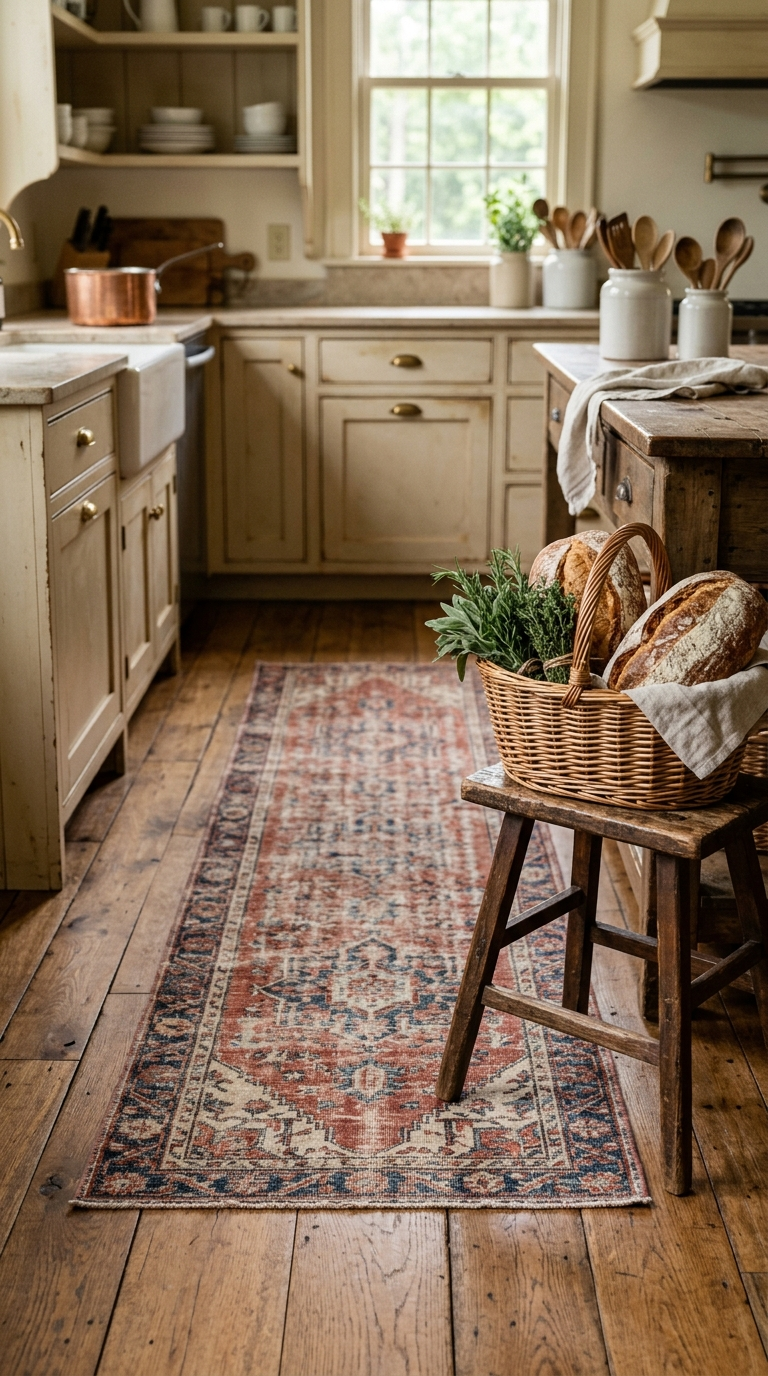
Elements 12-15: Styling and Atmosphere12. Copper Accents and Cookware: The warm, fiery glow of copper is a quintessential rustic element. Hang a collection of heavy copper pots from an iron ceiling rack, or display copper kettles and mixing bowls on open shelves. They are functional tools that double as stunning, traditional decor.13. Vintage and Antique Rugs: Soften the hard surfaces of a kitchen by laying down a durable, low-pile vintage runner in front of the sink or stove. The faded, intricate patterns of an old Persian or Turkish rug introduce color, pattern, and an undeniable sense of cozy history to the floor.14. Warm, Ambient Lantern Lighting: Overhead lighting should evoke the feeling of historic gas or candle lanterns. Hang oversized glass and iron pendants, or a rustic wooden chandelier over the island. Ensure the bulbs cast a very warm, inviting glow.15. Elements of Nature: Finally, a rustic kitchen is deeply tied to the outdoors. Bring nature inside by displaying wooden cutting boards leaning against the backsplash, bowls of fresh citrus, terracotta pots filled with fresh culinary herbs like rosemary and basil, and simple jugs holding seasonal branches.
Conclusion: A Kitchen with a SoulDesigning a timeless rustic and traditional kitchen is not about achieving perfection; it is about embracing authenticity, warmth, and natural materials that tell a story over time. By incorporating these 15 cozy elements—from the architectural weight of reclaimed beams to the subtle gleam of a copper pot—you create more than just a place to cook. You cultivate a soulful environment, a nurturing sanctuary where family and friends will naturally gravitate to share meals, stories, and the simple comforts of a beautifully crafted home.
Learn how to perfectly design a cozy rustic traditional kitchen with our comprehensive guide. From wood cabinetry to classic farmhouse elements, master the look.
Struggling with a tiny kitchen? Learn the most common small kitchen decor mistakes to avoid and discover how to make your compact space feel huge and airy.
Discover upcoming design trends for dark and black kitchens, featuring luxury matte textures, rich metallic accents, and dramatic integrated lighting profiles.
Explore the enduring beauty of rustic and traditional kitchens. From reclaimed wood beams to vintage accents, learn how to craft a warm, welcoming space.
Explore the enduring beauty of traditional rustic kitchens, featuring warm natural wood finishes, stone accents, custom cabinetry, and cozy artisanal style.
Transform your cooking space with these cutting-edge modern kitchen ideas. From minimalist cabinetry to smart appliances, discover how to blend style and function.