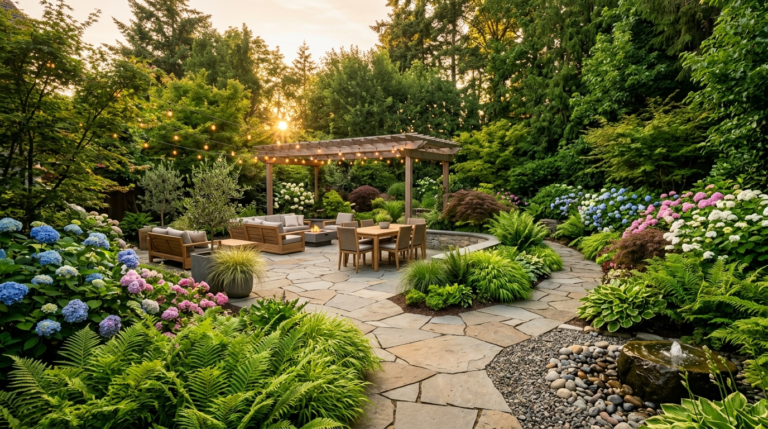
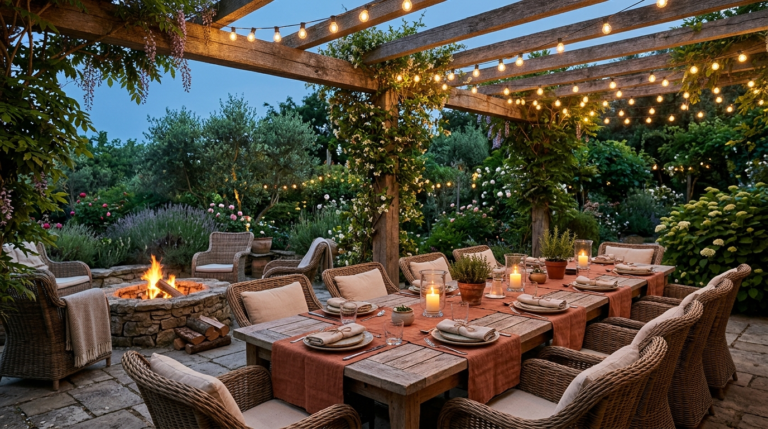
The concept of the home has expanded far beyond its four walls. Today, our outdoor spaces are viewed as essential extensions of our living areas—places where we seek refuge from the hustle of daily life, connect with nature, and entertain our loved ones under the open sky. However, looking at a bare, uninspired patch of grass can be overwhelming. Transforming a standard backyard into a lush, dynamic, and functional year-round sanctuary requires more than just scattering a few potted plants and placing a patio set on the lawn. It requires thoughtful planning, a deep understanding of your local environment, and a strategic approach to landscaping and design. Whether you have a sprawling suburban lawn or a modest urban courtyard, the principles of creating an outdoor oasis remain the same. In this in-depth guide, we will walk you through the essential steps to design, plant, and furnish a breathtaking backyard sanctuary that you will want to spend time in, no matter the season.
Step 1: Assessing Your Space and Microclimates
Before you purchase a single plant or lay a single paver, you must deeply understand the canvas you are working with. Every garden has its own unique set of environmental conditions, often referred to as microclimates. Spend a few days simply observing your backyard. Where does the sun hit first thing in the morning? Which areas are baked in harsh afternoon sunlight, and which spots remain in deep shade all day long? Understanding these light patterns is absolutely critical, as it will dictate where you place your seating areas (you might want morning sun for coffee, but afternoon shade for dining) and, most importantly, what types of plants will survive in specific zones. Furthermore, assess your soil and topography. Does water pool in a certain corner after heavy rain? You may need to incorporate drainage solutions like a French drain or consider creating a rain garden filled with moisture-loving plants. Testing your soil’s pH and composition (clay, sand, loam) will also save you countless hours of frustration and wasted money on plants that are incompatible with your native dirt. Knowledge is your most powerful tool in the foundation phase.
Step 2: Designing Clear Functional Zones
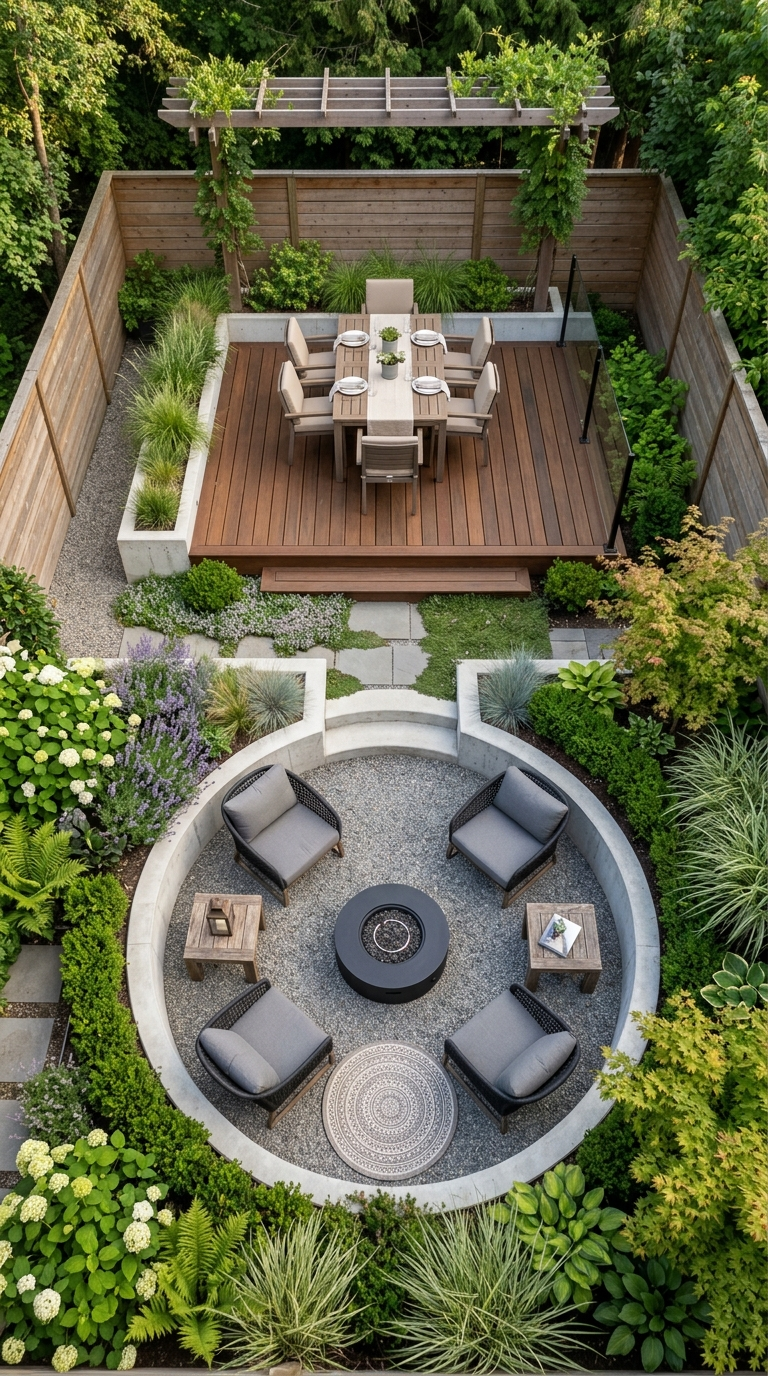
A well-designed outdoor space functions much like the interior of your home; it should have distinct rooms or zones dedicated to different activities. Without clear zoning, a large backyard can feel vast, empty, and confusing, while a small one can feel cluttered and chaotic. Start by identifying your primary goals. Do you want a large dining area for hosting family meals? A cozy, secluded lounge space around a fire pit? A dedicated play area for children, or a quiet meditation corner? Once you have your wish list, begin mapping these zones out. You can define these areas physically and visually without building actual walls. For example, a slightly raised wooden deck immediately designates a dining space, while a sunken gravel patio might define the fire pit zone. You can also use large outdoor rugs to anchor furniture arrangements, or utilize strategic planting—like a low hedge of boxwoods or a row of tall ornamental grasses—to create natural, living partitions that separate the lounging area from the functional lawn space. Transitions between these zones should be fluid and intuitive.
Step 3: Selecting Foundational Hardscaping
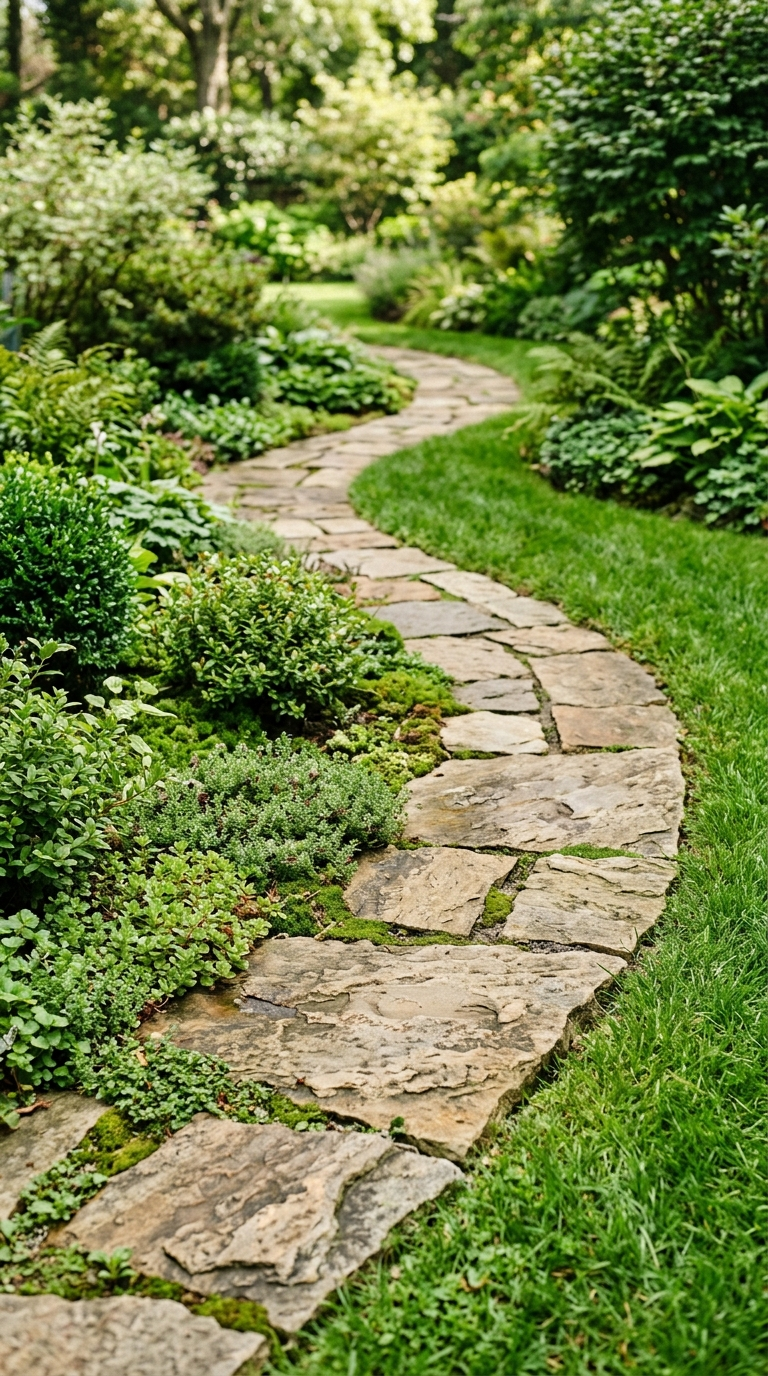
Hardscaping refers to the non-living elements of your landscape design—the patios, walkways, retaining walls, and decks. These elements provide the structural backbone of your sanctuary and dictate the overall aesthetic style. When choosing materials, consider both durability and how they complement the architecture of your house. Natural stone, such as flagstone or bluestone, offers an organic, timeless elegance that blends beautifully into lush, traditional gardens. Poured concrete or large, oversized porcelain pavers provide a sleek, minimalist look perfect for contemporary homes. Gravel or decomposed granite is an excellent, cost-effective option for creating informal, rustic pathways and casual seating areas. Wood decking brings warmth and a soft texture underfoot, though it requires more maintenance to protect it from the elements. Whichever materials you choose, ensure they flow logically from the house outward. The hardscaping will likely be the largest investment in your backyard transformation, so choose high-quality materials that will withstand your local climate variations over time.
Step 4: Building a Layered Planting Scheme
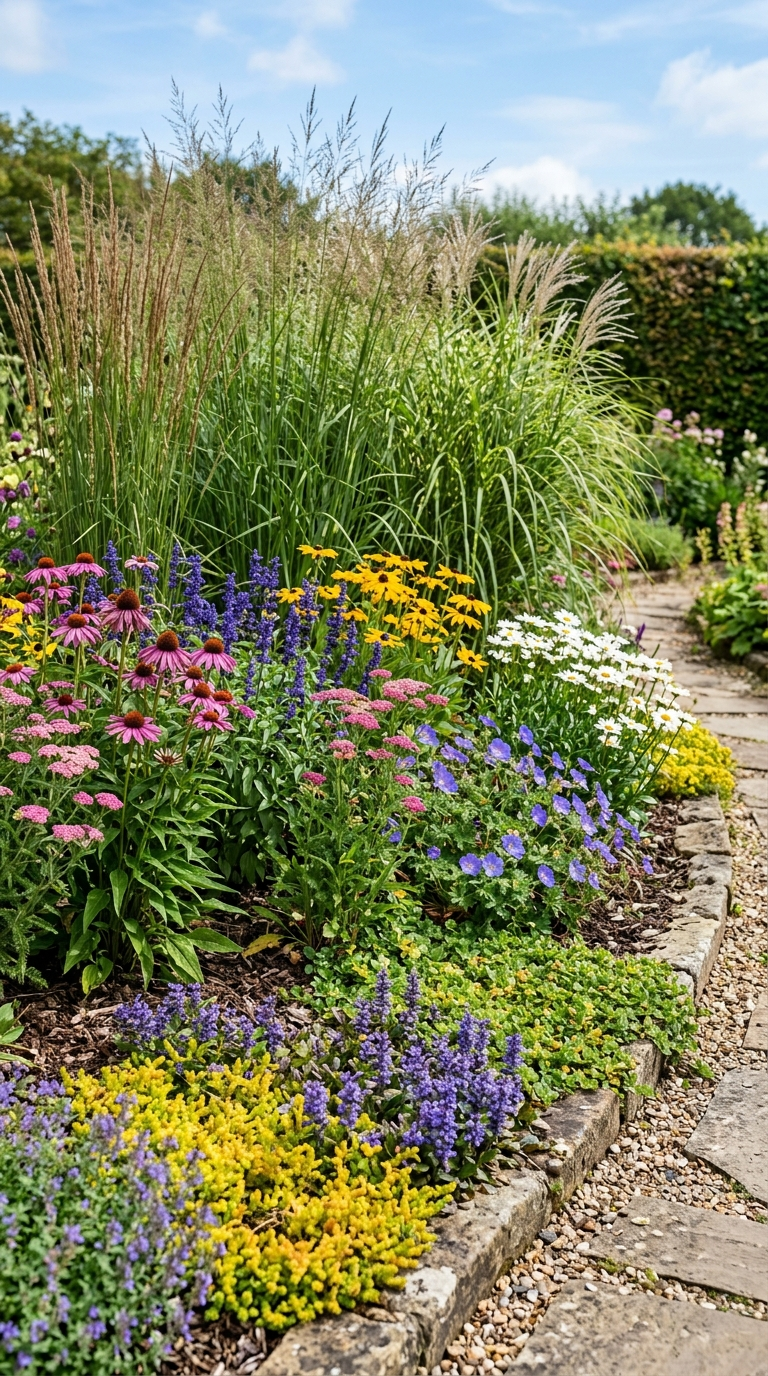
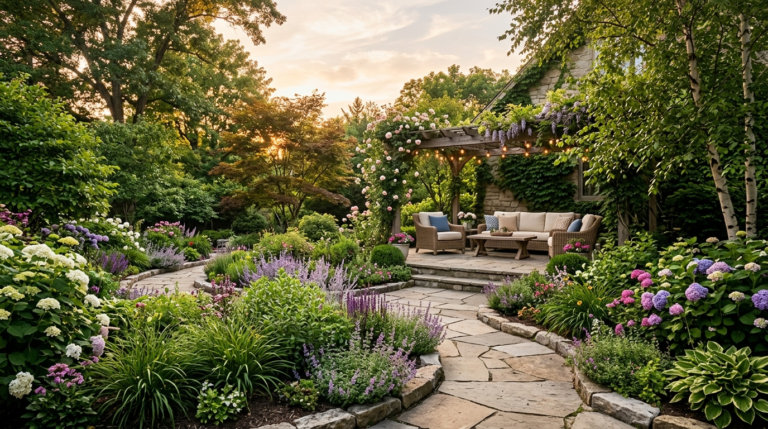
The secret to a garden that looks professionally designed and lush is layered planting. In nature, plants do not grow in a single flat line; they grow in distinct vertical tiers. To replicate this rich, immersive feel, you must plan your planting beds in layers. Start with the canopy: large shade trees or structural palms that provide height, privacy, and architectural interest. Next, add the understory: smaller ornamental trees, large shrubs, and evergreens that provide structure and year-round color. Then, fill in the mid-ground with herbaceous perennials, flowering bushes, and ornamental grasses that bring seasonal blooms, movement, and texture. Finally, use groundcovers and creeping plants to soften the edges of your hardscaping and suppress weeds. When selecting your palette, prioritize native plants. Native species are already adapted to your local climate and soil, meaning they require significantly less water, fertilizer, and maintenance, and they attract local pollinators like butterflies and birds, bringing life and movement to your sanctuary. Aim for a mix of evergreen plants (so your garden doesn’t look completely barren in winter) and deciduous plants for seasonal variety.
Step 5: Incorporating Sensory Elements
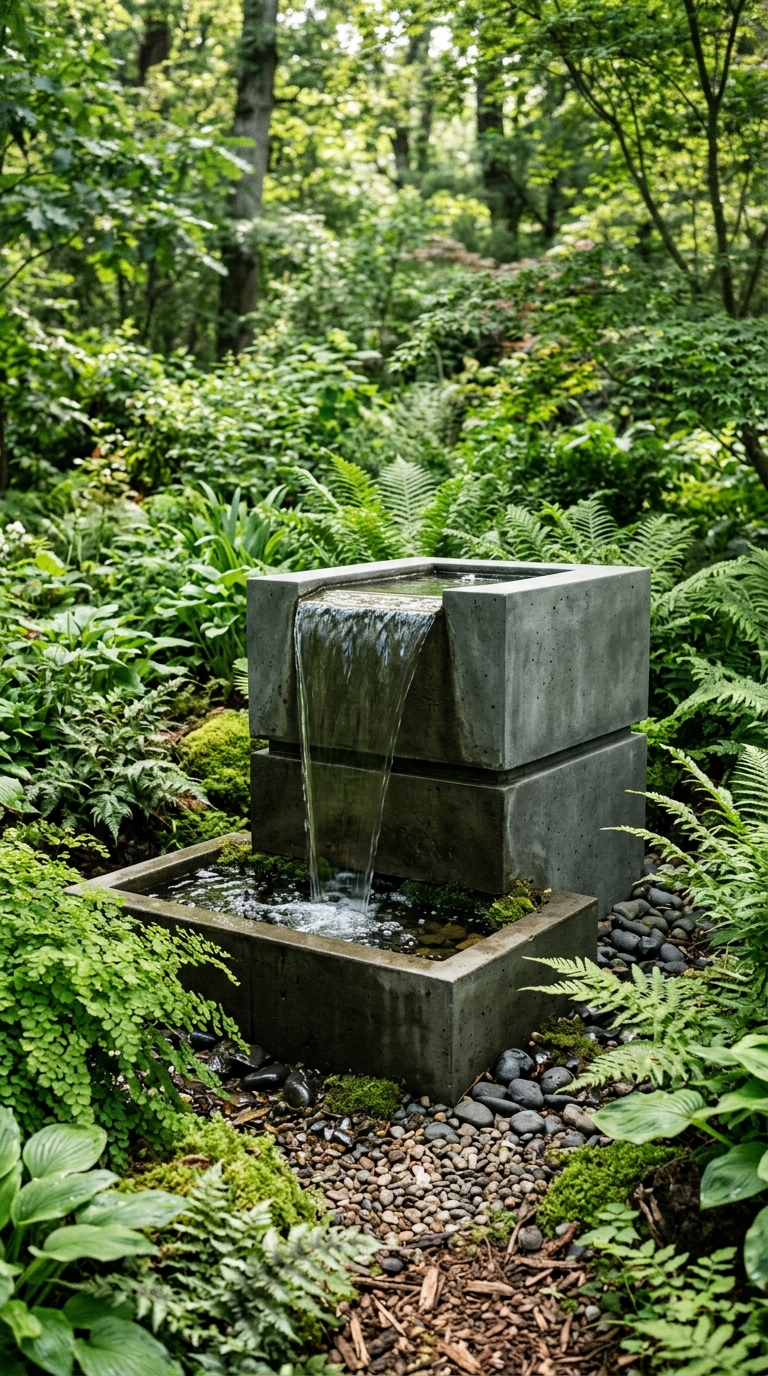
A true sanctuary engages all the senses, not just sight. To elevate your backyard from a visual landscape to an immersive retreat, you must design for sound, smell, and touch. The most effective way to introduce soothing sound is through water features. Whether it is a grand cascading waterfall, a modern reflection pool, or a simple bubbling ceramic urn tucked into a corner, the sound of moving water instantly masks neighborhood noise and induces a sense of calm. For fragrance, strategically place scented plants near seating areas, doorways, and pathways where you will naturally brush past them. Jasmine, gardenias, lavender, and fragrant herbs like rosemary and mint release incredible aromas that enhance the relaxing atmosphere. Finally, consider touch. Incorporate plants with interesting tactile qualities, like the soft, fuzzy leaves of Lamb’s Ear, the feathery plumes of maiden grass, or the smooth bark of a crepe myrtle. By engaging multiple senses, your outdoor space becomes a holistic therapeutic environment.
Step 6: Furnishing for Durability and Comfort
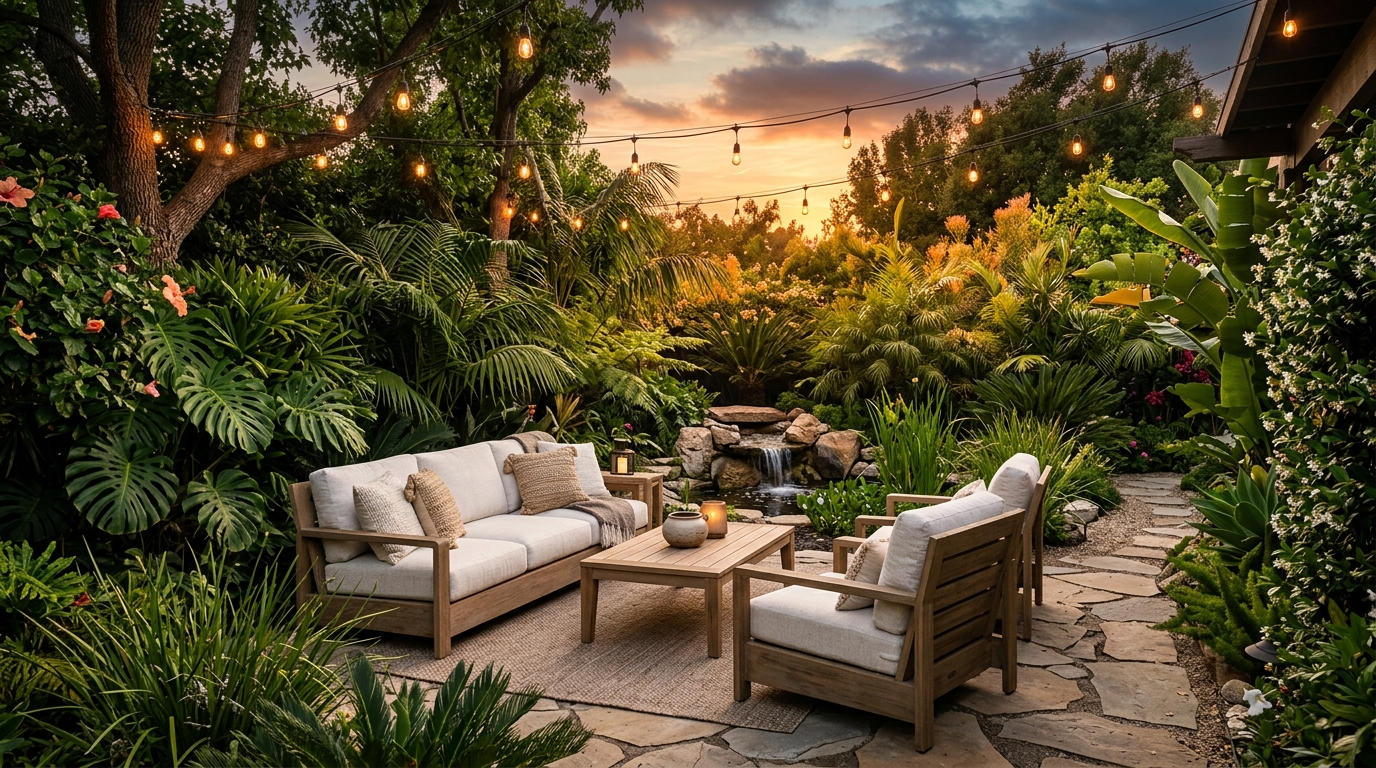
Your outdoor furniture should offer the same level of comfort and style as your indoor pieces, but with the added requirement of extreme weather resistance. Cheap, flimsy plastic furniture will quickly degrade in the sun and look unappealing. Invest in high-quality materials designed for longevity. Teak wood is highly prized for its natural oils that repel water and resist rot, aging gracefully into a beautiful silvery patina over time. Powder-coated aluminum is lightweight, rust-proof, and ideal for modern aesthetics. High-density polyethylene (HDPE) wicker offers the traditional look of rattan without the deterioration. When it comes to cushions and textiles, only accept solution-dyed acrylic fabrics, which are UV-resistant, water-repellent, and highly resistant to mold and mildew. Treat your outdoor seating areas like an indoor living room: include plush outdoor sofas, sturdy coffee tables, side tables for resting books or beverages, and ample throw pillows. A comfortable sanctuary is one that invites you to sit down, put your feet up, and linger for hours.
Step 7: Illuminating the Garden for Evening Enjoyment
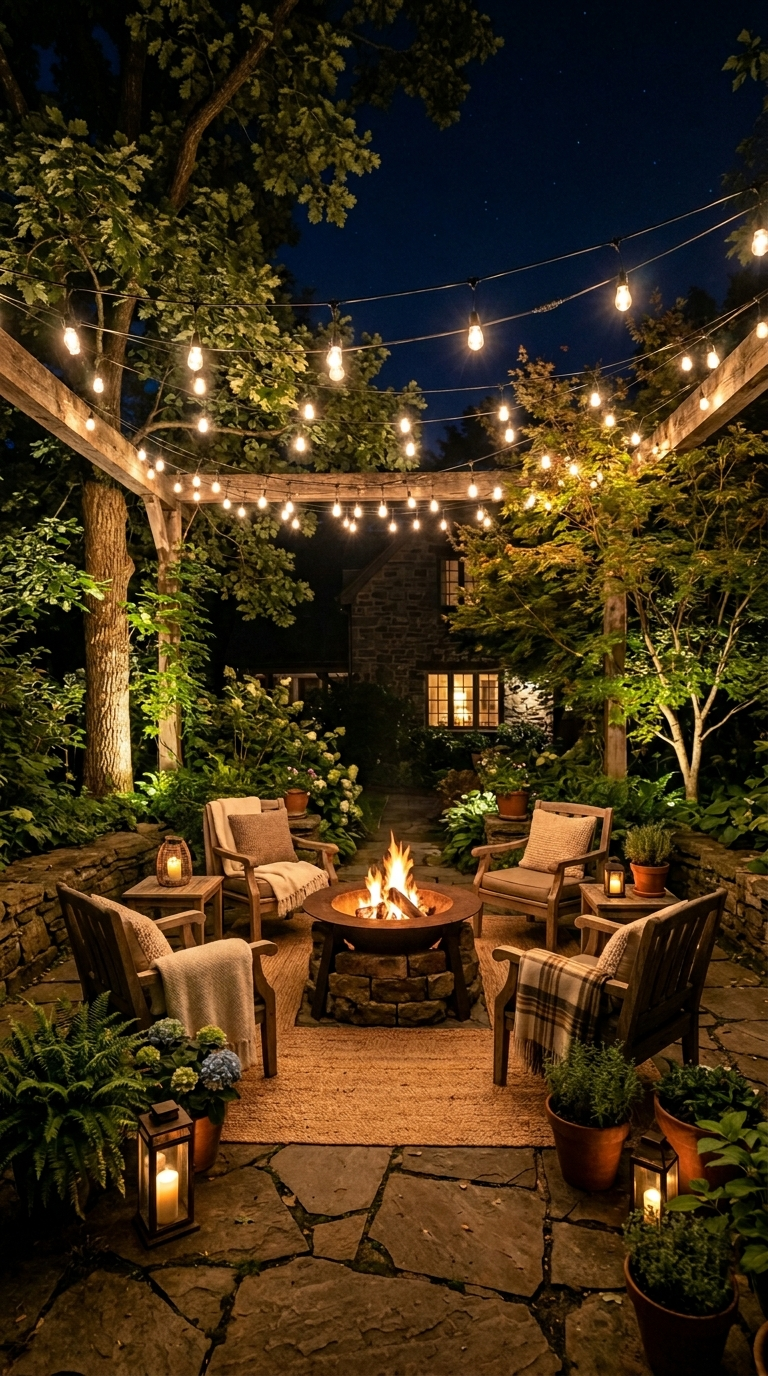
The magic of an outdoor sanctuary truly comes alive after the sun goes down, but only if it is properly illuminated. A dark backyard is unused space. Landscape lighting serves both functional safety purposes and dramatic aesthetic goals. Start by ensuring all pathways, stairs, and deck edges are softly illuminated with low-voltage path lights or flush deck lights to prevent tripping hazards. Next, use uplighting to highlight the structural beauty of your favorite trees or architectural features on your home. A wash light directed at a textured stone wall or a dense hedge creates a beautiful backdrop. For your seating and dining areas, you want a softer, more ambient glow. Commercial-grade string lights zigzagged over a patio instantly create a festive, enchanting, cafe-like atmosphere. Battery-operated or solar lanterns placed on tables, and the flickering glow of a fire pit, add the final touches of warmth. With a carefully planned lighting scheme, your backyard sanctuary will remain a welcoming destination long into the night, maximizing your enjoyment of the space.
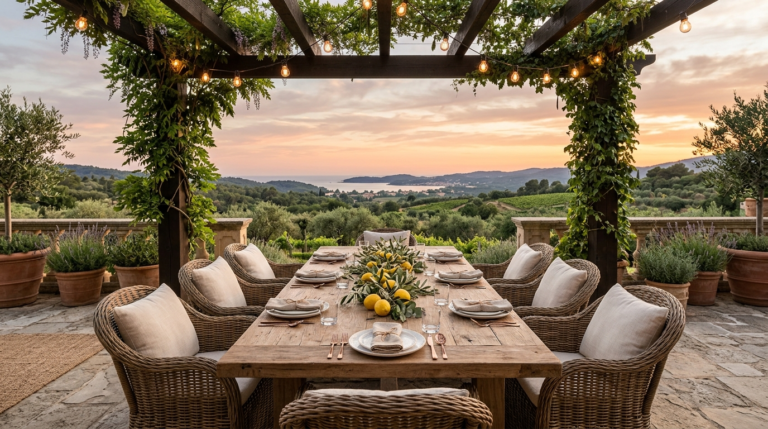
Elevate your backyard with these fifteen stunning outdoor dining ideas. Discover elegant layouts, durable furniture, and beautiful lighting for any patio.
Step into a whimsical and imaginative narrative exploring how to craft a magical outdoor garden retreat. Discover plants, lighting, and hidden corners.
Are you ruining your backyard oasis without even knowing it? Discover the most common outdoor garden design mistakes and learn how to fix them for a lush space.
Discover the hottest outdoor dining trends transforming backyards into cozy alfresco retreats. From rustic textures to ambient lighting, elevate your patio today.