Container gardening is a fantastic way to bring life, color, and texture to your outdoor space, even if you only have a small patio, balcony, or a tiny urban garden. It allows you to create your own green oasis, experiment with different plant combinations, and control the growing conditions of your plants more easily than in the ground. The best part? You can design a lush container garden that is surprisingly low-maintenance, perfect for busy individuals or those new to gardening. In this comprehensive step-by-step guide, we’ll walk you through everything you need to know to create your own flourishing, easy-care container garden on your patio.
Why Choose Container Gardening?
Before we dive into the ‘how-to’, let’s explore the ‘why’. Container gardening offers numerous benefits, making it an attractive option for many. Firstly, it’s ideal for limited spaces. You can cultivate a variety of plants in containers, maximizing your green space vertically and horizontally. Secondly, it provides versatility; you can move your containers around to optimize sun exposure or change the look of your patio. Thirdly, it offers better control over soil quality and drainage, reducing the risk of pests and diseases. Lastly, it’s highly adaptable, allowing you to grow plants that might not thrive in your garden soil. With the right selection of plants and containers, you can create a beautiful and dynamic display that requires minimal effort.
Step 1: Planning Your Container Garden
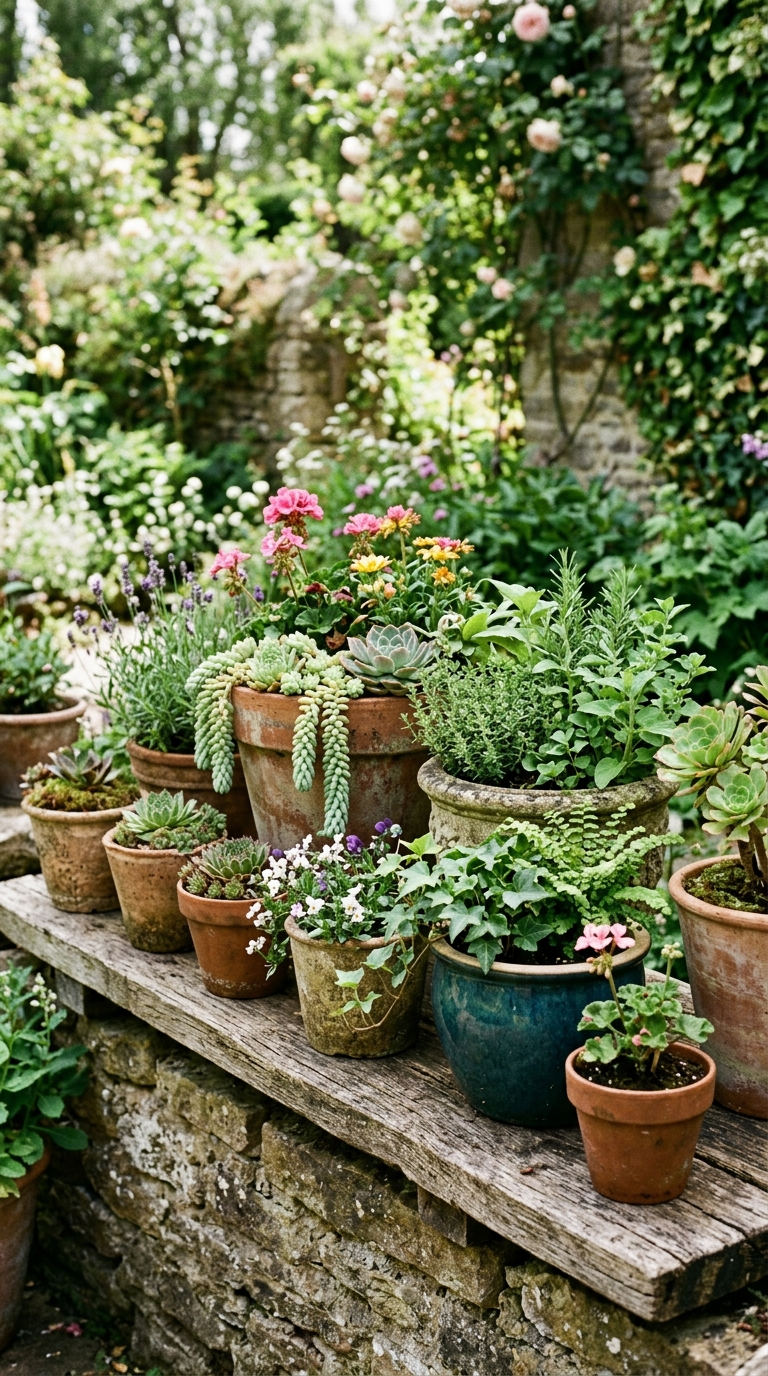
Success in container gardening starts with a solid plan. Before buying plants or pots, take some time to assess your patio. Consider how much sunlight it receives throughout the day. Is it primarily sun-drenched, partially shaded, or mostly shady? This crucial information will dictate which plants will thrive in your space. Next, think about the overall aesthetic you want to achieve. Do you prefer a modern, minimalist look with monochromatic planters, or a rustic, bohemian vibe with varied containers and colorful blooms? Finally, determine the scale and number of containers you want to incorporate. Start small if you’re a beginner and gradually expand your collection as you gain confidence.
Step 2: Selecting the Perfect Containers
The containers you choose are not only functional vessels but also design elements. When selecting containers, prioritize those with adequate drainage holes. Proper drainage is essential to prevent waterlogging and root rot. Choose materials that suit your style and climate. Terracotta pots are classic and breathable but can dry out quickly and may crack in freezing temperatures. Glazed ceramic pots offer beautiful colors and patterns, retaining moisture well but can be heavy. Resin and plastic containers are lightweight, durable, and affordable, making them practical for moving around. Ensure the size of the container is appropriate for the mature size of the plants you intend to grow.
Step 3: Choosing the Right Plants
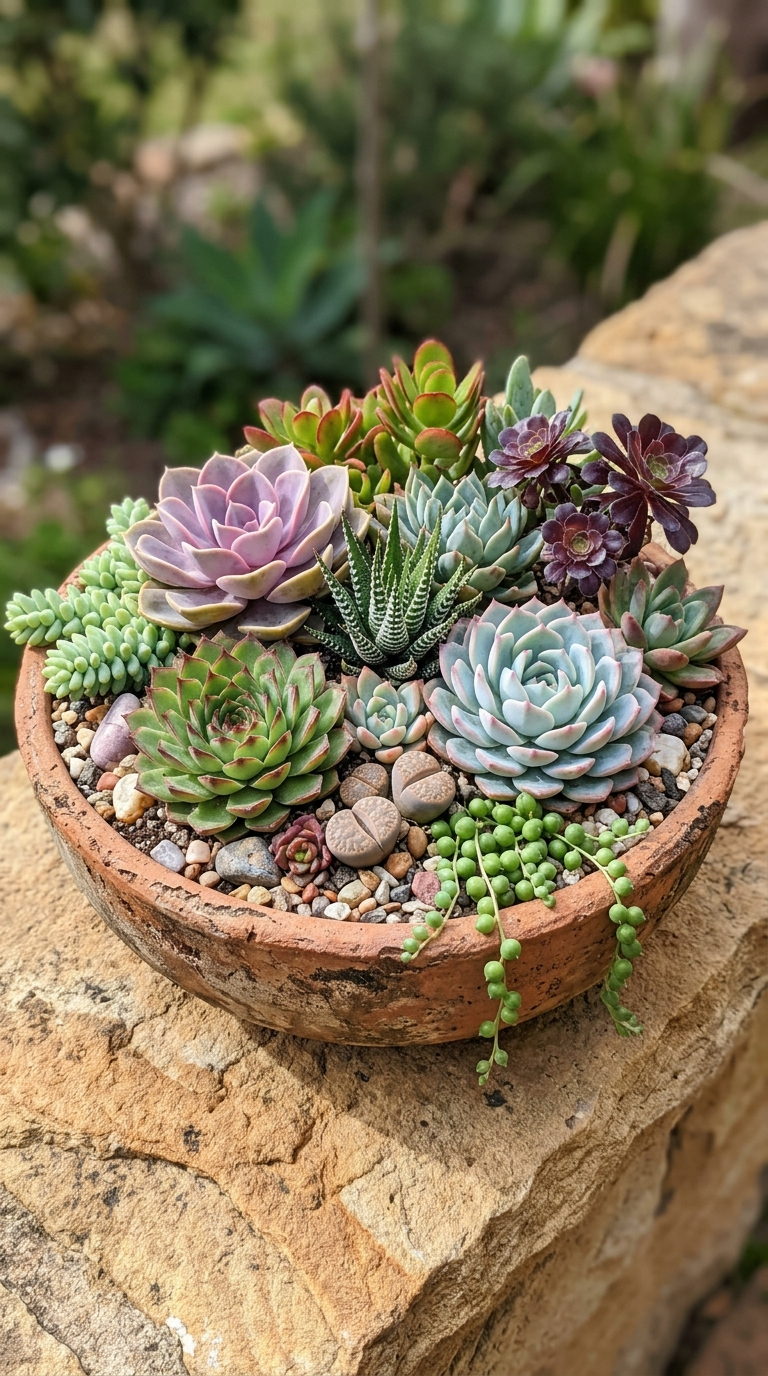
To create a low-maintenance container garden, prioritize plants that are known for their resilience and ease of care. Start by grouping plants with similar water and light requirements in the same container. For sun-drenched patios, consider drought-tolerant options like succulents, sedums, and herbs such as rosemary, thyme, and lavender. For partial or full shade, opt for plants like hostas, ferns, and impatiens. To create visually appealing compositions, think about the “thriller, filler, spiller” concept. Select a focal point (thriller), some complementary plants to fill the space (filler), and trailing plants that spill over the edges (spiller).
Step 4: Using High-Quality Soil
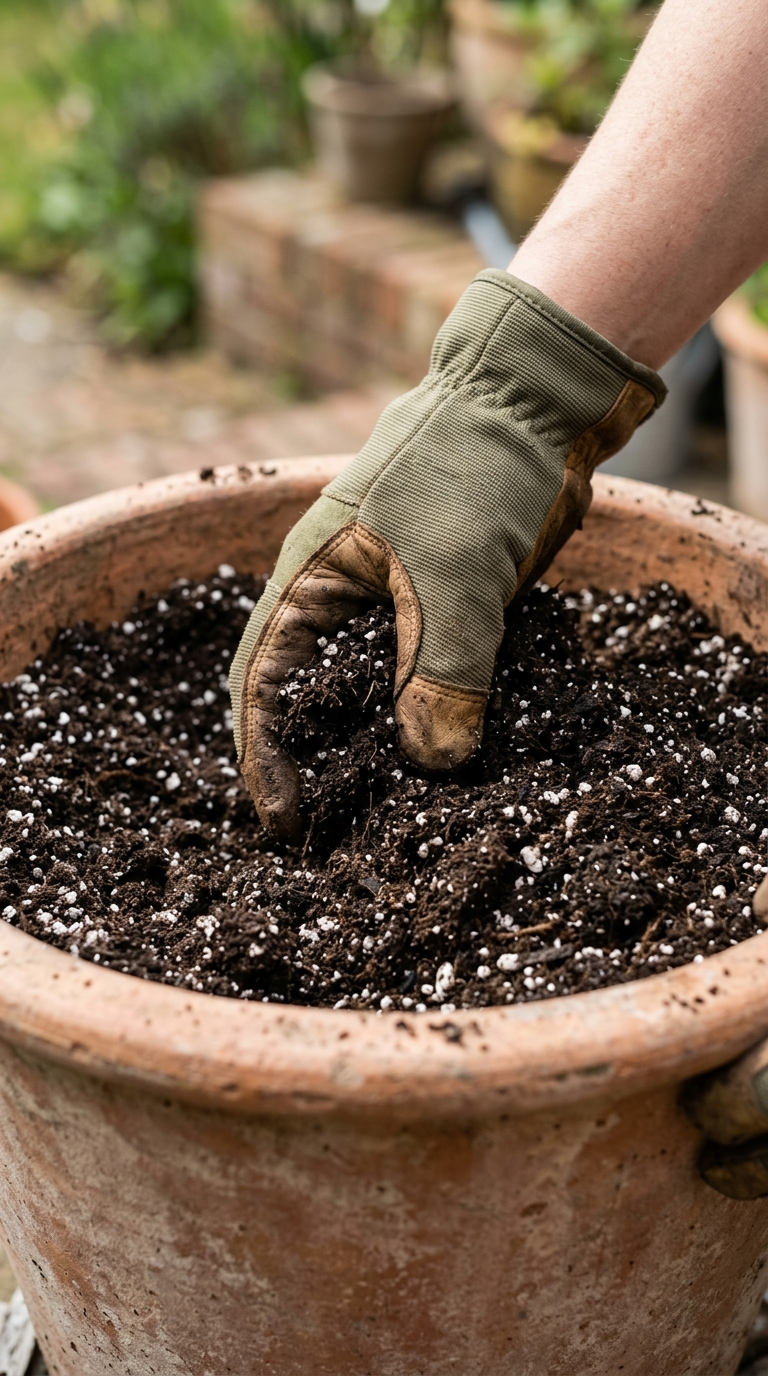
Don’t be tempted to use soil from your garden in containers. It is often too dense and doesn’t drain well enough for container plants. Instead, use a high-quality potting mix specifically designed for container gardening. Potting mixes are typically a blend of ingredients like peat moss, perlite, and vermiculite, which provide excellent drainage, aeration, and water retention. They are also lightweight, which is beneficial for pots on balconies or patios. For heavy feeders or vegetables, look for a potting mix that includes a slow-release fertilizer. Choosing the right soil is a simple but crucial step for the health and vitality of your plants.
Step 5: Planting Your Container Garden
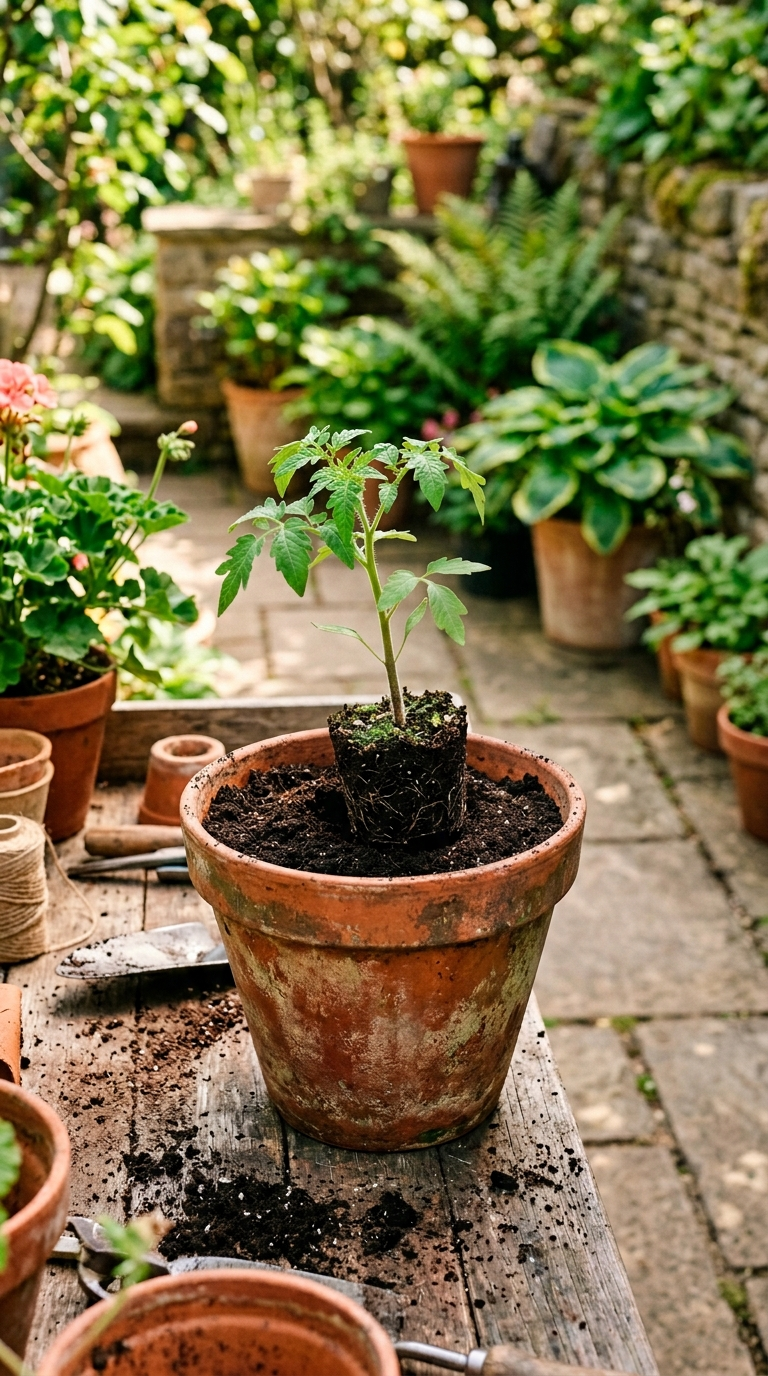
Now comes the fun part: bringing your vision to life! Start by filling your containers with potting mix, leaving a few inches below the rim. Gently remove your plants from their nursery pots, loosen any tightly bound roots, and arrange them in the container according to your design. Once you’re happy with the arrangement, add more potting mix around the plants, ensuring they are at the same depth as they were in their original pots. Water thoroughly until water drains freely from the bottom of the container. This initial watering helps to settle the soil and remove air pockets around the roots.
Step 6: Ongoing Maintenance
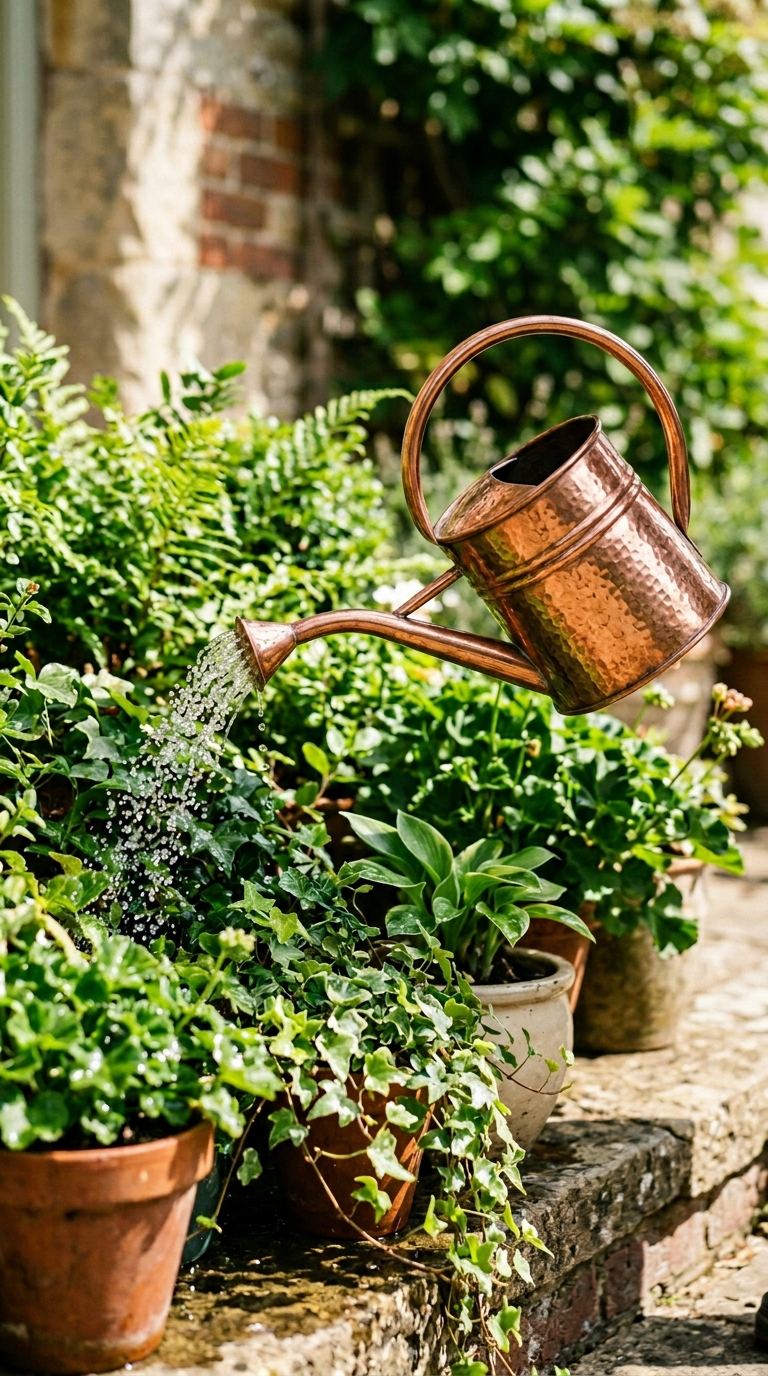
A key aspect of a low-maintenance container garden is, paradoxically, consistent care. Watering is the most critical task. Check your containers regularly by sticking your finger into the soil. If the top inch or two is dry, it’s time to water. Be prepared to water more frequently during hot, dry spells. Fertilizing is also essential, as plants in containers have access only to the nutrients in their soil. Use a balanced liquid fertilizer or slow-release granules according to the product instructions. Regularly remove spent blooms (deadheading) to encourage continuous blooming, and prune or trim plants to maintain their shape and prevent them from becoming overgrown.
Creating Visual Interest
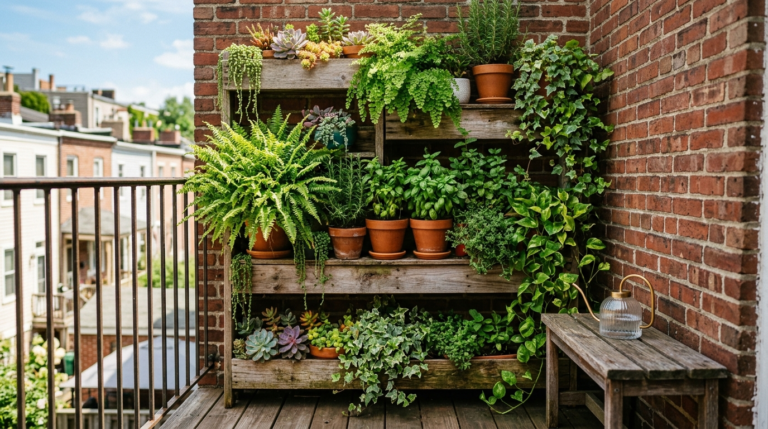
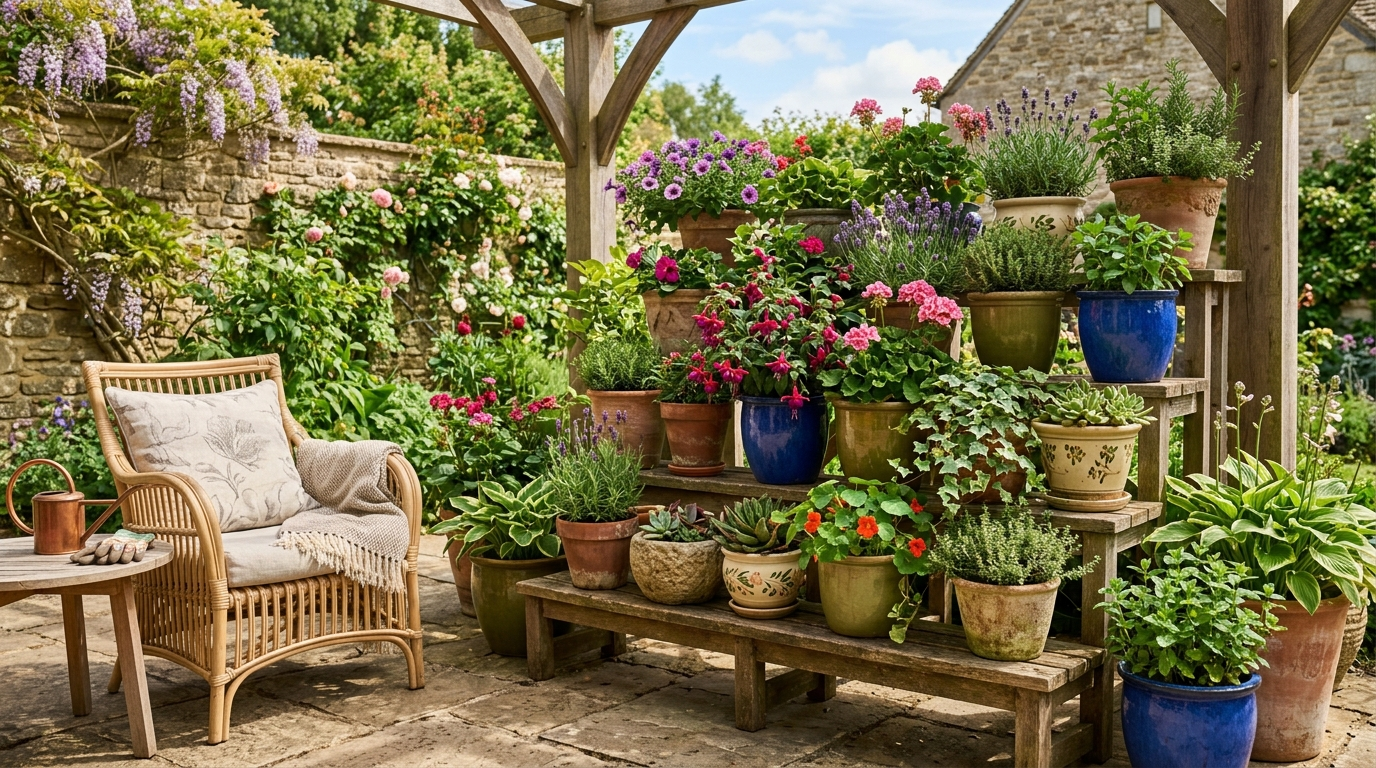
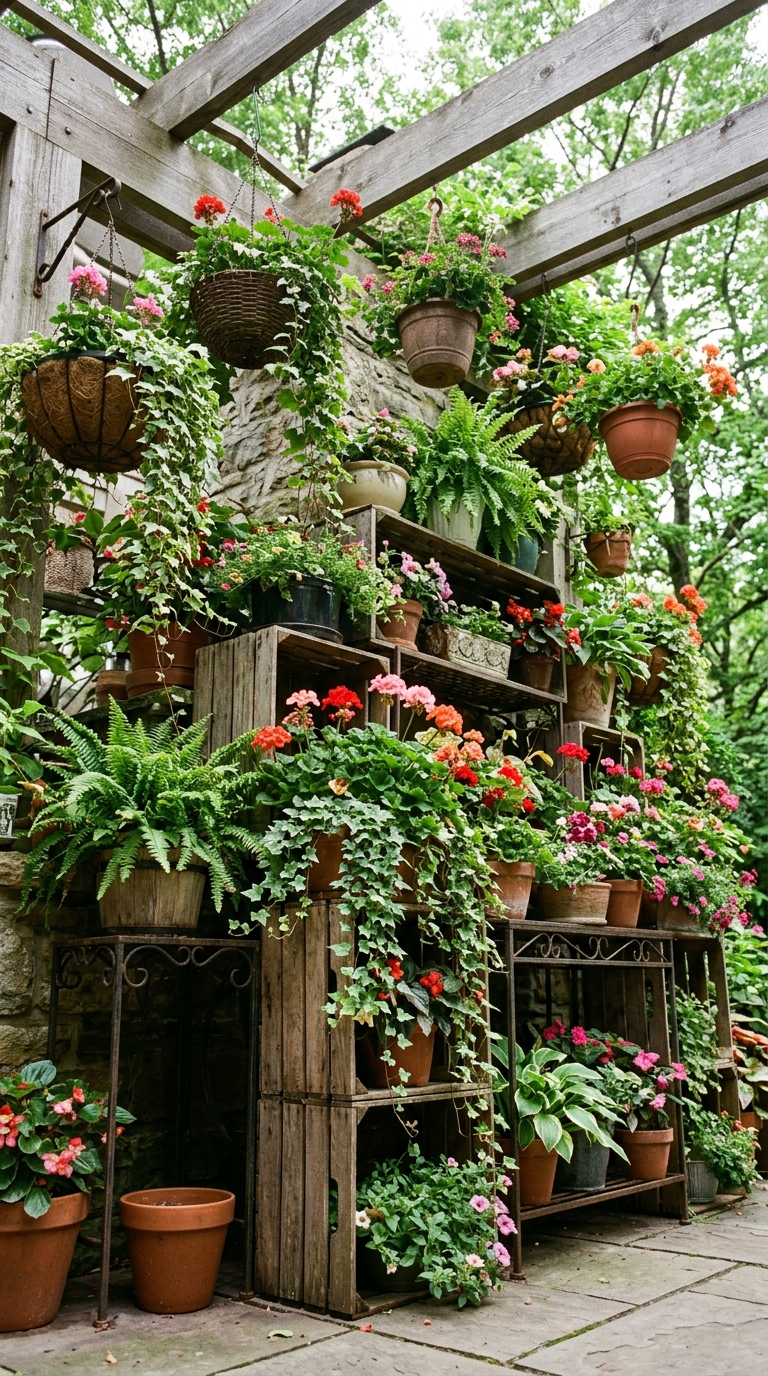
Beyond plant selection, think about how to add visual interest and personality to your container garden. Use different heights, shapes, and textures to create a dynamic composition. Mix and match containers of varying materials and colors to reflect your style. Group containers together in odd numbers for a more balanced look. Consider using plant stands, tables, or hanging baskets to add vertical dimension and utilize all your available space. Don’t be afraid to experiment and create a unique and personal display that you can enjoy throughout the season.
Embracing Low-Maintenance
The beauty of a low-maintenance container garden is that it allows you to enjoy the benefits of green space with minimal effort. By choosing resilient plants, using high-quality potting mix, and establishing a regular watering and fertilizing routine, you can create a thriving and beautiful garden that requires much less time and attention than a traditional in-ground garden. Embrace the simplicity and focus on enjoying the process and the lush result on your patio.
Conclusion
Container gardening is a rewarding and accessible way to bring nature closer, enhancing your patio with lush greenery and vibrant colors. By following this step-by-step guide, you can confidently design and create your own low-maintenance container garden that thrives with minimal effort. Remember to plan, select appropriate containers and plants, use quality soil, and maintain a consistent care routine. With a little creativity and care, you can transform your patio into a peaceful and inviting oasis that you’ll cherish all season long.