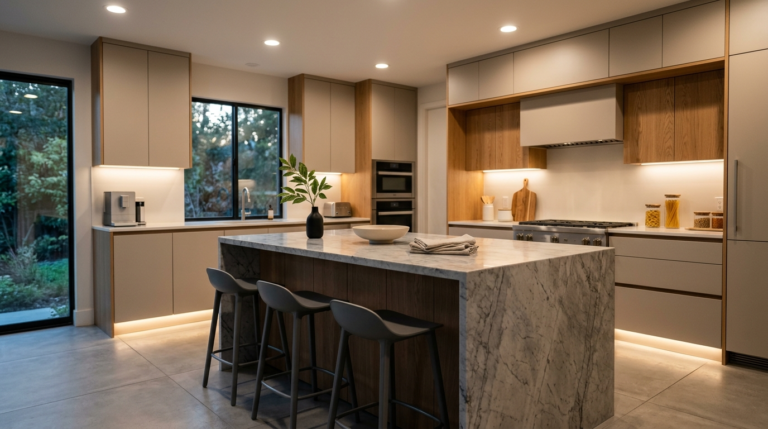
Embracing a dark color palette in the kitchen can be intimidating, yet it offers a level of sophistication and drama that is unmatched. Designing a black kitchen requires careful planning to ensure the space feels inviting, functional, and stylish rather than gloomy. This guide walks you through every step of mastering the moody kitchen aesthetic.
1. Start with Your Foundation: Cabinets and Layout
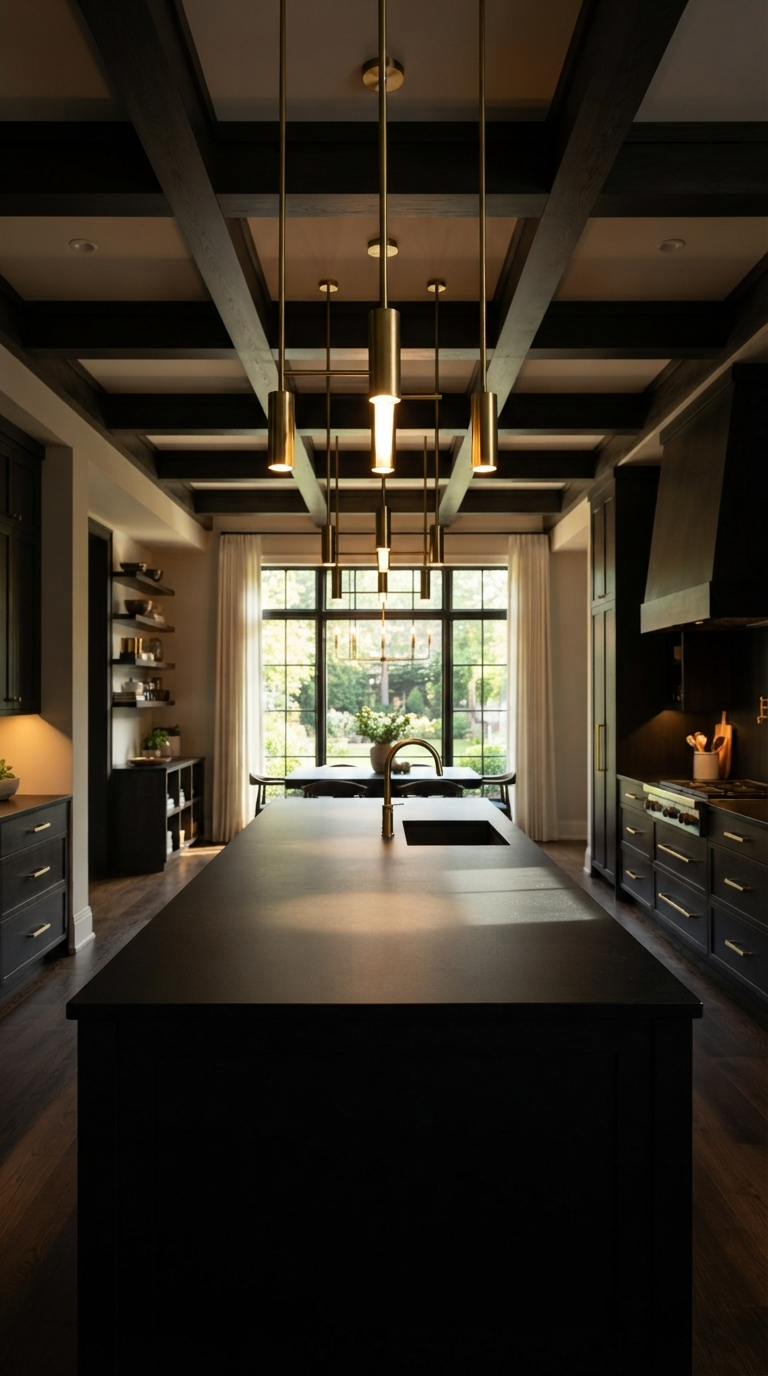
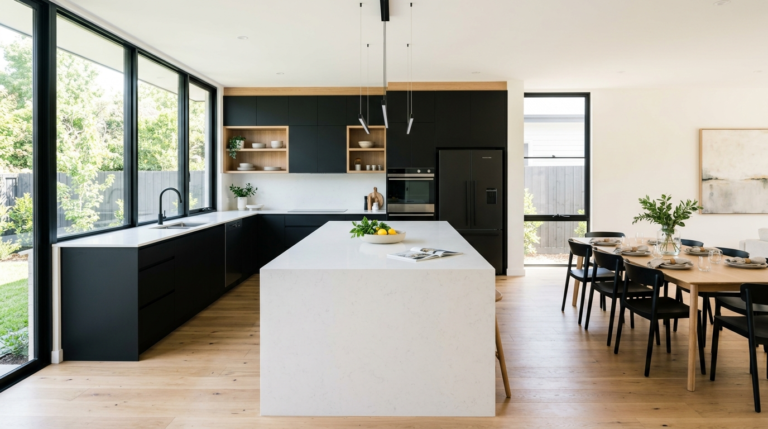
The biggest impact will come from your cabinetry. For a truly moody look, matte black cabinets are a popular choice as they absorb light and reduce glare. If full black feels too heavy, consider charcoal gray or deep navy. Use upper cabinetry sparingly or incorporate glass-front doors to keep the space from feeling enclosed. Focus on integrated appliances for a seamless visual flow.
When selecting your cabinet style, flat-panel or subtle Shaker doors work well with a dark palette. Ensure the layout maximizes efficiency, keeping the working triangle functional. Dark surfaces will show fingerprints, so choose high-quality finishes or opt for handleless designs to minimize contact.
2. The Light and Dark Balance: Worktops and Backsplashes
Countertops and backsplashes provide a critical opportunity to balance the darkness. While matching dark granite or quartz can achieve a cohesive, dramatic look, introducing contrast is often key. Consider a white marble or light concrete countertop to create bright work surfaces that stand out against the cabinets.
The backsplash is another area for contrast or texture. A reflective tile backsplash can bounce light around the room, while a dark geometric tile adds depth. Consider extending the countertop material up the wall for a sophisticated, continuous look, as seen in many premium designs like those featuring integrated sinks and waterfall edges.
3. Layering Lighting for Depth and Functionality
Lighting is non-negotiable in a dark kitchen. You must layer ambient, task, and accent lighting. Ambient lighting provides general illumination (e.g., recessed ceiling lights). Task lighting is critical over the island and work surfaces (e.g., under-cabinet LEDs or functional pendants). Accent lighting can highlight features, like LEDs inside glass cabinets.
A central chandelier or linear pendant fixture above the island not only serves as a focal point but can also introduce warmth through materials like brass or warm copper finishes. The interplay of warm light against dark matte surfaces is essential to create the cozy, intimate feel typical of a luxurious, editorial look.
4. Introducing Warmth Through Textures and Materials
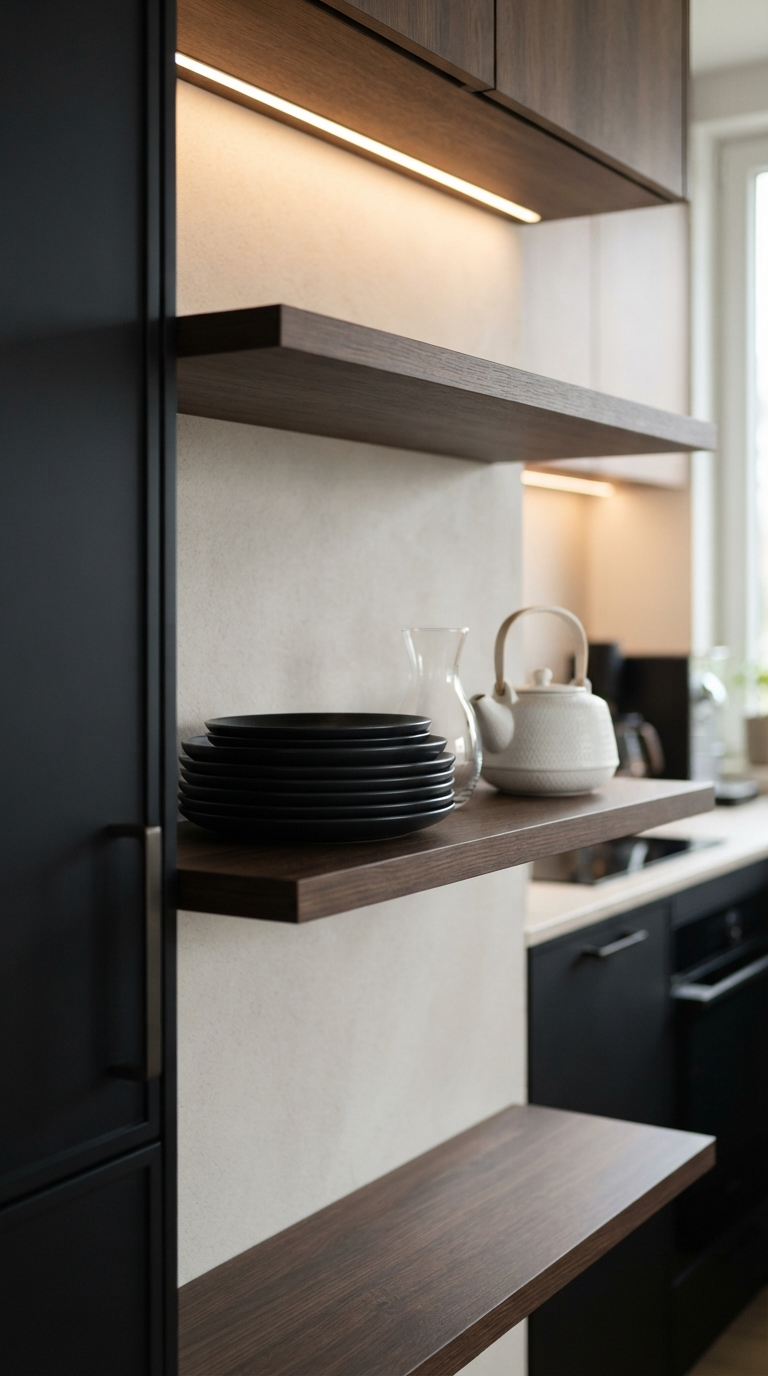
To prevent a black kitchen from feeling sterile, you must incorporate texture. Natural wood elements are your best friend here. Introduce wood via exposed shelving, bar stools, cutting boards, or even a section of wood countertop on the island. Warm metals, such as brass hardware, copper pots, or a bronze faucet, contrast beautifully with dark tones.
Textile touches like a patterned runner rug or linen window treatments also help. The combination of black cabinetry, warm wood, and brushed metals is key to achieving a balanced, inviting space, ensuring the design feels sophisticated and comfortable for daily living.
5. Floor Choice: Grounding the Moody Space
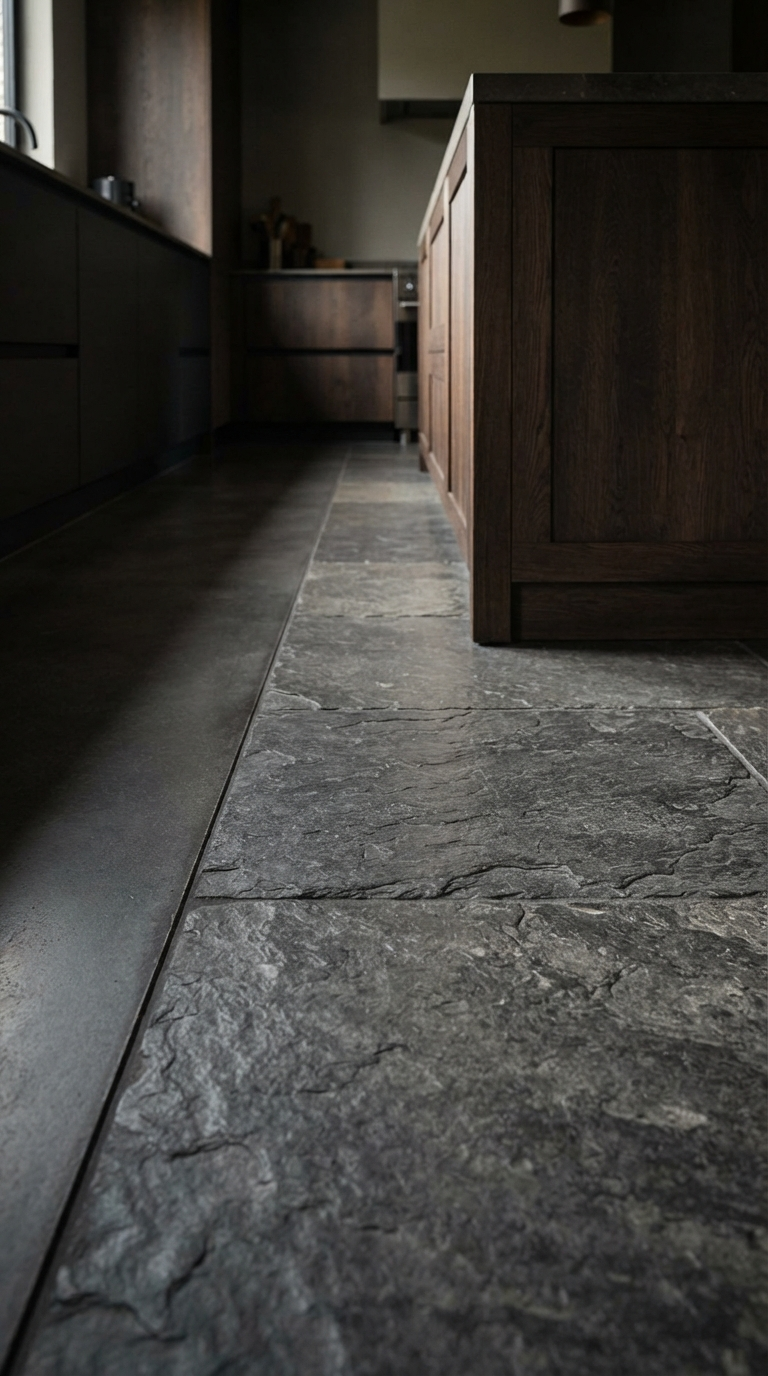
Flooring plays a crucial role in anchoring the design. To enhance the drama, you can opt for dark charcoal tiles or deep concrete floors. However, a popular way to ground and warm up the space is with light-to-medium wood flooring. A herringbone pattern adds a classic touch.
If you prefer tile, consider large-format limestone or slate for a texture-rich foundation. The contrast between dark cabinets and a warmer floor ensures the room feels anchored without becoming overwhelmingly heavy, maintaining the desired premium aesthetic throughout.
6. The Finishing Touches: Styling and Decor
The last step in mastering the moody look is curating your decor. Dark kitchens benefit from pops of life. Incorporate fresh greenery or herbs in ceramic pots. Use textured ceramics in neutral or earthy tones on open shelves. Display beautiful cutting boards or a minimalist kettle.
Avoid clutter, as clutter becomes very visually obvious against a dark background. Instead, focus on a few intentional, high-quality pieces that enhance the editorial feel. The goal is to make the space feel lived-in yet curated, reflecting your personal style while maintaining the sophisticated atmosphere you’ve created.
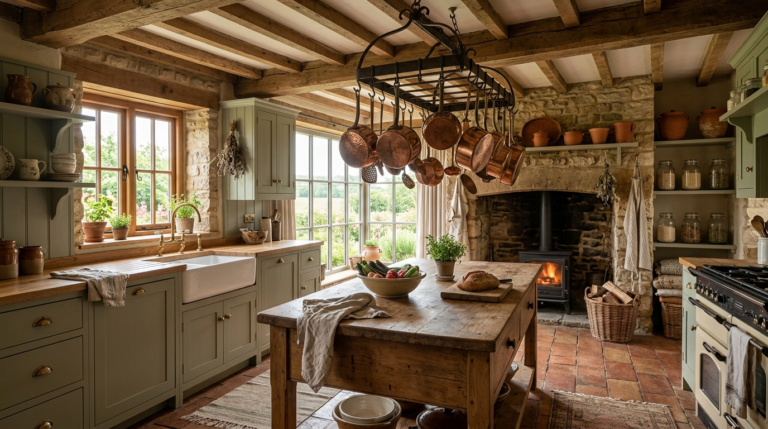
Discover 15 cozy elements to create a timeless rustic kitchen. From reclaimed wood beams to copper accents, learn how to design a traditional cooking space.
Explore these absolutely gorgeous rustic and traditional kitchen ideas. From exposed wood beams to farmhouse sinks, bring timeless warmth to your home.
Are you struggling with a dysfunctional cooking space? Learn the most common kitchen layout mistakes and practical solutions to maximize your dining area.
Are you making these common small kitchen decor mistakes? Learn how to maximize your layout, optimize storage, and create a beautiful, highly functional space.
Transform your cooking space with these cutting-edge modern kitchen ideas. From minimalist cabinetry to smart appliances, discover how to blend style and function.
Is your kitchen feeling cramped or inefficient? Discover the most common layout mistakes and learn how to fix them for a functional and beautiful space.