Welcome to our comprehensive guide on transforming your kitchen and dining area into the ultimate cozy farmhouse retreat. The farmhouse style has endured because it balances practicality with an undeniable warmth and welcoming atmosphere. It’s about creating a space where family and friends want to gather, a place that feels lived-in and loved. In this long-form guide, we will walk you through every step of the process, from choosing materials to styling the finishing touches, ensuring you have all the knowledge needed to create a space that is both functional and full of character.

Step 1: Define Your Modern Farmhouse Aesthetic
Before you lift a hammer or buy a paintbrush, it’s crucial to understand what the farmhouse style means to you. Traditional farmhouse is rooted in practicality, with rustic elements and antique furniture. Modern farmhouse, on the other hand, blends these rustic elements with cleaner lines and updated amenities. Deciding where you fall on this spectrum will guide all your subsequent decisions. Start by gathering inspiration. Look for consistent themes in images that appeal to you. Are you drawn to shiplap and aged wood, or do you prefer white subway tile and sleeker fixtures? This step is about laying the creative groundwork for your project, ensuring a cohesive look throughout your kitchen and dining space.
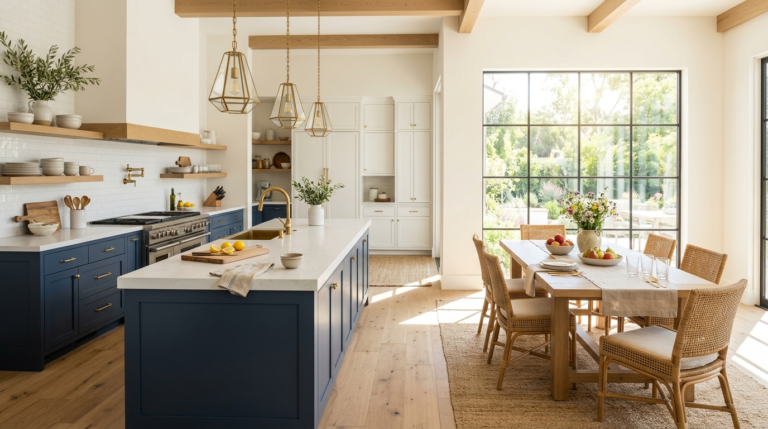
Consider the color palette. Farmhouse style typically leans on neutral, calming colors. White, cream, beige, and light grays form the foundation, allowing the natural textures of wood and metal to stand out. You can introduce pops of color through accessories, such as navy blue cabinets or pastel vintage inspired appliances, but the overall feeling should remain light and airy. Remember, the goal is to create a space that feels calm and inviting, not overwhelming.

Step 2: Choose Authentic Materials and Finishes
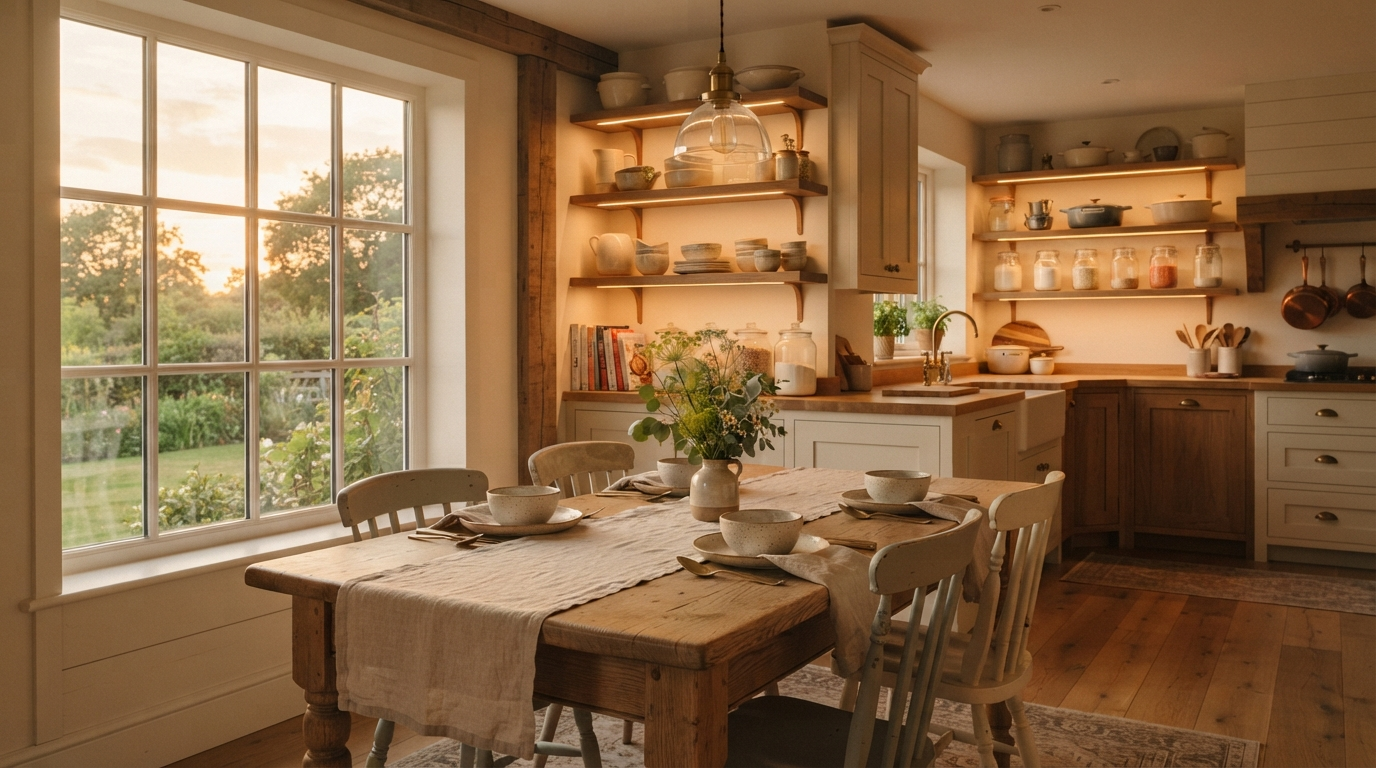
The soul of the farmhouse kitchen lies in its materials. To achieve an authentic look, you need to incorporate elements that feel natural and time-worn. Wood is essential. Think about exposed ceiling beams, wide-plank hardwood floors, or a reclaimed wood kitchen island. If your budget doesn’t allow for structural changes, you can introduce wood through open shelving, butcher block countertops, or a classic farm table. The key is to avoid overly polished finishes; imperfections are what give farmhouse design its charm.
Metals play a significant role too. Move away from shiny chrome and opt for warmer, more rustic finishes like oil-rubbed bronze, brushed nickel, or matte black for faucet fixtures, cabinet hardware, and lighting. Copper is another excellent choice for range hoods or lighting fixtures, as it develops a beautiful patina over time. For the backsplash, classic white subway tile with a slightly darker grout is a staple. Alternatively, pattern-less ceramic tiles with a handmade, slightly irregular finish add texture and character.

Step 3: Master Farmhouse Lighting Design
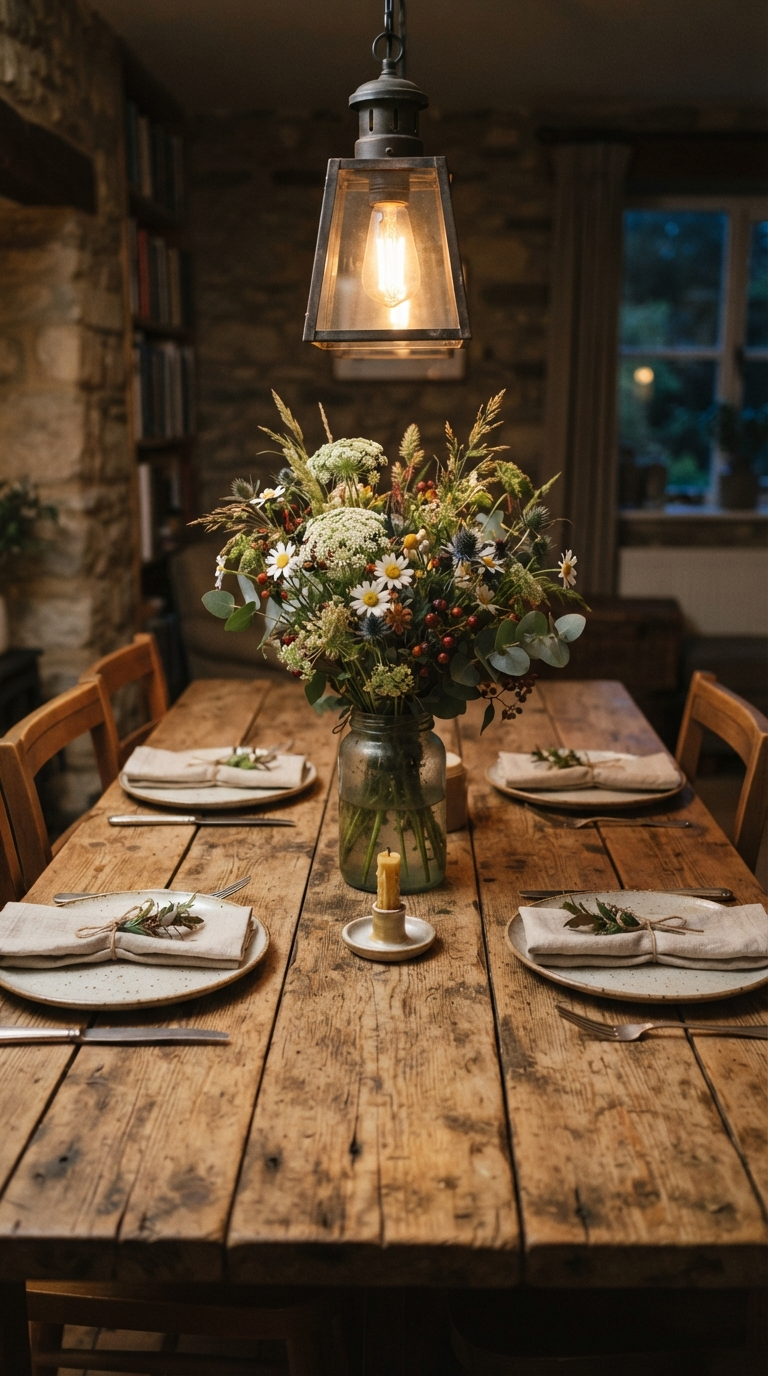
Lighting is paramount in creating a cozy atmosphere. In a farmhouse kitchen and dining space, lighting serves both functional and decorative purposes. Start with ambient lighting. Large windows that let in plenty of natural light are ideal. For fixtures, consider large, statement pieces over the kitchen island or dining table. Lantern-style pendants, chandeliers with faux candles, or industrial barn-style lights are all characteristic of the farmhouse look. These should be on dimmer switches to adjust the mood, especially in the dining area.
Under-cabinet lighting is essential for task work, ensuring your counters are well-lit for meal preparation. Consider wall sconces above the kitchen sink or flanking a large hutch to add layers of warmth. The goal is to avoid harsh, overhead lighting in favor of multiple light sources that create a soft, inviting glow throughout the room. The selection of bulbs also matters; opt for warmer temperatures (2700K-3000K) to enhance the coziness.
Step 4: Incorporate Functional and Open Storage
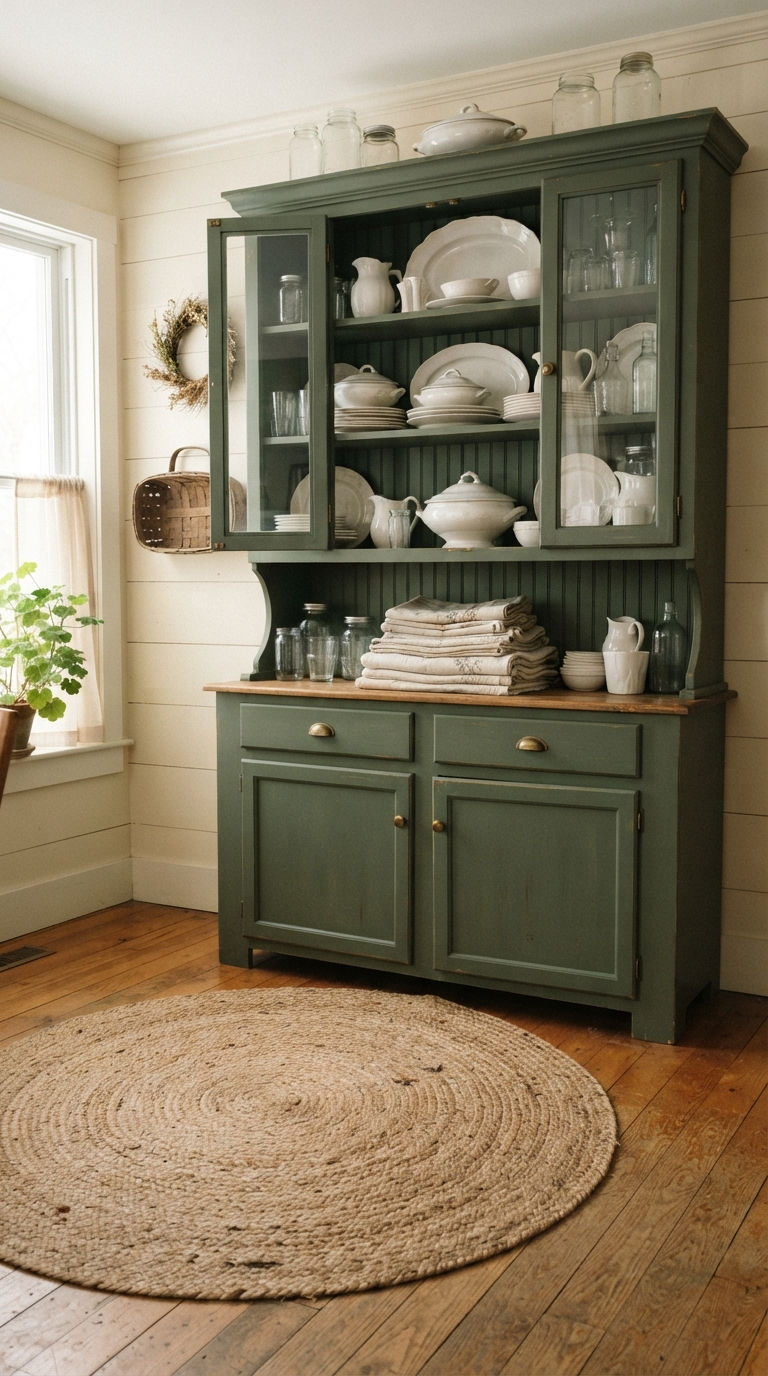
Farmhouse kitchens are inherently practical, and your storage should reflect that. Open shelving is a hallmark of this style, particularly when used to display everyday dishes, pottery, or glass jars filled with dry goods. It makes the space feel more open and accessible, though it does require tidy organization. If you prefer closed storage, opt for shaker-style cabinets with a simple, timeless design. Consider painted cabinets in a soft white or a muted color to add personality.
Don’t forget the farmhouse sink, often called an apron-front sink. This is a must-have element. It’s not only stylish but incredibly functional for washing large pots and pans. Integrate storage solutions that keep clutter at bay while adding to the aesthetic. Wicker baskets can hold root vegetables, a hanging pot rack can display copper cookware, and antique hutches are perfect for storing linens and serving platters. Every storage element should feel intentional and cohesive.
Step 5: Select the Perfect Farmhouse Dining Table
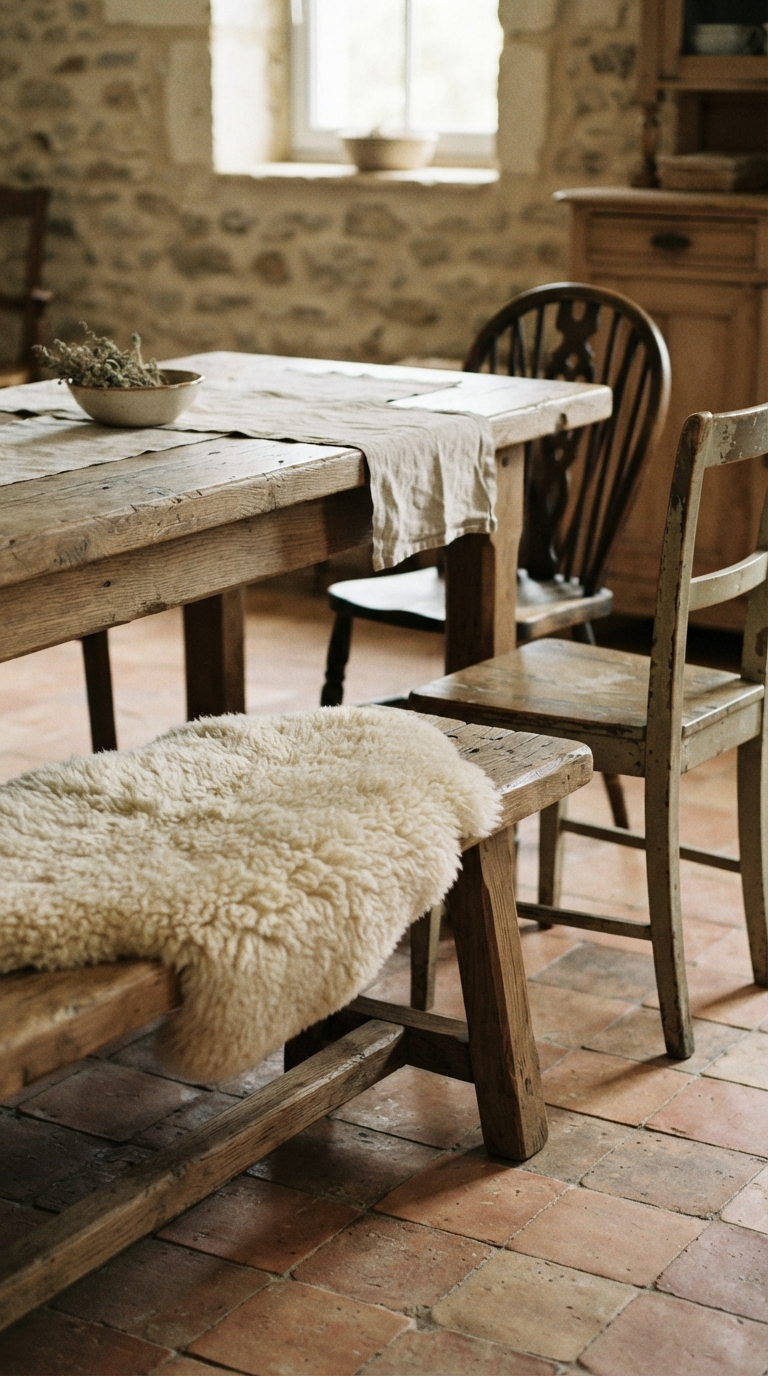
The dining table is the heart of the farmhouse dining room, where everyone gathers. Size and shape are important, of course, but the key to a farmhouse table is its character. It should be sturdy, made of wood, and feel like it has a history. Consider a large, rectangular table with a reclaimed wood top or a classic farmhouse style with chunky, turned legs. For a unique touch, look for a vintage table with imperfections like scratches or minor dents; these tell a story and add depth to the room.
When it comes to seating, you don’t need a perfectly matched set. In fact, mixing and matching adds to the casual, cozy vibe. You could have traditional spindle-back chairs on one side and a long, simple wooden bench on the other. Benches are particularly useful for accommodating more people and can be tucked under the table when not in use. Comfortable end chairs, perhaps upholstered in a simple linen fabric, can ground the ends of the table and make dinner conversations more inviting.
Step 6: Add Personal Touches and Cozy Details
The final step is to personalize the space and add the details that make it feel complete and truly cozy. In the kitchen, display fresh produce in simple ceramic bowls, hang beautiful, patterned tea towels, and show off your favourite cookbook on a simple stand. Bring in greenery with potted herbs like rosemary, thyme, and basil, which are both decorative and functional. A simple braided jute rug can add texture and define the space.
In the dining area, use textiles to soften the look. A simple runner across the table, soft linen napkins, or even sheepskin throws over benches can make the space incredibly inviting. When setting the table, think layers. Simple ceramic dishes, perhaps with a slight variation in glaze, paired with rustic cutlery and clear glassware create a relaxed yet elegant setting. Above all, let the space evolve naturally. The most authentic farmhouse spaces are those that feel collected over time, filled with pieces that are both useful and beautiful.