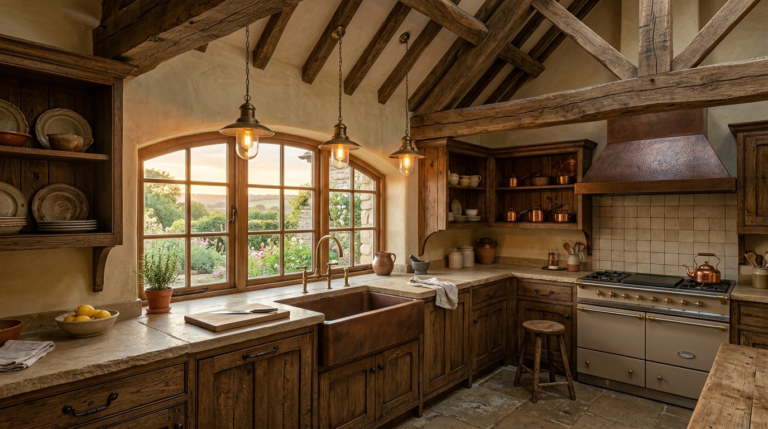
For decades, the standard for kitchen design has been bright, white, and airy. However, a dramatic shift is occurring in the world of interior design. Homeowners and designers alike are embracing the sophisticated allure of the dark side. Black and dark kitchens are no longer considered risky; they are a bold statement of elegance, depth, and modernity. This narrative approach to kitchen design explores how to successfully execute a moody masterpiece, balancing drama with functionality.
The concept of a dark kitchen goes beyond just painting cabinets black. It involves a curated selection of textures, materials, and lighting that work together to create a space that feels enveloping, luxurious, and surprisingly warm. If you are ready to move away from the starkness of all-white spaces and embrace a richer palette, you are in the right place. Let us journey through the essential elements of creating a stunning dark culinary haven.
The Philosophy of Shadows: Why Dark Kitchens Work
Designing with dark colors, particularly in the kitchen, requires a different mindset. Instead of reflecting light to make a space feel larger, dark surfaces absorb light, drawing the eye in and emphasizing shape, form, and texture. This creates an innate sense of sophistication and intimacy. A dark kitchen feels cozy during early morning coffees and incredibly dramatic during evening dinner preparations.
Psychologically, dark hues like charcoal, deep navy, forest green, and true black promote a sense of calm and stability. In an open-plan home, a dark kitchen can act as a sophisticated anchor, grounding the visual landscape of the living area. The key to preventing the space from feeling cave-like is balance—balancing the dark cabinetry with lighter elements, reflective surfaces, and, most importantly, strategic lighting.
Matte vs. Gloss: Selecting Your Finish
One of the first decisions in designing a dark kitchen is the finish of your cabinetry. This choice profoundly impacts the final look and feel of the space.
Matte Black: This is currently the most popular choice for modern dark kitchens. A matte finish absorbs light, creating a smooth, velvety appearance. It is understated, contemporary, and incredibly sleek. Matte surfaces are excellent at hiding smudges and fingerprints compared to high-gloss, making them a practical choice for a high-traffic area. Matte black cabinets pair beautifully with natural wood accents and metallic hardware, creating a tactile contrast.
High-Gloss Black: For a dramatic, ultra-modern, or glamour-infused kitchen, high-gloss is the way to go. Glossy surfaces reflect light, which can actually help a dark kitchen feel brighter. However, the reflections can sometimes distort the perception of space. High-gloss finishes require more maintenance, as they show fingerprints, dust, and scratches more readily. When used correctly, they offer a mirror-like depth that is undeniably luxurious.
The Importance of Texture and Materiality
When you restrict the color palette, texture becomes the star of the show. A flat, monochromatic black kitchen can look one-dimensional. To introduce depth and interest, you must layer different materials and textures.
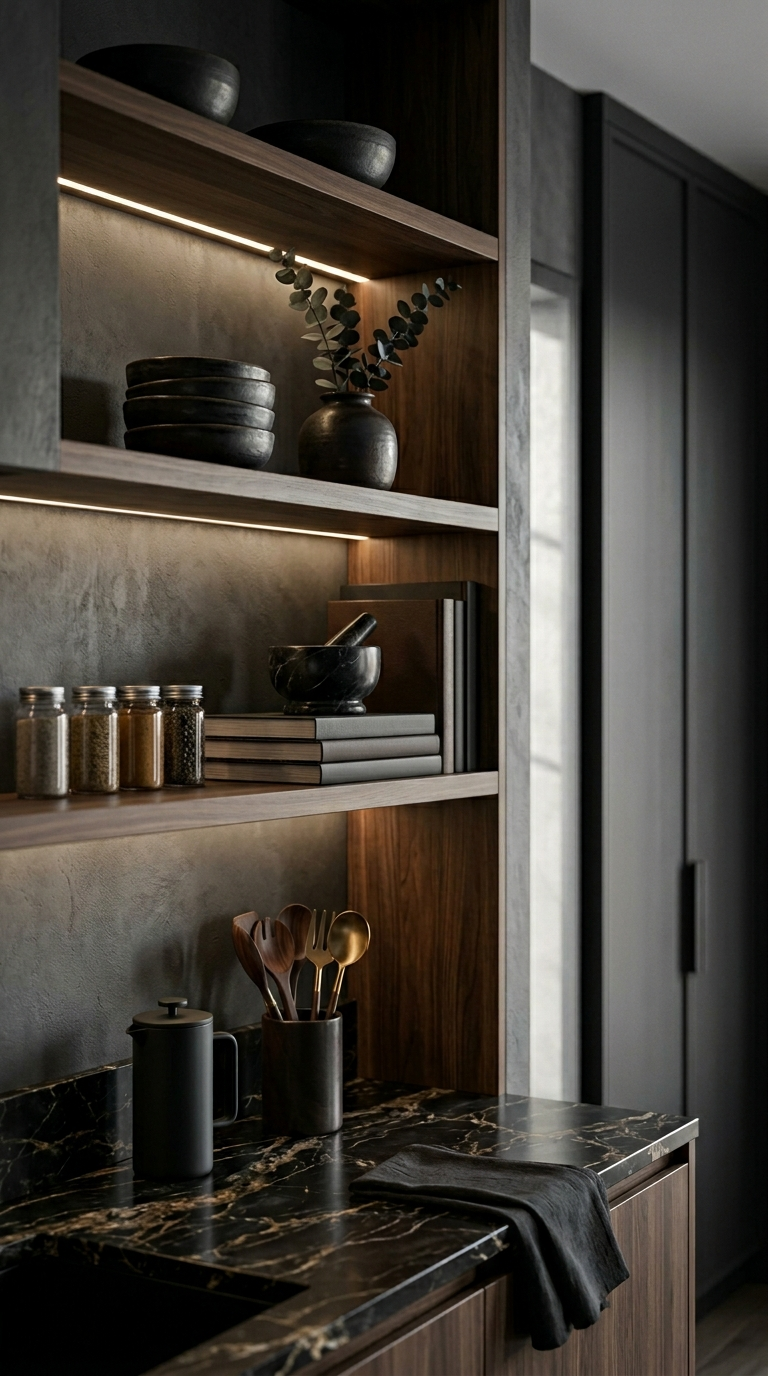
Consider dark-stained wood cabinetry instead of solid paint. This allows the natural grain of the wood to show through, adding organic warmth and variation to the dark surface. For a more industrial or contemporary feel, look at materials like dark concrete, brushed metals, or textured laminates that mimic stone.
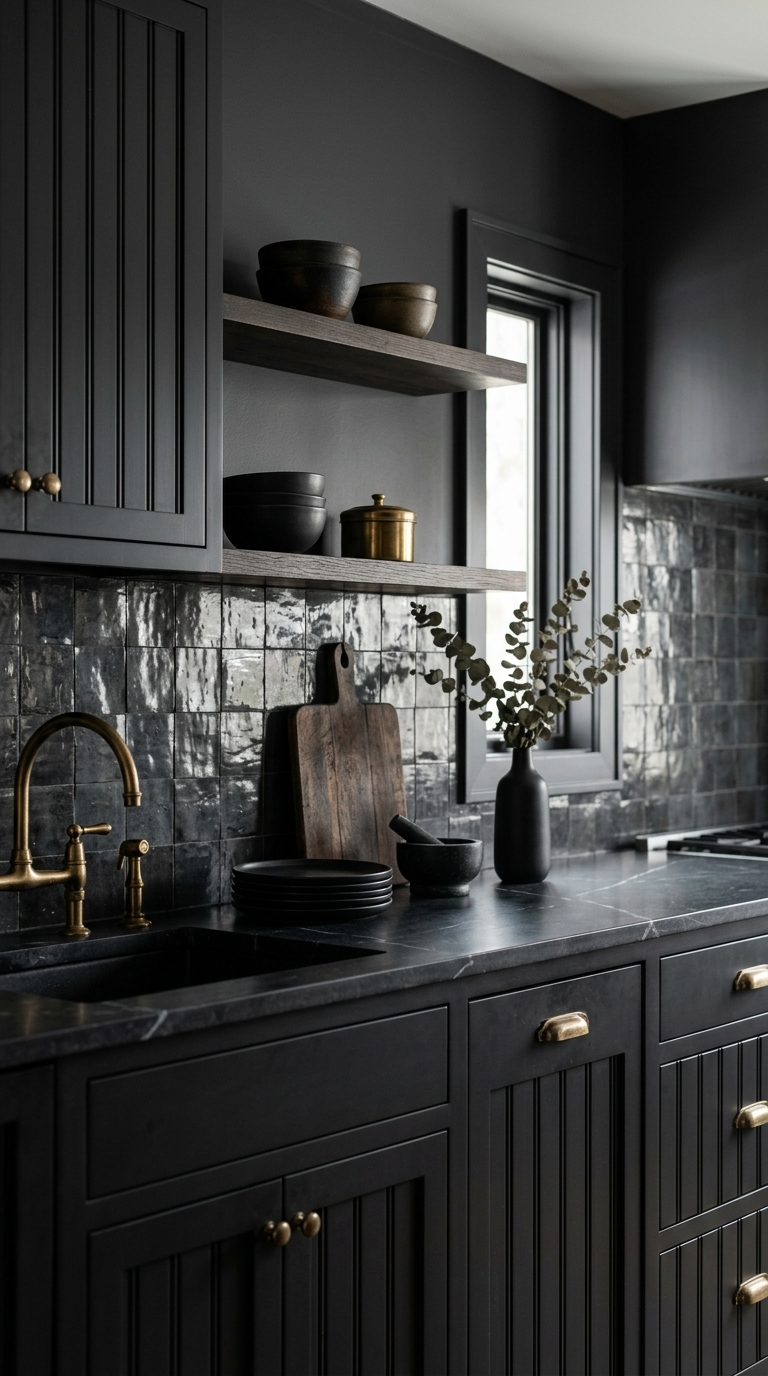
The backsplash is another critical area for introducing texture. A dark herringbone pattern tile, a slab of heavily veined marble, or even dark mirrored tiles can reflect light in interesting ways and provide a visual break from the cabinetry. The goal is to create a tactile environment where the surfaces invite you to touch them.
Countertops: Contrast or Cohesion?
The countertops offer a major opportunity to define the style of your dark kitchen. There are two main approaches: contrast or cohesion.
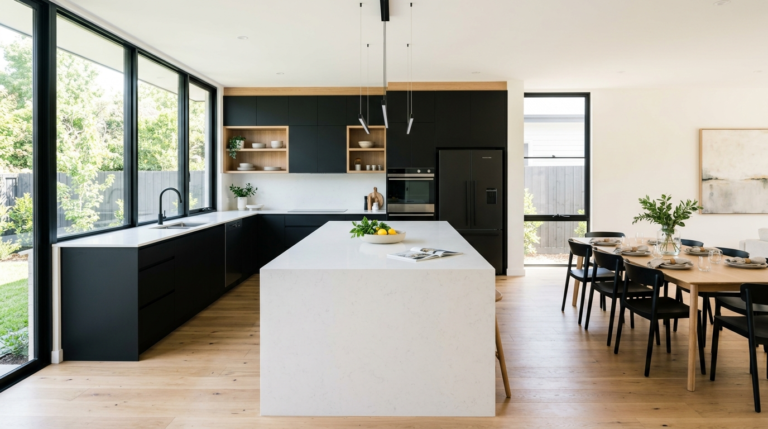
Creating Contrast with Light Countertops: Pairing dark cabinets with bright countertops is a classic way to ensure the kitchen doesn’t feel too heavy. White Carrara or Calacatta marble (or high-quality quartz alternatives) with prominent gray or gold veining looks stunning against matte black bases. This creates a crisp, clean look that bounces natural light around the room. Light butcher block or pale concrete can also offer a warm, textural contrast.
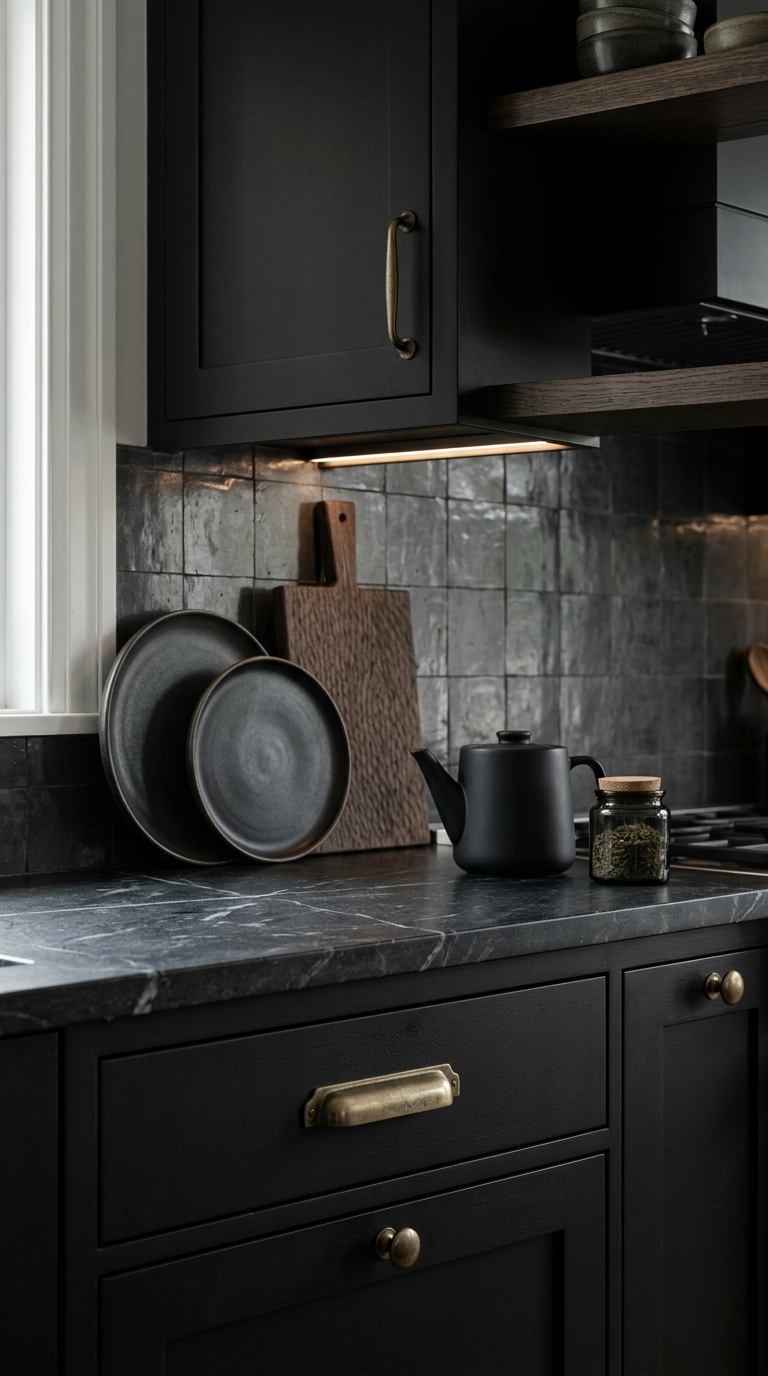
Achieving Cohesion with Dark Countertops: For the ultimate moody experience, opt for dark countertops. This creates a monolithic, seamless look that is incredibly sophisticated. Soapstone with its natural white veining, dark gray quartz, or black granite in a honed or leathered finish are excellent choices. A leathered finish granite adds a subtle texture that catches the light beautifully without being overly glossy.
Lighting: The Secret Ingredient
Lighting is paramount in any kitchen, but in a dark kitchen, it is absolutely non-negotiable. Without a detailed lighting plan, a dark kitchen will fail. You cannot rely solely on overhead ambient light; you must layer your lighting.
Task Lighting: Essential for functionality. Bright LEDs must be installed under upper cabinets to illuminate the countertops for food preparation. If you have open shelving, integrate LED strip lighting to showcase your dishes and break up the darkness.
Ambient Lighting: Recessed ceiling lights provide general illumination. Ensure they are on dimmer switches so you can control the mood. In a dark kitchen, you may need more recessed lights than in a white kitchen to achieve the same perceived brightness.
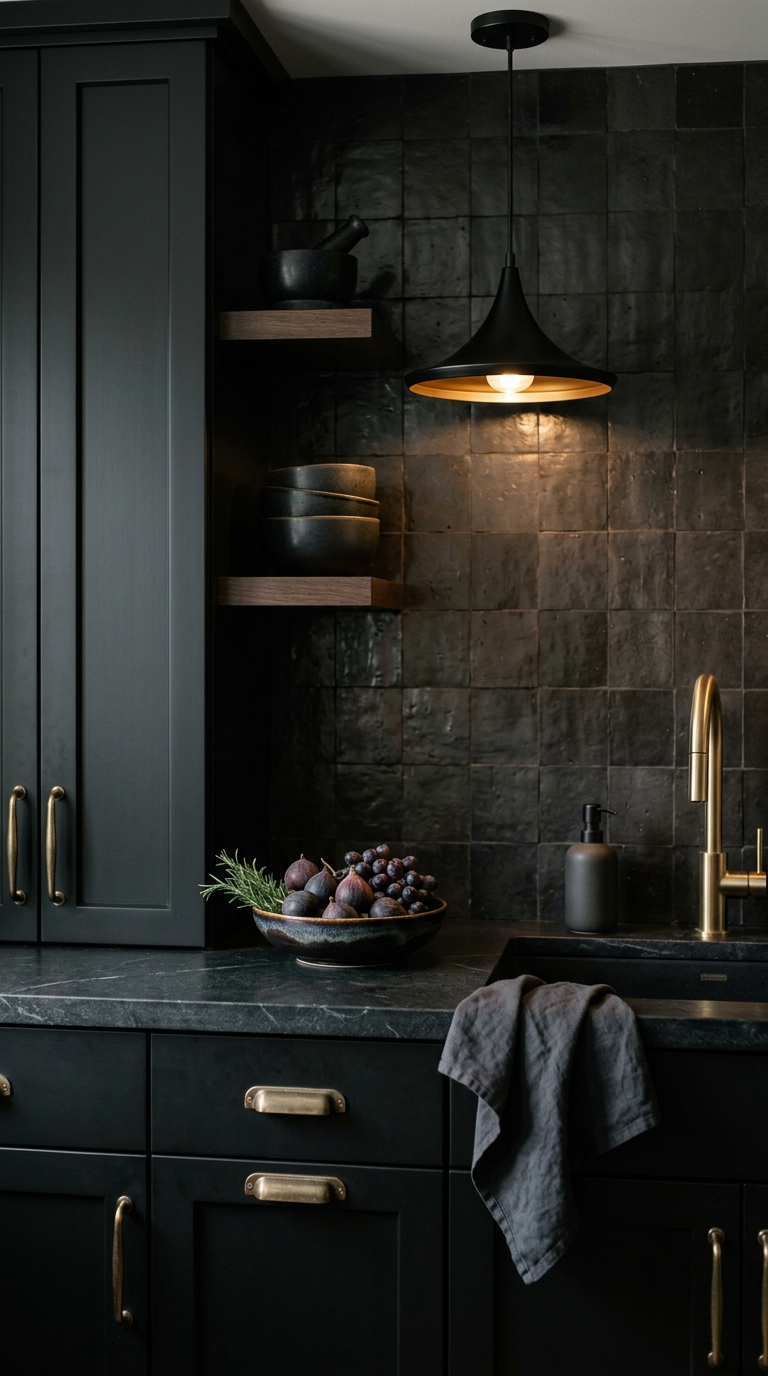
Accent and Feature Lighting: This is where you bring the drama. Statement pendant lights over a dark island act like jewelry for the room. Opt for fixtures with metallic interiors (like brass or copper) that emit a warm, golden glow, contrasting beautifully with the cool dark surroundings. Consider toe-kick lighting at the base of the cabinets to create a floating effect and add a subtle layer of light near the floor.
Hardware and Metal Accents: The Jewelry of the Kitchen
In a dark kitchen, the hardware is not just functional; it is a critical design element that pops against the dark backdrop. The choice of metal finish will dictate the overall vibe.
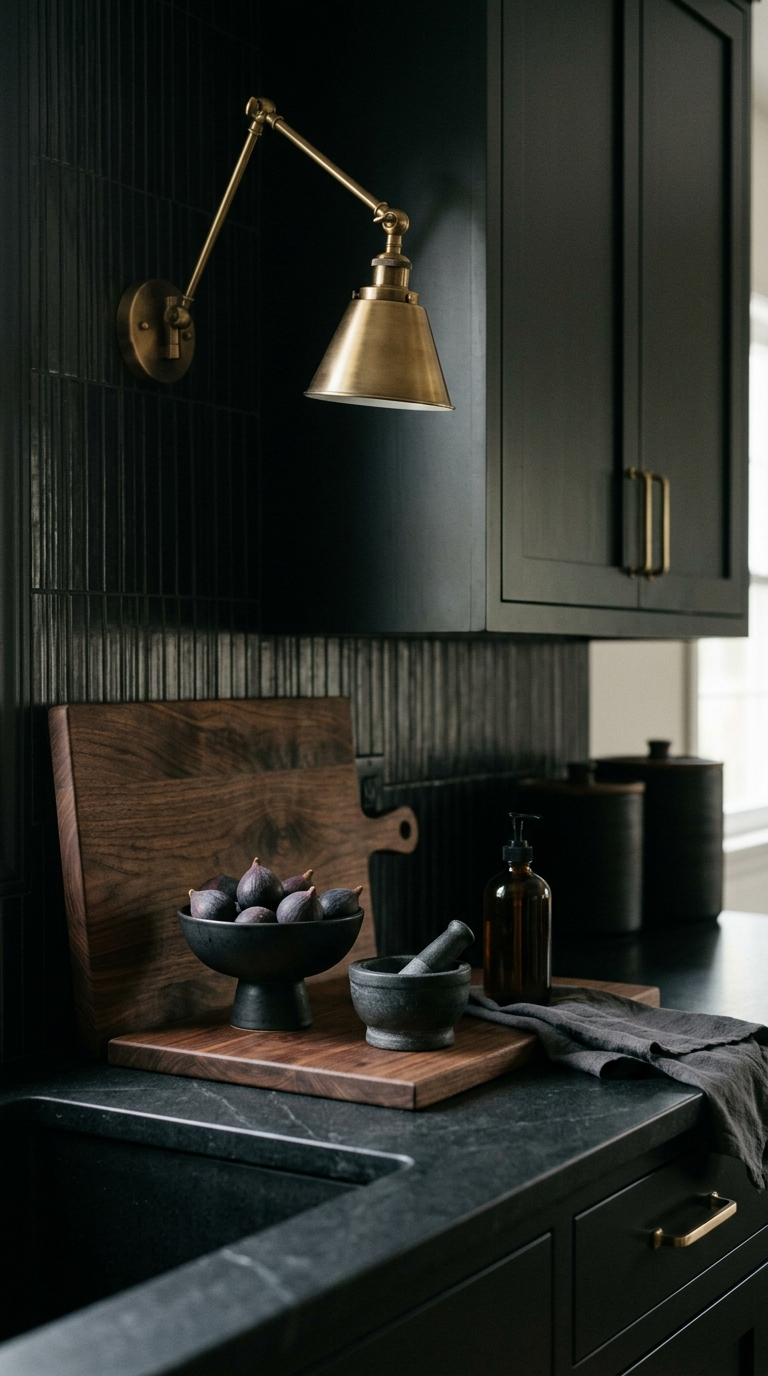
Brass and Gold: The pairing of black and gold is the epitome of luxury and warmth. Satin or antique brass handles, knobs, and faucets look sensational against matte black or dark green cabinets, adding a touch of glamour and historical elegance.
Copper: For a rustic, industrial, or slightly bohemian touch, copper hardware is fantastic. It adds a unique warmth and develops a beautiful patina over time.
Silver, Chrome, and Stainless Steel: If you prefer a cooler, more minimalist, or industrial aesthetic, silver-toned hardware works well. It offers a sharp, clean contrast that is modern and sleek.
Matte Black Hardware: For a ultra-minimalist, ‘murdered-out’ look, use black hardware on black cabinets. This emphasizes the form of the cabinetry and relies entirely on texture for definition. This look requires incredible attention to detail to ensure it doesn’t look flat.
Color Palettes: Exploring Beyond True Black
While black is the defining color of this trend, the “dark kitchen” umbrella encompasses several other incredibly rich and moody hues.
Deep Navy and Midnight Blue: Dark blue kitchens offer a sophisticated and slightly more traditional alternative to black. Navy is a regal color that pairs beautifully with marble countertops and brass hardware, creating a space that feels both dramatic and comforting.
Forest Green and Charcoal Green: Inspired by nature, deep greens are having a major moment in interior design. A forest green kitchen feels organic, moody, and incredibly earthy. It pairs naturally with wood accents and gold hardware.
Charcoal and Deep Gray: If true black feels intimidating, charcoal gray is a safe and equally stunning midpoint. It offers the same dramatic depth but is slightly softer and easier to coordinate with other elements.
Integrating Appliances
Appliances can either break up the continuity of a dark kitchen or enhance it. In a moody design, traditional shiny stainless steel appliances can sometimes look jarringly bright.
The best approach for a seamless dark kitchen is integrated appliances. This involves cladding the refrigerator and dishwasher in custom cabinet panels so they completely disappear into the wall of dark cabinetry. This maintains the clean lines and moody aesthetic.
If integration is not possible, consider black stainless steel or true black appliances. Many manufacturers now offer sleek matte black finishes for ovens, ranges, and refrigerators that blend perfectly with a dark design. Alternatively, high-end colorful ranges (like La Cornue or AGA in deep burgundy or black) can become a dramatic focal point.
Softening the Drama: Natural Elements
To ensure a dark kitchen feels inviting and not harsh, it is essential to incorporate natural, organic elements. Plants are a dark kitchen’s best friend. The vibrant green of foliage provides a stunning natural contrast to dark cabinets, bringing life and freshness to the space.
Use natural wood for flooring, open shelves, islands, or even just cutting boards displayed on the counter. The warmth of wood balances the coolness of dark paint. Introduce other organic materials like woven rattan or linen bar stools, ceramic dishes, and natural stone to add layers of texture and comfort.
Maintaining a Dark Kitchen
One common concern is the maintenance of dark surfaces. While matte black hides fingerprints better than gloss, all dark surfaces still require regular cleaning. Dust and water spots can show up prominently on dark countertops and cabinets.
Invest in quality microfiber cloths and cleaners specifically designed for your cabinet and countertop materials. In a kitchen, dynamic activity means splatters are inevitable. Choosing durable, easy-to-clean finishes (like high-quality laminates, matte lacquer, or quartz) will make long-term maintenance much easier. It’s a small trade-off for such a stunning result.
Conclusion: Embracing the Dark Side
A black or dark kitchen is a brave and rewarding design choice. It is a space that moves away from conventional bright-and-white standards to offer something deeply personal, sophisticated, and dramatic. By carefully balancing the darkness with layered lighting, rich textures, warm natural materials, and stunning hardware accents, you can create a culinary haven that is not just a room for cooking, but a moody masterpiece and the true heart of your home. If you have been contemplating a dark kitchen, let this be your inspiration to embrace the shadows and create a space with undeniable depth and elegance.
Avoid costly design errors in your small kitchen. Uncover 14 practical layout mistakes, storage fixes, and lighting tricks that instantly open up tight spaces.
Transform your cooking space with these cutting-edge modern kitchen ideas. From minimalist cabinetry to smart appliances, discover how to blend style and function.
Discover 15 cozy elements to create a timeless rustic kitchen. From reclaimed wood beams to copper accents, learn how to design a traditional cooking space.
Discover the ultimate guide to creating a warm, inviting rustic and traditional kitchen. Explore timeless materials, cozy decor, and elegant design secrets.
Are you making these small kitchen mistakes? Learn how to avoid layout traps, poor lighting, and wasted vertical space with smart editorial design tips.
Explore the enduring beauty of rustic and traditional kitchens. From reclaimed wood beams to vintage accents, learn how to craft a warm, welcoming space.