The era of stark white culinary spaces is steadily giving way to a much more sophisticated, dramatic aesthetic. Dark kitchens have emerged not merely as a fleeting design phase, but as a dominant force in high-end interior architecture. Embracing deep charcoals, midnight blues, rich emerald greens, and matte blacks can completely transform a mundane cooking area into an extraordinary realm of luxury and refined taste. In this comprehensive trend forecast, we will explore the pivotal design movements shaping the future of dark, moody culinary spaces. From innovative material selections to brilliant lighting strategies that prevent a room from feeling cavernous, this guide will provide you with everything you need to execute a flawless, premium aesthetic.When executed correctly, dark hues create an incredible depth and intimacy that lighter palettes simply cannot achieve. They serve as the perfect dramatic backdrop for metallic accents, natural wood grains, and architectural features. As we delve into the top trends of the year, we will uncover how designers are balancing these intense colors with texture, light, and proportion to create spaces that are both immensely functional and visually breathtaking. Prepare to redefine your understanding of home elegance.
Trend 1: The Dominance of Matte Black FinishesGlossy finishes are stepping aside to make way for the understated elegance of matte surfaces. Matte black cabinetry is perhaps the most significant trend we are seeing in luxury homes this year. Unlike high-gloss surfaces that reflect light and can sometimes appear sterile or overly modern, matte finishes absorb light. This absorption creates a velvety, soft appearance that feels incredibly tactile and inviting. It grounds the room, providing a solid, heavy anchor that exudes sophistication.Furthermore, matte finishes are highly practical. They are remarkably adept at hiding smudges, fingerprints, and minor scratches, making them ideal for high-traffic environments. Designers are pairing matte black cabinets with contrasting textures to bring the space to life. Imagine running your hand over a smooth, matte drawer front, only to be met with the cold, textured grip of a knurled brass handle. This sensory contrast is the hallmark of premium design. We are seeing these finishes applied not just to cabinetry, but to appliances, fixtures, and even hardware, creating a seamless, monolithic look that is utterly captivating.
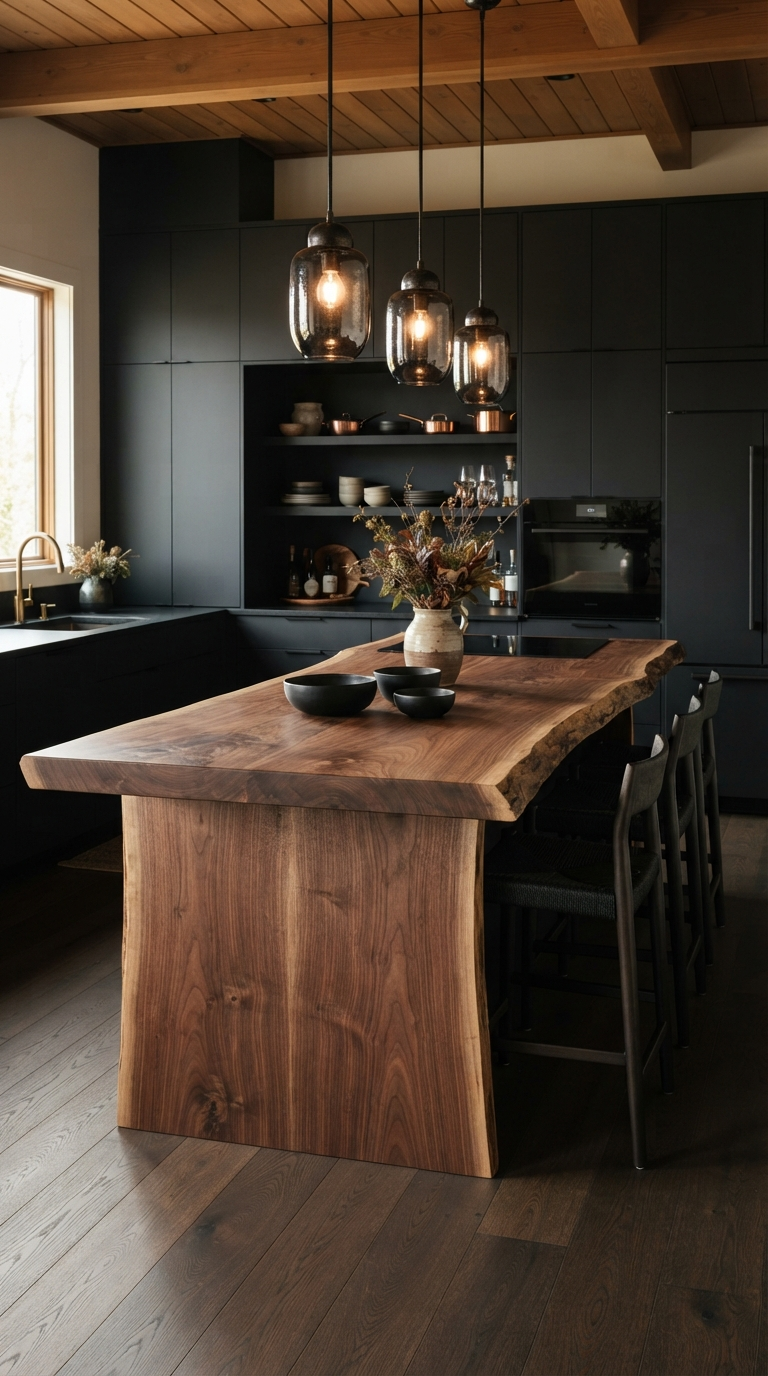
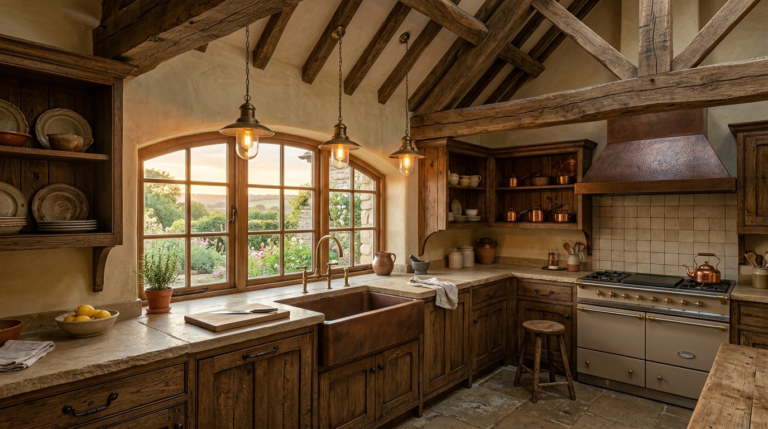
Trend 2: Warm Woods to Soften the DramaOne of the primary concerns when designing a dark space is the risk of it feeling cold, uninviting, or overly industrial. To counteract this, designers are heavily incorporating warm, natural woods into dark palettes. This juxtaposition of the organic and the dramatic is a crucial trend for the upcoming year. Walnut, rich mahogany, and stained oak are being used for kitchen islands, open shelving, and even ceiling treatments to inject warmth and life into black or deep charcoal spaces.The grain of the wood provides a necessary visual texture that breaks up solid blocks of dark color. For instance, a solid black wall of cabinetry paired with a massive, live-edge walnut island creates a stunning focal point that feels both modern and deeply rooted in nature. This trend also extends to flooring; wide-plank hardwood floors in warm tones can entirely shift the mood of a dark room, making it feel cozy and grounded rather than stark. The interplay between the deep, moody cabinets and the rich, glowing wood tones is a timeless combination that guarantees a luxurious feel.
Trend 3: Dramatic Stone with Bold VeiningCountertops and backsplashes are where dark spaces truly get to shine, and the trend this year is all about high-contrast, dramatic stone. While subtle, uniform quartz has its place, luxury designs are embracing heavily veined marbles, granites, and quartzites. Black marble with striking white or gold veining, such as Nero Marquina or Black Tempest, serves as a piece of natural art within the room.These bold stones are not just being used for horizontal surfaces; they are being taken up the walls as full-height backsplashes, creating a continuous, breathtaking visual flow. The organic, unpredictable patterns in the stone provide a beautiful contrast to the rigid, geometric lines of the cabinetry. When a deeply saturated, dark stone is used, it adds layers of complexity and richness that elevate the entire design. It is a bold statement that says the space is not just for cooking, but a centerpiece of the home’s architectural narrative.
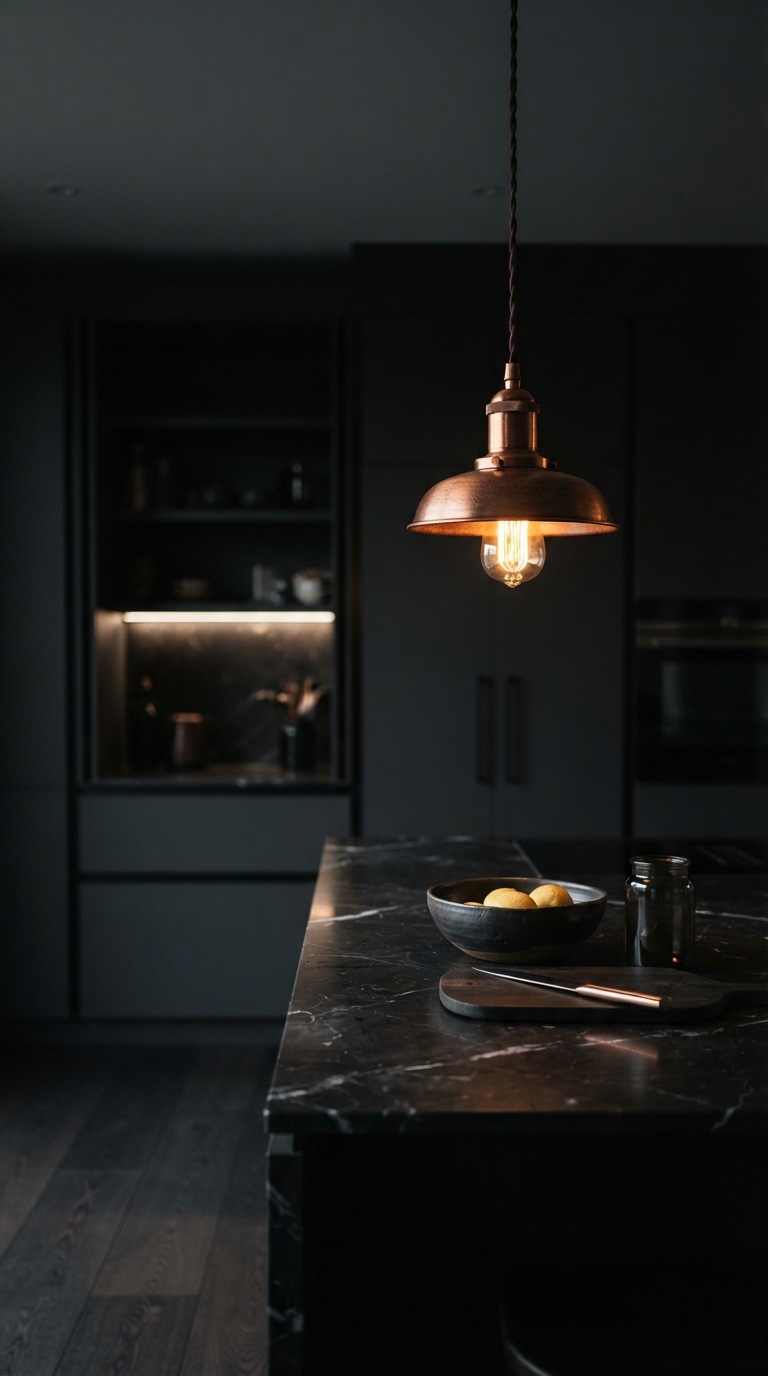
Trend 4: Strategic and Layered IlluminationLighting is arguably the most critical element in a dark design scheme. Without proper illumination, a moody space simply becomes dark and unusable. The trend now is moving away from purely functional, recessed lighting toward highly strategic, layered lighting plans that act as jewelry for the room. Ambient, task, and accent lighting must work in perfect harmony to highlight textures and provide necessary brightness where it is needed most.We are seeing an influx of oversized, dramatic pendant lights over islands—often in warm metallics like brushed brass or aged copper—to draw the eye upward and add a touch of glamour. Under-cabinet lighting is non-negotiable, not only for task work but to wash the beautiful stone backsplashes in a warm glow. Furthermore, designers are incorporating LED strip lighting inside glass-front cabinets or along the toe-kicks to give the cabinetry a floating, ethereal effect. This meticulous approach to lighting ensures that the dark elements feel intentional and luxurious, rather than gloomy.
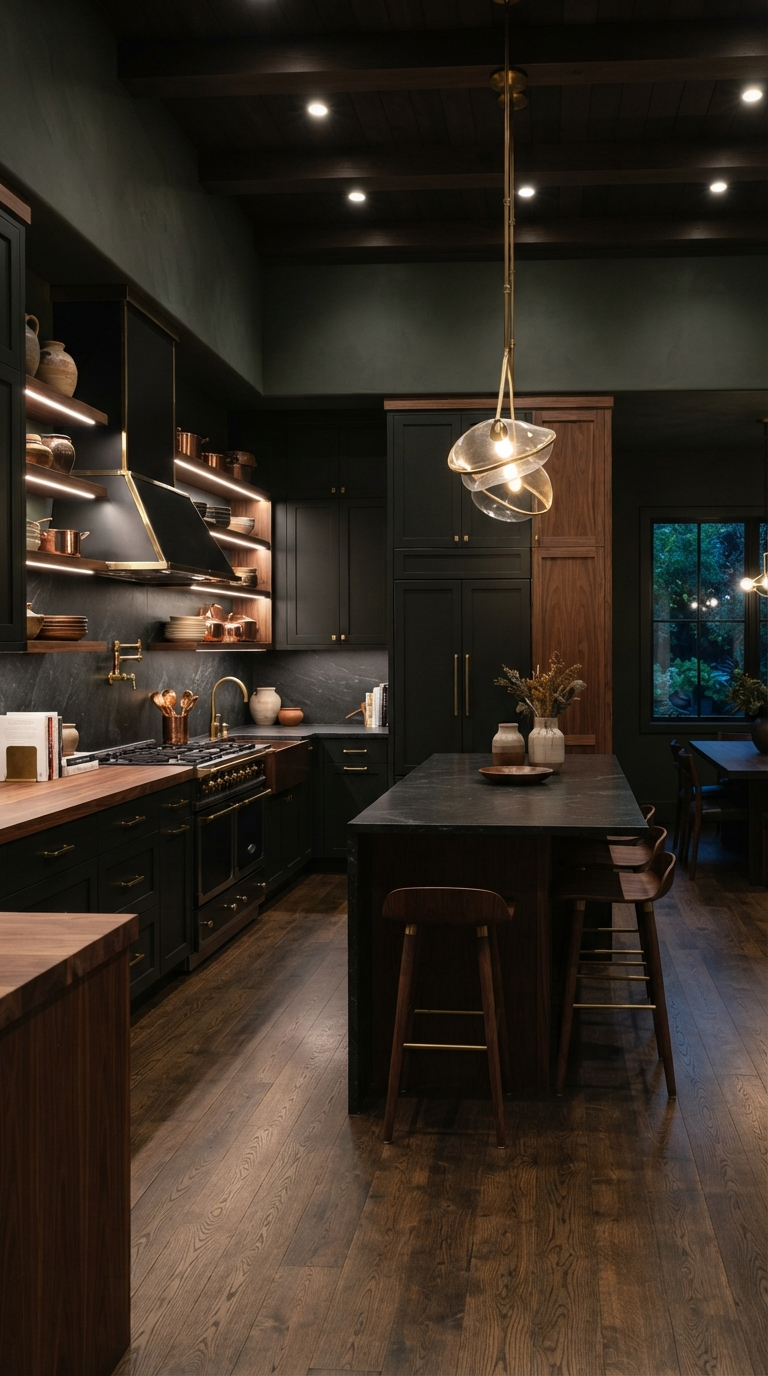
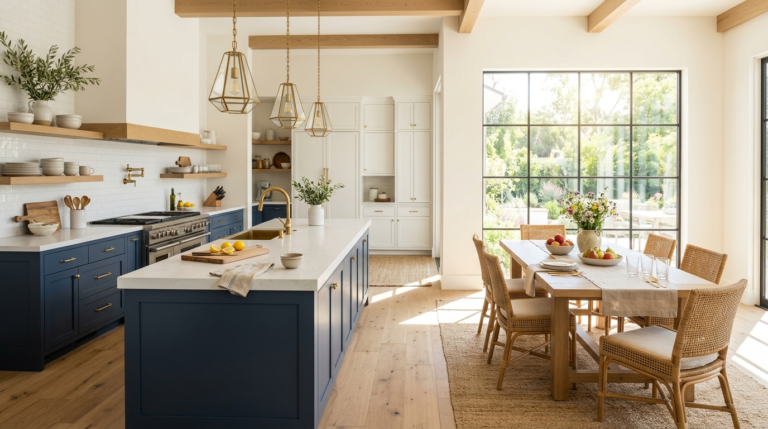
Trend 5: Moody Hues Beyond BlackWhile black is a timeless choice, the definition of a “dark” space is expanding. Deep, saturated colors are a massive trend for those who want drama with a bit more personality. Forest greens, midnight blues, and rich aubergines are taking center stage. These colors offer the same depth and sophisticated moodiness as black but bring a distinct character and warmth to the environment.A deep navy blue island paired with charcoal perimeter cabinets, for example, creates a layered, complex look that is deeply engaging. These saturated hues pair beautifully with the warm woods and bold stones mentioned earlier. They change color subtly throughout the day depending on the natural light, offering a dynamic and ever-evolving aesthetic. Choosing a saturated color over pure black can make a luxury space feel slightly more approachable and personalized, reflecting the homeowner’s unique taste while maintaining an incredibly high-end atmosphere.
Conclusion: Embracing the ShadowsDesigning a dark, moody culinary space is an exercise in balance, texture, and restraint. By embracing matte finishes, incorporating warm organic materials, selecting bold stones, and executing a flawless lighting strategy, you can create an environment that is the epitome of modern luxury. The trends of this year emphasize creating spaces that are not just visually striking, but deeply emotional and inviting. As you embark on your design journey, remember that the dark palette is a canvas waiting to be brought to life through thoughtful details and premium materials.
Discover the ultimate guide to creating a warm, inviting rustic and traditional kitchen. Explore timeless materials, cozy decor, and elegant design secrets.
Are you struggling with a dysfunctional cooking space? Learn the most common kitchen layout mistakes and practical solutions to maximize your dining area.
Learn how to perfectly design a cozy rustic traditional kitchen with our comprehensive guide. From wood cabinetry to classic farmhouse elements, master the look.
Are you making these small kitchen mistakes? Learn how to avoid layout traps, poor lighting, and wasted vertical space with smart editorial design tips.
Explore the enduring beauty of traditional rustic kitchens, featuring warm natural wood finishes, stone accents, custom cabinetry, and cozy artisanal style.