Creating a living space that feels simultaneously welcoming, functional, and aesthetically pleasing is a delicate balancing act. Even with the best intentions and a generous budget, it is incredibly easy to fall into common design traps that can make a room feel chaotic, cramped, or simply “off.” When we strive for a clean, minimalist aesthetic, these errors become even more pronounced. The philosophy of minimalism relies heavily on proportion, spatial awareness, and intentionality. When these principles are ignored, the result is less “zen sanctuary” and more “unfinished waiting room.”In this comprehensive guide, we will dissect the most frequent decorating mistakes that plague modern living spaces. More importantly, we will provide actionable, sophisticated solutions rooted in minimalist design principles. By understanding what to avoid—from improper rug sizing to the perils of pushing all your furniture against the walls—you can reclaim your space. Let us explore how to refine your eye, edit your belongings, and cultivate a living environment that promotes tranquility and effortless style.
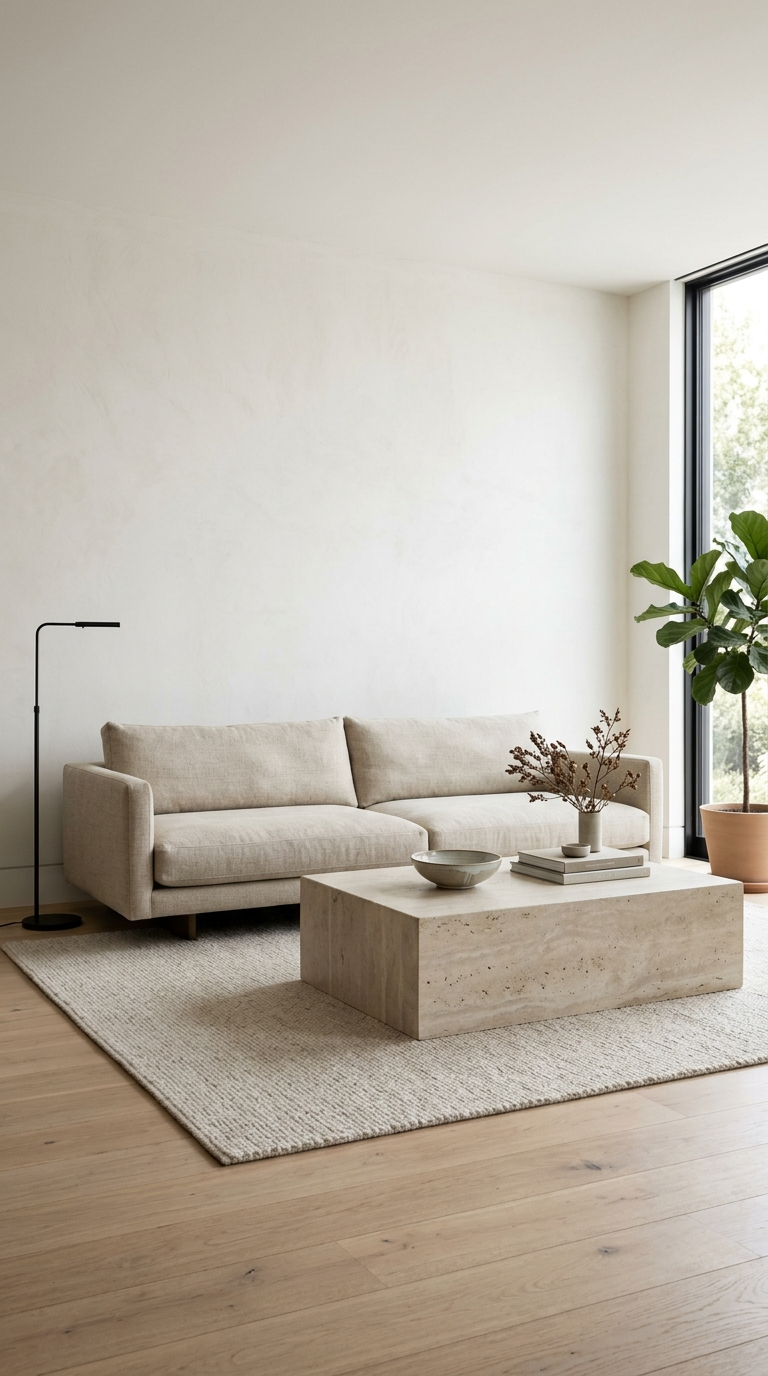
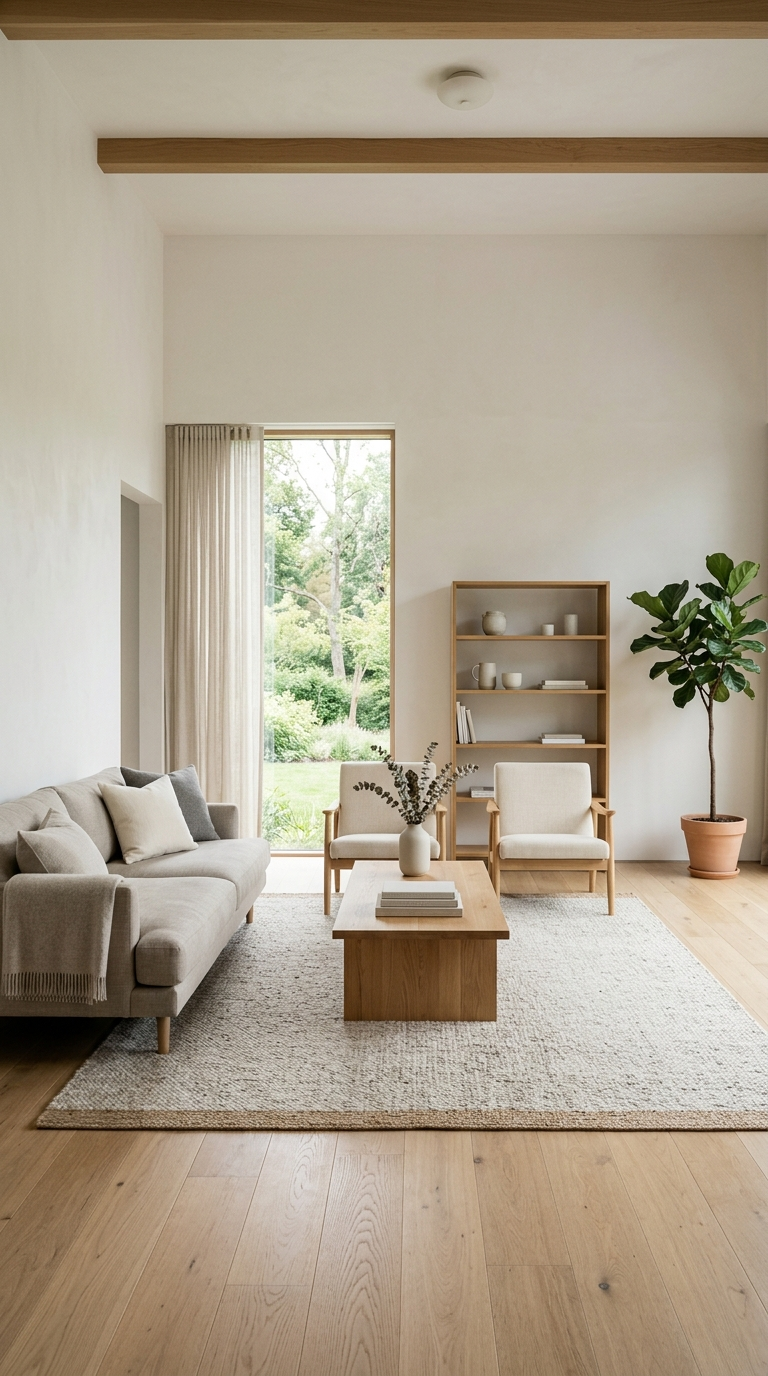
Mistake 1: The “Postage Stamp” Rug DilemmaPerhaps the most ubiquitous mistake in living space design is the use of an undersized area rug. A rug that is too small for the seating arrangement visually fractures the room, making it appear disjointed and significantly smaller than it actually is. Often referred to as the “postage stamp” effect, a tiny rug floating in the center of the room with the furniture hovering around its edges creates a sense of instability and awkwardness. In a minimalist space where every element counts, a poorly sized rug is a glaring error.The Solution: Size up generously. The cardinal rule of area rugs is that, at the very least, the front legs of all primary seating pieces (sofas, armchairs) must rest upon the rug. Ideally, in a truly luxurious and cohesive minimalist setup, the entire furniture grouping should sit comfortably within the borders of the rug. This grounds the seating area, defining it as a distinct, unified zone within the larger room. Opt for clean, neutral textures—like a low-pile wool or a subtle natural fiber—to maintain a serene, uncluttered aesthetic while providing essential acoustic dampening and physical warmth.
Mistake 2: Pushing Furniture Against the WallsThere is a common misconception that maximizing floor space requires pushing every piece of furniture flat against the perimeter walls of a room. In reality, this “wall-hugging” approach creates an empty, uninviting void in the center of the living space and positions seating too far apart for comfortable conversation. It strips the room of intimacy and architectural interest, resulting in a layout that feels more like a dance studio than a cozy home.The Solution: Float your furniture. Pull your sofa and chairs away from the walls to create a dedicated, intimate grouping around a focal point, such as a fireplace or a minimalist coffee table. Even in smaller spaces, leaving just a few inches of breathing room between the back of the sofa and the wall creates a profound illusion of spaciousness and depth. Floating furniture allows for better traffic flow around the seating area and establishes a deliberate, architectural structure within the room, which is a hallmark of clean, intentional design.
Mistake 3: The Clutter of “Micro-Decorating”Micro-decorating is the habit of filling every available surface—shelves, mantels, side tables—with small, disparate decorative items. While these knick-knacks might hold personal value, displaying them all at once creates immense visual noise. In a space aspiring to be clean and minimalist, this clutter completely undermines the aesthetic. The eye has nowhere to rest, leading to a subtle but persistent sense of anxiety and visual exhaustion.The Solution: Practice the art of the edit. True minimalist design is not about living in an empty white box; it is about keeping only what is beautiful or functional. Group a few carefully selected, larger scale items together to create a singular, impactful vignette, rather than scattering many small objects. Employ the “rule of three” and utilize negative space—the empty areas around your objects—as a crucial design element itself. Allow your surfaces to breathe. A single, sculptural vase on a clean wooden table is infinitely more elegant than a dozen small trinkets.
Mistake 4: Ignoring the Importance of Scale and ProportionA beautifully designed room relies heavily on the correct scale and proportion of the items within it. A frequent mistake is pairing bulky, oversized sofas with delicate, spindly coffee tables, or hanging a tiny piece of artwork on a massive, blank wall. When the scale is off, the room feels inherently unbalanced and uncomfortable, even if the individual pieces are objectively beautiful.The Solution: Harmonize your elements. Before purchasing furniture or art, map out the dimensions carefully. In a minimalist environment, low-profile furniture often works best to maintain clean sightlines. Ensure your coffee table is roughly two-thirds the length of your sofa. When hanging art, select pieces that are appropriately sized for the wall; an oversized, abstract canvas makes a stunning, clean statement that anchors a room much better than a small frame lost in a sea of drywall. Balance heavy, solid pieces with items that feel lighter and more transparent.
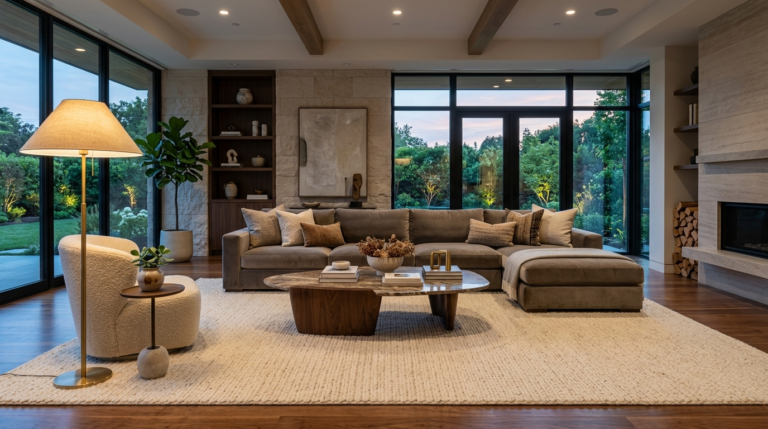
Mistake 5: Relying Solely on Overhead LightingThe infamous “big light”—the single, harsh overhead fixture—is the enemy of ambiance. Relying exclusively on ceiling lights flattens a room, creates unflattering shadows, and destroys any sense of warmth or relaxation. It is a critical error in living spaces designed for unwinding and socializing, rendering the environment sterile and uninviting.The Solution: Layer your lighting sources. A clean, sophisticated living space requires a nuanced lighting strategy. Combine ambient light (soft, overall illumination), task light (focused light for reading), and accent light (highlighting architectural features or art). Incorporate sleek floor lamps with clean geometric lines, architectural wall sconces, and minimalist table lamps. Using warm white bulbs and dimmers allows you to completely control the mood of the room, transitioning it from bright and functional during the day to soft and serene in the evening.
Conclusion: The Path to Minimalist SerenityAvoiding these common decor mistakes is the first step toward transforming your living space from chaotic to curated. By correctly sizing your rugs, floating your furniture, ruthlessly editing your decor, respecting scale, and layering your lighting, you lay the foundation for a truly exceptional home. Remember, minimalist design is not about deprivation; it is about profound intentionality. Every item in your living space should serve a purpose or bring you joy. Embrace the negative space, focus on quality over quantity, and watch as your home evolves into the perfect, peaceful sanctuary you deserve.
Explore the most captivating living room trends of the year. Uncover imaginative decor ideas, playful colors, and whimsical layouts for a magical space.
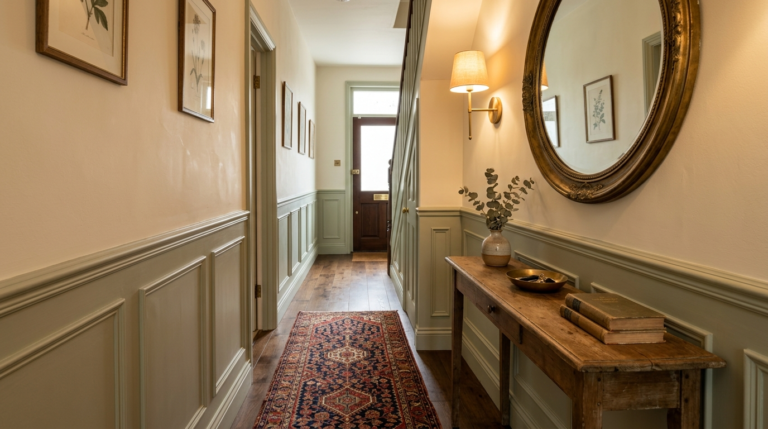
Is your entryway feeling cluttered, dark, or unwelcoming? Discover the 9 most common hallway decor mistakes and learn clean, minimalist solutions to fix them.
Learn exactly how to transform a cramped, narrow hallway into a beautifully warm, welcoming, and functional entryway with this step-by-step classic design guide.