The kitchen is often referred to as the heart of the home, a bustling hub where meals are prepared, conversations flow, and memories are made. However, when the layout of this critical space is flawed, it can quickly turn the joy of cooking and entertaining into a frustrating chore. A well-designed kitchen requires more than just beautiful cabinetry and high-end appliances; it demands a thoughtful understanding of spatial dynamics, workflow, and ergonomic principles. Unfortunately, many homeowners and even novice designers fall into common traps that compromise the functionality and aesthetic appeal of their culinary spaces. In this comprehensive guide, we will explore twelve pervasive kitchen layout mistakes that you absolutely must avoid, providing you with actionable solutions to ensure your kitchen is as efficient as it is stunning.
1. Ignoring the Classic Kitchen Work Triangle
For decades, the concept of the kitchen work triangle has been the foundational pillar of effective kitchen design. This imaginary triangle connects the three primary work areas: the sink, the stove, and the refrigerator. The rule states that the distance between these three points should be neither too small, which causes a cramped workspace, nor too large, which makes cooking an exhausting marathon. Ignoring this fundamental principle is one of the most detrimental mistakes you can make. When the workflow is interrupted by poorly placed islands or awkwardly positioned appliances, the simple act of preparing a meal becomes chaotic. To avoid this, meticulously plan your layout so that the path between your preparation, cooking, and storage zones remains completely unobstructed. If you are working with a straight-line or galley kitchen where a traditional triangle is impossible, focus instead on establishing clearly defined, sequential work zones that logically follow the cooking process from prep to plating.
2. Sacrificing Adequate Counter Space
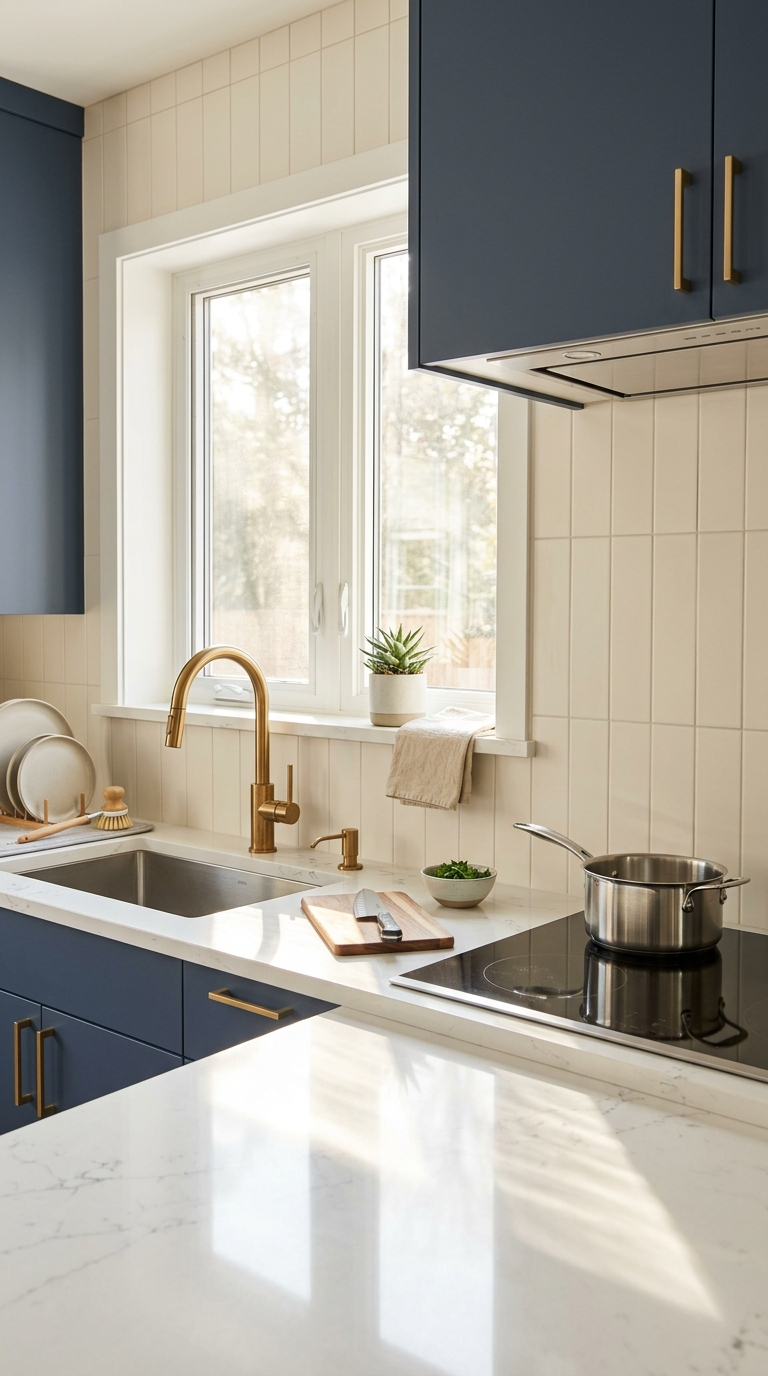
Counter space is the most valuable real estate in any kitchen, yet it is astonishingly common to see designs that prioritize massive appliances or excessive decorative elements over usable prep areas. A lack of sufficient counter space inevitably leads to cluttered surfaces, making it nearly impossible to comfortably chop vegetables, assemble ingredients, or place hot pans. To prevent this frustrating scenario, aim to incorporate long, uninterrupted stretches of countertop, particularly adjacent to the sink and the stove. If your footprint is small, consider innovative solutions such as pull-out cutting boards, sink covers that double as prep surfaces, or a mobile butcher block cart that can be tucked away when not in use. Remember that your countertops must accommodate not only your immediate cooking needs but also the small appliances that permanently reside there, such as toasters, coffee makers, and stand mixers. Always overestimate the amount of counter space you will need.
Furthermore, the material you choose for your countertops plays a crucial role in both durability and aesthetics. Quartz, granite, and solid surface materials offer excellent longevity and require minimal maintenance. Avoid deeply textured or highly porous materials in heavy prep zones, as they can trap debris and harbor bacteria, complicating your post-meal cleanup routine.
3. Overlooking Proper Lighting Design
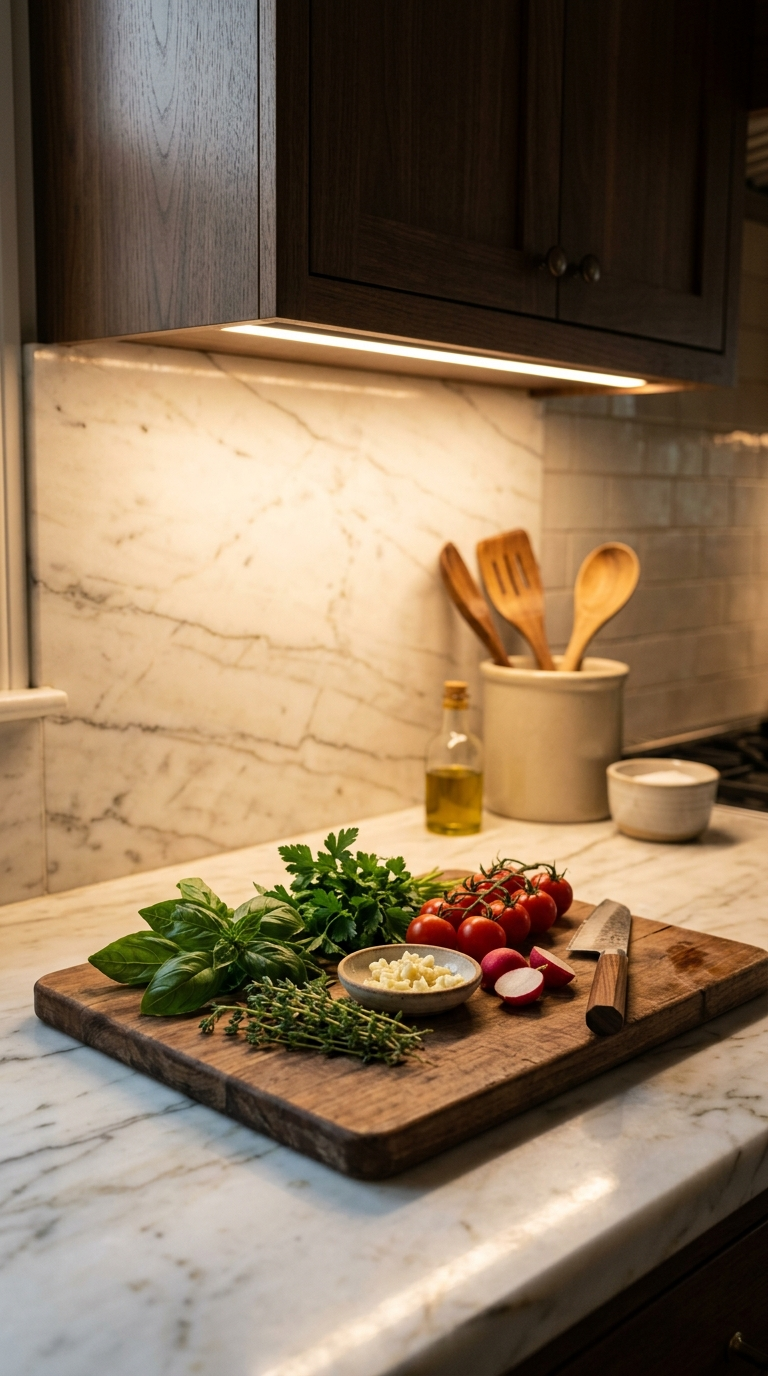
A beautifully designed kitchen can easily be ruined by inadequate or poorly planned lighting. Relying solely on a single central ceiling fixture creates harsh shadows, completely obscuring your work surfaces and making the space feel gloomy and uninviting. A successful lighting scheme requires a layered approach, incorporating ambient, task, and accent lighting. Task lighting is absolutely non-negotiable; under-cabinet LED strips or puck lights are essential for illuminating countertops, ensuring safety and precision while slicing and dicing. Ambient lighting, such as recessed ceiling cans or a stylish central pendant, provides overall illumination for the room. Finally, accent lighting can be used to highlight architectural features, glass-front cabinetry, or open shelving, adding depth and dimension to the space. When selecting fixtures, pay close attention to the color temperature of the bulbs. A warm white (around 2700K to 3000K) creates a cozy atmosphere, while a cooler, daylight-mimicking bulb (around 4000K) is excellent for detailed task areas.
4. Failing to Maximize Vertical Storage
One of the most frequent complaints homeowners have about their kitchens is a lack of storage. This problem is often exacerbated by a failure to utilize the available vertical space. Stopping your upper cabinets a foot below the ceiling not only sacrifices valuable storage volume but also creates a notorious dust trap that is difficult to clean. By extending your cabinetry all the way to the ceiling, you instantly increase your storage capacity for rarely used items like holiday platters, oversized roasting pans, or specialized baking equipment. If a solid wall of cabinetry feels too heavy for your space, consider incorporating open shelving near the top or using glass-front doors with interior lighting to maintain an airy, expansive feel. Additionally, tall pantry pull-outs can maximize narrow gaps between appliances and walls, ensuring that every square inch of your kitchen is utilized effectively.
5. Poorly Placed or Oversized Kitchen Islands
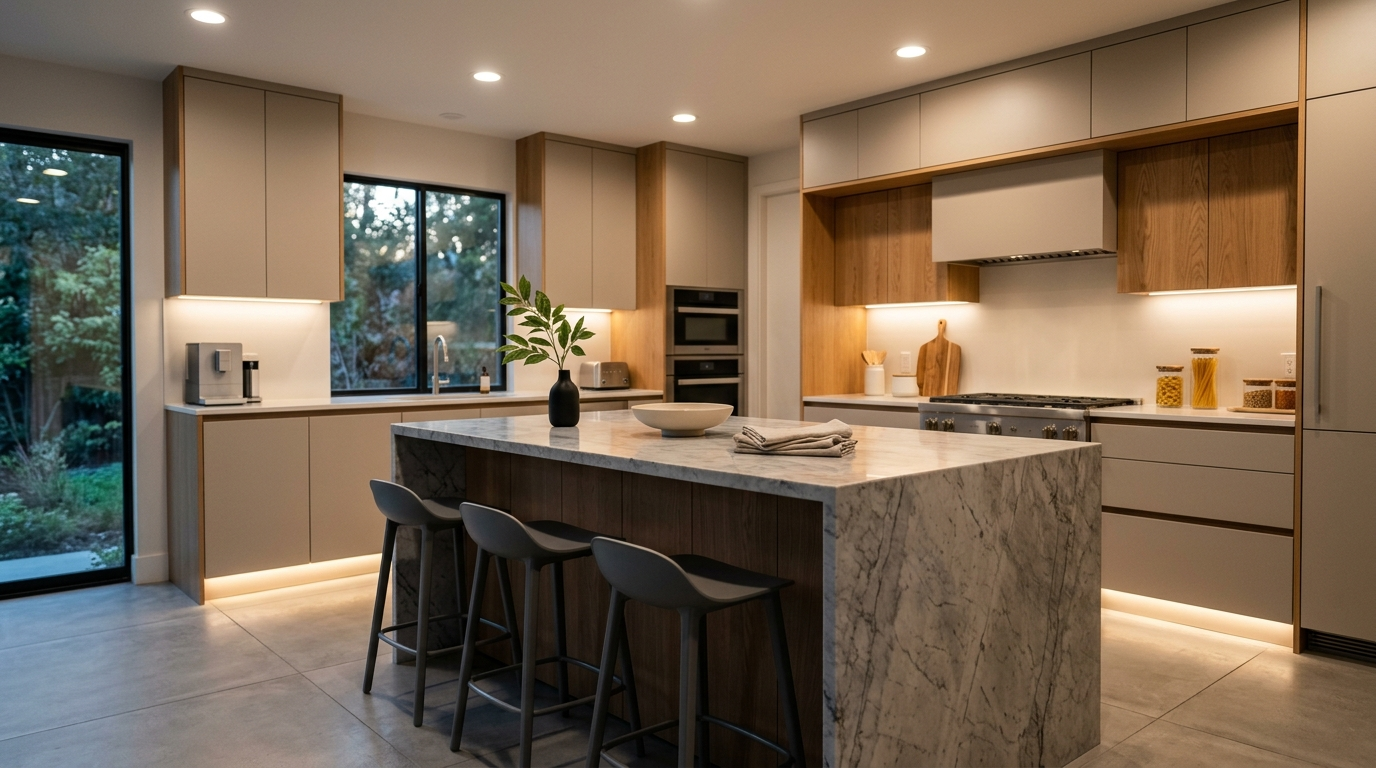
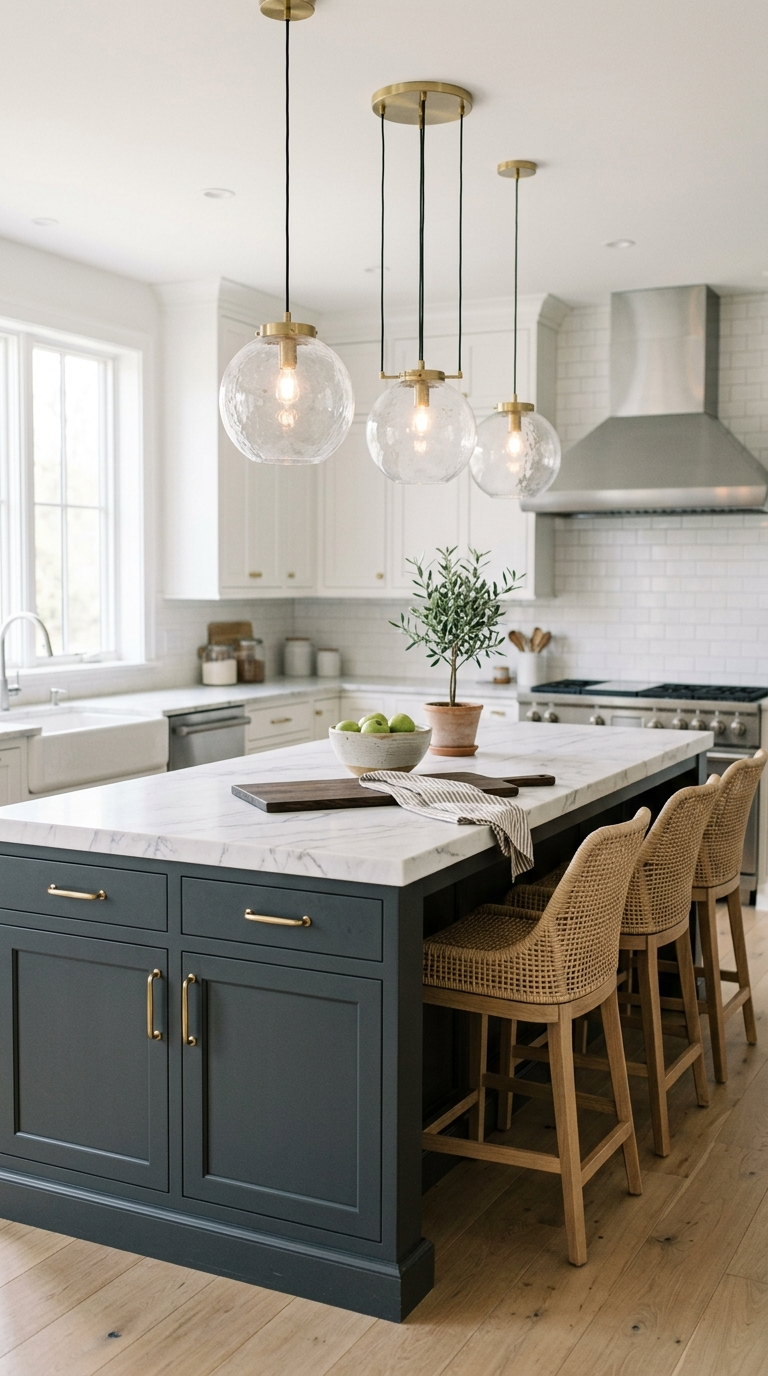
The kitchen island has become a highly coveted feature in modern homes, serving as a prep station, dining area, and social gathering spot. However, forcing an island into a space that is simply too small is a disastrous layout mistake. An oversized island restricts traffic flow, makes it difficult to open appliance doors fully, and creates a cramped environment. As a general rule, you must maintain a minimum clearance of 36 to 42 inches around all sides of an island to ensure comfortable movement and accessibility. If your kitchen cannot accommodate these clearances, you must abandon the idea of a fixed island. Instead, consider a narrow rolling cart or a peninsula that extends from the perimeter cabinetry. Conversely, if you have a massive kitchen, an island that is too small will look disproportionate and fail to provide adequate utility. The scale of the island must perfectly balance the proportions of the room.
6. Inadequate Ventilation Systems
Many homeowners pour their budgets into luxury ranges and custom cabinetry, only to skimp on the ventilation system. This is a critical error. A poor exhaust system allows grease, moisture, and cooking odors to linger in the air, eventually settling onto your beautiful new surfaces, causing damage over time, and making your home smell like last night’s dinner for days. A high-quality range hood that properly vents to the outside of the home is essential for maintaining a clean and healthy environment. When selecting a hood, ensure that its CFM (cubic feet per minute) rating matches the heat output of your stove. Additionally, the hood should be slightly wider than your cooking surface to effectively capture all steam and smoke. Do not rely on recirculating fans found in over-the-range microwaves, as they merely filter the air and push it back into the room, doing little to eliminate heat or moisture.
7. Neglecting the Trash and Recycling Workflow
A beautiful kitchen layout can quickly become an eyesore if there is no designated, concealed space for waste management. Leaving a freestanding trash can at the end of an island or tucked awkwardly into a corner interrupts the visual flow and can create an unsanitary obstacle. One of the smartest investments you can make is incorporating a pull-out waste and recycling center directly into your cabinetry, ideally positioned near the main sink and prep area. This allows you to seamlessly sweep scraps off the counter and into the bin without traversing the room. Consider a dual-bin system to effortlessly separate general waste from recyclables. This simple addition elevates the overall functionality of the kitchen and maintains the pristine, uncluttered aesthetic you are striving for.
8. Forgetting About Electrical Outlets
In our modern, appliance-driven kitchens, having access to electrical power exactly where you need it is paramount. A shockingly common mistake during remodels is failing to plan for an adequate number of outlets, resulting in dangerous tangles of extension cords or the frustration of constantly shuffling appliances around. During the planning phase, map out exactly where your coffee maker, blender, toaster, and slow cooker will live, and ensure dedicated outlets are positioned nearby. Furthermore, building codes mandate specific outlet spacing along countertops, but you should aim to exceed these minimums. Consider incorporating pop-up outlets on your kitchen island or integrating USB charging ports into the ends of your cabinetry to create dedicated charging stations for phones and tablets, keeping them safely away from water and messy prep zones.
9. Choosing Form Over Function in Hardware and Fixtures
While it is tempting to select the most visually striking cabinet hardware and sink faucets, choosing form over function can lead to daily aggravation. Ornate, sharply angled cabinet pulls may look stunning, but if they snag on your clothing every time you walk by or are uncomfortable to grip, they will quickly become a nuisance. Similarly, an enormous, industrial-style faucet might overwhelm a standard-sized sink, causing excessive splashing. When selecting hardware, prioritize ergonomics. Test handles and knobs to ensure they feel comfortable in your hand. For faucets, pull-down sprayers with magnetic docking and touchless technology offer incredible convenience, especially when your hands are covered in dough or raw ingredients. Always strike a balance between a fixture’s visual appeal and its practical, everyday utility.
10. Ignoring the Dining Room Flow
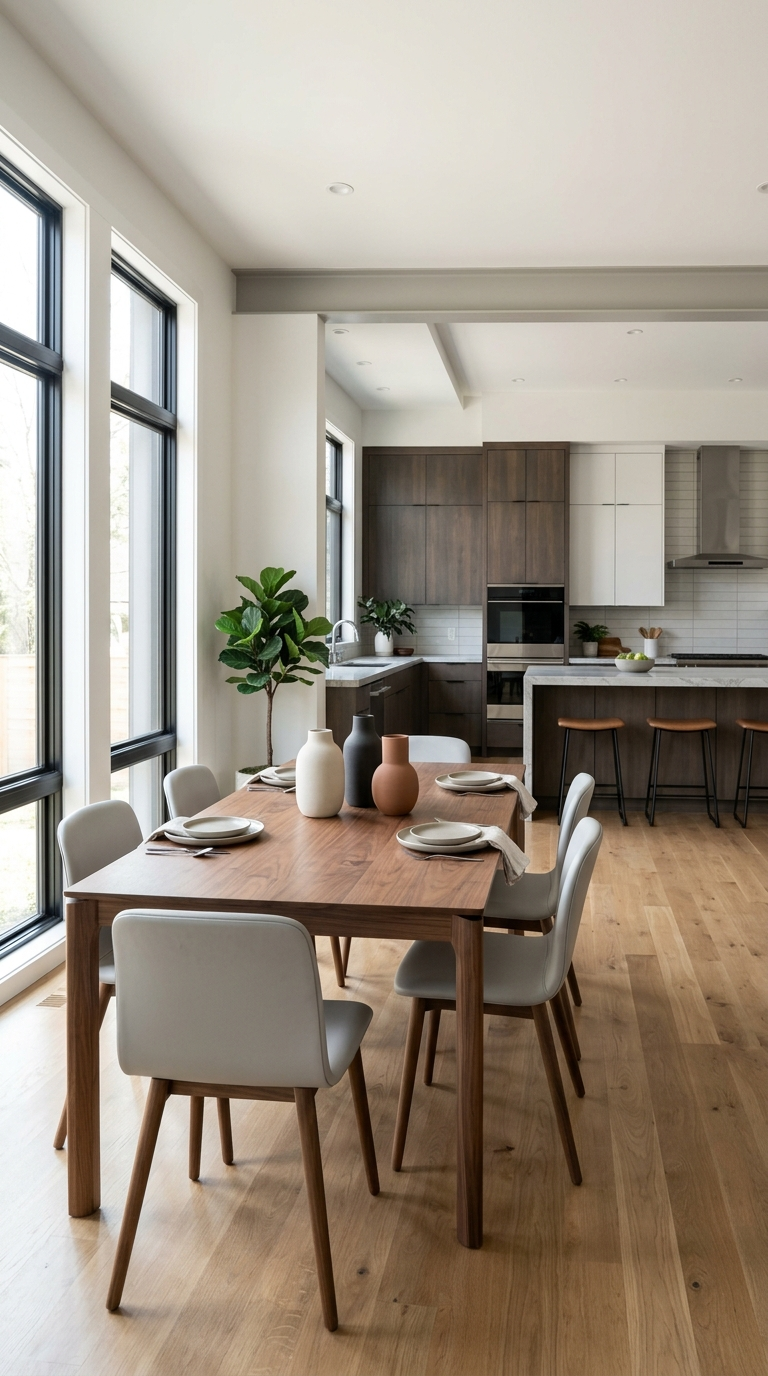
The kitchen does not exist in a vacuum; it must connect seamlessly with adjacent spaces, particularly the dining area. A major layout mistake is designing the kitchen without considering how food will be transported to the table and how dishes will be returned to the sink. If the path between the stove and the dining table is obstructed or convoluted, hosting dinner parties will feel disorganized and stressful. Ensure there is a clear, wide thoroughfare connecting these zones. If your floor plan allows, consider adding a pass-through window or a dedicated butler’s pantry to serve as a staging area between the kitchen and formal dining room. This transition zone can house extra dinnerware, linens, and serving platters, drastically improving the flow and efficiency of your entertaining endeavors.
11. Skimping on Drawer Storage
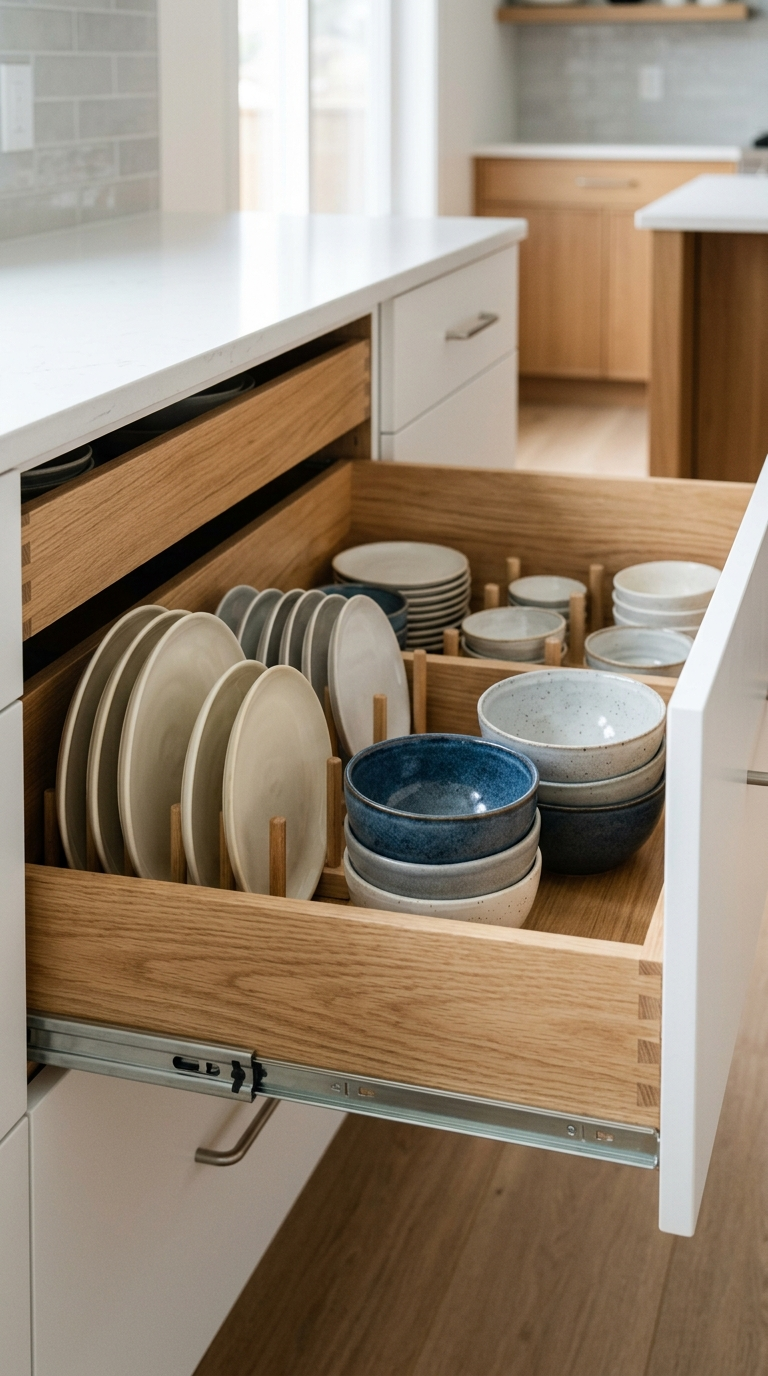
Standard base cabinets with doors and fixed shelves are notoriously inefficient. Items stored in the back inevitably become lost in the dark recesses, requiring you to empty the entire cabinet to find a single pot. The modern solution to this common layout flaw is to replace lower door cabinets with deep, wide drawers. Drawers bring the entire contents of the cabinet out into the light, allowing for easy, top-down visibility and effortless access to heavy pots, pans, and stacks of plates. Incorporating heavy-duty drawer glides ensures that even fully loaded drawers operate smoothly. Use specialized peg systems or customizable dividers within these drawers to keep lids organized and prevent plates from shifting during opening and closing. The transition from doors to drawers in the lower half of your kitchen will revolutionize your storage capabilities.
12. Failing to Consult a Professional
Finally, perhaps the most costly mistake of all is attempting a major kitchen redesign without consulting a professional interior designer or certified kitchen planner. While DIY projects can be rewarding, the complexities of plumbing, electrical work, structural integrity, and spatial planning require expert knowledge. A professional can identify potential pitfalls before they become expensive problems, suggest innovative solutions you may not have considered, and ensure that your new layout complies with all local building codes. Their expertise in measuring clearances, sourcing materials, and managing contractors will ultimately save you time, money, and immense stress, guaranteeing that your final kitchen is both visually spectacular and structurally sound.
Conclusion: Crafting Your Perfect Culinary Space
Designing the perfect kitchen is an intricate puzzle that requires balancing aesthetic desires with rigorous practical requirements. By acknowledging and actively avoiding these twelve common layout mistakes, you set the foundation for a space that is truly a joy to inhabit. Remember to prioritize your workflow, maximize your storage, illuminate your surfaces effectively, and ensure your layout fosters easy movement and social interaction. Whether you are executing a complete gut renovation or simply looking to optimize your current arrangement, keeping these principles in mind will help you create a kitchen and dining environment that not only looks incredible but functions flawlessly for years to come.
Step-by-step guide to creating your dream traditional kitchen with cozy rustic elements. Learn about materials, color schemes, cabinetry, and details for a warm hearth.
Explore the most breathtaking luxury trends for black and dark kitchens. From dramatic veined marble to matte cabinetry, discover how to design a moody masterpiece.
Discover the most anticipated kitchen and dining room trends of the year. From stunning natural stones to seamless integration, explore luxury designs.
Explore these absolutely gorgeous rustic and traditional kitchen ideas. From exposed wood beams to farmhouse sinks, bring timeless warmth to your home.
Avoid costly design errors in your small kitchen. Uncover 14 practical layout mistakes, storage fixes, and lighting tricks that instantly open up tight spaces.
Are you making these common small kitchen decor mistakes? Learn how to maximize your layout, optimize storage, and create a beautiful, highly functional space.