Creating Your Ultimate Personal SanctuaryYour bedroom should be the ultimate personal space—a sanctuary where you can retreat from the chaos of daily life, decompress, and recharge. However, many people inadvertently introduce elements into their bedroom design that disrupt this tranquility. Whether it is a jarring color palette, disproportionate furniture, or inadequate lighting, these common decor mistakes can significantly impact the overall ambiance and even the quality of your sleep. In this comprehensive guide, we will explore the nine most frequent bedroom decor mistakes and provide actionable, expert-level advice on how to rectify them, ensuring your personal space becomes the restful haven you truly deserve.When designing a personal space, the goal is to harmonize aesthetics with function. A beautiful room that lacks comfort is just as problematic as a comfortable room that feels cluttered and chaotic. By identifying these pitfalls early in your design process, or by making targeted adjustments to your current layout, you can elevate the atmosphere of your bedroom. Let us delve into the specifics of spatial planning, color psychology, and sensory design to help you craft a flawless bedroom environment.
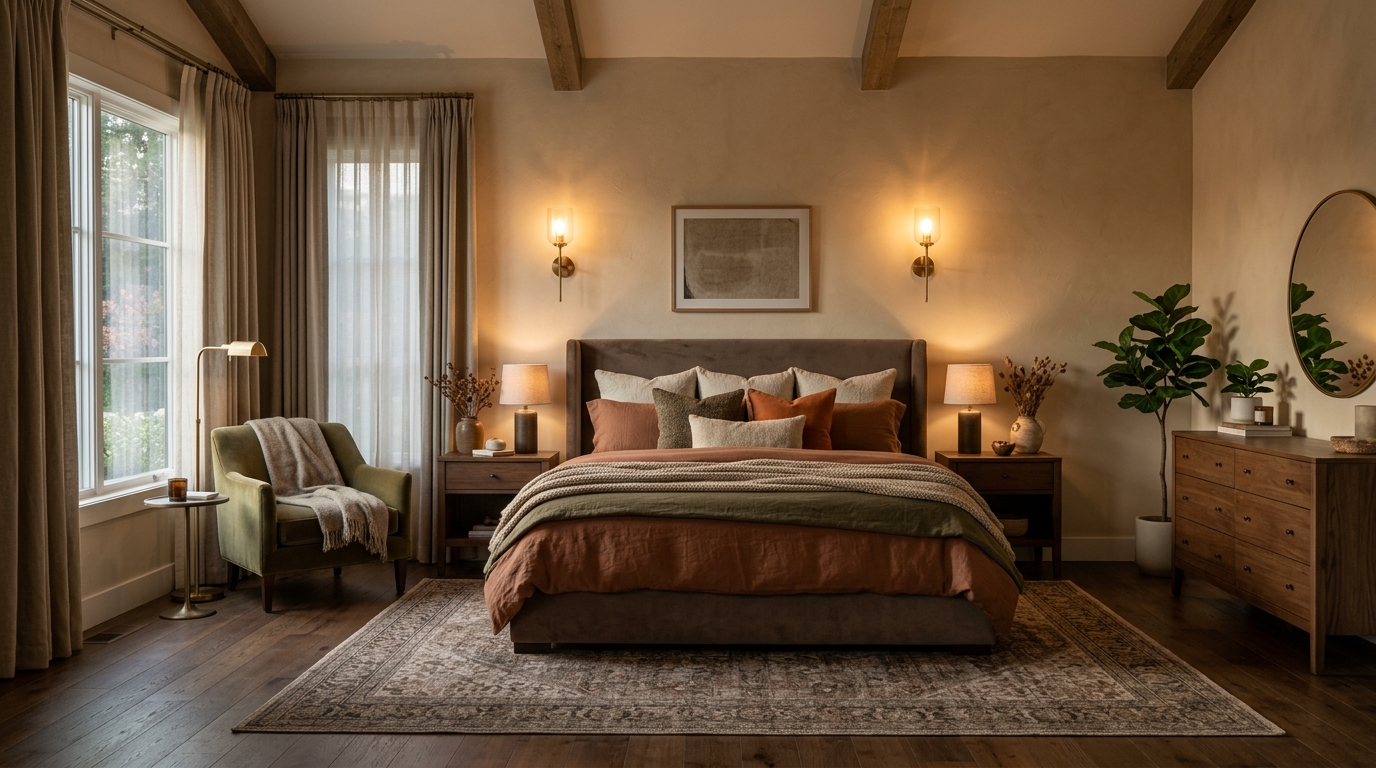
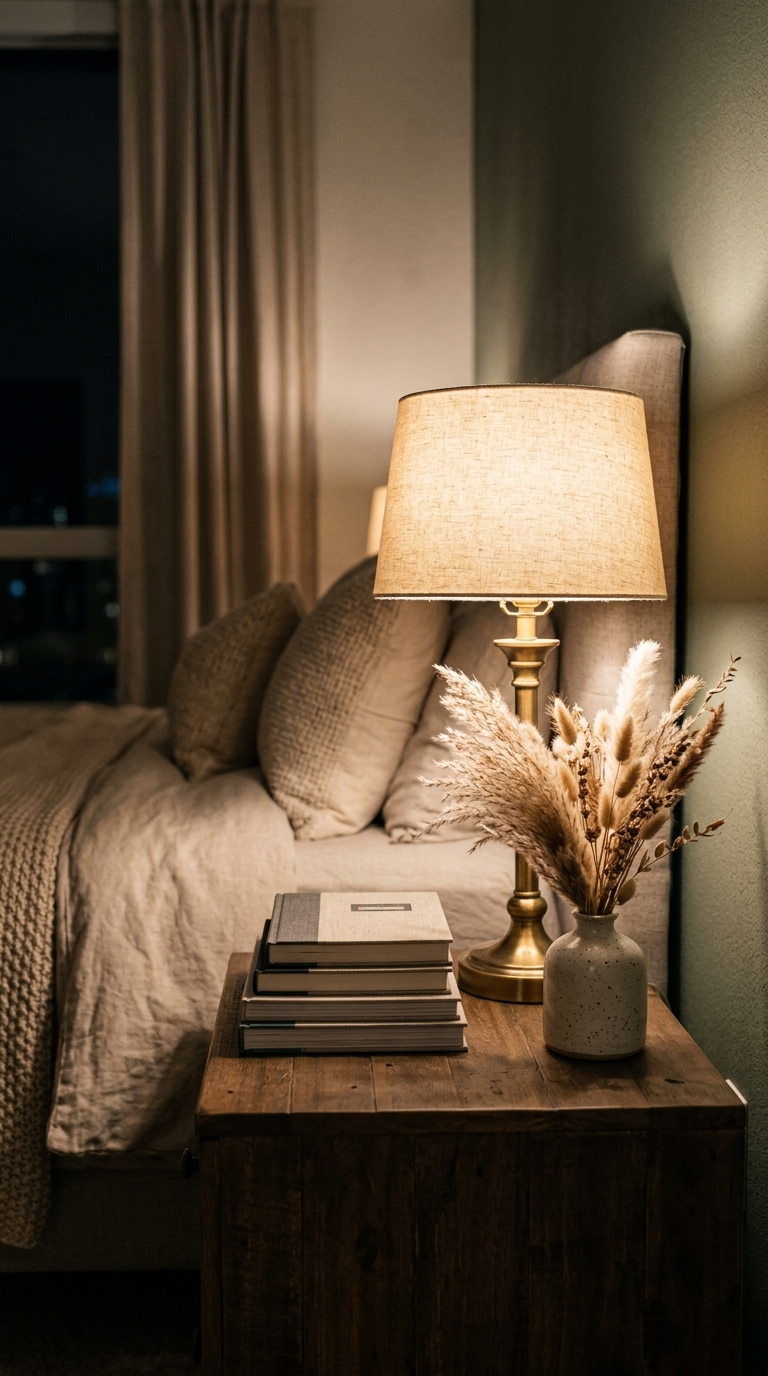
Mistake 1: Relying Solely on Overhead LightingOne of the most glaring mistakes in bedroom design is an over-reliance on a single, central overhead light fixture. Overhead lighting, especially when it features cool or harsh bulbs, casts unflattering shadows and creates a sterile, clinical environment that is the exact opposite of relaxing. A bedroom requires a layered lighting approach to accommodate different moods and activities, from reading in bed to getting dressed on a dark winter morning.To fix this, implement a three-tiered lighting strategy: ambient, task, and accent lighting. Ambient lighting provides the overall glow—think a beautiful flush mount or a soft chandelier on a dimmer switch. Task lighting should be placed exactly where you need it, such as articulated sconces or stylish table lamps on your nightstands for reading. Accent lighting, like LED strips behind a headboard or a small lamp highlighting a piece of art, adds depth and dimension. Always opt for warm white bulbs (around 2700K) to promote the production of melatonin and signal to your brain that it is time to wind down.
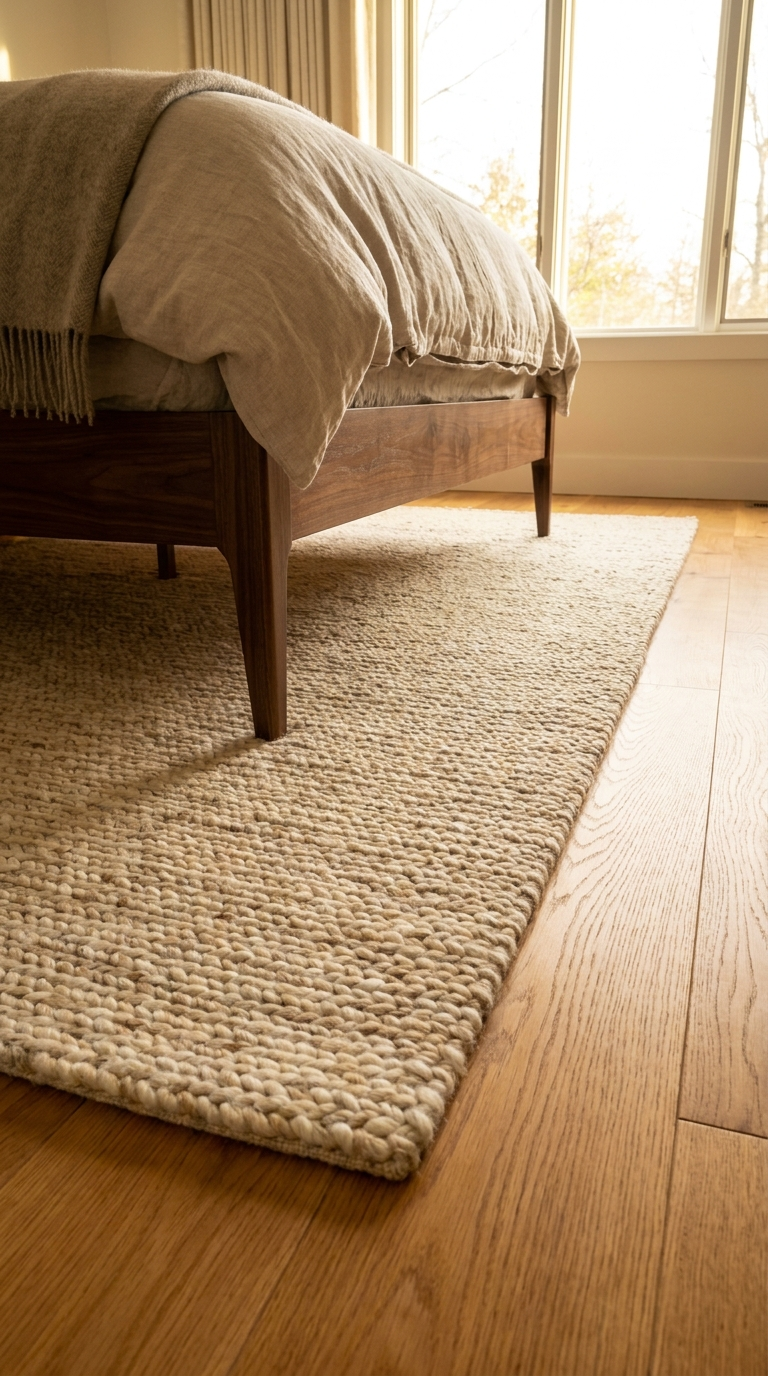
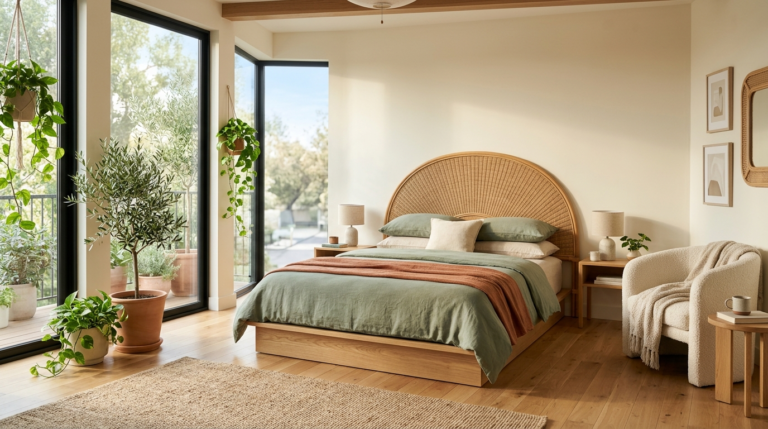
Mistake 2: The “Floating” Area RugAn improperly sized area rug can instantly make a bedroom feel disjointed and visually chaotic. A common error is placing a small rug at the foot of the bed or having a rug that simply floats in the middle of the room without anchoring any furniture. This breaks up the floor space awkwardly and diminishes the cozy, grounded feeling a bedroom should possess. The rug is foundational; it sets the stage for the rest of the room’s layout.The golden rule for bedroom rugs is to ensure that at least the lower two-thirds of the bed, along with a portion of the nightstands, rests completely on the rug. For a queen-sized bed, an 8×10 foot rug is generally ideal, while a king-sized bed usually requires a 9×12 foot rug. This sizing ensures that when you step out of bed in the morning, your feet land on a soft, warm surface rather than a cold floor. If you are working with a tight budget, consider layering a smaller, highly textured rug over a larger, inexpensive natural fiber rug like jute or sisal to achieve the necessary scale and warmth.
Mistake 3: Ignoring Scale and ProportionScale and proportion are the silent anchors of good interior design. A frequent mistake is filling a small bedroom with massive, heavy furniture or, conversely, placing tiny, delicate pieces in a grand, vaulted room. When a bed with a towering headboard dominates a room with low ceilings, the space feels oppressive. When nightstands are too low compared to the height of the mattress, the room looks awkward, and functionality is compromised.To correct scale issues, always measure your space meticulously before purchasing furniture. Aim for balance: a bulky, upholstered bed frame pairs beautifully with lighter, leggy nightstands to keep the visual weight from dragging the room down. The top of your nightstand should ideally sit level with the top of your mattress, or no more than a few inches higher or lower. Leave adequate negative space—the empty areas around your furniture—to allow the room to “breathe.” This negative space is crucial for preventing a feeling of claustrophobia in your personal sanctuary.
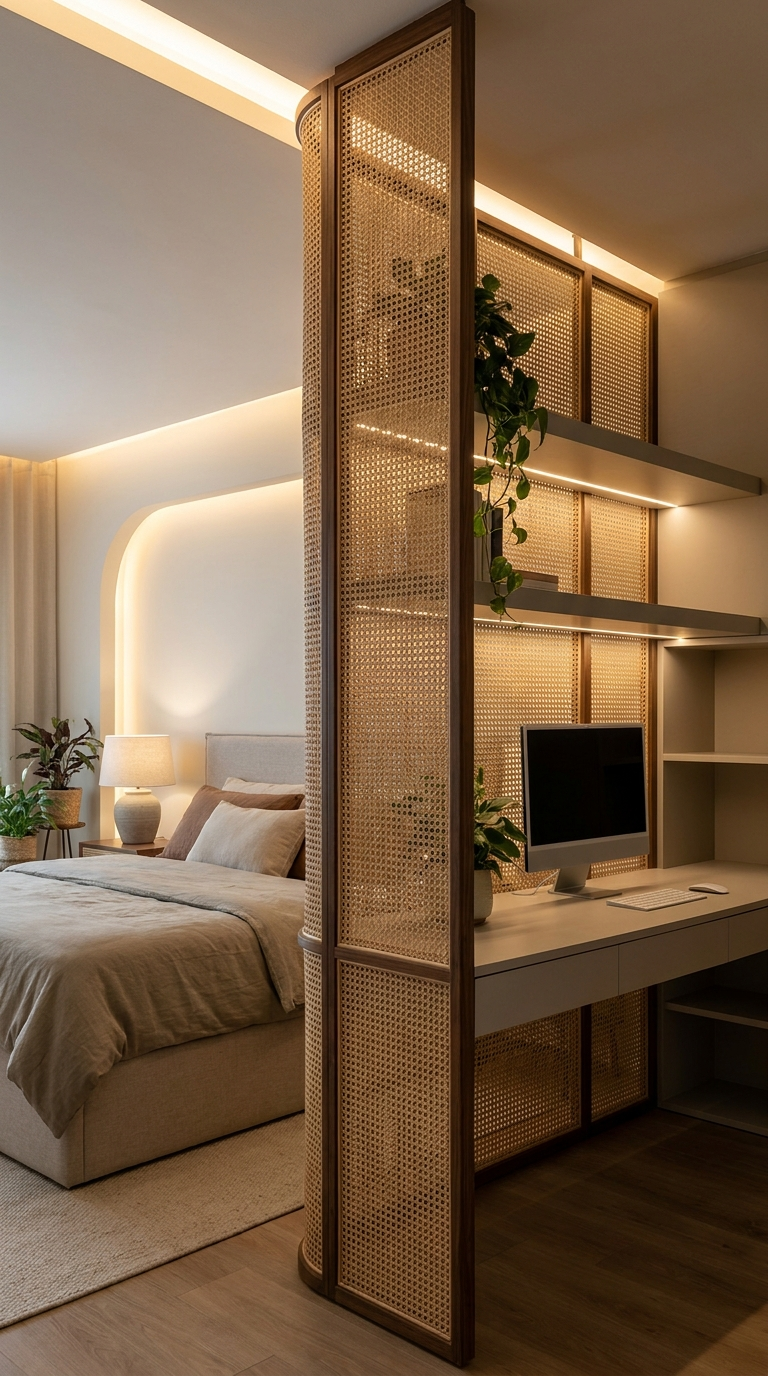
Mistake 4: Treating the Bedroom as a Home OfficeIn the modern era of remote work, boundaries between professional and personal spaces have blurred. Allowing your bedroom to double as a chaotic home office is a major detriment to your sleep hygiene and mental well-being. Having a desk covered in paperwork, a glaring monitor, and the stress of unfinished tasks in your line of sight while you try to sleep creates a subconscious state of alertness that ruins relaxation.If you absolutely must have a workspace in your bedroom due to spatial constraints, you must create a hard visual and psychological division. Use a physical room divider, a tall bookcase, or even a strategically placed curtain to hide the workspace from the bed. Opt for a desk with closed storage so you can pack away your laptop and papers at the end of the day. Treat the transition from day to night as a ritual: close the laptop, turn off the task light, and shift your focus entirely to the softer, restorative side of the room.
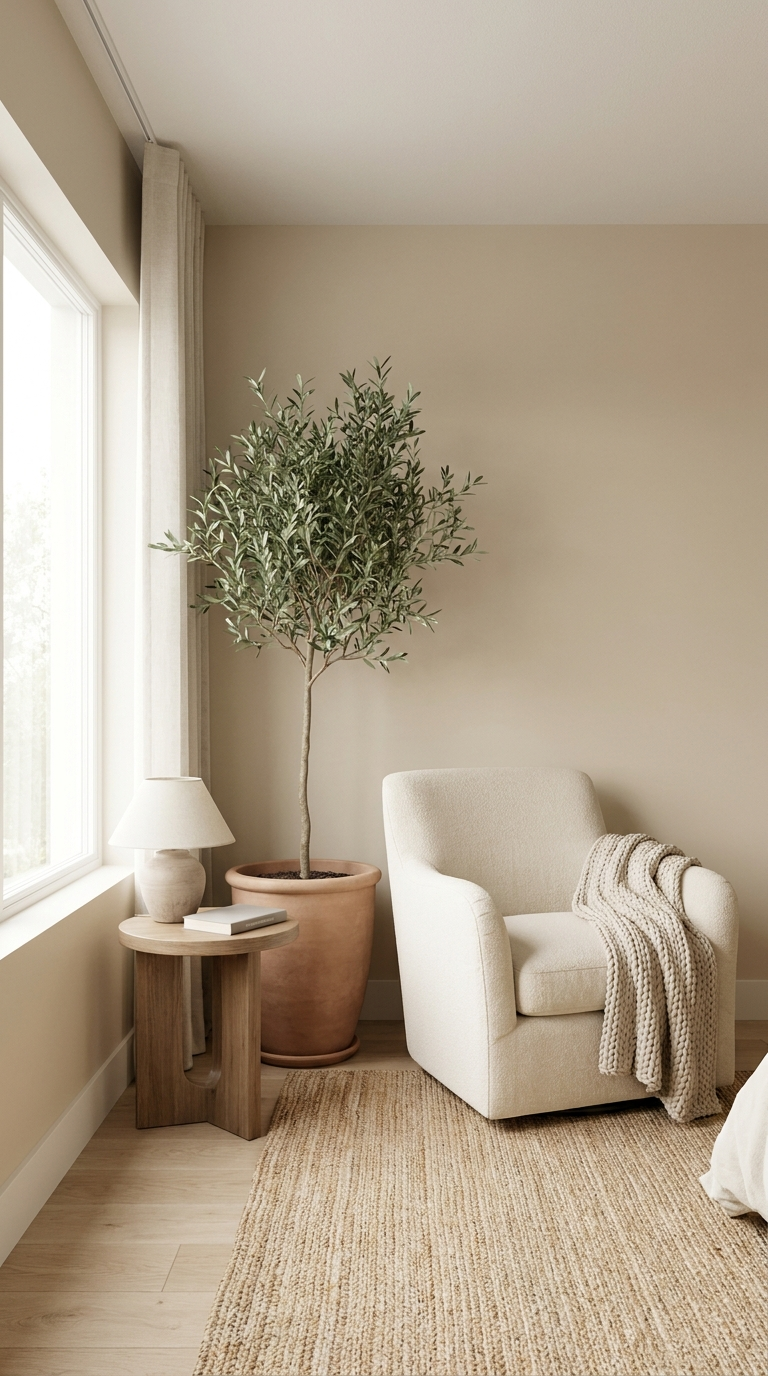
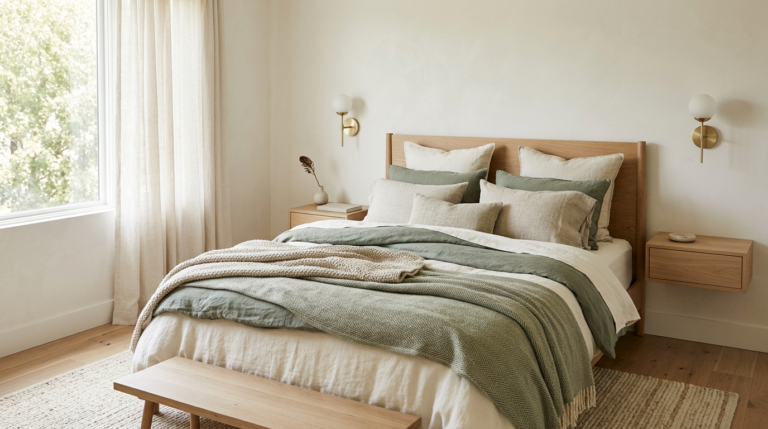
Mistake 5: Neglecting the Power of TextureA bedroom can have a perfect color palette and beautifully scaled furniture, but if it lacks texture, it will feel flat, sterile, and uninviting. Many people focus so heavily on matching colors that they forget to incorporate diverse tactile experiences. A room that consists only of smooth cotton sheets, flat painted walls, and sleek wooden furniture is visually uninteresting and emotionally cold.Texture is the secret ingredient to creating coziness. Layering different materials engages the senses and adds profound visual depth. Introduce chunky knit throws at the foot of the bed, velvet or bouclé accent pillows, flowing linen drapery, and a plush, high-pile rug. Contrast smooth, cool materials like a marble-topped nightstand or a mirrored tray with warm, rough textures like a woven rattan pendant light or a raw wood bench. This interplay of light and shadow across different surfaces brings the room to life.
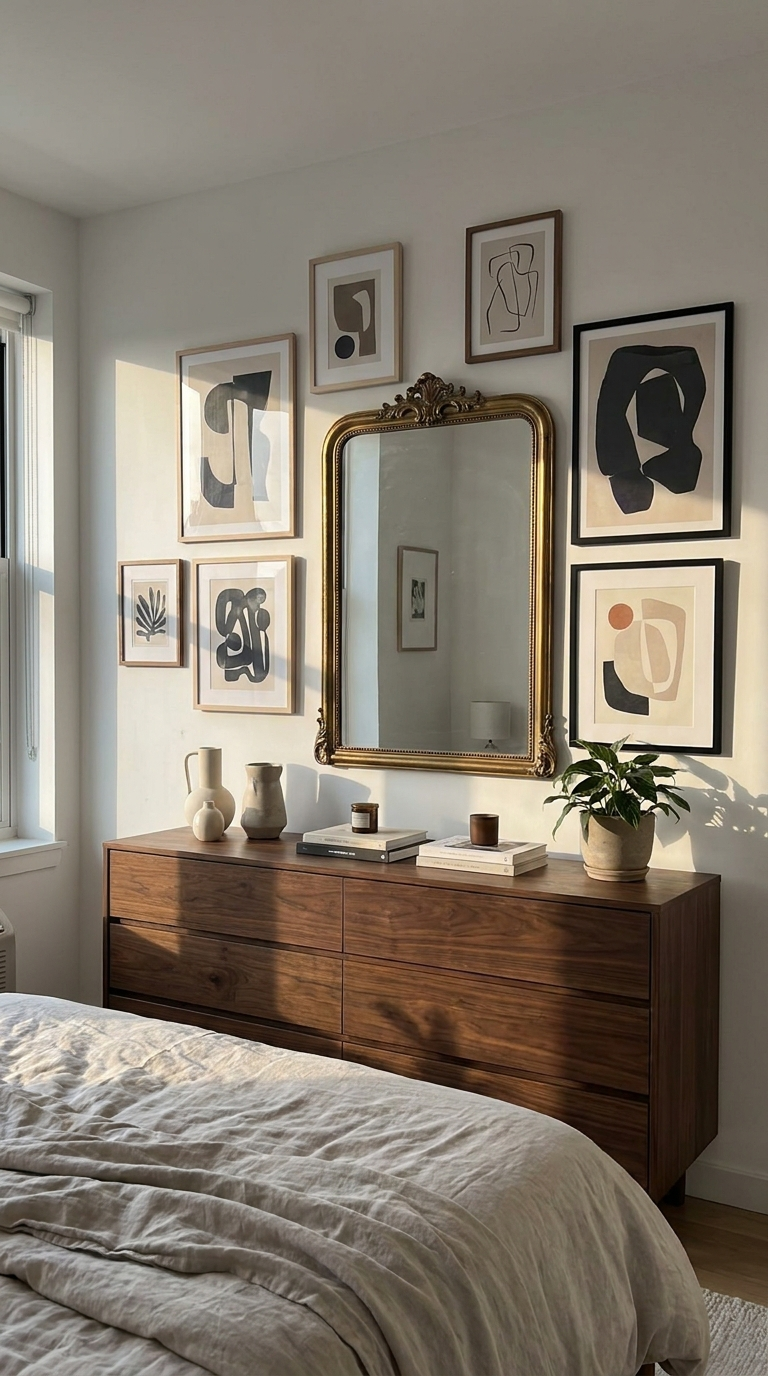
Mistake 6: Forgetting the Personal TouchWhile it is tempting to replicate a picture-perfect showroom or a pristine catalog page, a bedroom without personal artifacts feels like a hotel room, not a home. Personal spaces should reflect the individual who occupies them. Leaving walls entirely bare, or decorating exclusively with generic, mass-produced art, strips the room of character and warmth.To infuse soul into your bedroom, incorporate items that tell your story. Display a curated collection of framed photographs, original artwork that resonates with you emotionally, or souvenirs from significant travels. Place your favorite books on the nightstand, or drape an heirloom quilt over a reading chair. However, it is essential to curate these items carefully; there is a fine line between personalization and clutter. Select a few meaningful pieces that bring you joy and arrange them thoughtfully, allowing your bedroom to truly become a reflection of your inner self and a perfect retreat for rest.
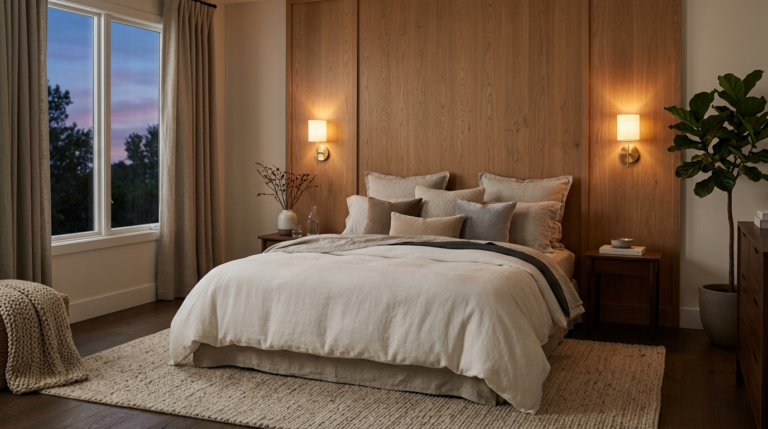
Transform your sleeping space into a peaceful oasis. Uncover elegant styling secrets, calming color palettes, and luxurious textures for ultimate rest.
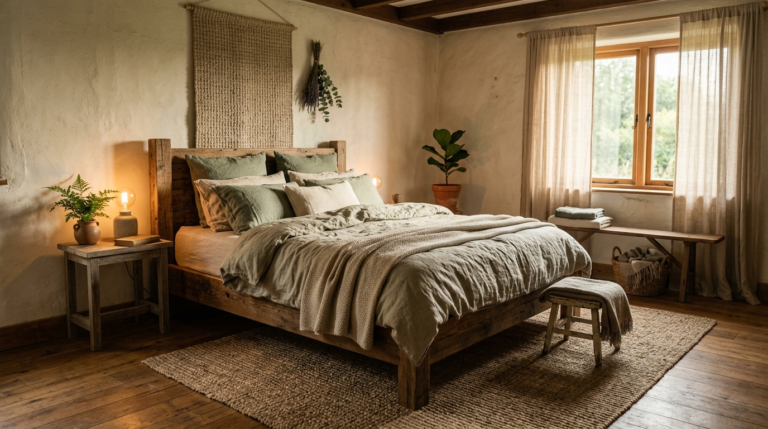
Transform your sleeping quarters into a serene rustic sanctuary with beautiful layered linens, warm wood tones, and cozy lighting for ultimate relaxation.
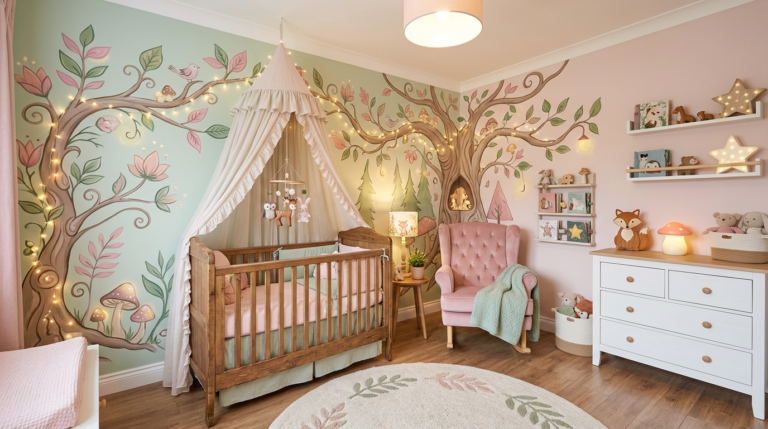
Transform your baby’s room into a fairytale wonderland with these whimsical DIY nursery ideas. Create a magical, imaginative space without breaking the bank.
Discover the hidden layout errors and lighting blunders ruining your bedroom oasis. Learn how to optimize your personal space for deep, restorative sleep.
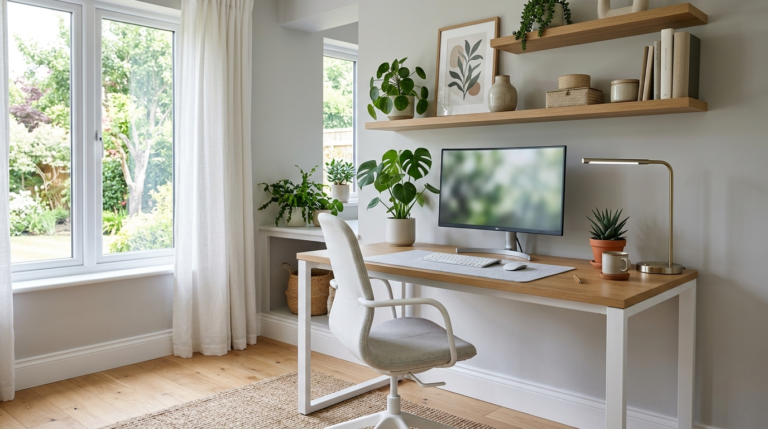
Stop letting poor design ruin your focus. Avoid these critical home office mistakes to create a productive, ergonomic, and beautiful workspace that inspires.