In today’s hyper-connected, fast-paced world, the bedroom has evolved from merely a place to sleep into an essential sanctuary for mental and physical rejuvenation. It is the one room in the house where you can shut the door on the outside world, decompress from the day’s stressors, and reconnect with yourself. However, creating a bedroom that truly promotes tranquility and deep rest requires more than just throwing a comfortable mattress on a frame. It demands a deliberate, mindful approach to design, focusing on sensory experiences, psychological comfort, and aesthetic harmony. From the psychology behind your color palette to the tactile feedback of your linens, every single element plays a crucial role in shaping the atmosphere. In this comprehensive guide, we will explore the art of transforming your bedroom into a deeply personal, luxurious, and completely serene oasis.
The Psychology of Color in Your Personal Space
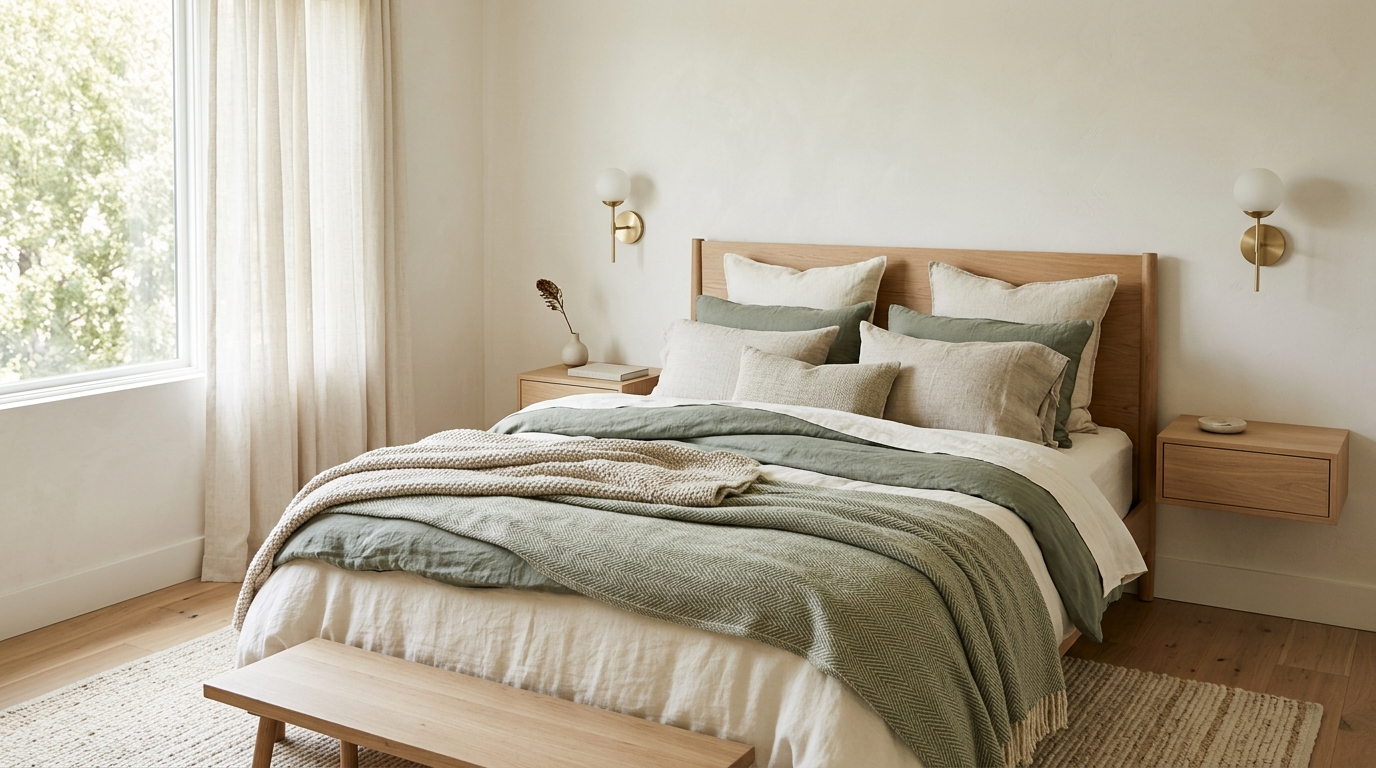
The colors you surround yourself with have a profound, scientifically proven impact on your mood, heart rate, and ability to relax. When designing a serene bedroom, selecting the right palette is the foundational step. Bold, energetic colors like bright reds, vibrant oranges, and neon yellows are highly stimulating and can actually hinder your brain’s ability to transition into sleep mode. Instead, experts universally recommend leaning into soft, muted tones inspired by nature. Cool colors, particularly soft sage greens, tranquil dusty blues, and gentle lavenders, are renowned for their calming properties. These hues mimic the sky, the ocean, and lush foliage, subtly signaling to your nervous system that it is time to unwind.
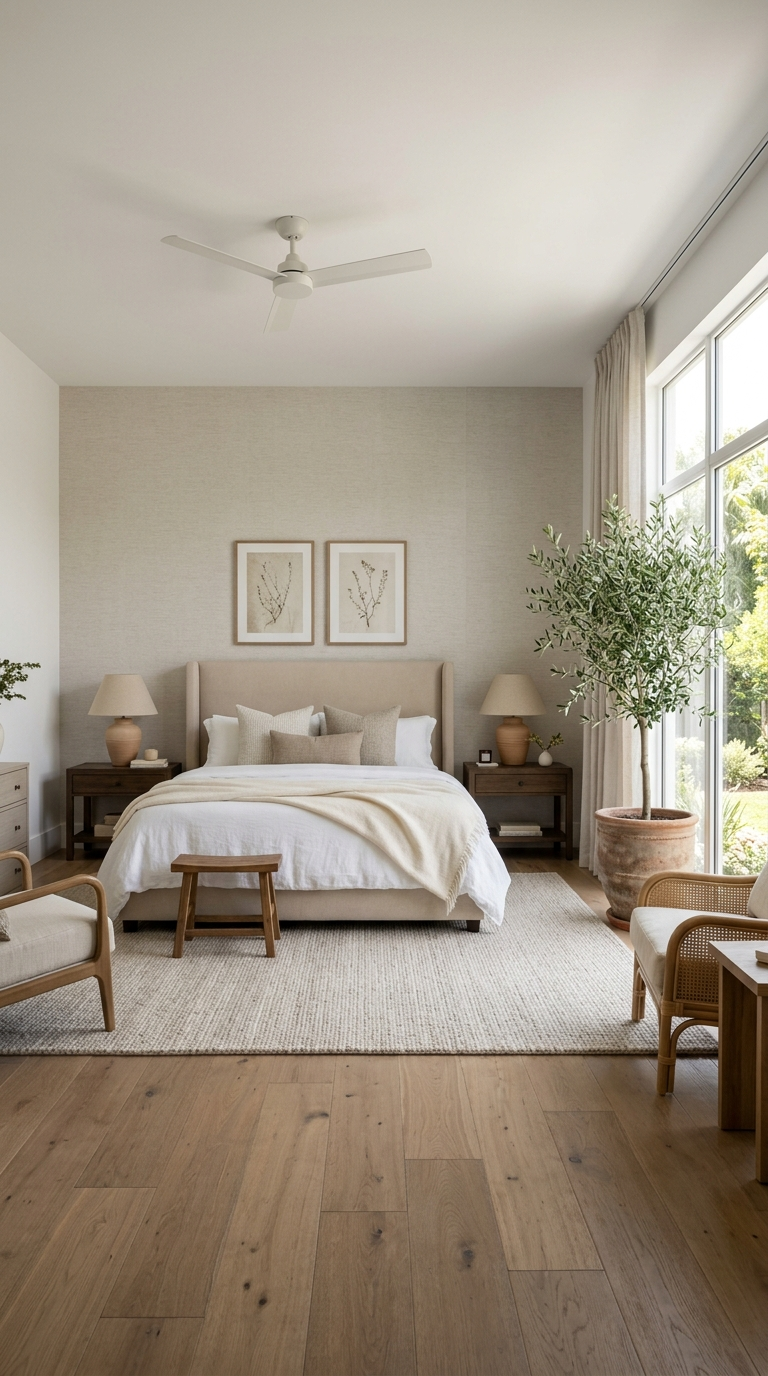
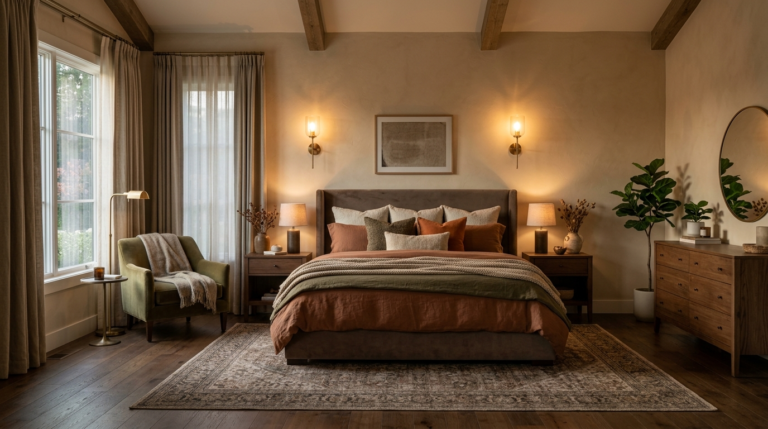
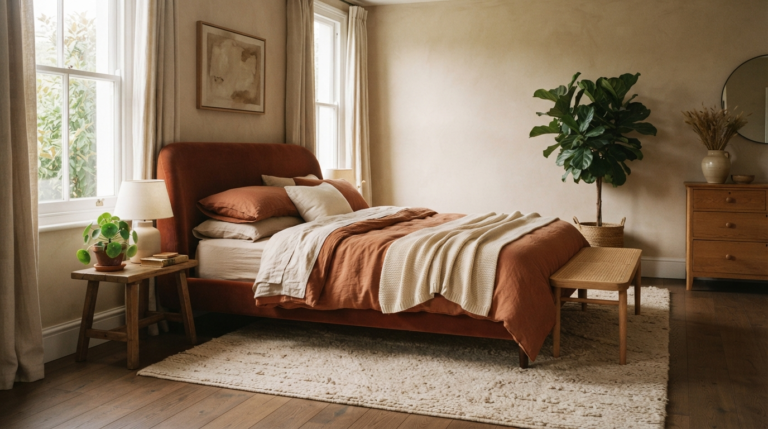
If you prefer a warmer aesthetic, earthy neutrals are an exceptional choice. Consider shades of warm beige, taupe, soft terracotta, or creamy off-white. These tones create a cozy, enveloping feeling without being visually overwhelming. When applying these colors, consider wrapping the entire room—including the baseboards, doors, and even the ceiling—in the same soothing shade. This technique, known as color drenching, eliminates sharp visual contrast, creating a seamless, cocoon-like environment that feels incredibly secure and restful.
Investing in the Foundation: Mattress and Bedding
The bed is the undeniable focal point of the room, and its comfort level directly dictates the quality of your sanctuary. An unsupportive mattress or scratchy, synthetic sheets will instantly break the spell of a peaceful retreat. Investing in a high-quality mattress tailored to your specific sleep style—whether you need firm support for your back or plush contouring for side-sleeping—is the most vital purchase you will make for this space. Once the foundation is set, turn your attention to the linens.
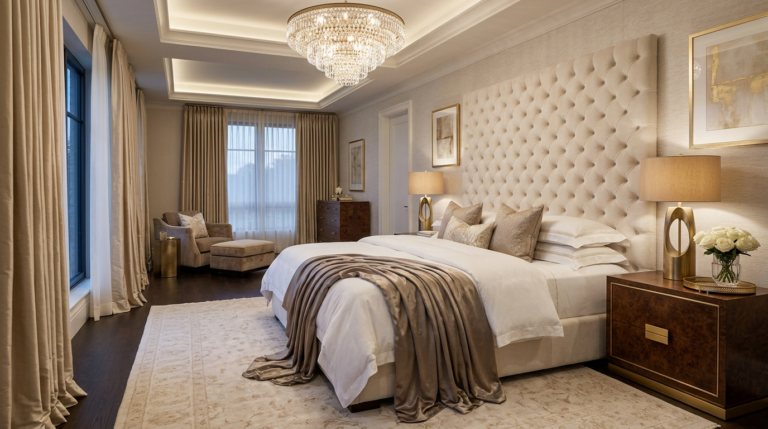
For a truly luxurious, hotel-like experience, prioritize natural, breathable fibers. High thread-count Egyptian cotton offers a crisp, cool touch, while pure linen provides a relaxed, perfectly rumpled aesthetic with exceptional temperature regulation properties. Silk or bamboo sheets are also incredible options for those seeking a smooth, hypoallergenic surface. When styling the bed, layering is the secret to an inviting look. Start with your fitted and flat sheets, add a medium-weight quilt or coverlet, and top it with a plush, down-filled duvet. Fold the duvet halfway down the bed to expose the layers beneath, and finish with a curated selection of decorative pillows. The goal is to make the bed look so inviting that you cannot wait to dive into it at the end of the day.
Mastering the Art of Bedroom Lighting
Lighting is the master switch for setting the mood in any room, but it is exceptionally critical in the bedroom. A glaring overhead light is the enemy of relaxation. To craft a serene atmosphere, you must implement a flexible, layered lighting scheme. Begin by installing dimmer switches on all overhead fixtures. This simple upgrade allows you to instantly soften the ambiance as the evening progresses, signaling to your circadian rhythm that sleep is approaching.
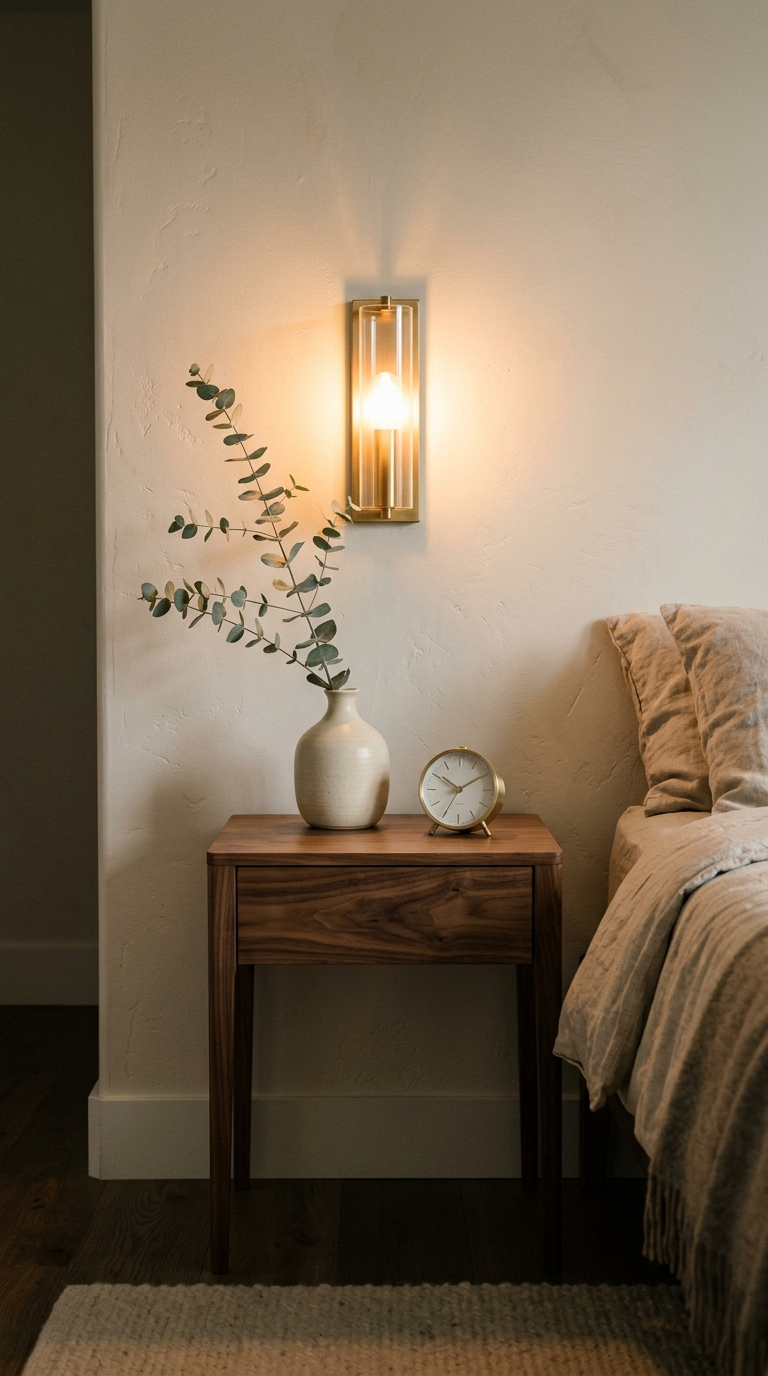
Next, focus on localized ambient and task lighting. Bedside lamps are essential, but consider replacing standard table lamps with elegant wall sconces or low-hanging pendant lights. This not only frees up valuable space on your nightstands but also adds a touch of custom, high-end design to the room. When choosing bulbs, strictly adhere to warm color temperatures. Look for LED bulbs rated between 2000K and 2700K. These emit a soft, amber glow reminiscent of candlelight, which is incredibly soothing to the eyes. Finally, do not forget the importance of natural light control. Install high-quality blackout curtains or cellular shades to ensure your sleep is never disturbed by early morning sun or harsh streetlights.
Layering Textures for Tactile Comfort
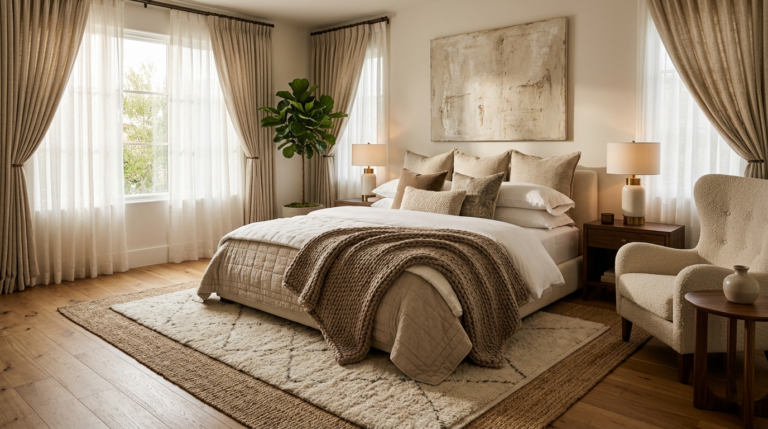
A visually beautiful bedroom can still feel cold and sterile if it lacks tactile variation. Texture is the invisible design element that brings warmth, depth, and character to a space. To create a sensory-rich environment, intentionally mix and match different materials throughout the room. If you have sleek, painted walls and modern furniture, introduce softness through a chunky knit wool throw blanket draped casually over the end of the bed. If your floors are hardwood, anchor the space with a deeply plush, high-pile Moroccan rug or a faux sheepskin to give your feet a luxurious landing pad every morning.
Consider the textures of your window treatments as well. Heavy velvet drapes absorb sound and add a sense of opulence, while gauzy linen sheers allow diffused light to filter through romantically during the day. Even your choice of headboard contributes to the textural landscape; an upholstered headboard in bouclé, linen, or velvet offers a soft, supportive backdrop for reading in bed, contrasting beautifully against crisp cotton sheets. By engaging the sense of touch, you ground yourself in the physical space, promoting a deeper sense of relaxation.
Decluttering: The Minimalist Approach to Peace
Visual clutter inevitably translates to mental clutter. It is nearly impossible to relax in a bedroom where piles of laundry sit on the accent chair, books are stacked haphazardly on the floor, and the nightstand is overflowing with receipts and charging cables. To maintain the sanctity of your bedroom, you must adopt a strict philosophy of organization and intentional minimalism. Every item in the room should serve a distinct purpose or bring you profound joy.
Invest in smart storage solutions to keep daily necessities out of sight. Nightstands with deep, closed drawers are vastly superior to open shelving for hiding personal items. Utilize the space under your bed with stylish rolling bins or invest in a bed frame with built-in storage to stow away out-of-season clothing and extra linens. Ensure your closet is highly organized so that putting things away is easier than leaving them out. Keep the top surfaces of your dressers and nightstands as clear as possible, displaying only a few curated items—perhaps a framed photograph, a beautiful clock, or a single vase of fresh flowers. A clean, organized room allows the eye to rest, which in turn allows the mind to rest.
Integrating the Healing Power of Nature
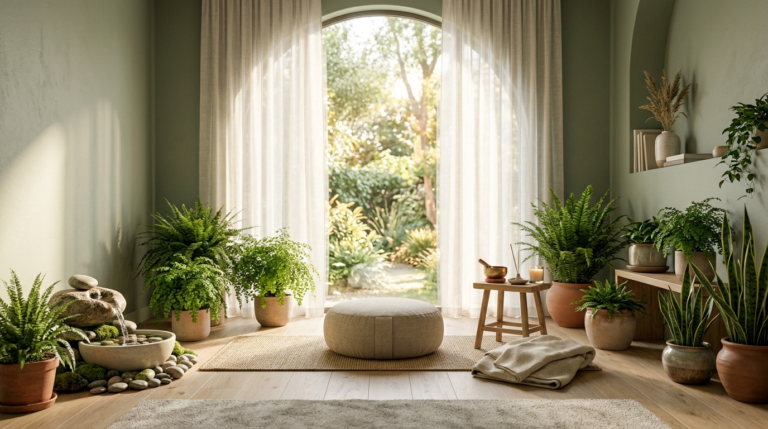
Bringing elements of the natural world indoors is a powerful way to enhance the tranquility of your bedroom. The concept of biophilic design proves that humans have an innate biological need to connect with nature, and fulfilling this need reduces stress and improves emotional well-being. The easiest way to achieve this is by incorporating live plants into your decor. Snake plants, pothos, and peace lilies are excellent bedroom companions; they require minimal maintenance, thrive in lower light conditions, and actively purify the air while you sleep.
Beyond live plants, look for ways to weave natural materials into your furniture and decor. A solid walnut dresser, a woven rattan chair, or a headboard crafted from reclaimed wood injects organic warmth and grounding energy into the room. You can also evoke nature through art by selecting landscape photography, botanical prints, or abstract pieces featuring organic shapes and earthy color palettes. These subtle nods to the outdoors create a subconscious sense of harmony and balance.
Curating a Calming Soundscape and Scent Profile
A true sanctuary engages all the senses, moving beyond the visual to include sound and scent. The auditory environment of your bedroom should be peaceful and controlled. If you live in a noisy urban area or have a restless household, consider investing in a high-quality white noise machine. These devices emit soothing sounds—like gentle rain, ocean waves, or a low hum—that effectively mask disruptive background noises, allowing you to fall asleep faster and stay asleep longer. Alternatively, a small tabletop water fountain can provide the delicate, relaxing sound of trickling water.
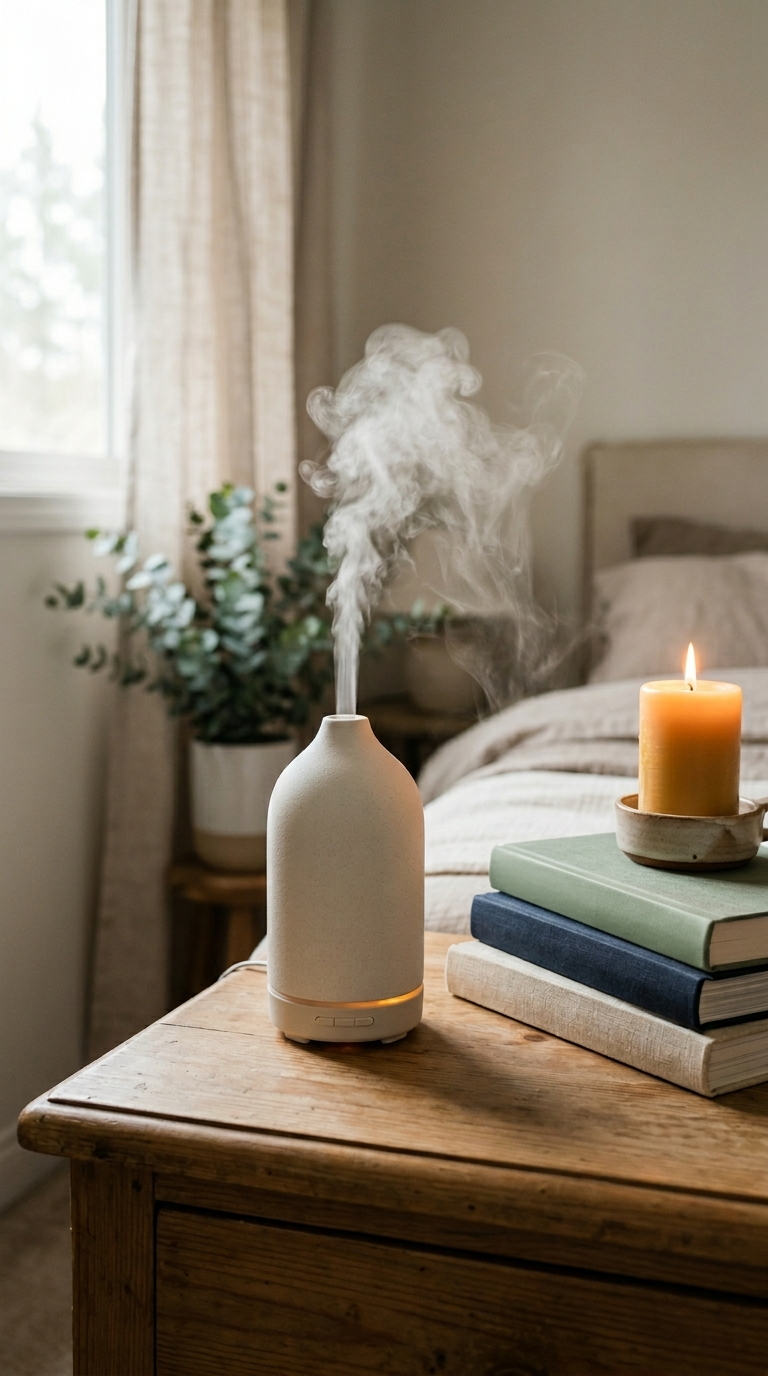
Equally important is the olfactory experience. Aromatherapy is a potent tool for influencing mood and relaxation. Introduce a signature calming scent to your bedroom using an essential oil diffuser, a high-quality soy candle, or linen sprays. Lavender is universally recognized for its sleep-inducing properties, but chamomile, cedarwood, bergamot, and ylang-ylang are also deeply relaxing. Establishing a nightly ritual of misting your pillows with a gentle botanical spray or turning on a diffuser can create a powerful sensory cue that signals to your brain it is time to transition into a state of deep rest.
Establishing a Technology-Free Zone
In our modern era, perhaps the most radical—and most effective—step you can take to create a serene bedroom is to banish unnecessary technology. The blue light emitted by smartphones, tablets, and televisions severely disrupts the body’s natural production of melatonin, the hormone responsible for regulating sleep cycles. Furthermore, the constant influx of news, emails, and social media notifications keeps the brain in a state of hyper-arousal, making relaxation impossible.
Commit to making your bedroom a screen-free sanctuary. Remove the television entirely. Instead of using your phone as an alarm clock, purchase a beautiful, classic analog clock for your nightstand. Charge your devices in the kitchen or home office overnight. If you must keep your phone in the room for emergencies, place it out of arm’s reach and utilize the “Do Not Disturb” function. By removing the temptation to scroll, you reclaim your bedroom as a dedicated space for intimacy, reading, reflection, and restorative sleep.
Carving Out a Dedicated Personal Nook
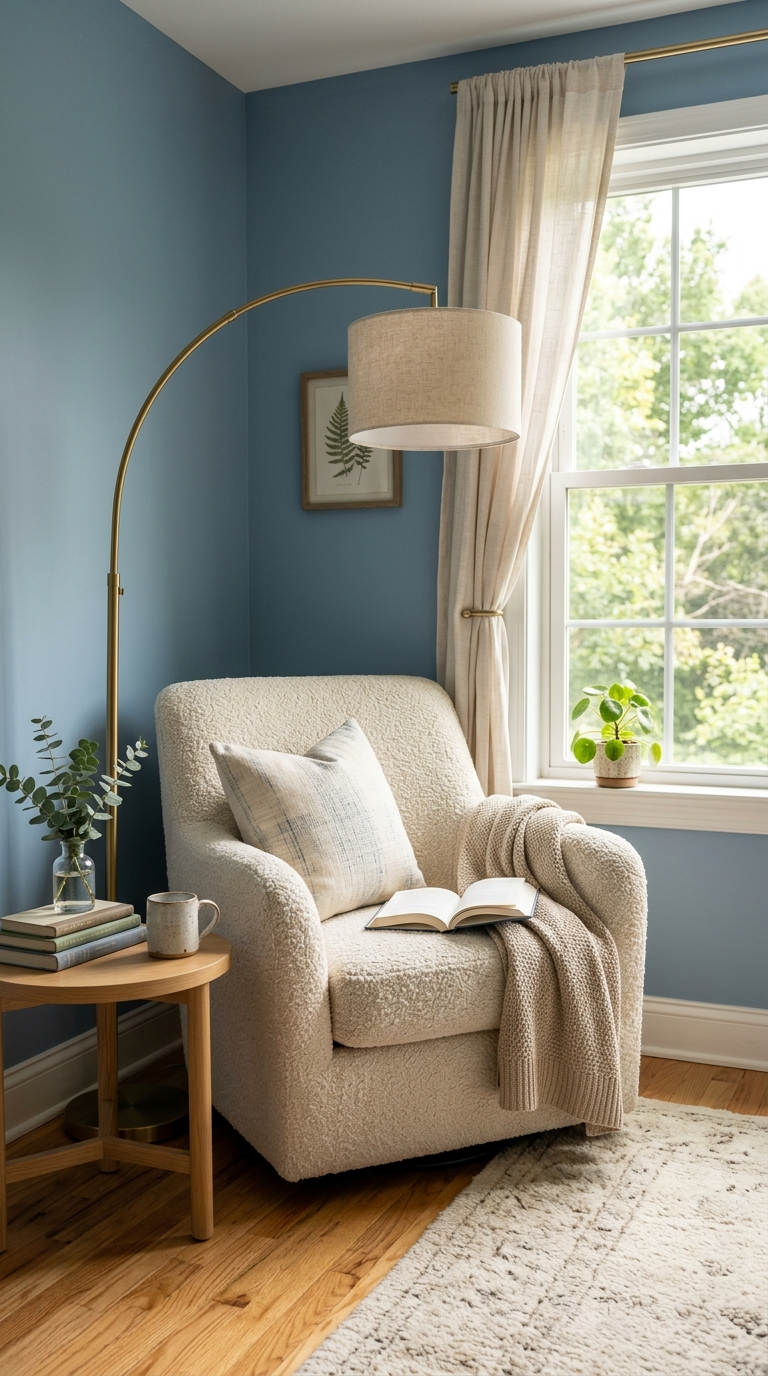
While the primary function of the bedroom is sleep, a truly exceptional sanctuary also provides space for quiet, waking activities. If your square footage allows, dedicate a corner of the room to a specific, relaxing pursuit. This could be a cozy reading nook featuring an oversized, comfortable armchair, a soft throw, and an adjustable floor lamp. Alternatively, it could be a dedicated meditation space with floor cushions, a small altar for candles, and a yoga mat. Having a distinct zone within the bedroom that is completely separate from the bed itself encourages you to retreat to this space not just when you are exhausted, but when you simply need a moment of peace, reflection, or quiet enjoyment away from the demands of the household.
The Importance of Personalized Details
A serene bedroom should not feel like a sterile hotel room; it must reflect your unique personality and tell your story. While maintaining an organized and uncluttered aesthetic is crucial, you must still weave in meaningful, personal details that spark joy. Display a cherished piece of art that you collected on a memorable trip. Keep a stack of your favorite, beautifully bound books on the nightstand. Frame a single, quiet photograph of a loved one or a favorite landscape. These highly curated, deeply personal items infuse the space with your spirit, transforming a beautifully decorated room into a true sanctuary that feels unmistakably yours.
Conclusion: Your Daily Retreat
Crafting a serene bedroom sanctuary is an ongoing process of tuning into your personal needs and refining your environment to support ultimate well-being. By carefully selecting calming colors, prioritizing luxurious and supportive bedding, mastering layered lighting, and engaging all of your senses through texture, sound, and scent, you elevate your bedroom into a restorative retreat. Remember that this space is entirely yours. Protect it from the chaos of the outside world, banish clutter and technology, and fill it only with things that promote peace. When you invest time and intention into designing a tranquil bedroom, you are profoundly investing in your own mental health, physical rest, and overall quality of life.
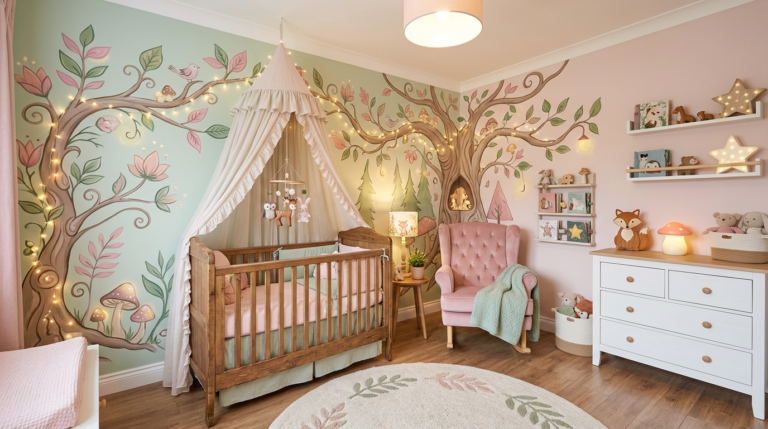
Transform your baby’s room into a fairytale wonderland with these whimsical DIY nursery ideas. Create a magical, imaginative space without breaking the bank.
Transform your personal space into a serene sanctuary. Discover the most common bedroom decor mistakes to avoid and how to fix them for ultimate relaxation.
Learn how to master the art of layering textures and fabrics to build a deeply comforting, visually stunning bedroom sanctuary that invites perfect sleep.
Step into a world of sophisticated bedroom design. Uncover the secrets to layering textures, selecting premium palettes, and designing a luxury retreat.
Transform a spare room into an extraordinary at-home wellness sanctuary. Discover elegant design strategies and natural elements for ultimate peace and calm.
Discover the latest trends in bedroom design creating peaceful sanctuaries. From organic materials to warm color palettes, forecast the next big looks for personal spaces.