The Impact of Bedroom Design on Sleep Hygiene
Your bedroom should be the ultimate sanctuary—a deeply personal oasis designed explicitly to promote rest, recovery, and absolute relaxation. Unfortunately, many homeowners unknowingly fall into common interior design traps that actively disrupt their circadian rhythms, elevate stress levels, and diminish overall sleep quality. From incorrect furniture placement to poor color choices, the way you structure your bedroom environment has a direct, scientifically proven impact on your physical and mental well-being.
When we treat bedroom design purely as an aesthetic pursuit rather than a functional exercise in sleep hygiene, our health pays the price. Achieving a beautiful room that also facilitates deep, uninterrupted sleep requires a delicate balance of spatial harmony, light mitigation, tactile comfort, and organization. In this comprehensive expert guide, we will analyze six of the most frequent bedroom layout and decor mistakes, detailing exactly how they impact your rest and providing actionable, high-end solutions to correct them permanently.
1. Choosing the Wrong Lighting Layout and Relying on Harsh Overhead Fixtures
One of the most frequent errors in bedroom design is relying exclusively on a single, high-intensity overhead ceiling fixture. Bright, direct downward lighting mimic the intensity of midday solar rays, which signals your brain to suppress melatonin production. This can make it incredibly difficult to unwind and transition into a restful mindset during the evening hours leading up to bedtime.
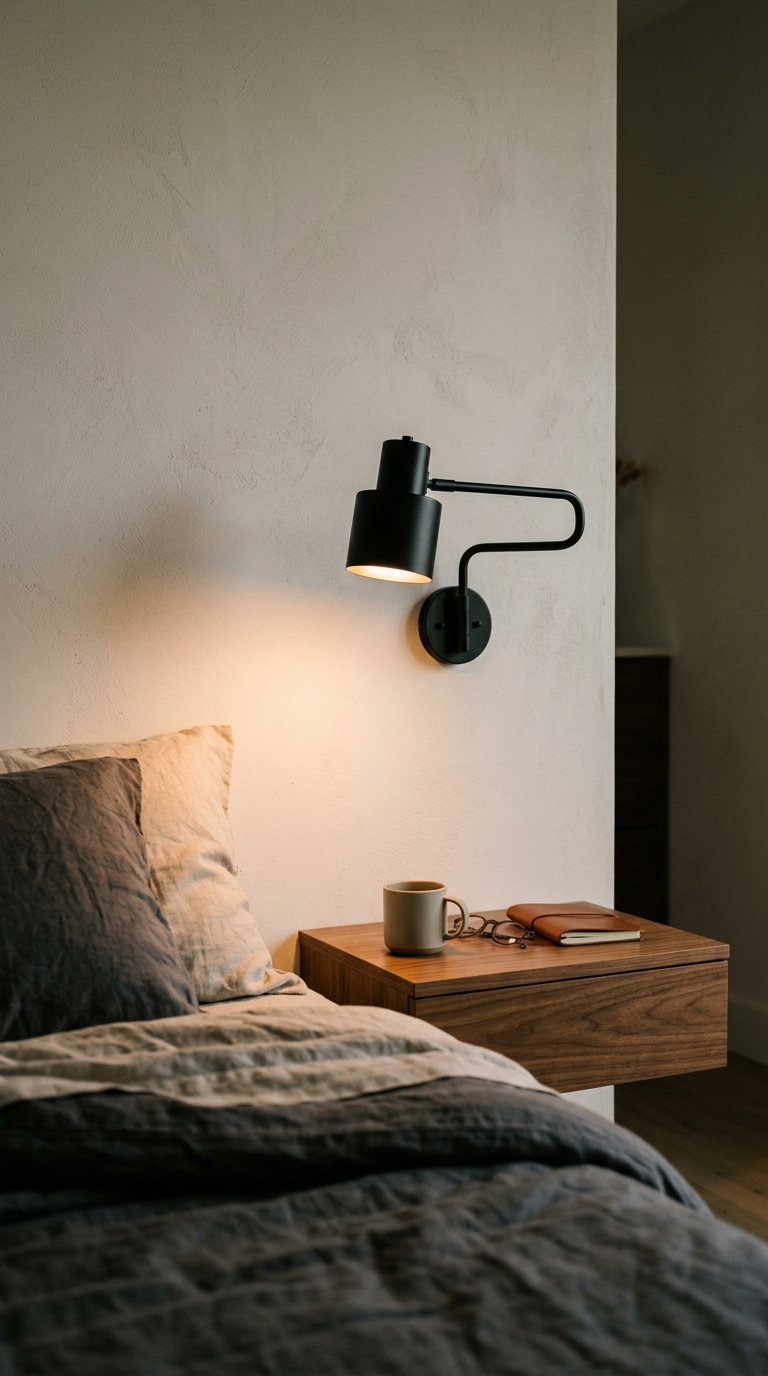
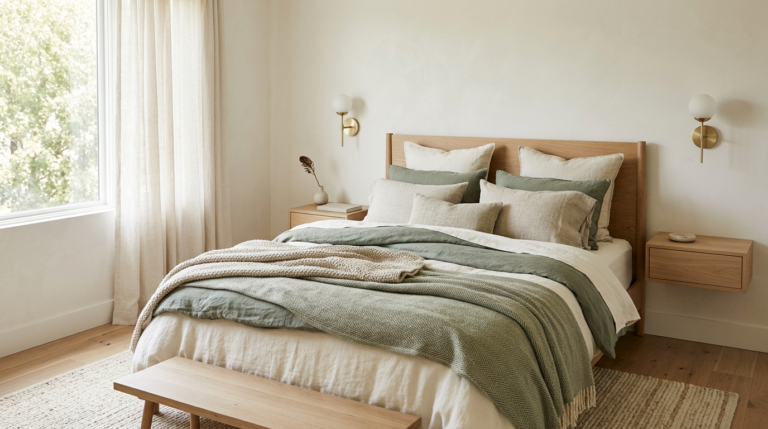
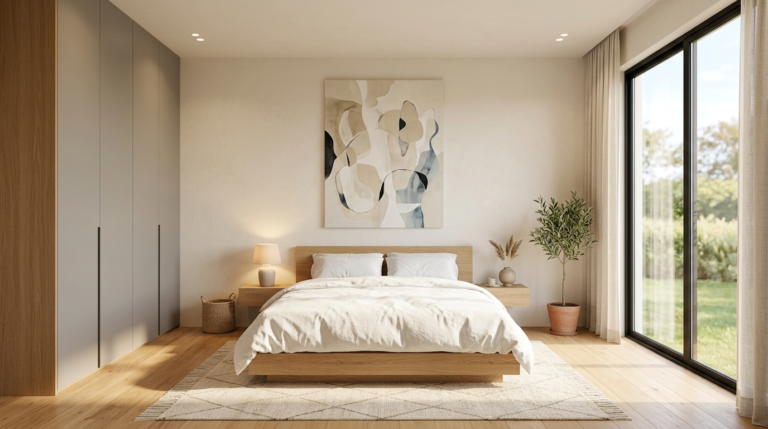
To fix this mistake, move away from singular overhead light sources and implement a sophisticated, multi-layered lighting plan. Introduce dimmable bedside table lamps, elegant wall sconces with warm-toned frosted glass diffusers, or low-level LED under-bed lighting. Ensure all bulbs are rated between 2700K and 3000K, creating a soft, amber-hued ambient glow that mimics the natural sunset, guiding your body gently into its natural sleep cycle.
2. Overcrowding the Space with Oversized Furniture and Clutter
Spatial flow and visual clutter have a profound psychological impact on our ability to relax. Walking into a bedroom packed with oversized dressers, multiple accent chairs, and cluttered surfaces triggers a subconscious stress response, making the mind feel cramped, disorganized, and alert rather than calm and secure.
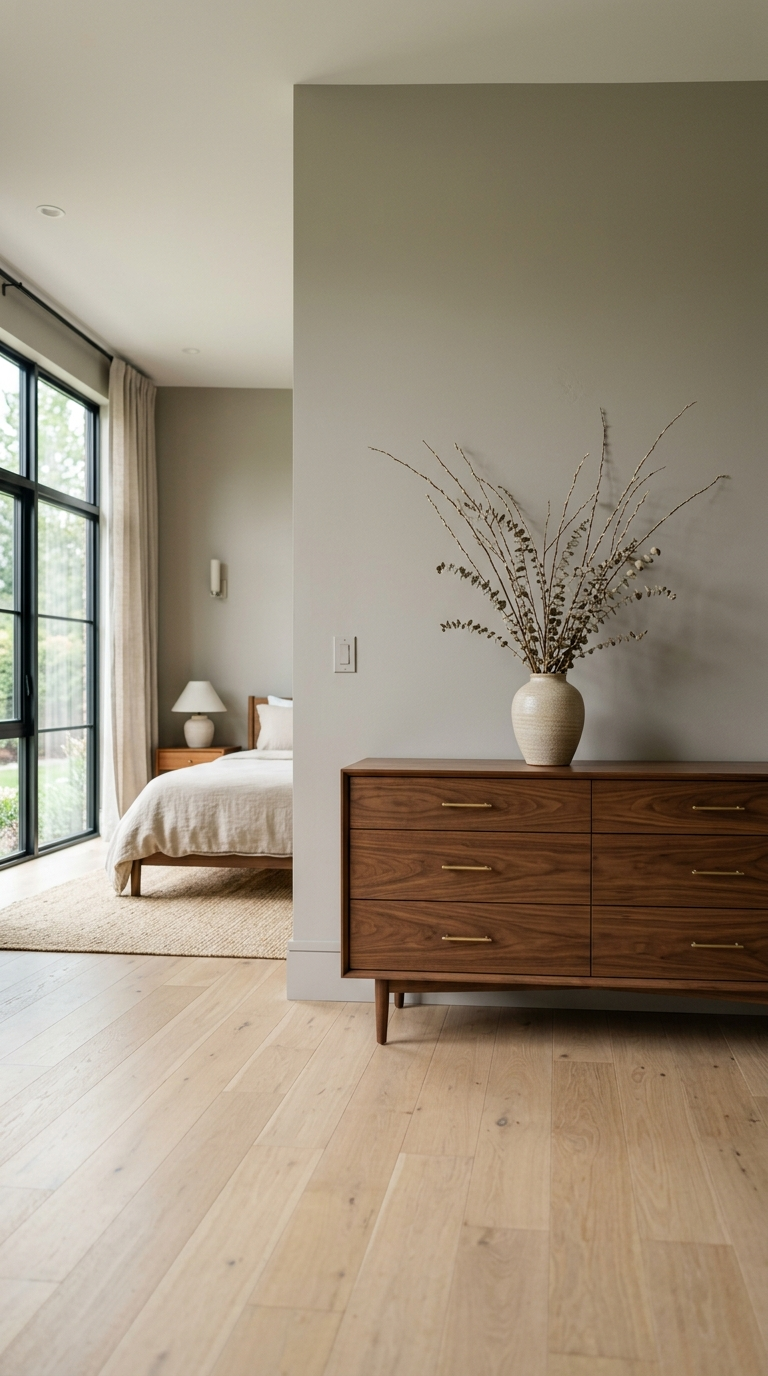
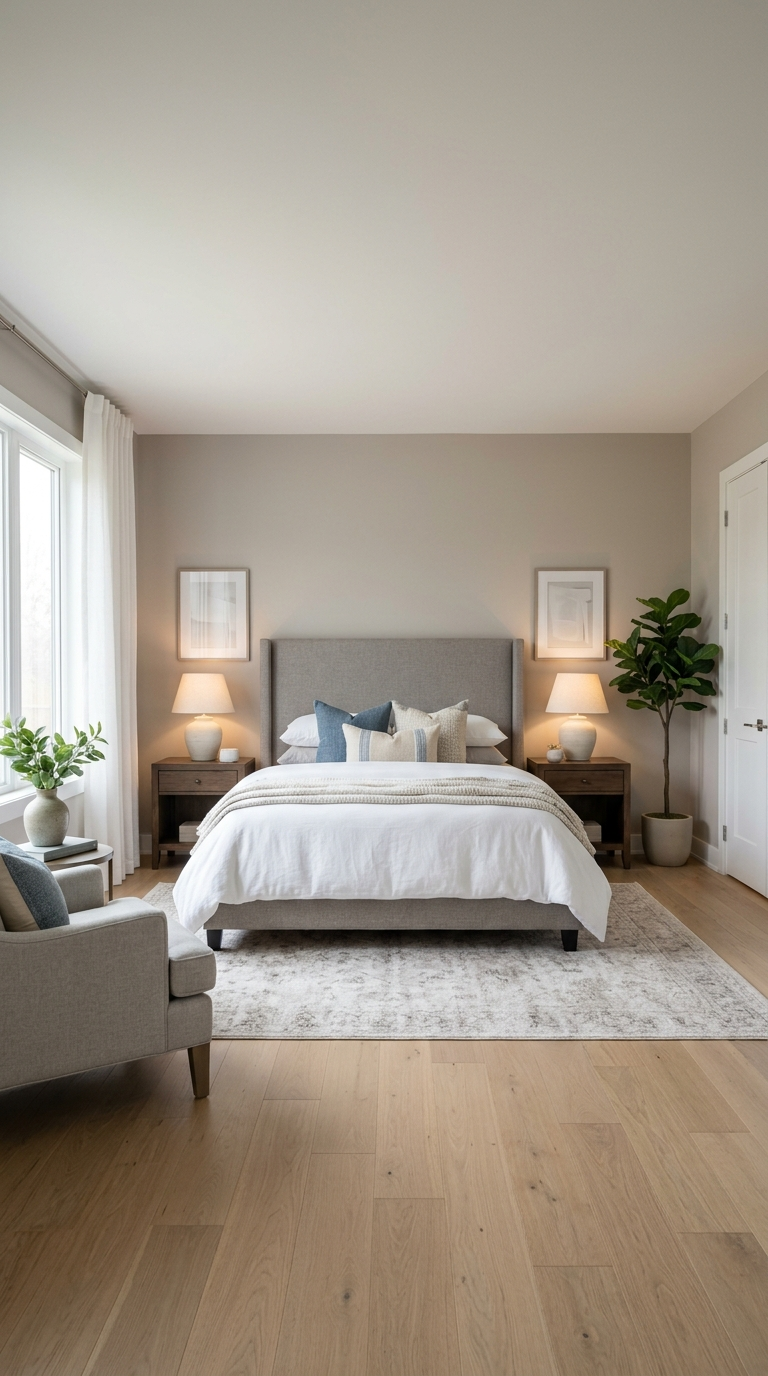
When selecting furniture for your bedroom, always prioritize scale and proportion relative to the actual square footage of the room. Leave at least three feet of open walking space around the perimeter of your bed to allow for smooth, effortless movement. Opt for multi-functional furniture pieces with hidden integrated storage, such as a custom upholstered storage bed frame or floating nightstands, keeping surfaces clean and minimal to promote mental clarity.
3. Selecting Overstimulating Wall Color Schemes
While vibrant, high-energy colors like bright red, intense orange, or saturated primary yellow can look incredible in creative workspaces or dynamic living areas, they are completely counterproductive inside a sleep environment. These energetic hues increase heart rate and cognitive alertness, which is the exact opposite of what your body requires to rest deeply.
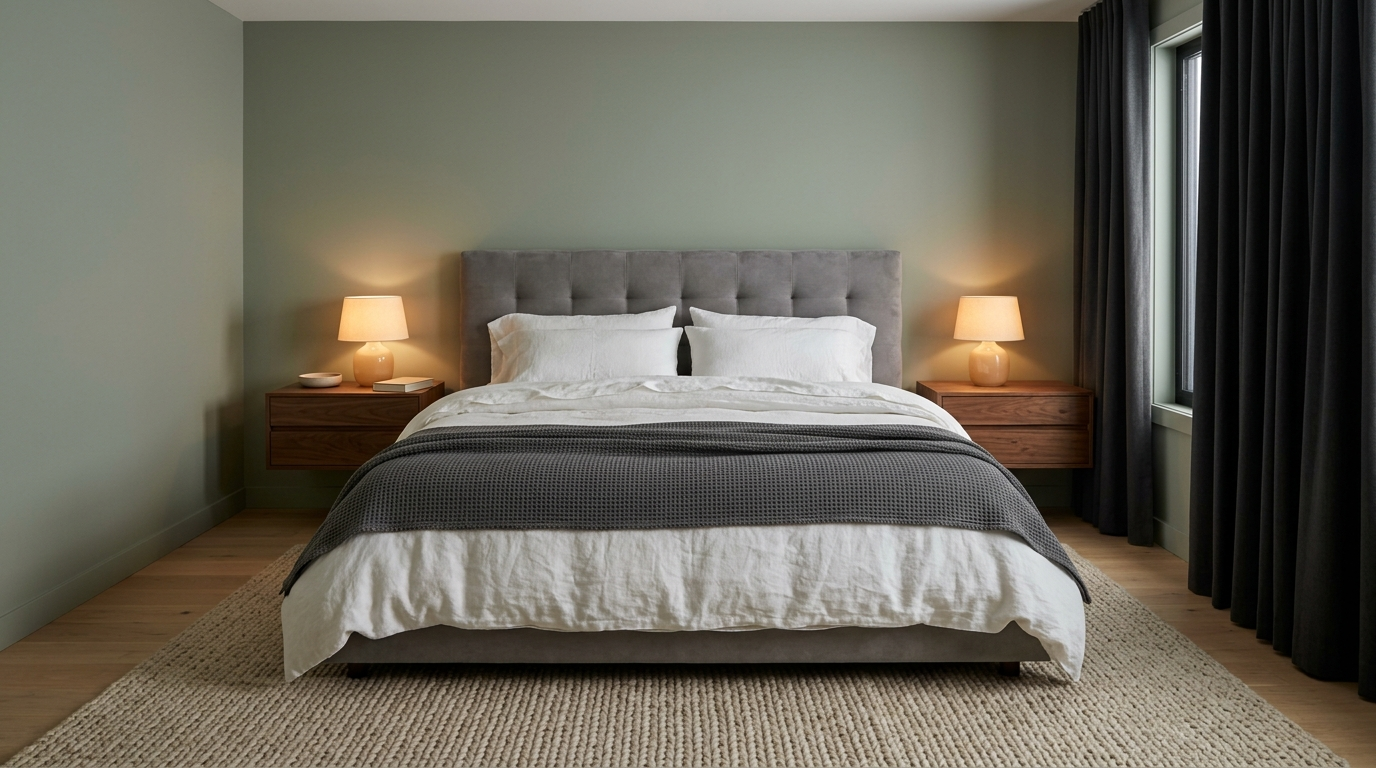
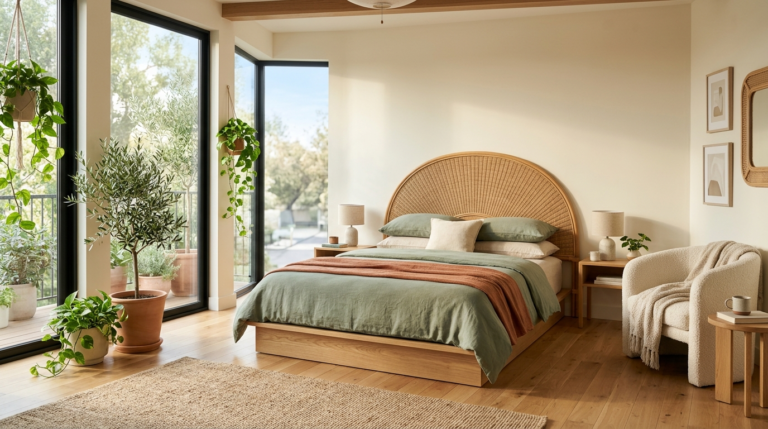
Instead, choose colors that induce psychological calm and physical relaxation. Highly recommended bedroom palettes include muted slate blues, soft sage greens, tranquil earthy clay tones, and sophisticated warm grays. These nature-inspired colors have been shown to lower blood pressure and create a soothing, expansive background aesthetic that gently quiets the mind at the end of a long day.
4. Neglecting the Power and Warmth of an Area Rug on Hardwood Flooring
Hardwood or polished concrete flooring looks undeniably sleek and modern, but leaving it completely bare in a bedroom is a major design oversight. Hard flooring lacks acoustic dampening, causing sounds to bounce and echo throughout the room, which can lead to sleep disruptions from minor household noises. Furthermore, stepping out of a warm bed onto a freezing cold floor creates an immediate sensory shock to the nervous system.
An oversized, premium area rug is an absolute necessity for anchoring a bed and adding critical physical comfort. Choose a high-quality rug woven from natural fibers like wool, silk, or organic cotton, and ensure it extends at least twenty-four to thirty-six inches beyond both sides of the mattress frame. This layout provides a soft, warm, insulated landing pad for your feet every morning while significantly dampening room acoustics for a quieter sleep experience.
5. Positioning the Bed in an Unfavorable Spatial Layout
The placement of your bed frame within the architectural layout of the room plays a massive role in your subconscious sense of safety and comfort. A common mistake is placing the bed directly in line with the main entryway door, or conversely, tucked completely out of view against a far wall where the door cannot be seen from the pillow.
According to interior psychology and spatial design principles, the ideal placement for a bed is in the commanding position. This means your headboard is securely anchored against a solid interior wall, directly facing the main entrance door but offset slightly so you are not sleeping directly in the doorway’s path. This specific orientation provides maximum visibility and structural support, fostering a deep, instinctual sense of security that allows your nervous system to relax entirely.
6. Overlooking Window Treatment Functionality and Light Pollution
Many homeowners choose window treatments based purely on fabric patterns and aesthetics, completely overlooking their functional performance. Light pollution from streetlights, passing cars, or early morning sun can easily penetrate thin, unlined curtains, breaking your sleep cycle and disrupting critical REM patterns.
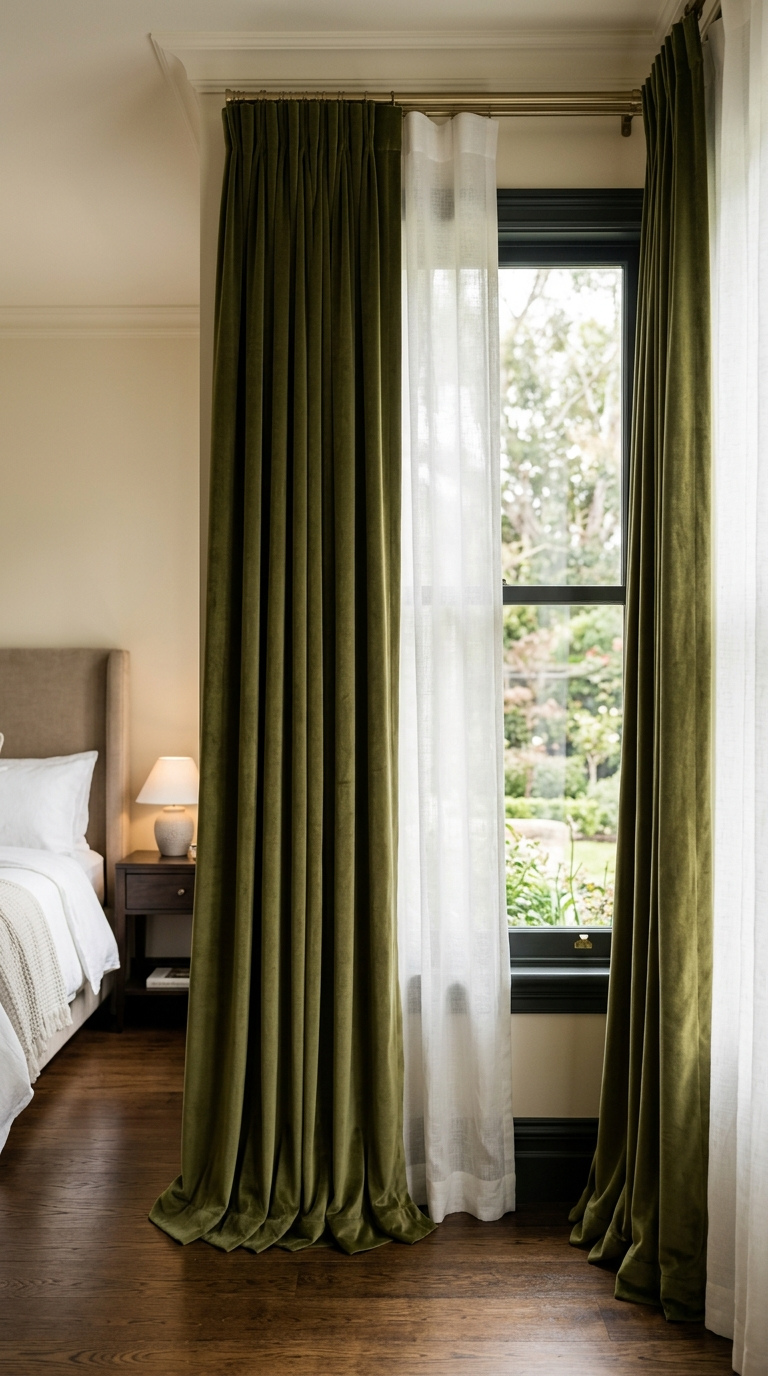
To achieve a truly optimized sleep sanctuary, invest in high-end, custom window treatments that feature dedicated blackout lining layers. A highly effective approach is pairing elegant, floor-to-ceiling linen drapery panels with a secondary layer of integrated, track-guided blackout roller shades. This dual-layer system gives you total control over light filtration, privacy, and thermal insulation, allowing you to create complete darkness on demand at any hour of the day.
How to Reset Your Bedroom’s Spatial Harmony
Correcting these design mistakes does not necessarily require a complete, expensive room renovation. Often, achieving spatial harmony is simply a matter of thoughtful rearrangement and editing. Start by auditing your current layout: remove any non-essential furniture pieces, clear off nightstand surfaces of excess clutter, and evaluate how easily you can navigate through the room in the dark.
Once the physical space is cleared, shift your focus to tactile upgrades. Investing in high-thread-count organic linen or long-staple cotton sheets, replacing worn-out synthetic pillows with contoured ergonomic options, and ensuring your mattress offers proper orthopedic alignment are all critical adjustments that work hand-in-hand with your new layout to maximize sleep efficiency and comfort.
Curating a Mindful Nightstand Setup
Your nightstand is the final piece of visual real estate you interact with before closing your eyes and the first thing you see upon waking. Keeping this specific surface cluttered with electronic devices, charging cords, work documents, or half-empty cups creates immediate mental static that interferes with a peaceful transition into sleep.
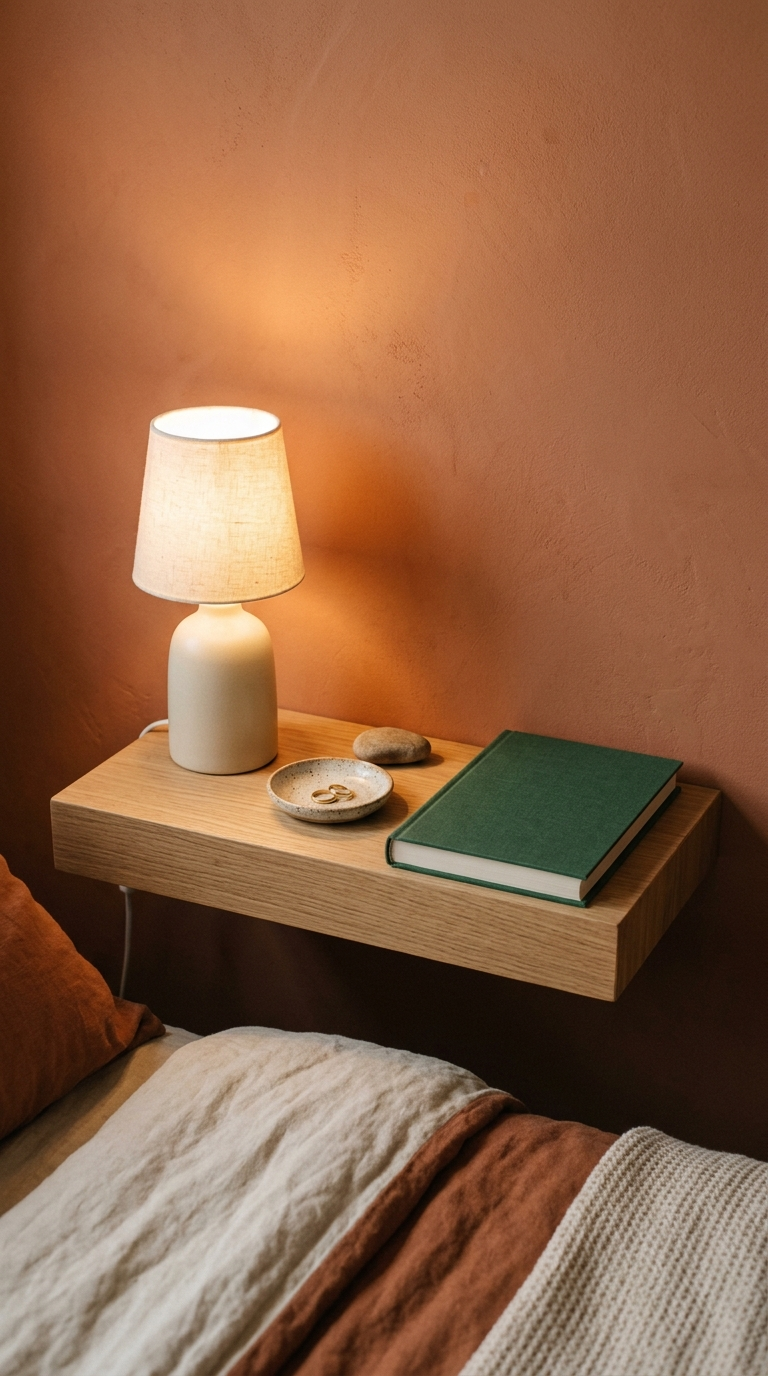
Curate your nightstand with extreme intentionality. Keep it limited to a maximum of three essential, beautiful items: a warm-toned reading lamp, a small ceramic dish to hold personal jewelry, and a single book you are actively reading. If you need a glass of water nearby, use a matching glass carafe set to maintain a beautiful, hotel-like aesthetic. Store all digital devices and power cords completely out of sight inside a nightstand drawer to remove digital temptation from your sleeping zone.
Creating Your Perfect Sleep Sanctuary
Ultimately, a master bedroom should be styled to satisfy your personal needs for rest, comfort, and visual peace. By actively avoiding these six common design mistakes—reorganizing your lighting, selecting soothing tones, scaling furniture correctly, and maximizing window light controls—you transform your bedroom from a basic sleeping area into a premium wellness retreat.
As you implement these changes, pay close attention to how your body responds over the following weeks. You will likely find that as your physical surroundings become more harmonious, organized, and tranquil, your mind follows suit, allowing you to fall asleep faster, stay asleep longer, and wake up feeling entirely refreshed, energized, and ready to embrace the day ahead.
Transform your child’s room into a realm of wonder. Discover enchanting, step-by-step DIY nursery projects that blend imagination with whimsical design.
Transform your sleeping space into a peaceful oasis. Uncover elegant styling secrets, calming color palettes, and luxurious textures for ultimate rest.
Struggling to achieve that perfect minimalist bedroom? Learn the 7 most common decor mistakes to avoid for a clean, serene, and perfectly balanced space.
Transform your workspace with this complete step-by-step guide on home office design, ergonomics, lighting, and smart layout solutions for peak productivity.