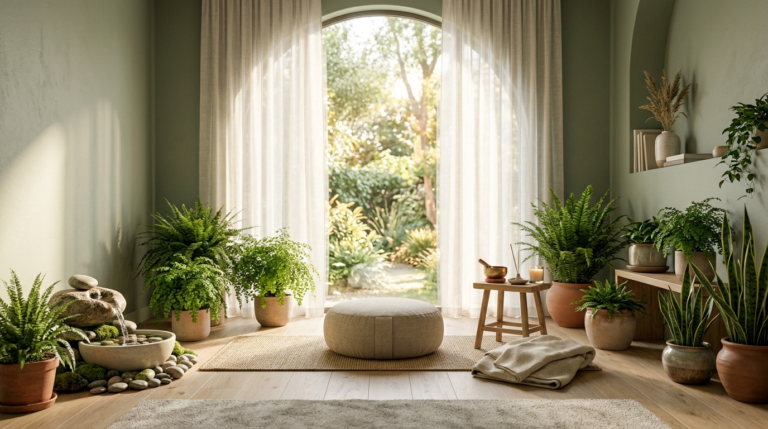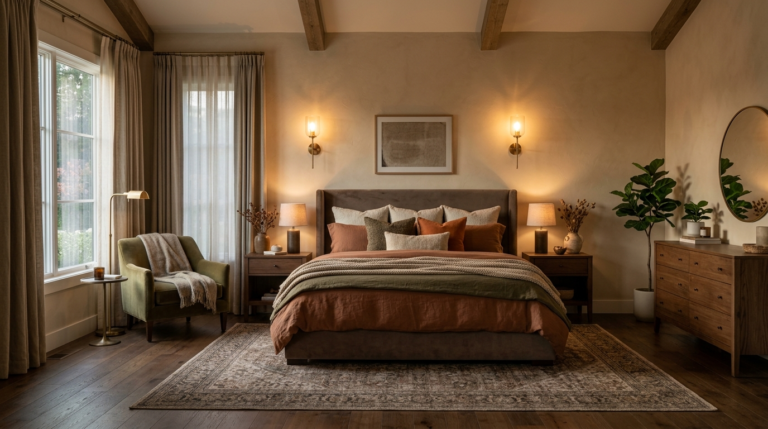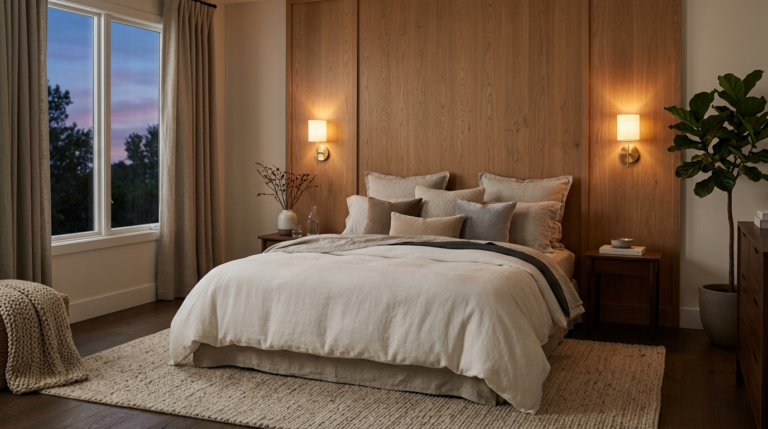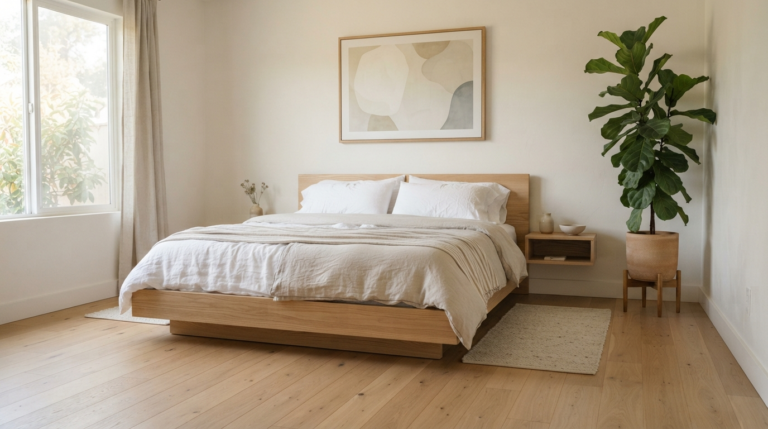
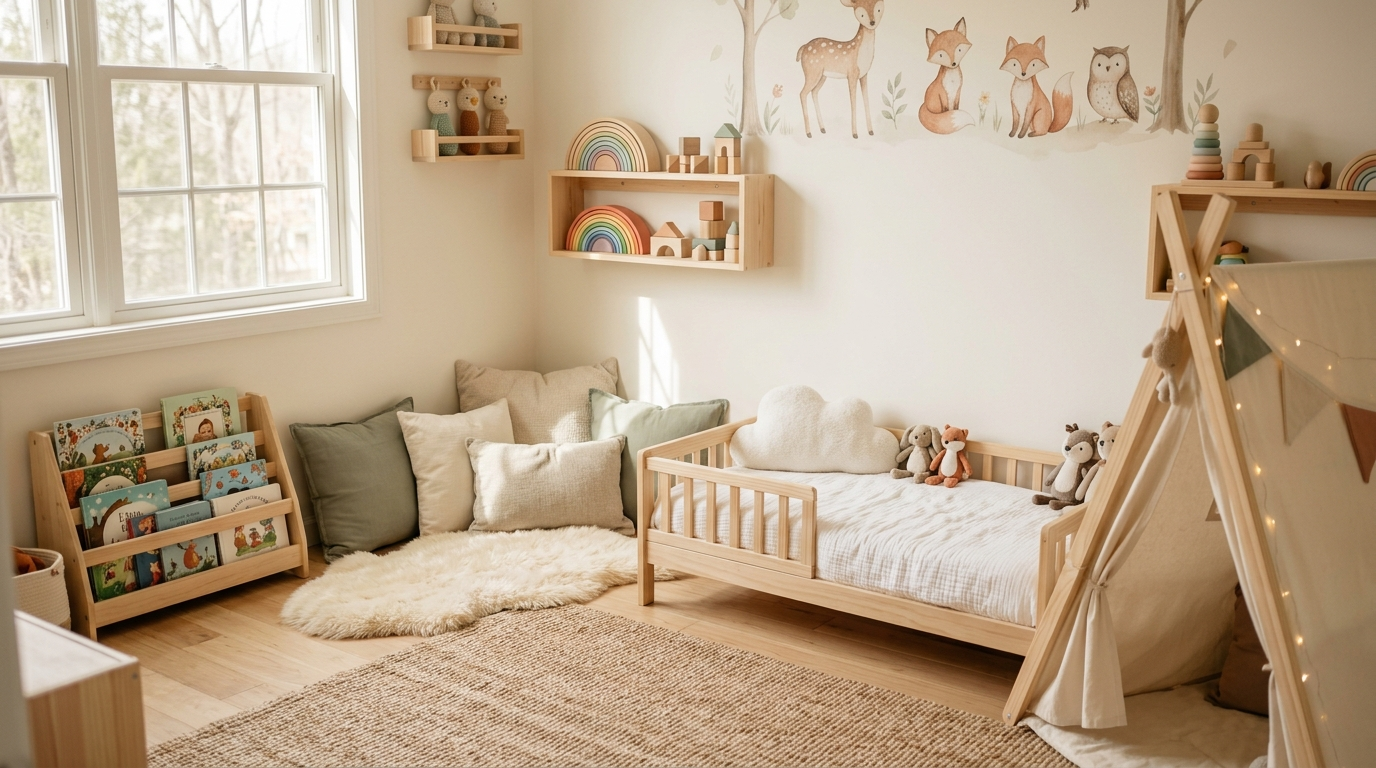
Creating a magical space for your children is one of the most rewarding aspects of interior design. It’s not just about selecting furniture or picking a color palette; it’s about crafting an environment that fosters creativity, security, and endless joy. A well-designed kids’ room or nursery serves as a sanctuary for sleep, a laboratory for play, and a canvas for their growing imaginations. When we approach designing these spaces, we must look through the eyes of a child, balancing functionality with whimsy to create something truly enchanting.
As an expert in both Pinterest trends and home decor, I’ve seen countless styles come and go, but the most successful spaces always prioritize the child’s perspective. In this comprehensive guide, we will explore 15 unique and magical ideas to transform any standard room into a whimsical retreat. We will delve into everything from creative wall treatments and interactive play zones to cozy reading nooks and smart organization strategies that keep the clutter at bay while enhancing the overall aesthetic.
1. Themed Accent Walls and Murals
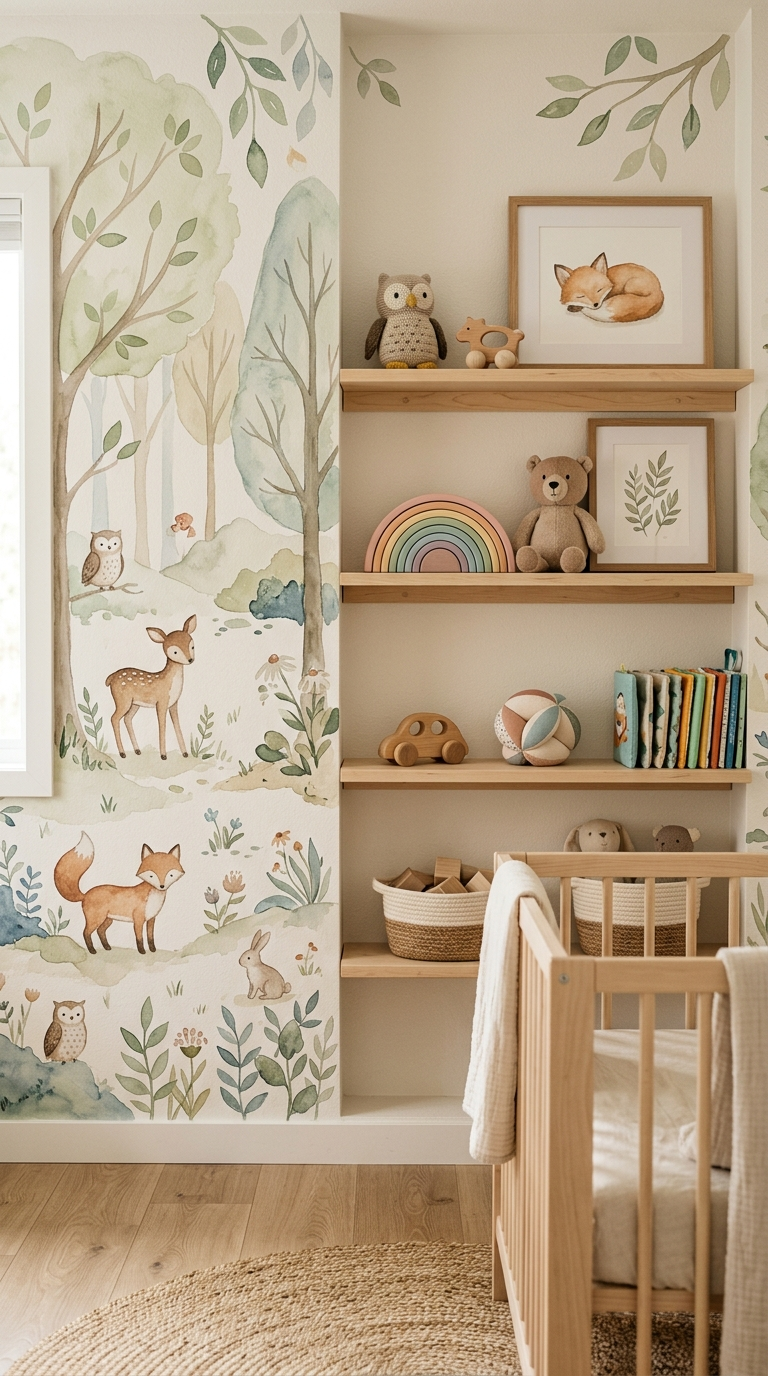
One of the quickest ways to inject magic into a room is through a captivating feature wall. Instead of a single solid color, consider a full-scale mural that transports your child to another world. This could be a serene forest scene with friendly animals, a whimsical outer space adventure, or a gentle watercolor map of the world. The key is to choose something that resonates with their current interests but has enough longevity to grow with them for a few years.
For those who prefer a less permanent option, high-quality peel-and-stick wallpaper is a fantastic alternative. These decimals have come a long way and offer complex patterns, texture, and vibrant designs without the commitment of traditional wallpaper or the skill required for hand-painting. Look for oversized botanical prints, geometric shapes in soft pastels, or stylized starry night sky patterns to add depth and narrative to the space.
2. Dedicated Play Zones and Interactive Flooring
The entire room can be an interactive experience. While standard area rugs define a space, consider interactive flooring solutions. Rugs with roadway patterns, hopscotch grids, or even soft puzzle mats in complementary colors turn the floor itself into a play area. This encourages active play and imaginative scenarios right down at their level.
Furthermore, defining specific zones for different activities helps maintain order and focus. Use low, open-faced shelving to delineate a building block station, a dress-up corner with a child-safe mirror, or a quiet area for puzzles and sensory play. By creating boundaries, you help children understand the flow of their space and make cleanup more manageable.
3. Whimsical Beds and Cozy Canopies
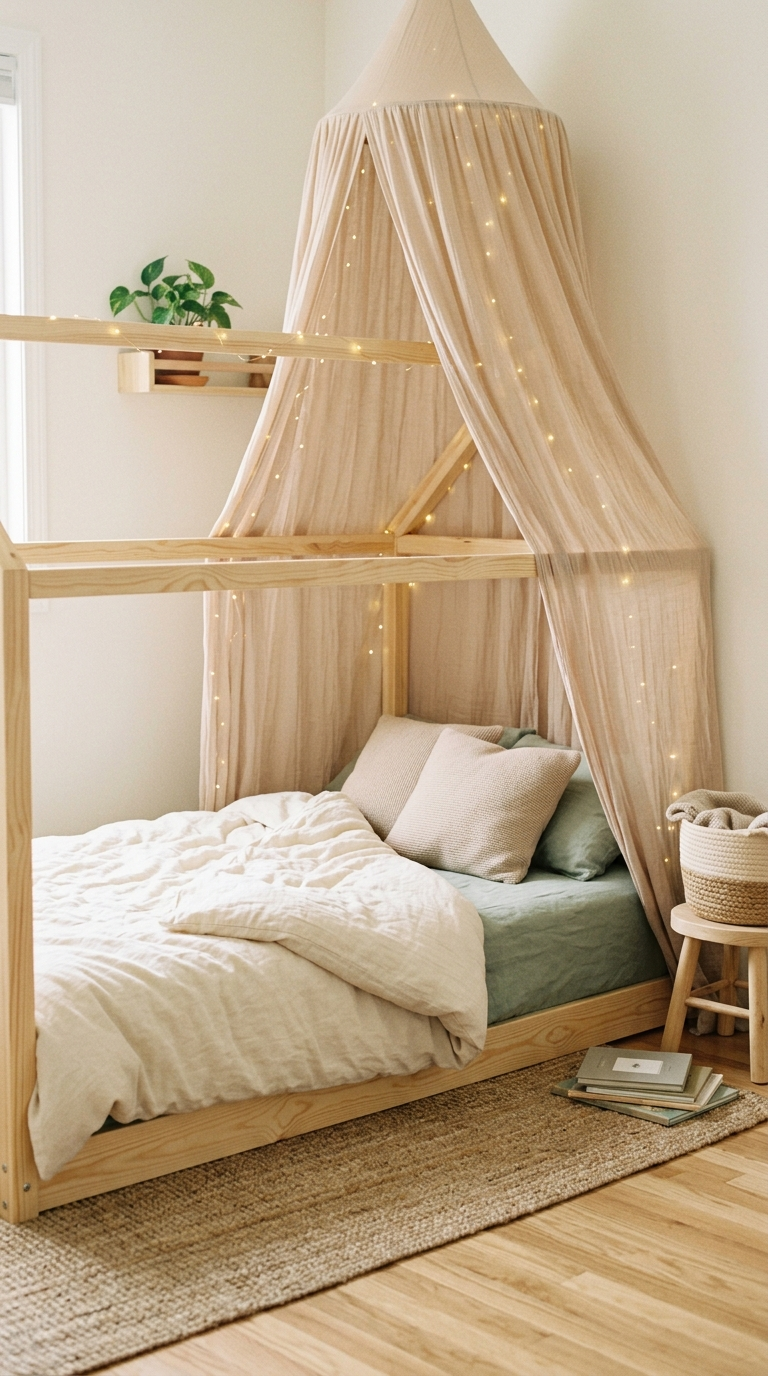
The bed is often the largest piece of furniture in the room, so why not make it spectacular? House-shaped floor beds are incredibly popular right now (and Pinterest gold) because they are both whimsical and functional, allowing easy access for toddlers and creating a cozy nook sensation. These structures provide a framework that can be adorned with twinkling lights or light fabrics.
For a standard bed or crib, the addition of a canopy instantly elevates the magic factor. A soft muslin or sheer canopy draped over the head of the bed creates a sense of security and a designated ‘dream space.’ It transforms an ordinary bed into a royal carriage, a safari tent, or a secret hideout, making bedtime something to look forward to.
4. Creative Arts and Crafts Stations
Fostering creativity is essential, and a dedicated arts and crafts station provides the perfect outlet. A child-sized table with a roll of paper attached, easily accessible paint pots, and sorted crayons invites spontaneous creation. Ensure the surfaces are wipeable, and the materials are safe. A small chalkboard or whiteboard area integrated into the wall can also provide endless, low-mess drawing opportunities.
The structure of this station is vital. Use vertical storage solutions like pegboards or hanging buckets to keep supplies organized and off the table surface. This ensures that the ‘magic’ doesn’t get overwhelmed by clutter, and everything has a home, making spontaneous crafting sessions much smoother for both parent and child.
5. The ‘Gallery Wall’ of Their Creations
Once your children create their masterpieces, give them a place of honor. A dedicated gallery wall in their room builds confidence and ownership over their space. Instead of taped drawings that damage the paint, install a wire picture hanging system with clips, or a series of matching frames where artwork can be easily swapped out as new pieces are created.
This evolving display serves as personalized, ever-changing decor that celebrates their unique expression. It adds vibrant color and texture while reinforcing that their contributions to their environment are valued. Mixing their art with a few stylized family photos or inspirational quotes creates a balanced and meaningful visual display.
6. Sensory Play Areas and Texture Integration
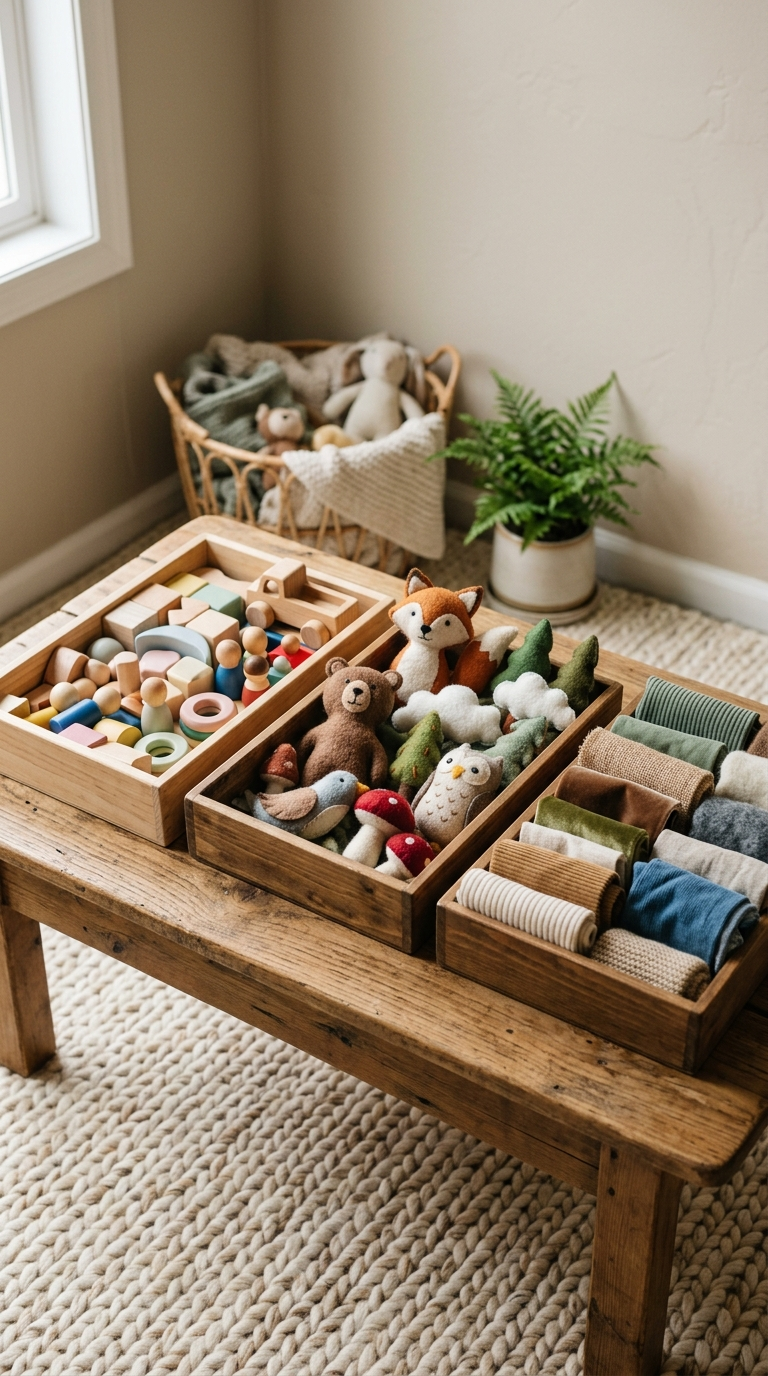
Sensory experiences are crucial for early development, and integrating them into the decor adds depth and intrigue. Consider a dedicated sensory table filled with kinetic sand, water beads, or dyed rice, which can be covered and used as a standard table when not in use. Beyond activities, weave texture into the room’s fabric: a chunky knit blanket, a smooth wooden lamp base, or soft velvet pillows.
Texture provides comfort and visual interest. Rugs are a great place to start; opt for natural fibers like wool or cotton that feel good under small feet. Wall art can also be tactile, such as a woven wall hanging or felt animal heads. These elements invite touch and exploration, making the room a rich sensory environment.
7. Cozy Reading Nooks
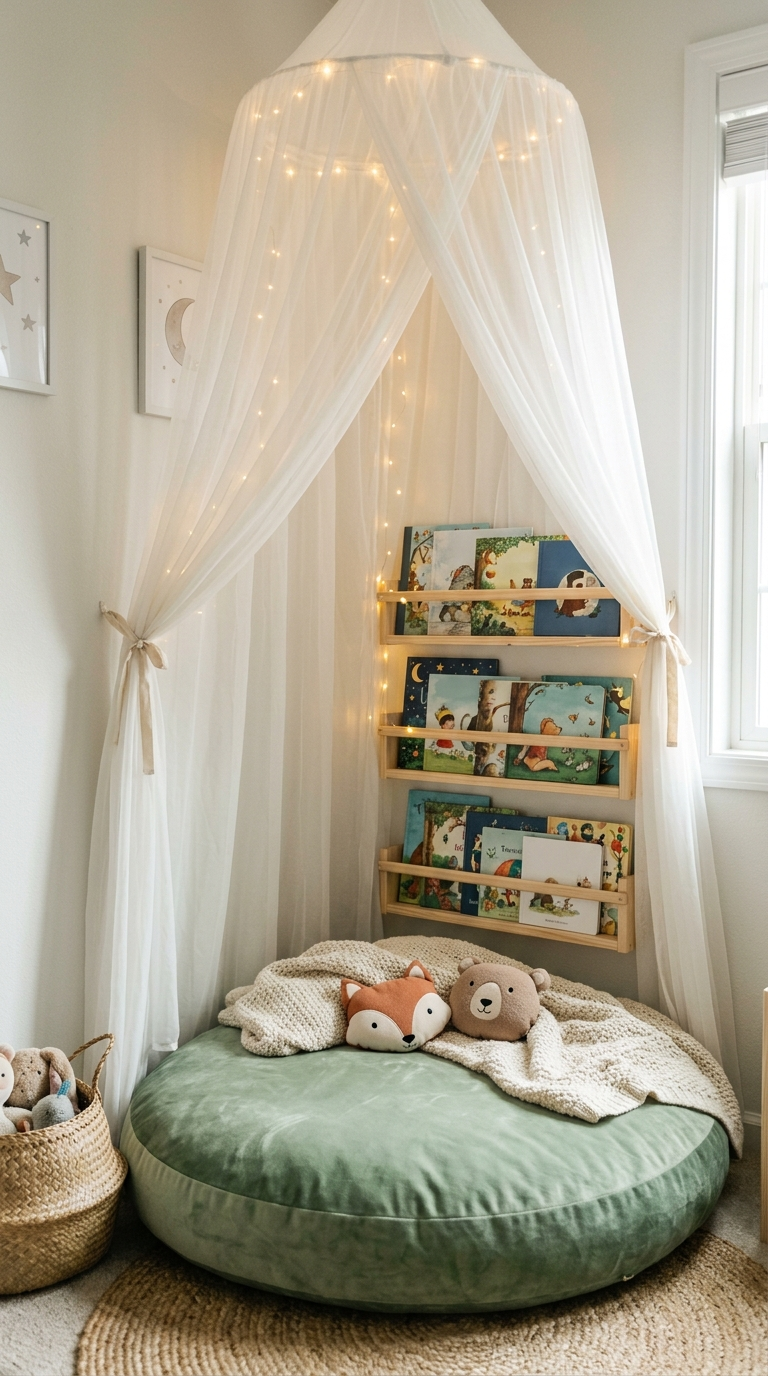
A designated reading nook is a powerful way to foster a love of books from a young age. This doesn’t need to be complex; a comfortable floor cushion, soft lighting, and low, front-facing bookshelves make reading inviting. Front-facing shelves are particularly effective because children often choose books by their covers, making the selection process easier and the books themselves part of the decor.
This nook provides a needed retreat from the high energy of play areas. Make it extra cozy with a small canopy or fairy lights. The goal is to create a peaceful, alluring spot where a child feels safe and happy settling down with a story, transforming reading into a cherished daily ritual.
8. Intelligent and Creative Storage Solutions
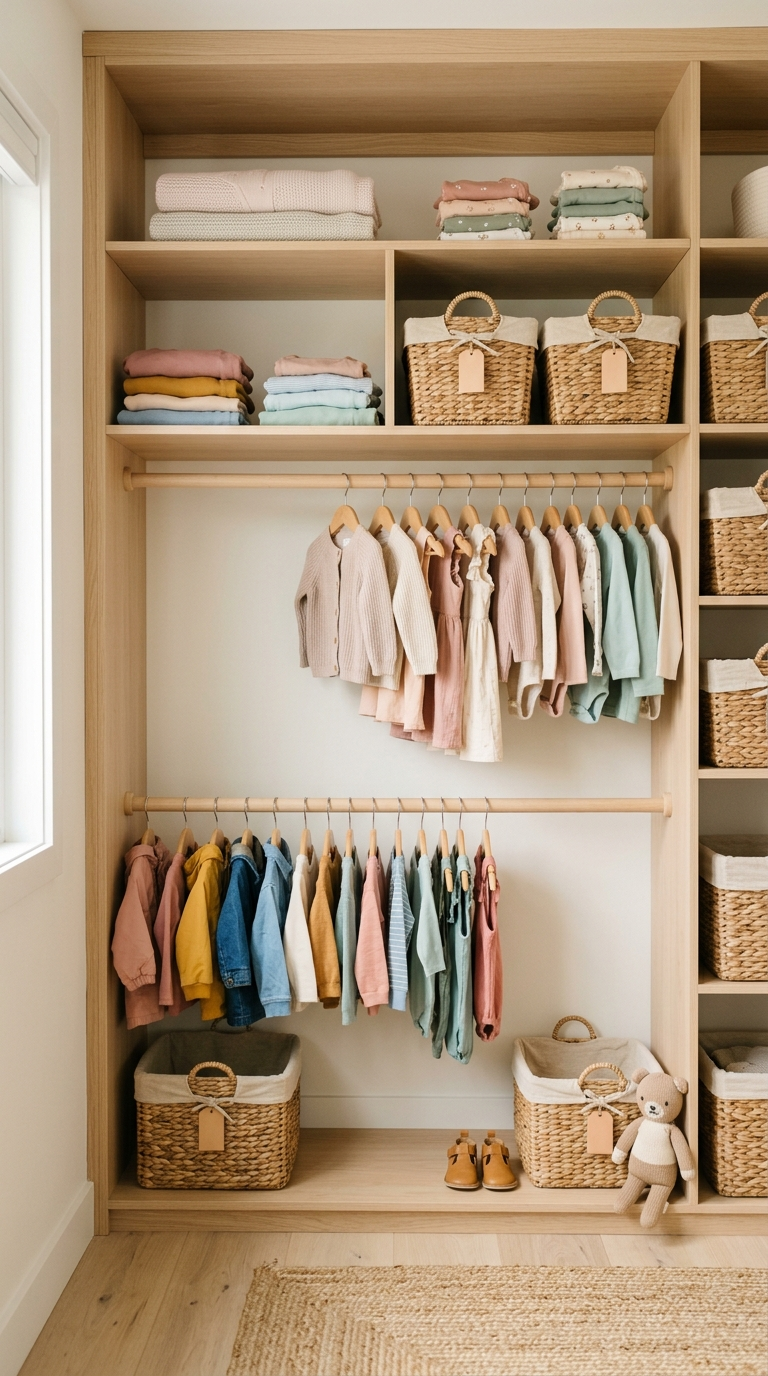
Clutter is the enemy of calm, but in a kids’ room, storage must also be accessible. Open bin systems allow even toddlers to help tidy up. Clear containers help older children find what they need without dumping out entire boxes. Utilize under-bed storage for items not used daily, and install shelves high up for decor or items requiring adult supervision.
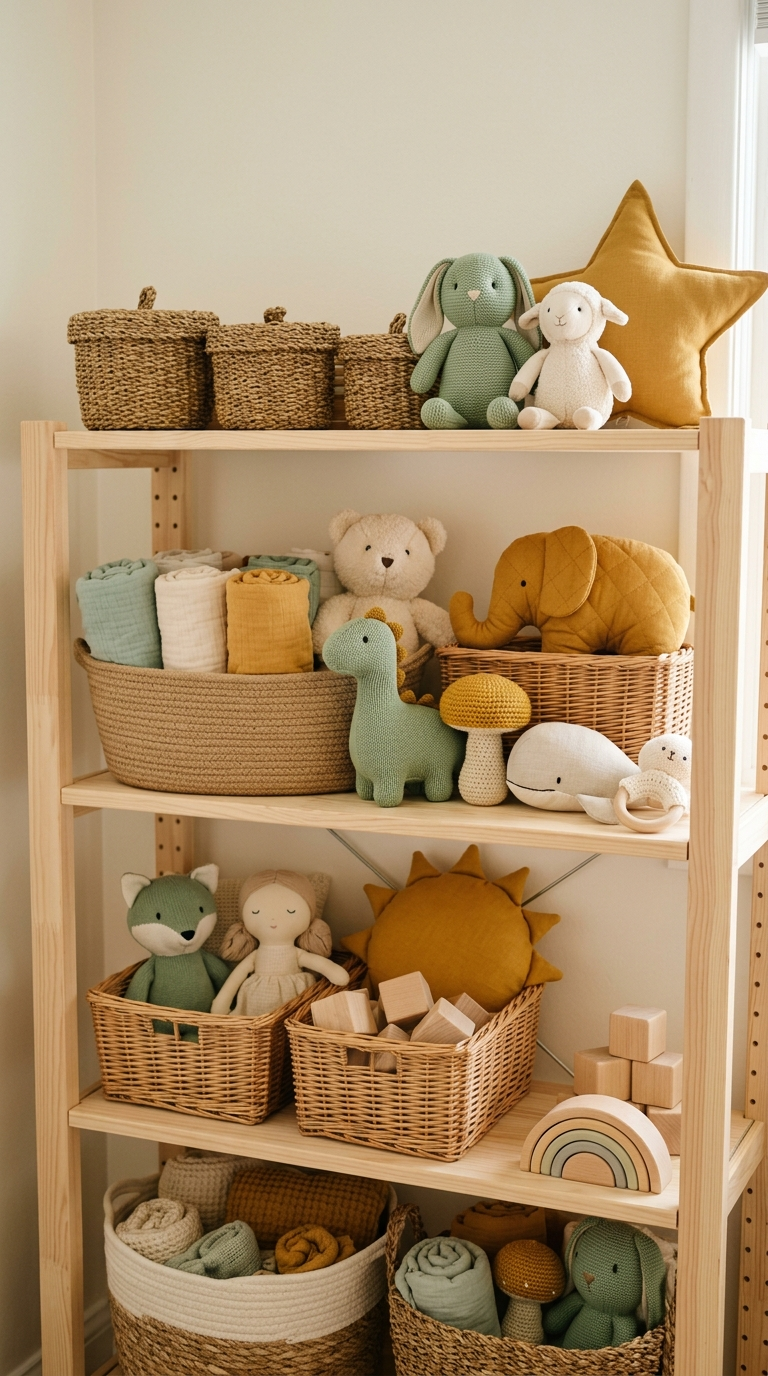
Think beyond standard boxes; use baskets woven from natural materials to add warmth, or vintage-style trunks that double as imaginative play props. By making organization an intuitive part of the room’s design, you reduce daily stress and maintain the magical aesthetic you’ve worked so hard to create.
9. Gender-Neutral Palettes and Natural Materials
The trend is moving away from starkly gendered rooms and toward calming, gender-neutral palettes. Consider shades of sage green, warm terracottas, soft yellows, or creamy off-whites as your base. These colors provide a peaceful backdrop that doesn’t overstimulate and adapts well as tastes change.
Complement these colors with natural materials like unstained wood, rattan, bamboo, and organic cotton. These materials add organic warmth and durability, creating a healthier environment. Wooden furniture is timeless and can be refinished or painted later, offering better longevity than plastic alternatives.
10. Bringing Nature Indoors with Greenery and Botanical Elements
Biophilic design—connecting with nature—is just as important for children as it is for adults. Introduce hardy, air-purifying, non-toxic plants (like Snake Plants or Spider Plants) on high shelves or in hanging planters. For younger children, high-quality artificial plants can provide the look without the care requirements or safety risks.
Nature can also be introduced through prints and patterns. Botanical wallpaper, bedding with leaf motifs, or animal-themed decor helps establish this connection. Nature is inherently calming, and these elements help create a serene environment conducive to sleep and relaxed play.
11. Magical Lighting and Ambiance
Lighting is a critical component of setting a mood. Layer your lighting options. Start with warm ambient overhead light, but crucial add accent lighting. String lights (like fairy lights or larger globe bulbs) draped over a bed or bookcase provide a gentle, enchanting glow perfect for winding down.
Consider a whimsical nightlight or a star projector that casts a soothing night sky on the ceiling. Dimmable switches are a game-changer, allowing you to transition smoothly from bright play lighting to soft, sleepy light, signaling the end of the day without a jarring change.
12. Modular and Adaptable Furniture
Children grow incredibly fast, and their furniture needs to keep up. Invest in adaptable pieces: cribs that convert to toddler beds, changing tables that become standard dressers, and activity tables with adjustable leg heights. This ‘grow-with-me’ approach is both economically savvy and environmentally friendly.
Modular shelving systems that can be reconfigured or expanded are also excellent. They adapt to changing storage needs, from toy bins to book collections and study materials. Adaptable design ensures the room remains functional throughout different developmental stages.
13. Decluttering Regularly for Calm
Even the best storage can’t handle excessive items. A regular decluttering schedule is essential. Every few months, go through toys and clothes to donate or store items that are outgrown or no longer loved. A less crowded room feels calmer and allows the magical decor elements to shine.
Consider a toy rotation system: keep only a portion of the toys accessible and store the rest. Every few weeks, swap them out. This makes ‘old’ toys feel new again, reduces daily mess, and prevents overwhelming the child with choice, leading to deeper, more focused play.
14. Personalization with Name Signs and Growth Charts
Making the space uniquely theirs is powerful. A customized name sign over the bed (in wood, felt, or even a soft neon-style LED) adds immediate character. Personalized decor items like blankets with their initials or a customized illustration make the space feel special and safe.
Growth charts are another classic, functional, and decorative element. Whether painted directly onto a wall or as a portable wooden plank, tracking their growth becomes a cherished family ritual. It’s a decorative reminder of time and growth, adding to the narrative of the room.
15. Thematic Bedding and Accents
Bedding is an easy and relatively inexpensive way to change the room’s theme or update its look. High-quality bedding with a playful pattern—animals, space, botanicals—can set the tone for the entire room. Complement the bedding with themed accent pillows in different shapes and textures.
Don’t overdo the theme. If the bedding is busy, keep the walls calmer. Small accents like a themed lamp, rug, or window treatment complete the look without overwhelming the space. Thematic bedding can be the ‘spark’ of the room, around which other, more neutral elements revolve.
Conclusion
Designing a magical kids’ room is a beautiful journey of balancing your aesthetic aspirations with the developmental and imaginative needs of your child. By focusing on smart, adaptable, and sensory-rich ideas, you can create a sanctuary that truly inspires joy. From the initial spark of a wall mural to the daily comfort of a cozy reading nook, every element contributes to a space where memories are made and imaginations soar.