Your bedroom should be the ultimate sanctuary—a place of rest, rejuvenation, and profound peace. However, without realizing it, many of us arrange our sleeping spaces in ways that actually induce stress, disrupt our sleep hygiene, and create a chaotic visual environment. In our quest to create a beautiful room, we often overlook the fundamental principles of minimalist and clean design, leading to spaces that feel cluttered, cramped, and visually loud. If you find yourself tossing and turning, or if walking into your bedroom does not immediately lower your heart rate, it is time to reevaluate your decor. We are going to explore nine incredibly common bedroom design mistakes and provide clear, actionable solutions to transform your room into a pristine, minimalist haven.
The philosophy of a minimalist, clean bedroom is not about stripping away all personality; rather, it is about intentionality. Every item in the room should serve a purpose, whether functional or purely aesthetic, without overwhelming the senses. By identifying these common pitfalls—from poor furniture scaling to chaotic color schemes—you can begin a thoughtful curation process. The goal is to cultivate an environment that breathes, where the energy flows smoothly, and where your mind can finally quiet down at the end of a long day. Let us break down these mistakes and pave the way to your perfect restful retreat.
Mistake 1: Ignoring the Scale of Your Furniture
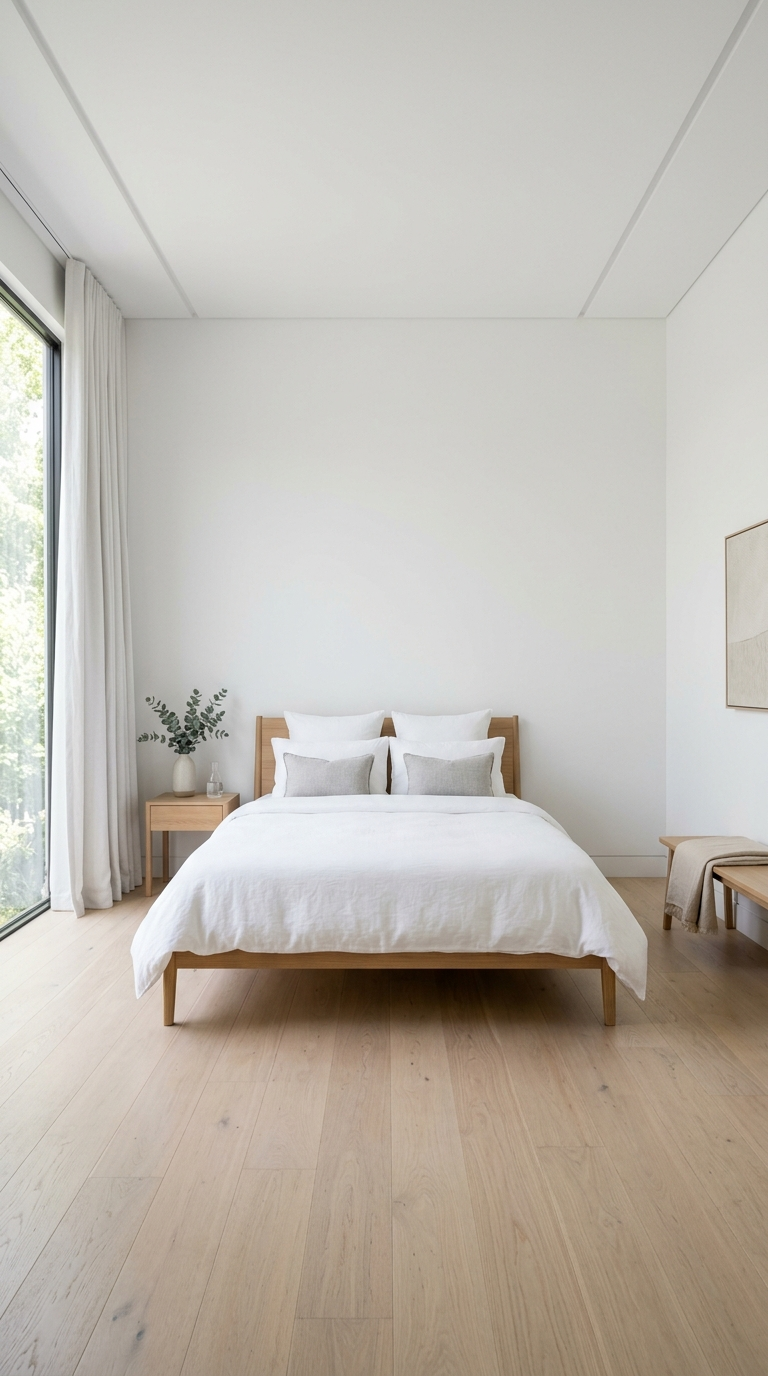
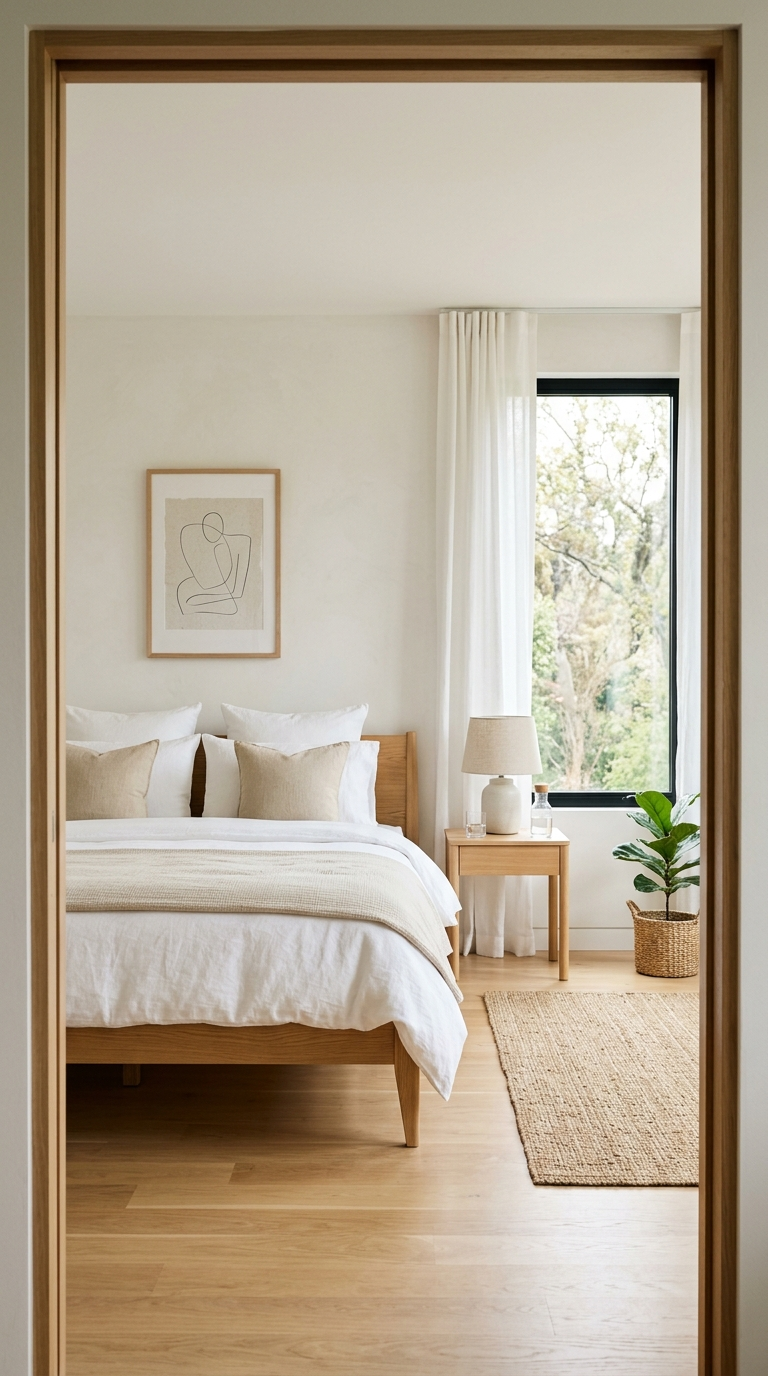
One of the most frequent errors in bedroom design is choosing furniture that is entirely disproportionate to the room’s dimensions. Shoving a massive, heavy California King bed with an imposing, chunky wooden frame into a standard-sized room instantly makes the space feel microscopic and claustrophobic. Oversized dressers and bulky nightstands further encroach on valuable floor space, disrupting the physical and visual flow. When your furniture is too large, it dominates the room, leaving no negative space for the eye to rest, which is a fundamental requirement of minimalist design.
The Solution: Embrace proportion. If you have a smaller room, opt for a queen-sized bed with a sleek, low-profile frame. Choose nightstands with clean, slender legs rather than solid blocks of wood, as this creates an illusion of more floor space. A minimalist aesthetic relies heavily on ‘breathing room’ around each piece of furniture. Measure your room carefully before purchasing, ensuring there is at least 30 to 36 inches of clearance around the bed for comfortable movement. Lighter, visually airy furniture will instantly make the room feel expansive and serene.
Mistake 2: The Cluttered Nightstand Trap
Your nightstand is the last thing you see before you close your eyes and the first thing you see when you wake up. When it is covered in a chaotic pile of half-read books, tangled charging cords, empty water glasses, and random receipts, it sends an immediate signal of stress to your brain. A cluttered nightstand is the antithesis of a peaceful retreat. It demands visual attention and creates a subconscious feeling of unfinished tasks, severely hindering your ability to relax.
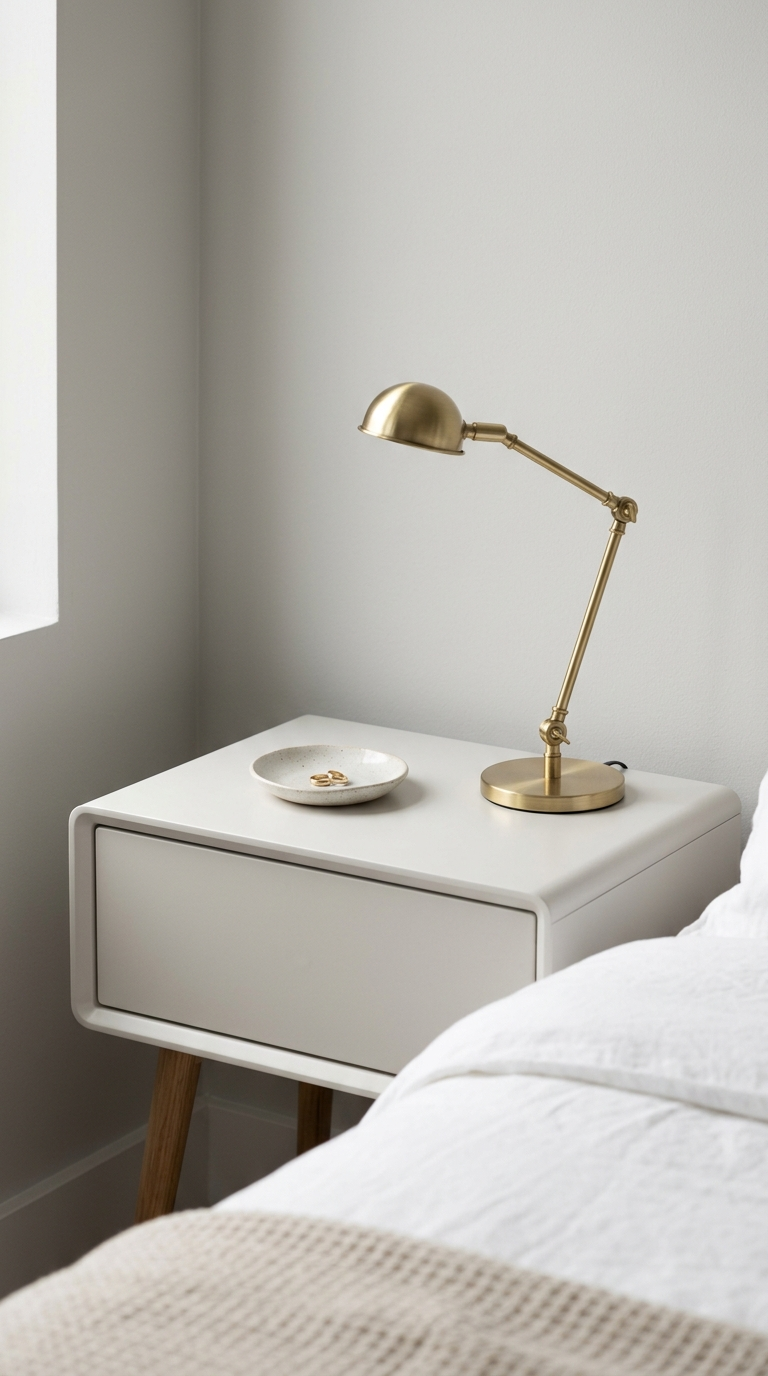
The Solution: Practice ruthless curation. A minimalist nightstand should house only the absolute essentials: a simple, elegant lamp for reading, perhaps one current book, and a small, beautiful dish for holding jewelry or a watch. Utilize nightstands with closed drawers to hide away the necessary but unappealing items like hand creams, chargers, and reading glasses. Keep the surface immaculate. This small, highly focused area of cleanliness will set the tone for the entire room, promoting a sense of calm order right where you sleep.
Mistake 3: Overwhelming Color Palettes and Patterns
While bold colors and vibrant patterns have their place in interior design, the bedroom is generally not the ideal testing ground for high-energy aesthetics. Bright reds, intense yellows, or overly busy floral wallpapers stimulate the brain and can actively interfere with your circadian rhythm. When there are too many contrasting colors fighting for attention, the room feels loud and demanding. Minimalist design thrives on cohesion and subtlety, qualities that are often lost when we try to incorporate too many different visual ideas into one space.
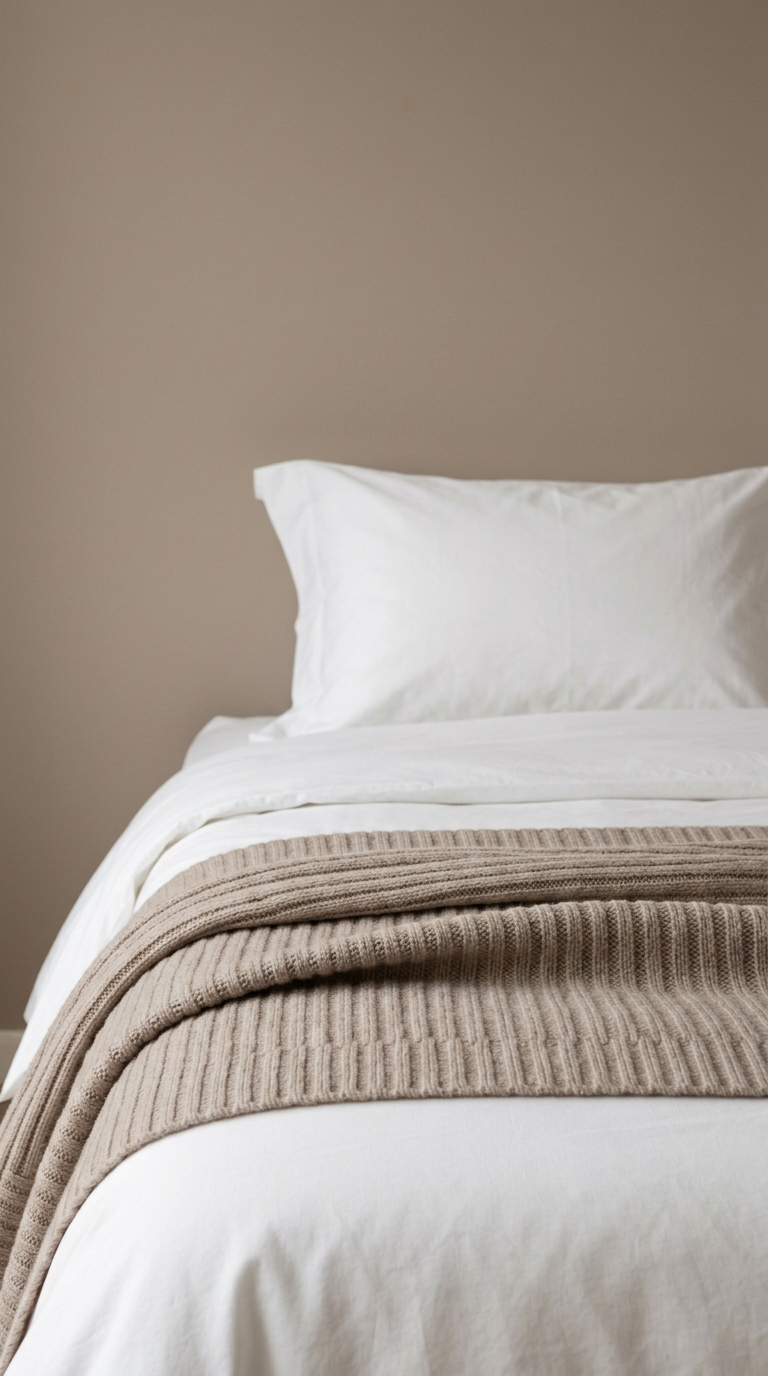
The Solution: Pivot toward a soothing, neutral, and monochromatic palette. Think soft, warm whites, gentle oatmeals, pale muted sages, or atmospheric slate grays. If you crave pattern, introduce it through subtle textures rather than loud prints—a ribbed wool throw, a linen duvet cover, or a subtly textured rug. By keeping the color palette restricted and low-contrast, you create a cohesive, wrap-around effect that feels incredibly calming. Let the natural light and the play of shadows provide the visual interest in the room.
Mistake 4: Insufficient or Harsh Lighting
Relying solely on a single, bright overhead light is a surefire way to kill any sense of coziness or relaxation in a bedroom. Harsh, cool-toned lighting mimics daylight, tricking your brain into staying alert when it should be winding down. Conversely, having only weak, insufficient lighting makes the room feel gloomy rather than restful. Lighting in a bedroom needs to be adaptable, layered, and specifically tuned to the activities that happen in the space, from getting dressed on a dark winter morning to reading softly before sleep.
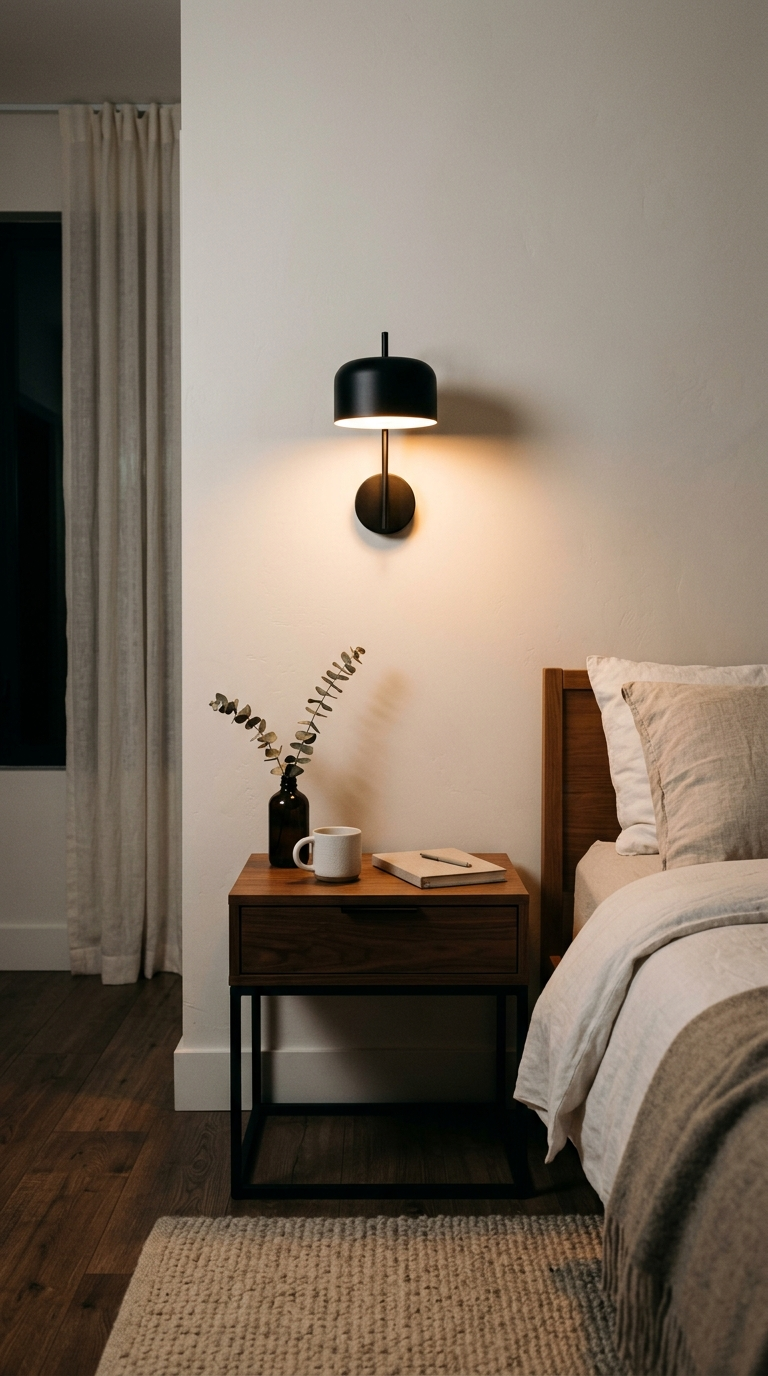
The Solution: Implement a layered lighting strategy. Start with ambient lighting, perhaps a soft, modern paper pendant or a flush mount with a diffuser to soften the glare. Next, add task lighting—sleek, minimalist wall sconces on either side of the bed are perfect, as they free up nightstand space and provide focused light for reading. Finally, ensure every bulb in the room emits a warm color temperature (around 2700K). Install dimmer switches on all fixtures so you can easily transition the room’s mood from bright and functional to dark, moody, and sleep-ready.
Mistake 5: Neglecting Window Treatments
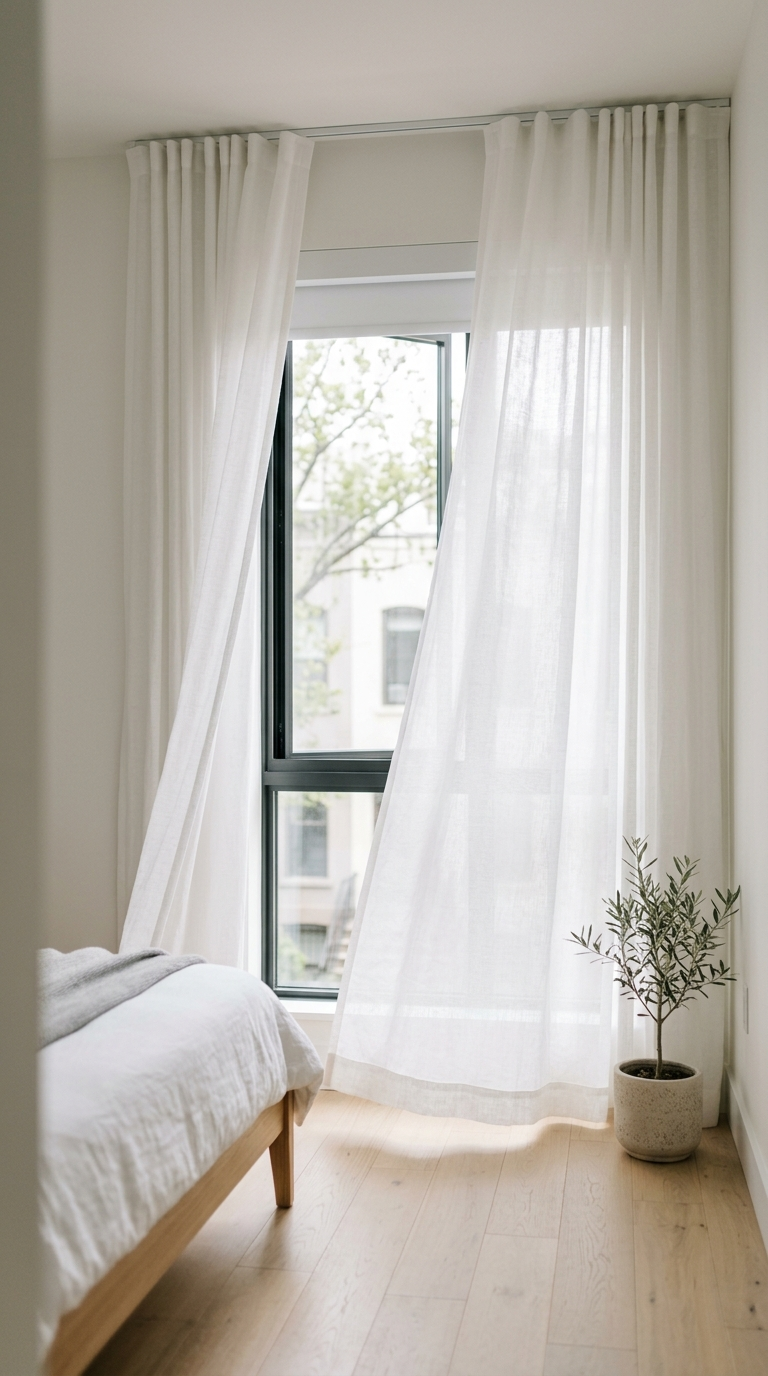
Leaving windows bare, or relying on flimsy, ill-fitting blinds, is a major misstep. Not only does this compromise your privacy, but it also destroys your control over the room’s light levels. Streetlights, early morning sun, and passing car headlights can severely disrupt sleep. Furthermore, from a design perspective, untreated windows make a room feel unfinished, sterile, and echoey. A minimalist aesthetic requires softness and acoustic control just as much as it requires visual simplicity.
The Solution: Invest in high-quality, understated window treatments. For a clean, minimalist look, consider automated roller shades hidden in a recessed ceiling pocket, paired with simple, floor-to-ceiling sheer linen curtains. The sheers provide daytime privacy and soften the hard edges of the window frame, while blackout shades ensure complete darkness for optimal sleep. Choose fabrics in colors that match the walls to maintain a seamless, unbroken visual line around the perimeter of the room.
Conclusion: The Path to a Minimalist Sanctuary
Transforming your bedroom into a peaceful, minimalist retreat is largely an exercise in subtraction and intentionality. By avoiding these common mistakes—correcting furniture scale, clearing the clutter, softening the color palette, and taking control of your lighting and window treatments—you strip away the visual noise that causes subconscious stress. Remember that a clean, minimalist bedroom is not boring; it is profoundly restorative. Take the time to evaluate your space objectively, make thoughtful adjustments, and you will soon find yourself enjoying a bedroom that not only looks beautifully modern and clean but also significantly improves your quality of rest.
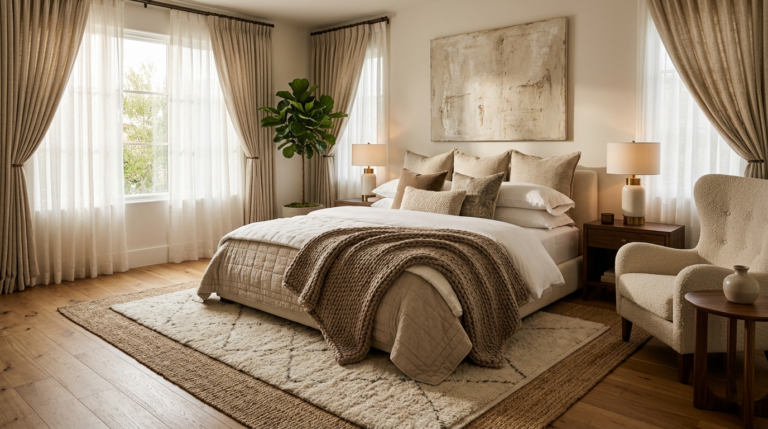
Learn how to master the art of layering textures and fabrics to build a deeply comforting, visually stunning bedroom sanctuary that invites perfect sleep.
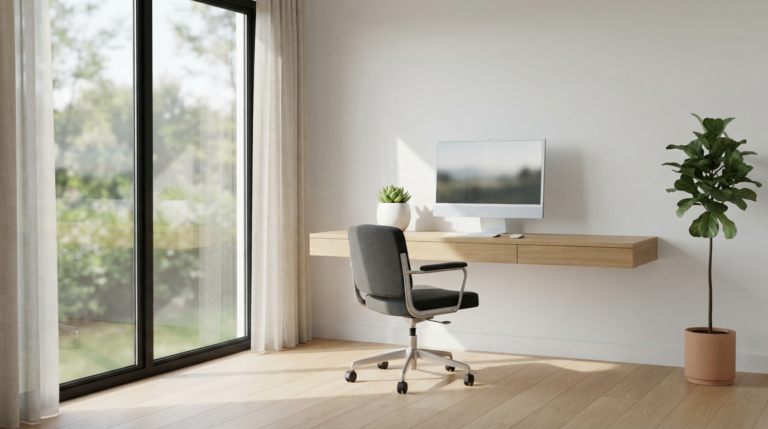
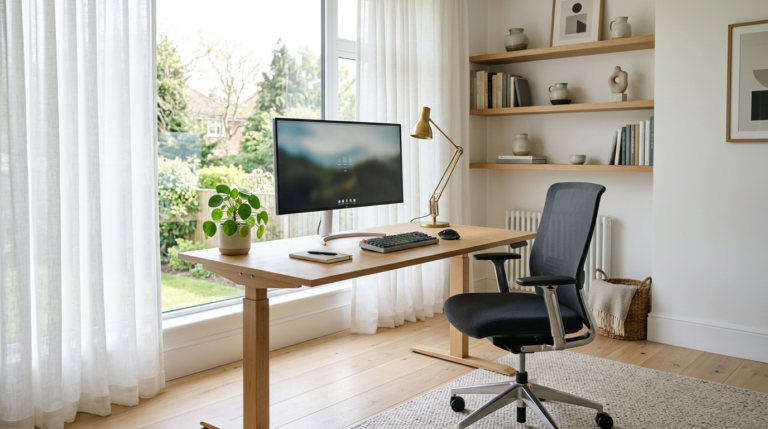
Transform your workspace with these clean, minimalist home office ideas. Discover how to boost productivity while keeping your space stylish and clutter-free!
Avoid these major bedroom decor mistakes to achieve a premium personal space. Discover expert, actionable solutions to elevate your master suite’s luxury.
Discover seventeen transformative bedroom decor ideas to create a serene, restful sanctuary. Elevate your sleep space with these expert design strategies.
Transform your workspace with this complete step-by-step guide on home office design, ergonomics, lighting, and smart layout solutions for peak productivity.
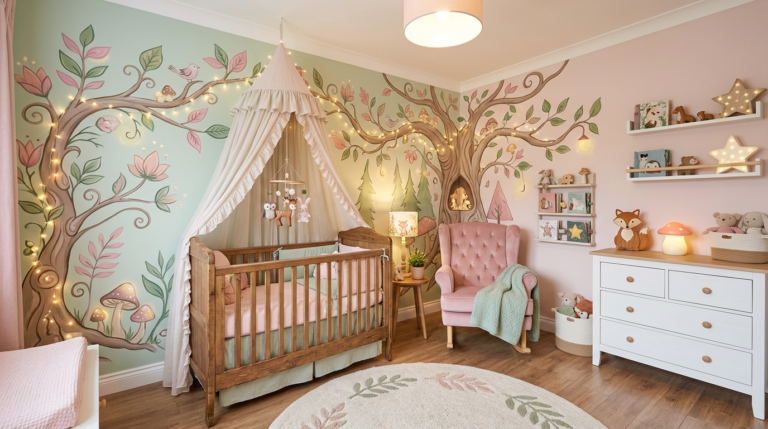
Transform your baby’s room into a fairytale wonderland with these whimsical DIY nursery ideas. Create a magical, imaginative space without breaking the bank.