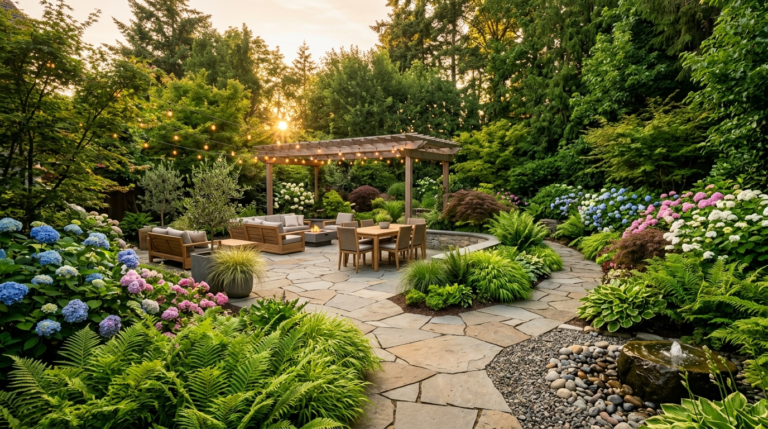
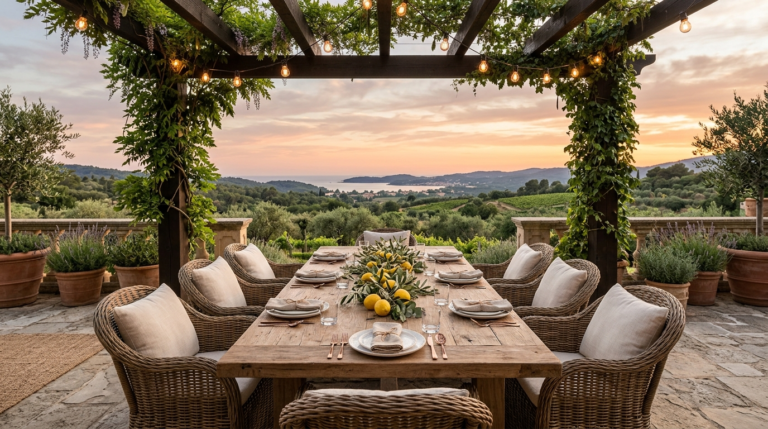
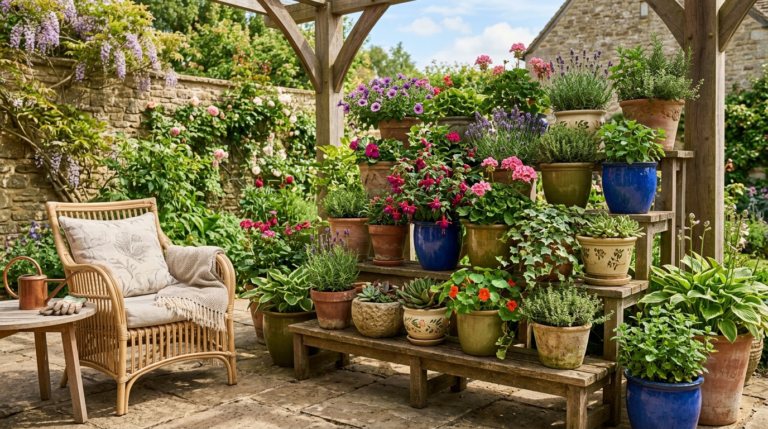
There is a unique, almost palpable magic that occurs when we take our meals outside. The gentle rustle of leaves, the soft fading of daylight into a twilight sky, and the crispness of the open air all combine to elevate a simple dinner into an unforgettable, atmospheric experience. Designing the ultimate cozy outdoor dining space is about capturing that rustic charm and weaving it into an environment of elegant comfort. It is about creating a sanctuary in your own backyard—a place where time seems to slow down, conversations linger effortlessly, and the stresses of the day melt away under a canopy of stars. This guide will walk you through the art of crafting a breathtaking, cozy, and rustic al fresco dining experience that feels like a permanent vacation.
To achieve true cozy elegance, one must blend the untamed beauty of the outdoors with the curated comfort of interior design. We are not simply placing a plastic table on a patio; we are setting a scene. It requires a thoughtful approach to materiality, embracing natural textures like weathered wood, forged iron, and soft, natural linens. It demands an understanding of light, transitioning from the golden hour sun to the warm, flickering glow of fire and lanterns. Join us as we explore the narrative of outdoor design, weaving together elements that will transform your garden, patio, or terrace into a deeply inviting, rustic haven for gathering with those you hold dear.
The Foundation: Embracing Rustic Materials
The journey begins with the foundation—the furniture that will anchor your outdoor dining space. To cultivate a cozy, rustic aesthetic, step away from harsh modern plastics and cold, polished metals. Instead, look to materials that tell a story and weather gracefully with time. A substantial, farmhouse-style dining table crafted from reclaimed teak or deeply grained oak serves as the perfect centerpiece. These woods bring warmth and a grounding presence to the space, their natural imperfections adding character and a sense of history.
Surround this sturdy table with seating that invites guests to settle in. Wicker or rattan chairs, perhaps featuring gently curved backs, offer a softer texture and a timeless, organic feel. Alternatively, consider a mix of seating: a long, rustic wooden bench on one side, laden with plush cushions, paired with classic wrought iron chairs on the other. This curated, slightly mismatched approach prevents the space from feeling too stiff or formal, enhancing the relaxed, welcoming atmosphere that is essential for a truly cozy outdoor dining experience. The goal is to make the furniture feel like it has organically grown into the landscape.
Weaving Comfort Through Textiles
Even the most beautiful rustic wooden chair requires a layer of softness to become truly inviting. Textiles are the secret weapon in outdoor design, bridging the gap between the rugged outdoors and indoor comfort. Do not shy away from using fabrics generously. Start with the table: a heavy, unbleached linen runner immediately softens the hard surface of the wood and provides a beautiful, natural backdrop for your tableware. The slight wrinkles in the linen only add to the relaxed, unpretentious elegance of the setting.
Next, focus on the seating. Deep, comfortable seat cushions covered in durable, weather-resistant fabrics are a must. Choose colors that harmonize with nature—sage greens, deep terracottas, or warm, sandy beiges. To combat the chill of the evening air, drape thick, textured throw blankets casually over the backs of the chairs. A mix of chunky knits and soft wools not only provides physical warmth but also adds immense visual coziness, signaling to your guests that they are meant to stay, relax, and savor the evening.
Illuminating the Night: The Magic of Layered Light
As the sun sets, lighting becomes the single most important element in your outdoor dining space. A single, harsh porch light shatters the illusion of intimacy. Instead, you must paint with light, using multiple, soft sources to create a warm, glowing perimeter. String lights are a staple of cozy outdoor design for good reason; when draped overhead through the branches of a tree or across a pergola, they create an immediate sense of celebration and enchantment, mimicking a canopy of stars.
Supplement this overhead twinkle with localized, ambient lighting. Place oversized, rustic metal or wooden lanterns containing thick pillar candles at the corners of the dining area or along the pathway leading to the table. On the table itself, cluster smaller glass votives. The dancing, flickering light of real flames casts incredibly flattering, warm shadows, drawing everyone in and creating a deeply intimate atmosphere. For an added layer of rustic charm, a classic, crackling fire pit situated just a few steps away from the dining table provides both profound warmth and a mesmerizing focal point for after-dinner conversations.
Setting a Table Rooted in Nature
The tablescape is where you can truly express the elegant, rustic theme in the finest detail. Forget formal, matching china sets; outdoor dining calls for a more tactile, grounded approach to tableware. Artisanal, handmade ceramic plates with slightly irregular edges and matte glazes feel perfect against a linen runner. Pair these with heavy, forged flatware that possesses a slightly darkened or antiqued finish, reinforcing the rustic aesthetic.
When it comes to centerpieces, look no further than your surrounding environment. Instead of stiff, formal floral arrangements, create loose, organic displays. A simple terracotta jug filled with freshly cut, wild branches, fragrant eucalyptus, or herbs like rosemary and lavender serves as a stunning, aromatic focal point. Scatter a few pinecones, smooth river stones, or small seasonal gourds along the center of the table. By incorporating elements directly gathered from nature, you blur the lines between the table and the garden, cementing the rustic, cozy narrative.
Defining the Space with Greenery
To make your outdoor dining area feel like a true ‘room’ rather than just a table floating in a yard, you must define the edges of the space. Landscaping and potted plants serve as living walls, creating a sense of enclosure and privacy that is crucial for coziness. If you have a pergola, encourage climbing vines like jasmine or wisteria to weave through the structure, creating a fragrant, living ceiling that dapples the sunlight during the day and provides shelter at night.
Surround the dining perimeter with large, weathered terracotta or concrete planters filled with lush, textured greenery. Tall grasses that rustle in the breeze add wonderful auditory ambiance, while dense shrubs or small potted olive trees provide visual weight and intimacy. By enclosing the space with nature, you create a secluded, magical enclave, shielded from the outside world, where your guests can fully immerse themselves in the joy of shared food and conversation.
Conclusion: The Art of Lingering
Crafting the ultimate cozy outdoor dining experience is an exercise in creating atmosphere as much as it is about selecting furniture. By grounding the space in rustic, natural materials, softening the edges with abundant textiles, layering warm, flickering light, and embracing the beauty of the surrounding greenery, you craft more than just a place to eat. You create an elegant, rustic retreat. It becomes a space that whispers an invitation to slow down, to pour another cup of tea under the stars, and to savor the simple, profound joy of lingering long into the beautiful night.
Step into a whimsical garden sanctuary with imaginative DIY projects. Build fairy stone pathways, hanging vertical planters, and glowing evening light displays.
Are you ruining your backyard oasis without even knowing it? Discover the most common outdoor garden design mistakes and learn how to fix them for a lush space.
Elevate your backyard with these fifteen stunning outdoor dining ideas. Discover elegant layouts, durable furniture, and beautiful lighting for any patio.
Avoid these common garden layout mistakes! Learn how to fix landscaping errors and create a stunning, low-maintenance minimalist outdoor space you will love.
Want to transform your patio? Learn how to build a thriving, low-maintenance container garden with this step-by-step guide for beginners and busy plant lovers.