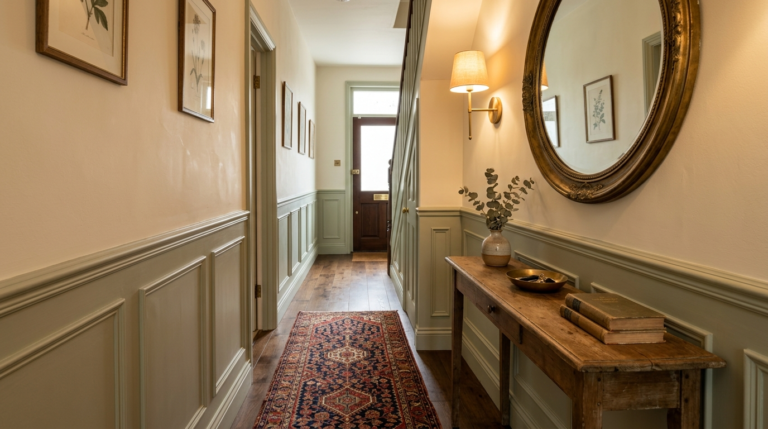

Creating an elegant formal dining room is about more than just selecting a table and chairs; it is about curating an experience. It is the art of balancing opulence with comfort, tradition with modern sensibility, to create a space where conversations flow as smoothly as the curated courses. In this definitive guide, we will explore the nuances of premium dining room design, from architectural details to the final, shimmering place setting, ensuring your home becomes the ultimate destination for sophisticated entertaining.
Foundations of Grandeur: Architectural Details
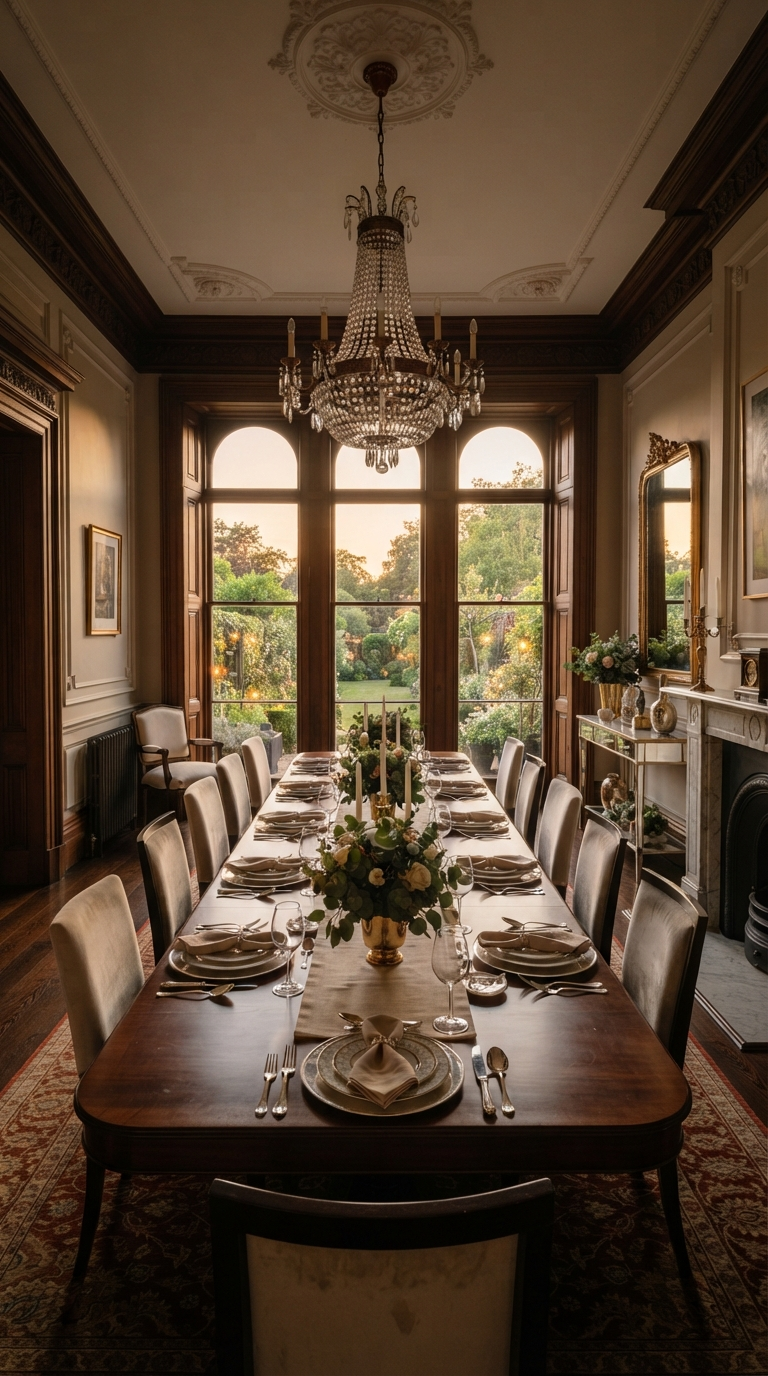
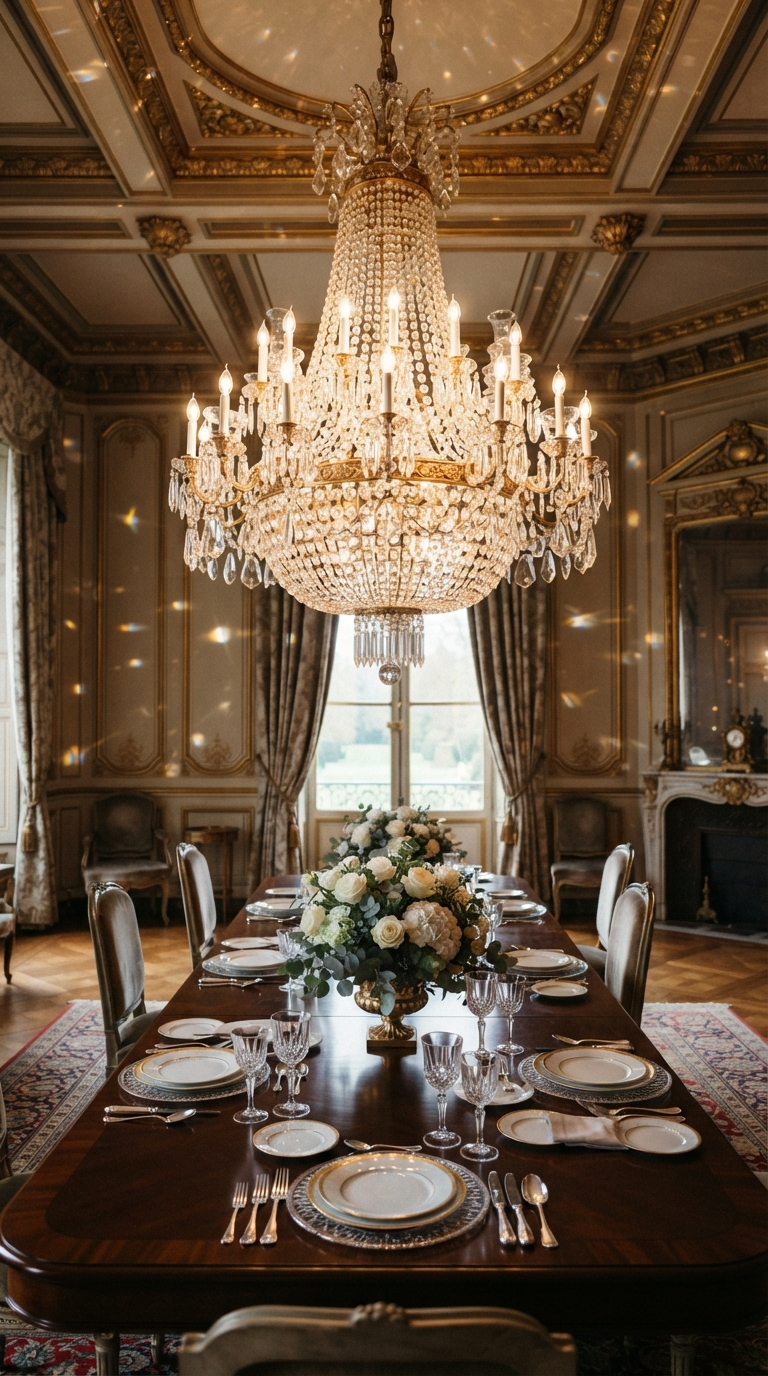
The journey to a luxury dining room begins with the architecture. This is the canvas upon which your design will rest. Consider the impact of high ceilings, which provide the perfect vertical space for magnificent lighting fixtures. Coffered or tray ceilings add immediate depth and architectural interest, immediately signaling that this is a room of significance. Wall treatments play a crucial role as well; floor-to-ceiling paneling, intricate wainscoting, or high-quality silk wallpaper can transform plain walls into statements of sophistication. Don’t overlook the flooring. Polished hardwood floors, perhaps with a sophisticated inlay pattern, covered partially by a luxurious, hand-tufted wool or silk rug, define the dining area within the room, adding warmth and sound dampening. Large windows or French doors not only flood the room with natural light during the day but also offer views that can enhance the dining experience, especially if they look out onto a well-manicured garden.

The Centerpiece: Table and Seating
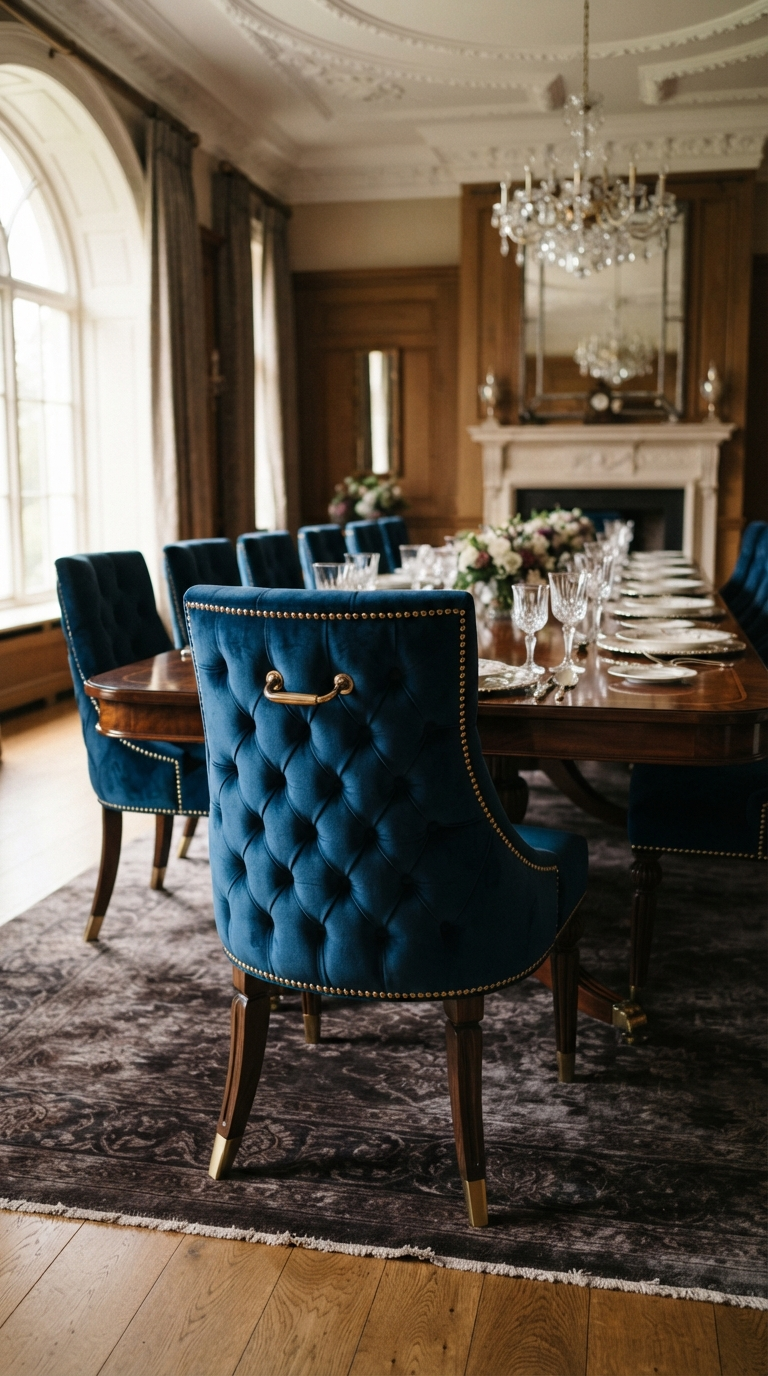
The dining table is the undisputed protagonist of this space. For a formal setting, scale is paramount. A large rectangle or oval table, perhaps in a deep, rich wood like mahogany or walnut with high-gloss lacquer finish, commands attention. Materials like polished marble or even a custom-designed glass top supported by a sculptural base can create a more modern but equally luxurious feel. Surrounding the table, the chairs must prioritize both style and comfort, as formal dinners often span hours. Upholstered dining chairs are a necessity. Think velvet, silk brocade, or fine leather, perhaps with details like nailhead trim, button tufting, or elegant high backs. While matching sets are classical, a subtle variation—such as host and hostess chairs in a coordinating fabric but different shape—can add depth. Ensure there is ample space around the table for guests and service to move comfortably; at least 36 inches from the table edge to the wall or other furniture is recommended.

Lighting as Jewelry for the Room
Lighting is the element that ties everything together, casting a glow that can be both dramatic and intimate. The piece de resistance of any formal dining room is the chandelier suspended directly above the center of the table. Whether a crystal masterpiece that refracts light beautifully, a grand brass fixture with multiple tiers, or a more contemporary sculptural piece, it must be scaled appropriately to the table and the room’s height. But the chandelier shouldn’t stand alone. Layering is key. Wall sconces provide softer, eye-level illumination that eliminates harsh shadows. Consider accent lighting focused on artwork or a magnificent buffet cabinet. Most importantly, all lighting must be on dimmer switches. This allows you to effortlessly transition the mood from a bright, welcoming atmosphere as guests arrive to the warm, candle-like glow required for dinner. Candlelight itself should never be underestimated; elegant candlesticks on the table or sideboard add a timeless romance that no electric light can truly replicate.
Storage and Service: The Sophisticated Sideboard
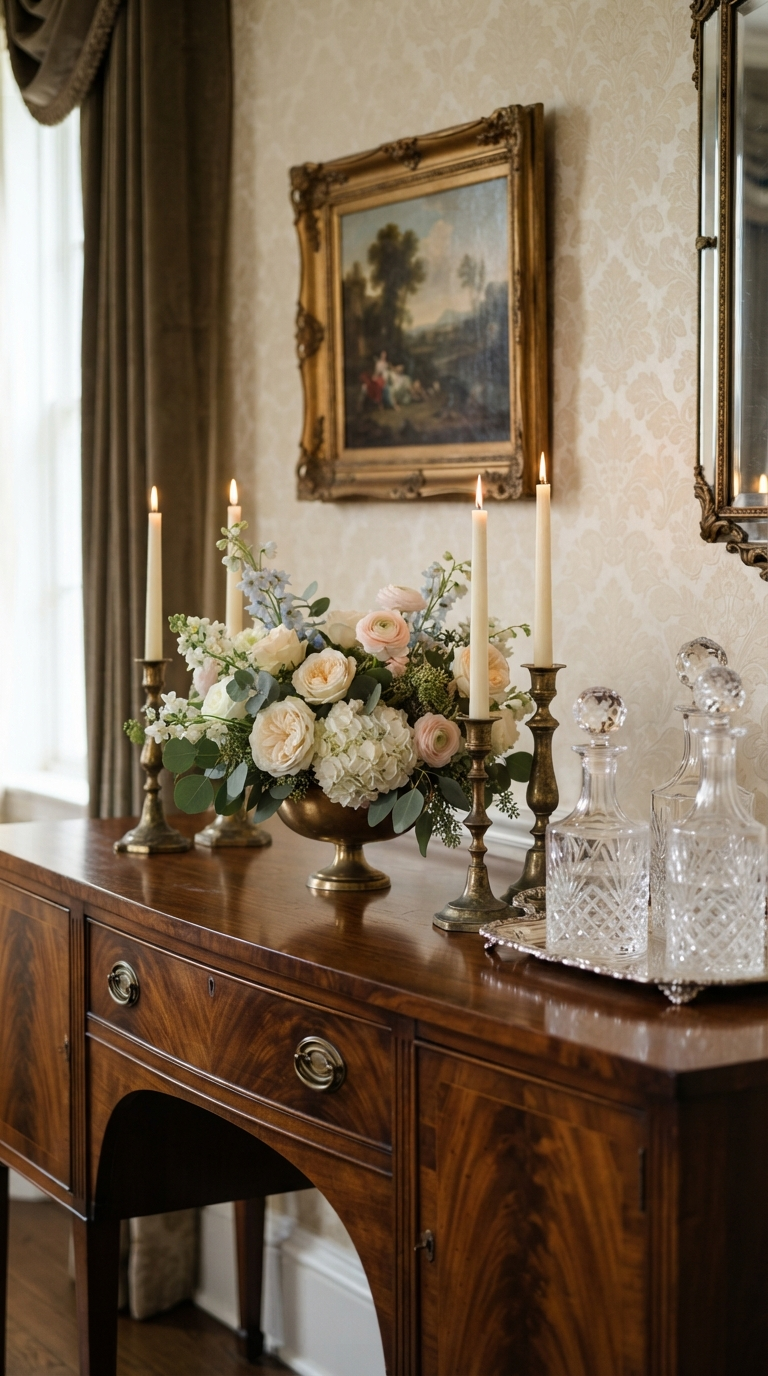
A formal dining room is incomplete without a surface for service and storage. A magnificent sideboard, credenza, or buffet cabinet serves dual purposes. Visually, it balances the weight of the dining table and provides another opportunity for styling with fine lamps, art, or a collection of crystal decanters. Functionally, it is essential during service for placing platters, a luxurious ice bucket, or extra dinnerware. Internally, it discreetly houses your finest silver, table linens, and serving pieces. A well-placed mirror above the sideboard can help make the room feel larger and reflect the light from the chandelier, adding another layer of sparkle to the evening.
(Note: While many homes feature items related to the storage of spirits, for this particular design concept focused strictly on refined, general entertaining, we omit dedicated storage for such items, focusing instead on elegant crystalware and general beverage service pieces that can be housed beautifully on a sideboard without explicit reference to specific prohibited liquids.)
Curating the Atmosphere: Decor and Details
The final layer of design involves the decor that gives the room its personality. Artwork should be substantial in scale, whether traditional oil paintings in ornate gold frames or a striking piece of contemporary art. Large, floor-length draperies in rich fabrics like silk or heavy linen add softness to the room’s hard edges and provide essential privacy and light control. On the table itself, the centerpiece should be elegant but mindful of conversation lines; a low arrangement of fresh flowers or a sequence of elegant candlesticks works beautifully. When it comes time for the actual event, the tablescape must reflect the room’s elegance: fine china, sparkling crystal stemware, and heavy sterling silver or gold-plated flatware, all resting upon impeccable linens. These details show your guests that every aspect of their experience has been thoughtfully considered.
Color Palettes for Refined Taste
Color sets the fundamental tone for the dining experience. Classic combinations include dramatic, deep shades that create a cozy, cocooning effect—think navy blue, charcoal gray, or a rich burgundy. These colors pair exceptionally well with warm metallic accents like brass or gold. Alternatively, a lighter, monochromatic palette using varying shades of cream, champagne, and soft gold can create an ethereal, incredibly luxurious atmosphere that feels bright and airy. If you prefer color, muted tones of sage green or spa blue can feel both serene and sophisticated. Whichever palette you choose, ensure it flows cohesively from the surrounding areas of the home, offering a glimpse of the elegance that awaits within the dining room.
Conclusion
Designing a luxury formal dining room is truly an investment in the art of living well. It requires meticulous attention to detail, a commitment to quality materials, and a deep understanding of how lighting, furniture, and architecture interact to create atmosphere. By focusing on these core elements and layering in your own personal style through thoughtful decor and art, you can create a space that not only wows your guests but also provides a beautiful, serene backdrop for the meaningful connections and celebrations that make a house a home. This is not just a room for eating; it is a dedicated space for celebrating life’s most precious moments with grace and elegance.