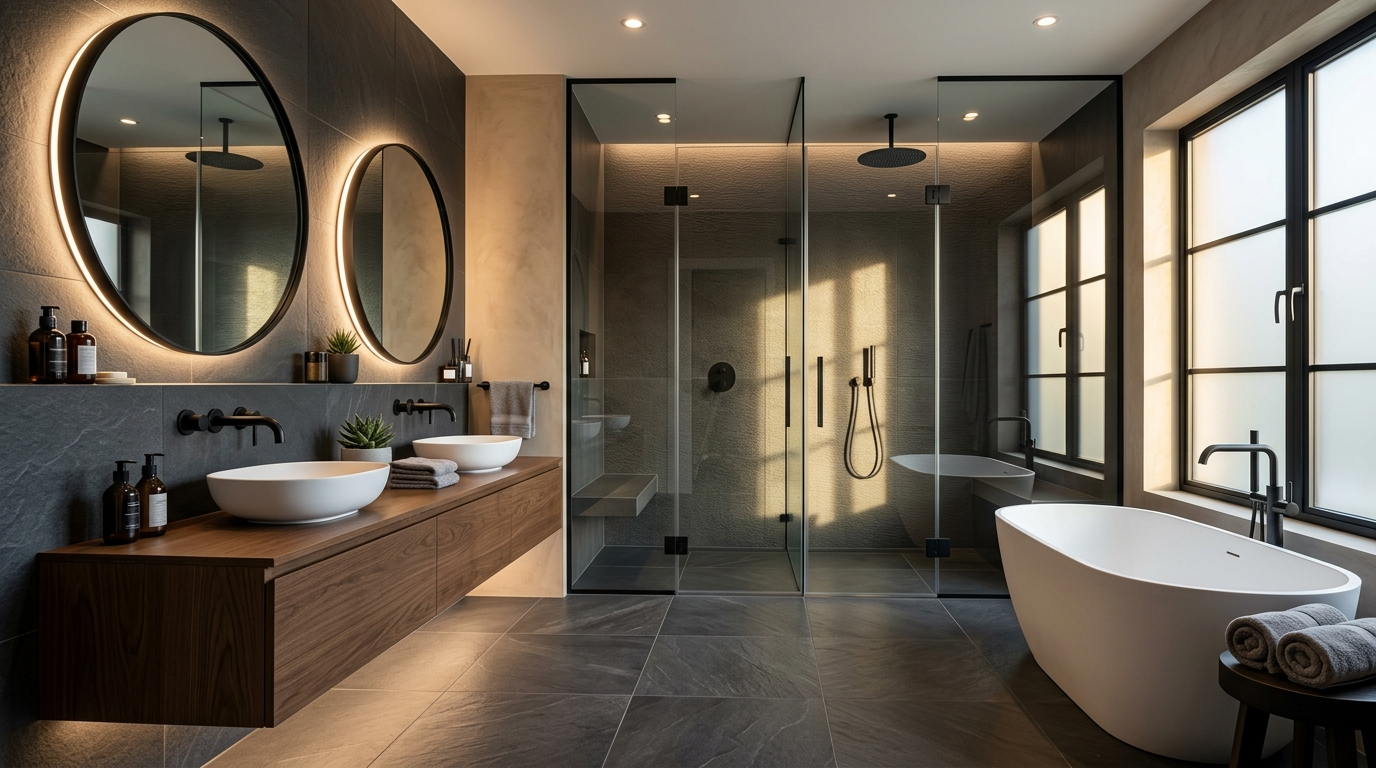
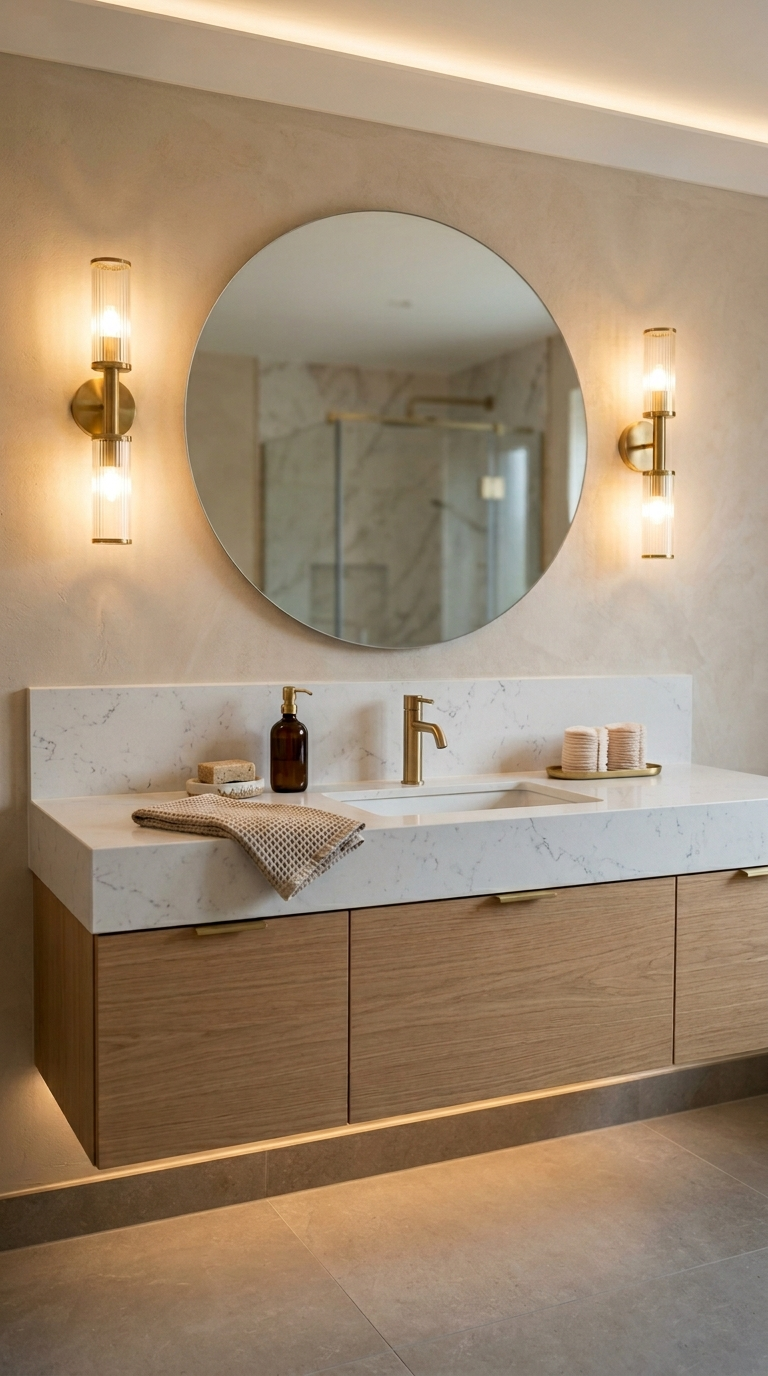
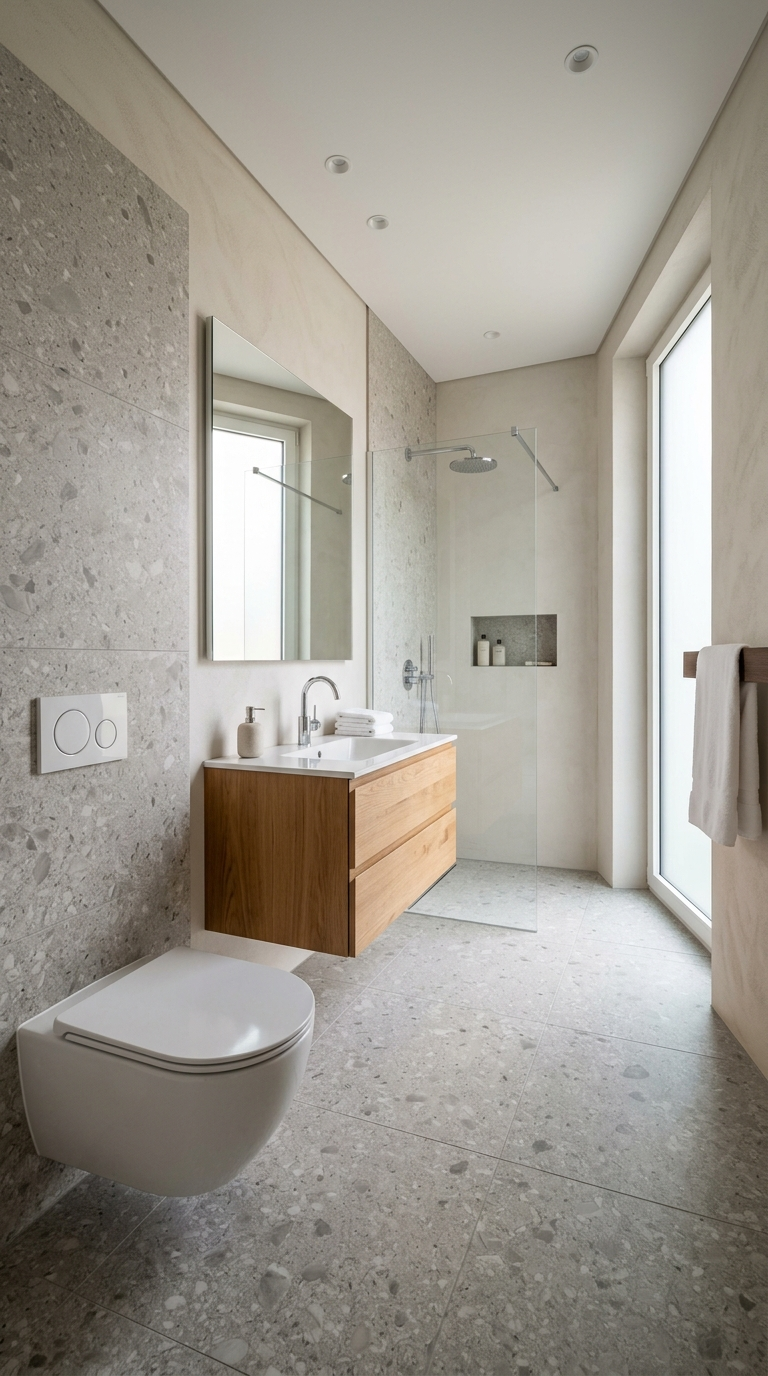
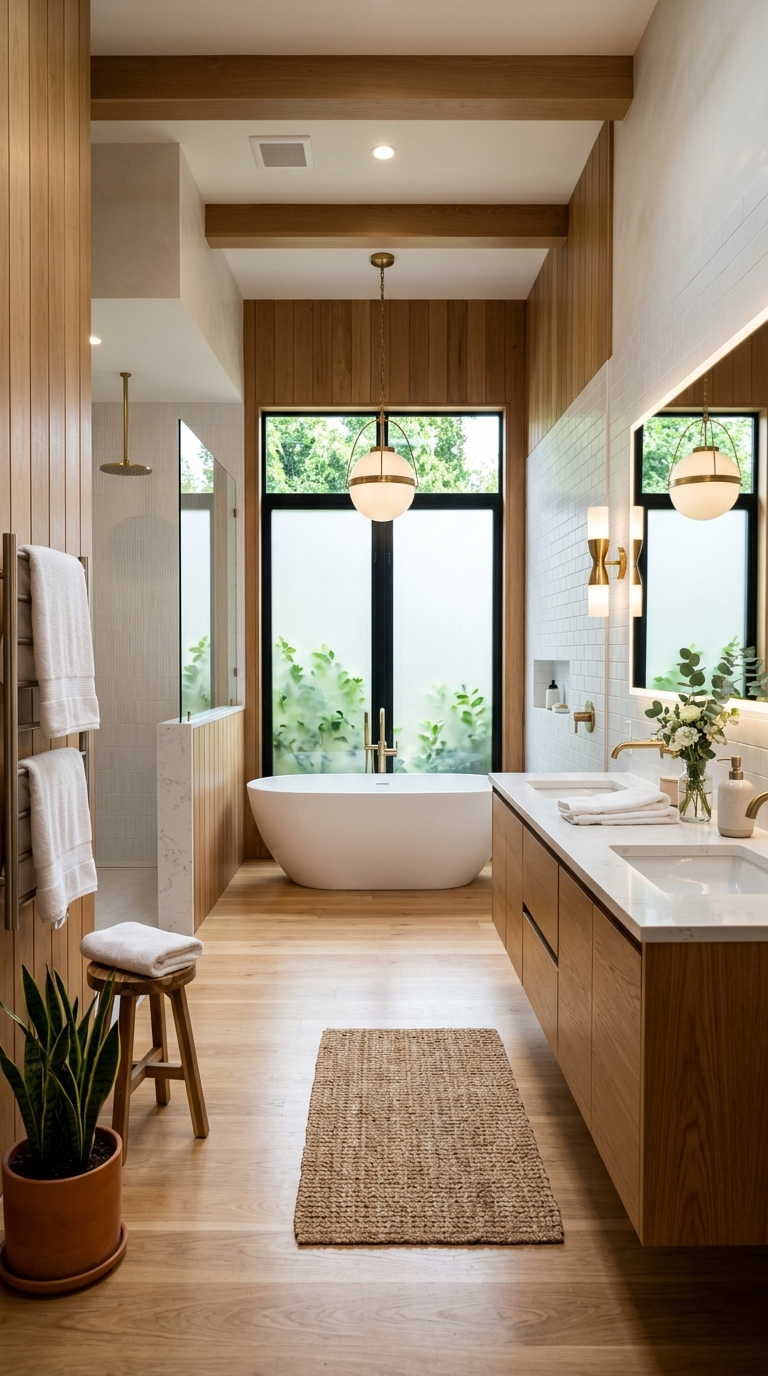
Embarking on a bathroom remodeling project is an exciting endeavor that promises to transform one of the most essential spaces in your home into a personal sanctuary. However, it is also a complex process fraught with potential pitfalls that can quickly derail your budget, extend your timeline, and result in a space that fails to meet your daily needs. Whether you are envisioning a sleek, modern wet room or a classic, vintage-inspired washroom, understanding the foundational elements of design, plumbing, and spatial planning is absolutely critical. In this comprehensive guide, we will explore the nine most common bathroom remodeling mistakes homeowners make and provide you with actionable, expert-level advice on how to avoid them. By sidestepping these frequent errors, you can ensure your renovation process is smooth, cost-effective, and ultimately successful, yielding a beautiful and highly functional bathroom that stands the test of time.1. Underestimating the Importance of Proper LightingOne of the most frequent and glaring errors in bathroom design is a severe lack of adequate lighting. Bathrooms require a delicate balance of task, ambient, and accent lighting to function properly. Relying solely on a single overhead fixture casts harsh, unflattering shadows across the face, making daily grooming tasks like applying makeup or shaving incredibly difficult. To avoid this, you must incorporate a layered lighting scheme. Start with bright, clear task lighting at the vanity, ideally placed at eye level on either side of the mirror to eliminate shadows. Wall sconces are perfect for this application. Next, add ambient lighting to illuminate the entire room evenly; recessed ceiling lights or a statement chandelier can serve this purpose beautifully. Finally, consider accent lighting, such as LED strips under a floating vanity or inside architectural niches, to create a relaxing, spa-like atmosphere for evening unwinding. Remember to put your lights on dimmer switches to give you ultimate control over the mood and functionality of the space at any given hour.
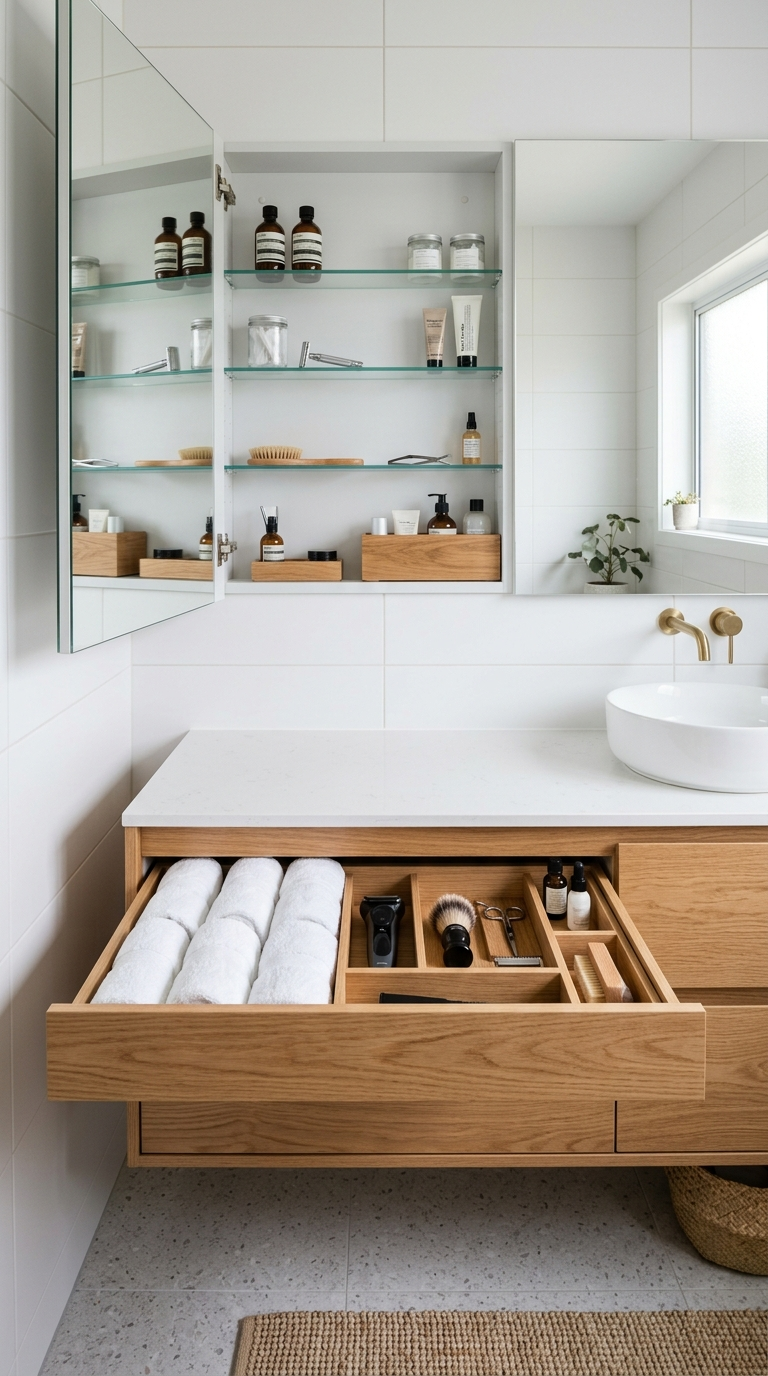
2. Ignoring Essential Ventilation NeedsVentilation is the unsung hero of a healthy, long-lasting bathroom, yet it is astonishingly often overlooked or under-budgeted during renovations. A bathroom generates a massive amount of moisture daily. Without proper extraction, this humid air settles on surfaces, leading to peeling paint, warped cabinetry, and the rapid growth of harmful mold and mildew. Many homeowners believe an operable window is sufficient, but in reality, a high-quality exhaust fan is non-negotiable. When selecting a fan, you must look at its CFM (cubic feet per minute) rating to ensure it is powerful enough for your room’s square footage. Furthermore, consider the noise level, measured in sones; you want a fan that is whisper-quiet so you are actually encouraged to use it. For maximum efficiency, install a fan with a built-in humidity sensor that turns on automatically when moisture levels rise and continues to run until the room is completely dry. Ducting the fan directly to the outside of your home, rather than into an attic space, is also a critical code requirement that must never be bypassed.3. Inadequate and Poorly Planned StorageA minimalist aesthetic is visually pleasing, but a bathroom completely devoid of storage is a practical nightmare. Bottles, towels, grooming tools, and daily necessities will quickly clutter your beautiful new countertops if they do not have a dedicated home. The mistake here is focusing entirely on the visual appeal of a pedestal sink or a delicate floating vanity without considering where you will keep your everyday items. To conquer this, storage must be integrated into the architecture of the room from the very beginning. Recessed medicine cabinets are a classic, space-saving solution that keeps eye-level items organized and easily accessible. Consider building custom niches into your shower walls to hold shampoo and soap, eliminating the need for bulky wire caddies. If floor space allows, invest in a substantial vanity with deep drawers equipped with internal organizers rather than standard cabinet doors, which often result in a dark abyss where items are lost. Vertical storage, such as floating shelves above the toilet or tall linen towers, can also maximize a small footprint while keeping the room feeling airy and uncluttered.
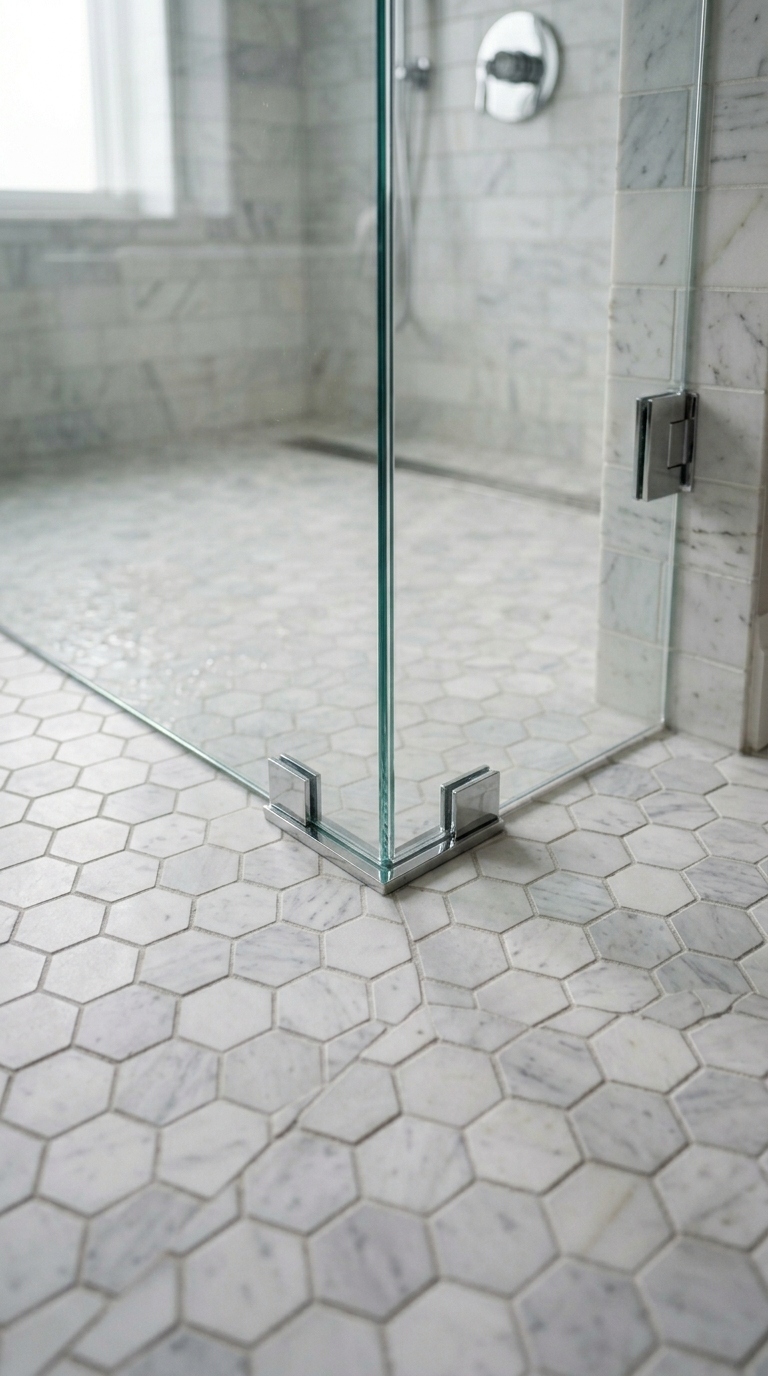
4. Choosing Incorrect or Slippery Flooring MaterialsThe bathroom is a fundamentally wet environment, which means the materials you select must be highly resistant to water and provide adequate traction to prevent dangerous falls. Falling in love with a high-gloss, smooth marble tile or a porous hardwood and installing it in a high-moisture zone is a recipe for disaster. Polished stone and smooth ceramics become incredibly slick when wet, posing a significant safety hazard for people of all ages. Instead, prioritize safety without sacrificing style by choosing slip-resistant flooring options. Look for tiles with a matte or textured finish. Smaller tiles, such as classic mosaics, penny rounds, or small hexagons, are excellent choices for bathroom floors, especially in showers, because the numerous grout lines provide natural traction underfoot. If you desire the look of wood, consider luxury vinyl plank (LVP) or wood-look porcelain tile, both of which offer the aesthetic warmth of timber with complete waterproof durability. Always check the dynamic coefficient of friction (DCOF) rating of your chosen tile; a rating of 0.42 or higher is generally recommended for wet indoor spaces.5. Disregarding Spatial Planning and ClearancesCramming too many fixtures into a limited square footage is a surefire way to make a bathroom feel claustrophobic and utterly non-functional. Every toilet, sink, tub, and door requires specific clearances to be used comfortably. Forgetting to account for the swing of a shower door, placing the toilet too close to the vanity, or failing to leave enough space to comfortably step out of the tub are mistakes that will haunt your daily routine. Before you purchase a single fixture, you must meticulously measure your space and create a detailed floor plan. Building codes stipulate minimum clearances; for example, there should be at least 21 to 30 inches of clear space in front of the toilet, sink, and bathtub. The distance from the center of the toilet to any adjacent wall or fixture should be a minimum of 15 inches. If you are struggling with a tight layout, consider space-saving solutions like a wall-mounted toilet, a compact corner sink, or swapping a bulky swinging door for a sleek pocket door. Proper spatial planning ensures a graceful, effortless flow and elevates the luxury feel of the room.
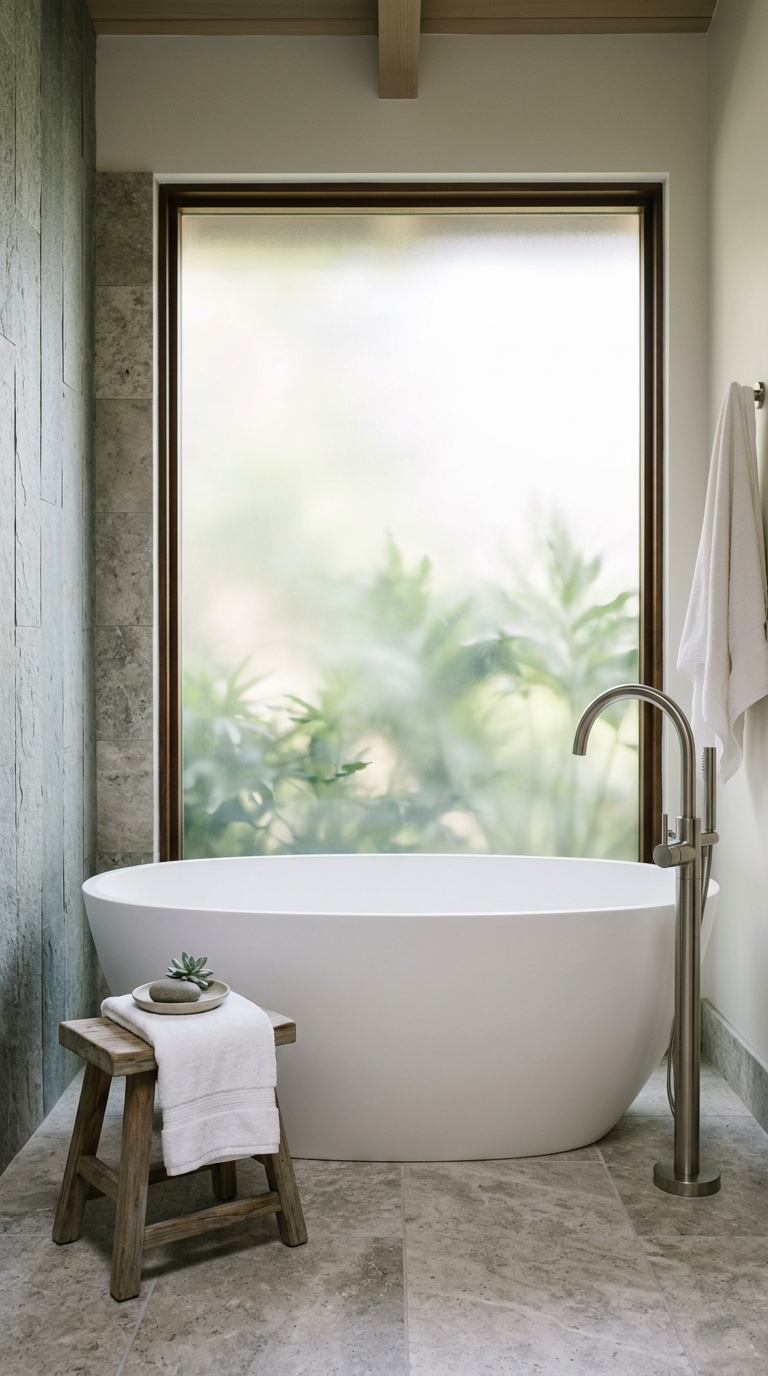
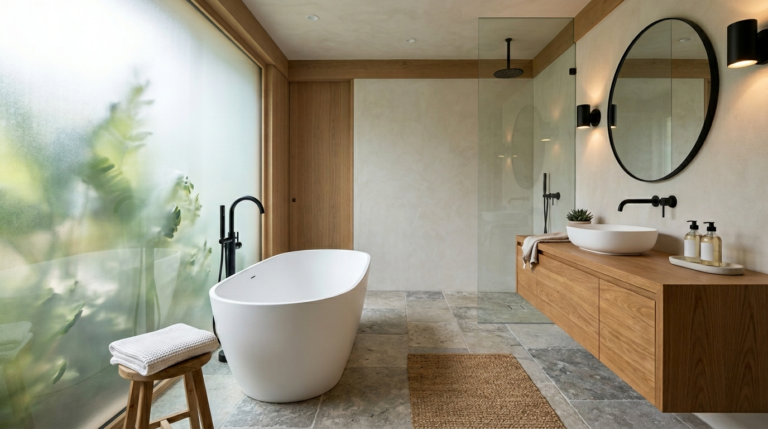
6. Prioritizing Form Over Function in FixturesIn the age of social media design inspiration, it is incredibly easy to be seduced by a stunning, avant-garde faucet or an incredibly deep, sculptural freestanding tub. However, sacrificing functionality for a fleeting trend is a costly error. A beautiful vessel sink might look dramatic, but if paired with the wrong faucet height, it will splash water all over your counters every time you wash your hands. That gorgeous freestanding tub might become a massive regret if you have mobility issues or if cleaning the narrow gaps between the tub and the wall becomes an impossible chore. When selecting fixtures, you must visualize how you will actually use them on a daily basis. Test the depth of sinks, consider the reach and flow of faucets, and sit in tubs before purchasing if possible. Opt for fixtures constructed from solid brass rather than plastic components for longevity. Ensure your showerhead provides adequate pressure and coverage. Ultimately, the most luxurious bathroom is one that works flawlessly and simplifies your life, rather than complicating it with high-maintenance or impractical design choices.7. Sacrificing the Tub Without Considering Resale ValueThe debate between a massive walk-in shower and a traditional bathtub is a common dilemma in modern bathroom renovations. While large, luxurious showers are incredibly popular and highly practical for daily use, entirely eliminating bathtubs from a home is a risky maneuver, particularly if you plan to sell your property in the future. Many prospective homebuyers, especially young families with small children or individuals who use baths for therapeutic relaxation, consider at least one bathtub a non-negotiable requirement. If your home currently has only one tub and you remove it to build a grand shower, you may significantly narrow your pool of future buyers. If space is limited in a primary en-suite, prioritizing a fantastic shower is generally acceptable, provided there is a family bathroom elsewhere in the house that retains a tub. If you have the space and budget, the ideal solution is separate tub and shower enclosures. Alternatively, a high-quality, deep soaking tub combined with a sophisticated shower system can offer the best of both worlds in a single footprint, maintaining your home’s broad market appeal.
8. Unrealistic Budgeting and Ignoring Hidden CostsPerhaps the most stressful mistake a homeowner can make is setting an unrealistic budget and failing to anticipate the inevitable hidden costs of remodeling. A bathroom renovation involves multiple trades, including plumbing, electrical work, tiling, and carpentry, making it one of the most expensive rooms to update per square foot. When walls are opened up, especially in older homes, contractors frequently discover unexpected issues such as hidden water damage, outdated wiring that does not meet current safety codes, or structural rotting that must be addressed immediately before aesthetic work can continue. To protect yourself from financial panic, you must build a contingency fund of at least 15 to 20 percent into your initial budget. Obtain multiple detailed quotes from licensed contractors, and ensure every element, from the raw materials to the final coat of paint, is itemized. Be wary of quotes that seem too good to be true, as they often omit crucial preparatory work. Transparent communication with your contractor about budget constraints and potential overages from day one is vital for a smooth, anxiety-free project.9. Attempting Complex Plumbing and Electrical DIYWhile painting a wall or installing cabinet hardware are excellent DIY projects that can save you money, taking on complex plumbing, electrical, or structural work without professional training is a monumental risk that can end in disaster. Incorrectly installed plumbing can lead to slow, hidden leaks that rot floorboards, destroy ceilings below, and cause catastrophic mold infestations. Faulty electrical work in a wet environment poses a lethal shock hazard and significant fire risk. Furthermore, unpermitted, non-code-compliant work can void your home insurance policy and create massive hurdles when trying to sell your house. Unless you are a licensed professional, always hire qualified, insured plumbers and electricians for the foundational systems of your bathroom. They understand the intricacies of proper venting, drainage slopes, load balancing, and waterproofing membranes. Investing in professional labor for these hidden but critical elements guarantees the safety, functionality, and longevity of your investment, giving you total peace of mind in your beautiful new sanctuary.
Conclusion: Planning Your Perfect SanctuaryA successful bathroom remodel is a masterclass in meticulous planning, realistic budgeting, and an unwavering commitment to both beautiful aesthetics and uncompromising functionality. By actively avoiding these nine common mistakes—from ensuring brilliant, layered lighting and robust ventilation to planning intelligent storage solutions and hiring qualified professionals for the heavy lifting—you transform a stressful construction project into a deeply rewarding creative journey. Take your time during the design phase to truly evaluate how you use your space, prioritize durable, high-quality materials, and never underestimate the value of expert craftsmanship. Your bathroom is more than just a utilitarian room; it is the space where you begin and end each day. With careful foresight, strategic choices, and a focus on long-term value, you can create a personalized oasis of calm and efficiency that will bring you joy, comfort, and significant return on investment for decades to come.
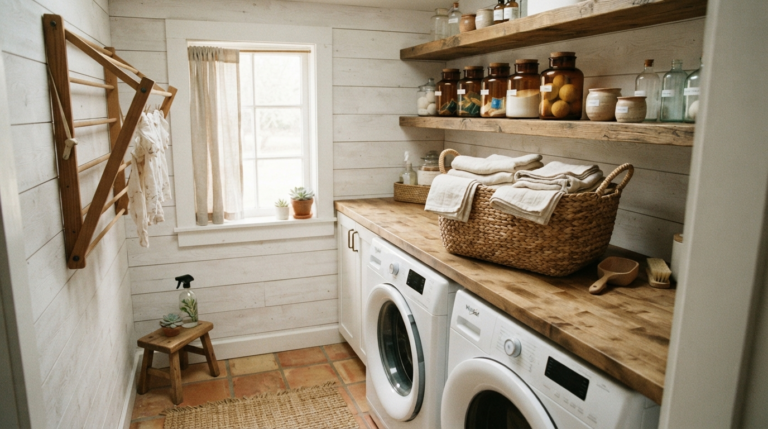
Are you making these critical layout and styling errors? Learn how to fix common bathroom and laundry design mistakes for a flawless, highly functional space.
Discover the latest bathroom design trends that will elevate your space into a luxurious sanctuary. Explore innovative fixtures, color palettes, and layouts.
Stop making these common small bathroom design mistakes! Learn how to maximize your space and create a luxurious, premium feel without major renovations.
Unlock the secrets to maximizing space and elevating style in a compact bathroom. This step-by-step guide helps you create a premium, luxurious oasis at home.
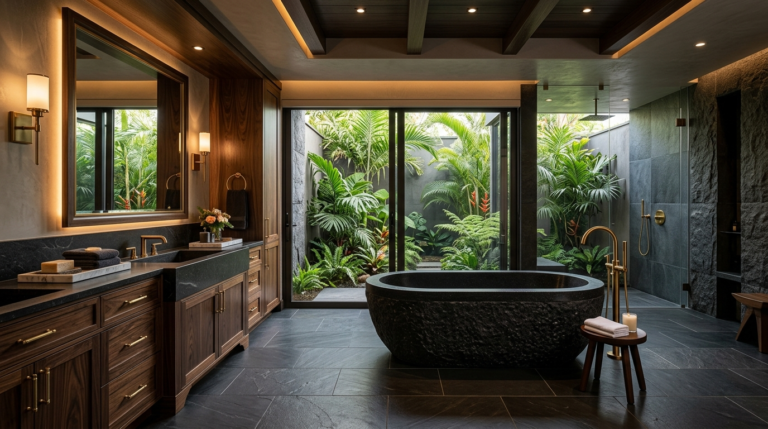
Explore the most opulent bathroom trends of the year. From freestanding stone tubs to smart mirrors, elevate your daily routine with these premium upgrades.